About Shark Wall
Shark Wall, or Shark Arena, is a renowned dive site located on the southwest side of New Providence Island, near Nassau, Bahamas. It is specifically designed for controlled interactions with Caribbean reef sharks, where divers position themselves in a semicircle on a sandy bottom to observe these impressive pelagic creatures during a feeding session. This site is part of the Tongue-of-the-Ocean, a deep oceanic trench that brings large marine life close to shore and maintains exceptional water clarity by sweeping away sediments. The dive environment features a sandy expanse at depths ranging from 11 to 20 meters, with surrounding reef structures contributing to a healthy ecosystem. While the primary attraction is the Caribbean reef shark, the area's rich waters also provide opportunities to spot other shark species and various reef fish. The consistently high visibility, often between 18 and 25 meters, enhances the viewing experience. Diving here is part of a managed program, emphasizing diver safety and responsible interaction with marine life under the guidance of professional handlers. Water temperatures are inviting year-round, typically between 22°C and 36°C, with optimal conditions and clearer water generally observed from November to May. This makes Shark Wall an accessible and exhilarating experience for certified divers seeking a unique encounter with sharks.
Highlights
Controlled shark feeding experienceCaribbean reef shark encountersSandy arena dive setupExcellent visibilityProfessional handler interactionStructured, safe dive environmentNassau's iconic shark site
Season calendar
Best months to dive here
Jan
Feb
Mar
Apr
May
Jun
Jul
Aug
Sep
Oct
Nov
Dec
Excellent
Good
Dive site facts: Shark Wall
- Depth
- 11–20 m
- Typical dive
- 13–20 m, 30–45 min
- Current
- Light (1 knot)
- Visibility
- 18–25 m
- Water temperature
- 22–36°C
- Entry
- Boat / controlled descent
- Level
- Intermediate / Certified
- Dive type
- Shark encounter, reef
- Night dive
- Not typically offered
- Region / port
- Nassau, New Providence
- Coordinates
- 24.8100° N, 76.2400° W
Conditions & Currents
Currents at Shark Wall are typically light, averaging around 1 knot, which allows divers to maintain a stable position without significant effort during the shark feeding sessions. Visibility is consistently high, usually between 18 and 25 meters, often reaching up to 30 meters, providing unobstructed views of the marine activity. Entry and exit are boat-based, facilitated by local operators, and divers perform a controlled descent to the sandy bottom. While generally calm, divers should be aware of potential slight surge, particularly in shallower areas or during stronger tides, though this rarely disrupts the planned interactions. The mild currents also help maintain a relatively uniform water temperature throughout the dive profile, which ranges from 22°C to 36°C depending on the season.
Marine life & sighting chances
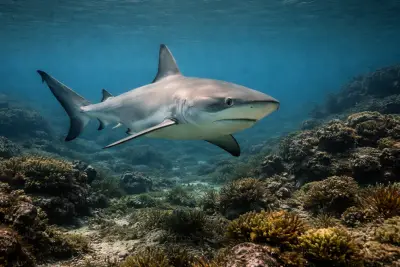
Caribbean reef shark
Year-round · common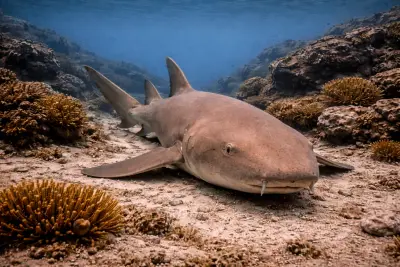
Nurse shark
Year-round · occasional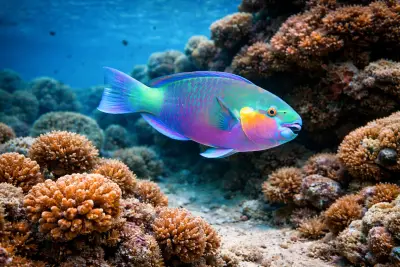
Parrotfish
common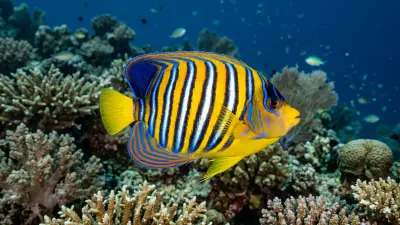
Angelfish
common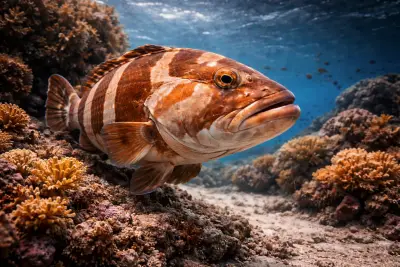
Nassau grouper
occasional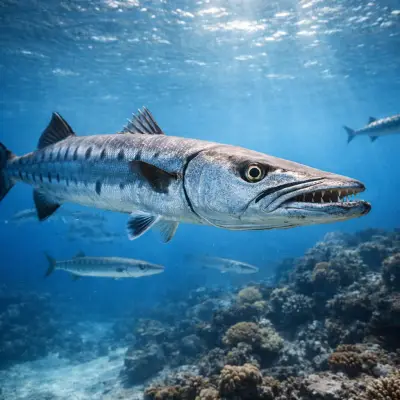
Barracuda
occasional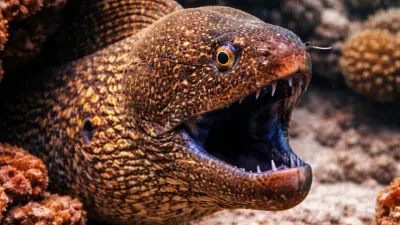
Moray eel
occasionalDive profile & how the dive runs
Your dive at Shark Wall commences with a boat entry, followed by a controlled descent to the sandy bottom, typically between 11 and 20 meters. Divers are instructed to kneel in a pre-arranged semicircle, facing the designated area where professional handlers manage the shark feeding. The route is static, primarily focusing on observing the Caribbean reef sharks as they interact with the feeding box. You will maintain this stationary position for the duration of the shark encounter, which usually lasts between 30 to 45 minutes, allowing for ample viewing and photography opportunities. The dive guide signals the turn point, initiating a gradual ascent. Your safety stop will be conducted at 5 meters, often still within view of the active site, before returning to the surface and reboarding the boat. Strict adherence to the dive briefing and maintaining assigned positions are paramount for a safe and memorable experience.
Underwater photography
Shark Wall provides exceptional opportunities for wide-angle photography, especially with the clear waters and the large subjects. A fisheye lens is highly recommended to capture the full scope of the shark encounters. Strong strobes are essential to properly light the sharks and ensure vibrant colors against the often bright background. Due to the controlled nature of the dive, divers maintain a static position, making it easier to compose shots. Focus on capturing the sharks interacting with the handler or as they swim past the semicircle. Be mindful of not using flash directly on the sharks' eyes. Maintain excellent buoyancy control to avoid disturbing the sandy bottom and ensure clear visibility for all photographers. Given the consistent lighting and predictable subjects, this site is also suitable for video capture.
Combine with nearby dive sites
- Alec's Cavern
Alec's Cavern is an extraordinary dive site situated on Andros Island in the Bahamas, a region globally recognized for its extensive…
- Ray of Hope
Wreck site near New Providence, known for sharks and large groupers.
- SS Sapona
The SS Sapona is one of Bimini's most iconic dive sites, a concrete-hulled cargo steamer that ran aground during a hurricane in 1926.
- Tears of Allah
Wreck site used as a movie set for James Bond, located near Nassau.
- Vulcan Bomber
A movie prop wreck near Nassau, used for a James Bond film.
Getting there & logistics
Access to Shark Wall is primarily via local dive operators specializing in guided shark adventure programs, departing from Nassau on New Providence Island. Stuart Cove’s Dive Bahamas is a major operator in the area, offering daily boat dives. International flights typically arrive at Lynden Pindling International Airport (NAS) in Nassau. Most trips to Shark Wall are day trips, lasting a few hours for the dive experience itself. Liveaboards operating in the Bahamas may also include Nassau in their itineraries, though dedicated shark feeding dives are often resort-based. There are typically no specific permits required for divers beyond standard certifications, but tour operators may have additional costs for the shark feeding experience.
Safety & environment
For dive safety, the nearest recompression chamber is located in Nassau, New Providence. Evacuation in the event of a serious dive incident would typically involve local emergency services and potentially air transport to the chamber. Dive insurance is highly recommended, covering dive accidents and potential medical evacuation costs. Site-specific hazards at Shark Wall revolve around interacting with large marine predators; therefore, strict adherence to the dive briefing and instructions from professional handlers is crucial. Divers must remain within the designated semicircle, avoid extending limbs, and never attempt to touch or feed the sharks. The light currents and clear visibility generally contribute to a low-stress environment, but basic open water certification is a prerequisite, and an intermediate level is recommended for comfort.
Who it suits — and who it doesn't
Suited for
- Certified divers seeking unique big animal encounters
- Photographers focusing on wide-angle and large marine life
- Divers interested in educational and controlled shark interactions
- Intermediate divers comfortable with boat entries and static dives
- Those looking for a memorable, adrenaline-pumping experience
Less suited for
- Beginner divers without adequate experience
- Divers uncomfortable with close proximity to sharks
- Individuals seeking wreck penetration or complex drift dives
- Those preferring macro photography or extensive reef exploration
- Divers unwilling to adhere strictly to safety protocols
FAQ
Shark Wall FAQ
What kind of sharks will I see at Shark Wall?
Shark Wall is primarily known for its Caribbean reef sharks, which are the main focus of the controlled feeding experiences. While the primary draw is the Caribbean reef shark, the wider Nassau area also presents opportunities to encounter nurse sharks. Divers will have clear views of these magnificent creatures interacting with professional handlers.
Is Shark Wall safe for divers?
Yes, Shark Wall is considered safe due to its highly controlled and managed dive program. Divers receive thorough briefings and are supervised by professional handlers during the shark feeding. Participants remain in a designated semicircle, and strict rules are enforced to ensure diver safety and responsible interaction with the marine life, making it a thrilling yet secure experience.
What are the typical diving conditions at Shark Wall?
Conditions at Shark Wall are generally excellent. Visibility is consistently high, typically ranging from 18 to 25 meters, providing clear views of the shark activity. Currents are usually light, around 1 knot, allowing for comfortable and stable observation. The water temperature is inviting, ranging from 22°C to 36°C depending on the season, making it a pleasant dive year-round.
Do I need special certification to dive Shark Wall?
While an Open Water Diver certification is the minimum requirement, an intermediate level of experience or comfort with diving is recommended due to the nature of the shark encounters. You don't need a specific 'shark diving' certification, but being comfortable in the water and following instructions is crucial for this specialized dive. Local operators will provide all necessary pre-dive briefings.
Can I take photos and videos during the shark dive?
Yes, photography and videography are highly encouraged at Shark Wall, given the excellent visibility and the static nature of the dive. It's an ideal setting for wide-angle lenses to capture the Caribbean reef sharks. Divers should be mindful of their position and buoyancy to avoid disturbing the environment and ensure clear shots for everyone. Strobes are recommended for optimal lighting.
Why dive Shark Wall from a liveaboard?
Shark Wall is one of Bahamas's signature dive sites. A liveaboard sleeps you on the water and puts you in the water for three to four guided dives per day, including dawn and night dives that day-boat operators rarely offer. You skip the daily commute back to port and reach quieter, less-crowded sites in the same region on a single trip.
Below are the liveaboards that include Shark Wall on their Bahamas itineraries.
Liveaboards diving Shark Wall
These liveaboards may visit Shark Wall on selected itineraries — the exact dive sites depend on departure, weather and conditions.
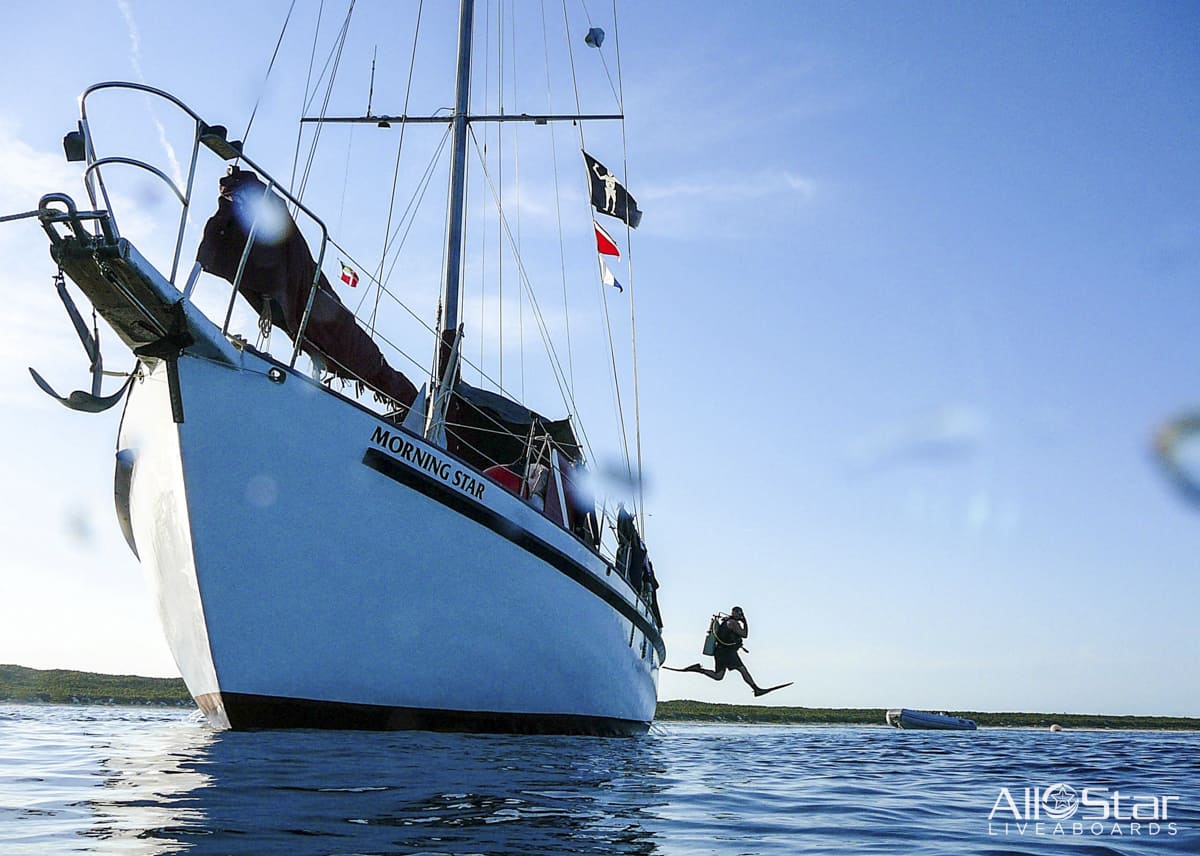
All Star Blackbeards Morning Star
Bahamas
24 guests19.81 m
$156/day
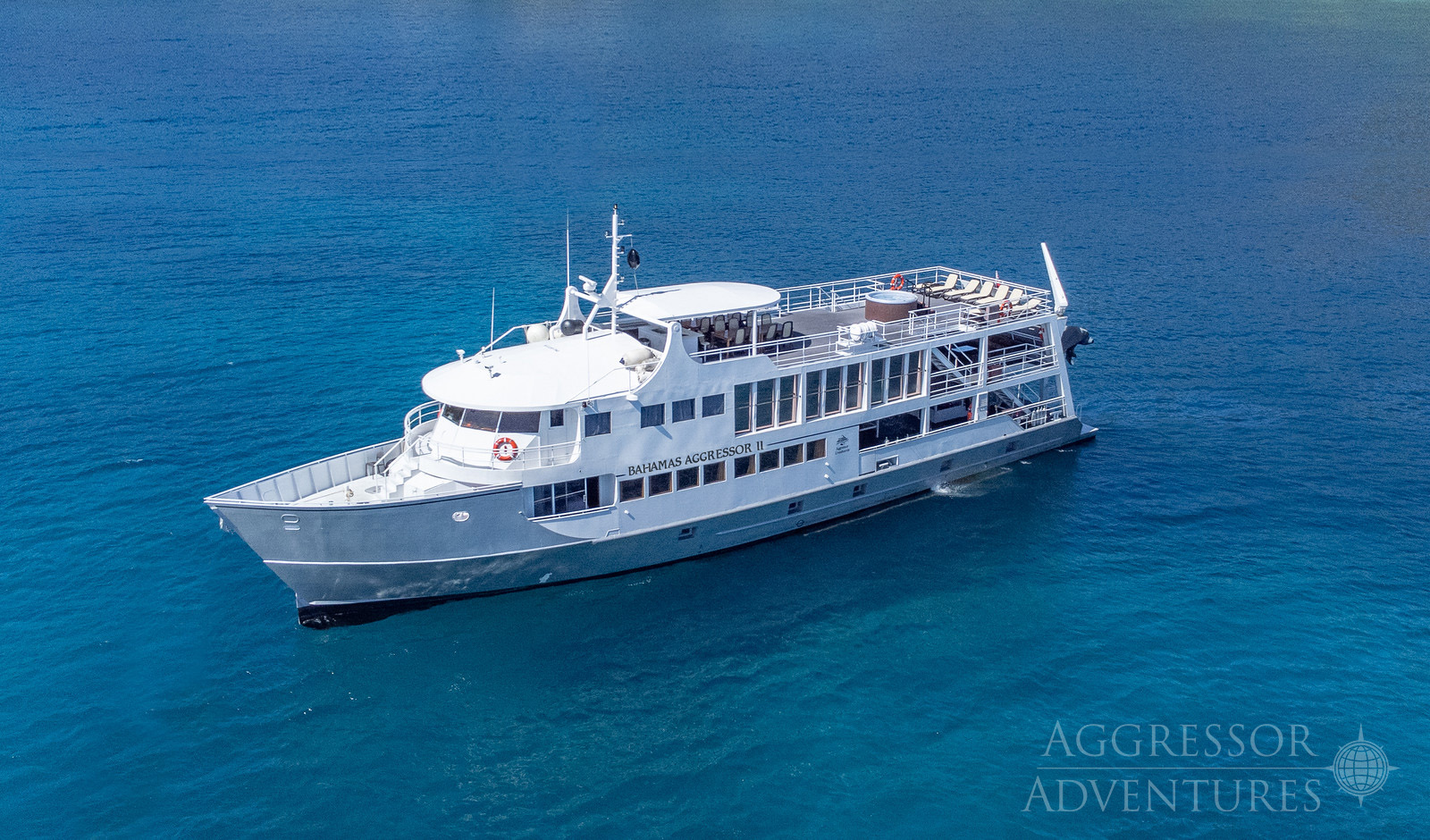
Bahamas Aggressor II
Bahamas
20 guests33.5 m
$328/day
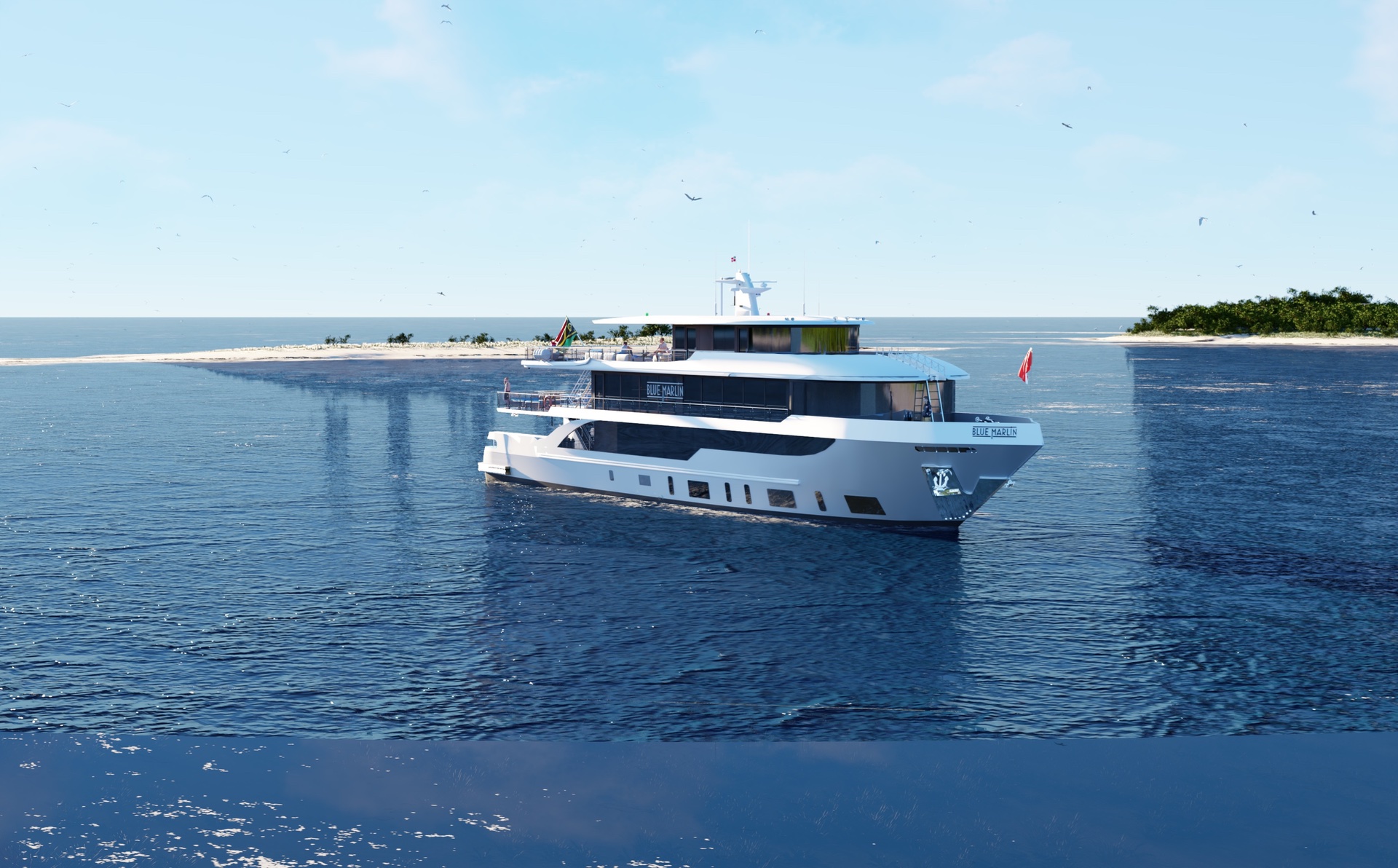
Blue Marlin
Bahamas
26 guests42 m
$318/day
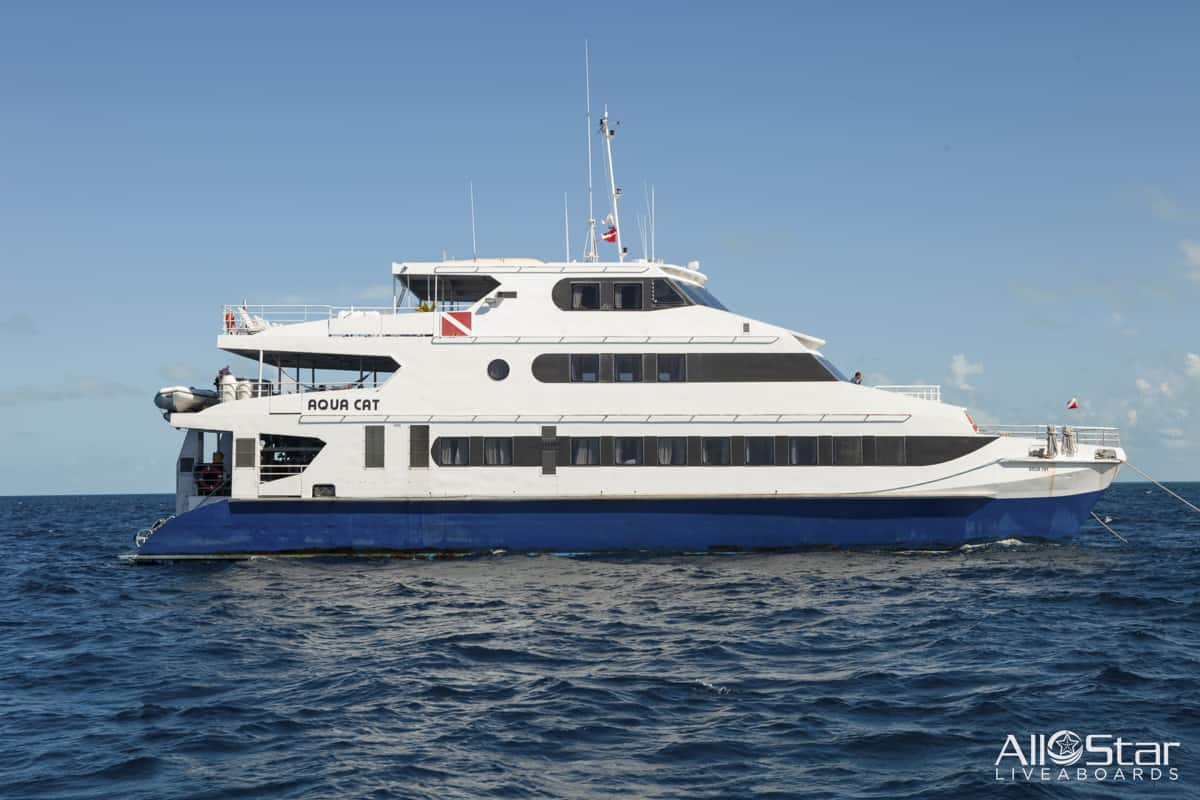
All Star Aqua Cat
Bahamas
30 guests31.09 m
$312/day
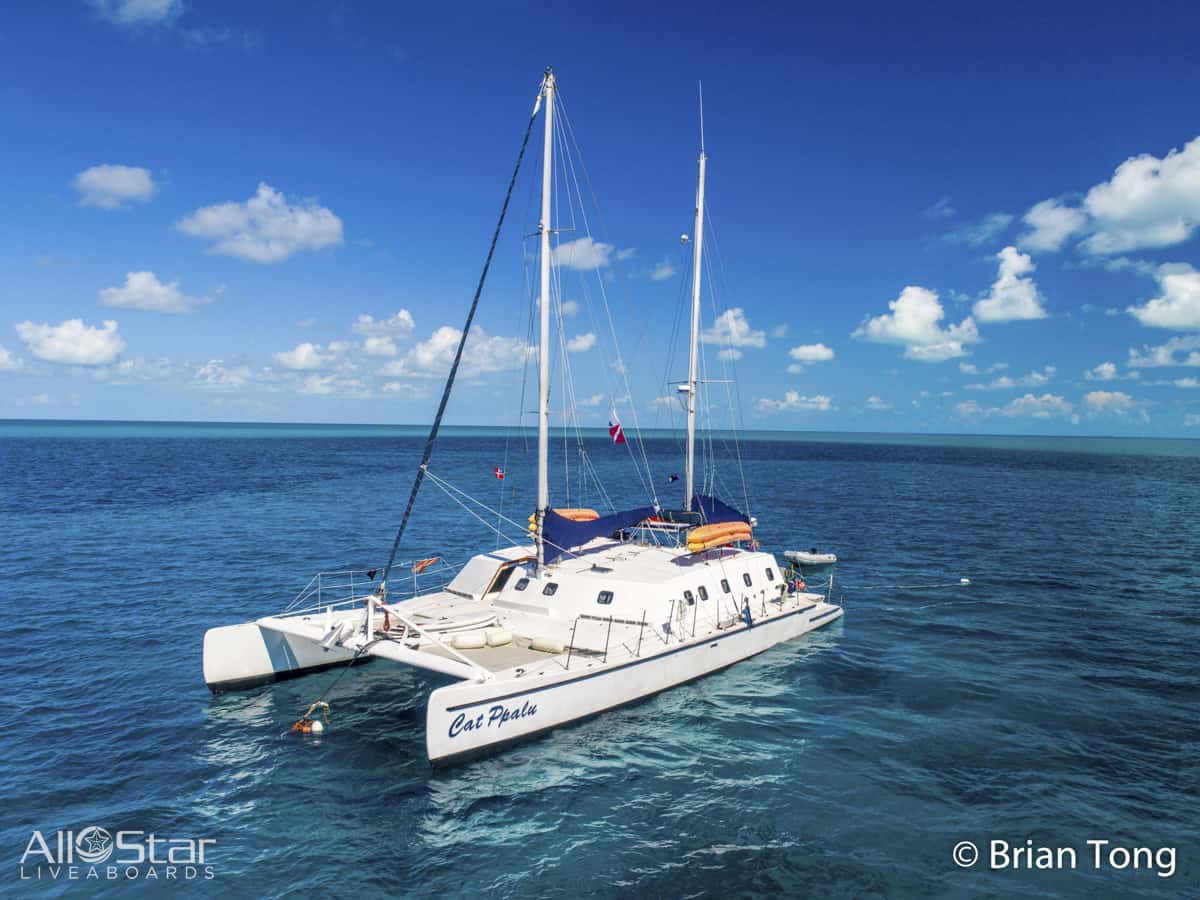
All Star Cat Ppalu
Bahamas
12 guests20 m
$237/day
Dive sites similar to Shark Wall
Same character, same waters — six more sites divers love for the exact same reasons.Compare seasons, access and liveaboard routes — then pick the site that fits your trip best.
© Esri — Maxar, Earthstar, GIS
Cut Through City
Bahamas
Cut Through City is a standout dive site located off the coast of Eleuthera in the Bahamas, a region renowned for its diverse underwater topography.
- Suitable for
- Intermediate
- Current
- Mild
- Access
- Liveaboard only
- Depth
- 27–40 m
- Theme
- Wall / Reef
© Esri — Maxar, Earthstar, GIS
Metropolis
Bahamas
Metropolis is a standout dive site in the Bahamas, renowned for its consistent and diverse shark encounters, making it a thrilling destination for divers seeking pelagic action.
- Suitable for
- Intermediate
- Current
- Moderate
- Access
- Liveaboard only
- Depth
- ≤ 13 m
- Theme
- Reef
© Esri — Maxar, Earthstar, GIS
Mt. Olympus
Bahamas
Mt. Olympus is a dynamic dive site in the Bahamas, regularly visited by liveaboards, known for its healthy marine ecosystem and varied underwater terrain.
- Suitable for
- Advanced
- Current
- Moderate
- Access
- Liveaboard only
- Depth
- ≤ 122 m
- Theme
- Reef / Drift
© Esri — Maxar, Earthstar, GIS
Austin Smith Wreck
Bahamas
The Austin Smith Wreck, originally named HMBS Flamingo, was a 90-foot Bahamian Defense Force cutter that was decommissioned in 1995. Intended for use as an artificial reef, it…
- Suitable for
- Intermediate
- Current
- Moderate
- Access
- Liveaboard only
- Depth
- 18–18 m
- Theme
- Wreck / Reef
© Esri — Maxar, Earthstar, GIS
Split Coral Head
Bahamas
Split Coral Head is a notable dive site located in Eleuthera, Bahamas, celebrated for its impressive coral formations and the distinctive split in a massive coral head from which it derives its name.
- Suitable for
- Beginner
- Current
- No current
- Access
- Liveaboard only
- Depth
- 14–17 m
- Theme
- Reef
© Esri — Maxar, Earthstar, GIS
Danger Reef
Bahamas
Danger Reef is an integral part of the Exuma Cay Reef Dives, nestled within the expansive Exuma Cays.
- Suitable for
- Intermediate
- Current
- Mild
- Access
- Liveaboard only
- Depth
- ≤ 18 m
- Theme
- Reef