About Black Coral Wall
Black Coral I and II are prominent dive sites within Cuba's renowned Jardines de la Reina marine reserve, an area celebrated for its healthy reefs and crystal-clear waters. These sites are typically explored as part of multi-day liveaboard itineraries, offering divers repeated opportunities to immerse themselves in a vibrant underwater landscape. Divers navigate among a spectacular array of corals, including giant gorgonian fans, table corals, and impressive black coral colonies, all thriving in sunlit conditions that highlight their dazzling colors. The proximity of extensive mangrove forests further enriches the marine environment, providing an ideal ecosystem for diverse species to flourish. The Cuban government's strict conservation policies limit annual visitors, ensuring the pristine condition of these dive locations. Marine life is abundant, with reef fish like angelfish, parrotfish, and clownfish commonly observed. Sharks are a major draw, particularly at deeper drop-offs where reef sharks often congregate. Stingrays are frequently found resting on sandy patches, while large schools of jacks and massive groupers patrol the open water. The exceptional visibility makes for an immersive experience, allowing divers to fully appreciate the rich biodiversity. While liveaboards generally handle the logistics, Cuba itself has specific currency regulations, requiring tourist currency (Cuban Convertible Peso) to be acquired within the country, with Euros, Canadian Dollars, or Pounds recommended for exchange. Given the rich marine ecosystem, healthy coral structures, and prevalence of sharks, Black Coral I and II offer an advanced diving experience. The sites are accessible via liveaboard, which typically depart from Jucaro after a picturesque drive from Havana.
Highlights
Black coralReef sharksSponge gardens
Season calendar
Best months to dive here
Jan
Feb
Mar
Apr
May
Jun
Jul
Aug
Sep
Oct
Nov
Dec
Good
Dive site facts: Black Coral Wall
- Depth
- 15–40 m
- Current
- Mild
- Visibility
- Exceptional
- Water temperature
- 25–30°C
- Entry
- Boat
- Level
- Advanced
- Dive type
- Wall, Reef
- Region / port
- Jardines de la Reina, Cuba
- Coordinates
- 20.7400°, -78.7850°
Conditions & Currents
Currents at Black Coral Wall are generally mild, allowing for comfortable exploration of the extensive reef systems. Visibility consistently remains exceptional, often extending beyond 20 meters, which greatly enhances the diver's ability to observe marine life and coral structures. While specific thermoclines are not consistently noted, divers should be prepared for potential minor temperature shifts at deeper sections of the wall. The dive sites are typically accessed via liveaboard, which simplifies entry and exit procedures, usually involving tender boats for direct access. Surface conditions are generally calm, contributing to a relaxed diving experience, making it suitable for advanced divers comfortable with wall diving in varied conditions.
Marine life & sighting chances

Angelfish
common
Parrotfish
common
Clownfish
common
Reef sharks
occasional
Stingrays
occasional
Jacks
occasional
Groupers
occasional
Giant gorgonian corals
commonTable corals
commonBlack corals
commonDive profile & how the dive runs
Dives at Black Coral Wall typically commence from a liveaboard tender, allowing for precise entry onto the reef. The profile usually involves a descent along the main wall, which starts around 15 meters and drops to depths of 40 meters. Divers often follow the contours of the wall, exploring overhangs and vibrant coral formations, including numerous black coral colonies and gorgonians. The route commonly leads through areas where reef fish are abundant and large pelagic species, such as sharks and jacks, are frequently observed patrolling. Navigation involves maintaining visual contact with the wall, gradually progressing along its length. The turn point is generally determined by air consumption and no-decompression limits, after which divers ascend slowly, often shallower along the reef. Safety stops are conducted in the 5-meter range, frequently amidst schooling reef fish, providing a pleasant end to the dive.
Underwater photography
Black Coral Wall offers exceptional opportunities for underwater photography, particularly for wide-angle shots due to its clear visibility and healthy, expansive coral formations. Utilize wide-angle lenses to capture the vastness of the wall, the impressive black coral trees, and the large gorgonian fans. Given the excellent light penetration, natural light photography is often effective in shallower areas, but strobes are recommended to bring out the true colors of the corals and marine life at deeper levels. Pay attention to composition, integrating schooling fish and larger pelagics like sharks into your reefscapes. For macro enthusiasts, explore the crevices and coral branches for smaller reef inhabitants, although the site truly shines for its grander underwater vistas. Buoyancy control is paramount to avoid damaging the delicate coral structures and to maintain stable shots.
Combine with nearby dive sites
- Pipin
A renowned site within Jardines de la Reina Marine Park, known for dramatic wall formations and abundant sharks.
- Farallón
A stunning wall dive featuring overhangs, swim-throughs, and schools of tarpon and snappers.
- Cayo Anclitas
Shallow coral gardens ideal for night diving, with octopus, lobster, and nurse sharks.
- Las Coloradas
A shallow site with mild currents, known for diverse juvenile marine life and good visibility.
Getting there & logistics
Access to Black Coral Wall in Cuba's Jardines de la Reina is exclusively via liveaboard, which typically departs from Jucaro. Divers usually begin their journey with an arrival at Havana's international airport, followed by a picturesque drive to Jucaro, where they board the liveaboard vessel. Trip lengths vary but commonly involve multi-day itineraries designed to explore several dive sites within the marine reserve. Given the remote and protected nature of the area, specific permits and fees are generally managed by the liveaboard operators and are often included in the trip cost. It is important to note Cuba's specific currency regulations, requiring tourist currency (Cuban Convertible Peso) to be acquired within the country, with Euros, Canadian Dollars, or Pounds recommended for exchange. Liveaboard operations ensure all logistics, including transportation to and from the dive sites, are handled for a seamless diving experience.
Safety & environment
Diving at Black Coral Wall, given its advanced profile, necessitates careful adherence to safety protocols. Divers should carry appropriate insurance that covers emergency medical treatment and evacuation, particularly due to the remote location of Jardines de la Reina. The nearest recompression chamber may be several hours away by boat and land, making immediate emergency response challenging. It is crucial to dive within certified limits and follow all instructions from experienced dive guides provided by the liveaboard. Given the presence of sharks, maintain respectful distances and avoid provocative behavior; these are natural encounters in a pristine marine environment. Conduct is paramount to preserve the delicate coral ecosystems, so maintaining excellent buoyancy and avoiding contact with any marine life is essential. Always have a safety sausage and whistle for surface signaling in the event of an unplanned separation from the group.
Who it suits — and who it doesn't
Suited for
- Advanced divers comfortable with wall diving
- Photographers seeking vibrant reefscapes
- Divers interested in shark encounters
- Those who appreciate pristine, protected marine environments
- Liveaboard enthusiasts
Less suited for
- Beginner divers or those without advanced certification
- Divers uncomfortable with deep wall profiles
- Individuals prone to seasickness on liveaboards
- Those seeking shore-based diving experiences
- Divers unfamiliar with remote dive logistics
FAQ
Black Coral Wall FAQ
What kind of marine life can I expect to see at Black Coral Wall?
At Black Coral Wall, you can anticipate encountering a rich diversity of marine life, including common reef fish like angelfish, parrotfish, and clownfish. Sharks are a frequent sight, particularly at deeper sections of the wall. You may also spot stingrays resting on sandy patches, and large schools of jacks and groupers patrolling the open water.
Why is it called 'Black Coral Wall'?
The dive site earns its name from the abundant and impressive black coral colonies that thrive along its wall formations. These corals, along with giant gorgonian fans and other colorful coral species, create a visually stunning and unique underwater landscape that defines the site.
Is Black Coral Wall suitable for beginner divers?
Black Coral Wall is generally considered an advanced dive site due to its depth range, typically from 15 to 40 meters, and the nature of wall diving. It is best suited for experienced divers who are comfortable with these conditions and possess advanced certifications. Beginners might find the depths and environment challenging.
How do I get to Black Coral Wall?
Access to Black Coral Wall is primarily through liveaboard trips, which are the standard way to explore the remote Jardines de la Reina marine reserve. Liveaboards typically depart from Jucaro, often after divers have traveled from Havana. These trips include transportation to and from the dive sites as part of their itinerary.
What are the best months to dive Black Coral Wall?
The ideal time to dive Black Coral Wall is during Cuba's drier and calmer season, which runs from December to April. During these months, the conditions are most favorable, offering exceptional visibility and comfortable water temperatures for an optimal diving experience.
Are there strong currents at Black Coral Wall?
Currents at Black Coral Wall are typically mild, which contributes to a relaxed and enjoyable diving experience. While specific current conditions can vary, the site is not generally known for strong or challenging currents, making it manageable for advanced divers.
Why dive Black Coral Wall from a liveaboard?
Black Coral Wall is one of Cuba's signature dive sites. A liveaboard sleeps you on the water and puts you in the water for three to four guided dives per day, including dawn and night dives that day-boat operators rarely offer. You skip the daily commute back to port and reach quieter, less-crowded sites in the same region on a single trip.
Below are the liveaboards that include Black Coral Wall on their Cuba itineraries.
Liveaboards diving Black Coral Wall
These liveaboards may visit Black Coral Wall on selected itineraries — the exact dive sites depend on departure, weather and conditions.
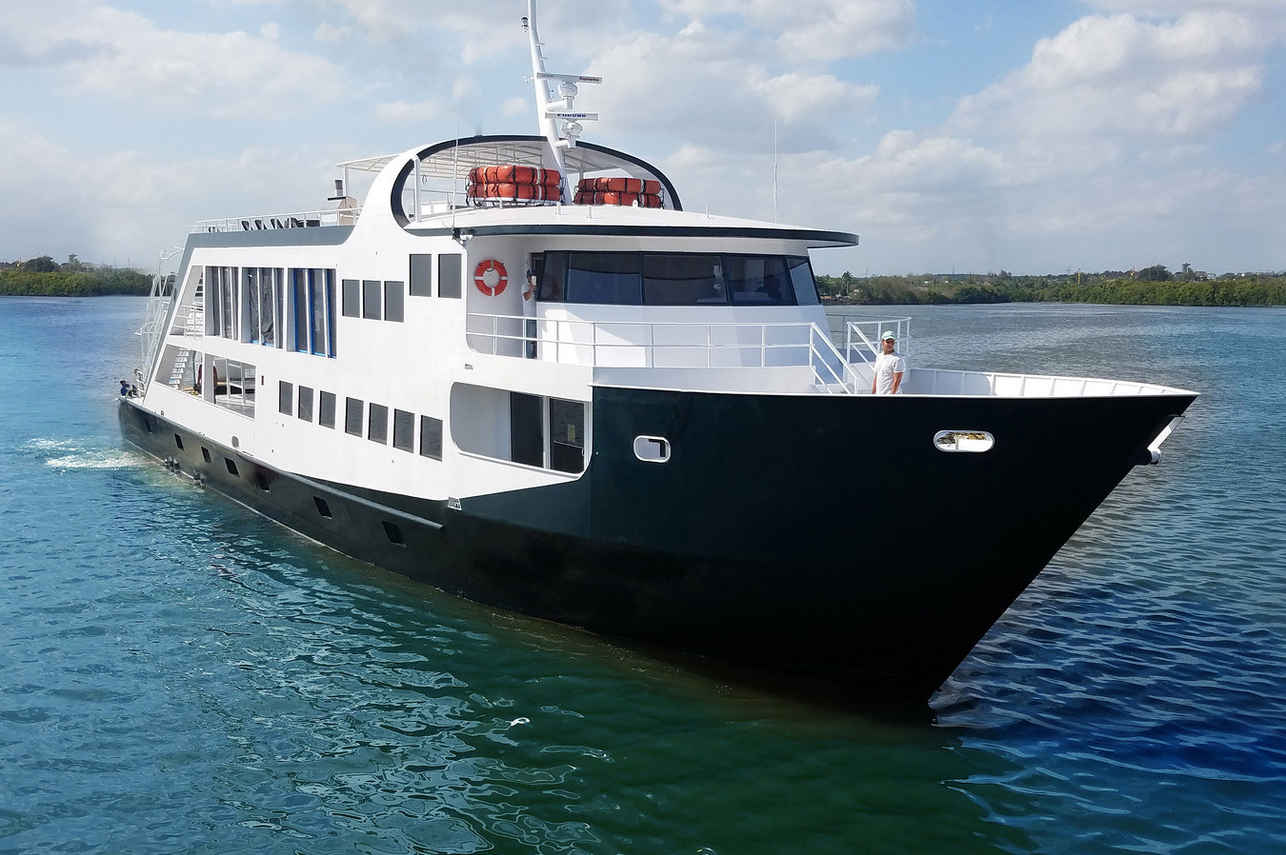
Jardines Avalon Fleet
Cuba
20 guests35.05 m
$494/day
Dive sites similar to Black Coral Wall
Same character, same waters — six more sites divers love for the exact same reasons.Compare seasons, access and liveaboard routes — then pick the site that fits your trip best.
© Esri — Maxar, Earthstar, GIS
El Almirante
Cuba
El Almirante is an advanced dive site located off the shores of Maria la Gorda, on Cuba's Guanahacabibes Peninsula.
- Suitable for
- Advanced
- Current
- Moderate
- Access
- Dayboat
- Depth
- 27–30 m
- Theme
- Wall / Reef
La Patana is a prominent dive site within the protected marine park of Jardines de la Reina, a vast archipelago stretching 150 kilometers off Cuba's southern coast.
- Suitable for
- Intermediate
- Current
- Mild
- Access
- Liveaboard only
- Depth
- 15–30 m
- Theme
- Reef / Wall
La Corona is a captivating dive site situated within the expansive 35-kilometer barrier reef off Playa Santa Lucía in Cuba's Camagüey province.
- Suitable for
- Beginner
- Current
- Mild
- Access
- Dayboat
- Depth
- 5–40 m
- Theme
- Reef / Wall
© Esri — Maxar, Earthstar, GIS
Sueño de Pescador, meaning 'Fisherman's Dream', is an advanced dive site situated within Coiba National Park in Panama.
- Suitable for
- Advanced
- Current
- Strong
- Access
- Liveaboard only
- Depth
- ≤ 42 m
- Theme
- Reef / Wall
© Esri — Maxar, Earthstar, GIS
Danger Point
Cuba
Danger Point is a notable location within the Gansbaai region of South Africa, characterized by its rugged coastline and the perilous reef system lying beneath the ocean's surface.
- Suitable for
- Intermediate
- Current
- Mild
- Access
- Dayboat
- Depth
- 5–30 m
- Theme
- Reef / Wall