About Cayo Anclitas
Cayo Anclitas is a jewel within Cuba's protected Jardines de la Reina marine reserve, celebrated for its pristine shallow coral gardens. This site offers a unique diving experience, particularly appealing to those who enjoy exploring intricate reef structures and abundant macro life. Its accessible depths make it suitable for a wide range of divers, from beginners to those looking for relaxing, extended bottom times. The topography features numerous canyons and tunnels that are richly adorned with diverse sponges and corals, including smooth flower coral and sea rods. These formations create a complex habitat that teems with marine biodiversity, serving as an ideal nursery and hunting ground for various species. The sheltered nature of the site also contributes to its ecological health and vibrant ecosystem. Marine life at Cayo Anclitas includes frequent sightings of nurse sharks, which are often found resting among the coral formations. Divers can also encounter octopuses and lobsters hidden within the crevices, alongside a variety of colorful reef fish. The healthy coral structures and the diversity of smaller creatures make it a captivating site for detailed observation. This site is exclusively accessed via liveaboard, which typically operates from Jucaro. The shallow nature of Cayo Anclitas, combined with its rich nocturnal life, makes it a prime location for night diving, transforming the underwater landscape and revealing different species active after dark.
Highlights
Shallow coral gardensNight diving opportunitiesNurse shark sightingsOctopus and lobsterIntricate canyons and tunnelsHealthy sponge and coral cover
Season calendar
Best months to dive here
Jan
Feb
Mar
Apr
May
Jun
Jul
Aug
Sep
Oct
Nov
Dec
Good
Dive site facts: Cayo Anclitas
- Depth
- 5–18 m
- Current
- Mild
- Entry
- Tender
- Level
- Beginner
- Dive type
- Reef, night dive
- Night dive
- Possible
- Region / port
- Jardines de la Reina
- Coordinates
- 20.69, -78.835
Conditions & Currents
Currents at Cayo Anclitas are typically mild, making it a comfortable dive for less experienced divers. The gentle water movement helps maintain excellent visibility without posing significant challenges, allowing divers to leisurely explore the coral gardens and hidden nooks. Entry is generally from a tender, providing easy access to the dive site.
Marine life & sighting chances

Nurse shark
common
Octopus
occasional
Lobster
occasional
Smooth flower coral
commonSea rod
common
Angelfish
common
Parrotfish
common
Clownfish
occasional
Stingray
occasional
Jacks
occasionalDive profile & how the dive runs
Your dive at Cayo Anclitas typically begins with a tender drop, allowing for a gentle entry into the shallow coral gardens. You'll descend to depths ranging from 5 to 18 meters, weaving through a landscape rich with sponges and various coral types. The route often involves exploring the numerous small canyons and tunnels, which serve as hiding spots for octopus, lobster, and smaller reef fish. Nurse sharks are frequently encountered resting in sandy patches or under ledges. The dive is usually relaxed, allowing ample time for observation and photography. As you approach the end of your dive, you'll gradually ascend, performing your safety stop over the vibrant reef tops before surfacing near the tender for pickup.
Underwater photography
Cayo Anclitas offers excellent opportunities for both wide-angle and macro photography due to its diverse topography and marine life. For wide-angle shots, a fisheye or wide rectilinear lens will capture the expansive coral gardens, dramatic canyons, and overall reef structure. Consider using natural light and adjusting your strobe power for ambient light mixing to highlight the vibrant colors of the smooth flower corals and sea rods. For macro subjects like octopus and lobster, a dedicated macro lens will capture intricate details. During night dives, focus on using strobes to illuminate subjects like sleeping parrotfish or hunting crustaceans, while being mindful not to disturb the nocturnal creatures. Good buoyancy control is essential to avoid contact with the delicate coral formations.
Combine with nearby dive sites
- Pipin
A wall dive within Jardines de la Reina known for its dramatic formations and shark encounters.
- Farallón
A stunning wall dive with overhangs and swim-throughs, often featuring large schools of tarpon.
- Black Coral Wall
An advanced wall dive celebrated for healthy coral formations, including giant gorgonians and black corals.
- Avalon
The name of a liveaboard often operating in the Jardines de la Reina region, indicating proximity to other sites.
- Cinco Pesos
Cinco Pesos is a notable dive site in Cuba, renowned for its dramatic wall and diverse marine life.
Getting there & logistics
Access to Cayo Anclitas is primarily through liveaboard operations within the Jardines de la Reina marine park. These liveaboards typically depart from Jucaro, a port town accessible by a picturesque drive from Havana, or via Camaguey's airport, which is the closest to the port. Trip durations usually span multiple days to allow for comprehensive exploration of the remote park. Due to strict conservation policies, visitor numbers are limited, making advance booking essential. There are no additional permit or park fees beyond the liveaboard package, which handles all necessary permissions. Combining this site with others in Jardines de la Reina is standard for a full itinerary.
Safety & environment
Diving in the remote Jardines de la Reina, including Cayo Anclitas, necessitates robust safety planning. The nearest recompression chamber is likely several hours away in a major city like Havana, emphasizing the importance of conservative diving profiles and carrying appropriate dive insurance that covers emergency evacuation and medical treatment. Liveaboards operating in the area are typically well-equipped and have experienced crew trained in emergency procedures. Site-specific hazards are minimal due to the mild currents and accessible depths, but divers should always maintain good buoyancy to avoid damaging delicate coral. Always follow your dive guide's instructions, especially regarding interaction with marine life like nurse sharks, and report any equipment issues immediately.
Who it suits — and who it doesn't
Suited for
- Beginner and intermediate divers
- Underwater photographers focused on macro or reefscapes
- Divers seeking relaxed, shallow dives
- Night diving enthusiasts
- Those interested in healthy coral ecosystems
Less suited for
- Divers seeking strong currents and drift dives
- Divers specifically targeting large pelagic encounters
- Those who prefer shore-based diving
- Divers unwilling to travel by liveaboard
FAQ
Cayo Anclitas FAQ
What kind of marine life can I expect to see at Cayo Anclitas?
At Cayo Anclitas, you can expect to encounter a variety of marine life, including nurse sharks, which are commonly seen resting on the sandy bottom or under coral ledges. Keep an eye out for octopuses and lobsters hidden within the coral crevices. The vibrant coral gardens are also home to numerous colorful reef fish like angelfish, parrotfish, and occasional stingrays.
Is Cayo Anclitas suitable for beginner divers?
Yes, Cayo Anclitas is well-suited for beginner divers. Its shallow depths, ranging from 5 to 18 meters, and typically mild currents create a relaxed and safe diving environment. The clear visibility also makes it easier for new divers to navigate and appreciate the abundant marine life and healthy coral structures.
Are night dives possible at Cayo Anclitas?
Absolutely, Cayo Anclitas is particularly renowned for its excellent night diving opportunities. After sunset, the reef transforms, revealing different species like hunting octopuses and lobsters that are more active at night. The shallow coral gardens provide a fantastic backdrop for observing nocturnal marine behavior.
How do I get to Cayo Anclitas?
Access to Cayo Anclitas is exclusively via liveaboard. These multi-day trips typically depart from the port of Jucaro, which can be reached by a scenic drive from cities like Havana or by flying into Camaguey's airport. Liveaboards provide transportation to and from the dive sites within the remote Jardines de la Reina marine park.
What are the best months to dive Cayo Anclitas?
The best months to dive Cayo Anclitas are from December to April, corresponding to Cuba's dry season. During this period, you can expect exceptional underwater visibility and generally calm sea conditions. While diving is possible year-round, these months offer the most favorable experience.
Why dive Cayo Anclitas from a liveaboard?
Cayo Anclitas is one of Cuba's signature dive sites. A liveaboard sleeps you on the water and puts you in the water for three to four guided dives per day, including dawn and night dives that day-boat operators rarely offer. You skip the daily commute back to port and reach quieter, less-crowded sites in the same region on a single trip.
Below are the liveaboards that include Cayo Anclitas on their Cuba itineraries.
Liveaboards diving Cayo Anclitas
These liveaboards may visit Cayo Anclitas on selected itineraries — the exact dive sites depend on departure, weather and conditions.
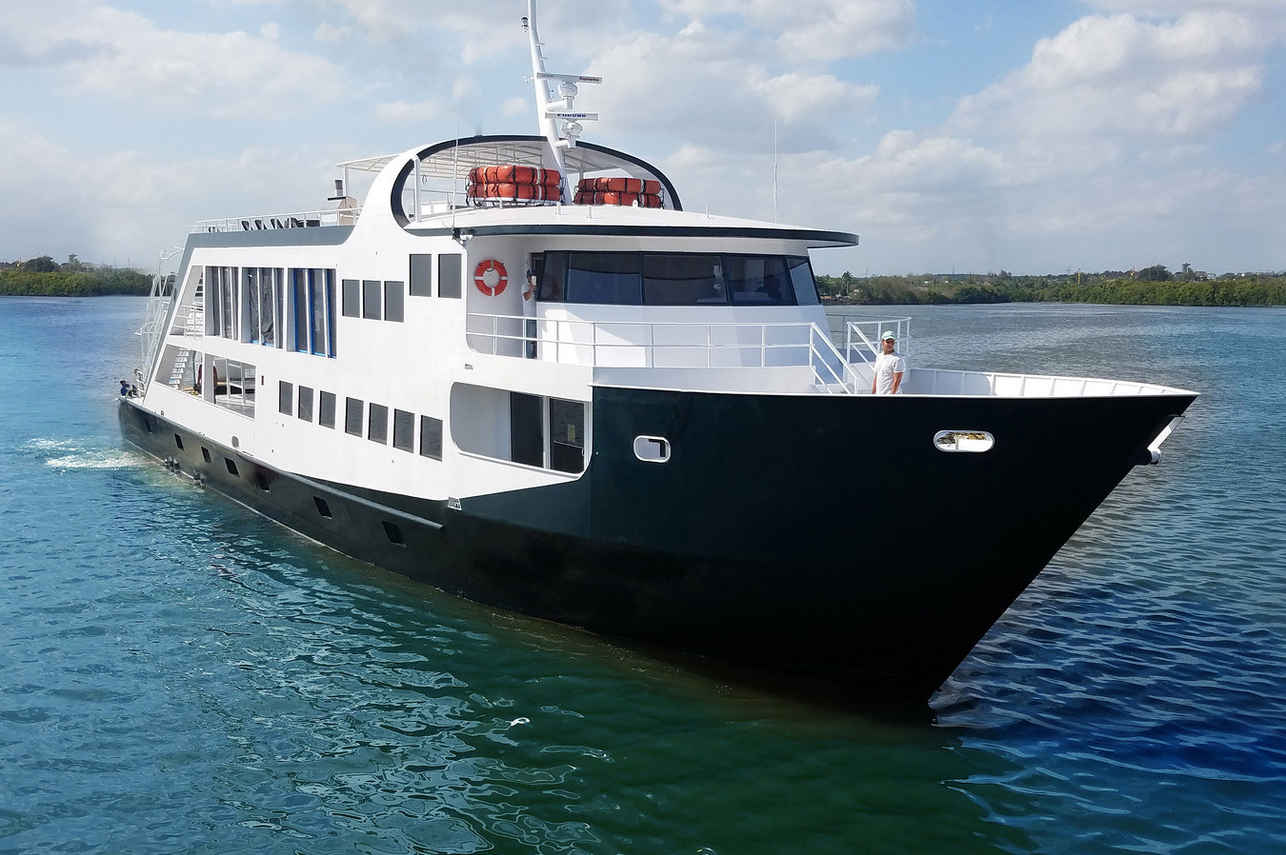
Jardines Avalon Fleet
Cuba
20 guests35.05 m
$494/day
Dive sites similar to Cayo Anclitas
Same character, same waters — six more sites divers love for the exact same reasons.Compare seasons, access and liveaboard routes — then pick the site that fits your trip best.
© Esri — Maxar, Earthstar, GIS
El Almirante
Cuba
El Almirante is an advanced dive site located off the shores of Maria la Gorda, on Cuba's Guanahacabibes Peninsula.
- Suitable for
- Advanced
- Current
- Moderate
- Access
- Dayboat
- Depth
- 27–30 m
- Theme
- Wall / Reef
La Patana is a prominent dive site within the protected marine park of Jardines de la Reina, a vast archipelago stretching 150 kilometers off Cuba's southern coast.
- Suitable for
- Intermediate
- Current
- Mild
- Access
- Liveaboard only
- Depth
- 15–30 m
- Theme
- Reef / Wall
© Esri — Maxar, Earthstar, GIS
Arrecife Somero
Cuba
Arrecife Somero, located near Key Sigua within the UNESCO-recognized Zapata Swamp biosphere reserve, presents a unique reef crest forming a horseshoe shape.
- Suitable for
- Beginner
- Current
- Mild
- Access
- Liveaboard only
- Depth
- 2–5 m
- Theme
- Reef
© Esri — Maxar, Earthstar, GIS
Puente Escondido
Cuba
Puente Escondido is a notable dive site nestled within the Jardines de la Reina marine park, an expansive and highly protected area off Cuba's southern coast.
- Suitable for
- Beginner
- Current
- Mild
- Access
- Liveaboard only
- Depth
- ≤ 18 m
- Theme
- Reef
La Corona is a captivating dive site situated within the expansive 35-kilometer barrier reef off Playa Santa Lucía in Cuba's Camagüey province.
- Suitable for
- Beginner
- Current
- Mild
- Access
- Dayboat
- Depth
- 5–40 m
- Theme
- Reef / Wall
© Esri — Maxar, Earthstar, GIS
Cueva del Negro
Cuba
Cueva del Negro is a notable dive site located near Cayo Largo, an island off Cuba's southern coast, known for its extensive underwater features.
- Suitable for
- Intermediate
- Current
- No current
- Access
- Liveaboard or dayboat
- Depth
- 8–8 m
- Theme
- Reef