About Cinco Pesos
Cinco Pesos is a notable dive site in Cuba, renowned for its dramatic wall and diverse marine life. Situated along the island's expansive reef system, this site provides divers with a glimpse into the rich biodiversity of the Caribbean. The topography features a significant drop-off, creating a vibrant vertical habitat where various coral species flourish alongside an array of fish. The dive experience at Cinco Pesos typically involves exploring the wall, which is adorned with hard and soft corals. Depths can vary, allowing for multi-level dives that cater to different certification levels while maximizing bottom time. The clear, warm waters of Cuba contribute to excellent visibility, enhancing encounters with the site's resident creatures. Marine life here is abundant year-round, with sightings of colorful reef fish, larger pelagics, and various invertebrates. The site's health and protection contribute to its consistent appeal, offering a lively and pristine underwater spectacle. Diving Cinco Pesos is an opportunity to appreciate the well-preserved natural beauty beneath the Cuban waves.
Highlights
Dramatic wall divePristine coral formationsDiverse reef fishClear Caribbean watersVibrant marine ecosystemMulti-level dive opportunities
Season calendar
Best months to dive here
Jan
Feb
Mar
Apr
May
Jun
Jul
Aug
Sep
Oct
Nov
Dec
Excellent
Good
Dive site facts: Cinco Pesos
- Depth
- 5–30 m+
- Typical dive
- 15–25 m, 45–60 min
- Current
- Mild
- Visibility
- 10–30 m
- Water temperature
- 22–29°C
- Entry
- Boat
- Level
- Open Water Diver
- Dive type
- Wall, reef
- Night dive
- Possible
- Region / port
- Cuba
- Coordinates
- 20.82, -78.975
Conditions & Currents
Currents at Cinco Pesos are generally mild, making it accessible for a range of diver experience levels. However, as with any wall dive, occasional gentle currents can be encountered, particularly along the deeper sections of the drop-off. Visibility typically ranges from 10 to 30 meters, often exceeding 20 meters, providing clear views of the extensive reef system and marine inhabitants. Water temperatures remain warm throughout the year, but divers should be aware of potential slight temperature variations, especially during the cooler winter months. Entry is typically via boat, and divers should be prepared for standard boat diving procedures. Surge is usually minimal due to the sheltered nature of many Cuban dive sites, contributing to a calm and enjoyable underwater experience.
Marine life & sighting chances

Red Snapper
Year-round · common
Barracuda
Year-round · occasional
Moray Eels
Year-round · common
Juvenile Fish
Year-round · common
Butterfly Fish
Year-round · common
Garden Eels
Year-round · occasional
Squid
Year-round · occasional
Hard Corals
Year-round · common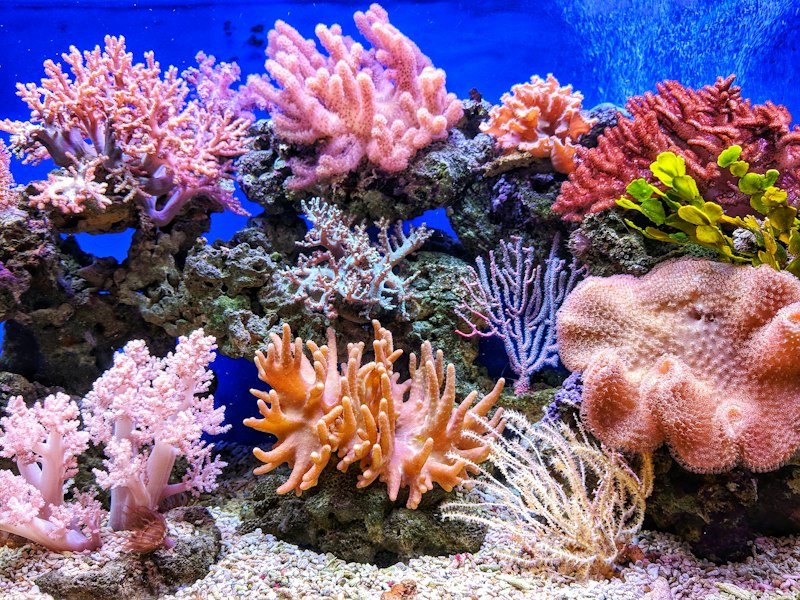
Soft Corals
Year-round · commonDive profile & how the dive runs
Divers typically begin their descent near the reef crest, which gradually slopes before plunging into a dramatic wall. The initial part of the dive explores the upper sections of the wall, where light penetration highlights abundant hard and soft corals. Following the wall's contours, you can descend to depths of around 20-25 meters, observing diverse reef fish and creatures dwelling in crevices. A common route involves a gentle drift along the wall, allowing you to cover a significant section of the reef. The turn point is often dictated by air consumption or bottom time limits, after which you ascend gradually along the wall, exploring shallower areas. The safety stop is conducted in the vibrant, shallower reef top, offering additional opportunities for observing smaller marine life before surfacing.
Underwater photography
Cinco Pesos presents excellent opportunities for wide-angle photography, capturing the dramatic wall topography and expansive coral gardens. A wide-angle lens is ideal for showcasing the scale of the drop-off and schools of fish. For macro enthusiasts, patience and a good macro lens will reveal the intricate details of small invertebrates and juvenile fish hidden within the corals. Given the excellent visibility, natural light can often be sufficient in shallower sections, but strobes will enhance color and detail, especially when shooting into the deeper blue or capturing subjects against the wall. Maintaining excellent buoyancy is crucial to avoid damaging delicate corals and to achieve clear, steady shots.
Combine with nearby dive sites
- Pipin
Pipin is a renowned dive site located within the highly protected Jardines de la Reina Marine Park, off Cuba's southern coast.
- Pared de Coral Negro
Pared de Coral Negro, or Black Coral Wall, is a renowned dive site located within the Guanahacabibes Peninsula National Park, a UNESCO…
- La Cueva del Pulpo
La Cueva del Pulpo offers a unique diving experience in the pristine Jardines de la Reina Marine Park, off Cuba's southern coast.
- Vicente
Vicente is a remarkable dive site characterized by an expansive shield reef transitioning into a sheer wall, offering varied topography for…
Getting there & logistics
Access to Cinco Pesos, like many Cuban dive sites, is typically arranged through local dive centers. While Havana has dive shops like Club De Buceo MarAbierto and Tech Diving Cuba, Cinco Pesos is located further along the coast, likely accessed from a more local dive operation in the region. There are no major international airports directly serving this precise location, so divers usually fly into Havana (HAV) or other major Cuban cities and then travel overland. Dive trips are often part of broader itineraries that combine diving with cultural exploration. Travelers from the US need to acquire a travel card to enter Cuba. Costs for diving typically include transportation, tanks, guide services, and rental gear, and it is customary to tip service industry workers.
Safety & environment
While diving in Cuba, safety is a priority, and it's essential to have comprehensive travel and dive insurance. The nearest recompression chamber may not be immediately accessible, emphasizing the importance of conservative dive planning and strict adherence to no-decompression limits. Divers should ensure their certification cards are verified by dive centers prior to diving. All rental gear should be personally inspected for functionality. Although currents are generally mild, divers should be aware of conditions and communicate any concerns to their dive guide. Stay hydrated and use reef-safe sunscreen, applying it at least 30 minutes before entering the water to protect both your skin and the marine environment.
Who it suits — and who it doesn't
Suited for
- Open Water certified divers
- Divers seeking vibrant wall dives
- Underwater photographers
- Divers interested in Caribbean reef ecosystems
- Divers comfortable with boat entries
Less suited for
- Absolute beginner divers (without prior open water experience)
- Divers expecting strong pelagic action
- Divers requiring immediate access to recompression chambers
- Divers unwilling to adhere to local dive protocols
FAQ
Cinco Pesos FAQ
What kind of marine life can I expect to see at Cinco Pesos?
At Cinco Pesos, you can expect to encounter a variety of Caribbean reef species, including red snapper, barracuda, and moray eels. The site is also home to numerous juvenile fish, butterfly fish, and garden eels. Occasional sightings of squid are also possible, making for a diverse underwater experience.
What is the typical visibility at Cinco Pesos?
The visibility at Cinco Pesos is generally very good, often ranging from 10 to 30 meters. During the dry season, from November to April, visibility tends to be at its best, providing clear views of the vibrant coral wall and abundant marine life.
Are the currents strong at Cinco Pesos?
Currents at Cinco Pesos are typically mild, making the site suitable for divers of various experience levels. While occasional gentle currents may be encountered, they are generally not challenging, allowing for relaxed exploration of the wall and reef.
What is the water temperature like year-round?
The water temperature in Cuba is warm throughout the year, ranging from approximately 22°C in the winter months to 29°C in the summer. Divers typically find a 3mm wetsuit comfortable for year-round diving, though some may opt for a 5mm in cooler periods.
Do I need a special certification to dive Cinco Pesos?
Cinco Pesos is generally accessible to Open Water certified divers due to its mild currents and manageable depths. However, divers should always dive within their certification limits and consider their comfort level with wall diving. An Advanced Open Water certification would allow for deeper exploration if desired.
Why dive Cinco Pesos from a liveaboard?
Cinco Pesos is one of Cuba's signature dive sites. A liveaboard sleeps you on the water and puts you in the water for three to four guided dives per day, including dawn and night dives that day-boat operators rarely offer. You skip the daily commute back to port and reach quieter, less-crowded sites in the same region on a single trip.
Below are the liveaboards that include Cinco Pesos on their Cuba itineraries.
Liveaboards diving Cinco Pesos
These liveaboards may visit Cinco Pesos on selected itineraries — the exact dive sites depend on departure, weather and conditions.
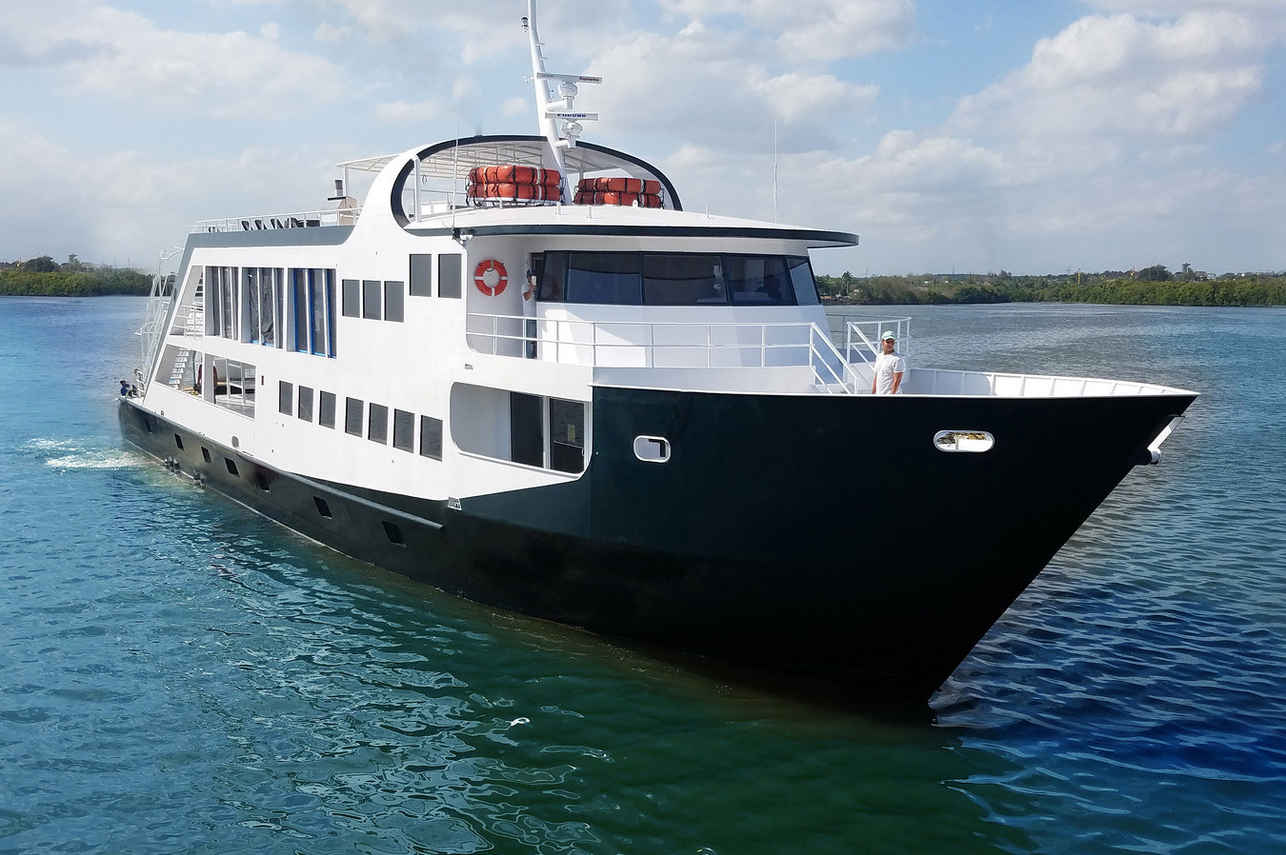
Jardines Avalon Fleet
Cuba
20 guests35.05 m
$494/day
Dive sites similar to Cinco Pesos
Same character, same waters — six more sites divers love for the exact same reasons.Compare seasons, access and liveaboard routes — then pick the site that fits your trip best.
© Esri — Maxar, Earthstar, GIS
Silver Caves
Belize
Silver Caves offers a distinctive diving experience within the Lighthouse Reef Atoll, one of Belize's healthiest reef systems.
- Suitable for
- Advanced
- Current
- Mild
- Access
- Liveaboard only
- Depth
- 18–28 m
- Theme
- Reef / Cave & cavern
Cozumel's western coast features a dramatic reef shelf that plunges thousands of feet into the ocean.
- Suitable for
- Intermediate
- Current
- Mild
- Access
- Liveaboard or dayboat
- Depth
- 15–27 m
- Theme
- Reef
© Esri — Maxar, Earthstar, GIS
North Wall
Cayman Islands
The North Wall of Grand Cayman stands as one of the most celebrated and visually striking dive regions, stretching along the island's northern coastline.
- Suitable for
- Advanced
- Current
- Mild
- Access
- Liveaboard or dayboat
- Depth
- 50–100 m
- Theme
- Reef
© Esri — Maxar, Earthstar, GIS
Lighthouse Reef
Cayman Islands
Lighthouse Reef, situated near the West End dock of Cayman Brac, provides a distinctive shallow reef diving experience.
- Suitable for
- Beginner
- Current
- Strong
- Access
- Shore / dayboat
- Depth
- 10–25 m
- Theme
- Reef
© Esri — Maxar, Earthstar, GIS
Long Caye Ridge
Belize
Long Caye Ridge is a highly-rated dive site situated within Belize's Lighthouse Reef Atoll, an area renowned for its pristine conditions due to its distance from the mainland.
- Suitable for
- Intermediate
- Current
- No current
- Access
- Liveaboard only
- Depth
- 21–21 m
- Theme
- Reef
Roatán, part of the Bay Islands of Honduras, offers a diverse underwater landscape situated along the Mesoamerican Barrier Reef System, which is the second largest barrier reef globally.
- Suitable for
- Intermediate
- Current
- Moderate
- Access
- Liveaboard or dayboat
- Depth
- 9–40 m
- Theme
- Reef