About La Cueva del Pulpo
La Cueva del Pulpo offers a unique diving experience in the pristine Jardines de la Reina Marine Park, off Cuba's southern coast. This site is celebrated for its intricate topography, featuring a series of caves and swim-throughs that provide shelter and exploration opportunities for divers and marine life alike. The protected status of the park means you'll witness a remarkably healthy ecosystem, reminiscent of Caribbean reefs decades ago. Depths at La Cueva del Pulpo typically range from 15 to 24 meters, making it accessible for various certification levels while still offering deeper sections for experienced divers. The site boasts vibrant coral formations, including soft corals, sponges, and gorgonians, which blanket the cave entrances and surrounding reef. Visibility is generally excellent, often exceeding 30 meters, allowing for clear views of the abundant fish schools and larger predators. Marine life encounters are a highlight here, with a high probability of spotting Caribbean reef sharks, silky sharks near the surface, and an array of reef fish like barracudas, jacks, and various groupers. The healthy fish populations are a testament to the park's strict conservation efforts, creating an environment where marine creatures thrive. Diving La Cueva del Pulpo involves exploring its fascinating underwater structures, navigating through natural arches and caverns, and observing the rich biodiversity that calls this place home. Entry is exclusively via liveaboard, ensuring minimal human impact and an undisturbed underwater environment. The calm waters and mild currents enhance the overall dive experience, making it a favorite for underwater photographers.
Highlights
Intricate cave systemsAbundant Caribbean reef sharksVibrant soft coral gardensGoliath grouper sightingsExcellent visibilityPristine marine ecosystemLarge schools of fish
Season calendar
Best months to dive here
Jan
Feb
Mar
Apr
May
Jun
Jul
Aug
Sep
Oct
Nov
Dec
Excellent
Good
Off-Season
Nov – May (Dry Season)
Best visibility 30–40m, calm seas. Peak season for Jardines de la Reina. Whale sharks, silky sharks, crocodiles.
Jun – Jul & Oct (Shoulder)
Warm water, occasional rain. Good shark diving continues. Fewer tourists.
Aug – Sep (Hurricane Season)
Peak hurricane risk. Some operators pause. Rough seas and reduced visibility when storms pass.
Dive site facts: La Cueva del Pulpo
- Depth
- 15–24 m
- Typical dive
- 18 m, 50 min
- Current
- Mild to moderate
- Visibility
- 15–30 m
- Water temperature
- 25–29°C
- Entry
- Liveaboard tender
- Level
- Open Water Diver
- Dive type
- Reef, cave, shark
- Night dive
- Possible
- Region / port
- Jardines de la Reina, Cuba
- Coordinates
- 20.84, -78.925
Conditions & Currents
Currents at La Cueva del Pulpo are generally mild to sometimes moderate, presenting suitable conditions for divers of various experience levels. The protected nature of Jardines de la Reina often leads to calm waters around the dive sites, which enhances the diving experience. Entry and exit are typically managed via tender boats from liveaboards, making for smooth transitions. Visibility is consistently excellent, frequently reaching up to 30 meters, though occasional nutrient-rich upwellings can temporarily reduce it while attracting pelagic species. Divers should be mindful of boat traffic from other liveaboard tenders when surfacing, and follow dive guide instructions for safe ascent procedures.
Marine life & sighting chances

Caribbean reef shark
common
Silky shark
occasional
Goliath grouper
common
Tarpon
occasional
Barracuda
common
Jacks
common
Bluestriped grunt
common
Hawksbill turtle
occasional
Lettuce sea slug
occasional
Sponges
common
Gorgonian
common
Black coral
occasionalDive profile & how the dive runs
Your dive at La Cueva del Pulpo typically begins with a descent from the liveaboard tender directly onto the reef, often near a prominent coral formation. The route usually follows the reef line, guiding you towards the main cave and swim-through entrances. You'll explore these fascinating structures, with depths ranging between 15 and 24 meters, navigating through natural arches and caverns that host a variety of marine life. After exploring the cave sections, the dive progresses along the wall or slope, observing the vibrant soft corals and resident fish populations. The turn point is determined by air consumption and bottom time, after which you'll gradually ascend, making your safety stop in the shallower, sunlit parts of the reef. Many divers spend their safety stop observing silky sharks that frequently congregate near the surface.
Underwater photography
La Cueva del Pulpo is a prime location for wide-angle photography, especially when capturing the dramatic cave entrances, large schools of fish, and the frequent shark encounters. A wide-angle or fisheye lens is highly recommended to encompass the vastness of the reef and the interactive marine life, such as goliath groupers and Caribbean reef sharks. For the intricate details within the caves and on the reef, consider switching to a macro lens to capture nudibranchs, crustaceans, and other smaller critters. External strobes are essential to bring out the true colors of the corals and fish, as natural light diminishes quickly inside the cave systems. Buoyancy control is paramount, particularly in confined cave areas, to protect the delicate coral formations and avoid disturbing silty bottoms. Always maintain a respectful distance from marine life, using your camera to observe rather than interfere.
Combine with nearby dive sites
- Farallón
A coral formation with tunnels and large groupers, 17-29 meters deep.
- Pipin
A wall dive featuring coral canyons, caves, and pelagic sightings, 15-24 meters deep.
- Black Coral Wall
Known for abundant black coral colonies, gorgonians, and resident reef sharks.
- Meseta de los Meros
A plateau known for grouper aggregations.
- Cinco Pesos
Another site within Jardines de la Reina known for its healthy reef.
Getting there & logistics
Access to La Cueva del Pulpo and the Jardines de la Reina Marine Park is exclusively via liveaboard vessels. Travelers typically fly into Jose Marti International Airport (HAV) in Havana, or alternatively to Jardines del Rey (CCC), Santa Clara (SNU), or Camaguey (CMW) international airports. From Havana, a 5-hour transfer takes you to Júcaro harbor, where liveaboards embark for 7-night trips. These trips are all-inclusive, covering accommodation, meals, and multiple daily dives. Due to the park's protected status, visitor numbers are limited, making advance booking essential. The liveaboard itinerary usually combines several dive sites within the Gardens of the Queen, with La Cueva del Pulpo being one of the highlights. Participation in conservation activities, part of the 'Blue Sanctuary' program, is often required.
Safety & environment
Diving at La Cueva del Pulpo, like all sites in Jardines de la Reina, requires adherence to strict safety protocols due to its remote location. The nearest recompression chamber is several hours away on mainland Cuba, underscoring the importance of safe diving practices and conservative dive profiles. Divers must have valid dive insurance that covers emergency medical evacuation and recompression treatment. All dives are guided by experienced dive professionals, and following their briefings and instructions is crucial. Due to the protected marine park status, responsible diving conduct is expected, including strict adherence to no-touch policies for corals and marine life. While currents are generally mild, divers should be prepared for occasional changes, maintaining good buoyancy control, especially within the cave systems, to prevent accidental contact with the delicate environment.
Who it suits, and who it doesn't
Suited for
- Experienced Open Water Divers
- Underwater photographers seeking pelagic encounters
- Divers interested in pristine coral reefs
- Those who appreciate remote, protected marine parks
- Shark enthusiasts
Less suited for
- Absolute beginner divers (less than 10 logged dives)
- Divers uncomfortable with confined spaces (caves)
- Individuals prone to seasickness on liveaboards
- Divers expecting shore-based operations
FAQ
La Cueva del Pulpo FAQ
What kind of marine life can I expect to see at La Cueva del Pulpo?
La Cueva del Pulpo is teeming with diverse marine life thanks to its protected status. You can expect frequent encounters with Caribbean reef sharks and schools of jacks and barracuda. Goliath groupers are a common sight, and you might also spot silky sharks near the surface during your safety stops. The healthy coral ecosystems also host various reef fish, colorful sponges, and occasional turtles.
Is La Cueva del Pulpo suitable for all levels of divers?
Yes, La Cueva del Pulpo is generally suitable for Open Water Divers, as depths typically range from 15 to 24 meters and currents are usually mild. However, divers should be comfortable with navigating swim-throughs and some confined spaces within the cave formations. Good buoyancy control is essential to protect the delicate marine environment. Liveaboards in the Jardines de la Reina often recommend a minimum of 50 logged dives and Advanced Open Water certification for the overall itinerary, but this specific site is often accessible to less experienced divers with proper guidance.
How do I get to La Cueva del Pulpo?
La Cueva del Pulpo is located within the Jardines de la Reina Marine Park, which is only accessible by liveaboard. You would typically fly into a Cuban international airport, such as Havana (HAV), and then take a pre-arranged transfer to Júcaro harbor. From there, liveaboards embark for multi-day trips that include diving at sites like La Cueva del Pulpo, making it an exclusive and remote diving experience.
What are the water temperatures and visibility like?
Water temperatures at La Cueva del Pulpo are consistently warm, ranging from 25°C to 29°C throughout the year, making a 3mm wetsuit or shorty generally sufficient. Visibility is usually excellent, often between 15 to 30 meters, providing clear views of the vibrant reefs and marine inhabitants. While exceptional clarity is common, occasional plankton blooms can temporarily reduce visibility but often attract more pelagic life.
Are there any specific photography tips for diving La Cueva del Pulpo?
For photography at La Cueva del Pulpo, a wide-angle lens is ideal for capturing the expansive reef scenery, dramatic cave entrances, and large schools of fish. External strobes are highly recommended to illuminate the true colors of the corals and marine life, especially in deeper areas or inside the caves. Focus on maintaining excellent buoyancy to avoid stirring up sediment and to protect the fragile coral structures, ensuring clear shots and preserving the environment.
Why dive La Cueva del Pulpo from a liveaboard?
La Cueva del Pulpo is one of Cuba's signature dive sites. A liveaboard sleeps you on the water and puts you in the water for three to four guided dives per day, including dawn and night dives that day-boat operators rarely offer. You skip the daily commute back to port and reach quieter, less-crowded sites in the same region on a single trip.
Below are the liveaboards that include La Cueva del Pulpo on their Cuba itineraries.
Liveaboards diving La Cueva del Pulpo
These liveaboards may visit La Cueva del Pulpo on selected itineraries, the exact dive sites depend on departure, weather and conditions.
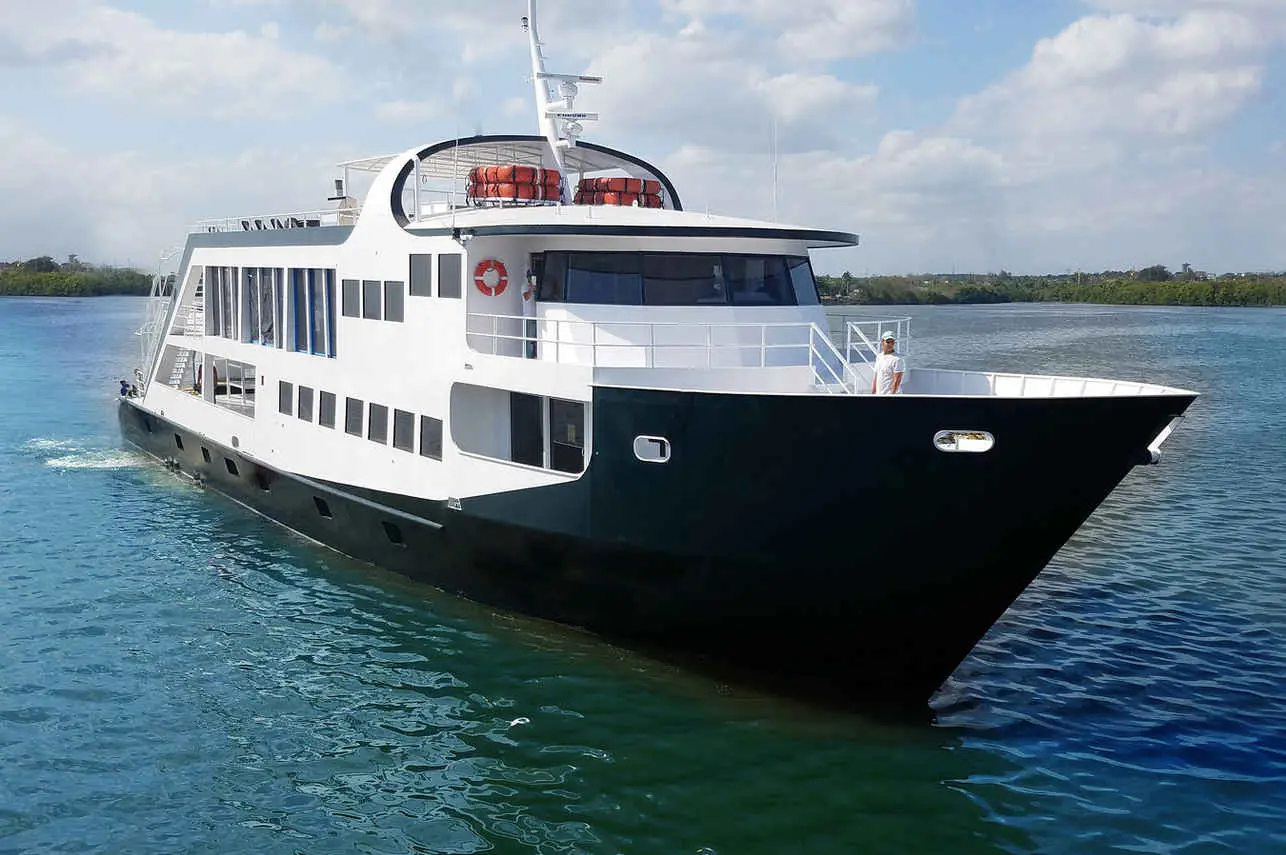
Jardines Avalon Fleet
Cuba
20 guests35 m
Dive sites similar to La Cueva del Pulpo
Same character, same waters, six more sites divers love for the exact same reasons.Compare seasons, access and liveaboard routes, then pick the site that fits your trip best.
© EsriMaxar, Earthstar, GIS
3 Fathom Wall
Cayman Islands
3 Fathom Wall is an exciting and fish-filled dive site located in the Cayman Islands, specifically at the intersection of the renowned Bloody Bay Wall.
- Suitable for
- Intermediate
- Current
- Mild
- Access
- Liveaboard only
- Depth
- ≤ 3000 m
- Theme
- Reef
While specific details for a dive site named "3 Riff" are not present in the provided sources, general diving conditions and characteristics for the Dominican Republic…
- Suitable for
- Advanced
- Current
- Mild
- Access
- Dayboat
- Depth
- 30–55 m
- Theme
- Reef
The dive site known as 3 Rocks is located off the coast of Sosúa in Puerto Plata, Dominican Republic, offering an accessible and lively underwater experience.
- Suitable for
- Beginner
- Current
- Mild
- Access
- Dayboat
- Depth
- 2–8 m
- Theme
- Reef
4 Amigos is a notable dive site located in the Bay Islands of Honduras, an area renowned for its extensive Mesoamerican Barrier Reef System, which is the world's second-longest.
- Suitable for
- Intermediate
- Current
- Moderate
- Access
- Liveaboard or dayboat
- Depth
- 9–40 m
- Theme
- Reef
© EsriMaxar, Earthstar, GIS
6 Toed Cat
Mexico
The dive site known as "6 Toed Cat" is not a recognized dive location in Mexico; rather, it refers to the polydactyl felines, many with six toes, that inhabit the Ernest Hemingway Home and Museum in Key West, Florida.
- Suitable for
- Beginner
- Current
- Mild
- Access
- Liveaboard or dayboat
- Depth
- —
- Theme
- Reef
© EsriMaxar, Earthstar, GIS
Aaron's Backyard
Honduras
Aaron's Backyard is a noted dive site within the Roatan Marine Park in Honduras, part of the extensive Mesoamerican Barrier Reef System.
- Suitable for
- Intermediate
- Current
- Moderate
- Access
- Liveaboard or dayboat
- Depth
- 9–40 m
- Theme
- Reef