About Monolith Wall
Monolith Wall is found within the dramatic Exuma Cays, offering divers a captivating exploration of an underwater abyss. This site plunges into the Tongue of the Ocean, a deep oceanic trench that defines many of the Bahamas' wall dives. The primary feature is a striking, sheer drop-off, providing an exhilarating sense of depth as the wall descends seemingly endlessly into the blue. Divers experience the unique sensation of floating alongside a vibrant vertical reef before the profound darkness of the greater ocean takes over. While sources don't detail specific marine life at Monolith Wall, the Exuma Cays are celebrated for diverse ecosystems. You can expect to encounter an array of reef fish, potentially pelagic species drawn to the open water, and various invertebrates clinging to the wall. The general area is known for lush coral reefs and exciting animal encounters, fitting the general character of Bahamian wall dives. The site offers a prime example of the rich biodiversity characteristic of the region, emphasizing the dramatic scale of the Exuma underwater landscape. Dive conditions in the Exuma Cays are generally favorable, though specific current information for Monolith Wall is not available. Wall dives often present unique current dynamics, requiring careful entry and awareness. Visibility in the Bahamas is typically excellent, enhancing the experience of diving along such a profound geological feature. This destination is ideal for divers seeking the awe-inspiring experience of a vertical reef dropping into the deep.
Highlights
SharksRaysSnapperGroupers
Season calendar
Best months to dive here
Jan
Feb
Mar
Apr
May
Jun
Jul
Aug
Sep
Oct
Nov
Dec
Excellent
Good
Dive site facts: Monolith Wall
- Depth
- 12–40 m
- Typical dive
- 18–30 m, 45–60 min
- Current
- Mild to moderate
- Visibility
- 20–40 m
- Water temperature
- 24–29°C (75–84°F)
- Entry
- Tender / direct descent
- Level
- Advanced Open Water Diver recommended
- Dive type
- Wall, drift
- Night dive
- Possible
- Region / port
- Eleuthera, Bahamas
- Coordinates
- 24.1, -76.45
Conditions & Currents
Monolith Wall typically experiences gentle to moderate currents that enable smooth drift dives along its impressive vertical face. These currents are generally manageable, pushing divers along the wall without significant effort, and are a key factor in attracting larger pelagic life to the area. While strong currents are not characteristic, divers should be prepared for potential shifts in direction or intensity, especially at deeper sections. Entry is usually via tender, with divers descending directly onto the wall and allowing the current to carry them. Visibility at the wall is consistently excellent, often exceeding 30 meters, and thermoclines are generally not a concern in the Bahamas, ensuring uniform water temperatures at various depths. Exits are typically made via surface pickups by the tender, making it a relaxed experience once surfacing.
Marine life & sighting chances
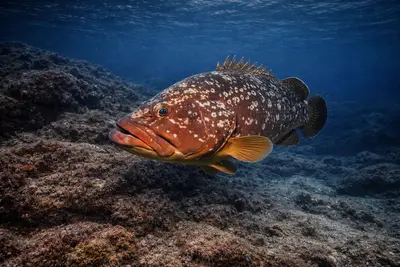
Grouper
common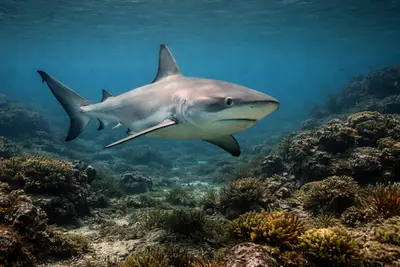
Caribbean reef shark
November to May · occasional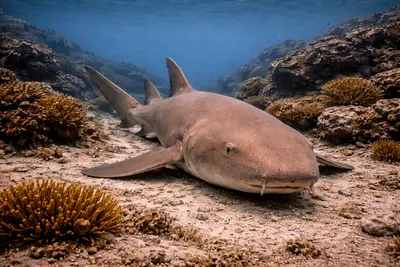
Nurse shark
occasional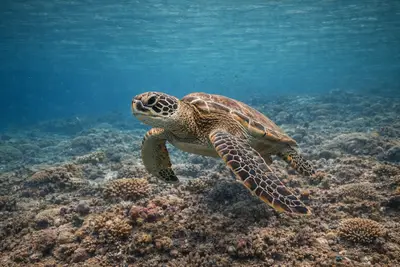
Turtle
occasional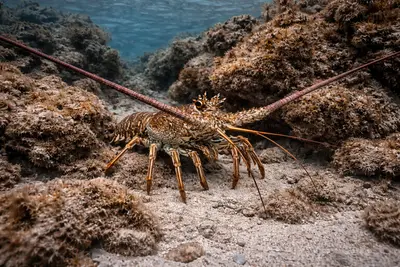
Lobster
common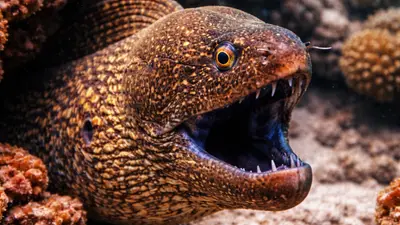
Moray eel
commonSchooling fish
common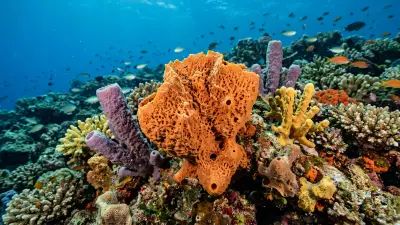
Sponges
common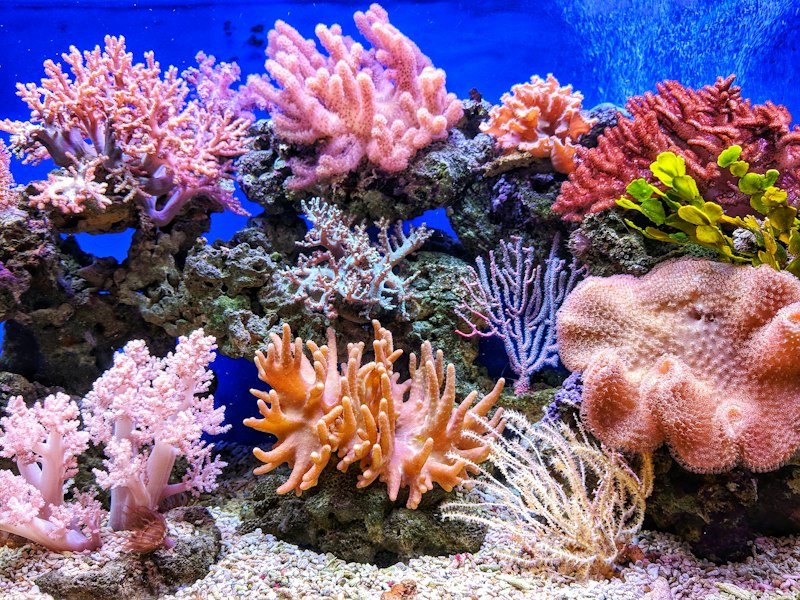
Soft corals
common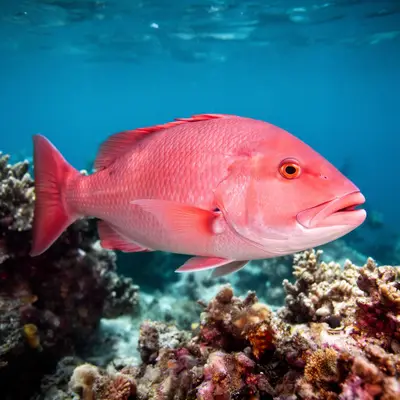
Snapper
occasional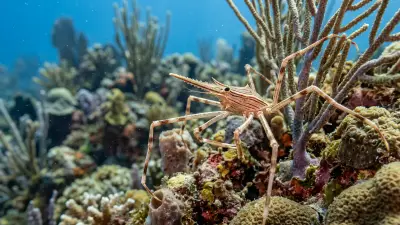
Crabs
commonDive profile & how the dive runs
Your dive at Monolith Wall begins with a tender drop-off directly onto the wall, typically in a calm area allowing for a smooth descent. You'll descend to your planned maximum depth, often around 18-30 meters, where the wall's dramatic features truly unfold. The dive then progresses as a gentle drift along the face of the wall, allowing you to observe large groupers, various coral formations, and hidden crevices. Keep an eye out into the blue for passing pelagics. As you approach your turnaround point, or when air consumption dictates, you'll gradually ascend, maintaining constant visual reference to the wall. Your safety stop will be performed in the shallower sections of the reef top, usually at about 5 meters, before signaling the boat for pickup. The excellent visibility ensures a continuous appreciation of the scenery throughout the dive.
Underwater photography
Monolith Wall's dramatic topography and clear water make it an excellent site for wide-angle photography. A fisheye or wide-angle lens will best capture the immense scale of the wall, its deep blue backdrop, and the extensive coral formations. For capturing larger marine life such as groupers or passing sharks, a mid-range zoom lens might also be beneficial. External strobes are highly recommended to bring out the vibrant colors of the corals and sponges, especially in deeper sections where natural light diminishes. Pay close attention to your buoyancy to avoid stirring up sediment from the wall or damaging delicate coral structures. Consider the angle of the sun to achieve stunning light rays filtering into the wall, which can create compelling visual effects.
Combine with nearby dive sites
- Cobia Cage
A man-made structure teeming with macro life and occasional loggerhead turtles.
- Split Coral Head
A classic reef dive with circling jacks and patrolling reef sharks.
- Premo Wall
Offers smooth drifting along a pristine wall covered in sponges and soft corals.
- The Washing Machine
A unique drift dive that provides an exhilarating spin cycle experience.
- Crab Wall
A wall dive offering massive coral structures and ravines.
Getting there & logistics
Access to Monolith Wall is typically facilitated via liveaboard vessels exploring the Exuma Cays and Eleuthera, as it is often out of reach for day boats from major islands. Major international airports like Lynden Pindling International Airport in Nassau serve as common entry points to the Bahamas. From there, divers embark on their liveaboard trips, which usually last for a week, combining multiple dive sites across the region. Booking these trips well in advance is advisable, especially during peak season. There are no specific permits required for diving Monolith Wall itself, though liveaboard packages will cover all associated park fees for protected areas visited within the itinerary.
Safety & environment
For Monolith Wall, as with any remote Bahamian dive site, having comprehensive dive insurance is paramount, as the nearest recompression chamber may be several hours away in Nassau. Evacuation in a medical emergency typically involves a boat transfer to the nearest land-based medical facility, followed by air transport if necessary, underscoring the importance of adequate insurance coverage. Divers should adhere strictly to depth and time limits, particularly on wall dives where depth can be deceiving. Maintain good buoyancy control to avoid damaging the delicate wall ecosystem and prevent rapid descents. Always dive with a reliable buddy and carry an SMB for surface signaling, especially given the potential for drift and open-water pickups. Follow your dive guide's instructions closely, as they are familiar with local conditions and protocols.
Who it suits — and who it doesn't
Suited for
- Experienced wall divers
- Photographers seeking dramatic underwater scenery
- Divers interested in pelagic encounters
- Those who enjoy drift diving
- Liveaboard enthusiasts
Less suited for
- Beginner divers without wall diving experience
- Divers uncomfortable with potential currents
- Those prone to vertigo on deep drop-offs
- Divers preferring shallow, static reef dives
FAQ
Monolith Wall FAQ
What kind of marine life can I expect to see at Monolith Wall?
Monolith Wall is home to a diverse array of marine life. You can frequently spot large groupers and various schooling fish residing along the wall. Occasional sightings of Caribbean reef sharks, nurse sharks, and turtles are also possible, making each dive an exciting encounter with the Bahamian ecosystem.
How deep is Monolith Wall and what is the typical dive profile?
The wall offers depths ranging from approximately 12 meters at its shallower sections, plunging dramatically into the deep blue beyond 40 meters. A typical dive usually ranges between 18 to 30 meters, allowing divers to explore the vibrant coral formations and discover hidden creatures in the crevices.
Are there strong currents at Monolith Wall?
Monolith Wall generally experiences mild to moderate currents, making it ideal for drift diving. These currents typically carry divers smoothly along the wall, enhancing the experience without requiring excessive effort. Dive guides will plan the dive to maximize enjoyment of the current, ensuring a comfortable and exhilarating drift.
Is Monolith Wall suitable for beginner divers?
Monolith Wall is generally more suited for experienced divers, particularly those with Advanced Open Water Diver certification or comfortable with wall and drift diving. The dramatic drop-off and potential for currents mean that good buoyancy control and dive experience are highly recommended for a safe and enjoyable dive.
How do I get to Monolith Wall?
Access to Monolith Wall is primarily through liveaboard trips operating in the Eleuthera and Exuma Cays region of the Bahamas. These liveaboards depart from major ports like Nassau, providing comprehensive itineraries that include Monolith Wall as part of a multi-site diving adventure. Individual day trips to this specific site are less common due to its remote location.
Why dive Monolith Wall from a liveaboard?
Monolith Wall is one of Bahamas's signature dive sites. A liveaboard sleeps you on the water and puts you in the water for three to four guided dives per day, including dawn and night dives that day-boat operators rarely offer. You skip the daily commute back to port and reach quieter, less-crowded sites in the same region on a single trip.
Below are the liveaboards that include Monolith Wall on their Bahamas itineraries.
Liveaboards diving Monolith Wall
These liveaboards may visit Monolith Wall on selected itineraries — the exact dive sites depend on departure, weather and conditions.
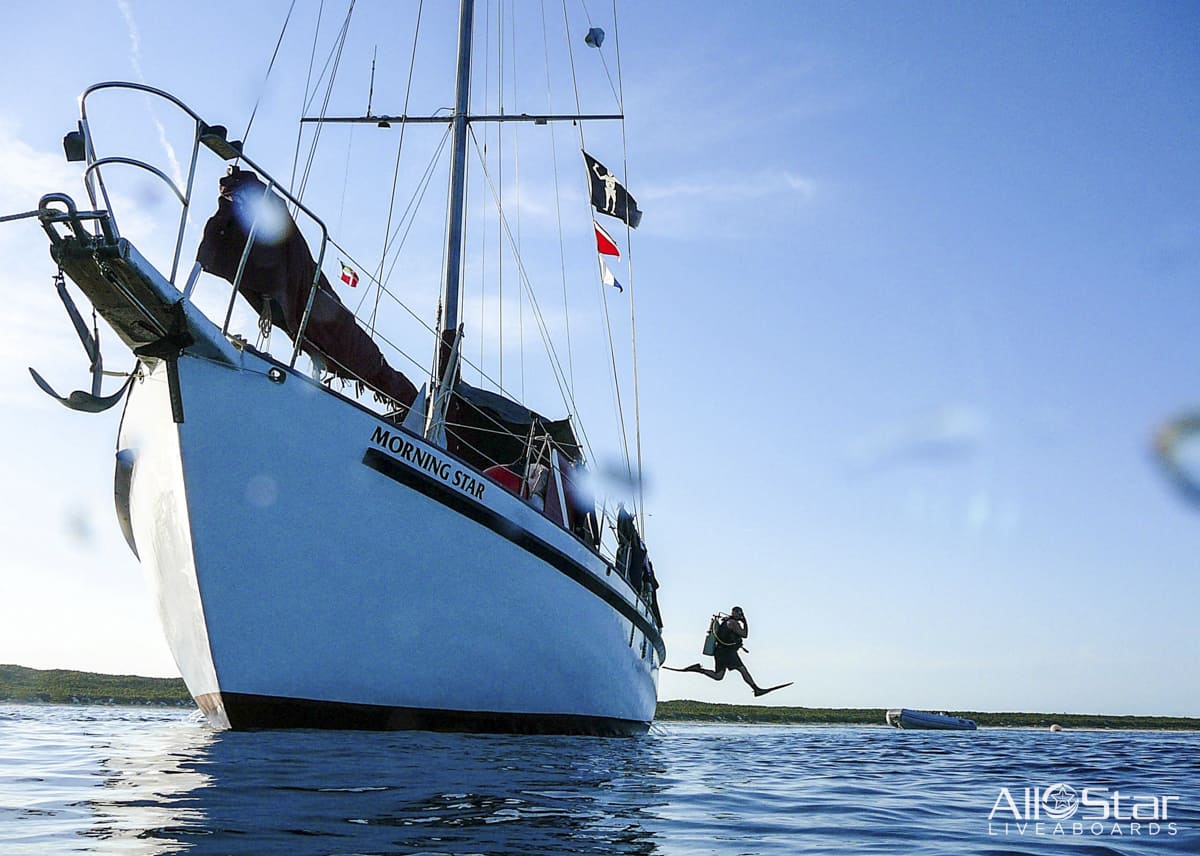
All Star Blackbeards Morning Star
Bahamas
24 guests19.81 m
$156/day
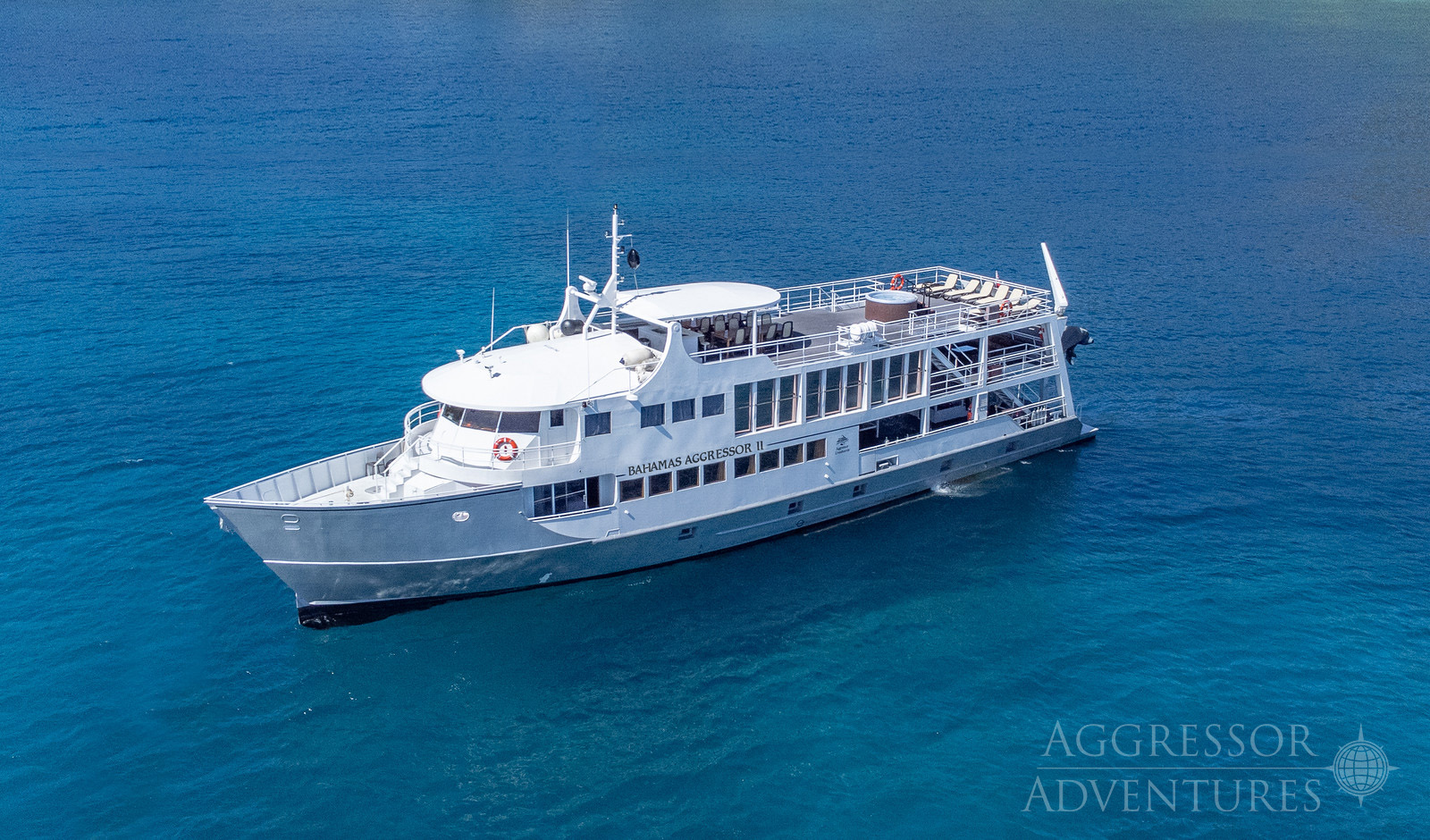
Bahamas Aggressor II
Bahamas
20 guests33.5 m
$328/day
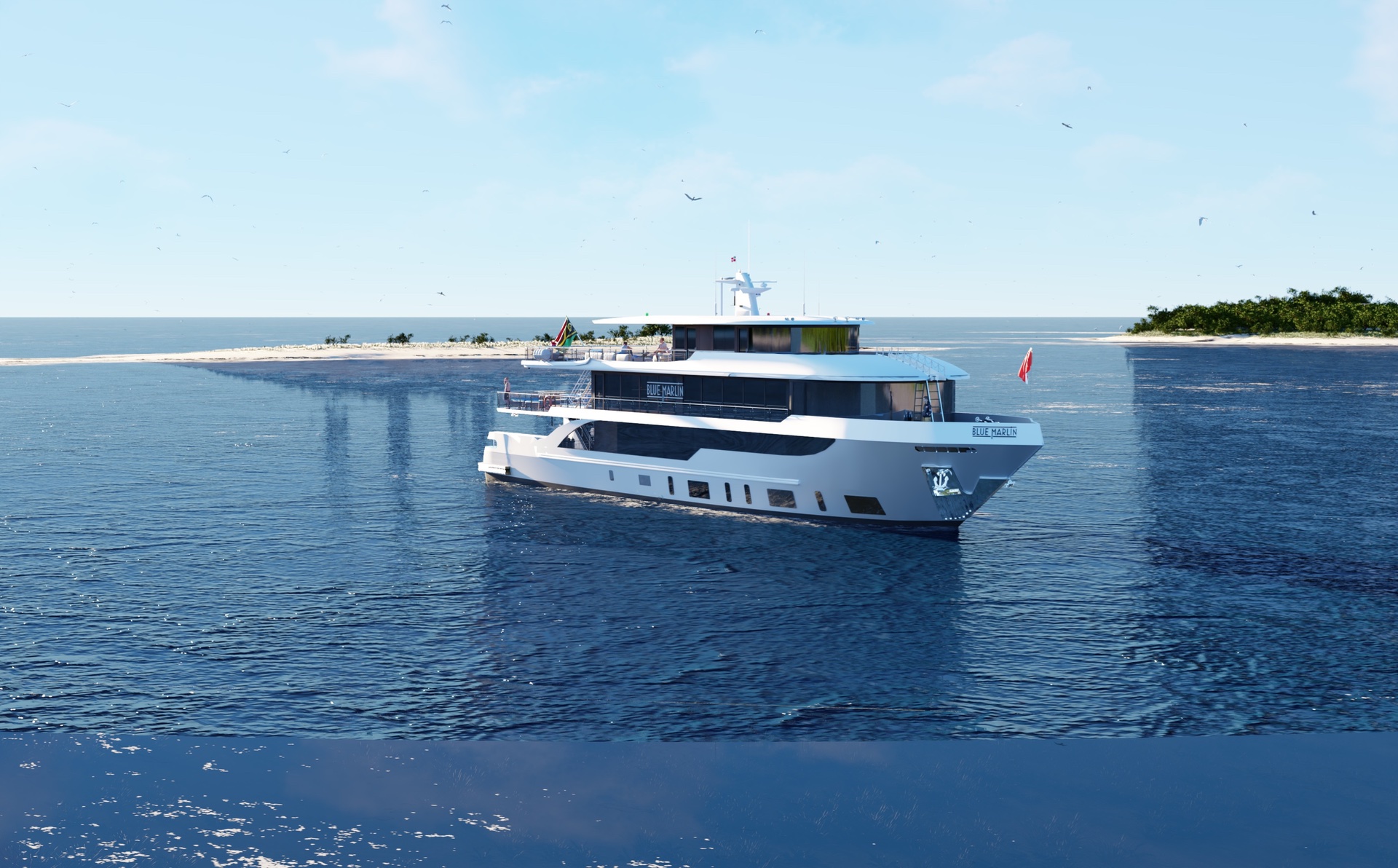
Blue Marlin
Bahamas
26 guests42 m
$318/day
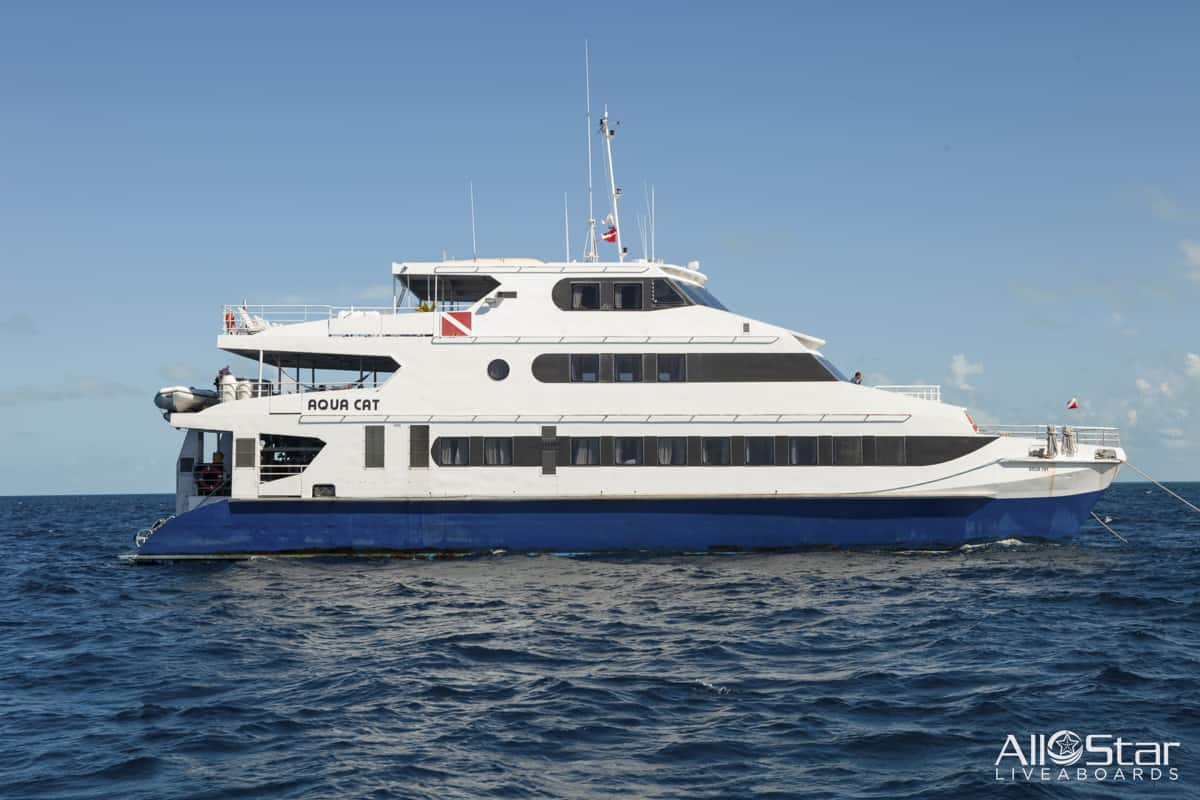
All Star Aqua Cat
Bahamas
30 guests31.09 m
$312/day
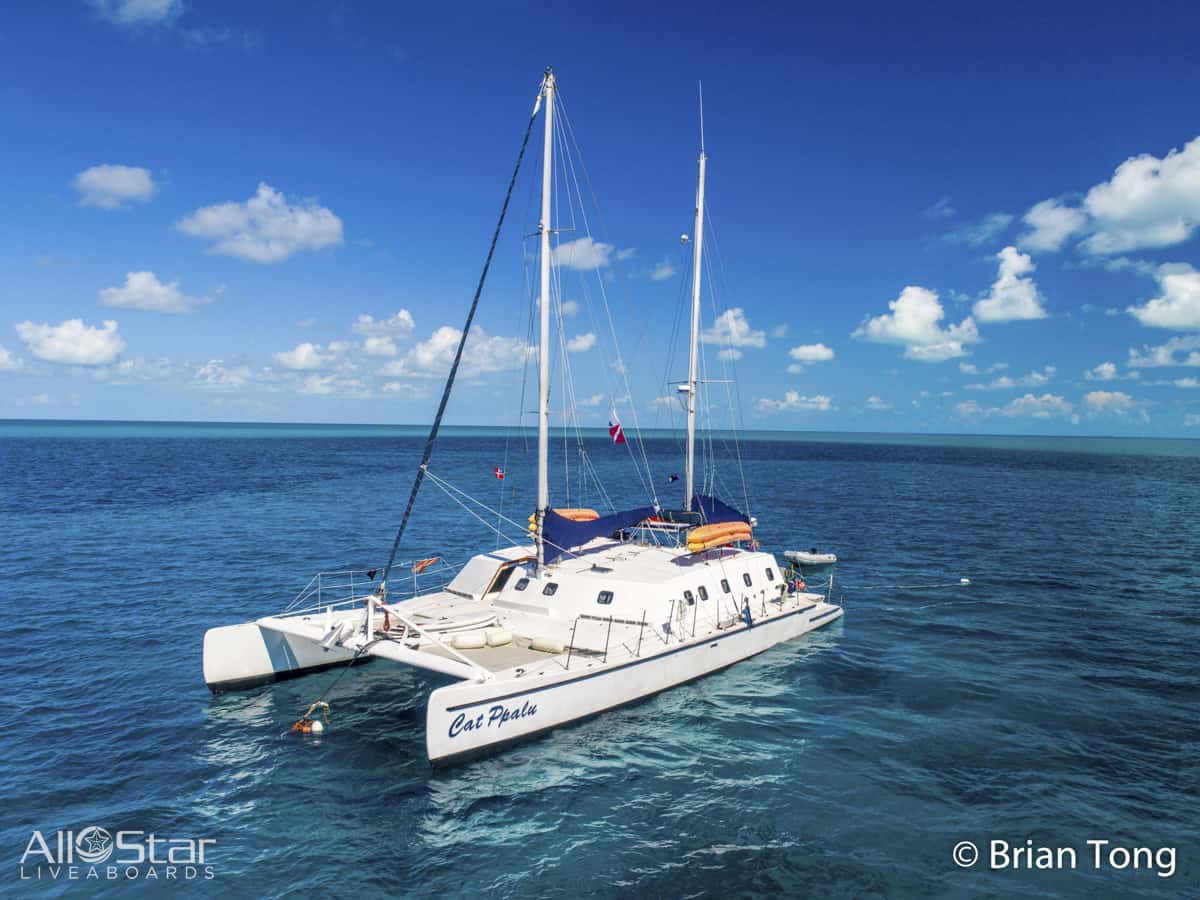
All Star Cat Ppalu
Bahamas
12 guests20 m
$237/day
Dive sites similar to Monolith Wall
Same character, same waters — six more sites divers love for the exact same reasons.Compare seasons, access and liveaboard routes — then pick the site that fits your trip best.
Columbus Point
Bahamas
Columbus Point, situated off Cat Island in the Bahamas, stands out as an advanced dive destination renowned for its dramatic wall diving along one of the region's most untouched reef systems.
- Suitable for
- Advanced
- Current
- Strong
- Access
- Dayboat
- Depth
- ≤ 40 m
- Theme
- Wall / Drift
Cut Through City
Bahamas
Cut Through City is a standout dive site located off the coast of Eleuthera in the Bahamas, a region renowned for its diverse underwater topography.
- Suitable for
- Intermediate
- Current
- Mild
- Access
- Liveaboard only
- Depth
- 27–40 m
- Theme
- Wall / Reef
Tongue of the Ocean Wall
Bahamas
The Tongue of the Ocean Wall, located off New Providence near Nassau, represents a spectacular natural phenomenon—a deep oceanic trench that stretches for 120 miles and plunges to depths of 6,000 feet.
- Suitable for
- Advanced
- Current
- Strong
- Access
- Liveaboard or dayboat
- Depth
- 18–52 m
- Theme
- Wall
Cathedral
Bahamas
Cathedral is a renowned dive site located within the Dog Rocks Reef, which is part of the extensive Exuma Cays in the Bahamas, specifically situated off the coast of Scotland Cay.
- Suitable for
- Beginner
- Current
- Moderate
- Access
- Liveaboard only
- Depth
- 10–15 m
- Theme
- Cavern / Wall
Nassau
Bahamas
Nassau, located on New Providence Island in the Bahamas, stands out as a premier Caribbean scuba diving destination due to its convenient accessibility and diverse underwater topography.
- Suitable for
- Beginner
- Current
- Mild
- Access
- Dayboat
- Depth
- 2–24 m
- Theme
- Reef / Wall
Crab Wall
Bahamas
Crab Wall is a prominent deep wall dive site in the Bahamas, specifically mentioned as part of the Exuma Cays itinerary for liveaboards.
- Suitable for
- Advanced
- Current
- No current
- Access
- Liveaboard only
- Depth
- 32–32 m
- Theme
- Wall