About Split Coral Head
Split Coral Head is a notable dive site located in Eleuthera, Bahamas, celebrated for its impressive coral formations and the distinctive split in a massive coral head from which it derives its name. This site offers divers a visual spectacle, particularly on sunny days when the light illuminates the crystal-clear Bahamian waters and unique topography. The site is characterized by large, complex coral structures that are home to a variety of reef inhabitants. One central feature is a substantial coral head with a prominent split or channel running through it, large enough for divers to swim through. This geological feature, combined with the surrounding vibrant coral gardens, creates an engaging underwater landscape. Marine life sightings at Split Coral Head frequently include various shark species, great barracuda, and schools of jacks. Groupers, such as tiger grouper and Nassau grouper, are also commonly observed taking refuge within the formations. The site is part of the Eleuthera diving experience, which is known for its walls, healthy reef systems, and diverse species. Diving here typically involves exploring the impressive coral formations, navigating through the signature split, and observing the resident marine fauna. With excellent visibility often exceeding 30 meters (100 feet), divers can fully appreciate the scale and beauty of this unique Bahamian site, often as part of a liveaboard itinerary exploring both the Exumas and Eleuthera.
Highlights
Dramatic split coral headShark encountersCrystal-clear Bahamian waterGiant coral formationsGreat barracuda sightingsSchools of jacksTiger and Nassau groupers
Season calendar
Best months to dive here
Jan
Feb
Mar
Apr
May
Jun
Jul
Aug
Sep
Oct
Nov
Dec
Excellent
Dive site facts: Split Coral Head
- Depth
- 14–17 m
- Typical dive
- 14 m, 60+ min
- Current
- Mild
- Visibility
- 30+ m
- Water temperature
- 24–29°C (75–84°F)
- Entry
- Liveaboard tender
- Level
- Open Water Diver
- Dive type
- Reef, topography, pelagics
- Region / port
- Eleuthera, Bahamas
- Coordinates
- 25.1000° N, 76.3300° W
Conditions & Currents
Currents at Split Coral Head are generally manageable, although the broader Eleuthera region can experience drift dives. The site's protected location among coral structures likely minimizes direct exposure to strong flows, contributing to its suitability for various diver levels. Visibility at Split Coral Head is consistently excellent, often reaching 30 meters (100 feet) or more, providing clear views of the extensive coral formations and marine life. Water temperatures remain warm throughout the year, but can vary slightly depending on the season, ranging from 24-29°C (75-84°F). Divers should always monitor local conditions, as even in stable environments, unexpected changes can occur.
Marine life & sighting chances

Reef Shark
Year-round · common
Great Barracuda
common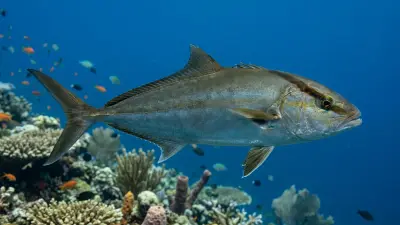
Jack
common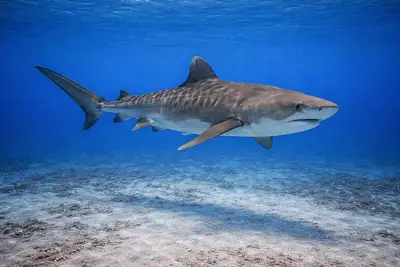
Tiger Grouper
common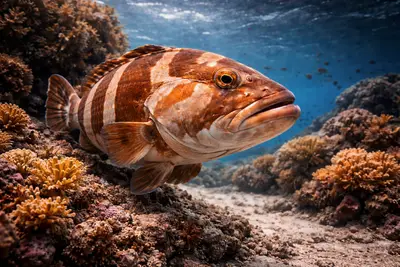
Nassau Grouper
common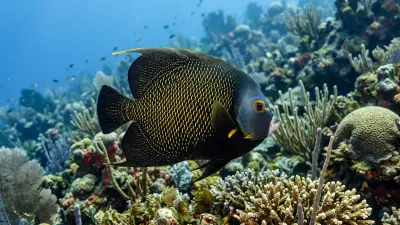
French Angelfish
occasional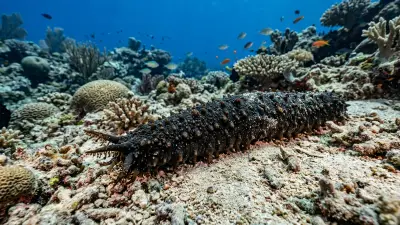
Sea Cucumber
occasional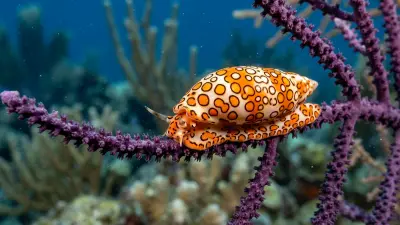
Flamingo Tongue Snail
occasional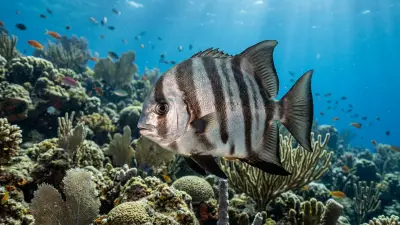
Atlantic Spadefish
occasional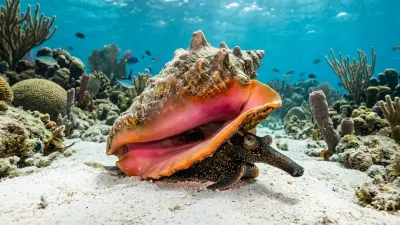
Conch
occasional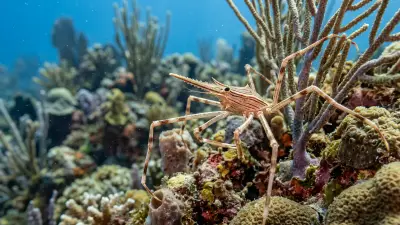
Arrowhead Crab
rareDive profile & how the dive runs
Dives at Split Coral Head typically begin with a descent to the top of the main coral structure, often around 14 meters (46 feet) in depth. Divers then navigate towards the prominent split in the giant coral head, which is wide enough to swim through and offers dramatic views upwards towards the surface. The maximum depth reached during an average dive is about 17 meters (56 feet), keeping it well within recreational limits. The route commonly involves exploring the perimeters of the large coral formations, observing resident fish like groupers and barracuda, and watching for cruising reef sharks. Divers often spend over an hour exploring this site due to its intricate topography and vibrant marine life. The safety stop is conducted as usual, often near the shallower sections of the coral head, allowing for a gradual ascent and final observation of the reef.
Underwater photography
Split Coral Head is an exceptional location for wide-angle photography, especially when capturing the grandeur of the coral formations and the signature split. A fisheye lens is ideal for emphasizing the scale of the structure and the clear, sunlit water. Given the excellent visibility and bright Bahamian sunshine, photographers will find ample natural light, though strobes are recommended to bring out the true colors of the coral and fish. The frequent presence of reef sharks, barracuda, and schools of jacks offers great opportunities for capturing marine megafauna against the stunning reef backdrop. When framing shots, remember to incorporate the deep blue background characteristic of Eleuthera's walls to enhance depth. Maintaining excellent buoyancy is crucial to avoid contact with the fragile corals and to compose stable shots.
Combine with nearby dive sites
- Monolith Wall
Monolith Wall is found within the dramatic Exuma Cays, offering divers a captivating exploration of an underwater abyss.
- Premo Wall
Premo Wall is a prominent dive site situated off the island of Eleuthera in the Bahamas, recognized for its dramatic underwater topography.
- Jakes Hole
Jakes Hole is a notable dive site located in the southern end of Eleuthera, an island within the Bahamas archipelago.
- Cobia Cage
The Cobia Cage off Eleuthera in the Bahamas presents a truly unique underwater landscape.
- Krakens Lair
Krakens Lair is a notable dive site situated among the Eleuthera Cays in the Bahamas, recognized for its distinct underwater topography and…
- Crab Wall
Crab Wall is a prominent deep wall dive site in the Bahamas, specifically mentioned as part of the Exuma Cays itinerary for liveaboards.
Getting there & logistics
Split Coral Head is typically accessed via liveaboard trips that depart from Nassau, Bahamas. These week-long itineraries often combine diving in the Exumas and Eleuthera, returning to Nassau. Major international airports like Lynden Pindling International Airport (NAS) in Nassau provide convenient access for travelers from the US, Canada, and Europe. Liveaboards are the preferred method for exploring remote sites like Split Coral Head, as many of Eleuthera's best dive locations are beyond the range of day boats. No specific permits beyond standard dive certifications are typically required for diving this site, though liveaboard fees cover all diving logistics.
Safety & environment
While diving Split Coral Head, general dive safety protocols apply. The nearest recompression chamber would typically be in Nassau, which is also a common port for liveaboards in the region. Divers should always carry appropriate dive insurance that covers emergency medical treatment and evacuation. Site-specific hazards are minimal due to generally mild currents and excellent visibility, but divers should always remain aware of their surroundings, particularly when swimming through the coral split to avoid bumping against the rock. Respecting marine life, especially sharks and barracuda, by maintaining a respectful distance and avoiding sudden movements, ensures a safe encounter. Adhering to depth and bottom time limits, as briefed by the dive guide, is crucial for a safe and enjoyable dive.
Who it suits — and who it doesn't
Suited for
- Open Water certified divers
- Underwater photographers (wide-angle)
- Divers seeking dramatic coral topography
- Those interested in shark encounters
- Divers comfortable with mild currents
Less suited for
- Beginners without buoyancy control
- Divers uncomfortable with larger marine life
- Those prone to motion sickness on liveaboards
- Divers exclusively seeking macro subjects
FAQ
Split Coral Head FAQ
What makes Split Coral Head unique?
Split Coral Head is named for a massive coral formation featuring a distinctive split or channel large enough for divers to swim through. This dramatic topography, combined with exceptional visibility and abundant marine life, creates a visually stunning and unique dive experience in Eleuthera.
What kind of marine life can I expect to see at Split Coral Head?
Divers frequently encounter reef sharks and great barracuda cruising the area. The coral formations are home to various groupers, including tiger and Nassau groupers, as well as schools of jacks. The site offers a good mix of pelagic and reef-dwelling species.
What is the typical depth and visibility at Split Coral Head?
Dives typically reach a maximum depth of around 17 meters (56 feet), with an average depth closer to 14 meters (46 feet). Visibility at Split Coral Head is consistently excellent, often exceeding 30 meters (100 feet), allowing for clear views of the extensive coral structures.
Is Split Coral Head suitable for beginner divers?
Yes, Split Coral Head is generally suitable for Open Water certified divers. The currents are typically mild, and the excellent visibility makes for a comfortable experience. Divers should have good buoyancy control to navigate around the coral formations without causing damage.
How is Split Coral Head usually accessed for diving?
Split Coral Head is most commonly accessed as part of a liveaboard itinerary. These trips typically depart from Nassau and explore dive sites across both the Exumas and Eleuthera, providing efficient access to this more remote location.
Why dive Split Coral Head from a liveaboard?
Split Coral Head is one of Bahamas's signature dive sites. A liveaboard sleeps you on the water and puts you in the water for three to four guided dives per day, including dawn and night dives that day-boat operators rarely offer. You skip the daily commute back to port and reach quieter, less-crowded sites in the same region on a single trip.
Below are the liveaboards that include Split Coral Head on their Bahamas itineraries.
Liveaboards diving Split Coral Head
These liveaboards may visit Split Coral Head on selected itineraries — the exact dive sites depend on departure, weather and conditions.
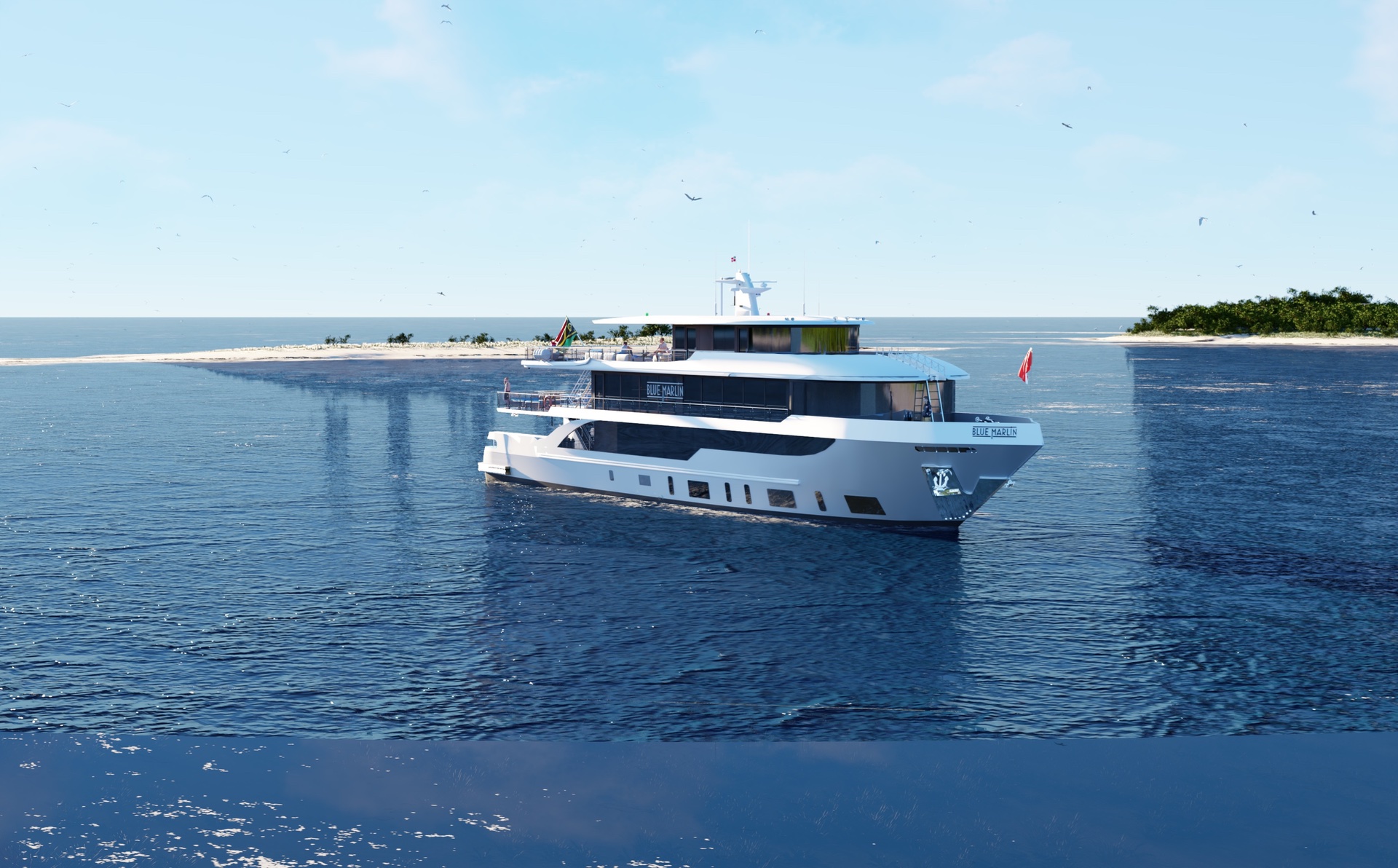
Blue Marlin
Bahamas
26 guests42 m
$318/day
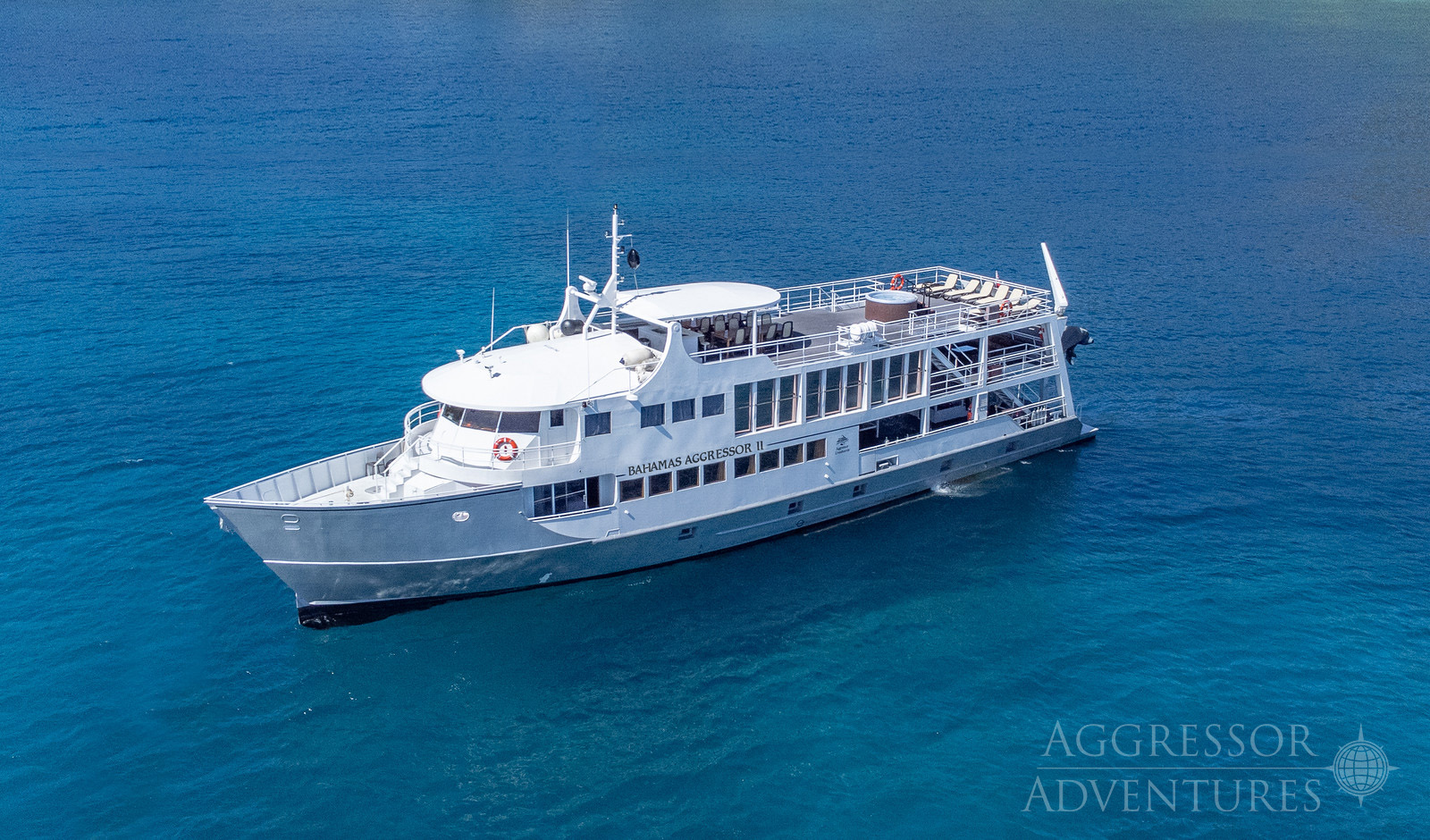
Bahamas Aggressor II
Bahamas
20 guests33.5 m
$328/day
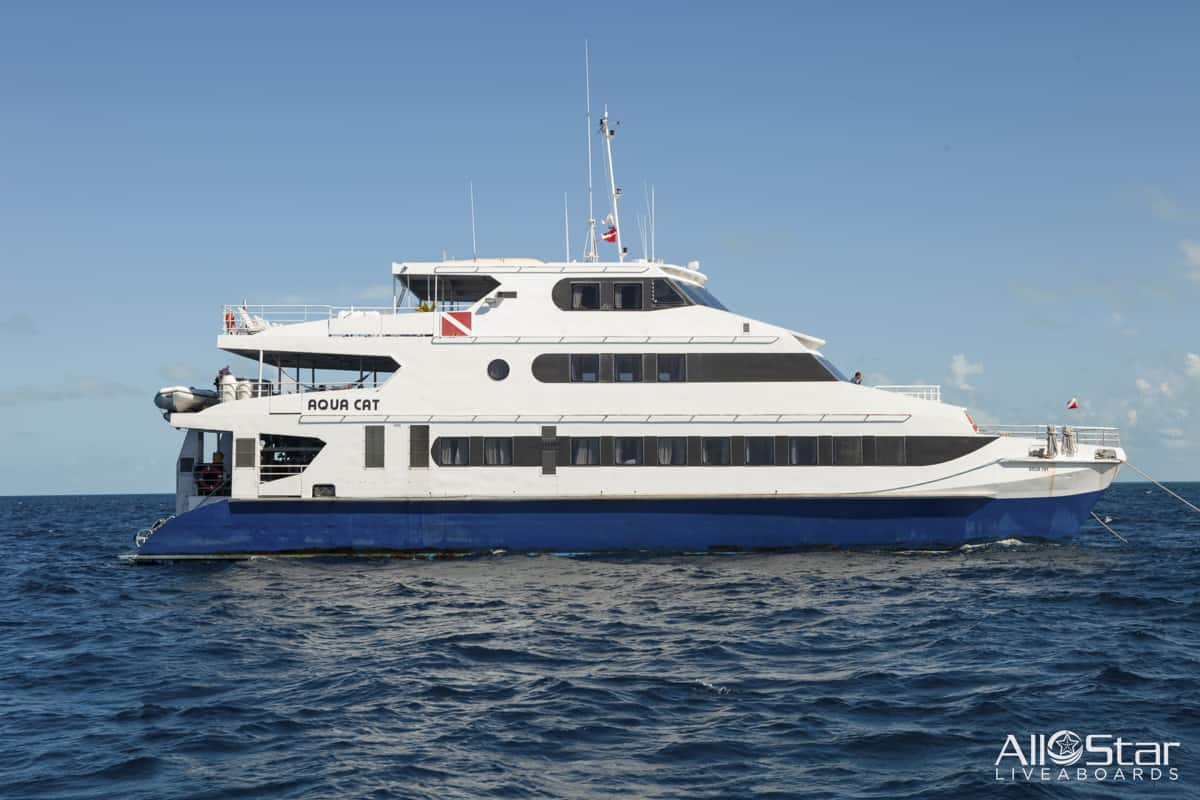
All Star Aqua Cat
Bahamas
30 guests31.09 m
$312/day
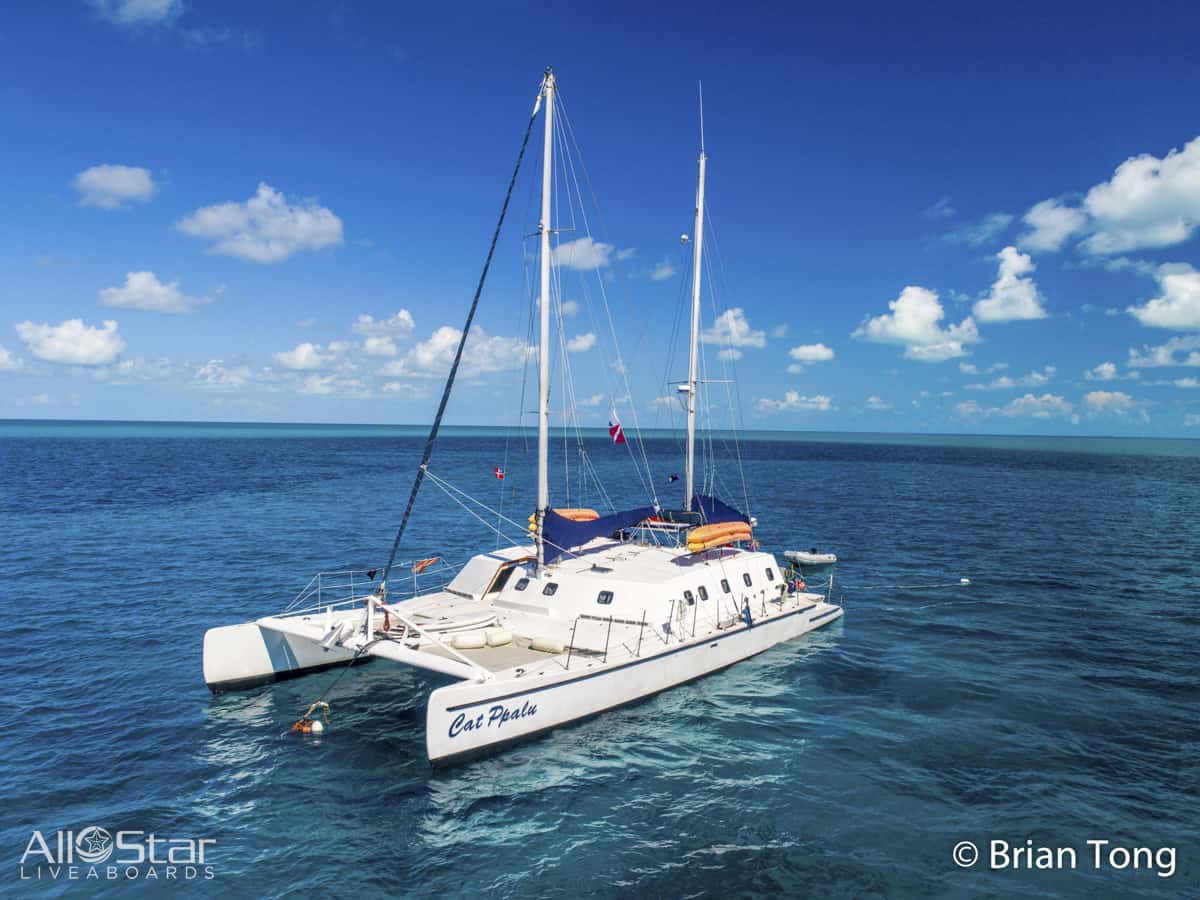
All Star Cat Ppalu
Bahamas
12 guests20 m
$237/day
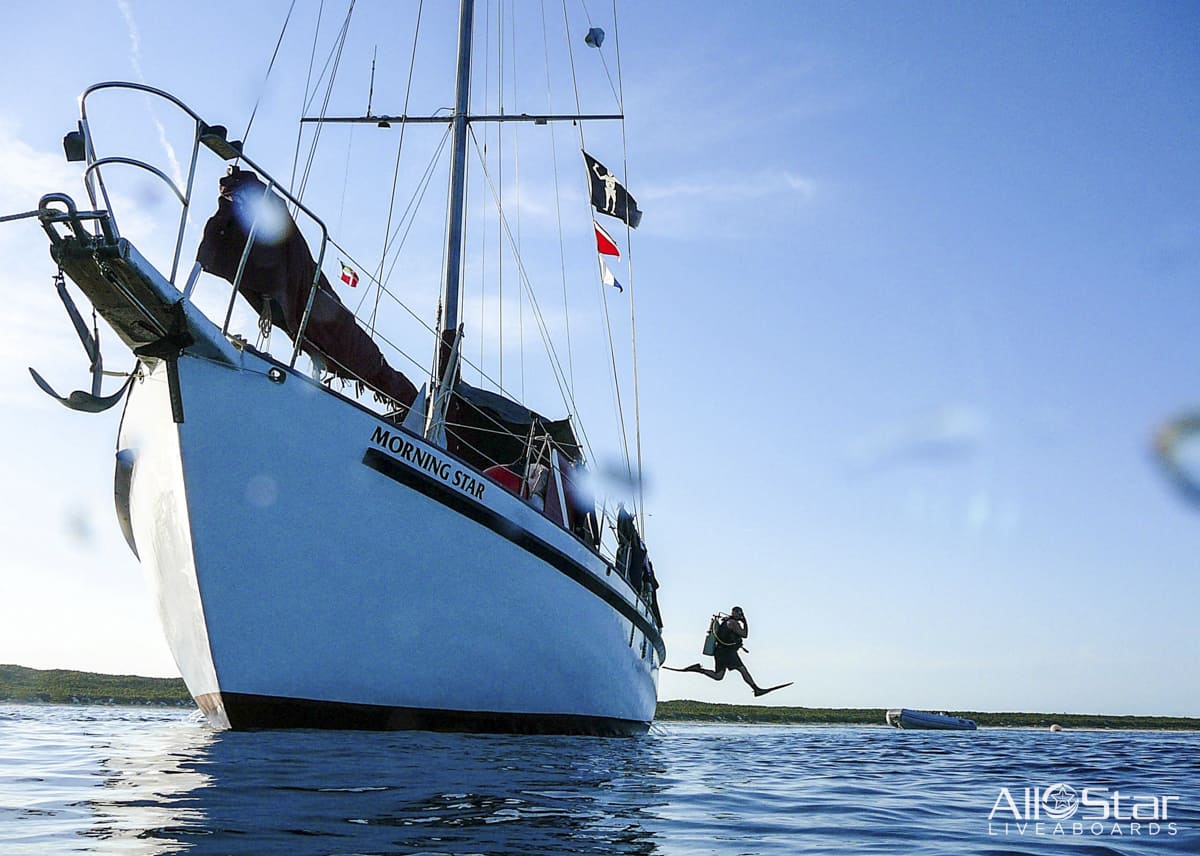
All Star Blackbeards Morning Star
Bahamas
24 guests19.81 m
$156/day
Dive sites similar to Split Coral Head
Same character, same waters — six more sites divers love for the exact same reasons.Compare seasons, access and liveaboard routes — then pick the site that fits your trip best.
© Esri — Maxar, Earthstar, GIS
Cut Through City
Bahamas
Cut Through City is a standout dive site located off the coast of Eleuthera in the Bahamas, a region renowned for its diverse underwater topography.
- Suitable for
- Intermediate
- Current
- Mild
- Access
- Liveaboard only
- Depth
- 27–40 m
- Theme
- Wall / Reef
© Esri — Maxar, Earthstar, GIS
Metropolis
Bahamas
Metropolis is a standout dive site in the Bahamas, renowned for its consistent and diverse shark encounters, making it a thrilling destination for divers seeking pelagic action.
- Suitable for
- Intermediate
- Current
- Moderate
- Access
- Liveaboard only
- Depth
- ≤ 13 m
- Theme
- Reef
© Esri — Maxar, Earthstar, GIS
Mt. Olympus
Bahamas
Mt. Olympus is a dynamic dive site in the Bahamas, regularly visited by liveaboards, known for its healthy marine ecosystem and varied underwater terrain.
- Suitable for
- Advanced
- Current
- Moderate
- Access
- Liveaboard only
- Depth
- ≤ 122 m
- Theme
- Reef / Drift
© Esri — Maxar, Earthstar, GIS
Austin Smith Wreck
Bahamas
The Austin Smith Wreck, originally named HMBS Flamingo, was a 90-foot Bahamian Defense Force cutter that was decommissioned in 1995. Intended for use as an artificial reef, it…
- Suitable for
- Intermediate
- Current
- Moderate
- Access
- Liveaboard only
- Depth
- 18–18 m
- Theme
- Wreck / Reef
© Esri — Maxar, Earthstar, GIS
Danger Reef
Bahamas
Danger Reef is an integral part of the Exuma Cay Reef Dives, nestled within the expansive Exuma Cays.
- Suitable for
- Intermediate
- Current
- Mild
- Access
- Liveaboard only
- Depth
- ≤ 18 m
- Theme
- Reef
© Esri — Maxar, Earthstar, GIS
Manjack Cay Patch
Bahamas
Manjack Cay Patch, located in the Abaco region of the Bahamas, is a protected marine area renowned for its serene and beginner-friendly diving conditions.
- Suitable for
- Beginner
- Current
- Mild
- Access
- Liveaboard or dayboat
- Depth
- ≤ 8 m
- Theme
- Reef