About Krakens Lair
Krakens Lair is a notable dive site situated among the Eleuthera Cays in the Bahamas, recognized for its distinct underwater topography and accessibility primarily via liveaboard expeditions. The Bahamas, a region famed for its clear turquoise waters, boasts a diverse underwater landscape, and sites like Krakens Lair contribute to its reputation for exceptional diving experiences. While the sources do not detail specific depths or topological features for Krakens Lair itself, the Eleuthera Cays generally offer a range of diving environments. Divers in the broader Eleuthera area can expect to encounter various reef structures and walls, which are characteristic of Bahamian diving. The clear waters and minimal currents prevalent in many Bahamian sites, including those accessible by liveaboard in Eleuthera, make for comfortable exploration. Marine life in the Eleuthera region, and thus at Krakens Lair, includes a variety of reef fish and potentially larger pelagic species, consistent with the rich biodiversity of the Bahamas. The subtropical climate ensures year-round diving, though specific sightings can vary seasonally. Visibility tends to be excellent, contributing to an immersive experience. Diving at Krakens Lair is typically part of a liveaboard itinerary, allowing divers to access more remote and pristine sites. The focus is often on exploring the natural underwater formations and observing the vibrant marine ecosystem in a relaxed manner, free from strong currents that might challenge less experienced divers.
Highlights
Eleuthera Cays dive siteLiveaboard accessBahamian marine biodiversityClear turquoise watersSubtropical diving experience
Season calendar
Best months to dive here
Jan
Feb
Mar
Apr
May
Jun
Jul
Aug
Sep
Oct
Nov
Dec
Excellent
Good
Off-Season
Nov – May (Peak)
Tiger sharks at Tiger Beach, hammerheads off Cat Island, best visibility up to 40m, calm seas.
Jun & Oct (Shoulder)
Reef sharks, nurse sharks, dolphins. Slightly rougher seas but still diveable.
Jul – Sep (Hurricane)
Many operators pause. If open, expect reduced visibility and unpredictable weather.
Dive site facts: Krakens Lair
- Current
- Mild
- Visibility
- 24–30 m
- Water temperature
- 22–29°C / 72–84°F
- Entry
- Liveaboard / Day boat
- Level
- All levels
- Dive type
- Reef, topography
- Region / port
- Eleuthera, Bahamas
- Coordinates
- 24.9447° N, 77.1991° W
Conditions & Currents
While specific current details for Krakens Lair are not provided, Bahamian dive sites are broadly characterized by light currents, contributing to straightforward navigation and enjoyable diving. However, some sites in the Bahamas can experience swift drifts, requiring divers to pay close attention to pre-dive briefings for entry and exit techniques. Visibility in the region is frequently exceptional, often reaching 24-30 meters (80-100 feet), providing clear views of the underwater environment. Water temperatures range from 22-29°C (72-84°F) depending on the season, meaning divers should select appropriate exposure protection. Overall, the typically gentle currents mean less effort is required for movement, allowing divers to conserve air and fully appreciate the dive.
Marine life & sighting chances

Caribbean reef sharks
Year-round · common
Nurse sharks
Year-round · occasional
Tiger sharks
rare
Hammerheads
December-March · rare
Lemon sharks
occasional
Bull sharks
rare
Atlantic spotted dolphins
Summer · occasional
Bottlenose dolphins
occasional
Turtles
occasional
Eagle rays
occasional
Nudibranchs
occasional
Tiny crustaceans
occasionalDive profile & how the dive runs
A typical dive at Krakens Lair begins with a boat entry, often from a liveaboard, as these vessels provide access to Eleuthera's more remote sites. The initial descent is generally controlled, allowing divers to reach the reef structure and begin their exploration. Divers will likely follow a multi-level profile, gradually ascending through different depth bands to maximize bottom time and observe varied marine life. Navigation is typically straightforward due to excellent visibility and the guidance of an experienced dive guide. The dive culminates with a safety stop at 5 meters for three minutes, often near a wall or reef structure, before ascending to the surface for boat pickup. Divers should monitor their air consumption and bottom time, adhering to depth limits set during the pre-dive briefing.
Underwater photography
Krakens Lair, like other Eleuthera sites, benefits from crystal-clear water and typically mild currents, providing ideal conditions for underwater photography. For wide-angle shots of reef structures and schooling fish, a fisheye lens is highly recommended. To capture the vibrant colors of corals and marine life, external strobes are essential, especially in deeper areas or when shooting against the sun. Given the good visibility, ambient light photography can also yield excellent results, particularly during morning hours. When focusing on smaller subjects like nudibranchs or crustaceans, a macro lens will be invaluable. Maintaining excellent buoyancy is crucial to avoid disturbing delicate reef ecosystems and to achieve sharp, well-composed images. Pay attention to your dive guide for potential sightings of larger pelagic species for opportunistic wide-angle shots.
Combine with nearby dive sites
- Split Coral Head
Split Coral Head is a notable dive site located in Eleuthera, Bahamas, celebrated for its impressive coral formations and the distinctive…
- Monolith Wall
Monolith Wall is found within the dramatic Exuma Cays, offering divers a captivating exploration of an underwater abyss.
- Premo Wall
Premo Wall is a prominent dive site situated off the island of Eleuthera in the Bahamas, recognized for its dramatic underwater topography.
- Cut Through City
Cut Through City is a standout dive site located off the coast of Eleuthera in the Bahamas, a region renowned for its diverse underwater…
- Jakes Hole
Jakes Hole is a notable dive site located in the southern end of Eleuthera, an island within the Bahamas archipelago.
- Cobia Cage
The Cobia Cage off Eleuthera in the Bahamas presents a truly unique underwater landscape.
Getting there & logistics
Access to Krakens Lair and other remote Eleuthera dive sites is predominantly through liveaboard itineraries, departing from ports like Nassau or Freeport, which are served by international airports such as Lynden Pindling (Nassau) and Grand Bahama (Freeport). Major airlines like American Airlines, Delta, and Bahamas Air provide connections, often via Miami or Atlanta. It's advisable to arrive a day before your cruise to ensure you're well-rested for the diving adventure. Liveaboard trips typically range from a few days to a week, offering comprehensive exploration of the Exuma Cays and Eleuthera, which are often out of range for day boats. A departure tax of approximately $20 per person applies when leaving the Bahamas.
Safety & environment
For dive safety in the Bahamas, including remote sites like Krakens Lair, comprehensive dive insurance covering medical emergencies and evacuation is highly recommended. While specific recompression chamber locations are not given, Nassau typically hosts such facilities, but evacuation from Eleuthera could still involve significant time and logistics. Divers should always follow dive master instructions, maintain appropriate depth and time limits, and conduct thorough buddy checks. The generally mild currents at this site minimize some risks, but divers should still be aware of their surroundings and be prepared for potential changes in conditions. Ensure all gear is in excellent condition, and consider refresher courses if you haven't dived recently, especially before embarking on a liveaboard trip to less-visited locations.
Who it suits, and who it doesn't
Suited for
- Liveaboard enthusiasts
- Divers seeking remote reef exploration
- Underwater photographers
- Divers of all skill levels (with appropriate supervision)
- Those interested in varied topography and marine life
Less suited for
- Divers preferring shore access
- Those prone to seasickness on longer cruises
- Divers who prefer explicit wreck sites only
- Beginners without strong buoyancy control (if currents are present)
FAQ
Krakens Lair FAQ
How do I get to Krakens Lair?
Krakens Lair is located off the coast of Eleuthera, a more remote part of the Bahamas. The most common and effective way to reach this dive site is by booking a liveaboard trip. These specialized dive boats depart from main ports like Nassau or Freeport and are designed to access distant and pristine dive locations, including those in the Eleuthera Cays.
What kind of marine life can I expect to see at Krakens Lair?
While specific details for Krakens Lair are not detailed, the Eleuthera region of the Bahamas is known for its diverse marine ecosystem. Divers can commonly encounter Caribbean reef sharks and nurse sharks, along with various colorful reef fish. Occasional sightings of larger pelagic species like eagle rays, turtles, and even dolphins are possible, contributing to a rich underwater experience.
Is Krakens Lair suitable for new divers?
The Bahamas generally offers diving suitable for all skill levels due to clear waters and often mild currents, and Krakens Lair is likely no exception when visited on a guided liveaboard trip. New divers with proper certification and good buoyancy control should find it enjoyable. However, it's always recommended for new divers to communicate their experience level to their dive guide for appropriate supervision and to ensure maximum comfort and safety.
What are the water temperatures like in Eleuthera?
Water temperatures in the Eleuthera region, and thus at Krakens Lair, vary seasonally but remain warm throughout the year. In winter months (December-February), temperatures range from 22-24°C (72-73°F), while summer (June-August) brings warmer waters between 27-30°C (81-86°F). A 3mm wetsuit is usually sufficient, with a 5mm potentially preferred during cooler periods.
Are there strong currents at Krakens Lair?
Specific current information for Krakens Lair is not provided, but dive sites in the Bahamas are generally known for light currents, making for relaxed diving. However, some areas can experience swift drifts, especially in passages or around certain topographical features. Your dive guide will provide a detailed briefing on expected conditions, including any currents, to ensure a safe and enjoyable dive.
Why dive Krakens Lair from a liveaboard?
Krakens Lair is one of Bahamas's signature dive sites. A liveaboard sleeps you on the water and puts you in the water for three to four guided dives per day, including dawn and night dives that day-boat operators rarely offer. You skip the daily commute back to port and reach quieter, less-crowded sites in the same region on a single trip.
Below are the liveaboards that include Krakens Lair on their Bahamas itineraries.
Liveaboards diving Krakens Lair
These liveaboards may visit Krakens Lair on selected itineraries, the exact dive sites depend on departure, weather and conditions.
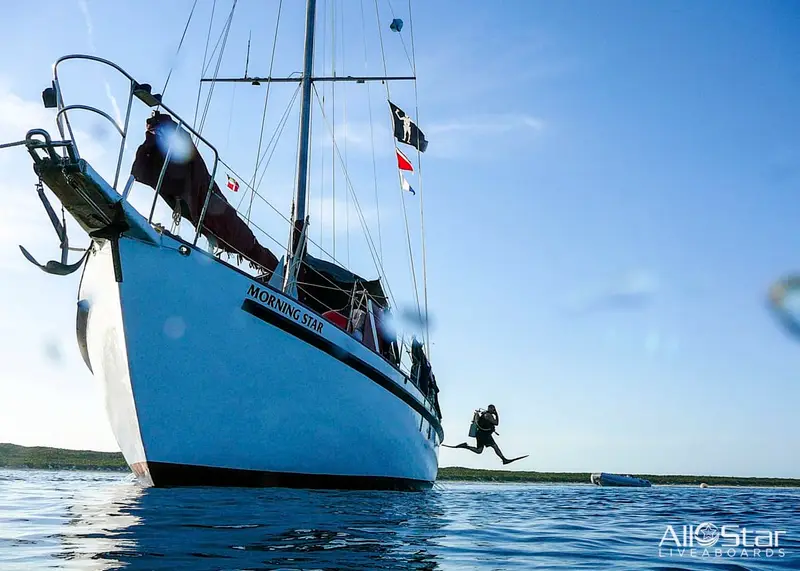
All Star Blackbeards Morning Star
Bahamas
24 guests20 m
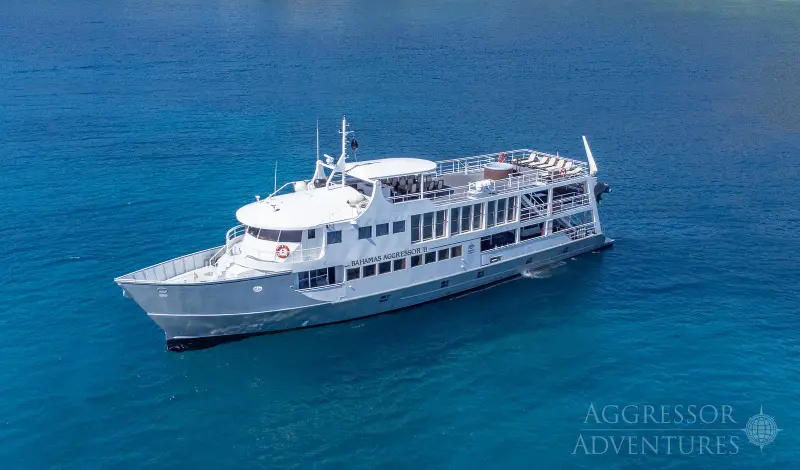
Bahamas Aggressor II
Bahamas
20 guests34 m
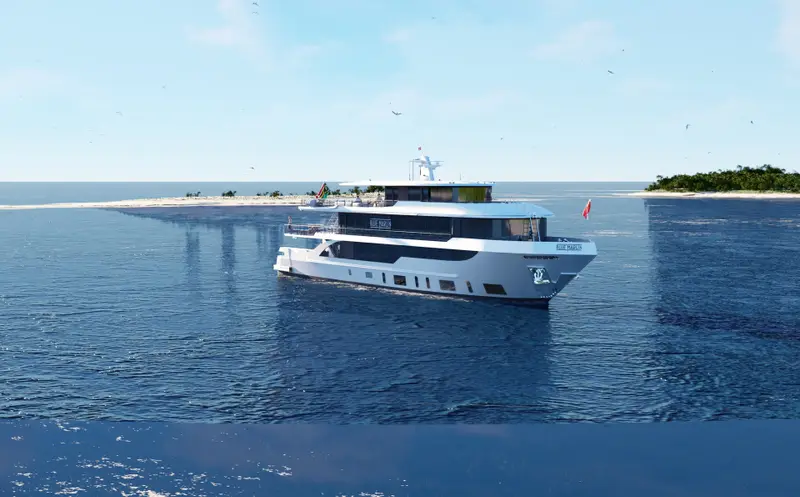
Blue Marlin
Bahamas
26 guests42 m
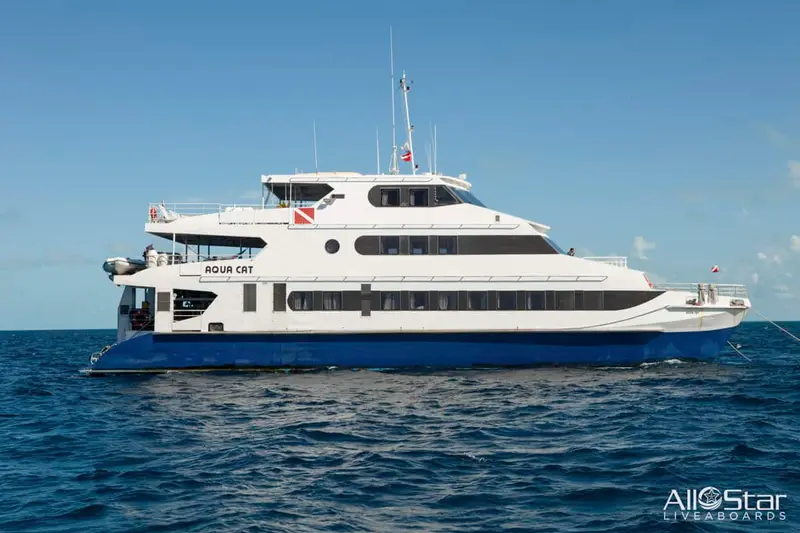
All Star Aqua Cat
Bahamas
30 guests31 m
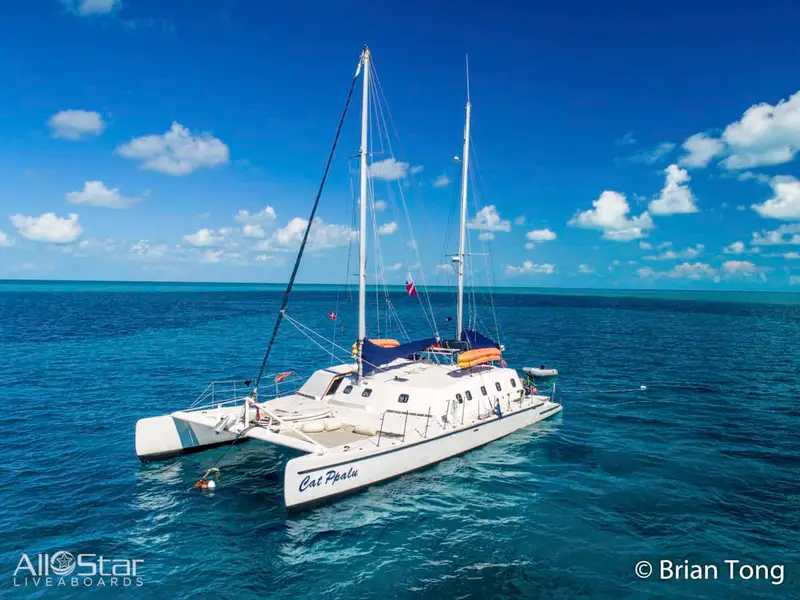
All Star Cat Ppalu
Bahamas
12 guests20 m
Dive sites similar to Krakens Lair
Same character, same waters, six more sites divers love for the exact same reasons.Compare seasons, access and liveaboard routes, then pick the site that fits your trip best.
© EsriMaxar, Earthstar, GIS
3 Fathom Wall
Cayman Islands
3 Fathom Wall is an exciting and fish-filled dive site located in the Cayman Islands, specifically at the intersection of the renowned Bloody Bay Wall.
- Suitable for
- Intermediate
- Current
- Mild
- Access
- Liveaboard only
- Depth
- ≤ 3000 m
- Theme
- Reef
While specific details for a dive site named "3 Riff" are not present in the provided sources, general diving conditions and characteristics for the Dominican Republic…
- Suitable for
- Advanced
- Current
- Mild
- Access
- Dayboat
- Depth
- 30–55 m
- Theme
- Reef
The dive site known as 3 Rocks is located off the coast of Sosúa in Puerto Plata, Dominican Republic, offering an accessible and lively underwater experience.
- Suitable for
- Beginner
- Current
- Mild
- Access
- Dayboat
- Depth
- 2–8 m
- Theme
- Reef
4 Amigos is a notable dive site located in the Bay Islands of Honduras, an area renowned for its extensive Mesoamerican Barrier Reef System, which is the world's second-longest.
- Suitable for
- Intermediate
- Current
- Moderate
- Access
- Liveaboard or dayboat
- Depth
- 9–40 m
- Theme
- Reef
© EsriMaxar, Earthstar, GIS
6 Toed Cat
Mexico
The dive site known as "6 Toed Cat" is not a recognized dive location in Mexico; rather, it refers to the polydactyl felines, many with six toes, that inhabit the Ernest Hemingway Home and Museum in Key West, Florida.
- Suitable for
- Beginner
- Current
- Mild
- Access
- Liveaboard or dayboat
- Depth
- —
- Theme
- Reef
© EsriMaxar, Earthstar, GIS
Aaron's Backyard
Honduras
Aaron's Backyard is a noted dive site within the Roatan Marine Park in Honduras, part of the extensive Mesoamerican Barrier Reef System.
- Suitable for
- Intermediate
- Current
- Moderate
- Access
- Liveaboard or dayboat
- Depth
- 9–40 m
- Theme
- Reef