About Crab Wall
Crab Wall is a prominent deep wall dive site in the Bahamas, specifically mentioned as part of the Exuma Cays itinerary for liveaboards. It stands out for its breathtaking topography, characterized by continuous massive coral structures and intricate ravines that provide shelter for elusive marine creatures. Divers experience an intense descent, witnessing profound changes in color as they explore depths reaching at least 32 meters (106 feet). The wall offers an exhilarating view into the seemingly endless blue, where the anticipation of larger pelagic species appearing from the deep is a constant thrill. While specific seasonal details for Crab Wall are not extensively provided, the Bahamas generally offers excellent diving conditions year-round, with warm waters conducive to vibrant coral health. The site is noted for its diverse macro life and occasional sightings of larger species. This dive site presents a unique opportunity for advanced divers to explore extensive wall systems, perfect for working on buoyancy and enjoying the vast scale of the underwater environment. It is frequently included in liveaboard itineraries departing from Nassau, showcasing the rich variety of diving experiences in the Exuma Sound.
Highlights
Dramatic deep wallMassive coral structuresExtensive ravinesAbyss viewsDiverse macro lifePotential for pelagic sightings
Season calendar
Best months to dive here
Jan
Feb
Mar
Apr
May
Jun
Jul
Aug
Sep
Oct
Nov
Dec
Excellent
Dive site facts: Crab Wall
- Depth
- 32+ m
- Typical dive
- Deep wall dive
- Current
- No current
- Visibility
- 24–30 m
- Water temperature
- 22–28°C (72–84°F)
- Entry
- Liveaboard only
- Level
- Advanced recommended
- Dive type
- Wall, coral, macro
- Region / port
- Exuma Cays, Bahamas
- Coordinates
- 25.0425° N, 77.5300° W
Conditions & Currents
Currents at Crab Wall are not specifically detailed as strong, but typical wall dives can experience varying conditions depending on location and tidal flow. The Bahamas generally offers calm conditions with gentle currents, though some areas like the Exumas can have more pronounced flows, particularly on the Atlantic side. While visibility is frequently excellent, ranging from 24 to 30 meters (80 to 100 feet), surface wave action or recent weather events can impact clarity. Water temperatures are consistently warm, between 22°C (72°F) in winter and 28°C (84°F) in summer, minimizing thermocline concerns. Divers should plan for a deep dive profile, ensuring adequate gas management and buoyancy control for navigating the wall's topography.
Marine life & sighting chances

Flamingo Tongue Snail
common
Atlantic Spadefish
common
Barracuda
occasional
Nudibranch
occasional
Lettuce Sea Slug
occasional
Shrimp
occasional
Neck Crab
occasional
Caribbean Reef Shark
occasional
Nurse Shark
occasional
Hammerhead Shark
rare

Hawksbill Turtle
rareDive profile & how the dive runs
Diving Crab Wall typically begins with a descent alongside the sheer face of the wall, quickly reaching depths around 32 meters (106 feet) where the vibrant colors begin to fade into deeper blues. The dive often involves exploring the continuous massive coral structures and intricate ravines that characterize this site. Divers can follow the wall, looking into the deep blue for pelagic encounters while also focusing on the fascinating macro life tucked within the corals. Maintaining excellent buoyancy is crucial for navigating the wall and managing deep dive times. The turn point is determined by gas consumption and no-decompression limits. The ascent typically follows the wall upwards, allowing for extended safety stops in the shallower, light-filled areas of the reef where colorful fish gather.
Underwater photography
Crab Wall offers excellent opportunities for both wide-angle and macro photography due to its diverse features. For capturing the grandeur of the wall, its expansive coral formations, and the seemingly endless abyss, a wide-angle lens is ideal. Consider using strobes to bring out the natural colors at depth. For the intricate ravines and the fascinating macro life such as nudibranchs, lettuce sea slugs, and small crabs, a macro lens will be highly rewarding. Buoyancy control is paramount to avoid disturbing delicate coral structures and to achieve stable shots along the deep wall. Ethical conduct, such as maintaining distance from marine life and avoiding touching anything, ensures the pristine condition of the site for future photographers.
Combine with nearby dive sites
- Cobia Cage
The Cobia Cage off Eleuthera in the Bahamas presents a truly unique underwater landscape.
- Lobster No Lobster
Lobster No Lobster is a renowned shallow coral head reef situated in the northern Exuma Cays of the Bahamas, often accessible via…
- Barracuda Shoals
Barracuda Shoals is a renowned shallow patch reef located in the Exuma Cays of the Bahamas, known for its remarkably clear water and…
- The Washing Machine
The Washing Machine is a renowned drift dive site located in the Exuma Cays, specifically off Highbourne Cay in the northern part of the…
- Pillar Wall
Pillar Wall is an Exumas wall dive, accessible only by boat, starting from a shallow reef top.
- Hammerhead Gulch
Hammerhead Gulch is a notable dive site located within the Exuma Cays, accessible by liveaboard from Nassau.
Getting there & logistics
Crab Wall is typically accessed via liveaboard trips departing from Nassau, New Providence, which serves as the primary international gateway for the Bahamas via Lynden Pindling International Airport (NAS). Liveaboards, such as the Aqua Cat and Bahamas Aggressor, embark from Nassau for 7-night or 10-day itineraries, exploring the Exuma Cays where Crab Wall is located. Divers should plan to arrive in Nassau at least a day before their liveaboard departure. Port fees, often around $395 for a 7-night trip, are usually paid on location. These trips offer up to 26 dives and often combine wall dives like Crab Wall with reef dives, wrecks, and shark encounters.
Safety & environment
For diving Crab Wall, maintaining excellent buoyancy control and adhering strictly to dive plans are crucial due to the significant depths involved. Advanced diver certification and experience with deep dives are highly recommended. Always carry personal dive insurance covering hyperbaric treatment and evacuation. The nearest recompression chambers are located in Nassau. In case of an emergency, liveaboards are equipped for initial response and communication, but medical evacuation to a facility in Nassau would be necessary. Divers should be mindful of gas consumption, especially when exploring deeper sections of the wall, and always dive within their training limits. Site-specific briefings will cover any current hazards or entry/exit procedures.
Who it suits — and who it doesn't
Suited for
- Advanced Open Water Divers
- Divers seeking deep wall explorations
- Photographers (wide-angle & macro)
- Divers comfortable with significant depths
- Those who enjoy drift diving (if currents are present)
Less suited for
- Beginner Open Water Divers
- Divers without deep dive experience
- Those prone to narcosis
- Divers uncomfortable with open water conditions
- Divers with poor buoyancy control
FAQ
Crab Wall FAQ
What is the typical depth at Crab Wall?
Crab Wall is a deep dive site, with divers often descending to depths of 32 meters (106 feet) or more. Its sheer face drops considerably further, offering a truly expansive wall diving experience. Divers should be certified and experienced in deep diving to explore this site safely.
What kind of marine life can I expect to see at Crab Wall?
Crab Wall is home to a variety of marine life, from vibrant macro creatures like nudibranchs and lettuce sea slugs to larger species such as barracuda and schools of Atlantic spadefish. While exploring the wall, you might also encounter flamingo tongue snails and occasionally see sharks or sea turtles passing by in the blue.
Is Crab Wall suitable for beginner divers?
Crab Wall is generally not recommended for beginner divers due to its significant depths and the need for excellent buoyancy control along a wall. It is best suited for advanced open water divers or those with experience in deep diving environments, ensuring a safer and more enjoyable experience.
How do I access Crab Wall?
Crab Wall is typically accessed via liveaboard diving trips operating out of Nassau, Bahamas. These liveaboards explore the Exuma Cays, where Crab Wall is located, offering multi-day itineraries that include a variety of dive sites. Travelers usually fly into Nassau's international airport before embarking.
What makes Crab Wall unique for photography?
Crab Wall offers unique photographic opportunities due to its dramatic topography, featuring massive coral structures and intricate ravines. Photographers can capture stunning wide-angle shots of the wall's scale and the deep blue, or switch to macro for detailed images of the diverse small marine life inhabiting the corals.
Why dive Crab Wall from a liveaboard?
Crab Wall is one of Bahamas's signature dive sites. A liveaboard sleeps you on the water and puts you in the water for three to four guided dives per day, including dawn and night dives that day-boat operators rarely offer. You skip the daily commute back to port and reach quieter, less-crowded sites in the same region on a single trip.
Below are the liveaboards that include Crab Wall on their Bahamas itineraries.
Liveaboards diving Crab Wall
These liveaboards may visit Crab Wall on selected itineraries — the exact dive sites depend on departure, weather and conditions.
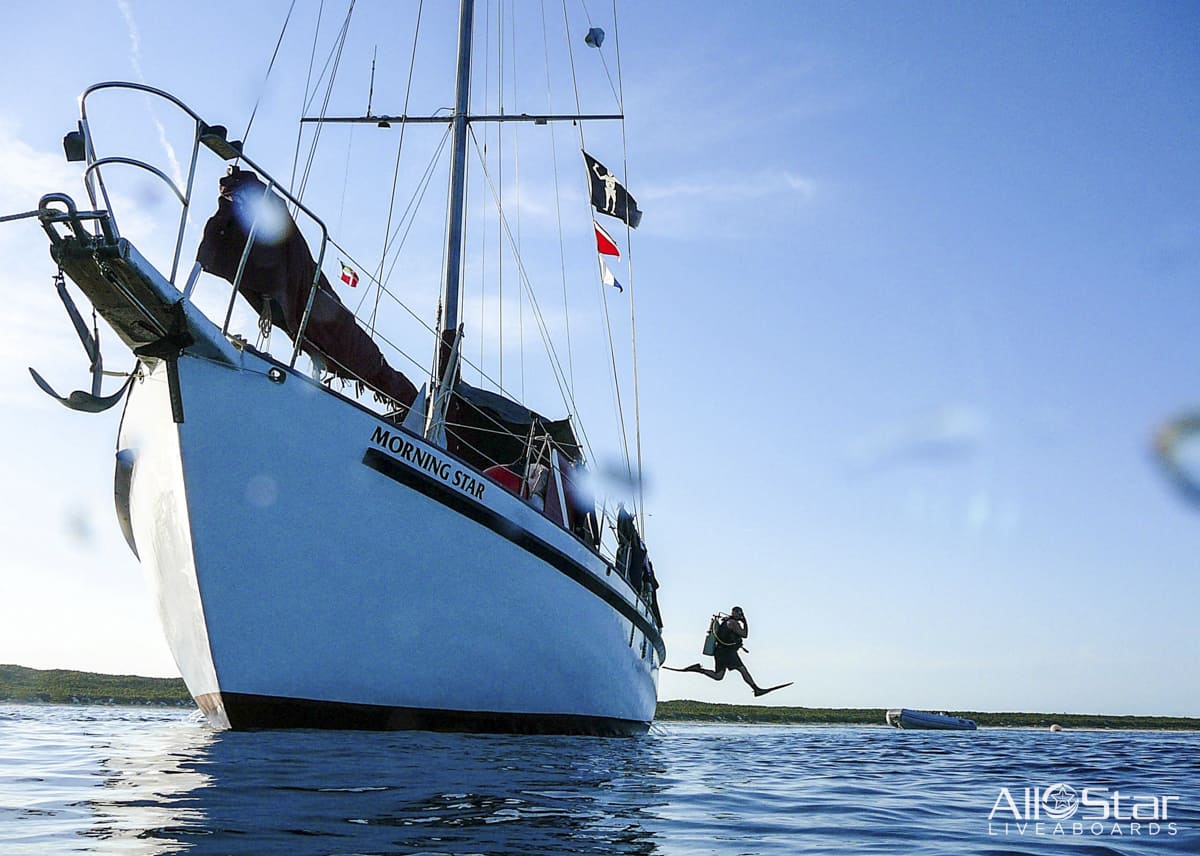
All Star Blackbeards Morning Star
Bahamas
24 guests19.81 m
$156/day
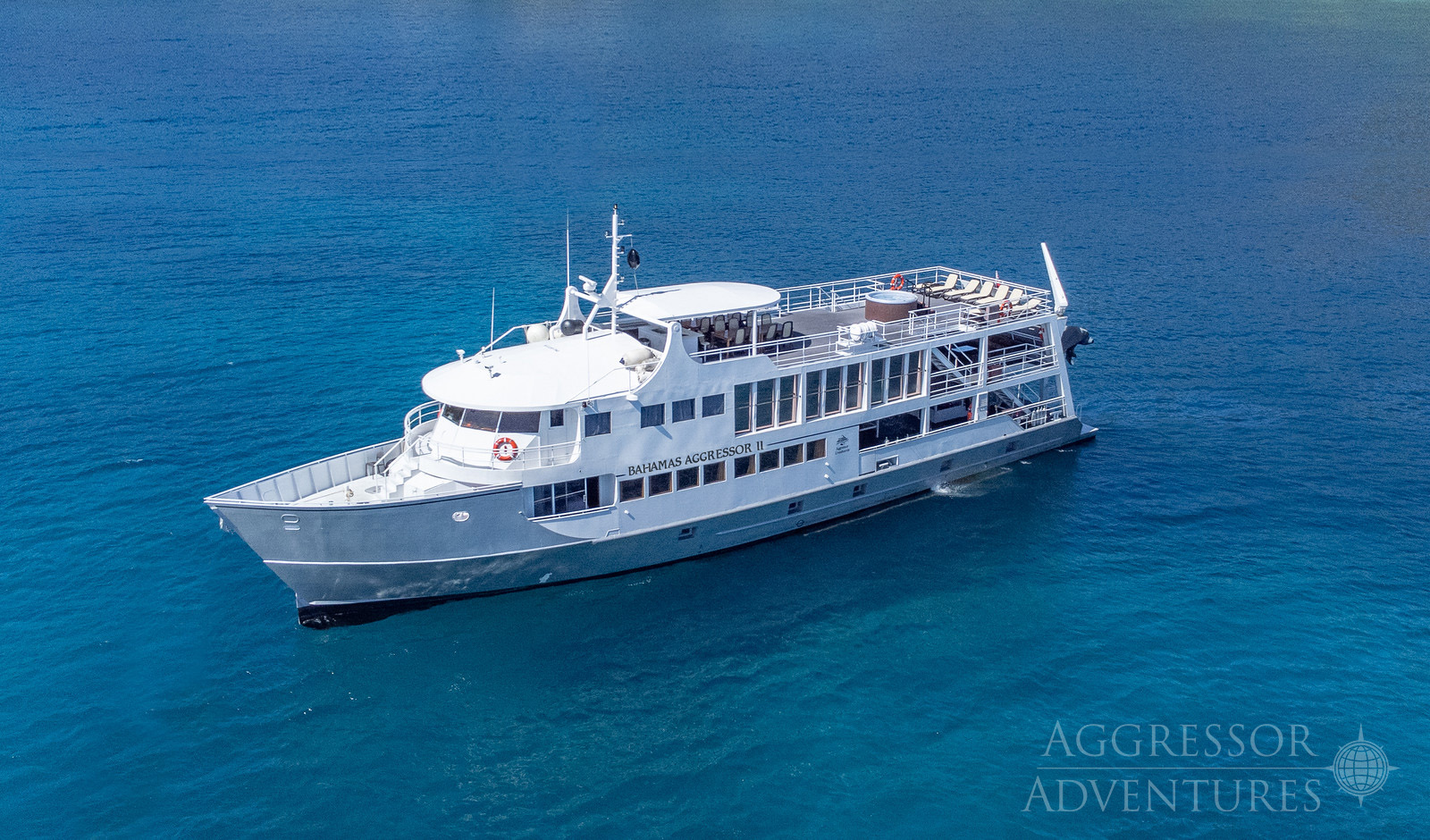
Bahamas Aggressor II
Bahamas
20 guests33.5 m
$328/day
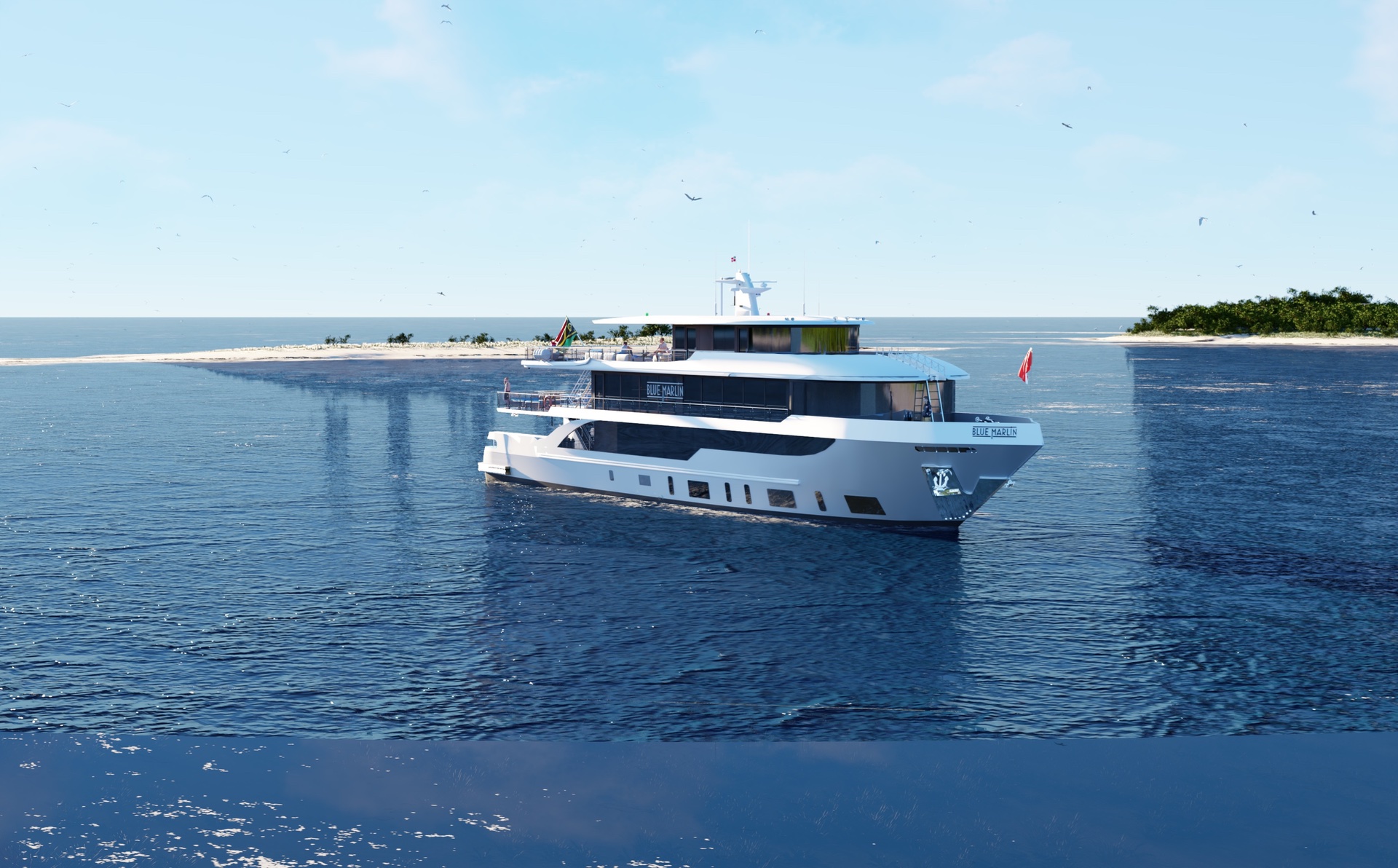
Blue Marlin
Bahamas
26 guests42 m
$318/day
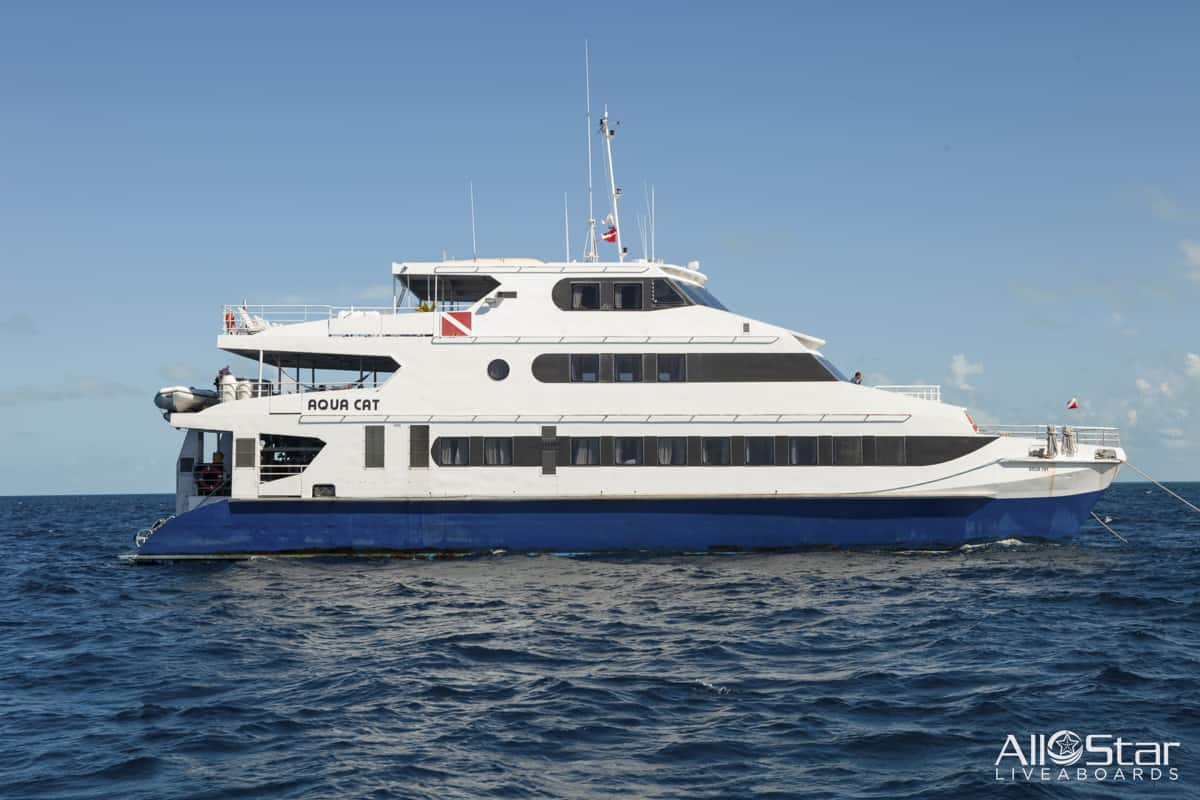
All Star Aqua Cat
Bahamas
30 guests31.09 m
$312/day
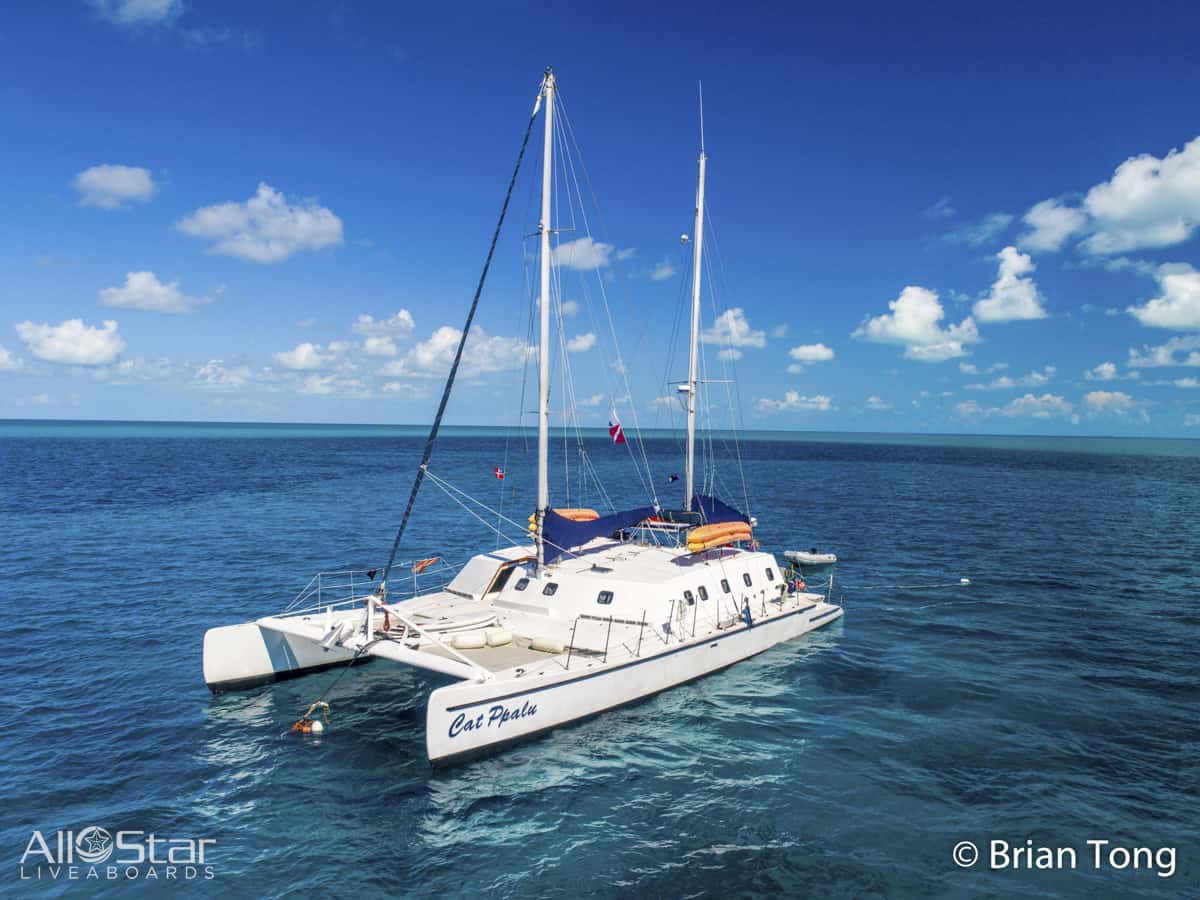
All Star Cat Ppalu
Bahamas
12 guests20 m
$237/day
Dive sites similar to Crab Wall
Same character, same waters — six more sites divers love for the exact same reasons.Compare seasons, access and liveaboard routes — then pick the site that fits your trip best.
© Esri — Maxar, Earthstar, GIS
Columbus Point
Bahamas
Columbus Point, situated off Cat Island in the Bahamas, stands out as an advanced dive destination renowned for its dramatic wall diving along one of the region's most untouched reef systems.
- Suitable for
- Advanced
- Current
- Strong
- Access
- Dayboat
- Depth
- ≤ 40 m
- Theme
- Wall / Drift
© Esri — Maxar, Earthstar, GIS
Cut Through City
Bahamas
Cut Through City is a standout dive site located off the coast of Eleuthera in the Bahamas, a region renowned for its diverse underwater topography.
- Suitable for
- Intermediate
- Current
- Mild
- Access
- Liveaboard only
- Depth
- 27–40 m
- Theme
- Wall / Reef
© Esri — Maxar, Earthstar, GIS
Tongue of the Ocean Wall
Bahamas
The Tongue of the Ocean Wall, located off New Providence near Nassau, represents a spectacular natural phenomenon—a deep oceanic trench that stretches for 120 miles and plunges to depths of 6,000 feet.
- Suitable for
- Advanced
- Current
- Strong
- Access
- Liveaboard or dayboat
- Depth
- 18–52 m
- Theme
- Wall
Nassau, located on New Providence Island in the Bahamas, stands out as a premier Caribbean scuba diving destination due to its convenient accessibility and diverse underwater topography.
- Suitable for
- Beginner
- Current
- Mild
- Access
- Dayboat
- Depth
- 2–24 m
- Theme
- Reef / Wall
© Esri — Maxar, Earthstar, GIS
Sandals Wall
Bahamas
Sandals Wall is a premier advanced dive site accessible from Sandals Emerald Bay, presenting a dramatic underwater topography typical of Bahamian wall dives.
- Suitable for
- Advanced
- Current
- No current
- Access
- Shore / dayboat
- Depth
- 15–15 m
- Theme
- Wall
© Esri — Maxar, Earthstar, GIS
Crab Mountain
Bahamas
Crab Mountain is a notable reef dive site located in the Exuma Cays, known for its extensive coral formations and abundant marine life.
- Suitable for
- Intermediate
- Current
- Moderate
- Access
- Liveaboard only
- Depth
- —
- Theme
- Reef / Wall