About Lobster No Lobster
Lobster No Lobster is a renowned shallow coral head reef situated in the northern Exuma Cays of the Bahamas, often accessible via liveaboard. Its name, reputedly coined by Jacques Cousteau, highlights the prevalence of lobsters, though it's also a vibrant habitat for numerous other Caribbean species. The site's comfortable depths and mild currents make it an ideal location for divers of all experience levels to explore. Characterized by its beautiful scattered coral heads, the topography here offers ample opportunities for close observation of marine life. Divers can navigate easily among the coral formations, enjoying extended bottom times due to the shallow profile, with an average depth of 5 meters and a maximum of 10 meters. This makes it particularly suitable for buoyancy practice or leisurely dives. While lobsters are a key attraction, the reef teems with a diverse array of fish like snapper, angelfish, grunts, and parrotfish. You can also expect to encounter larger creatures such as nurse sharks, Caribbean reef sharks, various stingrays, and sea turtles, including green and loggerhead turtles. Conservation efforts have also seen long-spined sea urchins released here, which are beneficial for reef health as algae cleaners. The overall diving experience at Lobster No Lobster is described as easy and relaxing, a perfect complement to deeper or more challenging dives in the region. It's an excellent site for unwinding, focusing on marine observation, and capturing stunning underwater photography in clear, calm conditions.
Highlights
Shallow coral head reefAbundant lobstersNurse and reef sharksVarious rays and turtlesLong-spined sea urchinsBeginner-friendly depthsRelaxing drift dive
Season calendar
Best months to dive here
Jan
Feb
Mar
Apr
May
Jun
Jul
Aug
Sep
Oct
Nov
Dec
Excellent
Good
Dive site facts: Lobster No Lobster
- Depth
- 5–10 m
- Current
- Mild
- Visibility
- Excellent
- Entry
- Boat
- Level
- Beginner
- Dive type
- Reef, marine life, photography
- Night dive
- Possible
- Region / port
- Exuma Cays, Bahamas
- Coordinates
- 25.0450° N, 77.5270° W
Conditions & Currents
This site is known for its mild currents, making for an easy and relaxing dive experience suitable for all skill levels. While generally calm, currents are always a factor in the ocean and divers should remain aware. Surface entry is typically straightforward from a boat, and the shallow depths allow for flexible dive planning and extended bottom times. Visibility here is consistently excellent, often described as 'gin-clear,' benefiting from the region's generally light currents and clear waters. There are no significant thermoclines reported at these shallow depths. Divers can anticipate a tranquil underwater environment, allowing ample opportunity for marine life observation and photography without the added challenge of strong water movement.
Marine life & sighting chances

Lobster
February, March, April, May, June, December · common
Nurse Shark
February, April, June, July, August, September, November, De · common
Caribbean Reef Shark
February, April, July, September, October, November, Decembe · common
Stingray
All year · common
Parrotfish
January, April, June, July, August, September, October, Nove · common
Angelfish
January, April, June, July, August, September, October, Nove · common
Snapper
common
Grunt
common
Barracuda
January, February, April, June, July, August, September, Oct · common
Green Turtle
April, July · occasional
Loggerhead Turtle
April · occasional
Wrasse
November · occasional
Moray Eel
November · occasional
Octopus
January · rareDive profile & how the dive runs
Entry to Lobster No Lobster is typically a boat drop, allowing divers to descend directly onto the shallow coral reef. The dive commences over scattered coral heads, primarily staying within the 5 to 10-meter depth range, facilitating long bottom times. Divers can explore the vibrant reef at their leisure, observing macro life hidden within the corals and watching for larger species such as sharks, rays, and turtles in the open water. The profile is generally flat, with no significant depth changes, making it ideal for practicing buoyancy or simply enjoying a relaxed pace. The route often involves a gentle drift over the coral formations, with the boat picking up divers at a designated exit point. Your safety stop will naturally occur during your ascent, given the shallow maximum depth of the site, ensuring a relaxed and stress-free conclusion to the dive.
Underwater photography
Lobster No Lobster is an excellent site for underwater photography, particularly for wide-angle shots given its clear waters and expansive reef landscapes. The shallow depths and abundant ambient light allow for vibrant colors without extensive artificial lighting, though strobes will enhance color and contrast. Consider a wide-angle lens to capture the full beauty of the scattered coral heads and schooling fish, or a macro lens to focus on the numerous lobsters, small critters, and details on the reef. Maintaining excellent buoyancy is crucial to avoid disturbing the delicate coral and stirring up sediment in the shallow environment. Be mindful of subject etiquette, especially when photographing sharks or rays, giving them space and observing their natural behavior.
Combine with nearby dive sites
- Pillar Wall
Pillar Wall is an Exumas wall dive, accessible only by boat, starting from a shallow reef top.
- Crab Wall
Crab Wall is a prominent deep wall dive site in the Bahamas, specifically mentioned as part of the Exuma Cays itinerary for liveaboards.
- Hammerhead Gulch
Hammerhead Gulch is a notable dive site located within the Exuma Cays, accessible by liveaboard from Nassau.
- Blacktip Wall
Blacktip Wall is a renowned dive site located within the Exuma Cays, specifically noted for its dramatic wall diving experiences.
- Amberjack Reef
Amberjack Reef is a prominent shark diving destination nestled within the Exuma Cays Land and Sea Park.
- Cracked Coral Head
Cracked Coral Head is a notable dive site located in the Exuma Cays of the Bahamas, renowned for its diverse underwater topography and rich…
Getting there & logistics
Access to Lobster No Lobster is exclusively by boat, typically as part of a liveaboard itinerary exploring the Exuma Cays. Major international airports for reaching the Bahamas include Lynden Pindling International Airport (Nassau) and George Town International Airport (Exuma), with regular flights from North America and Europe. Liveaboards commonly depart from ports like Nassau or Georgetown. Trips usually range from 7 to 10 days, combining various reef, wall, and wreck dives across the Exumas. Given its location within the Exuma Cays, some dive sites may fall within protected park areas, potentially involving park fees, which are often included in liveaboard packages. This site is frequently paired with deeper wall dives or drift dives, providing a relaxed contrast in the daily dive schedule.
Safety & environment
While Lobster No Lobster is considered a very safe site due to its shallow depths and mild currents, standard diving safety practices remain essential. Always dive within your training limits and maintain proper buoyancy to protect yourself and the delicate coral. The nearest recompression chamber is located in Nassau, which is a significant distance from the Exuma Cays, highlighting the importance of cautious diving and adequate insurance. Evacuation in a dive emergency would typically involve rapid boat transfer to the nearest medical facility, followed by air evacuation if necessary. Divers should carry comprehensive dive insurance that covers medical emergencies and evacuation. Although sharks are common, they are generally not aggressive. Always respect marine life, avoid touching or harassing animals, and follow your dive guide's instructions.
Who it suits — and who it doesn't
Suited for
- Beginner divers seeking confidence
- Divers practicing buoyancy control
- Underwater photographers (wide-angle and macro)
- Snorkelers and freedivers
- Divers who enjoy relaxed, shallow reef exploration
- Families or mixed-level groups
Less suited for
- Divers seeking extreme depths or technical challenges
- Those prioritizing strong currents and drift dives
- Divers solely interested in large pelagic encounters
- Individuals who dislike shallow, calm dives
FAQ
Lobster No Lobster FAQ
Why is it called 'Lobster No Lobster'?
The site's intriguing name is said to have been given by Jacques Cousteau. It implies that while lobsters are abundant and a major attraction at this reef, their presence might also be subject to natural fluctuations or the whims of observation. Despite the 'no lobster' part of the name, divers commonly encounter many lobsters here.
What kind of marine life can I expect to see at Lobster No Lobster?
Beyond its namesake lobsters, the site is teeming with typical Caribbean marine life. You can frequently spot nurse and Caribbean reef sharks, various species of stingrays, and sea turtles like green and loggerhead turtles. The reef is also home to schooling fish such as snapper, angelfish, grunts, and parrotfish, as well as various macro critters.
Is Lobster No Lobster suitable for new divers?
Yes, Lobster No Lobster is highly recommended for new divers. Its shallow depths, ranging from 5 to 10 meters, combined with mild currents and excellent visibility, create an ideal and stress-free environment. It's a perfect location for practicing buoyancy, building confidence, and enjoying the vibrant marine ecosystem without facing challenging conditions.
Can I freedive or snorkel at Lobster No Lobster?
Absolutely. Given its comfortable depths and abundant marine life that is easily visible from the surface, Lobster No Lobster is an excellent spot for both freedivers and snorkelers. The clear, calm waters allow for ample opportunity to observe the reef and its inhabitants, making it a favorite for non-certified divers as well.
What are the typical dive conditions like at this site?
Dive conditions at Lobster No Lobster are generally very favorable. The water temperature typically ranges from 22-30°C depending on the season, and visibility is consistently excellent, often exceeding 30 meters. Currents are usually mild, making for easy navigation and a relaxed dive experience. It's considered one of the easier dive sites in the Exuma Cays.
Why dive Lobster No Lobster from a liveaboard?
Lobster No Lobster is one of Bahamas's signature dive sites. A liveaboard sleeps you on the water and puts you in the water for three to four guided dives per day, including dawn and night dives that day-boat operators rarely offer. You skip the daily commute back to port and reach quieter, less-crowded sites in the same region on a single trip.
Below are the liveaboards that include Lobster No Lobster on their Bahamas itineraries.
Liveaboards diving Lobster No Lobster
These liveaboards may visit Lobster No Lobster on selected itineraries — the exact dive sites depend on departure, weather and conditions.
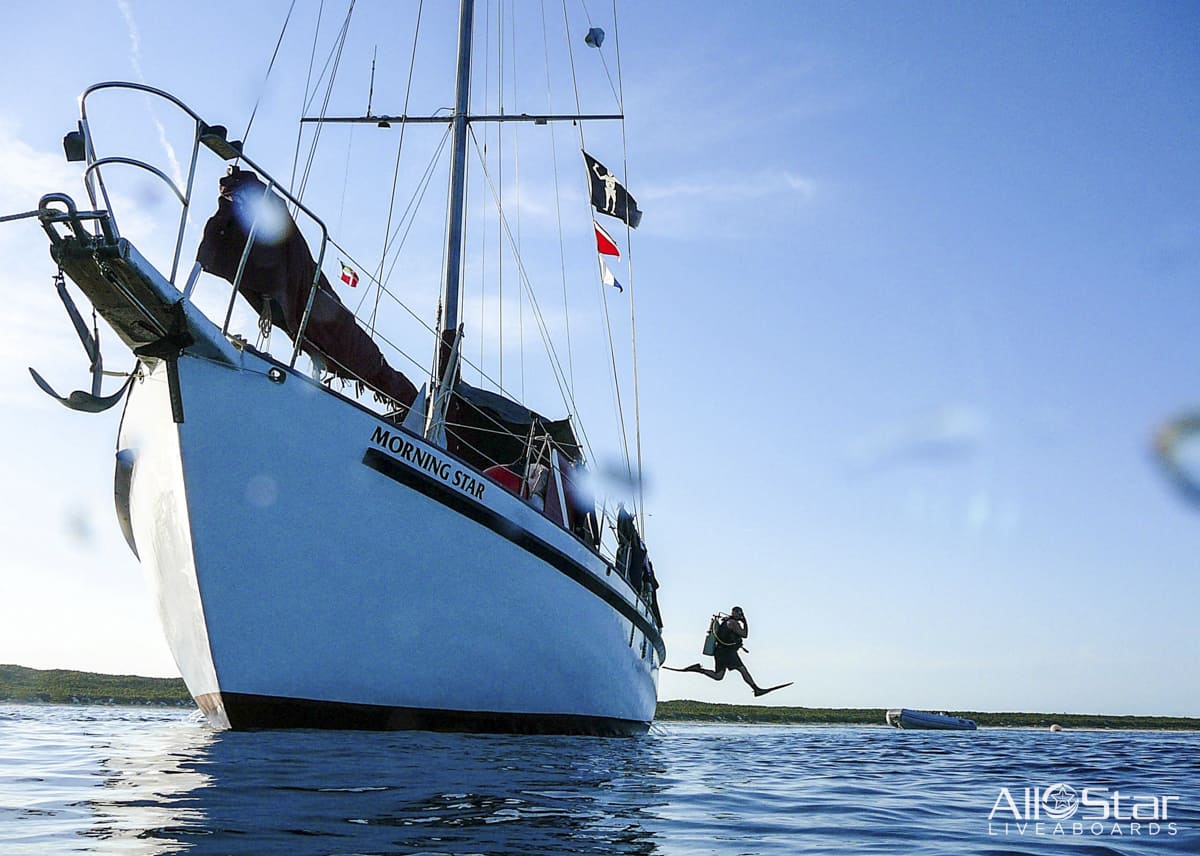
All Star Blackbeards Morning Star
Bahamas
24 guests19.81 m
$156/day
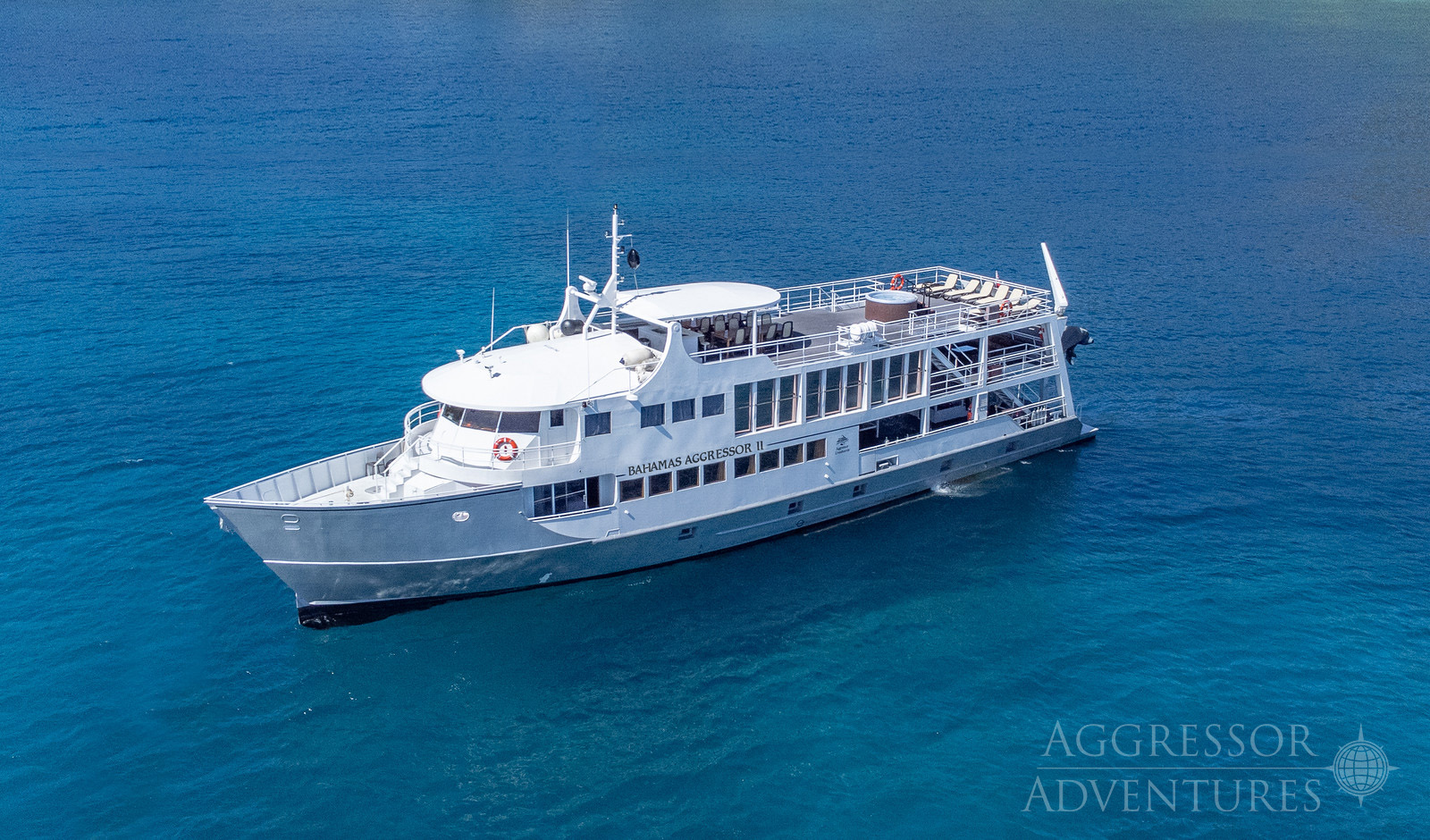
Bahamas Aggressor II
Bahamas
20 guests33.5 m
$328/day
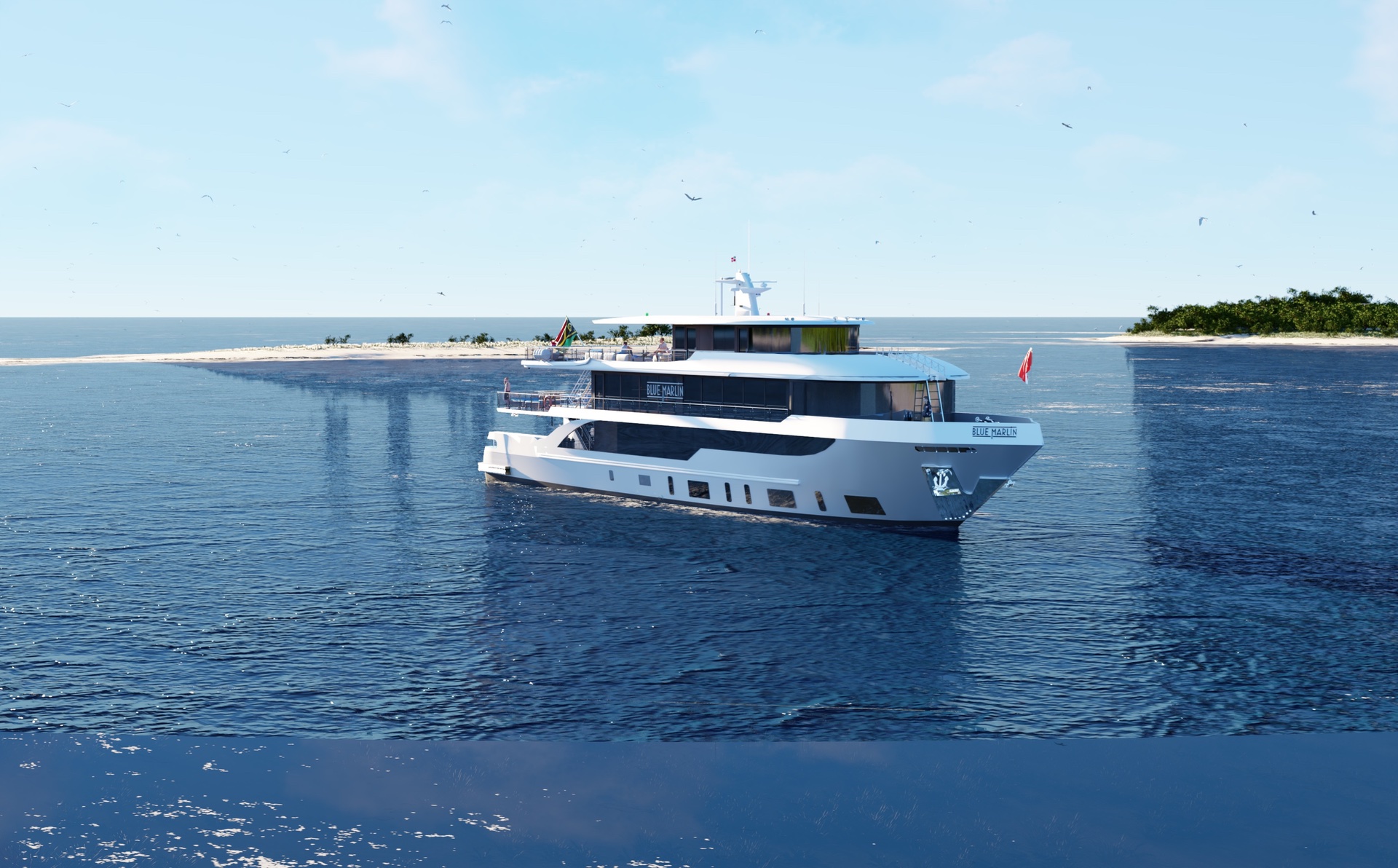
Blue Marlin
Bahamas
26 guests42 m
$318/day
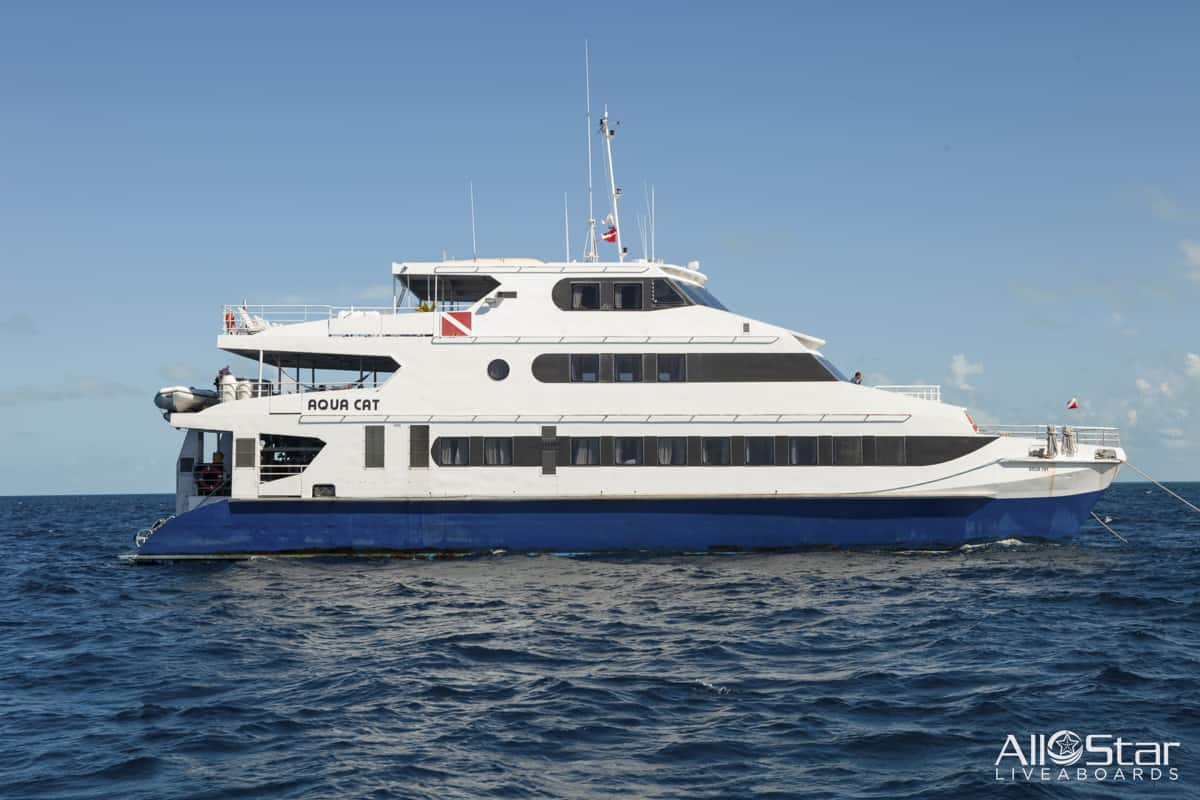
All Star Aqua Cat
Bahamas
30 guests31.09 m
$312/day
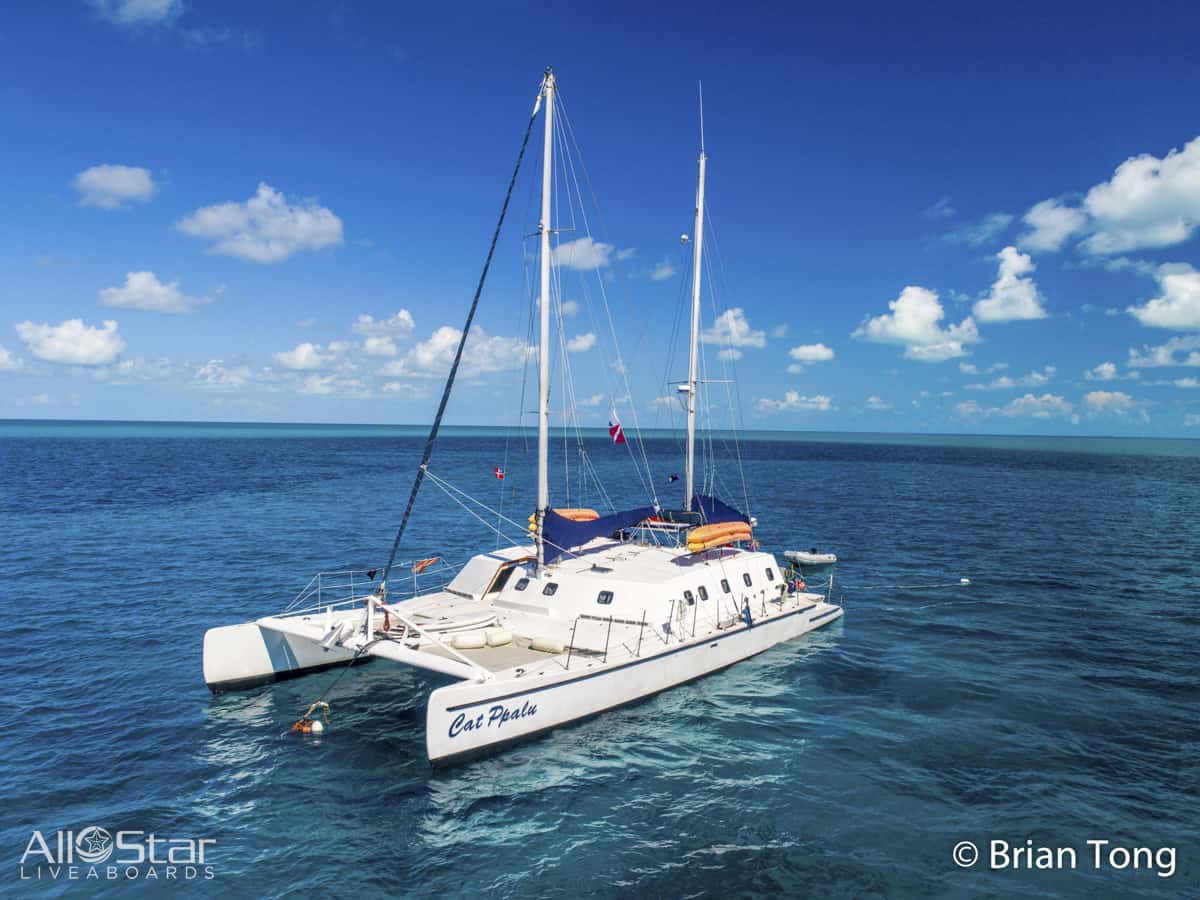
All Star Cat Ppalu
Bahamas
12 guests20 m
$237/day
Dive sites similar to Lobster No Lobster
Same character, same waters — six more sites divers love for the exact same reasons.Compare seasons, access and liveaboard routes — then pick the site that fits your trip best.
© Esri — Maxar, Earthstar, GIS
Cut Through City
Bahamas
Cut Through City is a standout dive site located off the coast of Eleuthera in the Bahamas, a region renowned for its diverse underwater topography.
- Suitable for
- Intermediate
- Current
- Mild
- Access
- Liveaboard only
- Depth
- 27–40 m
- Theme
- Wall / Reef
© Esri — Maxar, Earthstar, GIS
Metropolis
Bahamas
Metropolis is a standout dive site in the Bahamas, renowned for its consistent and diverse shark encounters, making it a thrilling destination for divers seeking pelagic action.
- Suitable for
- Intermediate
- Current
- Moderate
- Access
- Liveaboard only
- Depth
- ≤ 13 m
- Theme
- Reef
© Esri — Maxar, Earthstar, GIS
Mt. Olympus
Bahamas
Mt. Olympus is a dynamic dive site in the Bahamas, regularly visited by liveaboards, known for its healthy marine ecosystem and varied underwater terrain.
- Suitable for
- Advanced
- Current
- Moderate
- Access
- Liveaboard only
- Depth
- ≤ 122 m
- Theme
- Reef / Drift
© Esri — Maxar, Earthstar, GIS
Ras Mohammed
Bahamas
Ras Mohammed National Park, situated approximately 20 kilometers south of Sharm El Sheikh, marks the southernmost tip of the Sinai Peninsula in Egypt.
- Suitable for
- Advanced
- Current
- No current
- Access
- Shore / dayboat
- Depth
- ≤ 100 m
- Theme
- Reef
© Esri — Maxar, Earthstar, GIS
Split Coral Head
Bahamas
Split Coral Head is a notable dive site located in Eleuthera, Bahamas, celebrated for its impressive coral formations and the distinctive split in a massive coral head from which it derives its name.
- Suitable for
- Beginner
- Current
- No current
- Access
- Liveaboard only
- Depth
- 14–17 m
- Theme
- Reef
© Esri — Maxar, Earthstar, GIS
Danger Reef
Bahamas
Danger Reef is an integral part of the Exuma Cay Reef Dives, nestled within the expansive Exuma Cays.
- Suitable for
- Intermediate
- Current
- Mild
- Access
- Liveaboard only
- Depth
- ≤ 18 m
- Theme
- Reef