About Cracked Coral Head
Cracked Coral Head is a notable dive site located in the Exuma Cays of the Bahamas, renowned for its diverse underwater topography and rich marine biodiversity. The site is characterized by a distinctive wall formation that provides excellent opportunities for exploration and photography, making it a key stop for liveaboards touring the region. Its unique 'cracked' coral formations create interesting swim-throughs, adding an adventurous element to the dive profile. The reef structure begins in shallower waters and extends into deeper sections, presenting a varied environment for marine species. Divers can expect to encounter a vibrant array of reef fish and invertebrates, both during the day and on night dives. The site's location within the Exumas contributes to its consistent clarity and generally calm conditions. Marine life includes both resident reef fish and larger pelagic species. Black grouper and various angelfish are commonly seen, navigating the coral heads and cracks. At night, the site transforms, revealing an abundance of nocturnal creatures such as lobsters, crabs, and shrimp, alongside jacks. This site provides a balanced diving experience, suitable for exploring intricate coral structures and observing both diurnal and nocturnal marine behaviors. The presence of swim-throughs and a distinct wall encourages varied dive planning, offering different aspects to explore on subsequent visits.
Highlights
Vibrant coral headsDistinctive reef wallEngaging swim-throughsBlack and French angelfishAbundant nocturnal lifeBlack grouper sightingsExuma Cays location
Season calendar
Best months to dive here
Jan
Feb
Mar
Apr
May
Jun
Jul
Aug
Sep
Oct
Nov
Dec
Excellent
Good
Off-Season
Nov – May (Peak)
Tiger sharks at Tiger Beach, hammerheads off Cat Island, best visibility up to 40m, calm seas.
Jun & Oct (Shoulder)
Reef sharks, nurse sharks, dolphins. Slightly rougher seas but still diveable.
Jul – Sep (Hurricane)
Many operators pause. If open, expect reduced visibility and unpredictable weather.
Dive site facts: Cracked Coral Head
- Current
- Minimal
- Visibility
- 80–100 ft
- Water temperature
- 70–84°F
- Entry
- Liveaboard / Boat
- Level
- Beginner
- Dive type
- Reef, wall, swim-through
- Night dive
- Possible
- Region / port
- Exuma Cays, Bahamas
- Coordinates
- 24.2985° N, 76.6715° W
Conditions & Currents
Currents at Cracked Coral Head are generally minimal, creating calm and enjoyable diving conditions, particularly in the Exuma Cays region where the site is located. This typically calm environment allows divers ample time to explore the intricate reef formations and swim-throughs without significant effort against strong flows. However, as with any Bahamian site, easterly trade winds predominate for much of the year, and while there is usually a lee side available, understanding local conditions from the dive operator is always prudent. The excellent visibility, often ranging from 80 to 100 feet, remains largely unaffected by any minor currents present. Entry and exit are typically smooth boat-based operations, aligning with the relaxed nature of diving in this area, making it accessible for a range of diver experience levels.
Marine life & sighting chances

Black grouper
occasional
Angelfish
occasional
French angelfish
occasional
Lobster
common
Crabs
common
Blackjack (fish)
occasional
Shrimp
commonDive profile & how the dive runs
Diving Cracked Coral Head typically begins with a boat entry, often from a liveaboard, allowing direct access to the reef. The dive typically proceeds along the distinctive wall, exploring the various cracks and crevices that give the site its name. Divers often navigate through several natural swim-throughs, which are a highlight of this site, observing the life that congregates within these protected spaces. Depth progression is varied, with opportunities to stay shallower along the reef top or explore deeper sections of the wall. The turn point is determined by air consumption and no-decompression limits, after which divers gradually ascend, conducting their safety stop in the shallower, colorful areas of the coral heads, observing smaller reef fish before surfacing near the boat.
Underwater photography
Cracked Coral Head presents excellent opportunities for wide-angle photography, particularly to capture the expansive reef wall and the light filtering into the swim-throughs. A fisheye lens would be ideal for conveying the grandeur of these formations. Macro photography is also rewarding, especially during night dives, when numerous lobsters, crabs, and shrimp emerge from their hiding spots; a dedicated macro lens with a snoot or focused strobes would highlight these smaller subjects. Buoyancy control is paramount to avoid disturbing delicate coral structures, particularly within the narrower swim-throughs. Ambient light can be sufficient in shallower areas, but strobes are crucial for bringing out the vibrant colors of the reef and marine life at depth or during low-light conditions.
Combine with nearby dive sites
- Danger Reef
Danger Reef is an integral part of the Exuma Cay Reef Dives, nestled within the expansive Exuma Cays.
- Hawksbill Reef
Hawksbill Reef is a dynamic dive site located in the Bimini region of the Bahamas, renowned for its rich coral formations and abundant…
- Amberjack Reef
Amberjack Reef is a prominent shark diving destination nestled within the Exuma Cays Land and Sea Park.
- Split Coral Head
Split Coral Head is a notable dive site located in Eleuthera, Bahamas, celebrated for its impressive coral formations and the distinctive…
- Crab Mountain
Crab Mountain is a notable reef dive site located in the Exuma Cays, known for its extensive coral formations and abundant marine life.
Getting there & logistics
Access to Cracked Coral Head is primarily via liveaboard trips exploring the Exuma Cays. Major international airports serving the Bahamas include Lynden Pindling International Airport (NAS) in Nassau and Grand Bahama International Airport (FPO) in Freeport. Liveaboards typically depart from Nassau, making it a convenient hub for travelers. It is recommended to arrive at least one day before your liveaboard departure to account for potential travel delays and ensure you are well-rested. Departure taxes of approximately $20 are required for non-residents aged six and over when leaving the Bahamas. This site is commonly part of week-long itineraries, combining several Exuma Cays dive sites, offering a comprehensive diving experience.
Safety & environment
While diving Cracked Coral Head, safety is paramount, as with all remote Bahamian sites. The nearest recompression chamber is typically in Nassau. In case of an emergency, evacuation would likely involve transport to Nassau, which can take several hours depending on sea conditions and proximity to aid, emphasizing the importance of preventative measures. Comprehensive dive insurance, covering medical emergencies and evacuation, is highly recommended for all divers. Site-specific hazards are minimal, given the generally calm currents, but divers should maintain excellent buoyancy control, especially when navigating swim-throughs, to protect the reef and themselves. Always dive within your certified limits and follow your dive guide's instructions for a safe experience.
Who it suits, and who it doesn't
Suited for
- Divers interested in exploring unique reef topography
- Underwater photographers seeking macro and wide-angle opportunities
- Divers who enjoy both day and night diving at the same site
- Those seeking abundant fish life in clear waters
- Liveaboard guests exploring the Exuma Cays
Less suited for
- Divers preferring extremely challenging conditions or strong currents
- Those uninterested in detailed reef exploration
- Divers who are uncomfortable with swim-throughs
- Individuals without adequate dive insurance for remote locations
FAQ
Cracked Coral Head FAQ
What kind of marine life can I expect to see at Cracked Coral Head?
At Cracked Coral Head, you can expect to see a variety of reef fish, including black grouper, angelfish, and French angelfish. During night dives, the site becomes active with crustaceans like lobsters, crabs, and shrimp, alongside species such as blackjacks. The diverse ecosystem supports both diurnal and nocturnal species, offering different sightings depending on the time of your dive.
Are there any unique features to Cracked Coral Head?
Yes, Cracked Coral Head is distinguished by its unique reef wall and a series of natural swim-throughs within its coral formations. These cracks and passages create an engaging environment for divers to explore, offering interesting light effects and habitats for marine life. The site's topography makes it a visually stimulating dive.
What are the typical diving conditions at Cracked Coral Head?
Diving conditions at Cracked Coral Head are generally favorable, characterized by minimal currents, which make for a relaxed diving experience. Visibility typically ranges from 80 to 100 feet, providing clear views of the vibrant reef. Water temperatures fluctuate between 70°F and 84°F, depending on the season, usually remaining warm and comfortable for diving.
Is Cracked Coral Head suitable for night diving?
Yes, Cracked Coral Head is known to be a good site for night diving. Many nocturnal creatures emerge after sunset, offering a different perspective of the reef. Divers frequently encounter lobsters, crabs, and shrimp, along with active blackjacks during night explorations, making it a rewarding experience for those who enjoy diving after dark.
How do I get to Cracked Coral Head?
Cracked Coral Head is primarily accessed via liveaboard diving trips that traverse the Exuma Cays in the Bahamas. Most liveaboards depart from Nassau, which is served by Lynden Pindling International Airport. It is advisable to book a liveaboard itinerary that includes the Exuma Cays to visit this specific dive site.
Why dive Cracked Coral Head from a liveaboard?
Cracked Coral Head is one of Bahamas's signature dive sites. A liveaboard sleeps you on the water and typically offers several guided dives per day (the exact number depends on the vessel and itinerary), including dawn and night dives that day-boat operators rarely offer. You skip the daily commute back to port and reach quieter, less-crowded sites in the same region on a single trip.
Liveaboards diving Cracked Coral Head
These liveaboards may visit Cracked Coral Head on selected itineraries, the exact dive sites depend on departure, weather and conditions.
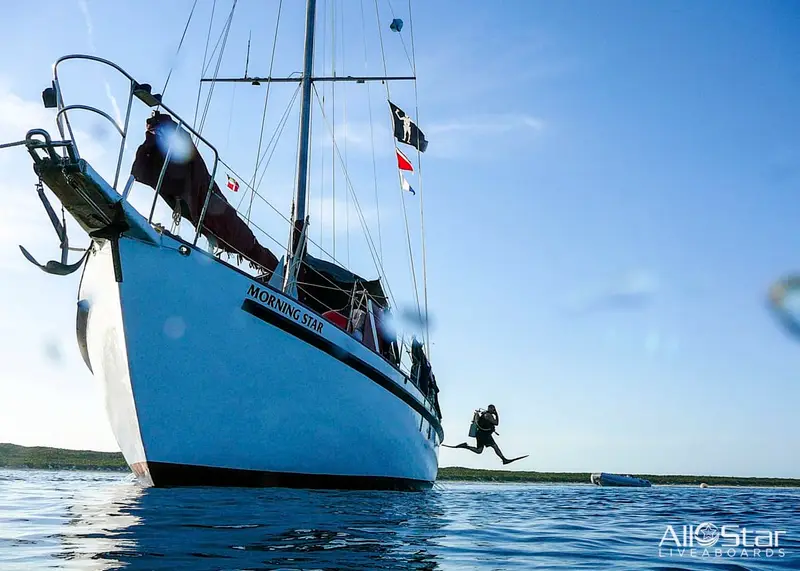
All Star Blackbeards Morning Star
Bahamas
24 guests20 m
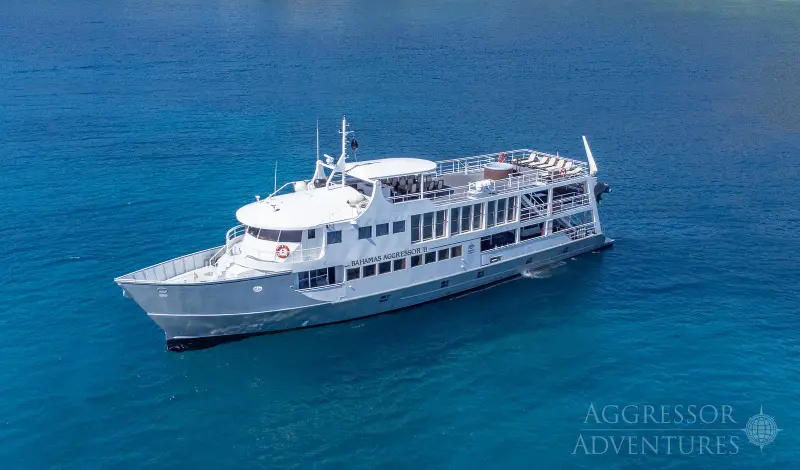
Bahamas Aggressor II
Bahamas
20 guests34 m
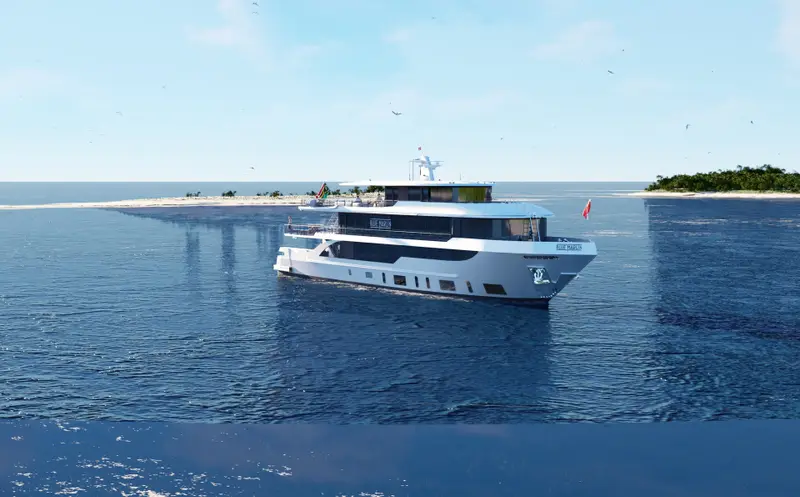
Blue Marlin
Bahamas
26 guests42 m
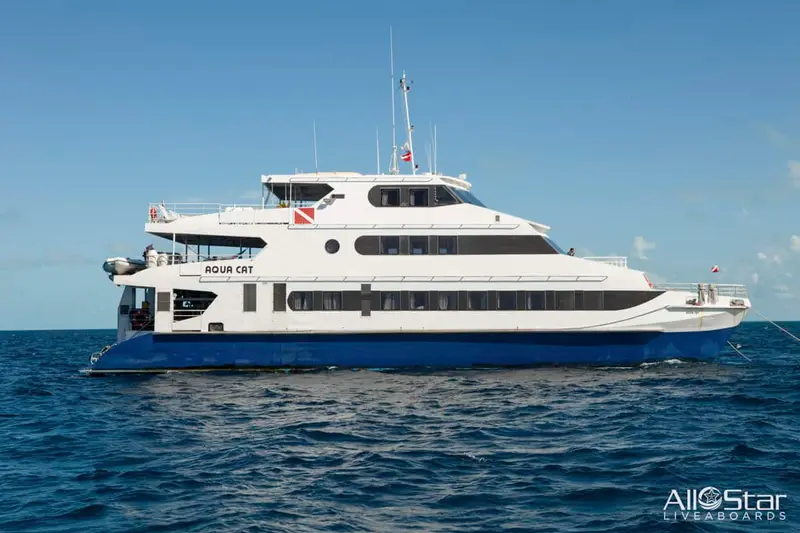
All Star Aqua Cat
Bahamas
30 guests31 m
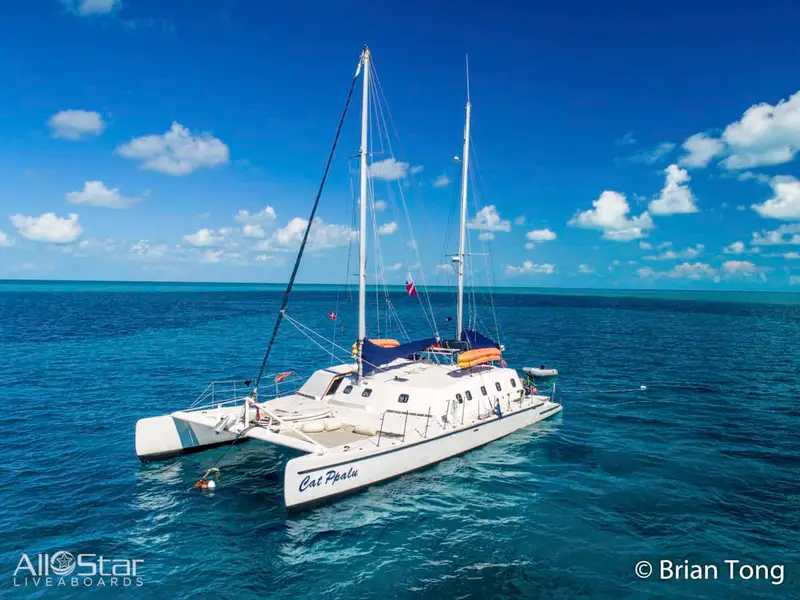
All Star Cat Ppalu
Bahamas
12 guests20 m
Dive sites similar to Cracked Coral Head
Same character, same waters, six more sites divers love for the exact same reasons.Compare seasons, access and liveaboard routes, then pick the site that fits your trip best.
© EsriMaxar, Earthstar, GIS
3 Fathom Wall
Cayman Islands
3 Fathom Wall is an exciting and fish-filled dive site located in the Cayman Islands, specifically at the intersection of the renowned Bloody Bay Wall.
- Suitable for
- Intermediate
- Current
- Mild
- Access
- Liveaboard only
- Depth
- ≤ 3000 m
- Theme
- Reef
While specific details for a dive site named "3 Riff" are not present in the provided sources, general diving conditions and characteristics for the Dominican Republic…
- Suitable for
- Advanced
- Current
- Mild
- Access
- Dayboat
- Depth
- 30–55 m
- Theme
- Reef
The dive site known as 3 Rocks is located off the coast of Sosúa in Puerto Plata, Dominican Republic, offering an accessible and lively underwater experience.
- Suitable for
- Beginner
- Current
- Mild
- Access
- Dayboat
- Depth
- 2–8 m
- Theme
- Reef
4 Amigos is a notable dive site located in the Bay Islands of Honduras, an area renowned for its extensive Mesoamerican Barrier Reef System, which is the world's second-longest.
- Suitable for
- Intermediate
- Current
- Moderate
- Access
- Liveaboard or dayboat
- Depth
- 9–40 m
- Theme
- Reef
© EsriMaxar, Earthstar, GIS
6 Toed Cat
Mexico
The dive site known as "6 Toed Cat" is not a recognized dive location in Mexico; rather, it refers to the polydactyl felines, many with six toes, that inhabit the Ernest Hemingway Home and Museum in Key West, Florida.
- Suitable for
- Beginner
- Current
- Mild
- Access
- Liveaboard or dayboat
- Depth
- —
- Theme
- Reef
© EsriMaxar, Earthstar, GIS
Aaron's Backyard
Honduras
Aaron's Backyard is a noted dive site within the Roatan Marine Park in Honduras, part of the extensive Mesoamerican Barrier Reef System.
- Suitable for
- Intermediate
- Current
- Moderate
- Access
- Liveaboard or dayboat
- Depth
- 9–40 m
- Theme
- Reef