About Hawksbill Reef
Hawksbill Reef is a dynamic dive site located in the Bimini region of the Bahamas, renowned for its rich coral formations and abundant marine activity. Situated off the coast, it offers divers a beautiful underwater landscape where various species thrive. The reef is characterized by its colorful hard and soft corals, providing shelter and feeding grounds for numerous fish. Depths at Hawksbill Reef range from approximately 10 to 15 meters (35 to 50 feet), making it accessible for a wide range of diver experience levels. The topography includes extensive coral gardens interspersed with sandy patches, creating varied habitats. Visibility is consistently excellent, often extending 15 to 24 meters, allowing for clear views of the vibrant ecosystem. While specific seasonality for all species at Hawksbill Reef isn't detailed, the Bahamas generally experiences peak marine life activity during cooler months, attracting pelagic species, with reef fish active year-round. This site is regularly visited by common reef inhabitants and occasionally by larger predators. The moderate currents typically encountered here contribute to a healthy, nutrient-rich environment without posing significant challenges. Diving Hawksbill Reef usually involves a boat dive from a liveaboard or day trip operator. Divers can expect to explore along the reef contours, observing the intricate coral structures and the diverse marine community. The site's depth range makes it suitable for extended bottom times, allowing ample opportunity for exploration and photography.
Highlights
Vibrant coral gardensDiverse reef fishTiger grouper sightingsBlack grouper presenceYellow snapper schoolsModerate depth rangeExcellent visibility
Season calendar
Best months to dive here
Jan
Feb
Mar
Apr
May
Jun
Jul
Aug
Sep
Oct
Nov
Dec
Excellent
Dive site facts: Hawksbill Reef
- Depth
- 10–15 m (35–50 ft)
- Current
- Mild to moderate
- Visibility
- 15–24 m (50–80 ft)
- Water temperature
- 24–29°C (75–84°F)
- Entry
- Boat / giant stride
- Level
- Open Water Diver
- Dive type
- Reef, coral garden
- Night dive
- Possible
- Region / port
- Bimini, Bahamas
- Coordinates
- 25.7545° N, 79.3011° W
Conditions & Currents
At Hawksbill Reef, divers typically encounter mild to moderate currents. These currents, influenced by the surrounding ocean dynamics, are generally manageable and contribute to the site's rich biodiversity by bringing in nutrients. Entry is usually via a giant stride from a dive boat, with descent conducted along a mooring line or directly onto the reef, depending on conditions and the dive plan. Visibility here is consistently excellent, often ranging from 15 to 24 meters, offering clear views of the extensive reef. While thermoclines are not commonly noted as a significant factor at this depth, water temperatures remain comfortable, typically between 24-29°C. Divers should be mindful of boat traffic, especially during peak season, and maintain appropriate safety stops, often performed in the shallower reef areas. The currents at this site generally allow for a relaxed drift or explor
Marine life & sighting chances

Yellow Snapper
common
Lobster
common
Tiger Grouper
common
Black Grouper
common
Reef Shark
occasional
Stingray
occasional
Angelfish
common
French Angelfish
common
Crab
commonJackknife Fish
common
Trumpetfish
common
Bar Jack
commonDive profile & how the dive runs
Your dive at Hawksbill Reef typically begins with a boat entry, often a giant stride, leading to an immediate descent along a mooring line or directly to the reef. The dive plan usually involves exploring the reef, which averages depths of 10 to 15 meters. You'll navigate over vibrant coral formations and through sandy channels, observing the abundant reef fish and searching for larger marine life. The route often follows the natural contours of the reef, allowing for a relaxed pace and ample observation time. Turnaround points are based on air consumption and no-decompression limits, ensuring a safe ascent. The safety stop is generally performed in the shallower sections of the reef, around 5 meters, where you can continue to observe marine life before surfacing.
Underwater photography
Hawksbill Reef offers excellent opportunities for both wide-angle and macro photography due to its vibrant coral and diverse marine life. For capturing the expansive reef scenery and schools of fish like yellow snapper, a wide-angle lens is ideal. Consider using dual strobes to bring out the true colors of the corals and sponges, combating the loss of color at depth. When focusing on smaller subjects such as angelfish, lobsters, or crabs tucked into crevices, a macro lens will be beneficial. Practice good buoyancy control to avoid damaging delicate corals and disturbing marine life, ensuring clear, sharp images. Ambient light photography is often sufficient in the shallower parts, given the excellent visibility and bright Caribbean sun.
Combine with nearby dive sites
- Danger Reef
Danger Reef is an integral part of the Exuma Cay Reef Dives, nestled within the expansive Exuma Cays.
- Cracked Coral Head
Cracked Coral Head is a notable dive site located in the Exuma Cays of the Bahamas, renowned for its diverse underwater topography and rich…
- Austin Smith
The Austin Smith wreck, also known as the HMBS Flamingo, is a former 90-foot Bahamian Defense Force Cutter that was decommissioned in 1995.
- Cave Rock
Cave Rock is a dive site in the Bahamas, specifically mentioned by liveaboards operating in the region.
Getting there & logistics
Access to Hawksbill Reef is primarily via liveaboard cruises or day boats departing from ports in the Bahamas, such as Nassau or Bimini. International travelers typically fly into major Bahamian airports like Lynden Pindling International Airport (NAS) in Nassau or Freeport Grand Bahama International Airport (FPO), with connecting flights or ferries to smaller islands. Dive trips to Hawksbill Reef are often part of a longer itinerary, combining multiple sites over several days. No specific permits beyond standard dive operator arrangements are usually required for this site, and fees are typically included in dive package costs. Liveaboards provide comprehensive packages covering accommodation, food, and multiple dives per day, offering a seamless way to explore this and other remote sites.
Safety & environment
Diving at Hawksbill Reef requires adherence to standard dive safety protocols. The nearest recompression chamber facilities in the Bahamas are located in Nassau and Freeport, emphasizing the importance of staying within recreational dive limits and carrying appropriate insurance. In the event of an emergency, evacuation would primarily involve boat transport to the nearest medical facility, followed by air evacuation if necessary. Divers must ensure their dive insurance covers emergency medical treatment and evacuation in the Bahamas. Site-specific hazards are minimal but include potential mild to moderate currents, which divers should be prepared to navigate. Always dive with a reputable operator, follow your dive guide's instructions, and conduct thorough buddy checks before each descent. Night dives, while possible, require specialized equipment and experience.
Who it suits — and who it doesn't
Suited for
- Open Water certified divers
- Underwater photographers seeking vibrant reef scenes
- Divers interested in diverse reef fish and corals
- Night dive enthusiasts
- Those seeking comfortable, clear water diving
Less suited for
- Divers exclusively seeking large pelagic shark encounters
- Technical divers looking for extreme depths or wrecks
- Absolute beginner divers without prior ocean experience
- Those preferring very strong drift dives
FAQ
Hawksbill Reef FAQ
What kind of marine life can I expect to see at Hawksbill Reef?
Hawksbill Reef is home to a rich variety of marine life, including colorful reef fish like yellow snapper, angelfish, and jackknife fish. You can also frequently spot lobsters and various crabs. Larger species such as tiger groupers and black groupers are commonly observed, and occasionally, stingrays and reef sharks pass by.
Is Hawksbill Reef suitable for beginner divers?
Yes, Hawksbill Reef is generally suitable for Open Water certified divers. Its moderate depth, typically ranging from 10 to 15 meters, combined with excellent visibility and mild to moderate currents, makes it accessible. Divers should still be comfortable with boat entries and navigating reef environments.
What are the typical diving conditions at Hawksbill Reef?
Diving conditions at Hawksbill Reef are usually excellent. Visibility often extends between 15 to 24 meters, offering clear views of the vibrant reef. Water temperatures are comfortable, ranging from 24 to 29°C depending on the season. Mild to moderate currents are common, providing a gentle drift along the reef.
Can I do a night dive at Hawksbill Reef?
Yes, night dives are possible at Hawksbill Reef and are highly recommended. During night dives, you can observe nocturnal marine life such as lobsters, crabs, and shrimps that are more active after dark. You might also encounter different behaviors from fish species that are sleeping or hunting.
How is Hawksbill Reef usually accessed?
Hawksbill Reef is typically accessed via dive boats, either as part of a liveaboard itinerary or a day trip from nearby islands like Bimini. Divers usually enter the water with a giant stride and descend directly to the reef. Operators often have mooring lines to facilitate easy and safe descent and ascent.
Why dive Hawksbill Reef from a liveaboard?
Hawksbill Reef is one of Bahamas's signature dive sites. A liveaboard sleeps you on the water and puts you in the water for three to four guided dives per day, including dawn and night dives that day-boat operators rarely offer. You skip the daily commute back to port and reach quieter, less-crowded sites in the same region on a single trip.
Below are the liveaboards that include Hawksbill Reef on their Bahamas itineraries.
Liveaboards diving Hawksbill Reef
These liveaboards may visit Hawksbill Reef on selected itineraries — the exact dive sites depend on departure, weather and conditions.
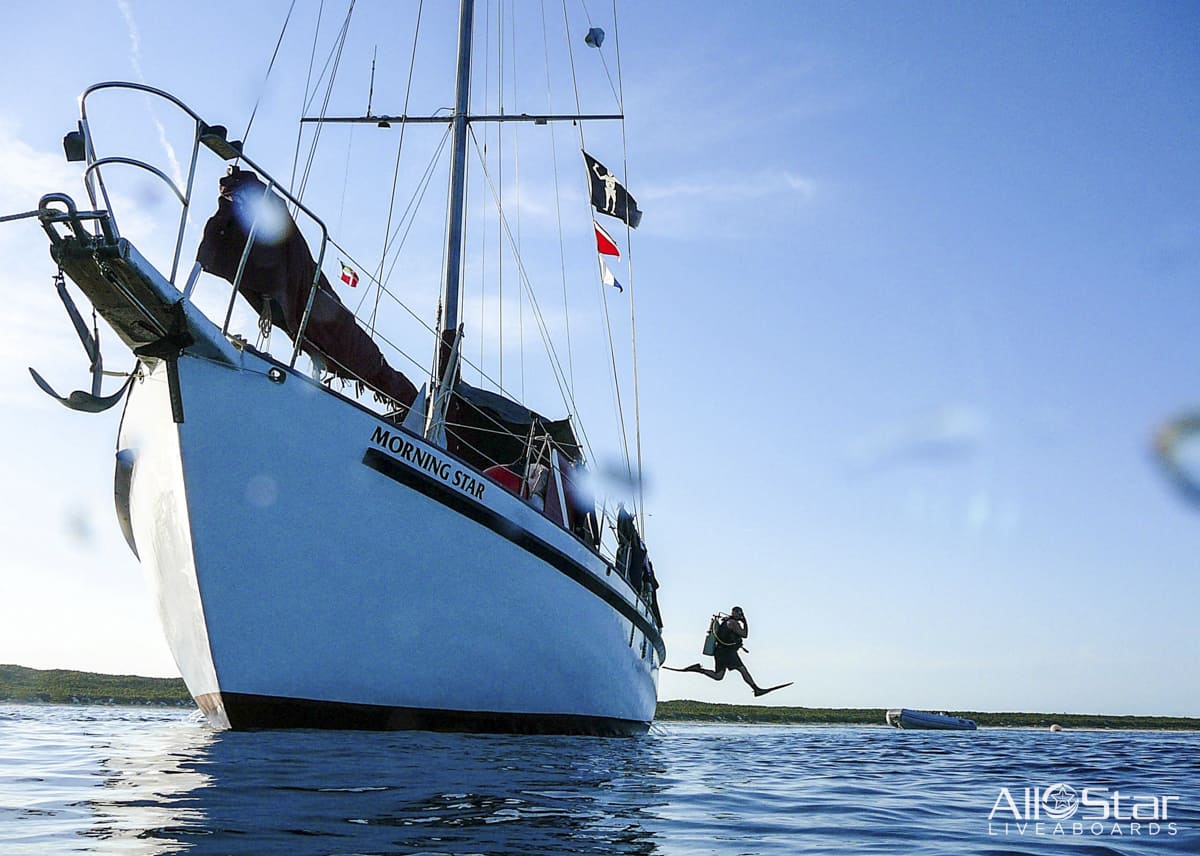
All Star Blackbeards Morning Star
Bahamas
24 guests19.81 m
$156/day
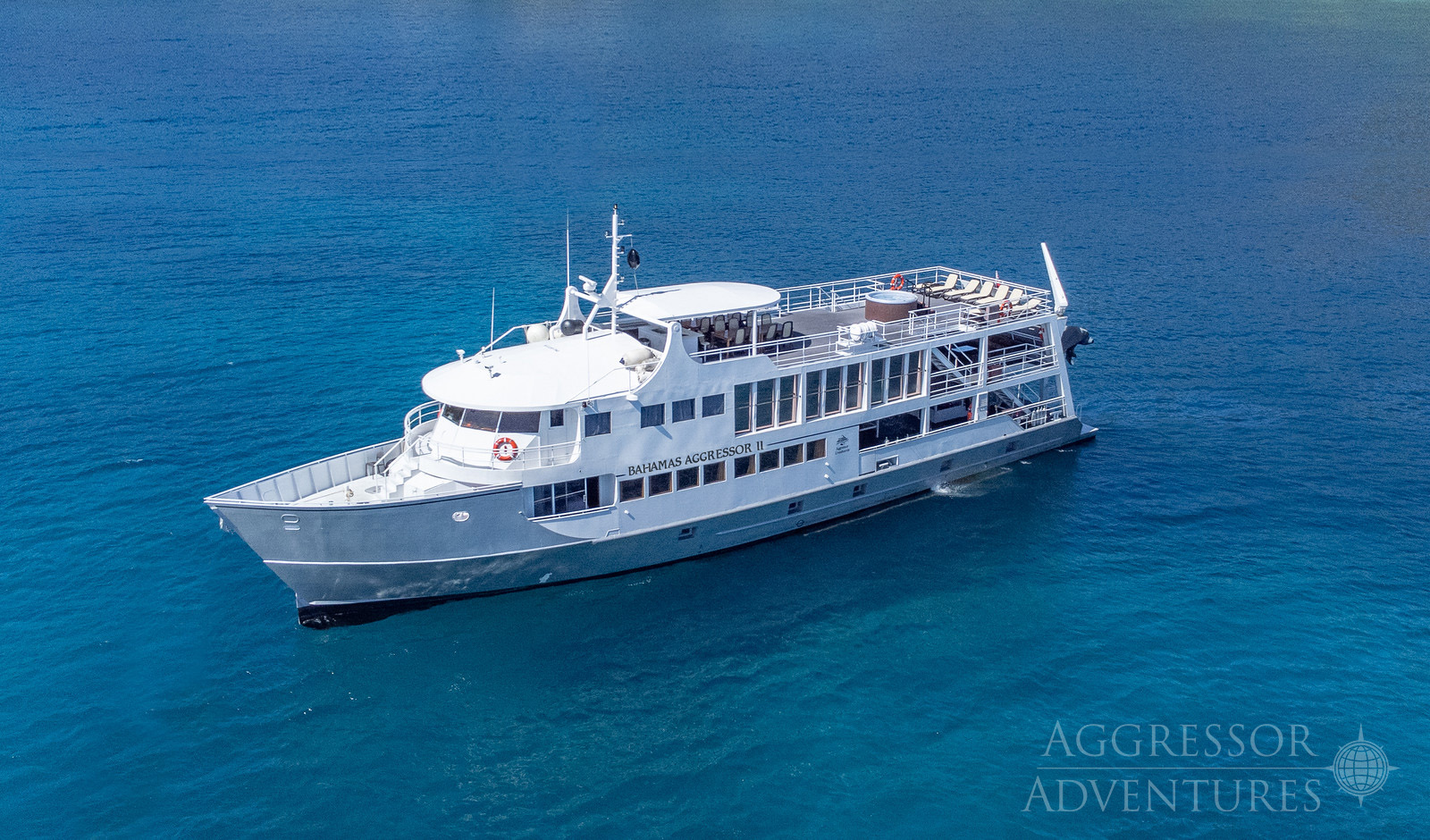
Bahamas Aggressor II
Bahamas
20 guests33.5 m
$328/day
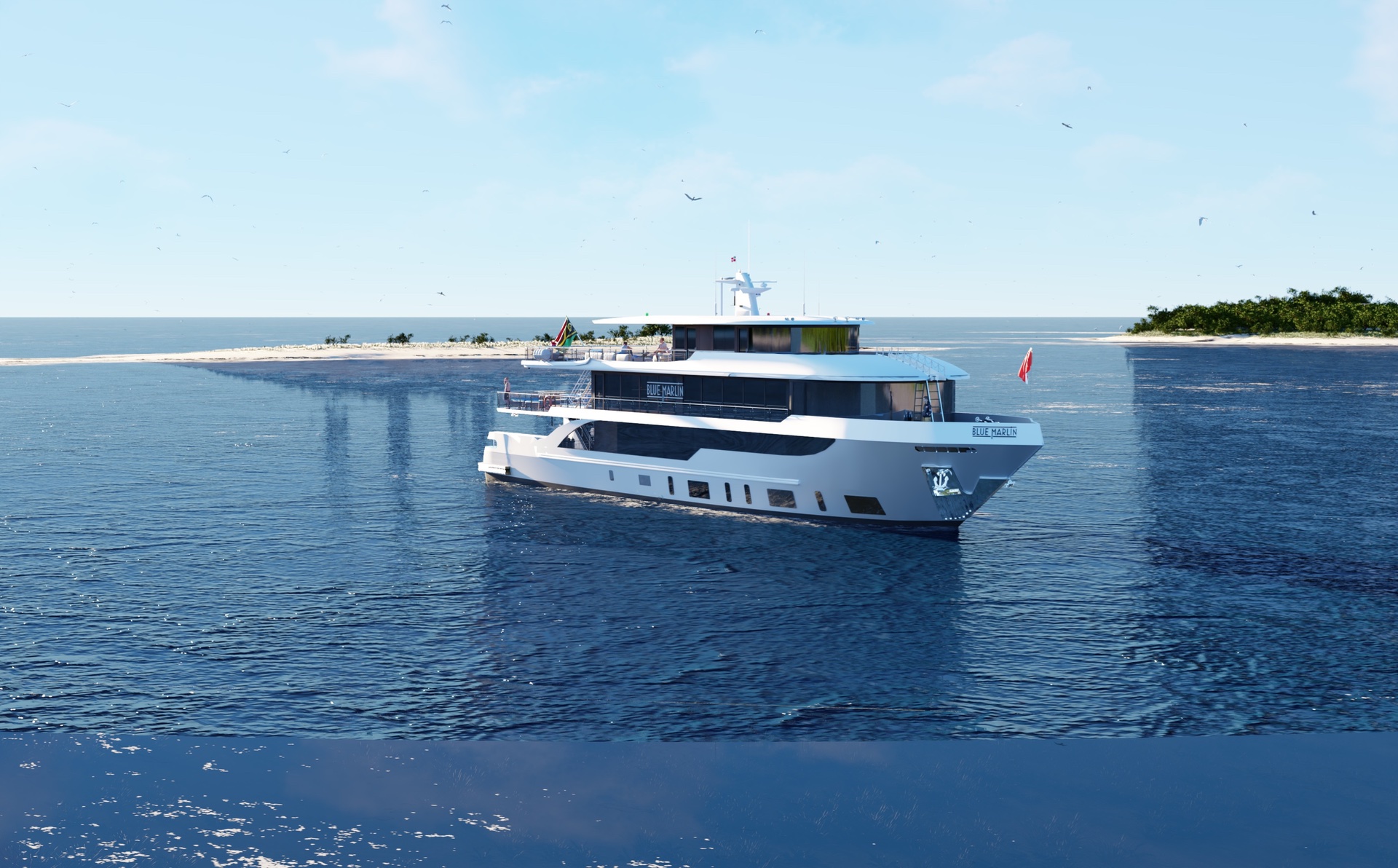
Blue Marlin
Bahamas
26 guests42 m
$318/day
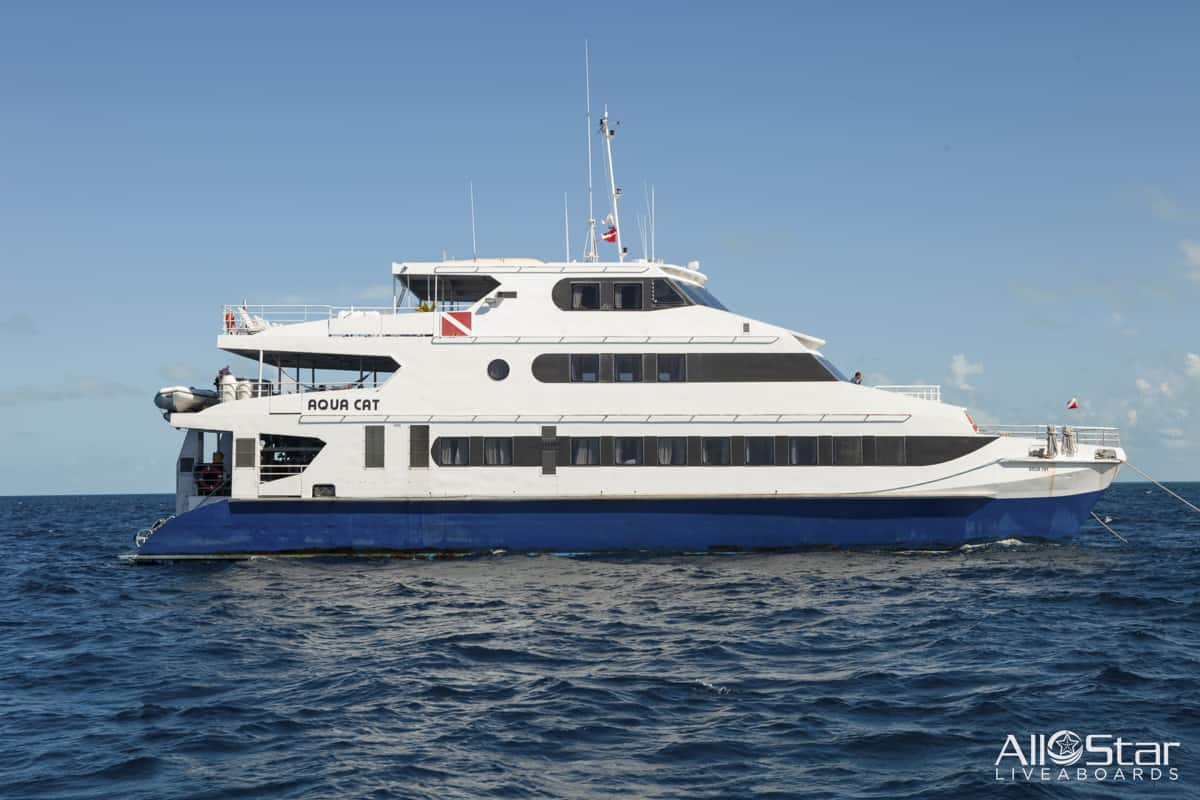
All Star Aqua Cat
Bahamas
30 guests31.09 m
$312/day
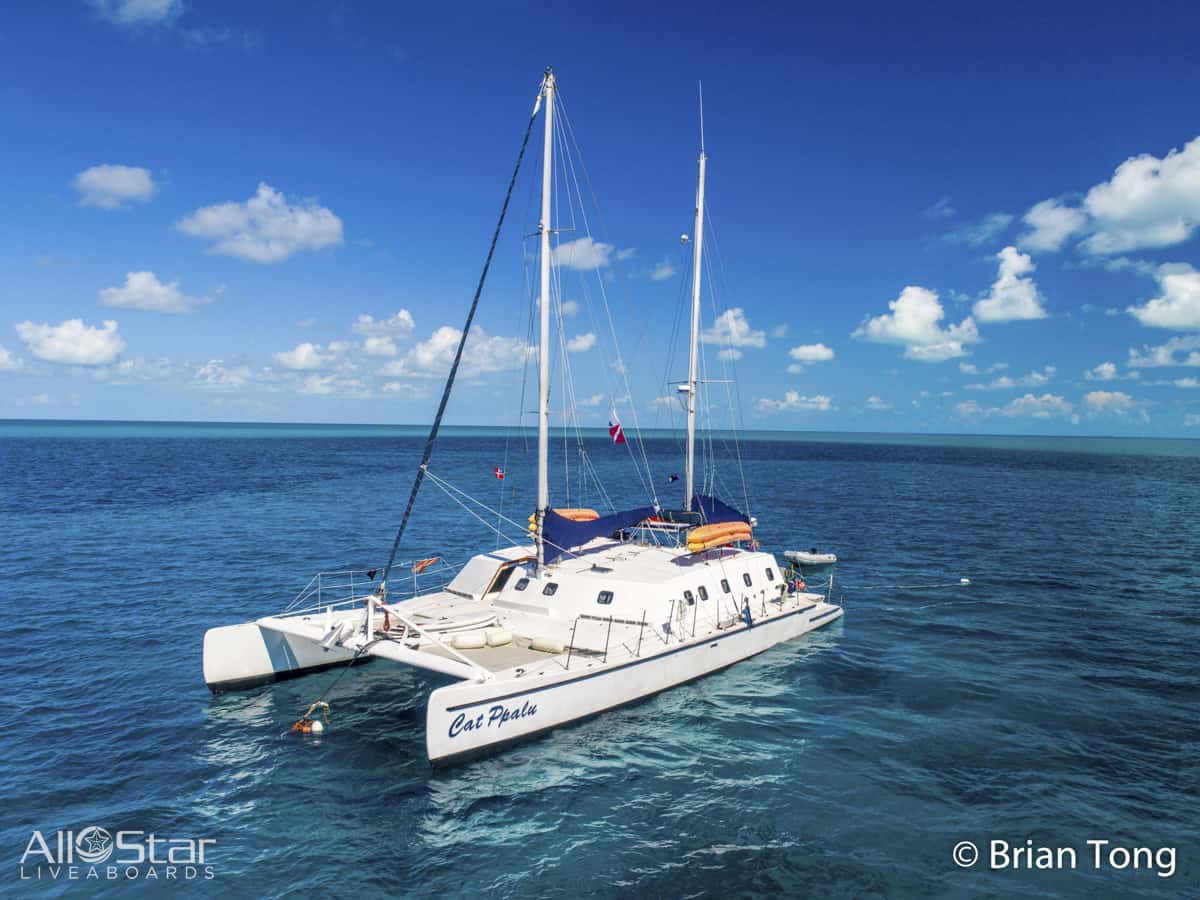
All Star Cat Ppalu
Bahamas
12 guests20 m
$237/day
Dive sites similar to Hawksbill Reef
Same character, same waters — six more sites divers love for the exact same reasons.Compare seasons, access and liveaboard routes — then pick the site that fits your trip best.
© Esri — Maxar, Earthstar, GIS
Cut Through City
Bahamas
Cut Through City is a standout dive site located off the coast of Eleuthera in the Bahamas, a region renowned for its diverse underwater topography.
- Suitable for
- Intermediate
- Current
- Mild
- Access
- Liveaboard only
- Depth
- 27–40 m
- Theme
- Wall / Reef
© Esri — Maxar, Earthstar, GIS
Metropolis
Bahamas
Metropolis is a standout dive site in the Bahamas, renowned for its consistent and diverse shark encounters, making it a thrilling destination for divers seeking pelagic action.
- Suitable for
- Intermediate
- Current
- Moderate
- Access
- Liveaboard only
- Depth
- ≤ 13 m
- Theme
- Reef
© Esri — Maxar, Earthstar, GIS
Mt. Olympus
Bahamas
Mt. Olympus is a dynamic dive site in the Bahamas, regularly visited by liveaboards, known for its healthy marine ecosystem and varied underwater terrain.
- Suitable for
- Advanced
- Current
- Moderate
- Access
- Liveaboard only
- Depth
- ≤ 122 m
- Theme
- Reef / Drift
© Esri — Maxar, Earthstar, GIS
Ras Mohammed
Bahamas
Ras Mohammed National Park, situated approximately 20 kilometers south of Sharm El Sheikh, marks the southernmost tip of the Sinai Peninsula in Egypt.
- Suitable for
- Advanced
- Current
- No current
- Access
- Shore / dayboat
- Depth
- ≤ 100 m
- Theme
- Reef
© Esri — Maxar, Earthstar, GIS
Split Coral Head
Bahamas
Split Coral Head is a notable dive site located in Eleuthera, Bahamas, celebrated for its impressive coral formations and the distinctive split in a massive coral head from which it derives its name.
- Suitable for
- Beginner
- Current
- No current
- Access
- Liveaboard only
- Depth
- 14–17 m
- Theme
- Reef
© Esri — Maxar, Earthstar, GIS
Danger Reef
Bahamas
Danger Reef is an integral part of the Exuma Cay Reef Dives, nestled within the expansive Exuma Cays.
- Suitable for
- Intermediate
- Current
- Mild
- Access
- Liveaboard only
- Depth
- ≤ 18 m
- Theme
- Reef