About Danger Reef
Danger Reef is an integral part of the Exuma Cay Reef Dives, nestled within the expansive Exuma Cays. This region is celebrated for its pristine waters and rich marine ecosystems, making Danger Reef a prime example of a healthy Bahamian coral reef system. The site offers a variety of underwater landscapes, from intricate coral structures to sandy patches, attracting a wide array of reef inhabitants. As a typical Exuma reef dive, Danger Reef features diverse topography, including healthy coral heads and walls. The depth profile ranges from shallow reef areas suitable for extended bottom times to deeper sections where pelagic life might be observed, characteristic of the Atlantic side of the Exuma Cays. Visibility here is consistently excellent, often providing crystal-clear views of the underwater environment. Marine life at Danger Reef is prolific, consistent with its location within a well-protected area. Divers can anticipate encountering various reef fish, often observed alongside larger marine species that frequent the Exumas. The site thrives with colorful invertebrates and different coral species, contributing to its vibrant underwater scenery. While specific seasonal peaks for certain species are less documented for this particular reef, the Exumas generally offer year-round opportunities to observe marine biodiversity. Diving Danger Reef typically involves boat excursions as part of a liveaboard itinerary through the Exuma Cays. The dive experience is generally relaxed, focusing on exploration of the reef's structures and observation of its inhabitants. It provides an immersive encounter with the natural beauty of the Bahamian coral reefs, suitable for divers looking to appreciate the untouched splendor of these underwater environments.
Highlights
Exuma Cay Reef DiveAbundant reef lifeClear Bahamian watersProtected marine environmentDiverse coral formations
Season calendar
Best months to dive here
Jan
Feb
Mar
Apr
May
Jun
Jul
Aug
Sep
Oct
Nov
Dec
Excellent
Good
Dive site facts: Danger Reef
- Depth
- 18 m
- Current
- Mild to none
- Visibility
- 24–30 m
- Water temperature
- 22–28°C
- Entry
- Boat
- Level
- Intermediate recommended
- Dive type
- Reef, coral garden, drift
- Region / port
- Exuma Cays
- Coordinates
- 24.9217° N, 77.3291° W
Conditions & Currents
As a typical Exuma Cay Reef dive, currents at Danger Reef are generally not the norm, often making for a relatively calm experience. However, divers should always be aware that conditions can vary, especially when diving along reef edges or more exposed areas. Visibility here is frequently outstanding, often reaching 24–30 meters (80–100 feet), providing clear views of the extensive coral formations and marine life. Water temperatures remain comfortable year-round, ranging from 22°C (72°F) in winter to 28°C (84°F) in summer, allowing for comfortable dives. Entry is typically from a day boat or liveaboard, with divers often descending directly onto the reef.
Marine life & sighting chances

French angelfish
common
Flamingo tongue snail
occasional
School of jacks
occasional
Reef shark
November-May · occasional
Stingray
occasional
Atlantic spadefish
occasional
Moray eel
occasional
Conch
common
Cubera snapper
occasionalDog snapper
occasional
Caribbean reef octopus
occasional
Barracuda
occasionalDive profile & how the dive runs
Diving at Danger Reef typically begins with a boat entry, often as part of a wider Exuma Cays itinerary. Divers descend into generally calm, clear waters to explore the reef's varied topography. The dive usually follows the contours of the coral formations, allowing for gradual depth progression across the reef. Expect to spend time observing the vibrant coral gardens and the diverse array of reef fish in the shallow to mid-depth ranges. The turning point is determined by air consumption and bottom time limits, ensuring ample opportunity to explore the site thoroughly. The safety stop is conducted in the shallow, well-lit upper reef sections, which are ideal for decompressing while continuing to observe marine life.
Underwater photography
Danger Reef, with its consistently clear waters and vibrant reef ecosystem, is well-suited for wide-angle photography. A fisheye lens is excellent for capturing the extensive coral formations and schools of fish. For macro subjects like flamingo tongue snails or smaller reef inhabitants, a macro lens would be beneficial. Natural light is abundant due to the excellent visibility and shallow depths, but strobes are recommended to bring out the true colors of the corals and fish. Maintain excellent buoyancy control to avoid damaging delicate corals and disturbing marine life, allowing for stable shots and respecting the pristine environment.
Combine with nearby dive sites
Getting there & logistics
Access to Danger Reef is primarily through liveaboard trips that explore the Exuma Cays, or via day boats from nearby islands like Nassau. Major international airports serving the Bahamas include Lynden Pindling International Airport (NAS) in Nassau. Liveaboards often depart from Nassau, offering multi-day itineraries that include remote Exuma sites. There are no specific permits mentioned for Danger Reef itself, but diving within the Exuma Cays Land and Sea Park may have associated regulations. Trip lengths vary, typically being 7 to 10 days on a liveaboard, combining several unique dive sites within the region. Be sure to check the specific itinerary for Danger Reef's inclusion.
Safety & environment
For diving in the Exumas, the nearest recompression chamber is located in Nassau. In case of a diving emergency at Danger Reef, evacuation would typically involve transport by boat to the nearest medical facility, followed by air evacuation to Nassau if a recompression chamber is required. Divers are strongly advised to have comprehensive dive insurance that covers emergency medical treatment and evacuation. Site-specific hazards are minimal due to generally calm conditions and clear visibility; however, standard dive safety practices, including monitoring air and depth, are always paramount. Divers should also be mindful of marine life, observing from a respectful distance and avoiding contact.
Who it suits — and who it doesn't
Suited for
- Intermediate divers seeking pristine reef environments
- Underwater photographers due to excellent visibility
- Liveaboard enthusiasts exploring the Exuma Cays
- Divers interested in diverse reef fish and coral health
- Those who appreciate calmer dive conditions
FAQ
Danger Reef FAQ
What kind of marine life can I expect to see at Danger Reef?
Danger Reef is home to a rich variety of Caribbean reef fish, including French angelfish and Atlantic spadefish. You may also encounter flamingo tongue snails, various types of snappers, and occasional sharks or stingrays. The site is vibrant with conchs and offers chances to spot barracudas and moray eels among the coral formations.
What are the typical diving conditions at Danger Reef?
Conditions at Danger Reef are generally favorable, characterized by excellent visibility, often ranging from 24 to 30 meters (80 to 100 feet). Currents are typically mild or absent, making for a relaxed dive experience. Water temperatures are comfortable year-round, usually between 22°C (72°F) in winter and 28°C (84°F) in summer.
How is Danger Reef usually accessed for diving?
Danger Reef is primarily accessed by boat, often as part of liveaboard itineraries that explore the Exuma Cays. These multi-day trips typically depart from Nassau, allowing divers to reach more remote and pristine sites like Danger Reef. Day trips from closer islands may also be possible, but liveaboards are the most common way to experience this region.
Is Danger Reef suitable for beginner divers?
While Danger Reef generally offers calm conditions and excellent visibility, an intermediate skill level is recommended. This allows divers to fully appreciate the reef's features and manage any unexpected, though uncommon, currents. It is a rewarding site for those with some prior dive experience.
What makes Danger Reef a notable dive site in the Exumas?
Danger Reef stands out as a prime example of a healthy Exuma Cay reef dive, known for its extensive coral formations and abundant marine life. Its location within a protected area contributes to its pristine condition. The site offers a rich biodiversity and beautiful underwater topography, making it a highlight for divers exploring the Exumas.
Why dive Danger Reef from a liveaboard?
Danger Reef is one of Bahamas's signature dive sites. A liveaboard sleeps you on the water and puts you in the water for three to four guided dives per day, including dawn and night dives that day-boat operators rarely offer. You skip the daily commute back to port and reach quieter, less-crowded sites in the same region on a single trip.
Below are the liveaboards that include Danger Reef on their Bahamas itineraries.
Liveaboards diving Danger Reef
These liveaboards may visit Danger Reef on selected itineraries — the exact dive sites depend on departure, weather and conditions.
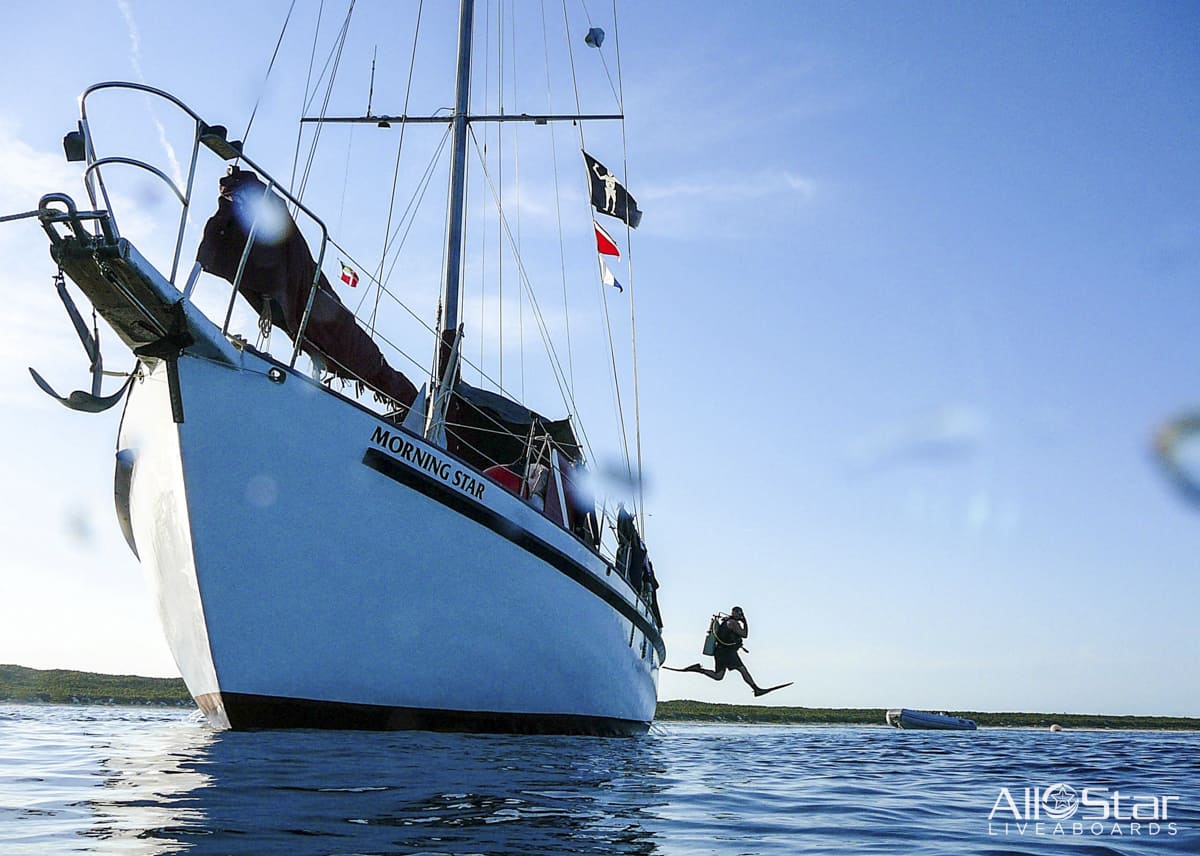
All Star Blackbeards Morning Star
Bahamas
24 guests19.81 m
$156/day
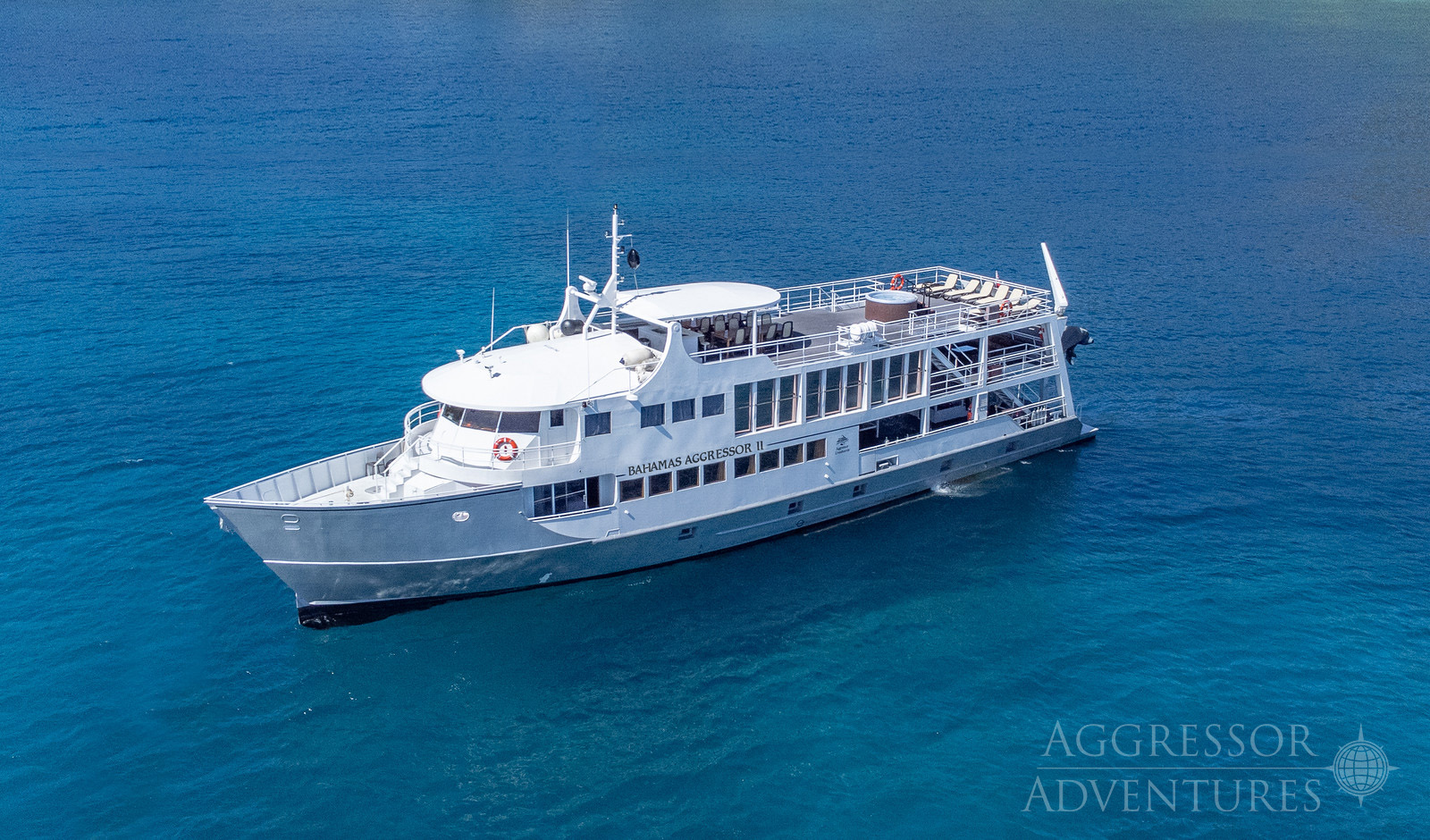
Bahamas Aggressor II
Bahamas
20 guests33.5 m
$328/day
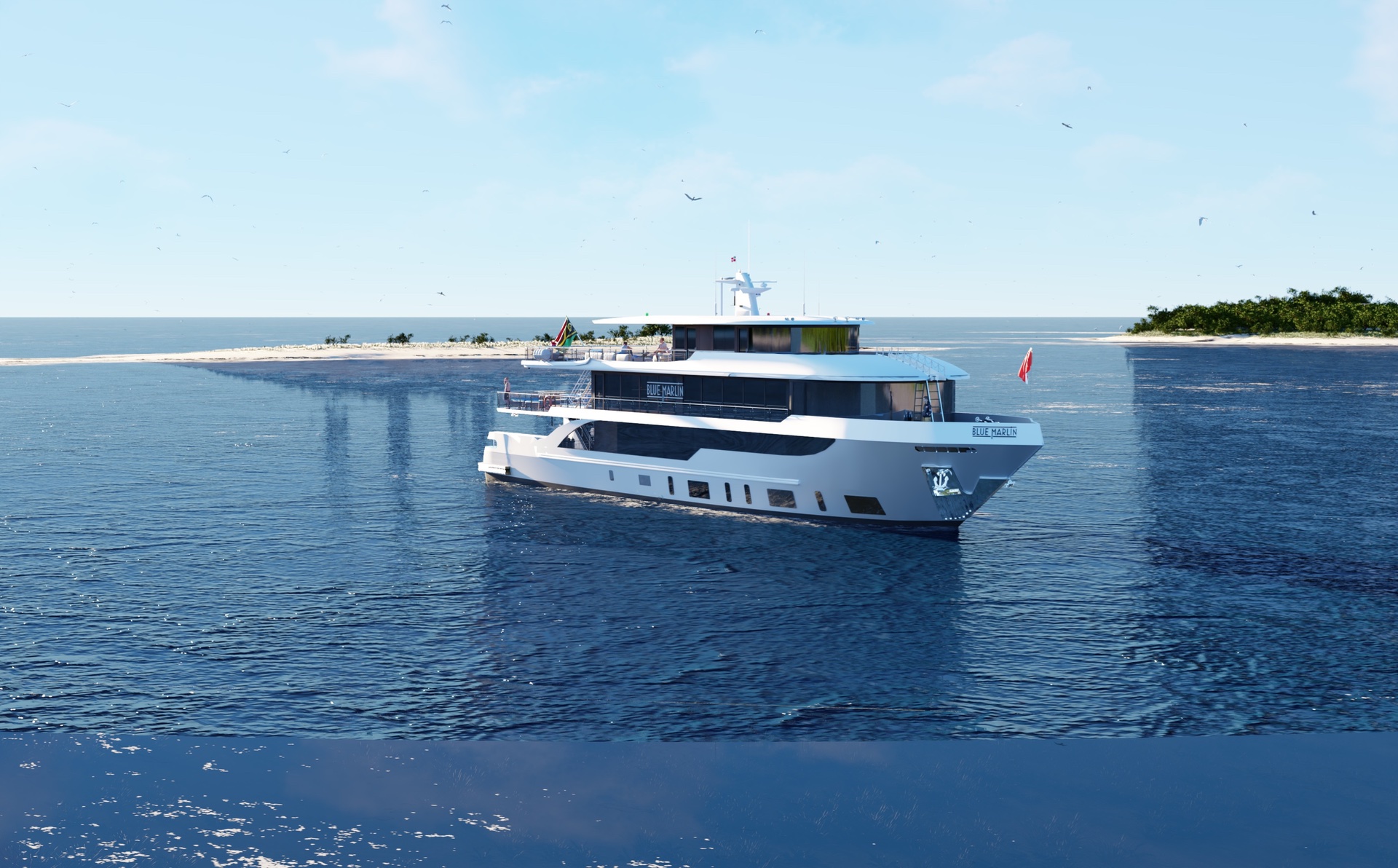
Blue Marlin
Bahamas
26 guests42 m
$318/day
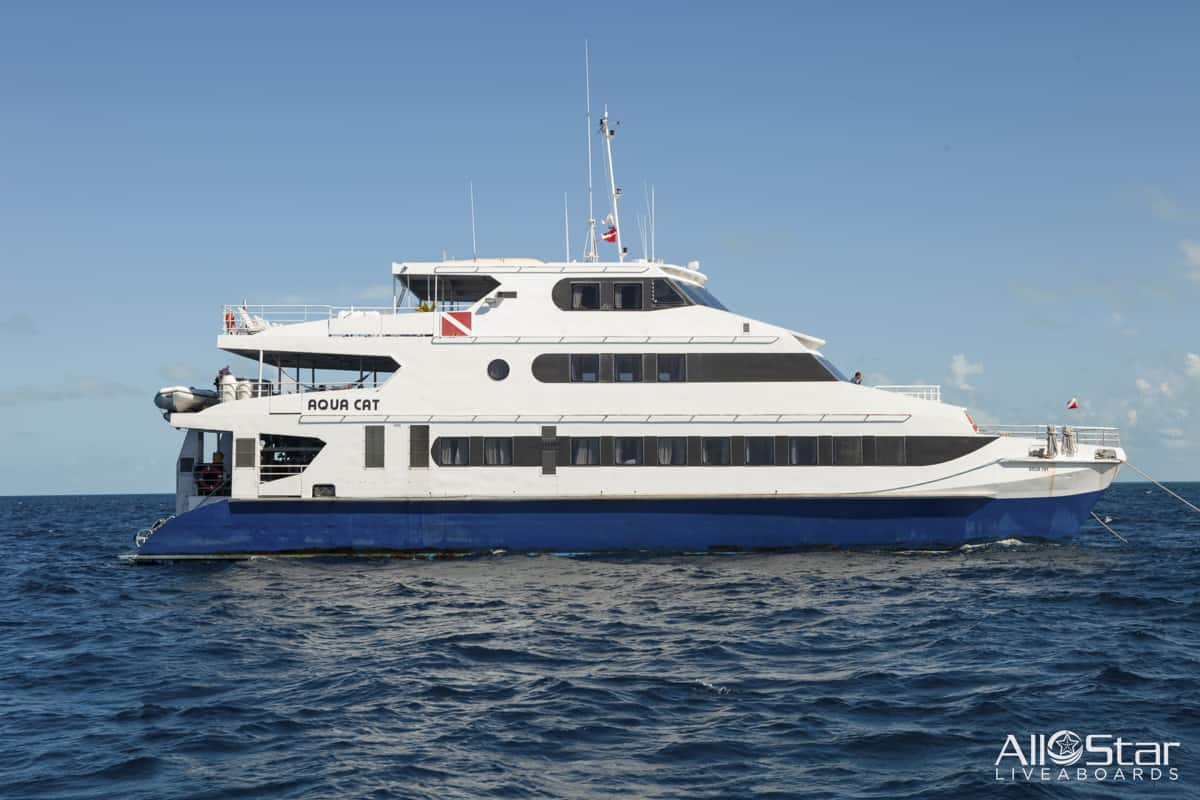
All Star Aqua Cat
Bahamas
30 guests31.09 m
$312/day
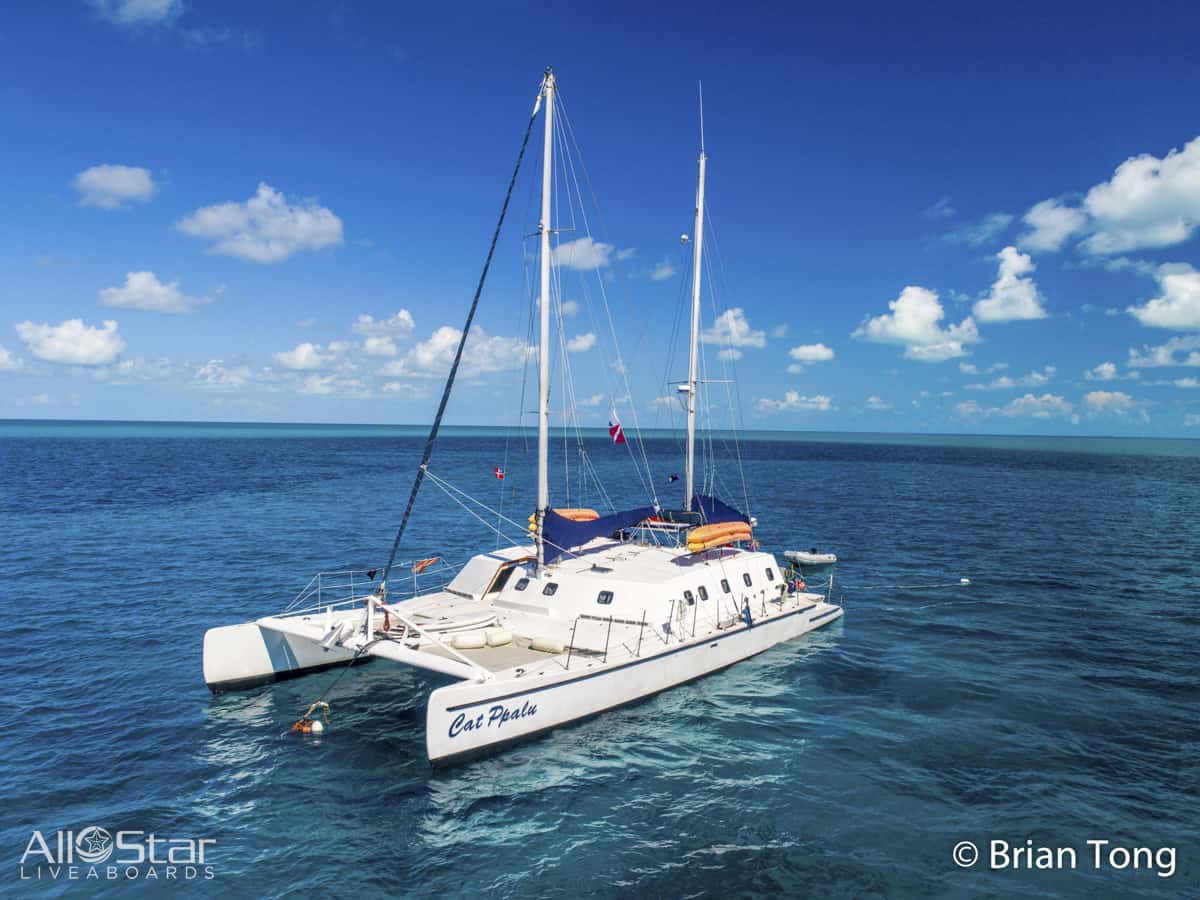
All Star Cat Ppalu
Bahamas
12 guests20 m
$237/day
Dive sites similar to Danger Reef
Same character, same waters — six more sites divers love for the exact same reasons.Compare seasons, access and liveaboard routes — then pick the site that fits your trip best.
© Esri — Maxar, Earthstar, GIS
Cut Through City
Bahamas
Cut Through City is a standout dive site located off the coast of Eleuthera in the Bahamas, a region renowned for its diverse underwater topography.
- Suitable for
- Intermediate
- Current
- Mild
- Access
- Liveaboard only
- Depth
- 27–40 m
- Theme
- Wall / Reef
© Esri — Maxar, Earthstar, GIS
Metropolis
Bahamas
Metropolis is a standout dive site in the Bahamas, renowned for its consistent and diverse shark encounters, making it a thrilling destination for divers seeking pelagic action.
- Suitable for
- Intermediate
- Current
- Moderate
- Access
- Liveaboard only
- Depth
- ≤ 13 m
- Theme
- Reef
© Esri — Maxar, Earthstar, GIS
Mt. Olympus
Bahamas
Mt. Olympus is a dynamic dive site in the Bahamas, regularly visited by liveaboards, known for its healthy marine ecosystem and varied underwater terrain.
- Suitable for
- Advanced
- Current
- Moderate
- Access
- Liveaboard only
- Depth
- ≤ 122 m
- Theme
- Reef / Drift
© Esri — Maxar, Earthstar, GIS
Ras Mohammed
Bahamas
Ras Mohammed National Park, situated approximately 20 kilometers south of Sharm El Sheikh, marks the southernmost tip of the Sinai Peninsula in Egypt.
- Suitable for
- Advanced
- Current
- No current
- Access
- Shore / dayboat
- Depth
- ≤ 100 m
- Theme
- Reef
© Esri — Maxar, Earthstar, GIS
Split Coral Head
Bahamas
Split Coral Head is a notable dive site located in Eleuthera, Bahamas, celebrated for its impressive coral formations and the distinctive split in a massive coral head from which it derives its name.
- Suitable for
- Beginner
- Current
- No current
- Access
- Liveaboard only
- Depth
- 14–17 m
- Theme
- Reef
© Esri — Maxar, Earthstar, GIS
Manjack Cay Patch
Bahamas
Manjack Cay Patch, located in the Abaco region of the Bahamas, is a protected marine area renowned for its serene and beginner-friendly diving conditions.
- Suitable for
- Beginner
- Current
- Mild
- Access
- Liveaboard or dayboat
- Depth
- ≤ 8 m
- Theme
- Reef