About Crab Mountain
Crab Mountain is a notable reef dive site located in the Exuma Cays, known for its extensive coral formations and abundant marine life. It is large enough to accommodate multiple moorings, allowing divers to explore different sections of the reef, including shallower areas and the dramatic edge of a wall. The topography features medium to high-profile coral heads that transition into a wall, where the reef descends into deeper waters. This diverse structure supports a rich ecosystem of hard and soft corals, providing shelter and foraging grounds for a variety of species. Divers frequently encounter schools of horse-eye jacks and yellowtail snappers, while Caribbean spiny lobsters are often observed among the coral. Cero mackerel are also known to cruise the area, adding to the dynamic marine environment. The site is part of a larger network of reefs in the Exumas, an area recognized for its spectacular diversity. Access to Crab Mountain is typically via liveaboard or day boat from Nassau or other Exuma hubs. Diving here offers an experience with generally calm conditions, allowing for exploration of both the shallow reef and the deeper wall, making it suitable for a range of dive levels.
Highlights
Diverse hard and soft coralsSchools of horse-eye jacksYellowtail snappersCaribbean spiny lobstersMedium-high profile coral headsEdge of a reef wallExuma Cays location
Season calendar
Best months to dive here
Jan
Feb
Mar
Apr
May
Jun
Jul
Aug
Sep
Oct
Nov
Dec
Excellent
Good
Dive site facts: Crab Mountain
- Current
- Mild to moderate
- Visibility
- 20–40 m
- Water temperature
- 24–30°C
- Entry
- Boat
- Level
- Beginner to intermediate
- Dive type
- Reef, wall
- Night dive
- Possible
- Region / port
- Exuma Cays
- Coordinates
- 24.9505° N, 77.3260° W
Conditions & Currents
Currents at Crab Mountain are generally described as mild to moderate, particularly along the wall where nutrient-rich waters can attract pelagic species. Divers should be aware that conditions can vary, especially with proximity to cuts or deeper channels in the Exumas. Visibility at the site is consistently excellent, often ranging between 20 to 40 meters, thanks to the clear Bahamian waters and less plankton during certain seasons. While thermoclines are not typically a dominant feature, water temperatures fluctuate seasonally, influencing wetsuit choice. Entry and exit are typically boat-based, usually a backroll from the dive tender. Divers should monitor current direction during the dive, particularly when exploring the wall sections, to ensure a comfortable and safe return to the mooring line or pickup point. The site is generally considered manageable for most certified divers,
Marine life & sighting chances
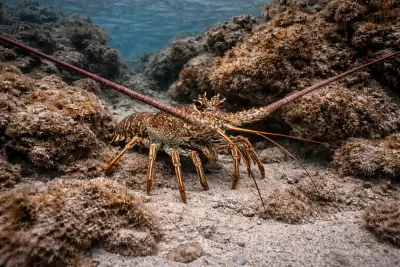
Caribbean Spiny Lobster
common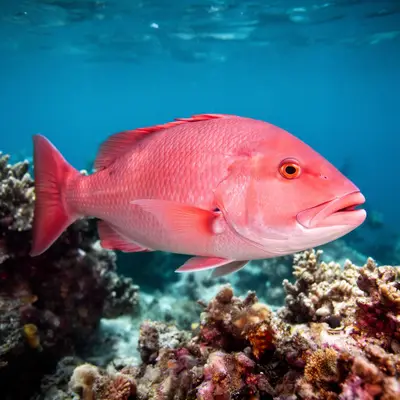
Yellowtail Snapper
common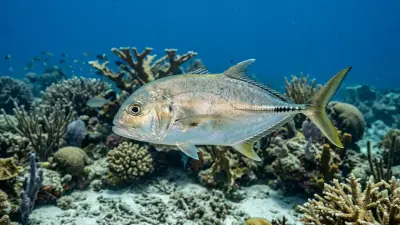
Horse-Eye Jack
common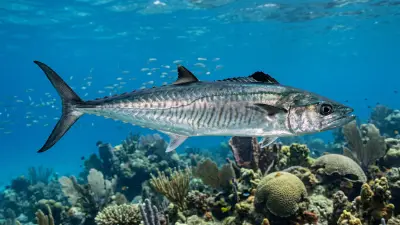
Cero Mackerel
occasional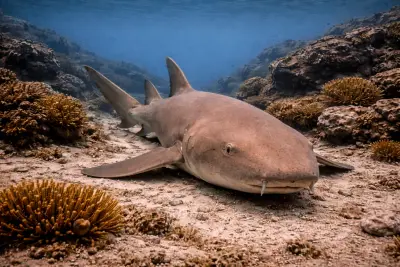
Nurse Shark
occasionalDive profile & how the dive runs
Diving at Crab Mountain typically begins with a boat entry, often a backroll, above the reef. The site is large enough to allow for two distinct mooring areas, one in the shallows and another closer to the wall's edge. Divers will descend to explore the medium to high-profile coral heads in the mid-depths, observing schools of fish and seeking out Caribbean spiny lobsters within the reef structure. The dive can then progress towards the edge of the wall, where a greater array of hard and soft corals thrive and larger pelagic species like cero mackerel or horse-eye jacks might be sighted cruising past. The wall provides a scenic backdrop for the deeper portion of the dive. The turn point is determined by air consumption and no-decompression limits, after which divers ascend gradually back towards the shallower reef for their safety stop, often completing it among the more protected coral formations before returning to the boat.
Underwater photography
Crab Mountain offers excellent wide-angle opportunities due to its clear water and expansive coral formations along the wall and reef. A fisheye lens is ideal for capturing the large coral heads and schools of horse-eye jacks or yellowtail snappers. For macro enthusiasts, there are intricate soft corals and crevices to explore, potentially revealing smaller invertebrates. Strobes are recommended to bring out the vibrant colors of the hard and soft corals, which are often lost in ambient light at depth. Practicing excellent buoyancy control is crucial to avoid damaging the delicate reef system, especially when positioning for shots near the wall or within tight coral structures.
Combine with nearby dive sites
- Lobster No Lobster
A nearby reef also visited by liveaboards, known for spiny lobsters and night dives.
- Madison Avenue
Features yellow-headed jawfish and Caribbean lobsters.
- Black Tip Wall
Offers swim-throughs and schools of snappers and groupers over a wall.
- Hammerhead Gulch
A tidal site with colorful corals and diverse fish in the shallows.
- Dog Rocks
Features swim-throughs, canyons, and walls covered in sponges and black coral.
Getting there & logistics
Access to Crab Mountain in the Exuma Cays typically involves flying into Lynden Pindling International Airport (NAS) in Nassau. From Nassau, divers usually board liveaboards which embark on week-long itineraries to the Exumas and other central Bahamian dive sites. Alternatively, smaller commuter planes or ferries can connect to Exuma islands, where day boat operations might be available, though liveaboards are the most common way to experience multiple remote sites. Park fees may apply as the Exumas contain protected areas, contributing to the pristine condition of sites like Crab Mountain. Trip lengths are often 7 days, focusing on extensive diving with multiple daily opportunities. Itineraries are designed to combine reefs, walls, and potentially some drift dives across the diverse Exuma region.
Safety & environment
For diving in the Bahamas, including Crab Mountain, the nearest recompression chamber is located in Nassau. In case of an emergency, evacuation to Nassau would be required, typically via boat or air, depending on the severity and location within the Exumas. Divers are strongly advised to carry comprehensive dive insurance that covers emergency medical treatment and evacuation. Site-specific hazards at Crab Mountain are generally minimal, but divers should always be aware of potential moderate currents, especially along the wall. Maintaining situational awareness, staying with your buddy, and adhering to depth and time limits are crucial. Liveaboard operations provide thorough briefings, emphasizing buddy procedures and emergency protocols specific to the remote Exuma environment.
Who it suits — and who it doesn't
Suited for
- Divers seeking vibrant reef and wall environments
- Underwater photographers interested in coralscapes and schooling fish
- Liveaboard enthusiasts exploring the Exuma Cays
- Divers looking for excellent visibility
- Those who appreciate diverse hard and soft coral formations
Less suited for
- Divers expecting dedicated macro muck diving
- Those primarily interested in large wreck penetration
- Beginners without adequate buoyancy control
- Divers intolerant of potential moderate currents
- Individuals seeking shore diving access
FAQ
Crab Mountain FAQ
What kind of marine life can I expect to see at Crab Mountain?
Crab Mountain is teeming with vibrant reef life. You can commonly spot Caribbean spiny lobsters hiding among the corals, along with large schools of yellowtail snappers and horse-eye jacks. Occasional sightings of cero mackerel and even nurse sharks add excitement to the dive experience.
Is Crab Mountain suitable for beginner divers?
Yes, Crab Mountain is generally suitable for beginner to intermediate divers. While it features a wall, the site also has shallower, calmer reef sections. However, good buoyancy control is always recommended, and divers should be prepared for potential mild to moderate currents.
What are the typical diving conditions like at Crab Mountain?
Diving conditions at Crab Mountain are usually excellent, characterized by very clear water with visibility often ranging from 20 to 40 meters (65–130 feet). Water temperatures are warm, typically between 24-30°C (75-84°F), and currents are generally mild to moderate, depending on specific sections of the reef and wall.
How is Crab Mountain typically accessed?
Crab Mountain is located in the Exuma Cays and is primarily accessed via liveaboard diving boats. These trips typically depart from Nassau and explore various dive sites across the Exumas over a week-long itinerary. Day trips from local Exuma islands might also be an option.
Are there any specific photography tips for Crab Mountain?
For photography at Crab Mountain, a wide-angle lens is ideal to capture the expansive coral formations, the reef wall, and schooling fish. External strobes will enhance the vibrant colors of the corals. Be mindful of your buoyancy to protect the delicate reef and get clear shots.
Why dive Crab Mountain from a liveaboard?
Crab Mountain is one of Bahamas's signature dive sites. A liveaboard sleeps you on the water and puts you in the water for three to four guided dives per day, including dawn and night dives that day-boat operators rarely offer. You skip the daily commute back to port and reach quieter, less-crowded sites in the same region on a single trip.
Below are the liveaboards that include Crab Mountain on their Bahamas itineraries.
Liveaboards diving Crab Mountain
These liveaboards may visit Crab Mountain on selected itineraries — the exact dive sites depend on departure, weather and conditions.
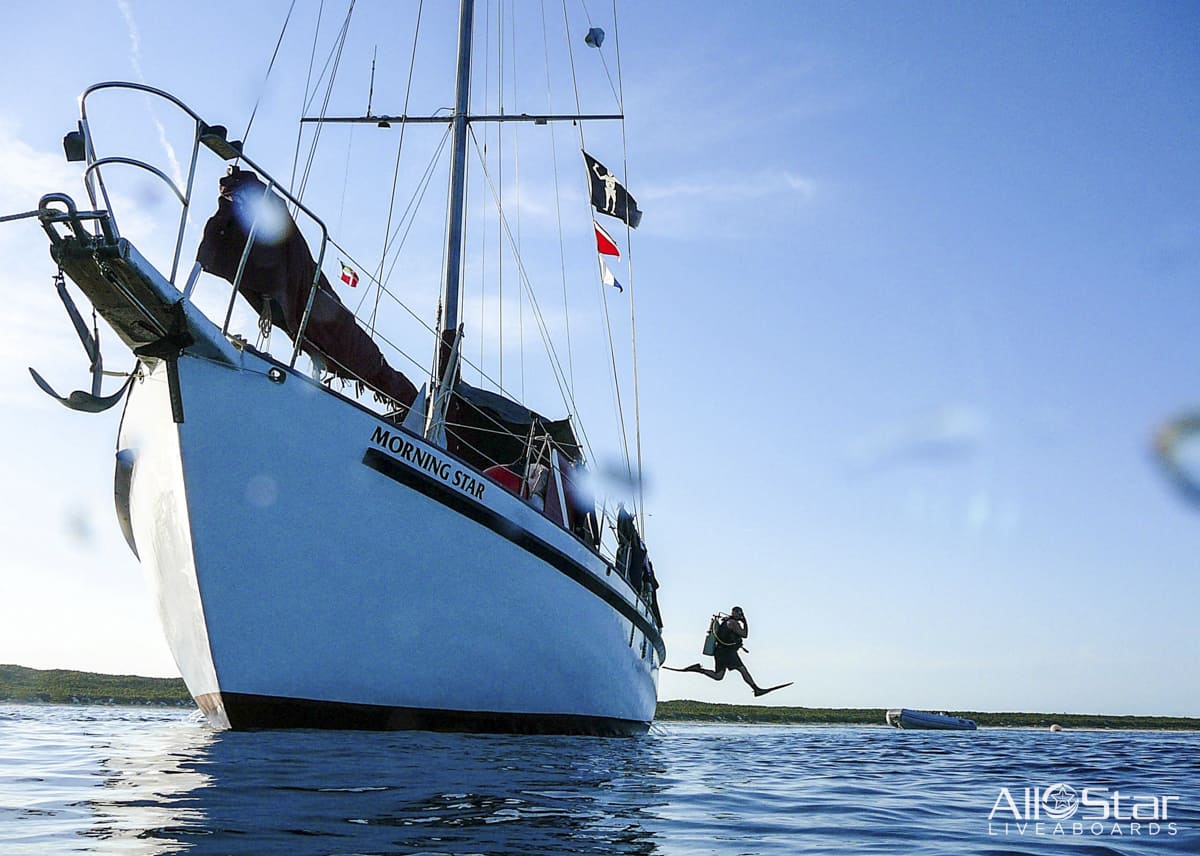
All Star Blackbeards Morning Star
Bahamas
24 guests19.81 m
$156/day
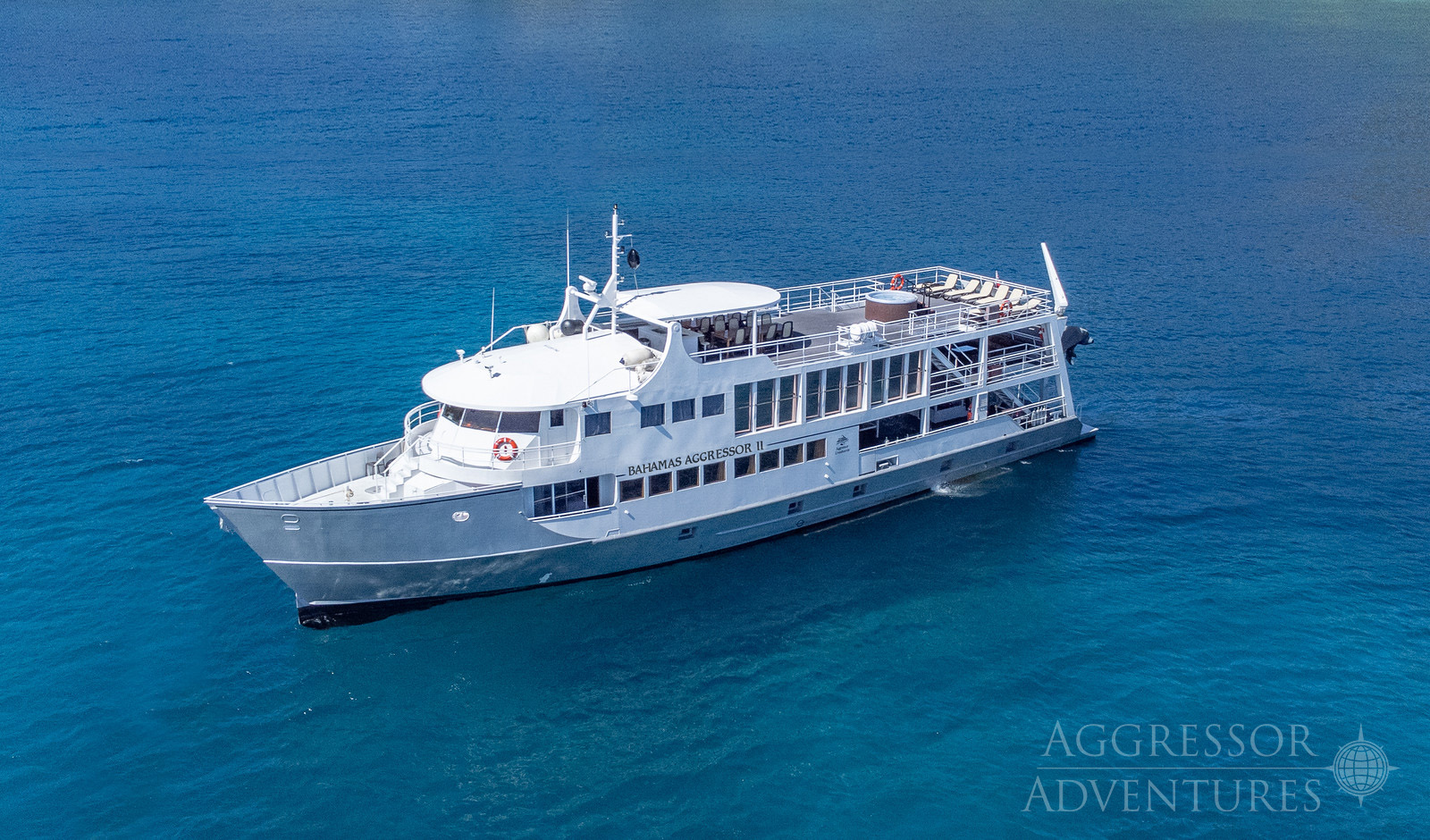
Bahamas Aggressor II
Bahamas
20 guests33.5 m
$328/day
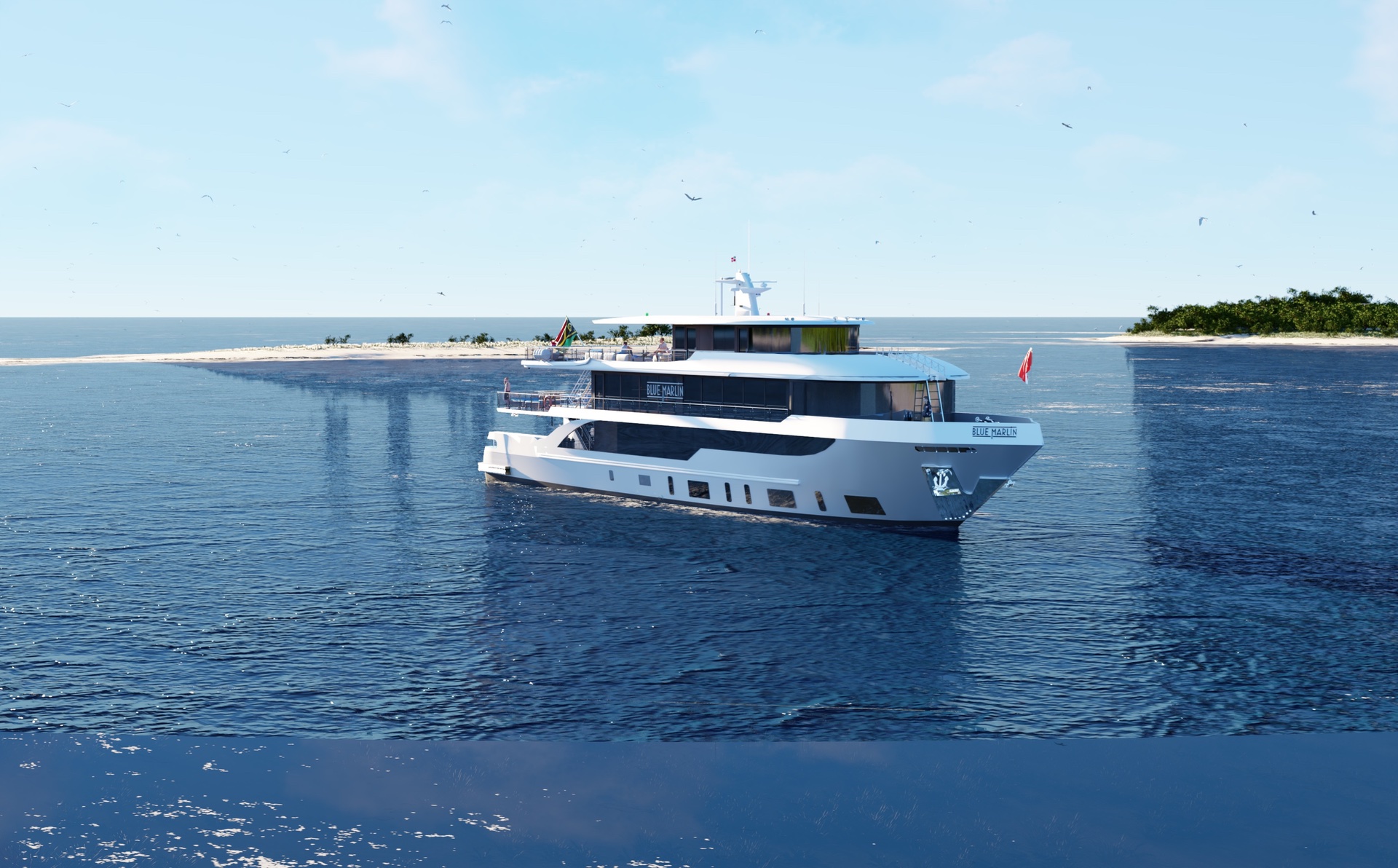
Blue Marlin
Bahamas
26 guests42 m
$318/day
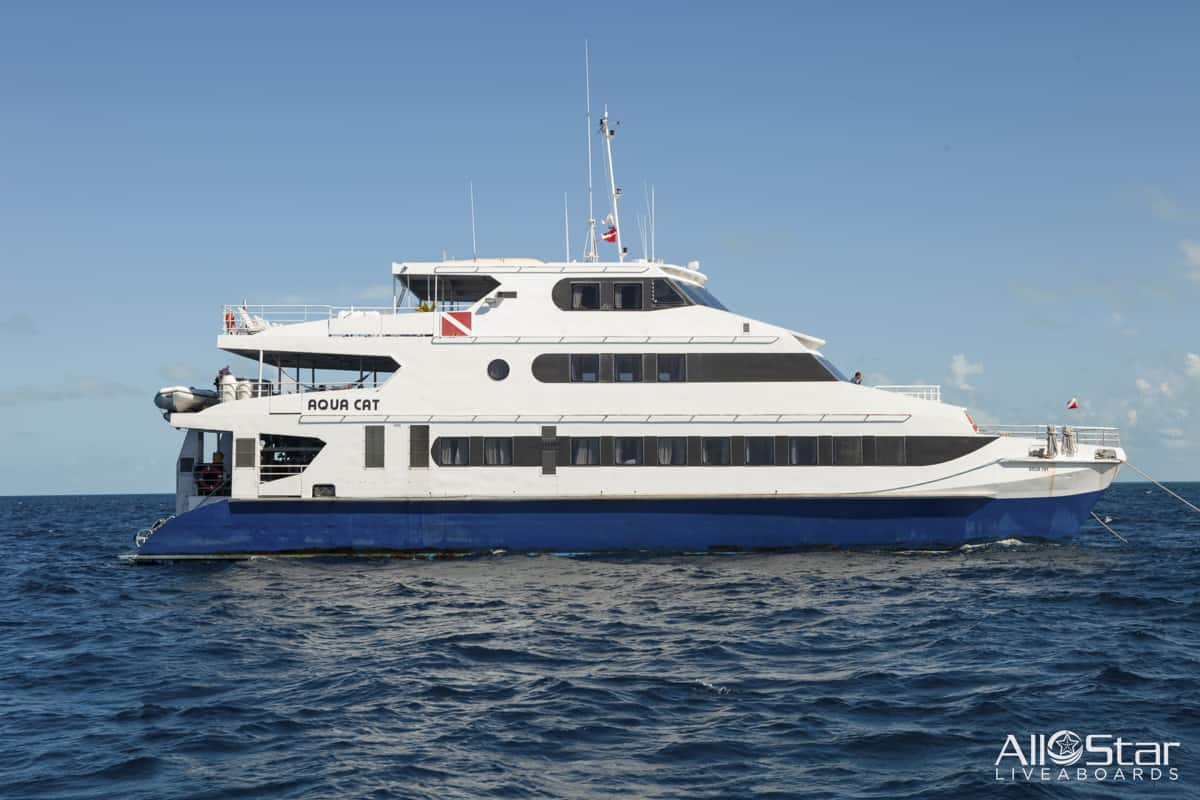
All Star Aqua Cat
Bahamas
30 guests31.09 m
$312/day
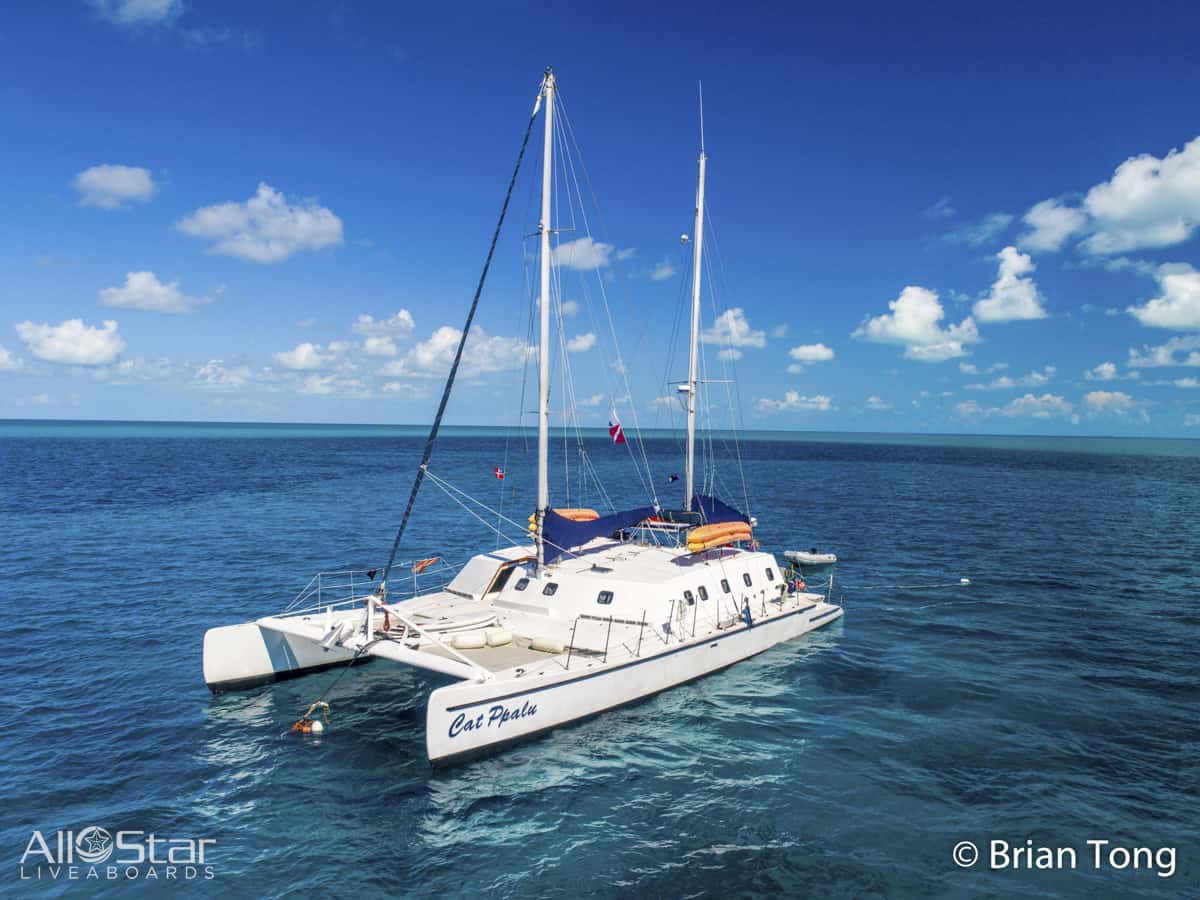
All Star Cat Ppalu
Bahamas
12 guests20 m
$237/day
Dive sites similar to Crab Mountain
Same character, same waters — six more sites divers love for the exact same reasons.Compare seasons, access and liveaboard routes — then pick the site that fits your trip best.
© Esri — Maxar, Earthstar, GIS
Columbus Point
Bahamas
Columbus Point, situated off Cat Island in the Bahamas, stands out as an advanced dive destination renowned for its dramatic wall diving along one of the region's most untouched reef systems.
- Suitable for
- Advanced
- Current
- Strong
- Access
- Dayboat
- Depth
- ≤ 40 m
- Theme
- Wall / Drift
© Esri — Maxar, Earthstar, GIS
Cut Through City
Bahamas
Cut Through City is a standout dive site located off the coast of Eleuthera in the Bahamas, a region renowned for its diverse underwater topography.
- Suitable for
- Intermediate
- Current
- Mild
- Access
- Liveaboard only
- Depth
- 27–40 m
- Theme
- Wall / Reef
© Esri — Maxar, Earthstar, GIS
Metropolis
Bahamas
Metropolis is a standout dive site in the Bahamas, renowned for its consistent and diverse shark encounters, making it a thrilling destination for divers seeking pelagic action.
- Suitable for
- Intermediate
- Current
- Moderate
- Access
- Liveaboard only
- Depth
- ≤ 13 m
- Theme
- Reef
© Esri — Maxar, Earthstar, GIS
Mt. Olympus
Bahamas
Mt. Olympus is a dynamic dive site in the Bahamas, regularly visited by liveaboards, known for its healthy marine ecosystem and varied underwater terrain.
- Suitable for
- Advanced
- Current
- Moderate
- Access
- Liveaboard only
- Depth
- ≤ 122 m
- Theme
- Reef / Drift
© Esri — Maxar, Earthstar, GIS
Austin Smith Wreck
Bahamas
The Austin Smith Wreck, originally named HMBS Flamingo, was a 90-foot Bahamian Defense Force cutter that was decommissioned in 1995. Intended for use as an artificial reef, it…
- Suitable for
- Intermediate
- Current
- Moderate
- Access
- Liveaboard only
- Depth
- 18–18 m
- Theme
- Wreck / Reef
© Esri — Maxar, Earthstar, GIS
Tongue of the Ocean Wall
Bahamas
The Tongue of the Ocean Wall, located off New Providence near Nassau, represents a spectacular natural phenomenon—a deep oceanic trench that stretches for 120 miles and plunges to depths of 6,000 feet.
- Suitable for
- Advanced
- Current
- Strong
- Access
- Liveaboard or dayboat
- Depth
- 18–52 m
- Theme
- Wall