About Metropolis
Metropolis is a standout dive site in the Bahamas, renowned for its consistent and diverse shark encounters, making it a thrilling destination for divers seeking pelagic action. This site regularly hosts young tiger sharks, various reef sharks, and nurse sharks, providing dynamic and captivating underwater scenes. On subsequent visits, divers often encounter schools of lemon sharks, adding to the excitement. The dive site benefits from the clear Bahamian waters, ensuring excellent visibility that allows for comprehensive observation of the marine life and surroundings. While specific topographical details of Metropolis itself are not extensively described, its frequent inclusion in liveaboard itineraries alongside sites known for coral structures suggests a rich reef environment supporting its vibrant ecosystem. The presence of such a diverse shark population indicates a healthy and active environment. Diving Metropolis typically involves boat-based entry, often from liveaboards that frequent the region. The conditions generally support comfortable exploration, allowing divers ample time to appreciate the abundance of marine life. Its reputation for shark interactions positions Metropolis as a key attraction for divers looking for high-adrenaline, wildlife-focused dives in the Bahamas. The site is part of a larger diving circuit that includes other renowned locations like Shark Paradise and Sugar Wreck, highlighting its significance within the prime Bahamian diving landscape. The consistent presence of large predators makes every dive at Metropolis an extraordinary and memorable experience.
Highlights
Frequent tiger shark sightingsDiverse reef shark encountersAbundant lemon and nurse sharksExcellent visibilityVibrant pelagic action
Season calendar
Best months to dive here
Jan
Feb
Mar
Apr
May
Jun
Jul
Aug
Sep
Oct
Nov
Dec
Excellent
Good
Dive site facts: Metropolis
- Depth
- 13 m
- Current
- Moderate
- Visibility
- 70–90 ft
- Water temperature
- 75–83°F
- Entry
- Boat
- Level
- Intermediate
- Dive type
- Shark, pelagic, reef
- Region / port
- Grand Bahama
- Coordinates
- 25.1267° N, 77.3111° W
Conditions & Currents
Information specific to Metropolis's currents is limited in the provided sources. However, Bahamian dive sites generally experience varying current conditions, which can range from mild to moderate. Divers should be prepared for potential drift and maintain good buoyancy control, especially during ascents or around specific features. Visibility in the Bahamas is frequently excellent, ranging from 70 to 100 feet, which generally holds true for sites like Metropolis. Water temperatures are consistently warm, typically between 75°F and 83°F, minimizing the risk of thermoclines affecting comfort. Entry is typically boat-based, requiring swift descent to the desired depth. Planning gas consumption with potential current in mind is always prudent.
Marine life & sighting chances
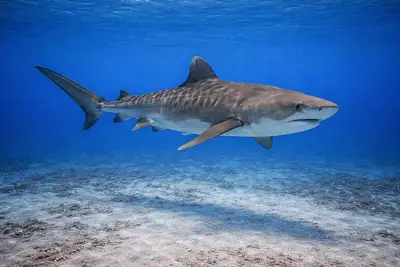
Tiger shark
common
Reef shark
common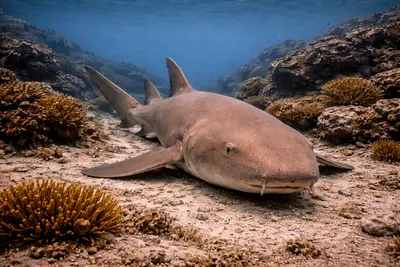
Nurse shark
common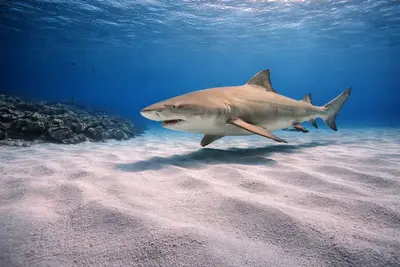
Lemon shark
common
Barracuda
occasional
Coral shrimp
occasional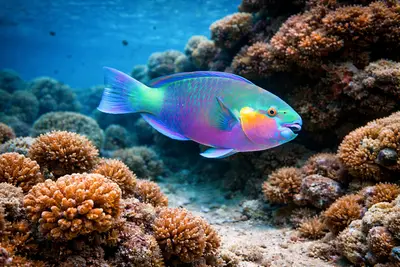
Parrotfish
occasional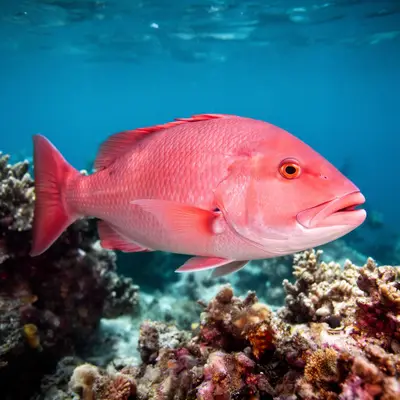
Snapper
occasional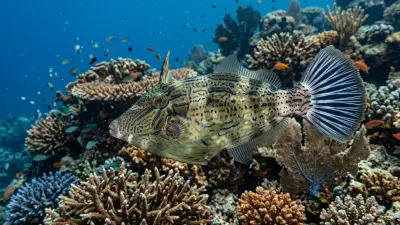
Filefish
occasional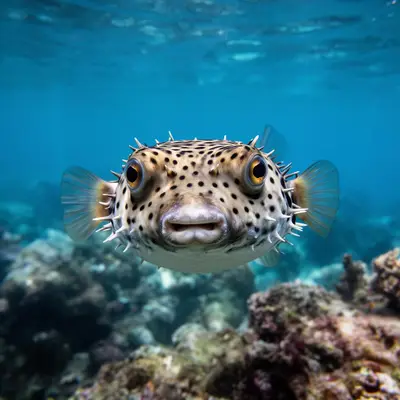
Pufferfish
occasional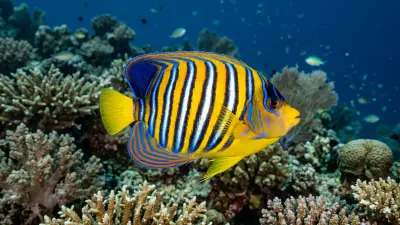
Angelfish
occasionalDive profile & how the dive runs
Dives at Metropolis typically begin with a boat-based entry, with divers descending swiftly to maximize time with the abundant marine life. The dive profile is often guided by the presence and movement of various shark species, which are the main draw. Divers can expect to explore the reef environment, observing tiger sharks, reef sharks, nurse sharks, and lemon sharks in their natural habitat. Routes may involve following the contours of the reef or remaining in areas known for frequent pelagic activity. Given the consistent presence of sharks, buoyancy control and maintaining a respectful distance are crucial. The dive typically concludes with a safety stop in shallower water, followed by a surface interval and ascent back to the dive vessel.
Underwater photography
Metropolis is an exceptional site for wide-angle underwater photography, primarily due to the frequent and diverse shark encounters. A fisheye lens is highly recommended to capture the full scope of tiger sharks, lemon sharks, and groups of reef sharks as they circle or pass by. Strobes are essential to bring out the vibrant colors of the sharks and the surrounding reef, especially when shooting into the blue. Due to the high visibility, you have excellent opportunities for clear, sharp images. Practice good buoyancy to avoid stirring up sediment and maintain a calm demeanor, as the sharks often exhibit curiosity. Ethical considerations include not disturbing the animals and maintaining a safe distance to ensure natural behavior is captured.
Combine with nearby dive sites
- Sugar Wreck
Known for abundant marine life and wreck exploration
- Mini Wall
Features diverse marine life and vibrant coral activity
- Shark Paradise
Renowned for numerous shark sightings
- Hogfish Reef
A site known for diverse reef fish
- Mt. Olympus
Characterized by towering coral structures and frequent shark sightings
- El Dorado
El Dorado is a captivating dive site in the Bahamas, specifically noted for its beautiful coral gardens and sandy flats.
Getting there & logistics
Metropolis is typically accessed via liveaboard itineraries operating out of major Bahamian ports such as Nassau or Freeport, which are served by international airports like Lynden Pindling (Nassau) and Grand Bahama (Freeport). American Airlines via Miami, Delta Airlines via Atlanta, and Bahamas Air via Fort Lauderdale offer routes to the Bahamas. Liveaboards often run week-long trips, combining Metropolis with other renowned sites like Sugar Wreck, Mini Wall, and Shark Paradise. It's advisable to arrive a day before your liveaboard departure to ensure a relaxed start. No specific permits are mentioned for diving Metropolis, but shark diving excursions often involve specialized briefings.
Safety & environment
Diving at Metropolis, especially with large pelagics, requires adherence to strict safety protocols. While no specific recompression chamber location was provided for this exact site, the nearest chambers are generally found near major population centers like Nassau. Evacuation from remote dive sites typically involves boat transfer to the nearest medical facility, followed by air evacuation if necessary, underscoring the critical need for comprehensive dive insurance that covers emergency medical treatment and evacuation. Divers should possess at least an Intermediate certification level and be comfortable with boat entries and potentially active current conditions. Always follow your dive guide's instructions, maintain good buoyancy, and respect the marine life by keeping a safe, non-intrusive distance, especially with sharks.
Who it suits — and who it doesn't
Suited for
- Divers seeking frequent shark encounters
- Underwater photographers focusing on wide-angle pelagics
- Intermediate to advanced divers comfortable with boat entries
- Liveaboard enthusiasts exploring diverse Bahamian sites
- Wildlife observers interested in a dynamic marine ecosystem
Less suited for
- Absolute beginner divers with minimal experience
- Divers uncomfortable with large marine animals
- Those preferring strictly macro subjects
- Divers with limited buoyancy control
- Individuals prone to seasickness on liveaboards
FAQ
Metropolis FAQ
What kind of sharks can I expect to see at Metropolis?
Metropolis is celebrated for its diverse shark population. Divers frequently encounter young tiger sharks, various reef sharks, and nurse sharks. It's also a common site to see groups of lemon sharks, providing a thrilling and varied shark diving experience.
What are the typical water conditions at Metropolis?
Visibility at Metropolis is generally excellent, ranging from 70 to 90 feet, allowing for clear views of the marine life. Water temperatures are comfortably warm, typically between 75°F and 83°F. While specific current information is limited, divers should be prepared for varying conditions typical of Bahamian sites.
Is Metropolis suitable for new divers?
Metropolis is recommended for intermediate to advanced divers due to the nature of shark encounters and potential current variations. While the water is often clear and warm, the presence of large pelagics means divers should be comfortable and experienced with their skills, particularly buoyancy control and boat entries.
How is Metropolis typically accessed for diving?
Metropolis is primarily accessed through liveaboard diving itineraries that operate in the Bahamas. These multi-day trips depart from major ports like Nassau or Freeport and combine Metropolis with several other renowned dive sites in the region, offering a comprehensive diving experience.
What photography equipment is best for diving Metropolis?
For photography at Metropolis, a wide-angle lens, such as a fisheye, is highly recommended to capture the impressive shark encounters. External strobes are essential to illuminate subjects and enhance colors in the clear blue water. Good buoyancy skills are crucial to position yourself effectively without disturbing the environment.
Why dive Metropolis from a liveaboard?
Metropolis is one of Bahamas's signature dive sites. A liveaboard sleeps you on the water and puts you in the water for three to four guided dives per day, including dawn and night dives that day-boat operators rarely offer. You skip the daily commute back to port and reach quieter, less-crowded sites in the same region on a single trip.
Below are the liveaboards that include Metropolis on their Bahamas itineraries.
Liveaboards diving Metropolis
These liveaboards may visit Metropolis on selected itineraries — the exact dive sites depend on departure, weather and conditions.
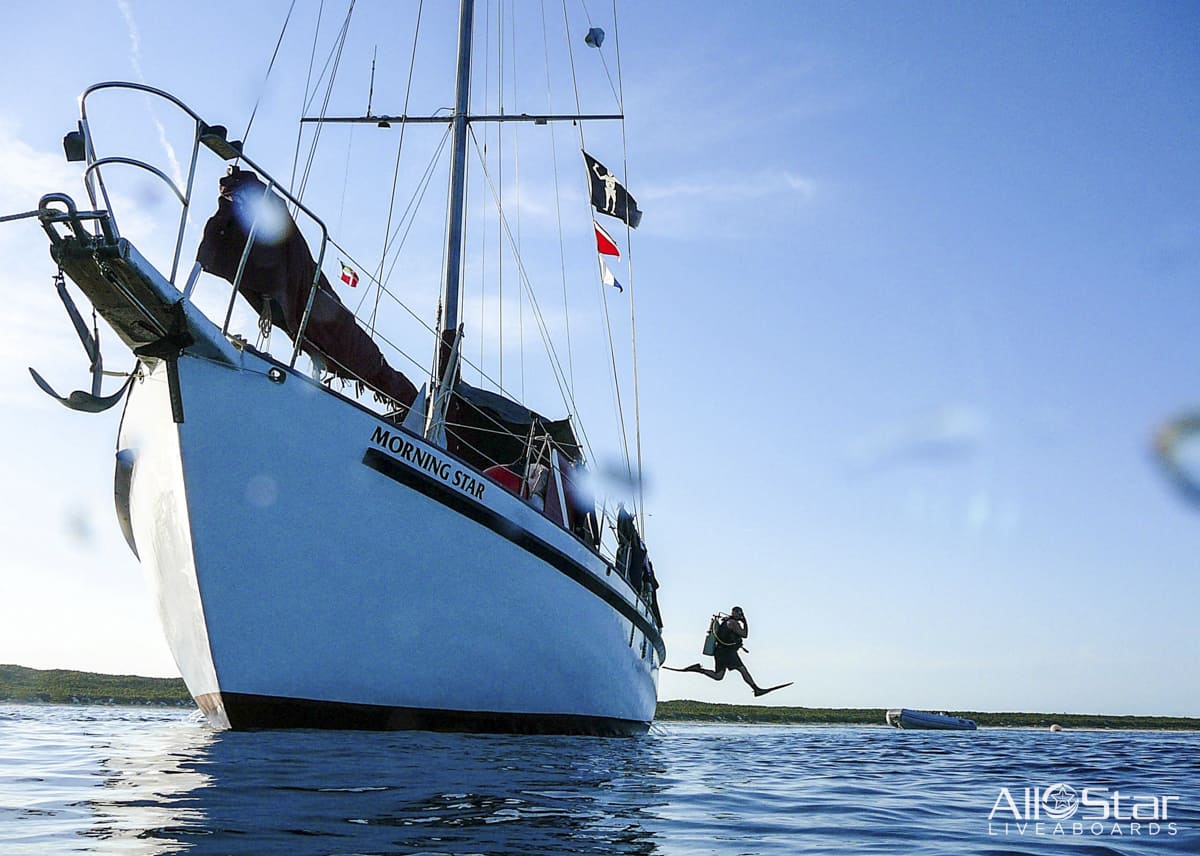
All Star Blackbeards Morning Star
Bahamas
24 guests19.81 m
$156/day
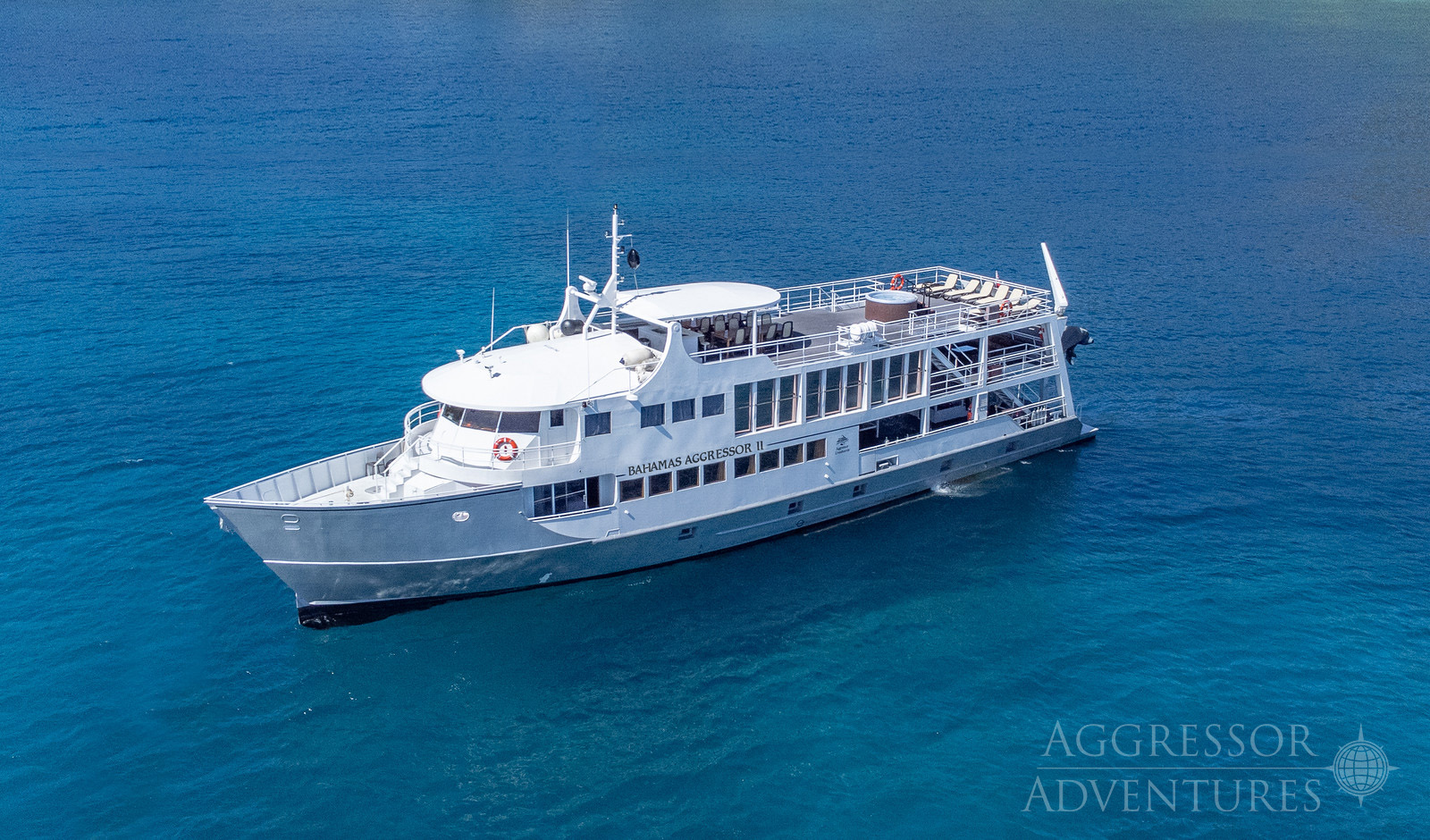
Bahamas Aggressor II
Bahamas
20 guests33.5 m
$328/day
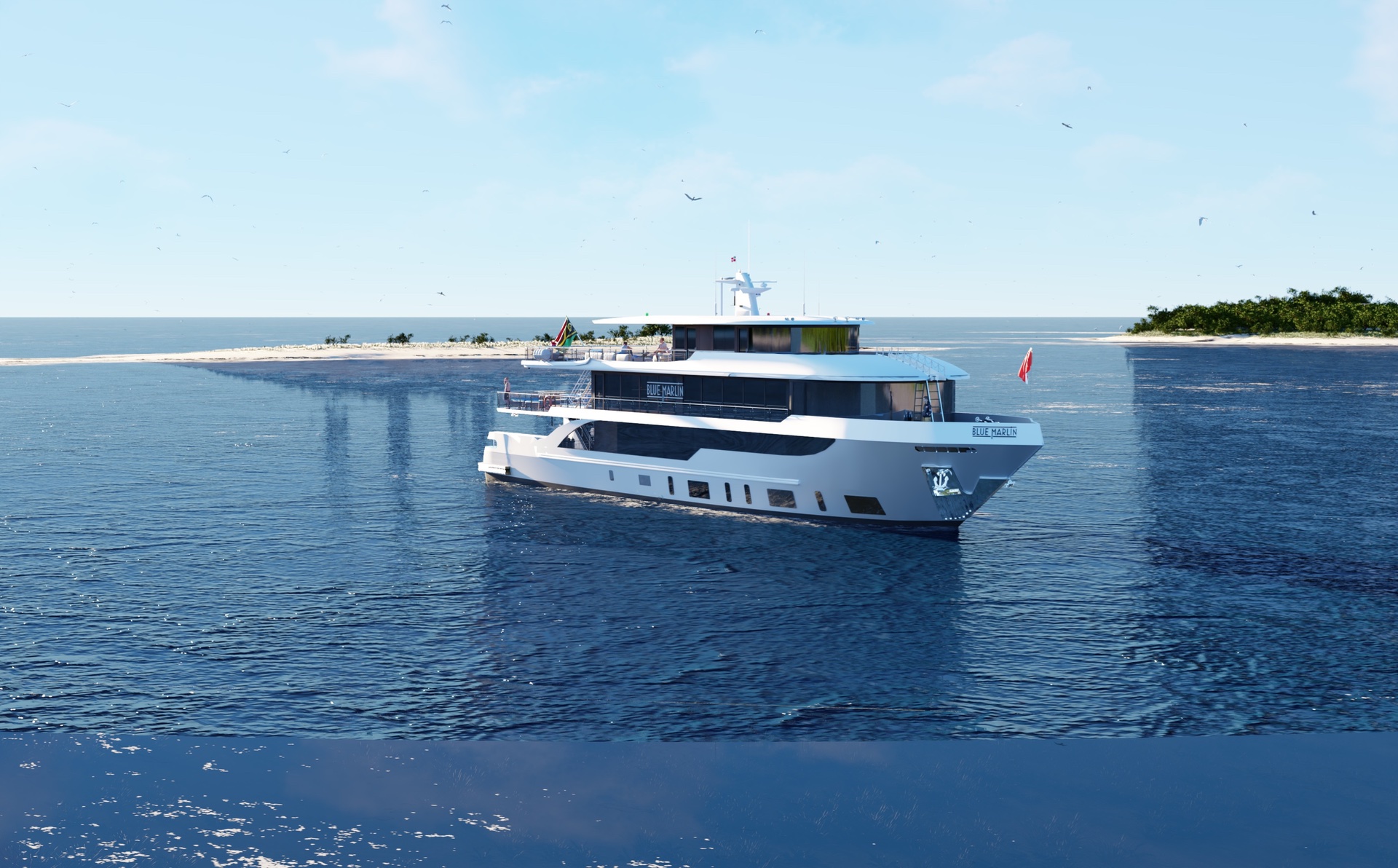
Blue Marlin
Bahamas
26 guests42 m
$318/day
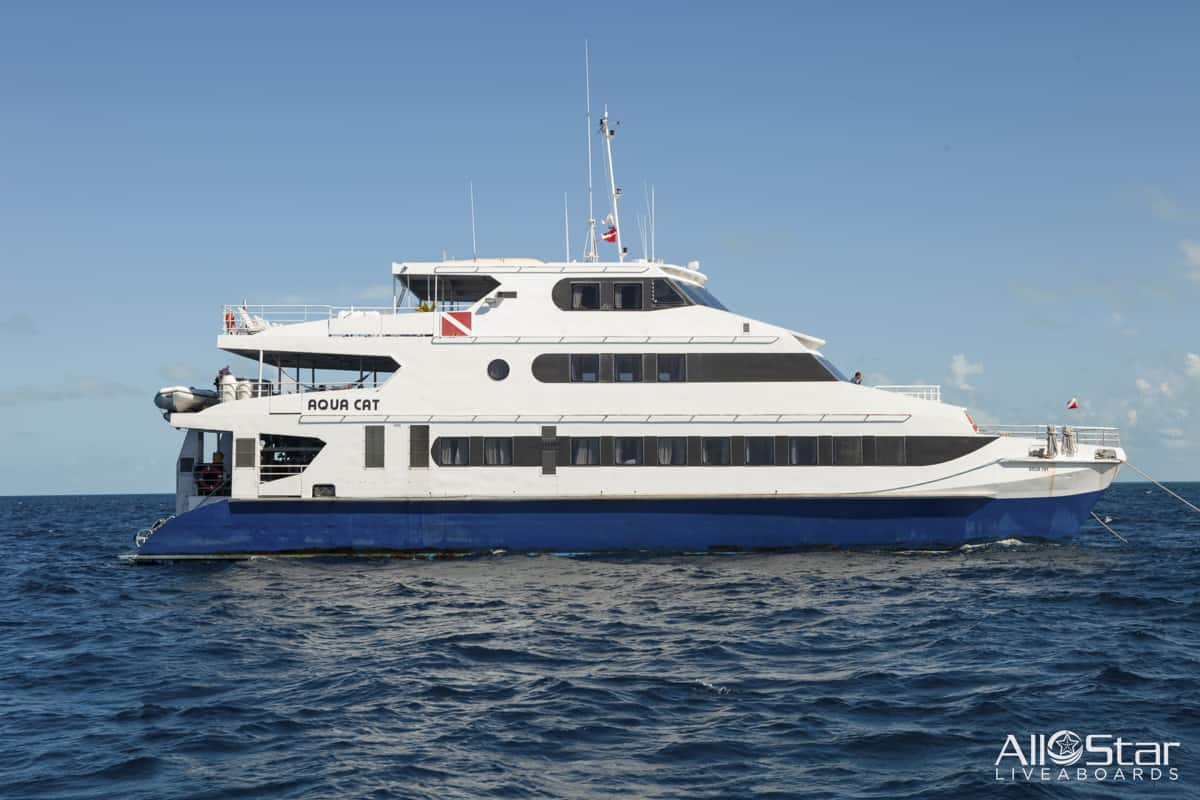
All Star Aqua Cat
Bahamas
30 guests31.09 m
$312/day
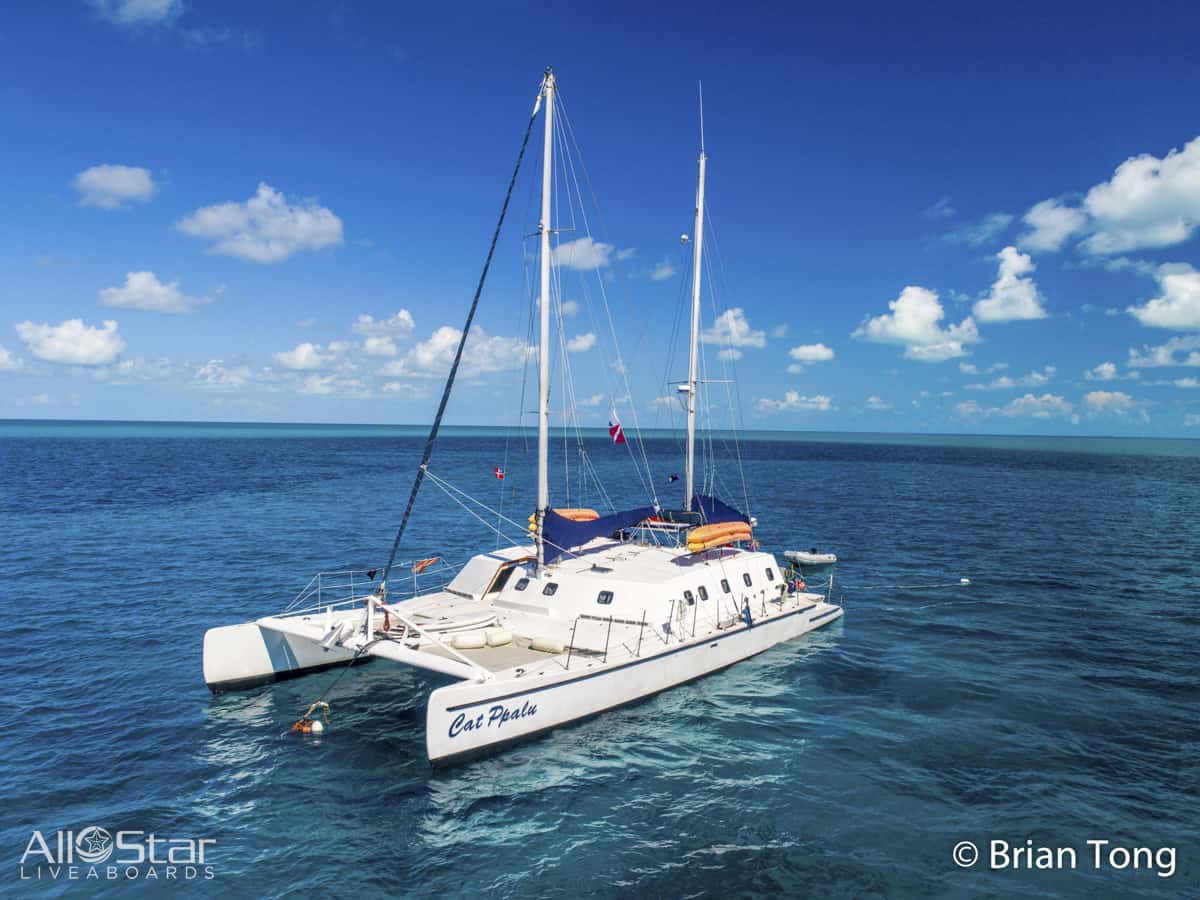
All Star Cat Ppalu
Bahamas
12 guests20 m
$237/day
Dive sites similar to Metropolis
Same character, same waters — six more sites divers love for the exact same reasons.Compare seasons, access and liveaboard routes — then pick the site that fits your trip best.
© Esri — Maxar, Earthstar, GIS
Cut Through City
Bahamas
Cut Through City is a standout dive site located off the coast of Eleuthera in the Bahamas, a region renowned for its diverse underwater topography.
- Suitable for
- Intermediate
- Current
- Mild
- Access
- Liveaboard only
- Depth
- 27–40 m
- Theme
- Wall / Reef
© Esri — Maxar, Earthstar, GIS
Mt. Olympus
Bahamas
Mt. Olympus is a dynamic dive site in the Bahamas, regularly visited by liveaboards, known for its healthy marine ecosystem and varied underwater terrain.
- Suitable for
- Advanced
- Current
- Moderate
- Access
- Liveaboard only
- Depth
- ≤ 122 m
- Theme
- Reef / Drift
© Esri — Maxar, Earthstar, GIS
Austin Smith Wreck
Bahamas
The Austin Smith Wreck, originally named HMBS Flamingo, was a 90-foot Bahamian Defense Force cutter that was decommissioned in 1995. Intended for use as an artificial reef, it…
- Suitable for
- Intermediate
- Current
- Moderate
- Access
- Liveaboard only
- Depth
- 18–18 m
- Theme
- Wreck / Reef
© Esri — Maxar, Earthstar, GIS
Split Coral Head
Bahamas
Split Coral Head is a notable dive site located in Eleuthera, Bahamas, celebrated for its impressive coral formations and the distinctive split in a massive coral head from which it derives its name.
- Suitable for
- Beginner
- Current
- No current
- Access
- Liveaboard only
- Depth
- 14–17 m
- Theme
- Reef
© Esri — Maxar, Earthstar, GIS
Danger Reef
Bahamas
Danger Reef is an integral part of the Exuma Cay Reef Dives, nestled within the expansive Exuma Cays.
- Suitable for
- Intermediate
- Current
- Mild
- Access
- Liveaboard only
- Depth
- ≤ 18 m
- Theme
- Reef
© Esri — Maxar, Earthstar, GIS
Manjack Cay Patch
Bahamas
Manjack Cay Patch, located in the Abaco region of the Bahamas, is a protected marine area renowned for its serene and beginner-friendly diving conditions.
- Suitable for
- Beginner
- Current
- Mild
- Access
- Liveaboard or dayboat
- Depth
- ≤ 8 m
- Theme
- Reef