About Manjack Cay Patch
Manjack Cay Patch, located in the Abaco region of the Bahamas, is a protected marine area renowned for its serene and beginner-friendly diving conditions. This site is characterized by healthy patch reefs, extensive seagrass meadows, and vital mangrove nurseries, which serve as crucial habitats for juvenile fish. Its conservation status ensures the pristine health of its coral formations and supports a prolific marine population, making it an excellent example of a thriving Bahamian ecosystem. The underwater topography at Manjack Cay Patch is defined by its shallow, protected waters, which rarely exceed 8 meters in depth. These gentle conditions, combined with a largely sandy substrate and the presence of seagrass beds, create an ideal environment for new divers and families. The site is a known grazing ground for green sea turtles, which are frequent visitors to the lush seagrass. Optimal diving conditions, including consistently excellent visibility and fixed bottom structures, allow new divers to comfortably explore and observe marine life. Experienced divers also appreciate the tranquility and the opportunity to hone skills in a peaceful setting. The abundant presence of juvenile fish species highlights the ecological importance of this patch reef system as a nursery habitat. Diving here typically involves easy boat entries, with a focus on exploring the vibrant reef patches and sandy channels. The calm conditions minimize surge and current, providing a relaxed experience that emphasizes marine observation and appreciation for this pristine, well-preserved environment.
Highlights
Healthy patch reefsSeagrass bedsMangrove nurseriesJuvenile fish abundanceGreen sea turtlesBeginner-friendly depthsProtected, calm watersPristine marine life
Season calendar
Best months to dive here
Jan
Feb
Mar
Apr
May
Jun
Jul
Aug
Sep
Oct
Nov
Dec
Excellent
Good
Dive site facts: Manjack Cay Patch
- Depth
- 0–8 m
- Typical dive
- 5–8 m, 45–60 min
- Current
- Mild
- Visibility
- 15–30 m
- Water temperature
- 22–30 °C
- Entry
- Boat
- Level
- Beginner
- Dive type
- Reef, macro
- Night dive
- Possible
- Region / port
- Abaco, Bahamas
- Coordinates
- 25.0707° N, 77.2811° W
Conditions & Currents
Currents at Manjack Cay Patch are generally mild due to its protected nature, contributing to a relaxed diving experience ideal for all skill levels, especially beginners. Surge is typically absent, ensuring stable and comfortable underwater conditions. Visibility is consistently excellent, often ranging between 15 to 30 meters, providing clear views of the vibrant marine life and coral structures. Water temperatures vary seasonally, from 22-26°C in winter to 26-30°C in summer, allowing for comfortable diving without heavy wetsuits. Entry is usually from a boat, and the calm waters facilitate easy descents and ascents, allowing divers to leisurely explore the shallow patch reefs.
Marine life & sighting chances
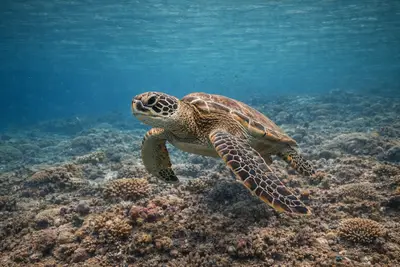
Green Sea Turtle
common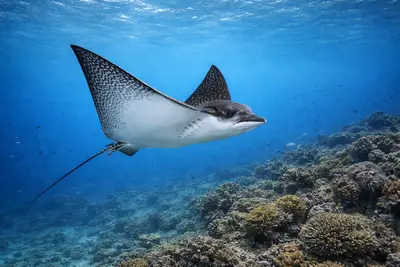
Eagle Ray
occasional
Reef Shark
occasional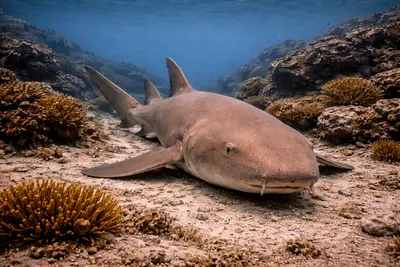
Nurse Shark
occasional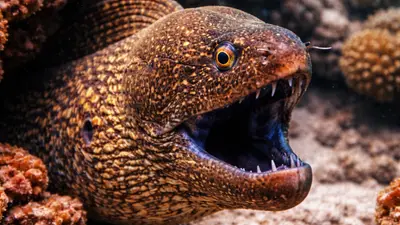
Moray Eel
common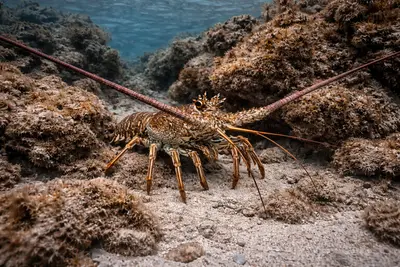
Lobster
common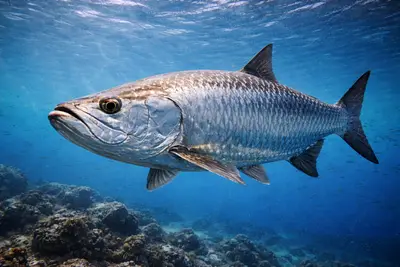
Tarpon
occasional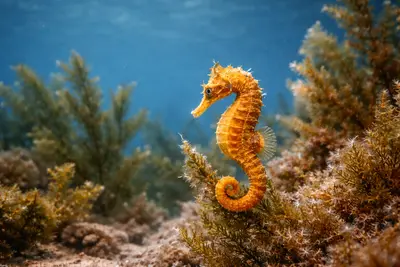
Seahorse
rare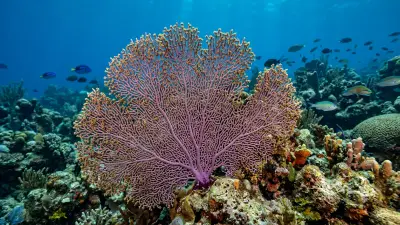
Sea Fan
common
Brain Coral
commonDive profile & how the dive runs
Diving at Manjack Cay Patch typically commences with a boat entry to a designated mooring point within this protected area. Divers descend into the shallow, vibrant patch reef systems, often following the natural contours of the coral formations and seagrass beds. The depth remains consistently shallow, generally ranging from 0 to 8 meters, making it exceptionally accessible for new divers and those seeking a relaxed experience. The dive route usually involves exploring around various coral heads and traversing the sandy channels, where green sea turtles are frequently observed grazing. Divers can expect a gentle drift with the mild currents, allowing ample time to observe the abundant juvenile fish and intricate reef life. The dive concludes with a gradual ascent to a safety stop at 5 meters, before surfacing directly back at the boat, which remains in close proximity.
Underwater photography
Manjack Cay Patch offers excellent opportunities for both wide-angle and macro photography due to its clear, shallow waters and diverse marine life. For wide-angle shots, a fisheye or wide-angle lens is ideal to capture the expansive patch reef formations, seagrass meadows, and larger subjects like green sea turtles. Given the exceptional visibility and natural light in the shallower areas, strobes can enhance color and detail, especially for capturing the vibrant corals. Macro photographers will find plenty of subjects among the intricate details of the corals, small reef creatures, and juvenile fish sheltered within the mangroves. Buoyancy control is paramount to avoid disturbing the fragile seagrass and coral formations. Observing marine life patiently and maintaining a respectful distance ensures both great photos and minimal impact.
Combine with nearby dive sites
Getting there & logistics
Access to Manjack Cay Patch is typically via liveaboard or local day boat operations based in the Abaco Islands, Bahamas. The nearest major international airports for reaching the Bahamas include Lynden Pindling International Airport (NAS) in Nassau or Grand Bahama International Airport (FPO) in Freeport, with domestic flights or ferries connecting to the Abacos. Liveaboards frequently offer week-long itineraries combining various sites across the Exumas and Abaco regions. For independent travel, it is recommended to arrive a day before your cruise departure. Diving within protected areas like Manjack Cay Patch may require permits, which are usually arranged by the dive operator, emphasizing the commitment to ecological preservation.
Safety & environment
For diving in the Bahamas, including Manjack Cay Patch, it is advisable for all divers to have comprehensive dive insurance that covers recompression chamber treatment and emergency evacuation. The nearest recompression chambers for the Abaco region would typically involve transport to facilities in Nassau or Freeport, making rapid evacuation capabilities crucial. While Manjack Cay Patch is known for its mild conditions and shallow depths, site-specific hazards are minimal but include potential encounters with marine life such as nurse sharks or moray eels, which should be observed respectfully from a distance. Adherence to dive operator briefings, strict buddy procedures, and conservative dive planning, especially regarding air consumption, are standard requirements to ensure a safe and enjoyable experience.
Who it suits — and who it doesn't
Suited for
- Beginner divers seeking easy conditions
- Families with younger or less experienced divers
- Macro photographers
- Underwater naturalists and marine biology enthusiasts
- Divers interested in seeing juvenile fish and sea turtles
Less suited for
- Advanced divers seeking deep wall or wreck diving
- Divers looking for strong currents or drift dives
- Those primarily interested in large pelagic shark encounters
- Divers preferring extensive cave or cavern exploration
- Photographers exclusively focused on extreme wide-angle pelagic shots
FAQ
Manjack Cay Patch FAQ
What is the typical depth at Manjack Cay Patch?
Manjack Cay Patch is a very shallow dive site, with depths rarely exceeding 8 meters. This makes it an ideal location for beginner divers, snorkelers, and those who prefer extended bottom times in well-lit conditions. The shallow profile allows for ample natural light, enhancing visibility and color perception underwater.
What kind of marine life can I expect to see at Manjack Cay Patch?
Divers at Manjack Cay Patch frequently encounter green sea turtles grazing on the seagrass beds, alongside diverse juvenile fish species sheltering in the mangrove nurseries. Common sightings also include moray eels, lobsters, sea fans, and brain corals. Occasional observations may include reef sharks, nurse sharks, eagle rays, and tarpon, contributing to a rich ecological experience.
Is Manjack Cay Patch suitable for beginner divers?
Yes, Manjack Cay Patch is highly recommended for beginner divers due to its consistently mild currents, shallow depths, and excellent visibility. The protected nature of the site provides very calm conditions, offering a safe and relaxing environment for new divers to gain confidence and experience underwater. Dive operators often use this site for training and introductory dives.
Are there strong currents at Manjack Cay Patch?
Currents at Manjack Cay Patch are typically mild, making it a very comfortable dive site. Its protected location within the Abaco region shields it from stronger ocean currents, ensuring a gentle drift or minimal water movement. This lack of significant current contributes to the site's suitability for divers of all experience levels, including novices.
What are the best times for underwater photography at this site?
Manjack Cay Patch is excellent for underwater photography year-round, but the dry season (November to May) offers superior visibility, which is ideal for both wide-angle reef shots and capturing marine life. The shallow depths ensure abundant natural light, making it easier to capture vibrant colors and details. Patience and good buoyancy control are key to photographing the diverse and often subtle marine inhabitants.
Why dive Manjack Cay Patch from a liveaboard?
Manjack Cay Patch is one of Bahamas's signature dive sites. A liveaboard sleeps you on the water and puts you in the water for three to four guided dives per day, including dawn and night dives that day-boat operators rarely offer. You skip the daily commute back to port and reach quieter, less-crowded sites in the same region on a single trip.
Below are the liveaboards that include Manjack Cay Patch on their Bahamas itineraries.
Liveaboards diving Manjack Cay Patch
These liveaboards may visit Manjack Cay Patch on selected itineraries — the exact dive sites depend on departure, weather and conditions.
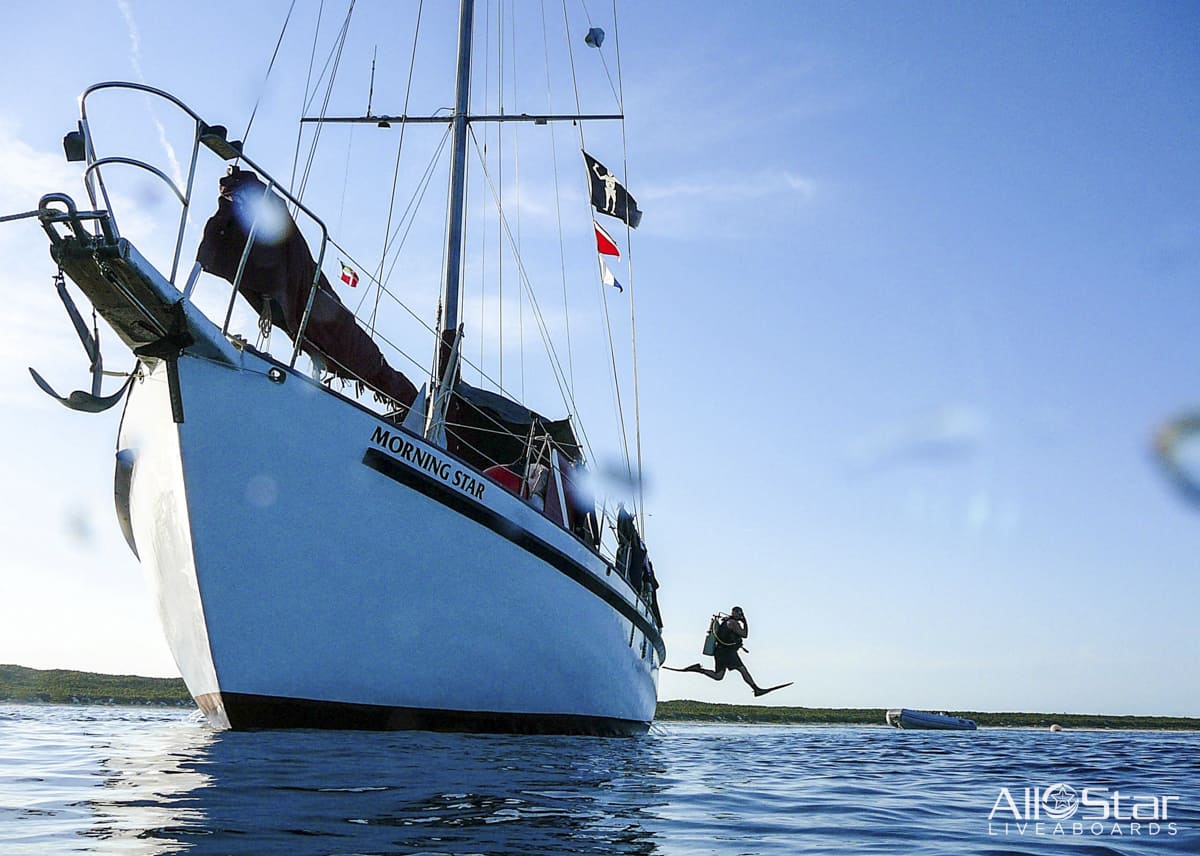
All Star Blackbeards Morning Star
Bahamas
24 guests19.81 m
$156/day
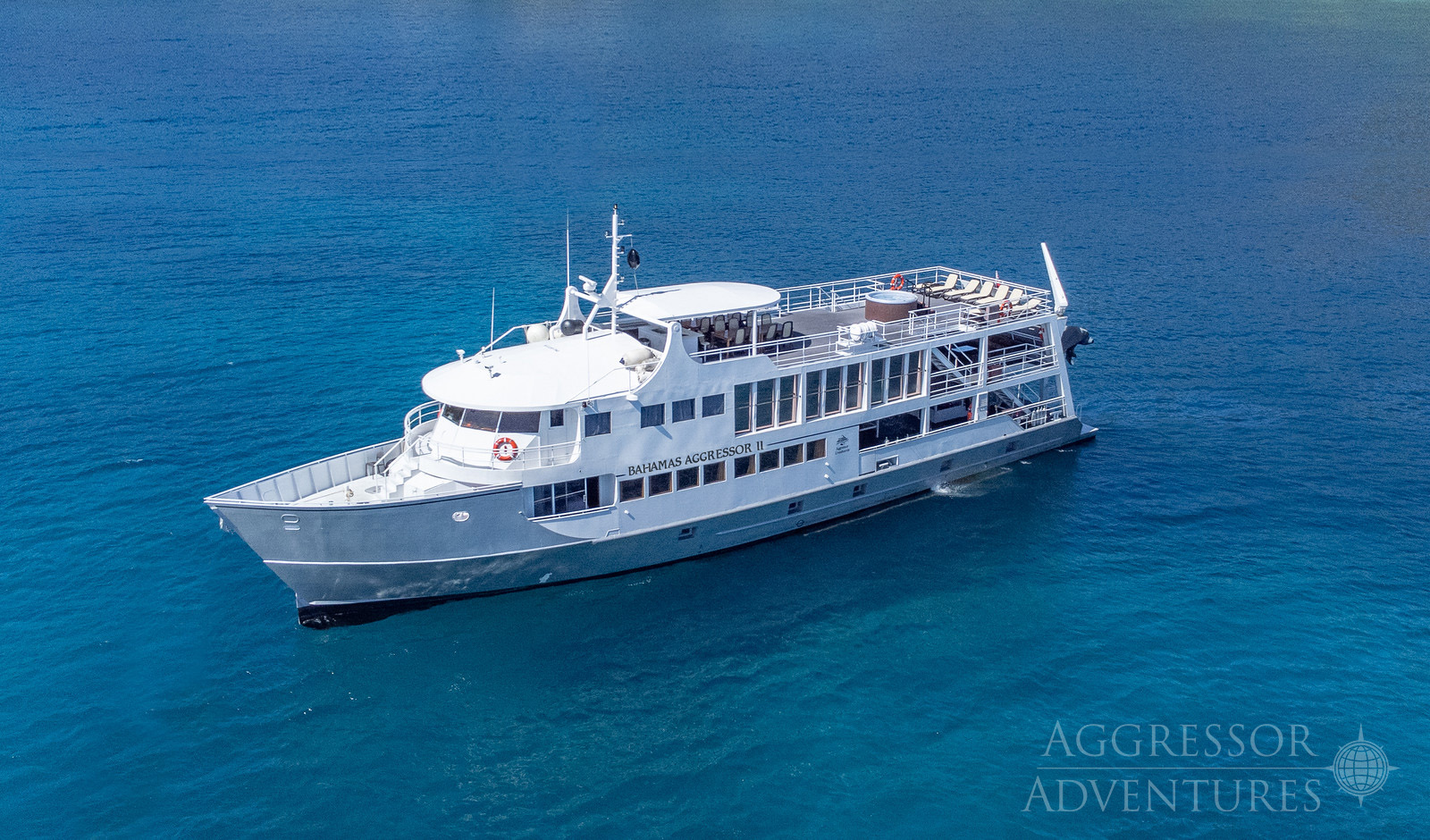
Bahamas Aggressor II
Bahamas
20 guests33.5 m
$328/day
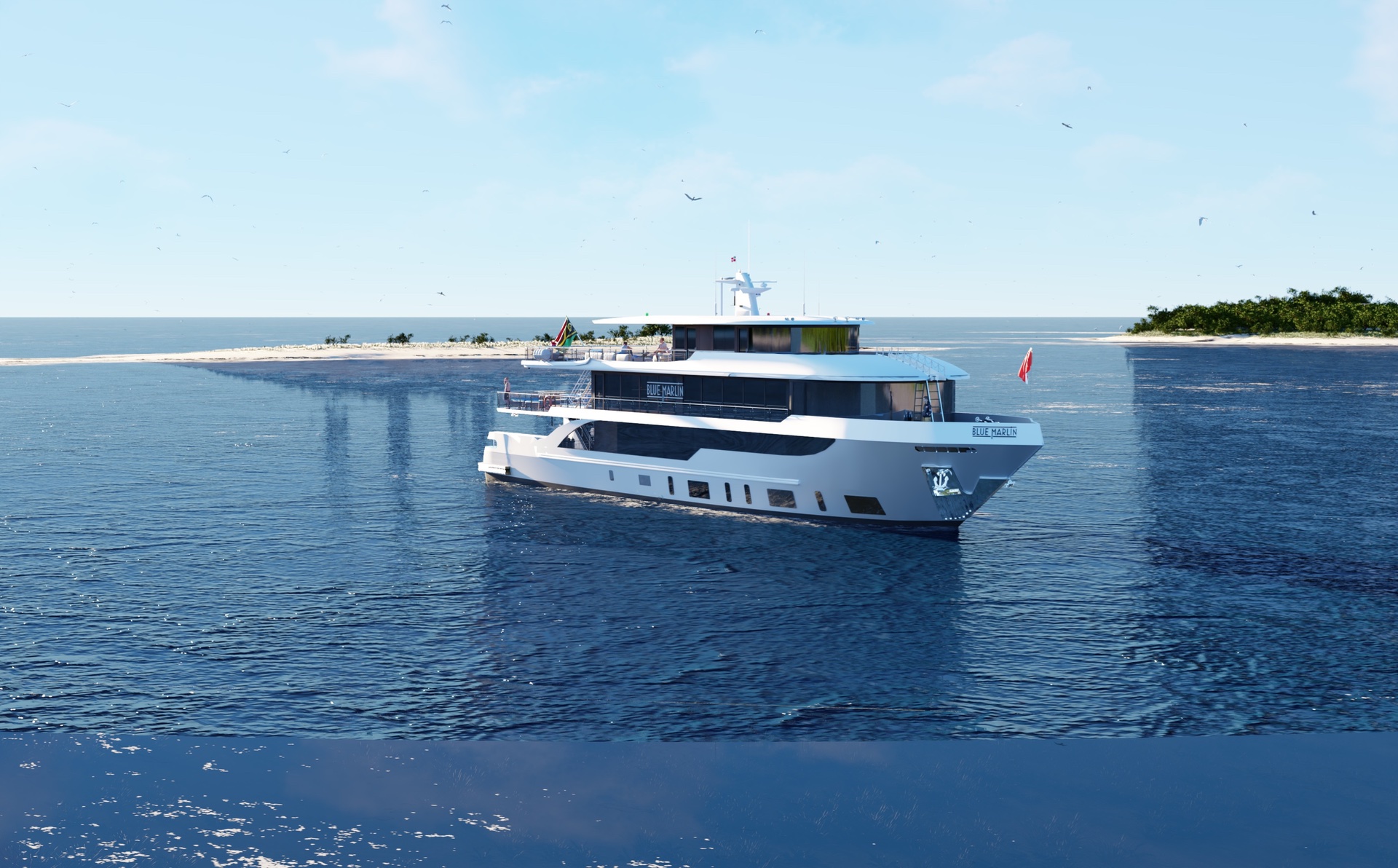
Blue Marlin
Bahamas
26 guests42 m
$318/day
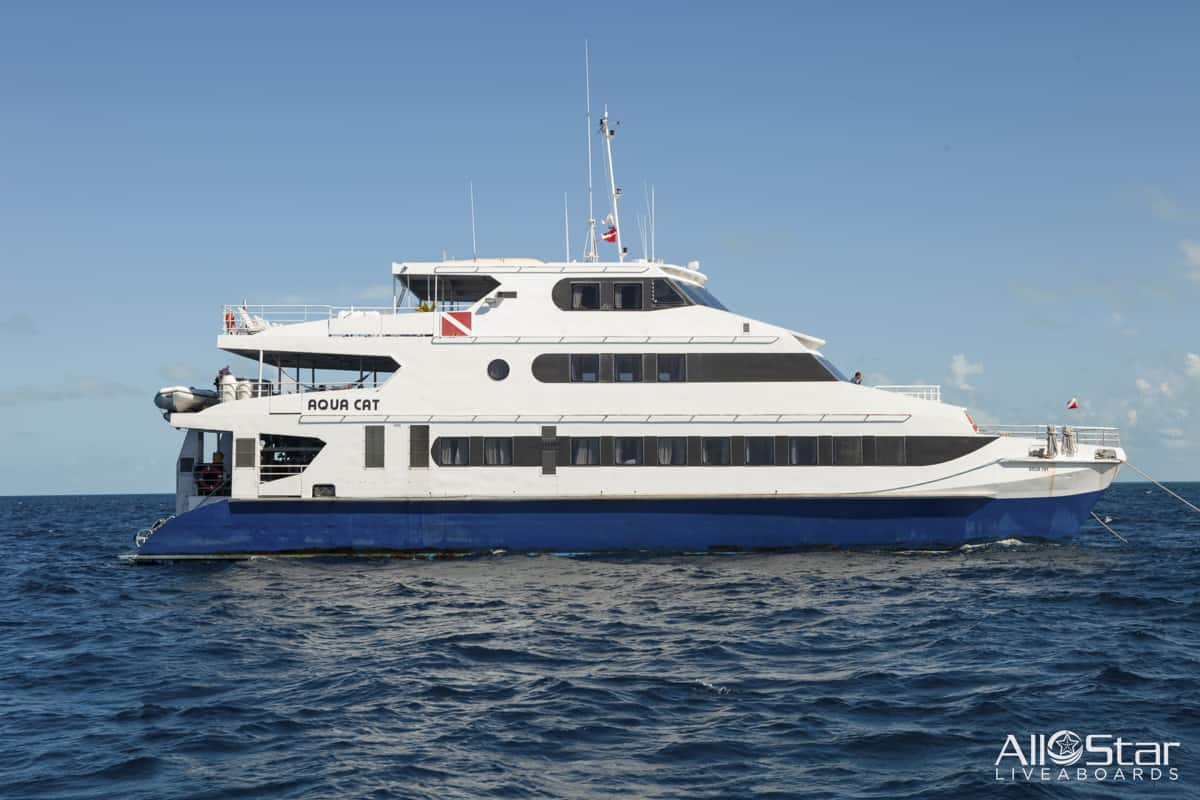
All Star Aqua Cat
Bahamas
30 guests31.09 m
$312/day
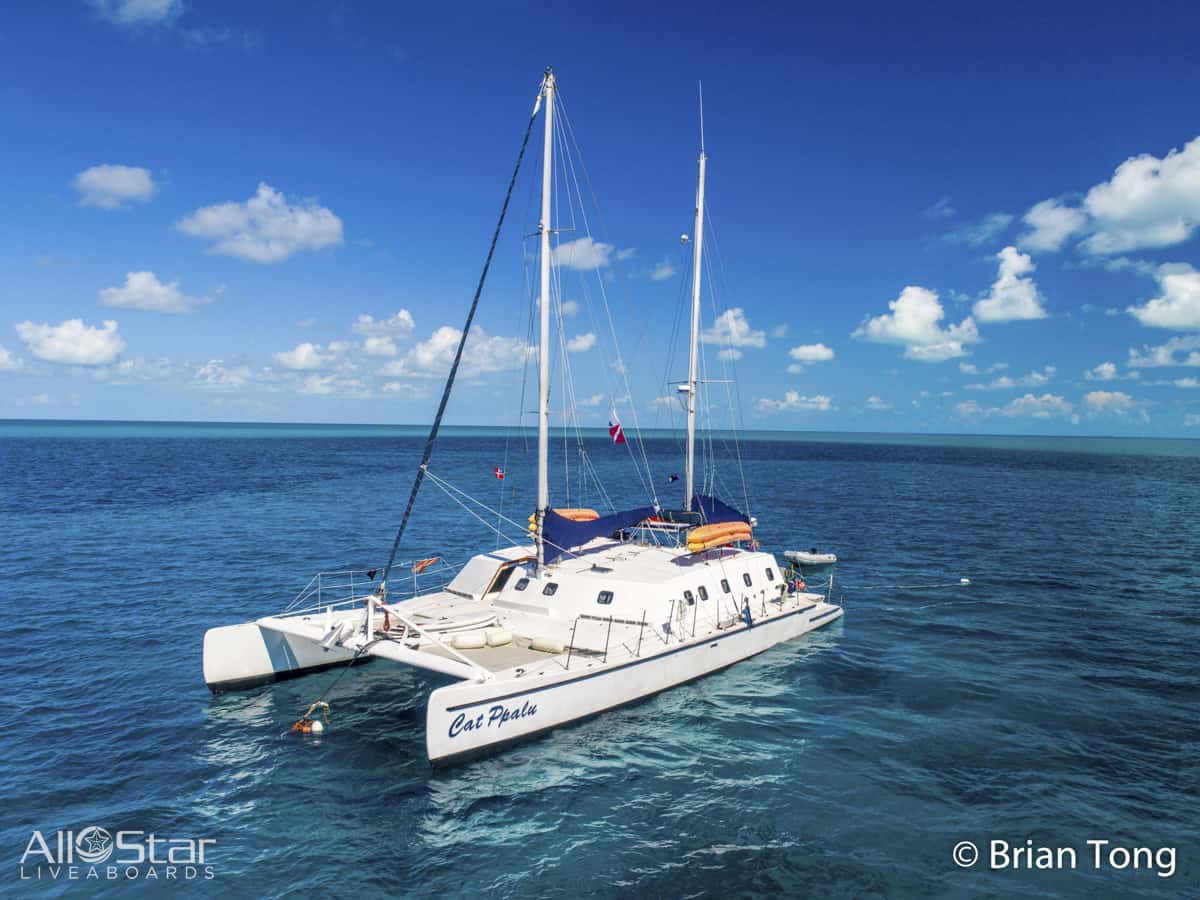
All Star Cat Ppalu
Bahamas
12 guests20 m
$237/day
Dive sites similar to Manjack Cay Patch
Same character, same waters — six more sites divers love for the exact same reasons.Compare seasons, access and liveaboard routes — then pick the site that fits your trip best.
Cut Through City
Bahamas
Cut Through City is a standout dive site located off the coast of Eleuthera in the Bahamas, a region renowned for its diverse underwater topography.
- Suitable for
- Intermediate
- Current
- Mild
- Access
- Liveaboard only
- Depth
- 27–40 m
- Theme
- Wall / Reef
Metropolis
Bahamas
Metropolis is a standout dive site in the Bahamas, renowned for its consistent and diverse shark encounters, making it a thrilling destination for divers seeking pelagic action.
- Suitable for
- Intermediate
- Current
- Moderate
- Access
- Liveaboard only
- Depth
- ≤ 13 m
- Theme
- Reef
Mt. Olympus
Bahamas
Mt. Olympus is a dynamic dive site in the Bahamas, regularly visited by liveaboards, known for its healthy marine ecosystem and varied underwater terrain.
- Suitable for
- Advanced
- Current
- Moderate
- Access
- Liveaboard only
- Depth
- ≤ 122 m
- Theme
- Reef / Drift
Austin Smith Wreck
Bahamas
The Austin Smith Wreck, originally named HMBS Flamingo, was a 90-foot Bahamian Defense Force cutter that was decommissioned in 1995. Intended for use as an artificial reef, it…
- Suitable for
- Intermediate
- Current
- Moderate
- Access
- Liveaboard only
- Depth
- 18–18 m
- Theme
- Wreck / Reef
Split Coral Head
Bahamas
Split Coral Head is a notable dive site located in Eleuthera, Bahamas, celebrated for its impressive coral formations and the distinctive split in a massive coral head from which it derives its name.
- Suitable for
- Beginner
- Current
- No current
- Access
- Liveaboard only
- Depth
- 14–17 m
- Theme
- Reef
Danger Reef
Bahamas
Danger Reef is an integral part of the Exuma Cay Reef Dives, nestled within the expansive Exuma Cays.
- Suitable for
- Intermediate
- Current
- Mild
- Access
- Liveaboard only
- Depth
- ≤ 18 m
- Theme
- Reef