About Hogfish Reef
Hogfish Reef is a lively dive site situated in the Grand Bahama, celebrated for its dynamic underwater environment. It presents a robust reef system bustling with marine activity, appealing to divers seeking exciting encounters with diverse species. The topography features active coral gardens, where various reef inhabitants thrive. Depths here support plentiful reef life and are conducive to engaging dives, offering ample opportunity for exploration amidst its vibrant ecosystem. This site is particularly noted for its shark encounters, with grey reef and lemon sharks commonly observed. Beyond these pelagics, divers can expect to see hogfish, large schools of snapper, and a variety of other reef species, indicating a healthy and thriving habitat. The 'energy and life' described here make for a memorable experience. Dives at Hogfish Reef typically form part of liveaboard itineraries exploring the Grand Bahama region. Conditions can include medium to strong currents, which contribute to the site's rich biodiversity by bringing in nutrients, while visibility generally remains excellent, providing clear views of the abundant marine life.
Highlights
Grey reef shark encountersLemon shark sightingsSchools of snapperVibrant coral gardensAbundant reef inhabitantsDynamic marine energyExcellent visibility
Season calendar
Best months to dive here
Jan
Feb
Mar
Apr
May
Jun
Jul
Aug
Sep
Oct
Nov
Dec
Excellent
Good
Dive site facts: Hogfish Reef
- Depth
- 9–14 m
- Current
- Medium to strong
- Visibility
- 80–100 ft
- Water temperature
- 85F (July)
- Entry
- Boat
- Level
- Intermediate to Advanced
- Dive type
- Reef, pelagic, shark
- Region / port
- Grand Bahama
- Coordinates
- 24.9377° N, 77.2021° W
Conditions & Currents
Hogfish Reef can experience medium to strong currents, a characteristic that enriches its biodiversity by circulating nutrients and attracting pelagic species. Divers should be ready for variable current conditions, which can change depending on tidal movements or during the dive itself. Entry and exit procedures are typically boat-based, necessitating swift buoyancy control upon descent to manage any prevailing currents effectively. Visibility generally remains exceptional, often reaching 80-100 feet, even with significant current. The water temperature is consistently warm, meaning thermoclines are not typically a concern. Divers must plan their gas consumption thoughtfully and maintain strong situational awareness, especially when navigating around the reef structures.
Marine life & sighting chances

Grey reef shark
common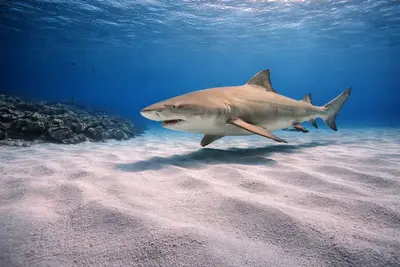
Lemon shark
common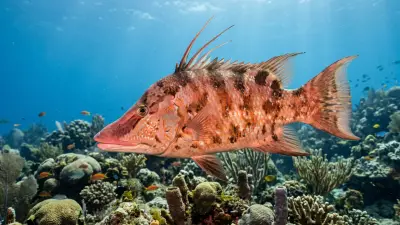
Hogfish
occasional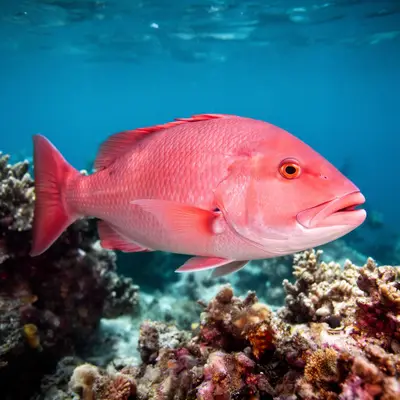
Snapper schools
common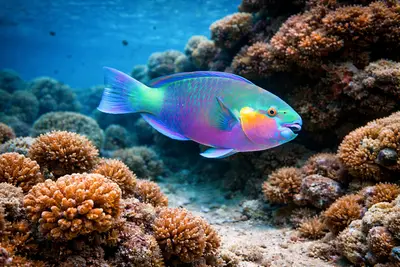
Parrotfish
occasional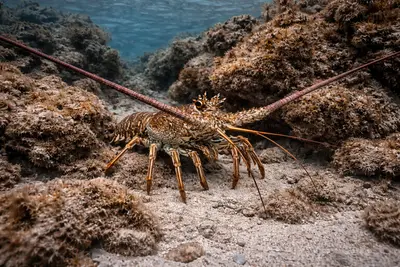
Lobster
occasional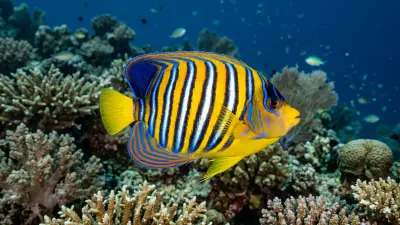
Angelfish
occasional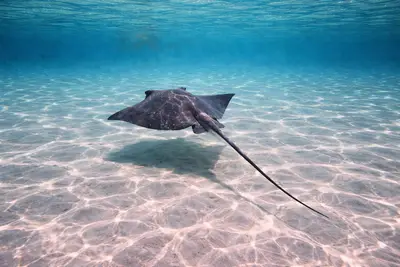
Southern stingray
occasional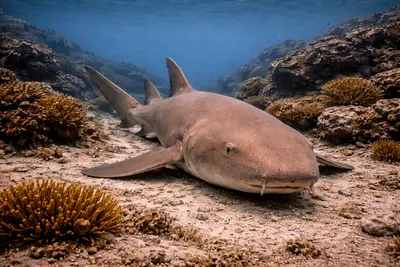
Nurse shark
occasionalDive profile & how the dive runs
Dives at Hogfish Reef often commence with a swift descent from the liveaboard, ensuring divers quickly reach the main reef structures, which is particularly helpful if currents are present. The dive route typically explores the vibrant coral gardens, where divers can observe schools of snapper and hogfish amidst the reef. The depth progression will vary based on the specific areas explored, but the focus is on navigating the energetic reef landscape. Divers commonly follow a guided path to maximize encounters with species like grey reef and lemon sharks. The turnaround point is often determined by gas consumption or bottom time. Safety stops are usually conducted in shallower, more sheltered parts of the reef or in open water, depending on current conditions, before ascending back to the boat.
Underwater photography
Hogfish Reef offers excellent opportunities for wide-angle photography, especially to capture the dynamic interactions with grey reef and lemon sharks, as well as vast schools of snapper. A fisheye or wide-angle lens is highly recommended to encompass the breadth of the reef and the frequent pelagic encounters. For capturing individual reef inhabitants like hogfish or vibrant coral details, a macro lens can be rewarding if conditions allow for closer inspection. Given the potential for medium to strong currents, strong buoyancy control is crucial to maintain position and stability for clear shots. Using external strobes is advisable to bring out the true colors of the coral and marine life, especially in deeper sections or during encounters in open water. Always maintain a respectful distance from marine life and avoid disturbing the reef structure.
Combine with nearby dive sites
- El Dorado
El Dorado is a captivating dive site in the Bahamas, specifically noted for its beautiful coral gardens and sandy flats.
- Shark Paradise
Shark Paradise is a vibrant dive site in the Bahamas, specifically noted for its abundant shark encounters.
- Mount Olympus
Mount Olympus is a standout dive site in Grand Bahama, characterized by its dramatic underwater topography featuring towering coral…
- Sugar Wreck
The Sugar Wreck is a celebrated dive site situated near Grand Bahama, renowned for its historical background and thriving marine ecosystem.
- Mini Wall
Mini Wall, also known as Coral Gardens, is a captivating dive site characterized by its unique topography where a distinct wall begins…
Getting there & logistics
Access to Hogfish Reef is predominantly via liveaboard itineraries that operate out of Freeport, Grand Bahama. Freeport, served by Grand Bahama International Airport (FPO), is readily accessible with regular flights connecting from major cities in the US. Liveaboard trips typically range from 7 days, often combining Hogfish Reef with other renowned sites in the Grand Bahama area, such as the famous Tiger Beach and various shark dive locations. These itineraries ensure multiple opportunities to explore diverse reef and pelagic environments. While most dive sites in the Bahamas do not require specific permits, specialized shark diving excursions, which are a highlight in this region, may incur additional costs or require specific briefings. Booking liveaboard trips well in advance, especially during peak seasons, is highly recommended.
Safety & environment
For diving at Hogfish Reef, which can feature medium to strong currents and frequent shark encounters, divers should prioritize comprehensive dive insurance that covers emergency medical treatment and evacuation. The nearest recompression chamber is likely located in Grand Bahama, but evacuation reality from remote dive sites can be complex and time-consuming, underscoring the importance of insurance. Divers must possess good buoyancy control and be proficient in current diving techniques. During shark encounters, always follow your dive guide's instructions precisely, maintain a calm demeanor, and adhere to established safety protocols. Conduct thorough gear checks, plan gas consumption conservatively, and always dive within your certification limits. Strong awareness of your surroundings and dive buddy is critical.
Who it suits — and who it doesn't
Suited for
- Experienced reef divers
- Shark diving enthusiasts
- Divers comfortable with currents
- Underwater photographers seeking pelagics
- Liveaboard adventurers
Less suited for
- Beginner divers without current experience
- Divers with poor buoyancy control
- Individuals uncomfortable with shark encounters
- Those preferring calm, current-free dives
FAQ
Hogfish Reef FAQ
What kind of marine life can I expect at Hogfish Reef?
Hogfish Reef is renowned for its active marine ecosystem. Divers frequently encounter grey reef sharks and lemon sharks. You can also expect to see large schools of snapper, hogfish, parrotfish, lobsters, angelfish, and occasionally southern stingrays and nurse sharks, making for a vibrant underwater experience.
What are the typical dive conditions like at Hogfish Reef?
Conditions at Hogfish Reef often include medium to strong currents, which contribute to its rich biodiversity. Visibility is generally excellent, ranging from 80 to 100 feet. Water temperatures are comfortably warm, typically around 85°F in July, with consistent temperatures throughout the dive profile and no significant thermoclines.
Is Hogfish Reef suitable for all levels of divers?
Given the potential for medium to strong currents and the presence of sharks, Hogfish Reef is best suited for intermediate to advanced divers. Good buoyancy control and prior experience with currents are recommended to fully enjoy and safely navigate this dynamic site. Beginners might find the conditions challenging.
How do I get to Hogfish Reef?
Hogfish Reef is primarily accessed via liveaboard operations that explore the Grand Bahama region. These liveaboards typically depart from Freeport, Grand Bahama, which is served by Grand Bahama International Airport (FPO). It is usually part of multi-day itineraries that visit several dive sites in the area.
What photography opportunities does Hogfish Reef offer?
Hogfish Reef provides excellent opportunities for wide-angle photography, particularly for capturing the numerous shark encounters and schooling fish against the expansive reef backdrop. A fisheye or wide-angle lens is recommended. Strong buoyancy and external strobes will help capture the vibrant colors and dynamic action effectively.
Why dive Hogfish Reef from a liveaboard?
Hogfish Reef is one of Bahamas's signature dive sites. A liveaboard sleeps you on the water and puts you in the water for three to four guided dives per day, including dawn and night dives that day-boat operators rarely offer. You skip the daily commute back to port and reach quieter, less-crowded sites in the same region on a single trip.
Below are the liveaboards that include Hogfish Reef on their Bahamas itineraries.
Liveaboards diving Hogfish Reef
These liveaboards may visit Hogfish Reef on selected itineraries — the exact dive sites depend on departure, weather and conditions.
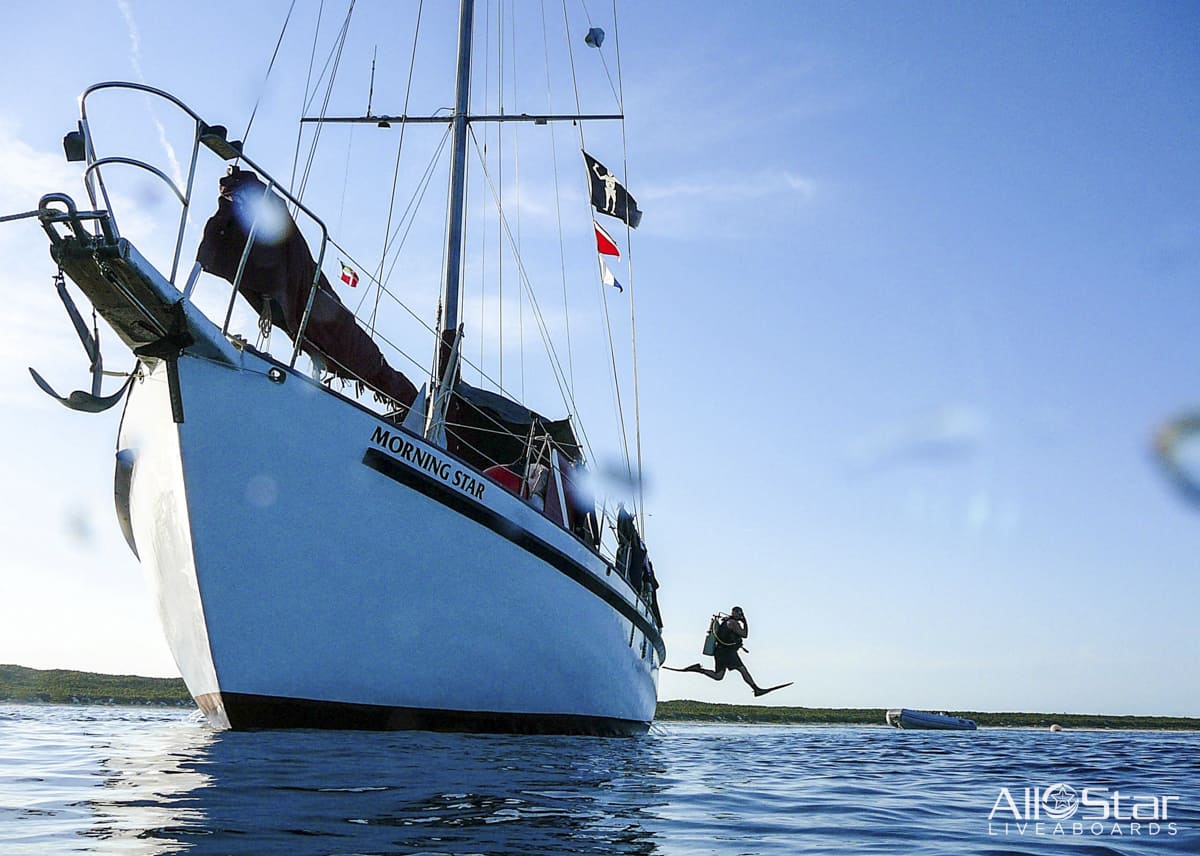
All Star Blackbeards Morning Star
Bahamas
24 guests19.81 m
$156/day
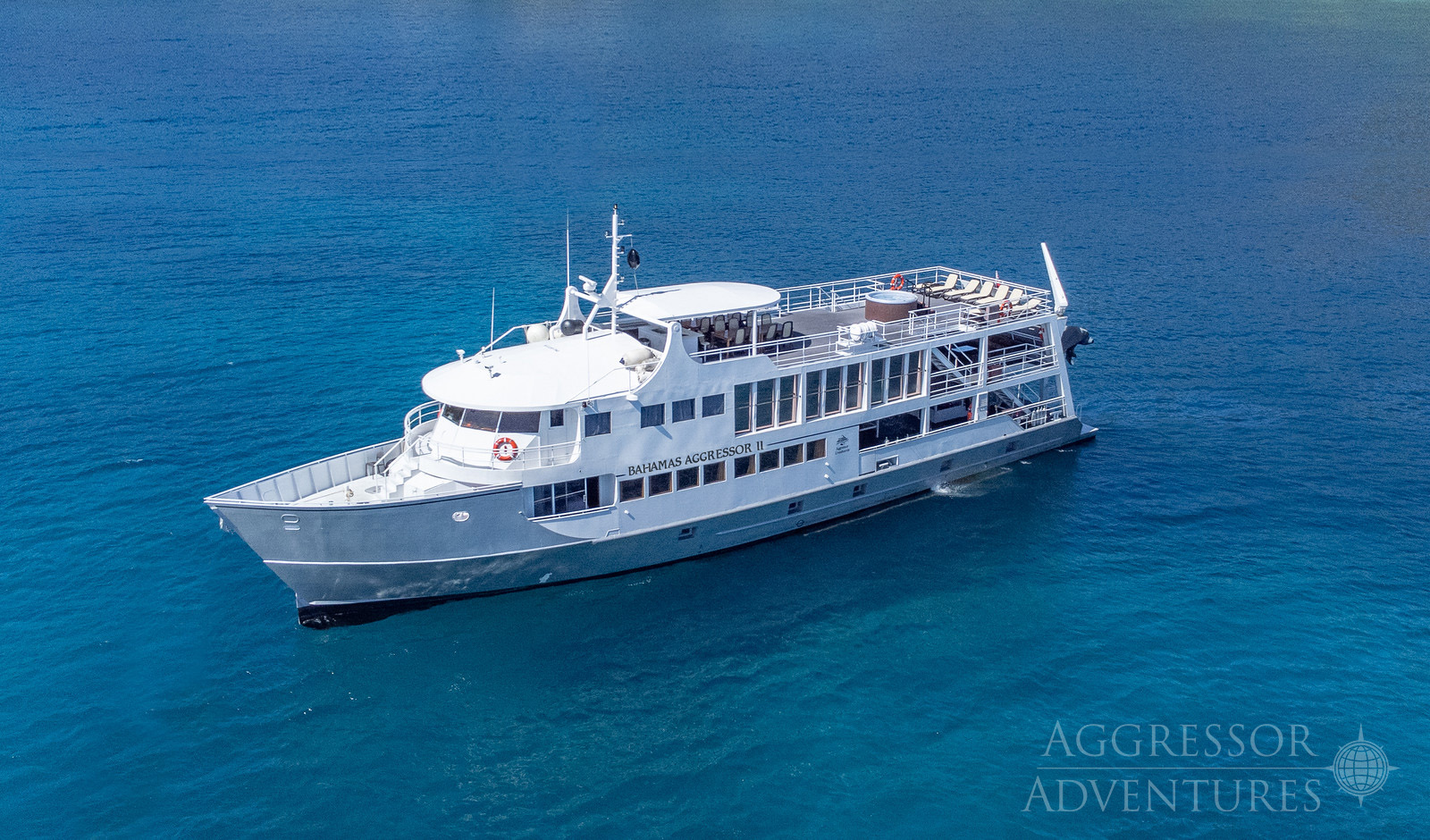
Bahamas Aggressor II
Bahamas
20 guests33.5 m
$328/day
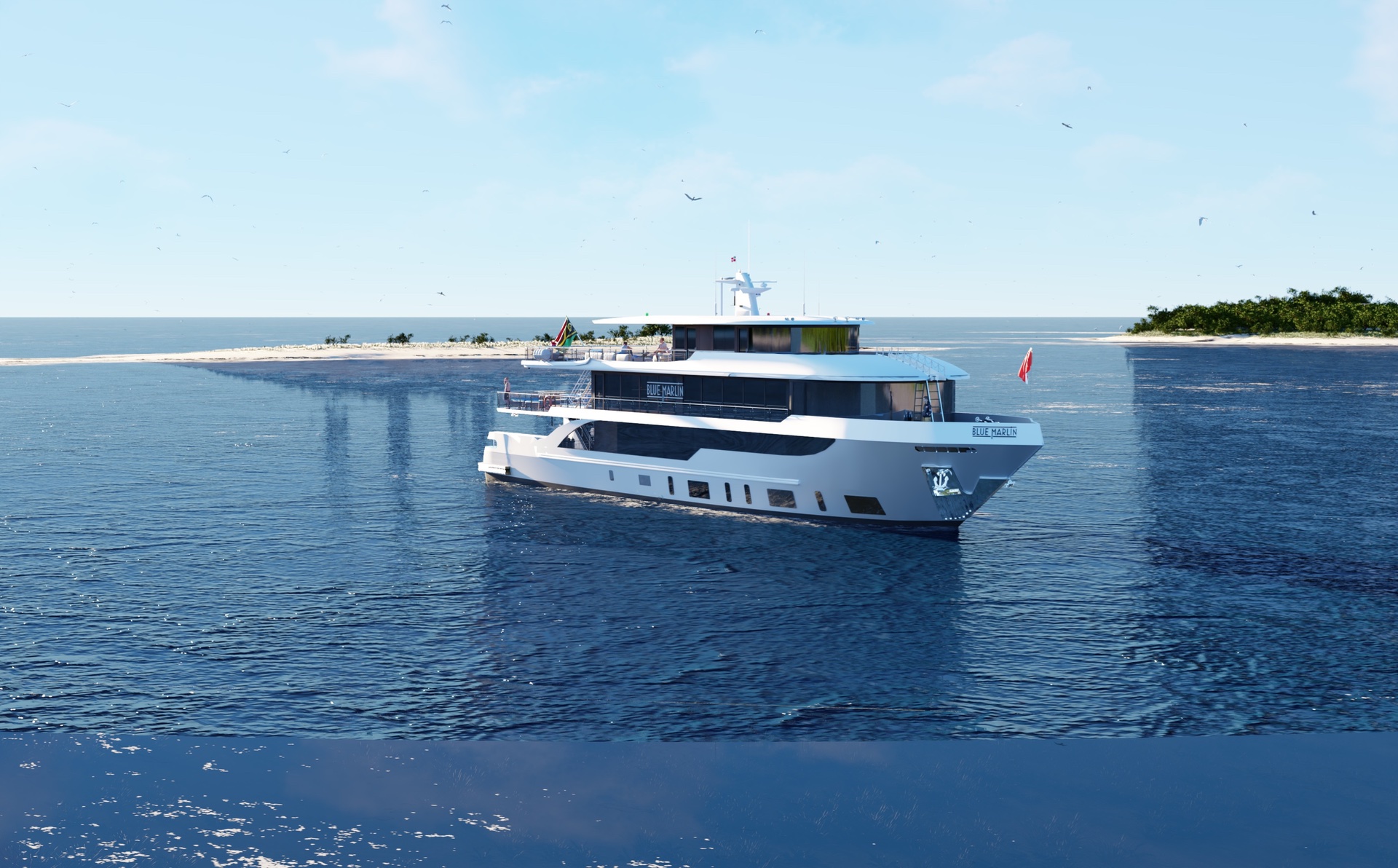
Blue Marlin
Bahamas
26 guests42 m
$318/day
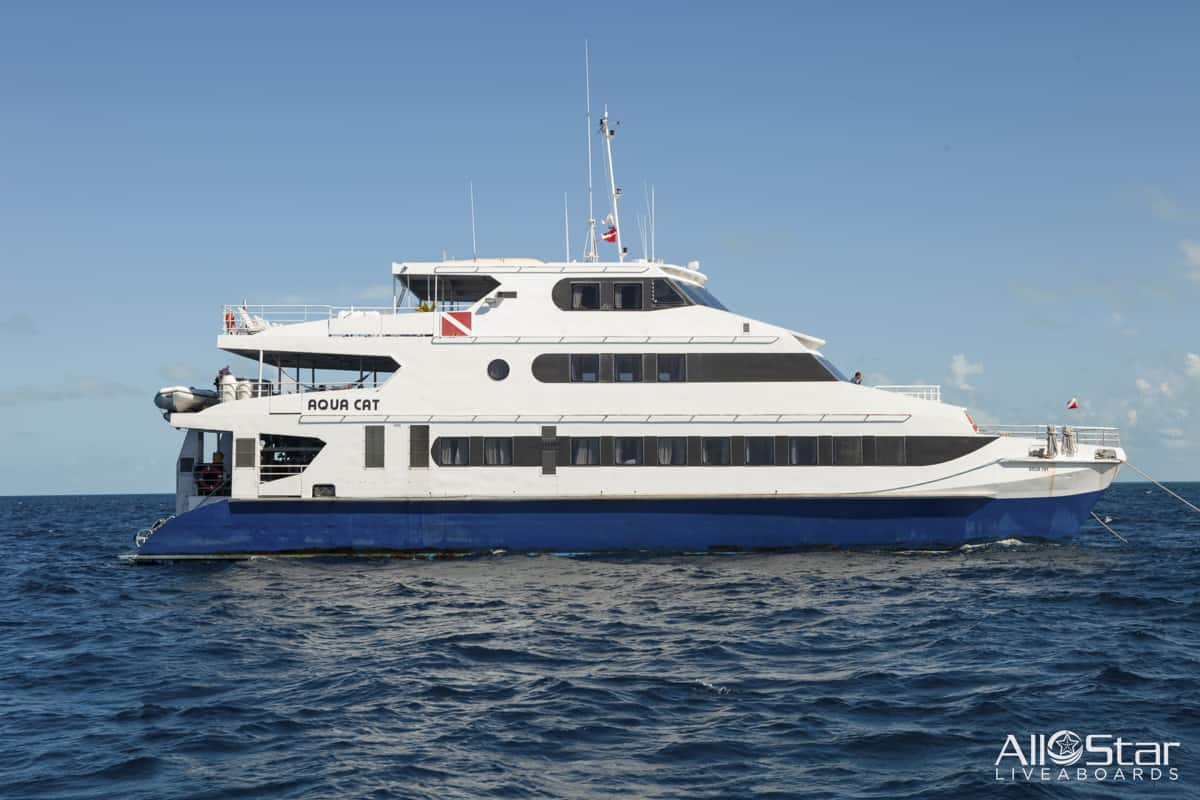
All Star Aqua Cat
Bahamas
30 guests31.09 m
$312/day
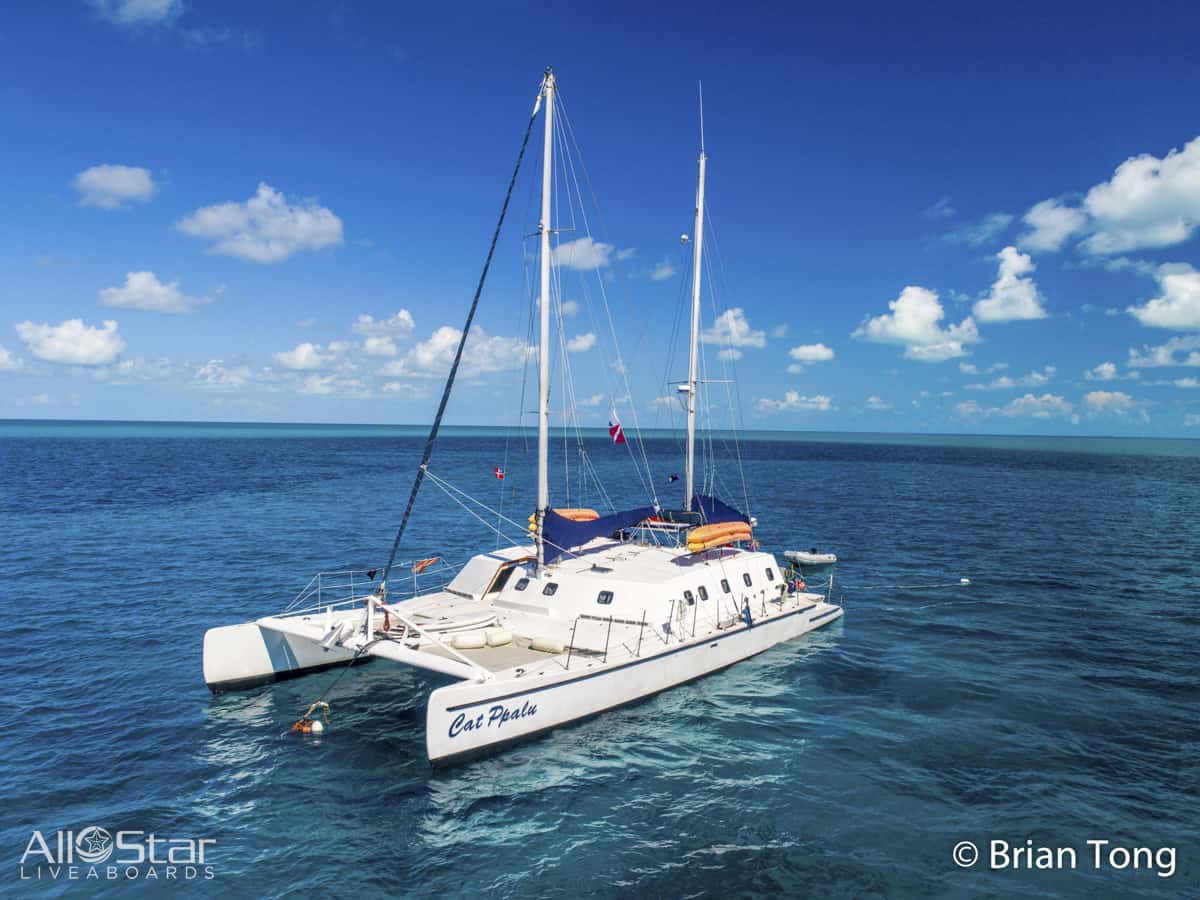
All Star Cat Ppalu
Bahamas
12 guests20 m
$237/day
Dive sites similar to Hogfish Reef
Same character, same waters — six more sites divers love for the exact same reasons.Compare seasons, access and liveaboard routes — then pick the site that fits your trip best.
Cut Through City
Bahamas
Cut Through City is a standout dive site located off the coast of Eleuthera in the Bahamas, a region renowned for its diverse underwater topography.
- Suitable for
- Intermediate
- Current
- Mild
- Access
- Liveaboard only
- Depth
- 27–40 m
- Theme
- Wall / Reef
Metropolis
Bahamas
Metropolis is a standout dive site in the Bahamas, renowned for its consistent and diverse shark encounters, making it a thrilling destination for divers seeking pelagic action.
- Suitable for
- Intermediate
- Current
- Moderate
- Access
- Liveaboard only
- Depth
- ≤ 13 m
- Theme
- Reef
Mt. Olympus
Bahamas
Mt. Olympus is a dynamic dive site in the Bahamas, regularly visited by liveaboards, known for its healthy marine ecosystem and varied underwater terrain.
- Suitable for
- Advanced
- Current
- Moderate
- Access
- Liveaboard only
- Depth
- ≤ 122 m
- Theme
- Reef / Drift
Austin Smith Wreck
Bahamas
The Austin Smith Wreck, originally named HMBS Flamingo, was a 90-foot Bahamian Defense Force cutter that was decommissioned in 1995. Intended for use as an artificial reef, it…
- Suitable for
- Intermediate
- Current
- Moderate
- Access
- Liveaboard only
- Depth
- 18–18 m
- Theme
- Wreck / Reef
Split Coral Head
Bahamas
Split Coral Head is a notable dive site located in Eleuthera, Bahamas, celebrated for its impressive coral formations and the distinctive split in a massive coral head from which it derives its name.
- Suitable for
- Beginner
- Current
- No current
- Access
- Liveaboard only
- Depth
- 14–17 m
- Theme
- Reef
Danger Reef
Bahamas
Danger Reef is an integral part of the Exuma Cay Reef Dives, nestled within the expansive Exuma Cays.
- Suitable for
- Intermediate
- Current
- Mild
- Access
- Liveaboard only
- Depth
- ≤ 18 m
- Theme
- Reef