About Nassau
Nassau, located on New Providence Island in the Bahamas, stands out as a premier Caribbean scuba diving destination due to its convenient accessibility and diverse underwater topography. It sits alongside the Tongue of the Ocean, a deep underwater trench plunging to over 1,800 meters (6,000 feet), which brings large pelagic marine life close to shore and contributes to consistently clear waters. This unique geography fosters spectacular wall dives, a rich nutrient upwelling, and healthy marine ecosystems. The underwater landscape around Nassau features a blend of natural reefs and intentionally sunk wrecks. Divers can explore shallow coral gardens teeming with tropical fish, extensive healthy reefs with both hard and soft corals, and dramatic vertical walls that offer breathtaking blue-water scenery. Several artificial reefs, including movie-set wrecks and former vessels, have become thriving habitats for marine life. Marine life encounters are a significant draw, with Caribbean reef sharks, nurse sharks, southern stingrays, green sea turtles, and a wide array of colorful reef fish commonly sighted. The area is also known for its structured shark encounters, attracting dozens of Caribbean reef sharks to specific sites. While some reefs were impacted by Hurricane Matthew in 2016, marine life continues to flourish, and many sites remain spectacular. Nassau's dive sites are mostly located minutes from shore, reducing travel time and maximizing bottom time. This convenience makes it an ideal destination for divers seeking high-quality underwater experiences without extensive logistics, accommodating both new divers on shallow, protected reefs and experienced divers exploring wrecks, walls, and shark interactions.
Highlights
Dramatic wall divingHistoric wreck sitesShark encountersVibrant coral reefsExceptional water clarityShallow reef photographyMovie set wrecksBeginner-friendly sites
Season calendar
Best months to dive here
Jan
Feb
Mar
Apr
May
Jun
Jul
Aug
Sep
Oct
Nov
Dec
Excellent
Good
Dive site facts: Nassau
- Depth
- 5–80 ft (1.5–24 m)
- Typical dive
- 12–25 m, 50–60 min
- Current
- Mild to moderate, occasional strong drifts
- Visibility
- 80–100+ ft (24–30+ m)
- Water temperature
- 75–88°F (24–31°C)
- Entry
- Boat, often negative for drift dives
- Level
- All levels
- Dive type
- Wreck, reef, wall, shark, drift
- Night dive
- Possible
- Region / port
- New Providence Island, Bahamas
- Coordinates
- 24.9737° N, 77.2481° W
Conditions & Currents
Currents around Nassau's dive sites generally range from mild to moderate, though specific sites, particularly those along the Tongue of the Ocean, can experience stronger flows. Drift dives are common and celebrated, especially at sites like 'The Washing Machine' where divers actively engage with currents for an exhilarating experience before a leisurely drift. Negative entries are often recommended for drift dives to quickly descend past surface currents and reach the stable drift at depth. Visibility is consistently excellent, often ranging from 24 to 30 meters (80 to 100 feet) or more, with storms only temporarily affecting clarity as suspended sediments are quickly swept into the deep trench by tidal changes.
Marine life & sighting chances
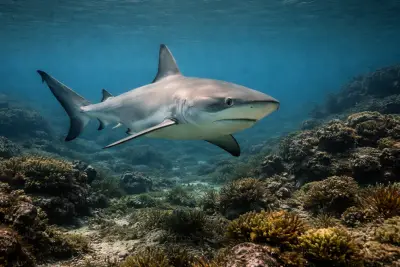
Caribbean reef shark
Year-round · common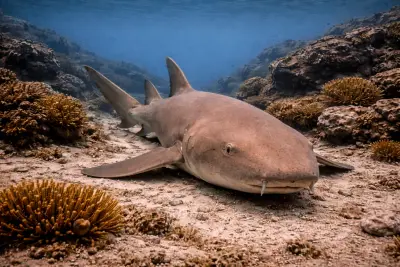
Nurse shark
Year-round · common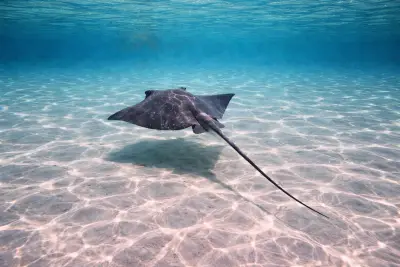
Southern stingray
Year-round · occasional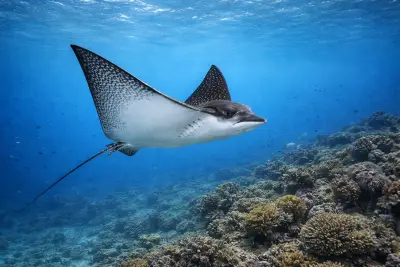
Spotted eagle ray
Year-round · occasional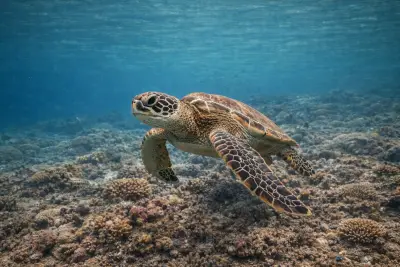
Green sea turtle
Year-round · common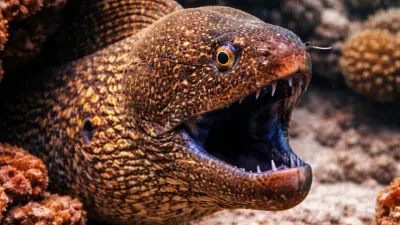
Moray eel
Year-round · common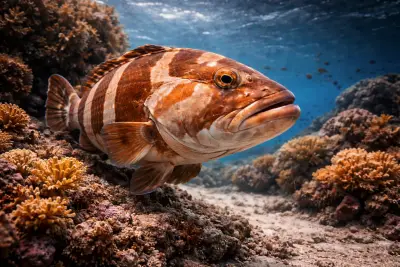
Nassau grouper
Year-round · common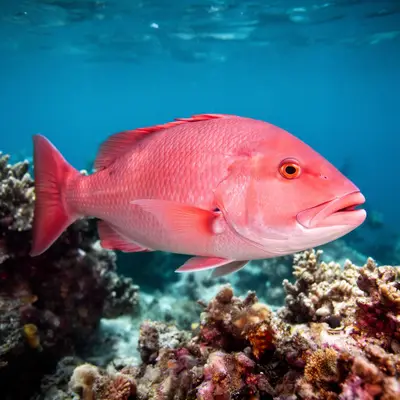
Yellowtail snapper
Year-round · common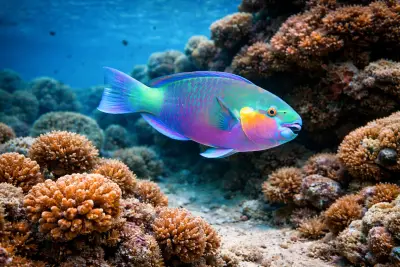
Parrotfish
Year-round · common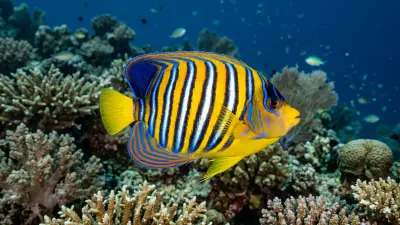
Angelfish
Year-round · common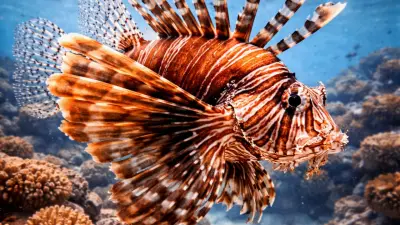
Lionfish
Year-round · occasional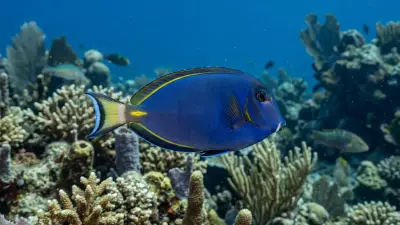
Blue tang
Year-round · common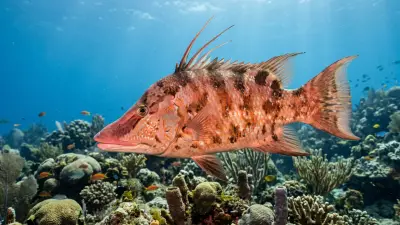
Hogfish
Year-round · occasional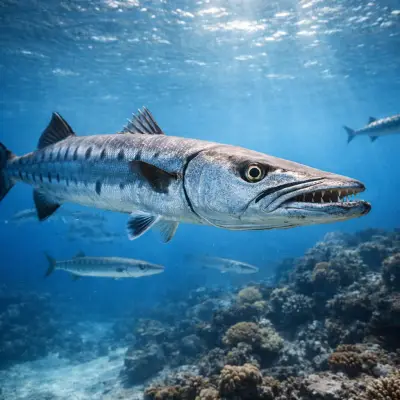
Barracuda
Year-round · occasionalDive profile & how the dive runs
Dive briefings typically cover specific entry techniques due to varied current conditions, with negative entries common for drift sites. At wreck sites like the Ray of Hope, divers descend directly to the deck at 12 meters (40 feet), exploring its structure and surrounding sandy bottom at 18 meters (60 feet). For wall dives, the descent follows the dramatic drop-off, allowing exploration of the reef top before moving along the wall. Shallow reef dives like Southwest Reef involve gentle descents to depths of 5-8 meters (15-25 feet) to maximize bottom time. Turn points are usually based on air consumption and no-decompression limits, and safety stops are conducted at 5 meters (15 feet) for 3 minutes, often along the reef or in a designated open water area before surfacing.
Underwater photography
Nassau offers outstanding opportunities for underwater photography thanks to its consistently clear waters and diverse subjects. Wide-angle lenses are ideal for capturing the grandeur of wall dives, large wreck structures like the Twin Sisters, and dramatic shark encounters at Shark Arena. For detailed shots of vibrant soft corals, sponges, and numerous tropical reef fish, a macro lens is recommended. The shallow reefs, such as Southwest Reef, are perfect for ambient light photography due to ample natural light and extended bottom times. When photographing sharks, maintain a respectful distance and adhere to dive guide instructions; for movie-set wrecks, focus on capturing their unique historical context. Good buoyancy control is crucial to avoid stirring up sediment on wrecks and to protect delicate coral formations.
Combine with nearby dive sites
- Ray of Hope
Popular wreck dive and shark encounter site.
- Pumpkin Patch
Healthy reef known for green sea turtles.
- Twin Sister Wrecks
Two interconnected tanker wrecks with swim-throughs.
- James Bond Wrecks
Movie set wrecks from 'Never Say Never Again'.
- Southwest Reef
Healthy shallow reef ideal for beginners and photography.
- Shark Paradise
Site for structured Caribbean reef shark encounters.
Getting there & logistics
Access to Nassau is straightforward via Lynden Pindling International Airport (NAS), which has regular flights from major cities in the US, Canada, and Europe. Most dive operations are based around New Providence Island, with dive sites located just minutes from shore, making day trips convenient. Typical dive packages include two-tank morning dives, and some operations offer afternoon or night dives. There are no specific marine park fees mentioned for Nassau's immediate dive sites, but divers should confirm with their chosen dive operator. Trips can vary from single-day excursions to multi-day dive packages, often combined with resort stays on New Providence.
Safety & environment
Nassau has medical facilities on New Providence Island, though specific recompression chamber information is not consistently provided in available sources; divers should ensure their insurance covers hyperbaric treatment and emergency evacuation. Dive insurance is highly recommended for all divers visiting the Bahamas. Site-specific hazards include potential strong currents at certain drift sites like 'The Washing Machine,' requiring good buoyancy control and listening to detailed dive briefings. Shark encounters are common, particularly at 'Shark Arena,' and divers must adhere strictly to the guides' instructions during these interactions. Always dive within your certification limits and do not touch marine life or wreck structures.
Who it suits — and who it doesn't
Suited for
- Divers seeking convenient access to diverse sites
- Beginner divers exploring shallow reefs
- Experienced divers interested in wreck and wall diving
- Photographers looking for clear water and varied subjects
- Shark enthusiasts desiring frequent encounters
- Divers preferring shorter boat rides
Less suited for
- Divers who prefer very remote, untouched destinations
- Those looking for highly technical cave diving only
- Divers strictly avoiding any chance of shark encounters
- Individuals seeking extreme currents for the entire dive
- Budget travelers during peak season
FAQ
Nassau FAQ
What kind of marine life can I expect to see while diving in Nassau?
Divers in Nassau frequently encounter Caribbean reef sharks, nurse sharks, and green sea turtles. The reefs are teeming with tropical species such as Nassau groupers, yellowtail snappers, parrotfish, and angelfish. Southern stingrays and spotted eagle rays are also occasional sightings.
Are there many wreck dives available in Nassau?
Yes, Nassau offers a variety of wreck dives, including several intentionally sunk as artificial reefs or used as movie sets. Popular sites include the 'Ray of Hope,' 'Twin Sisters,' and the 'James Bond Wrecks,' offering opportunities for exploration and photography. These wrecks have become vibrant marine habitats.
Is Nassau suitable for beginner divers?
Absolutely. Nassau features many shallow, protected reefs like Pumpkin Patch and Southwest Reef, with depths around 5-15 meters (15-50 feet), offering calm conditions and abundant marine life. These sites are ideal for newer divers to build confidence and enjoy extended bottom times.
How clear is the water in Nassau?
Nassau is renowned for its consistently clear waters, often boasting visibility of 24 to 30 meters (80 to 100 feet) or more. This exceptional clarity is attributed to the nearby Tongue of the Ocean, which quickly sweeps away suspended sediments. Even after storms, visibility rapidly returns to normal.
What are the water temperatures like throughout the year in Nassau?
Water temperatures in Nassau are comfortable year-round, ranging from approximately 24-27°C (75-80°F) in the winter months to a warm 28-31°C (82-88°F) during the summer. This allows for comfortable diving, with many divers opting for shorties or even just a rash guard in warmer periods.
Can I do shark dives in Nassau?
Yes, Nassau is well-known for its shark encounters, particularly with Caribbean reef sharks. Sites like Shark Arena offer structured shark feeding dives, providing an exciting experience. While not as famous for tiger or hammerhead sharks as other Bahamian islands, Nassau offers accessible and consistent shark sightings.
Why dive Nassau from a liveaboard?
Nassau is one of Bahamas's signature dive sites. A liveaboard sleeps you on the water and puts you in the water for three to four guided dives per day, including dawn and night dives that day-boat operators rarely offer. You skip the daily commute back to port and reach quieter, less-crowded sites in the same region on a single trip.
Below are the liveaboards that include Nassau on their Bahamas itineraries.
Liveaboards diving Nassau
These liveaboards may visit Nassau on selected itineraries — the exact dive sites depend on departure, weather and conditions.
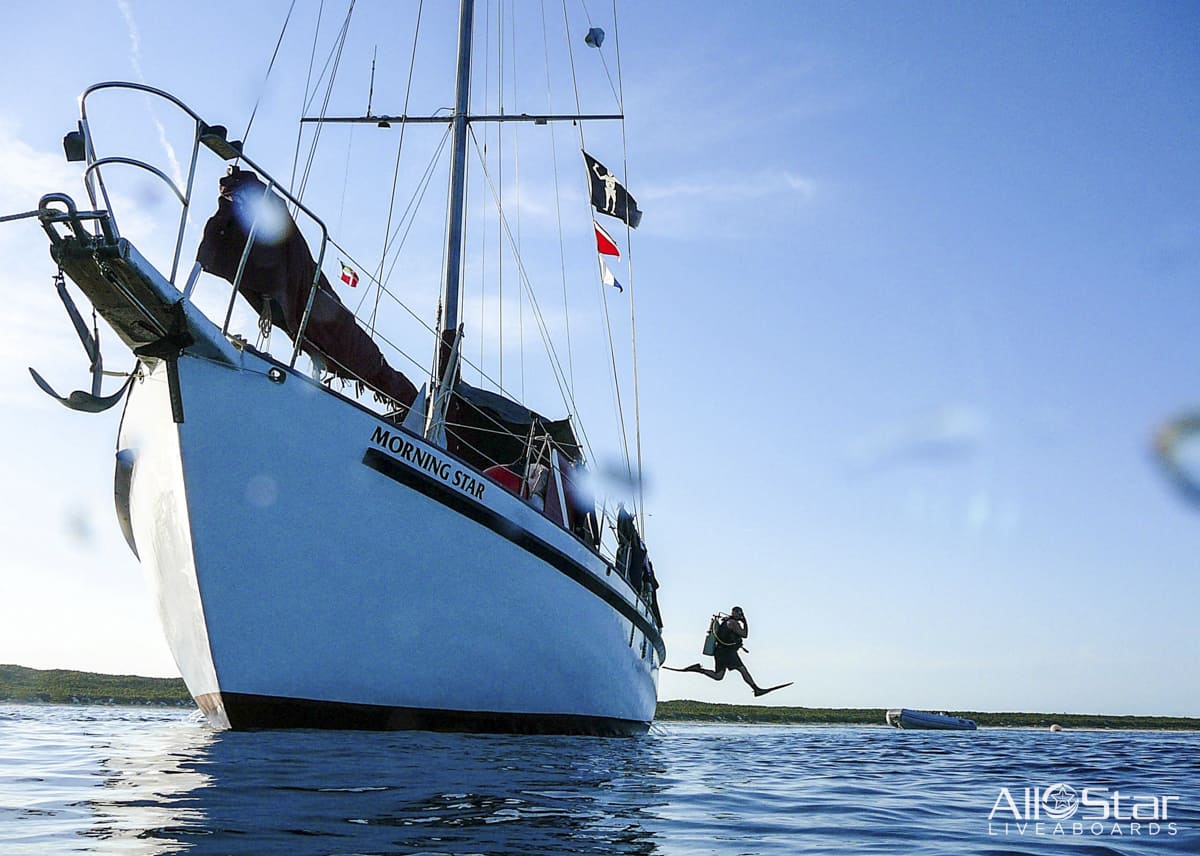
All Star Blackbeards Morning Star
Bahamas
24 guests19.81 m
$156/day
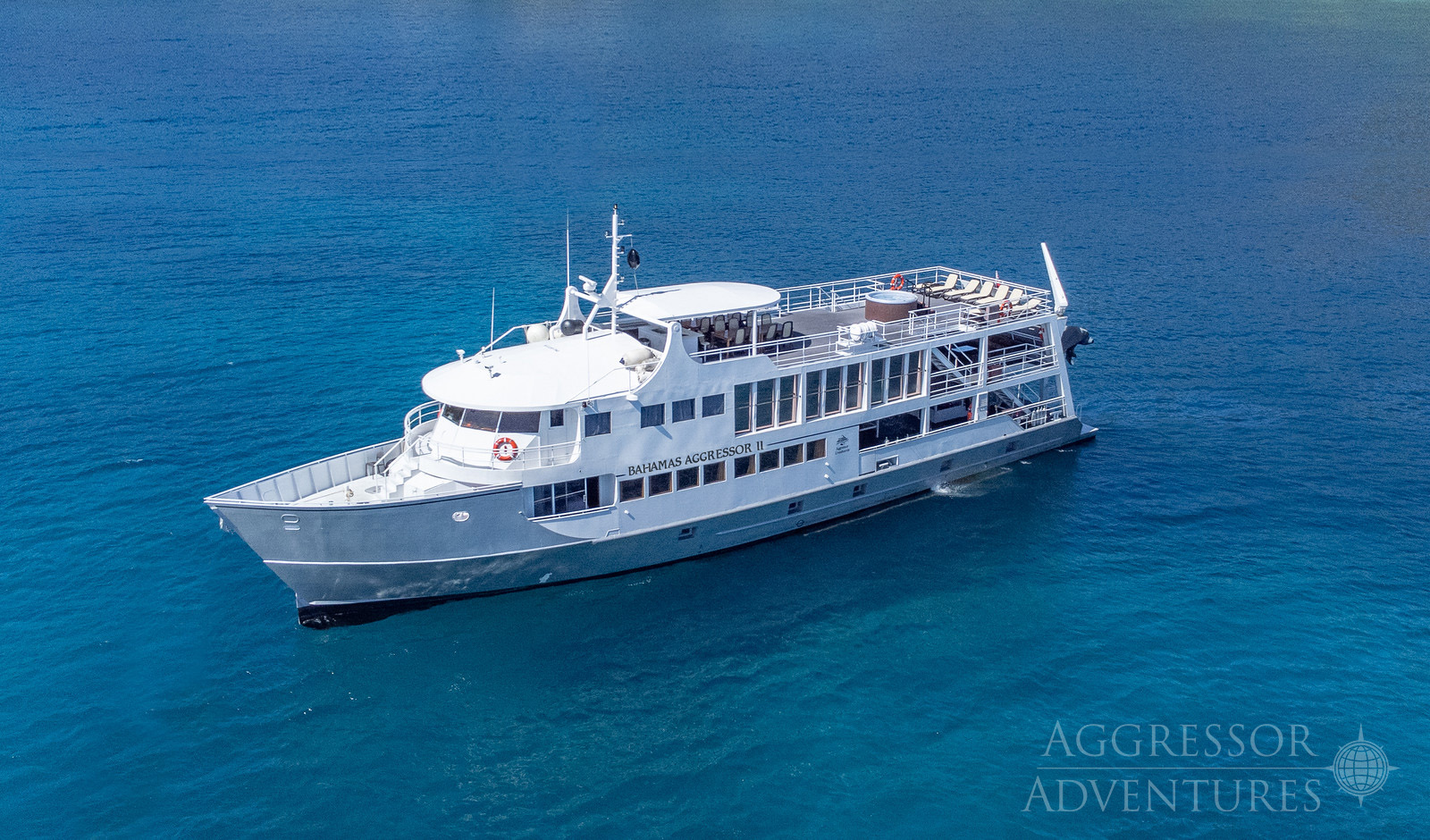
Bahamas Aggressor II
Bahamas
20 guests33.5 m
$328/day
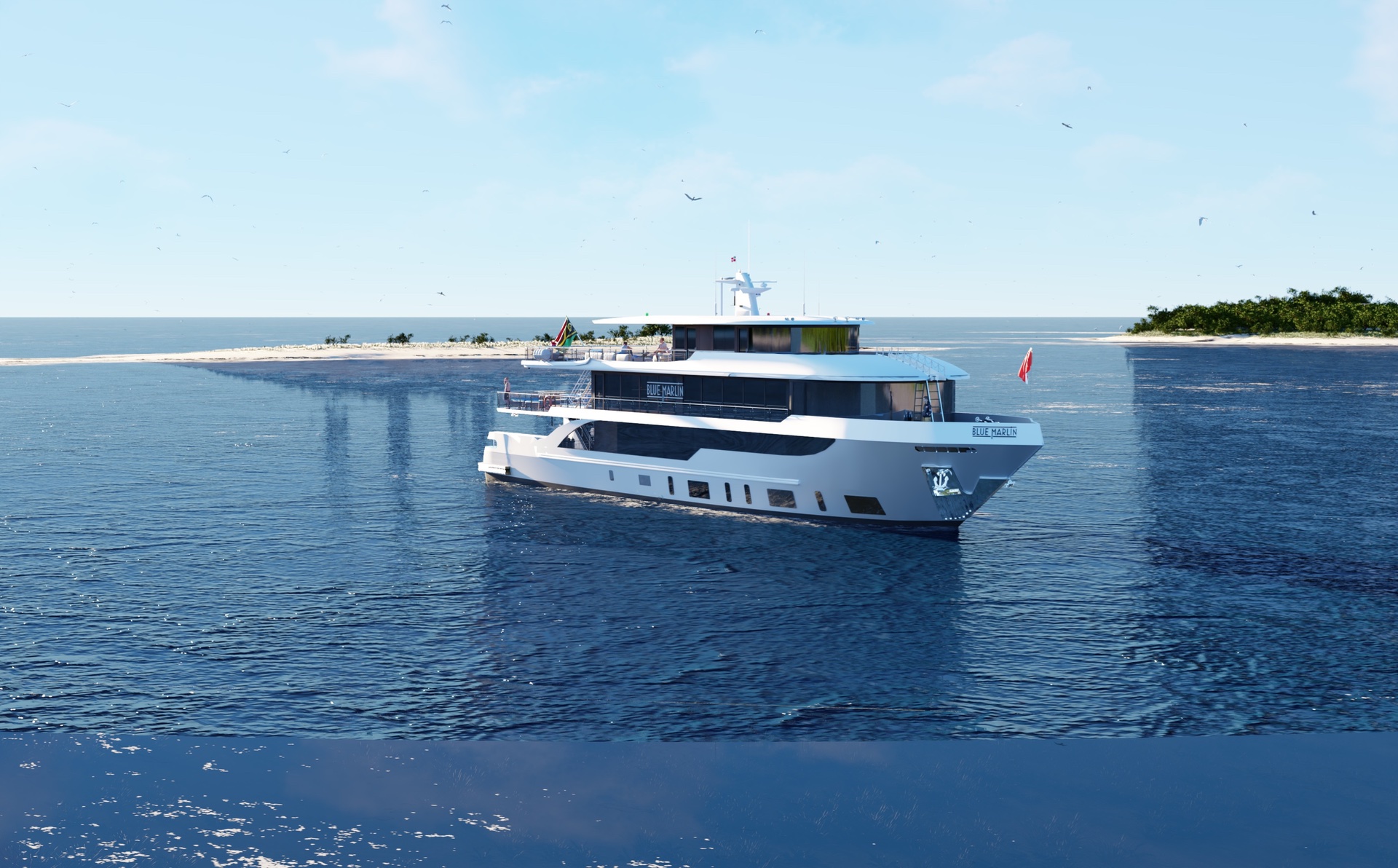
Blue Marlin
Bahamas
26 guests42 m
$318/day
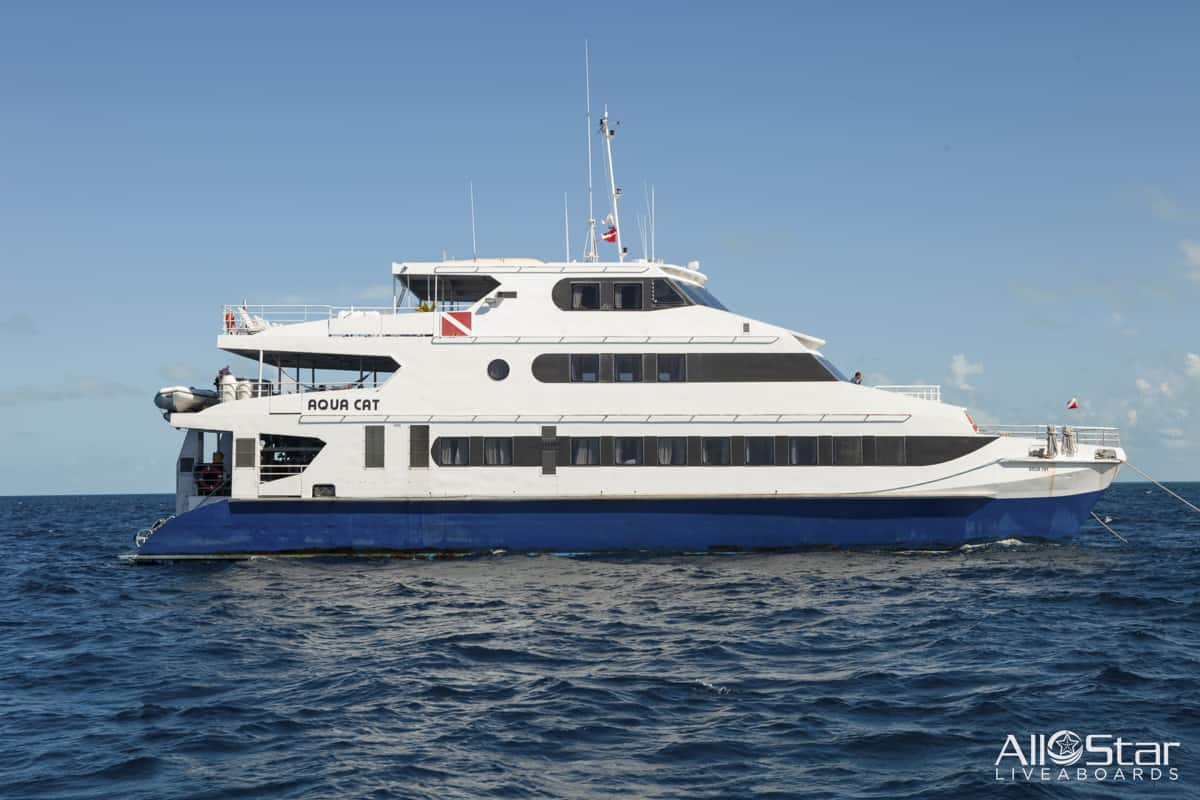
All Star Aqua Cat
Bahamas
30 guests31.09 m
$312/day
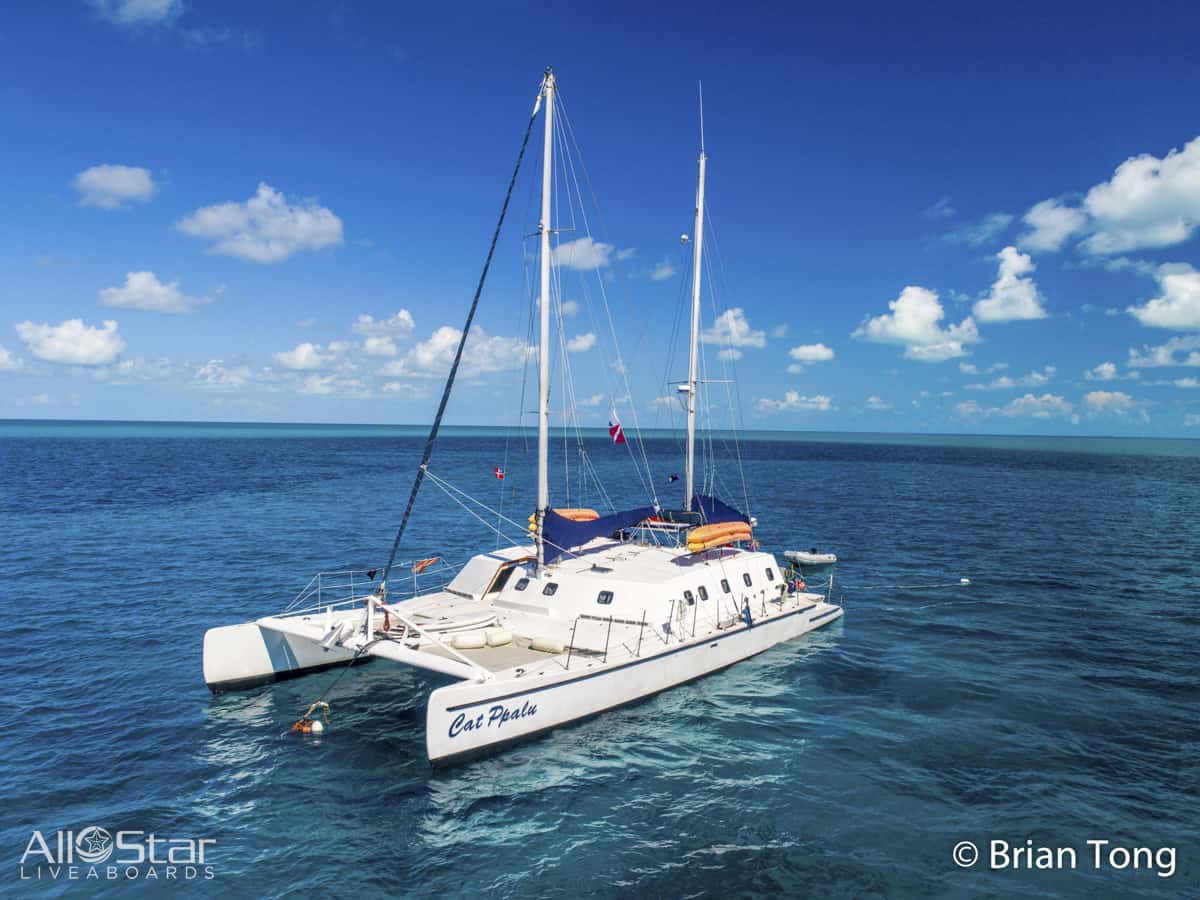
All Star Cat Ppalu
Bahamas
12 guests20 m
$237/day
Dive sites similar to Nassau
Same character, same waters — six more sites divers love for the exact same reasons.Compare seasons, access and liveaboard routes — then pick the site that fits your trip best.
© Esri — Maxar, Earthstar, GIS
Columbus Point
Bahamas
Columbus Point, situated off Cat Island in the Bahamas, stands out as an advanced dive destination renowned for its dramatic wall diving along one of the region's most untouched reef systems.
- Suitable for
- Advanced
- Current
- Strong
- Access
- Dayboat
- Depth
- ≤ 40 m
- Theme
- Wall / Drift
© Esri — Maxar, Earthstar, GIS
Cut Through City
Bahamas
Cut Through City is a standout dive site located off the coast of Eleuthera in the Bahamas, a region renowned for its diverse underwater topography.
- Suitable for
- Intermediate
- Current
- Mild
- Access
- Liveaboard only
- Depth
- 27–40 m
- Theme
- Wall / Reef
© Esri — Maxar, Earthstar, GIS
Metropolis
Bahamas
Metropolis is a standout dive site in the Bahamas, renowned for its consistent and diverse shark encounters, making it a thrilling destination for divers seeking pelagic action.
- Suitable for
- Intermediate
- Current
- Moderate
- Access
- Liveaboard only
- Depth
- ≤ 13 m
- Theme
- Reef
© Esri — Maxar, Earthstar, GIS
Mt. Olympus
Bahamas
Mt. Olympus is a dynamic dive site in the Bahamas, regularly visited by liveaboards, known for its healthy marine ecosystem and varied underwater terrain.
- Suitable for
- Advanced
- Current
- Moderate
- Access
- Liveaboard only
- Depth
- ≤ 122 m
- Theme
- Reef / Drift
© Esri — Maxar, Earthstar, GIS
Austin Smith Wreck
Bahamas
The Austin Smith Wreck, originally named HMBS Flamingo, was a 90-foot Bahamian Defense Force cutter that was decommissioned in 1995. Intended for use as an artificial reef, it…
- Suitable for
- Intermediate
- Current
- Moderate
- Access
- Liveaboard only
- Depth
- 18–18 m
- Theme
- Wreck / Reef
© Esri — Maxar, Earthstar, GIS
Tongue of the Ocean Wall
Bahamas
The Tongue of the Ocean Wall, located off New Providence near Nassau, represents a spectacular natural phenomenon—a deep oceanic trench that stretches for 120 miles and plunges to depths of 6,000 feet.
- Suitable for
- Advanced
- Current
- Strong
- Access
- Liveaboard or dayboat
- Depth
- 18–52 m
- Theme
- Wall