About Stingray Reef
Stingray Reef, located in the Bahamas, is a renowned dive site celebrated for its exceptional clarity and prolific marine life, particularly its population of southern stingrays. It serves as a well-established interaction site where numerous stingrays have become accustomed to human presence, offering divers a reliable and accessible encounter. The topography features a shallow sand-and-coral plateau, typically ranging from 3 to 8 meters in depth, with some areas extending to 25 meters. The white sandy bottom reflects sunlight upwards, ensuring brilliant illumination and excellent visibility, often reaching 25-40 meters. Beyond the stingrays, the reef supports a rich Caribbean community with sergeant majors, schooling grunts, and yellowtail snappers around coral heads, while the sand hosts conch and sea stars. Water temperatures remain comfortable, generally between 24-28°C, allowing for year-round diving. The site is characterized by calm conditions and mild currents, making it suitable for Open Water divers and novices. Many operators offer day trips from Nassau or Grand Bahama, sometimes combining the reef experience with other nearby shark or turtle sites.
Highlights
Southern stingray interactionsExceptional water clarityShallow coral plateauReliable marine encountersBeginner-friendly conditionsExcellent for photographyRich Caribbean reef community
Season calendar
Best months to dive here
Jan
Feb
Mar
Apr
May
Jun
Jul
Aug
Sep
Oct
Nov
Dec
Good
Dive site facts: Stingray Reef
- Depth
- 3–25 m
- Typical dive
- 3–8 m
- Current
- Mild
- Visibility
- 25–40 m
- Water temperature
- 24–28°C
- Entry
- Boat dive
- Level
- Beginner
- Dive type
- Reef, big_animals, coral_garden
- Night dive
- Possible
- Region / port
- Exuma, Bahamas
- Coordinates
- 25.1027° N, 77.3511° W
Conditions & Currents
Stingray Reef is known for its generally calm water conditions, making it an ideal site for divers of all experience levels. Currents are typically mild, allowing for relaxed diving and extended bottom times. Visibility is consistently outstanding, routinely ranging from 25 to 40 meters, due to the shallow sand bottom reflecting sunlight and minimal suspended particulate matter. Surge is usually negligible, contributing to the tranquil underwater experience. Entry and exit are typically straightforward boat dives, with no special techniques required. These stable conditions mean divers can focus on observing the marine life without significant concerns about current or reduced visibility, making it excellent for photography and less experienced divers.
Marine life & sighting chances
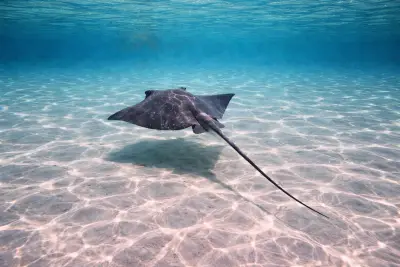
Southern Stingray
common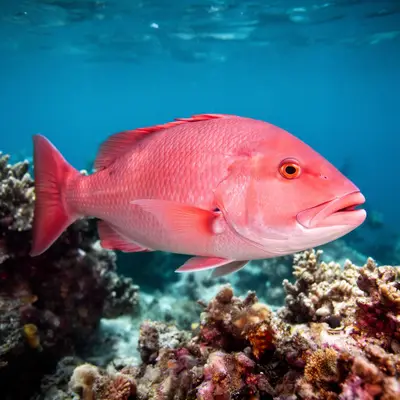
Yellowtail Snapper
common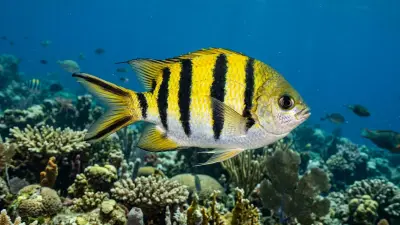
Sergeant Major
common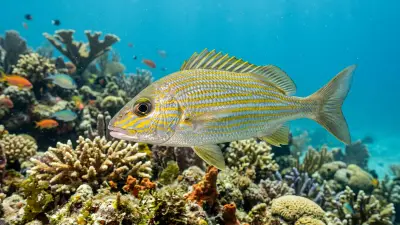
Grunt
common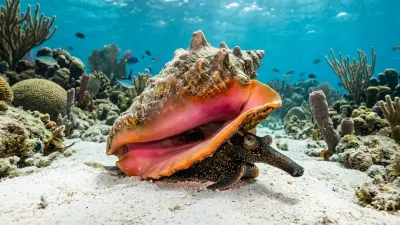
Conch
common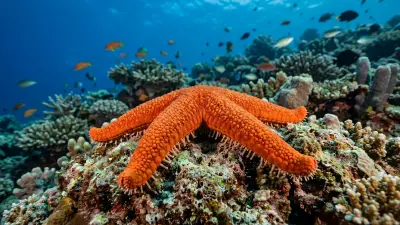
Sea Star
common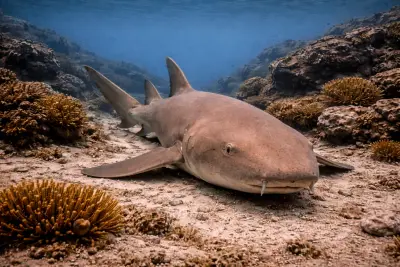
Nurse Shark
occasional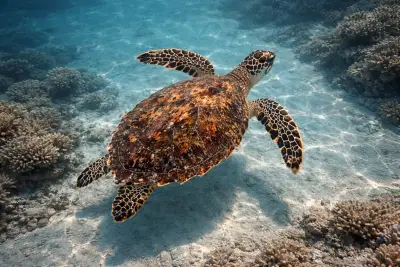
Hawksbill Turtle
occasional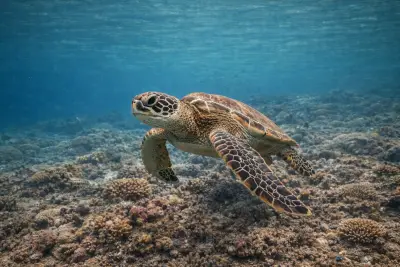
Green Turtle
occasional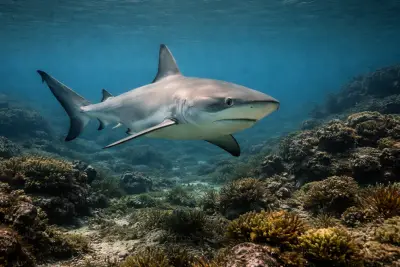
Caribbean Reef Shark
occasionalDive profile & how the dive runs
Dives at Stingray Reef typically commence with a boat drop directly onto the shallow coral and sand plateau. Divers often descend to kneel on the white sandy bottom, which reflects ambient light beautifully. The primary focus of the dive is interacting with the habituated southern stingrays, which glide and circle in the 3 to 8-meter depth range. The dive progresses by slowly moving along the reef, exploring coral heads adorned with sea fans, brain corals, and sponges, where smaller reef fish are abundant. Deeper sections of the reef or nearby areas may feature occasional sightings of nurse sharks or Caribbean reef sharks, extending the profile to around 25 meters. The dive concludes with a safety stop typically performed in the shallowest part of the reef, allowing for prolonged observation of marine life in excellent visibility.
Underwater photography
Stingray Reef offers outstanding conditions for underwater photography, particularly for wide-angle shots due to its clear water and broad marine life encounters. A wide-angle lens with external strobes is ideal for capturing the southern stingrays in their natural environment, especially given the upward reflection of light from the sandy bottom. For macro subjects such as conch, sea stars, or small reef fish, a macro lens can be rewarding, though the primary draw remains the larger animals. Maintain excellent buoyancy to avoid disturbing the sand and marine life. Patience and respectful interaction with the stingrays are key, allowing them to approach naturally for intimate portraits. The consistently good visibility, often 25-40 meters, allows for natural light photography even at moderate depths.
Combine with nearby dive sites
- Angelfish Blue Hole
A unique blue hole in Exuma, offering circling jacks and suitable for all levels with a deeper section for advanced divers.
- Crab Mountain
A wall dive in the Exumas with swim-throughs and abundant silversides and sharks.
- Danger Reef
Known for sharks and groupers meeting the boat, with high-profile corals.
- Austin Smith
A wreck in the Exumas often surrounded by Caribbean reef sharks.
Getting there & logistics
Divers typically access Stingray Reef via day boats operating from Nassau or Grand Bahama, or from the Exumas. Major international airports for arrival include Lynden Pindling International Airport (NAS) in Nassau or Freeport Grand Bahama International Airport (FPO). From these hubs, divers often take commuter planes or ferries to reach the specific out-islands. Trips to Stingray Reef are commonly offered as part of half-day or full-day excursions, sometimes combined with other nearby sites that feature sharks or turtles. While permits are not usually required for this specific reef dive, guided tours are standard, ensuring a safe and managed interaction with marine life.
Safety & environment
For dive safety in the Bahamas, the nearest recompression chamber facilities are typically located in Nassau. In case of a diving emergency at Stingray Reef, evacuation would involve boat transfer to the nearest land-based medical facility, followed by air transport to Nassau for chamber access if needed. Divers should ensure their travel and dive insurance policies cover emergency medical care and evacuation. Site-specific hazards are minimal due to the shallow depth, calm conditions, and mild currents. Divers are advised to maintain respectful conduct with the habituated stingrays, avoiding any aggressive or chasing behavior to preserve the natural interactions. Adherence to guide instructions is crucial, particularly concerning feeding protocols if offered by the operator.
Who it suits — and who it doesn't
Suited for
- Beginner divers seeking easy conditions
- Photographers aiming for clear water and marine interactions
- Families with snorkelers and divers
- Divers interested in close encounters with stingrays
- Those looking for calm, shallow reef diving
Less suited for
- Advanced divers seeking challenging currents or deep profiles
- Wreck diving enthusiasts
- Divers uninterested in animal interactions
- Those prioritizing strong pelagic action over reef life
FAQ
Stingray Reef FAQ
What is the primary attraction at Stingray Reef?
The main draw at Stingray Reef is the opportunity for close and reliable interactions with southern stingrays. These stingrays are habituated to divers, allowing for observation and photography in their natural, shallow environment, making it a unique and memorable experience.
Is Stingray Reef suitable for beginner divers?
Yes, Stingray Reef is highly suitable for beginner divers. With depths typically ranging from 3 to 8 meters, excellent visibility, and generally calm conditions with mild currents, it provides a safe and enjoyable introduction to diving. Open Water Diver certification is sufficient for this site.
What kind of marine life can I expect to see besides stingrays?
Beyond the abundant southern stingrays, the reef hosts a variety of Caribbean marine life. You can expect to see yellowtail snappers, sergeant majors, and schooling grunts around coral heads, while the sandy bottom reveals conch and sea stars. Occasional sightings of nurse sharks, Caribbean reef sharks, hawksbill, and green turtles also occur.
What is the visibility like at Stingray Reef?
Stingray Reef boasts consistently excellent visibility, often ranging from 25 to 40 meters. The shallow depth and white sandy bottom contribute to brilliant illumination and minimal particulate matter, creating exceptionally clear underwater conditions perfect for observation and photography.
How do I get to Stingray Reef?
Stingray Reef is typically accessed by boat. Dive operators offer day trips from major Bahamian hubs like Nassau or Grand Bahama. You may also find operators in the Exumas providing excursions to this site, sometimes combining it with other nearby diving attractions.
Why dive Stingray Reef from a liveaboard?
Stingray Reef is one of Bahamas's signature dive sites. A liveaboard sleeps you on the water and puts you in the water for three to four guided dives per day, including dawn and night dives that day-boat operators rarely offer. You skip the daily commute back to port and reach quieter, less-crowded sites in the same region on a single trip.
Below are the liveaboards that include Stingray Reef on their Bahamas itineraries.
Liveaboards diving Stingray Reef
These liveaboards may visit Stingray Reef on selected itineraries — the exact dive sites depend on departure, weather and conditions.
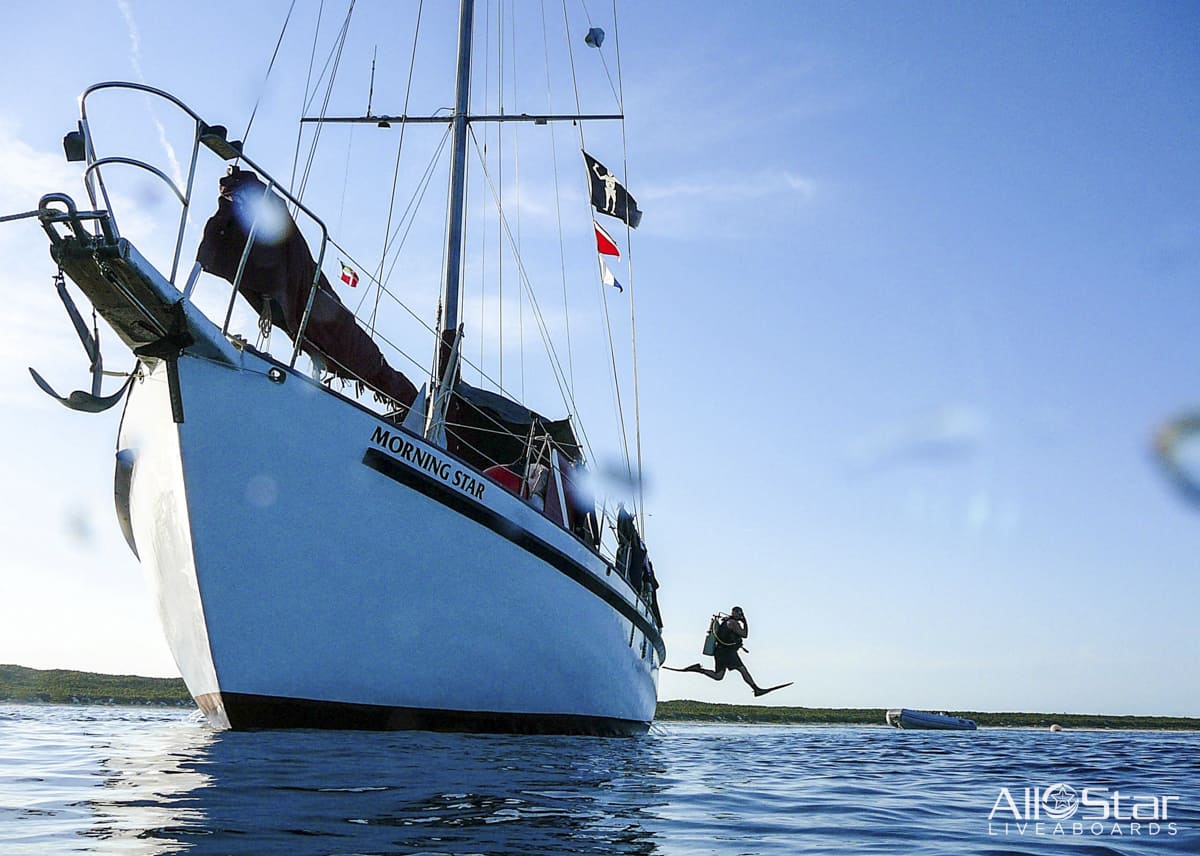
All Star Blackbeards Morning Star
Bahamas
24 guests19.81 m
$156/day
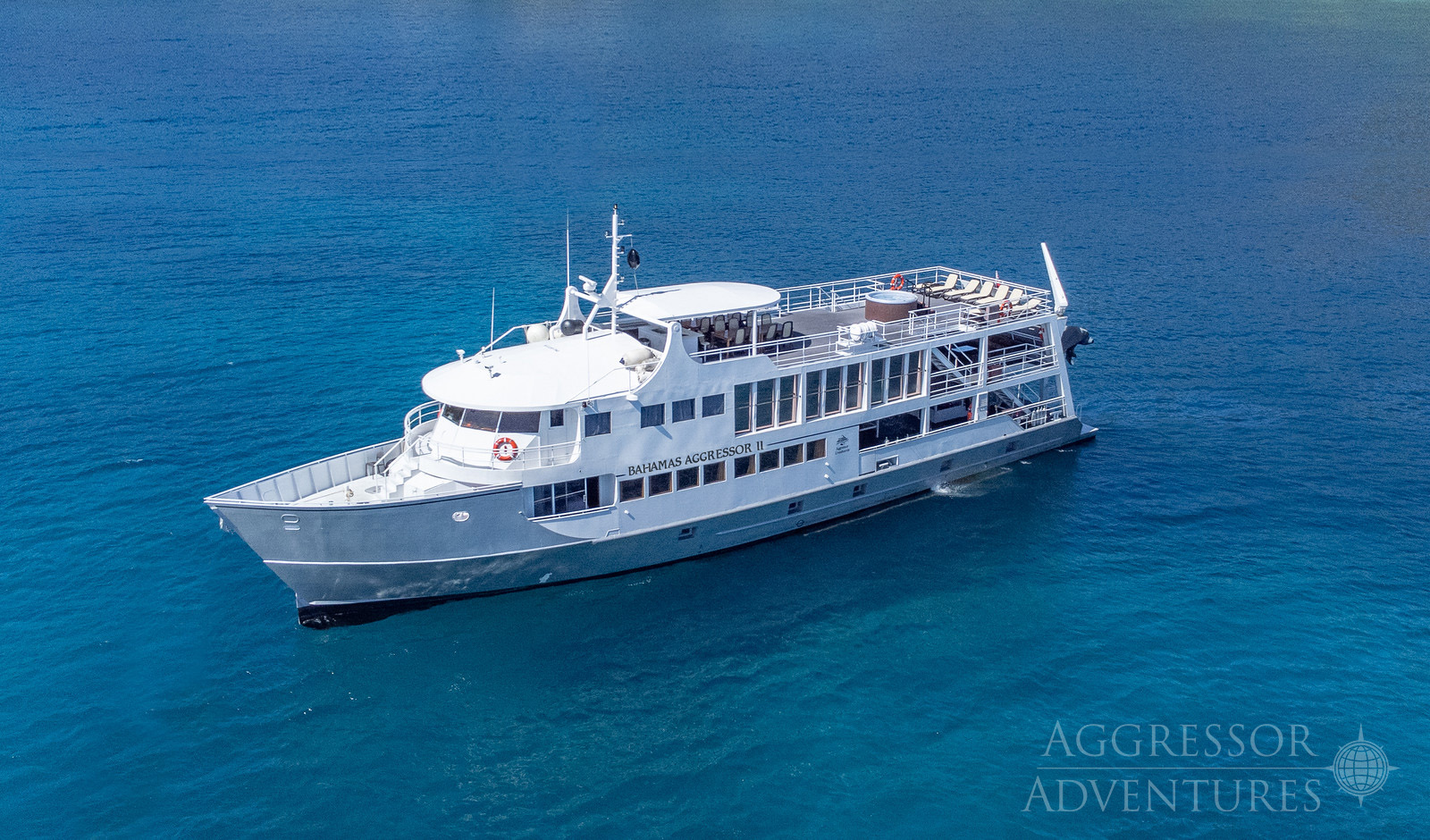
Bahamas Aggressor II
Bahamas
20 guests33.5 m
$328/day
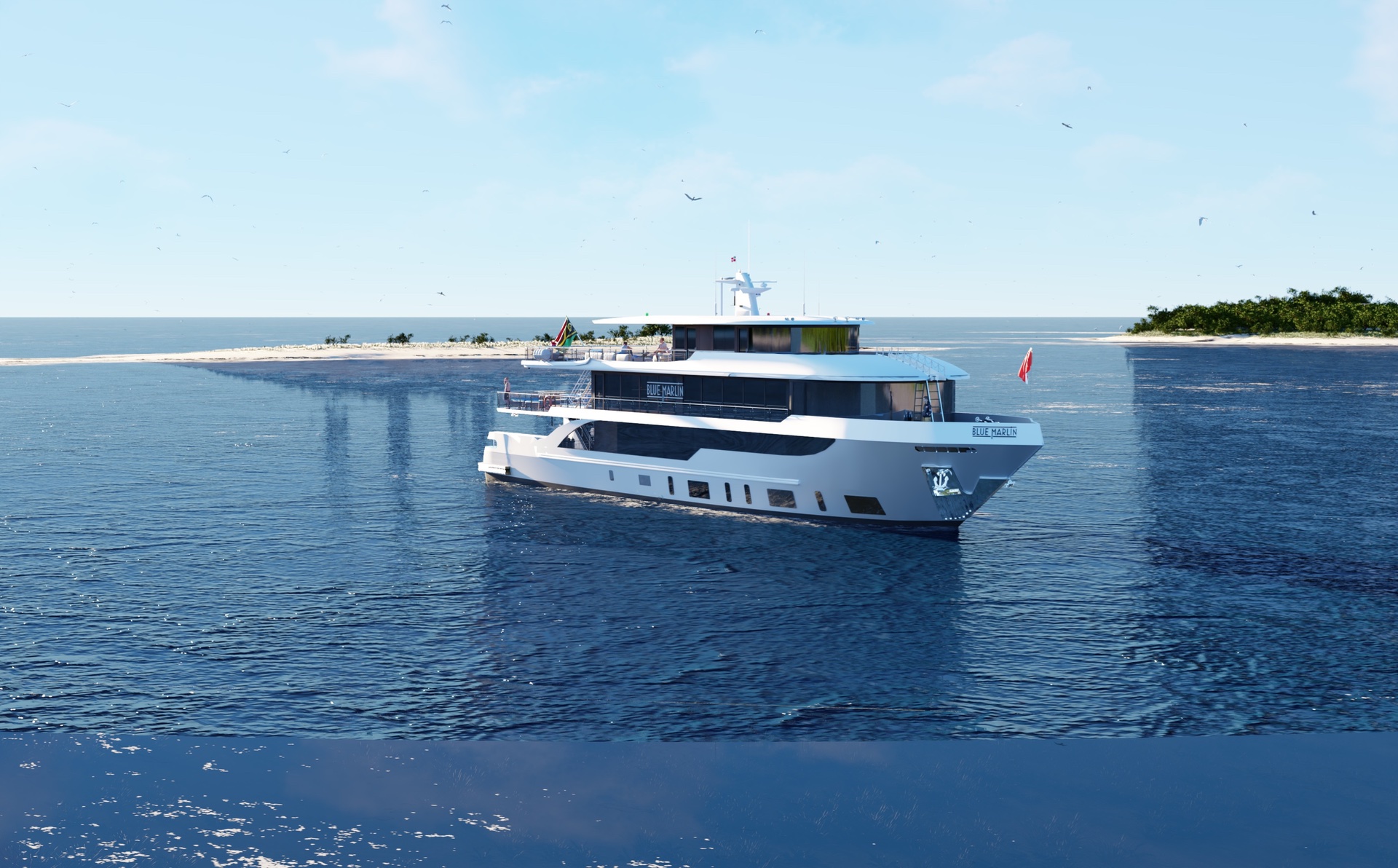
Blue Marlin
Bahamas
26 guests42 m
$318/day
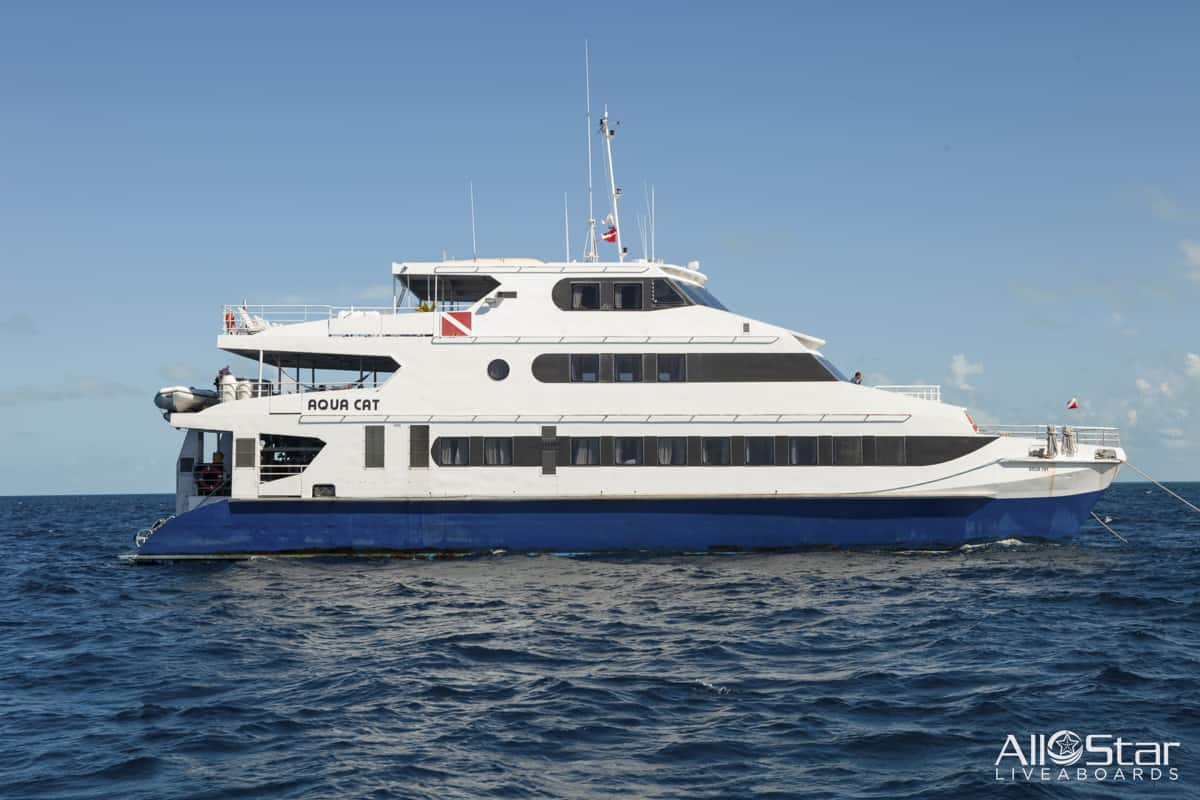
All Star Aqua Cat
Bahamas
30 guests31.09 m
$312/day
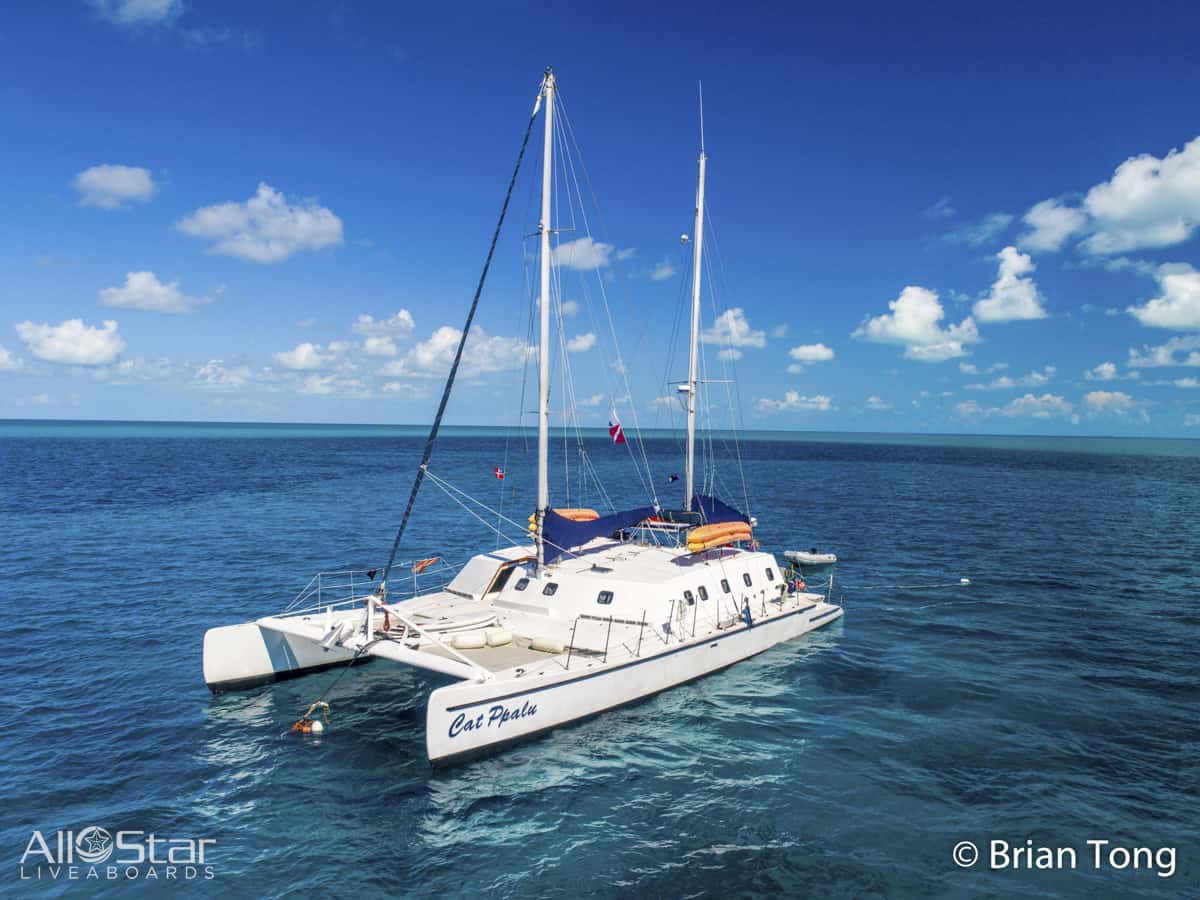
All Star Cat Ppalu
Bahamas
12 guests20 m
$237/day
Dive sites similar to Stingray Reef
Same character, same waters — six more sites divers love for the exact same reasons.Compare seasons, access and liveaboard routes — then pick the site that fits your trip best.
© Esri — Maxar, Earthstar, GIS
Cut Through City
Bahamas
Cut Through City is a standout dive site located off the coast of Eleuthera in the Bahamas, a region renowned for its diverse underwater topography.
- Suitable for
- Intermediate
- Current
- Mild
- Access
- Liveaboard only
- Depth
- 27–40 m
- Theme
- Wall / Reef
© Esri — Maxar, Earthstar, GIS
Metropolis
Bahamas
Metropolis is a standout dive site in the Bahamas, renowned for its consistent and diverse shark encounters, making it a thrilling destination for divers seeking pelagic action.
- Suitable for
- Intermediate
- Current
- Moderate
- Access
- Liveaboard only
- Depth
- ≤ 13 m
- Theme
- Reef
© Esri — Maxar, Earthstar, GIS
Mt. Olympus
Bahamas
Mt. Olympus is a dynamic dive site in the Bahamas, regularly visited by liveaboards, known for its healthy marine ecosystem and varied underwater terrain.
- Suitable for
- Advanced
- Current
- Moderate
- Access
- Liveaboard only
- Depth
- ≤ 122 m
- Theme
- Reef / Drift
© Esri — Maxar, Earthstar, GIS
Austin Smith Wreck
Bahamas
The Austin Smith Wreck, originally named HMBS Flamingo, was a 90-foot Bahamian Defense Force cutter that was decommissioned in 1995. Intended for use as an artificial reef, it…
- Suitable for
- Intermediate
- Current
- Moderate
- Access
- Liveaboard only
- Depth
- 18–18 m
- Theme
- Wreck / Reef
© Esri — Maxar, Earthstar, GIS
Split Coral Head
Bahamas
Split Coral Head is a notable dive site located in Eleuthera, Bahamas, celebrated for its impressive coral formations and the distinctive split in a massive coral head from which it derives its name.
- Suitable for
- Beginner
- Current
- No current
- Access
- Liveaboard only
- Depth
- 14–17 m
- Theme
- Reef
© Esri — Maxar, Earthstar, GIS
Danger Reef
Bahamas
Danger Reef is an integral part of the Exuma Cay Reef Dives, nestled within the expansive Exuma Cays.
- Suitable for
- Intermediate
- Current
- Mild
- Access
- Liveaboard only
- Depth
- ≤ 18 m
- Theme
- Reef