About Elbow Cay
Elbow Cay, located in the Abaco Islands of the Bahamas, is celebrated for its exceptional diving and snorkeling opportunities. The area boasts an extensive reef system that extends for approximately 100 miles, running from Walker Cay down to just south of Elbow Cay itself. This geographical positioning allows Atlantic Ocean nutrients to flow in, fostering a rich and diverse ecosystem. The topography around Elbow Cay includes numerous unique dive spots, encompassing vibrant coral reefs, intriguing underwater caves, and historical wrecks. While some deeper parts of the reef reach around 18 meters (60 feet), the calm, clear, and warm waters make it equally ideal for both new divers practicing skills and advanced divers seeking diverse marine encounters. The waters are renowned for sensational coral formations and an abundance of marine life. This area benefits from protected status in parts, like nearby Fowl Cay, Sandy Cay, and Pelican Cay National Parks, which help preserve its incredible underwater environments. The clarity of the water consistently ensures brilliant visibility, enhancing every dive. Diving here offers a blend of relaxed reef explorations and opportunities to uncover unique underwater structures. The prevailing conditions provide a comfortable diving experience year-round, suitable for various skill levels looking to immerse themselves in the rich biodiversity of the Bahamas.
Highlights
Extensive reef systemVibrant coral formationsUnderwater cavesHistorical wrecksDiverse marine lifeCrystal clear watersProtected marine parksAtlantic nutrient flow
Season calendar
Best months to dive here
Jan
Feb
Mar
Apr
May
Jun
Jul
Aug
Sep
Oct
Nov
Dec
Excellent
Dive site facts: Elbow Cay
- Depth
- Up to 18 m
- Current
- Mild to moderate
- Visibility
- 20–40 m (65–130 ft)
- Water temperature
- 24–29°C (75–84°F)
- Entry
- Boat
- Level
- All certification levels
- Dive type
- Reef, wreck, cave
- Region / port
- Abaco Islands, Bahamas
- Coordinates
- 26.5400° N, 76.9276° W
Conditions & Currents
Dive sites around Elbow Cay generally experience mild to moderate currents, typical of many Bahamian reef systems, although specific conditions can vary. The clear waters and fixed bottom create stable environments that are good for divers of varying experience levels. Entry and exit procedures usually involve standard boat-based methods, allowing divers to easily access the reef. Visibility remains consistently excellent, often ranging from 20 to 40 meters (65-130 feet), ensuring clear views of the extensive coral formations and marine life. While specific thermocline data for Elbow Cay is not provided, water temperatures are comfortable year-round, ranging from 24-29°C (75-84°F), which means thermal discomfort from thermoclines is unlikely. The general calm conditions prevalent in the Abacos reduce concerns about significant surge or unpredictable boat traffic.
Marine life & sighting chances
Colorful fish
commonSea turtles
common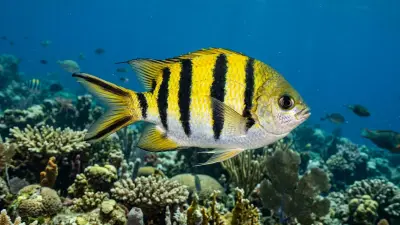
Sergeant majors
commonJuvenile blueheads
common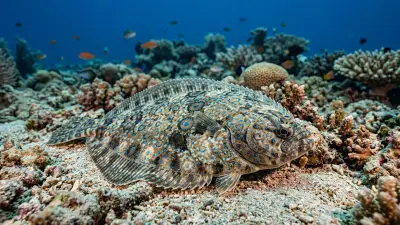
Peacock flounders
occasional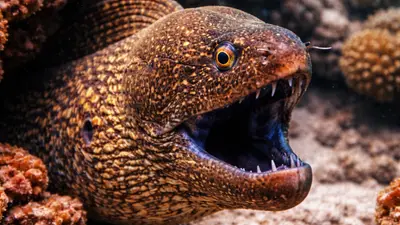
Moray eels
common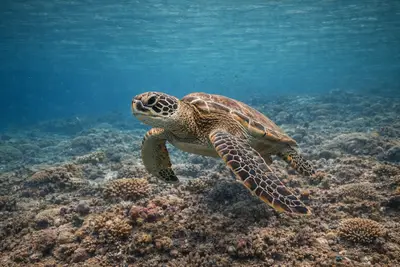
Green turtles
common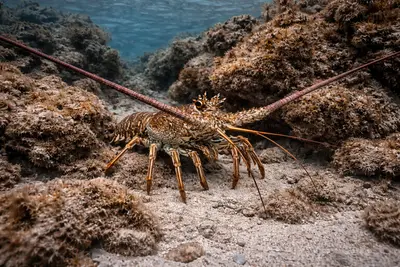
Lobsters
commonDive profile & how the dive runs
Diving at Elbow Cay typically begins with a boat entry to one of its many reef or wreck sites. Divers often follow a shallow progression across vibrant coral gardens, exploring the extensive reef system with depths generally around 12 to 18 meters (40 to 60 feet). Routes may incorporate visits to the surrounding protected areas like Sandy Cay, Fowl Cay, or Pelican Cay for maximum marine life observation. If exploring a wreck like The Willaurie, the dive will focus on the structure and its inhabitants. For those interested in underwater caves, the profile will include careful navigation through these formations, maintaining good buoyancy. Due to the generally clear conditions and mild currents, divers can often enjoy extended bottom times. Safety stops are conducted at 5 meters for 3 minutes, typically near the boat or a designated reef section before ascending to the surface.
Underwater photography
Elbow Cay's crystal-clear waters and vibrant reef systems make it an excellent location for wide-angle photography, capturing the expansive coral formations and abundant fish life. A fisheye lens is highly recommended for showcasing the scale of the reefs and any larger marine encounters like sea turtles. Ambient light photography works well in the shallow, well-illuminated depths, but external strobes are beneficial for color rendition, especially when shooting into shaded areas or wrecks. Maintain exemplary buoyancy control to avoid damaging delicate corals, particularly within the protected areas. When photographing marine life, approach slowly and observe natural behavior without disturbing the animals. For macro subjects, especially within the wrecks or quieter reef sections, a macro lens can capture the smaller inhabitants like juvenile fish or nudibranchs.
Combine with nearby dive sites
- Fowl Cay
Part of the National Park system protecting the extensive reef
- Sandy Cay
A protected area within the Abaco reef system
- Pelican Cay
National Park helping protect the incredible reef
- Mermaid Reef
Known for vibrant marine life and shallow, warm waters near Marsh Harbour
- The Vulcan Bomber
A James Bond film wreck, though further from Elbow Cay, it's a prominent Bahamas wreck
Getting there & logistics
Access to Elbow Cay typically involves flying into one of the Bahamas' international airports, such as Lynden Pindling International Airport (NAS) in Nassau, and then connecting to a domestic flight or ferry to the Abaco Islands. Many dive trips to Elbow Cay are part of sailing charters or liveaboard itineraries focused on the Abacos, offering flexibility for exploring multiple sites. Trip lengths vary, but a 7-day charter itinerary is common for fully experiencing the region. While general dive sites in the Bahamas do not usually require permits, exploring national parks like those surrounding Elbow Cay emphasizes responsible diving practices. Liveaboards and resort-based operators in the Abacos provide daily boat dives, often combining reef and wreck explorations for a varied underwater experience.
Safety & environment
For dive emergencies around Elbow Cay, the nearest recompression chamber is generally in Nassau, which is a significant distance requiring air evacuation. Divers must carry comprehensive dive insurance that covers emergency medical treatment and air evacuation for potential incidents. Site-specific hazards are minimal due to the generally calm conditions and mild currents, but divers should always heed local dive master briefings. Adherence to depth limits and no-decompression limits is crucial. Responsible diving conduct, such as maintaining good buoyancy and avoiding contact with marine life, is expected, especially within protected areas like the nearby national parks, to preserve the delicate ecosystem. Always dive with a reputable operator and ensure your equipment is well-maintained.
Who it suits — and who it doesn't
Suited for
- New divers looking to practice skills
- Experienced divers seeking diverse reef and wreck sites
- Underwater photographers due to clear waters
- Families interested in snorkeling and shallow diving
- Liveaboard guests exploring the Abacos
Less suited for
- Divers seeking extreme depth or technical diving challenges
- Those primarily interested in large pelagic or shark encounters (while present, not the primary focus)
- Divers preferring shore diving access
- Individuals sensitive to boat travel, as sites are boat-accessed
FAQ
Elbow Cay FAQ
What kind of marine life can I expect to see at Elbow Cay?
Elbow Cay's vibrant coral reefs and protected waters host a rich array of marine life. Divers commonly encounter colorful reef fish, sea turtles, moray eels, lobsters, and sergeant majors. The extensive reef system ensures a high diversity of smaller species and healthy coral formations.
What are the typical dive depths and visibility like?
Dive depths around Elbow Cay generally range up to 18 meters (60 feet), making it accessible for various certification levels. Visibility is consistently excellent, often between 20 to 40 meters (65 to 130 feet), providing clear views of the underwater landscape and its inhabitants. The clear conditions enhance both diving and snorkeling experiences.
Are there any wrecks or unique underwater features to explore?
Yes, Elbow Cay is surrounded by multiple dive spots that include both natural formations and artificial reefs. Divers can explore fascinating underwater caves and historical wrecks, such as The Willaurie. These sites offer unique topographical features beyond the vibrant coral gardens.
Is Elbow Cay suitable for beginner divers?
Elbow Cay is very suitable for beginner divers due to its calm, clear, and warm waters. With depths primarily in the shallower range and mild currents, new divers can comfortably practice their skills and enjoy the rich marine life. The area's stability makes it an excellent choice for those gaining experience.
When is the best time of year to dive at Elbow Cay?
The ideal time to dive at Elbow Cay, like much of the Bahamas, is during the dry season from November to May for stable weather and peak visibility. However, the shoulder seasons in May-June and November also offer excellent conditions with fewer crowds and comfortable water temperatures. Diving is possible year-round, with summer months providing warmer water and fewer divers.
Why dive Elbow Cay from a liveaboard?
Elbow Cay is one of Bahamas's signature dive sites. A liveaboard sleeps you on the water and puts you in the water for three to four guided dives per day, including dawn and night dives that day-boat operators rarely offer. You skip the daily commute back to port and reach quieter, less-crowded sites in the same region on a single trip.
Below are the liveaboards that include Elbow Cay on their Bahamas itineraries.
Liveaboards diving Elbow Cay
These liveaboards may visit Elbow Cay on selected itineraries — the exact dive sites depend on departure, weather and conditions.
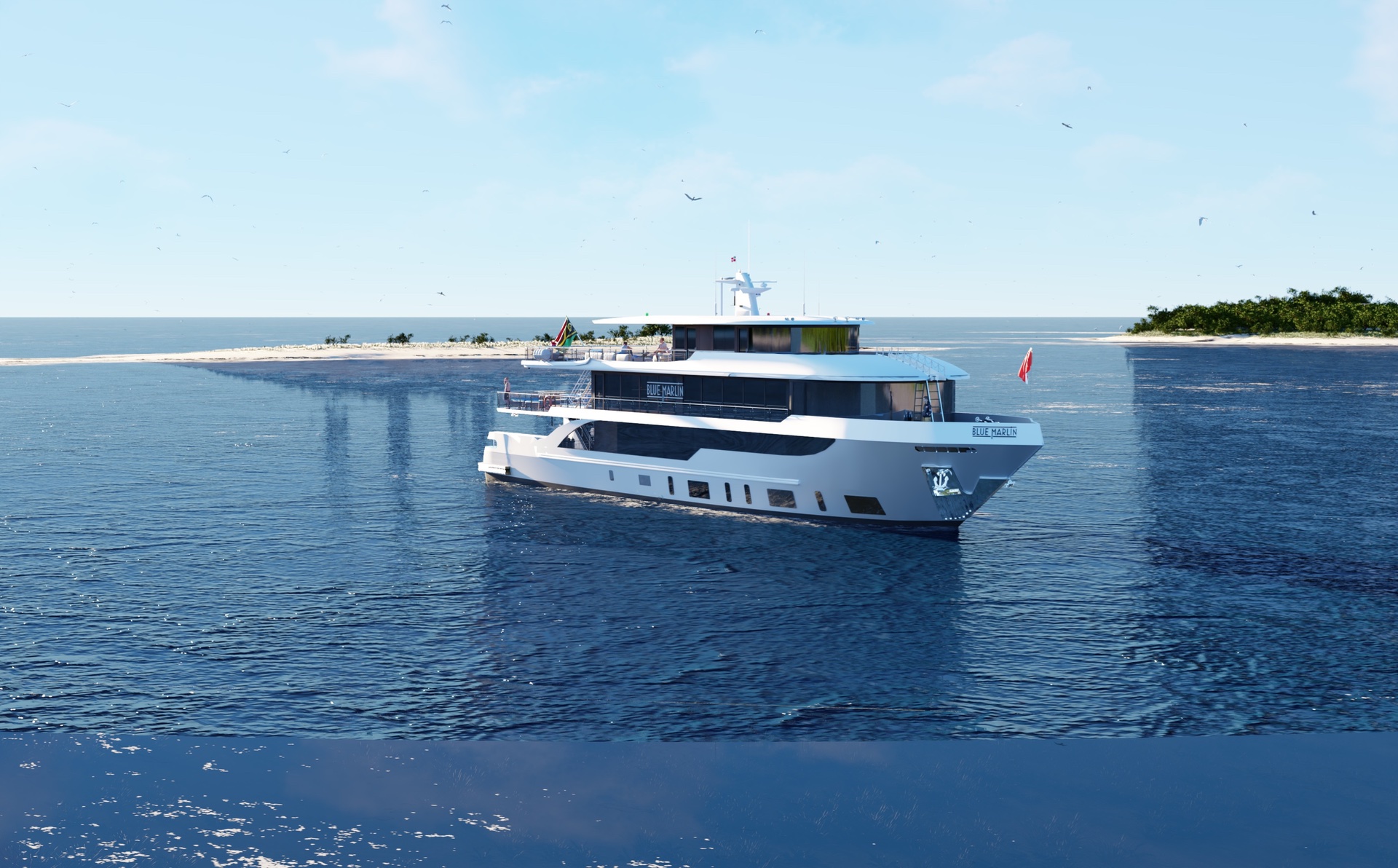
Blue Marlin
Bahamas
26 guests42 m
$318/day
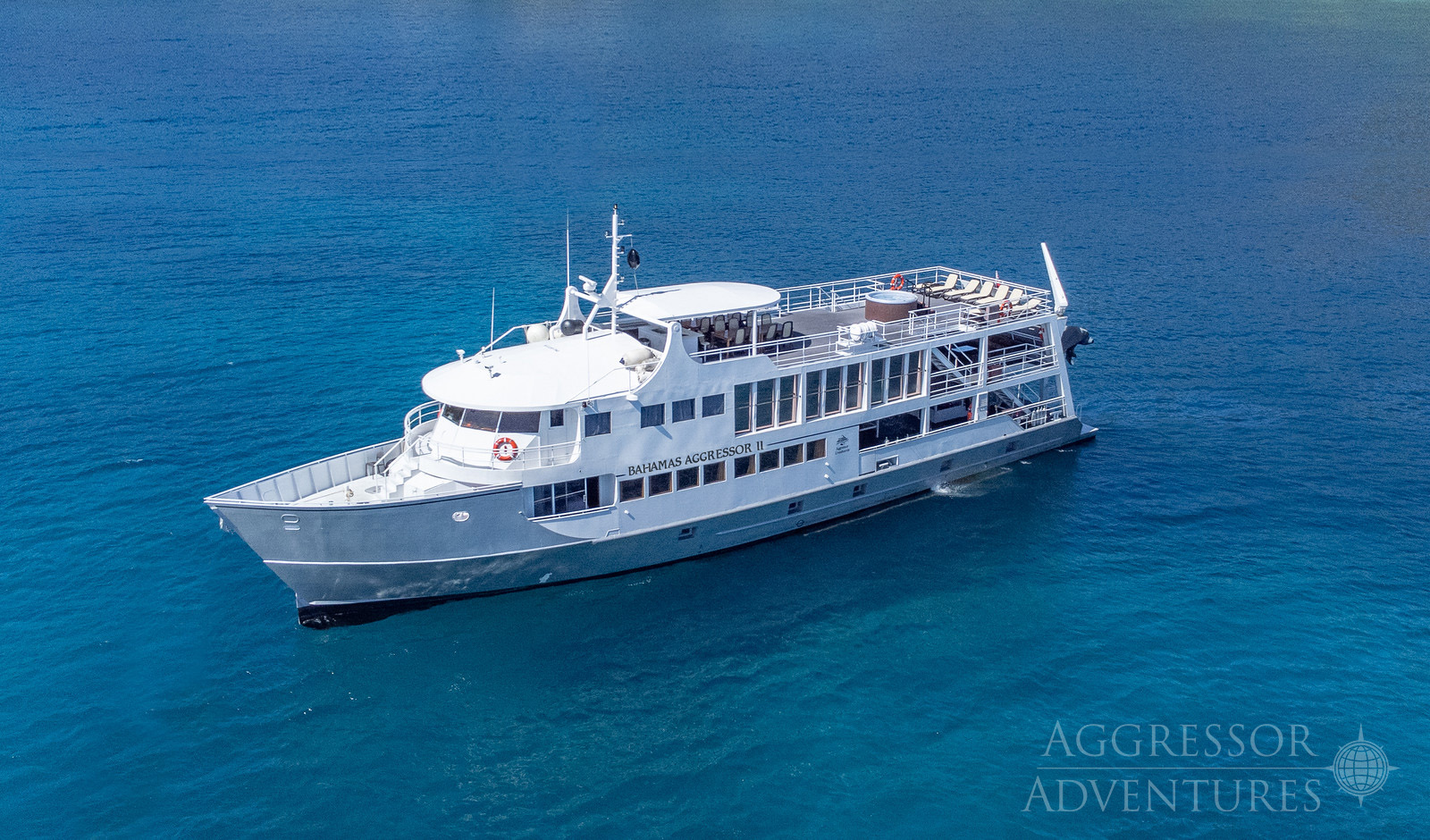
Bahamas Aggressor II
Bahamas
20 guests33.5 m
$328/day
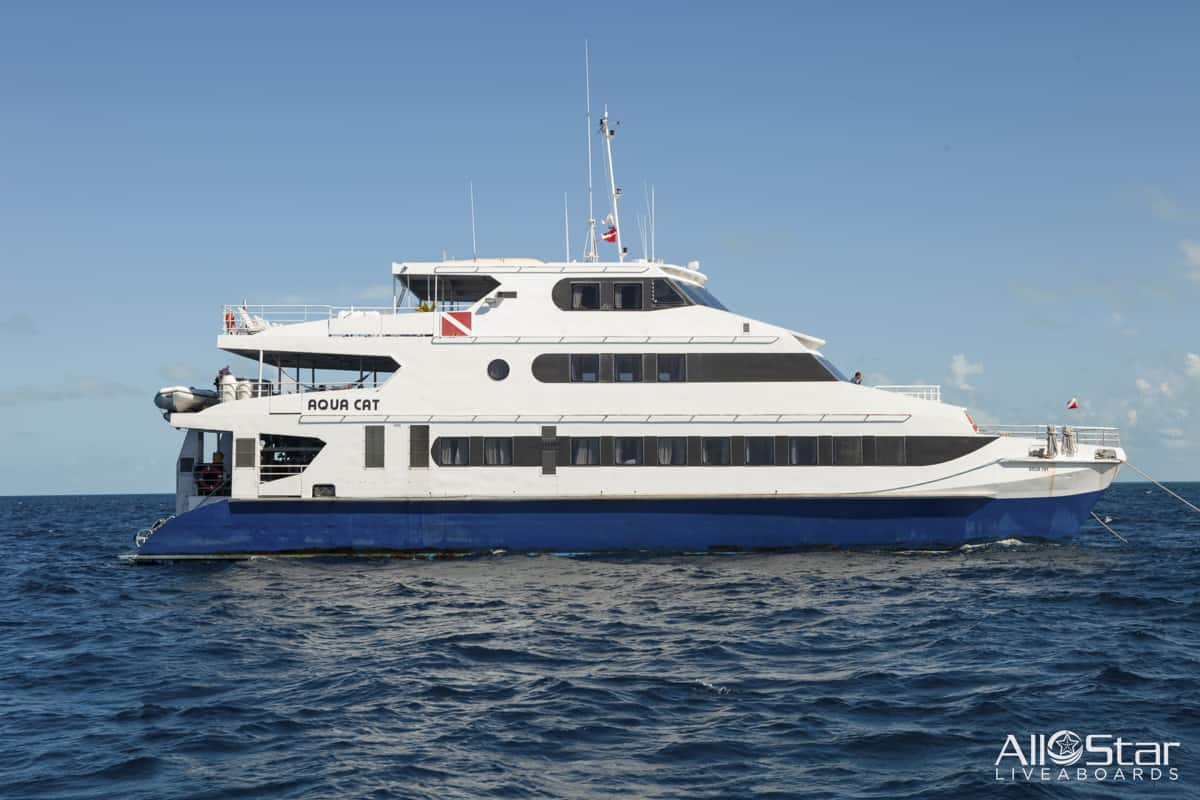
All Star Aqua Cat
Bahamas
30 guests31.09 m
$312/day
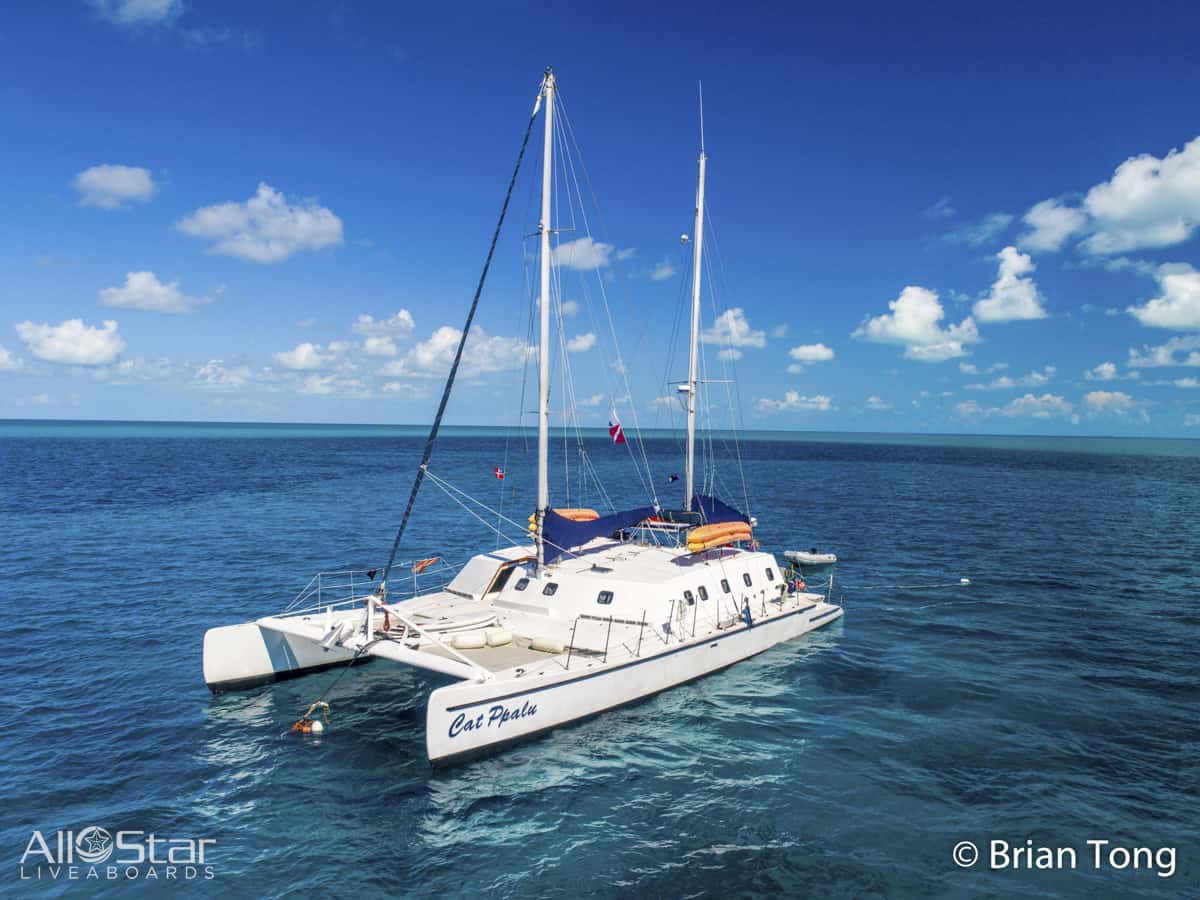
All Star Cat Ppalu
Bahamas
12 guests20 m
$237/day
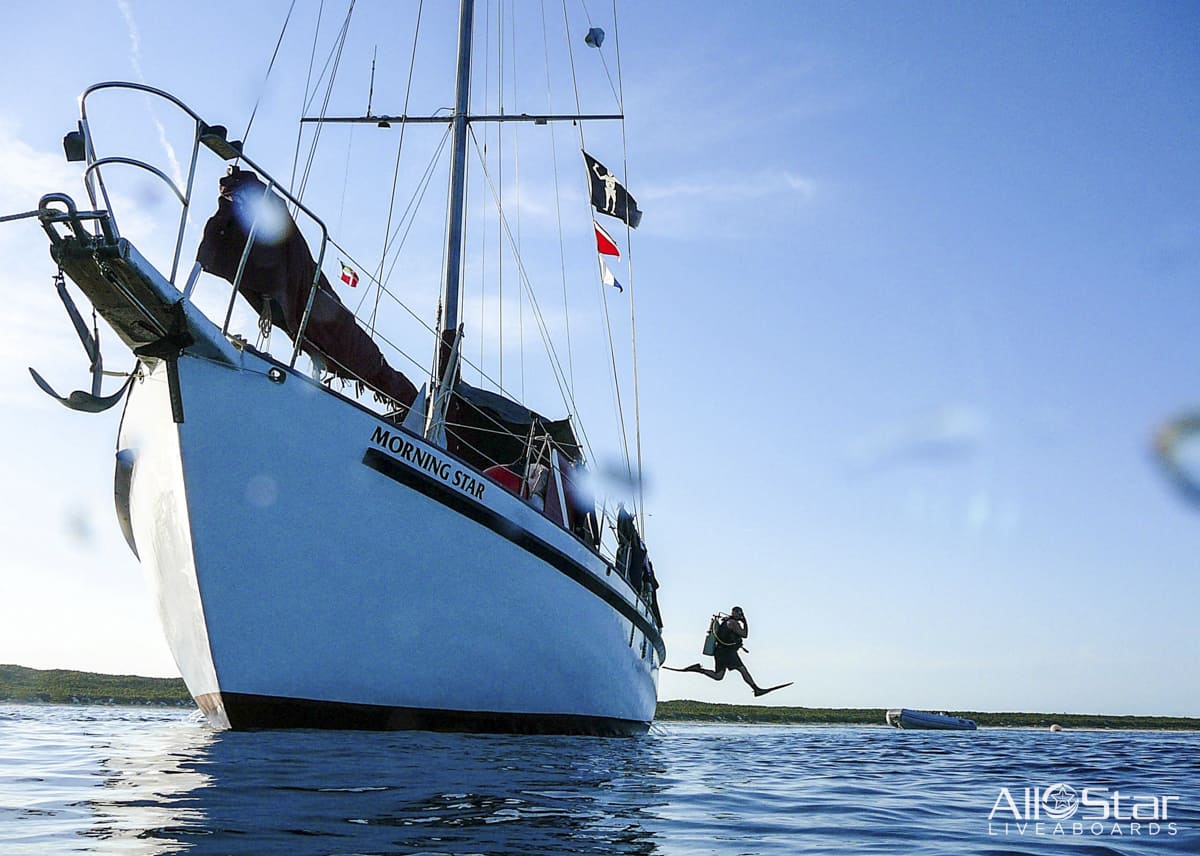
All Star Blackbeards Morning Star
Bahamas
24 guests19.81 m
$156/day
Dive sites similar to Elbow Cay
Same character, same waters — six more sites divers love for the exact same reasons.Compare seasons, access and liveaboard routes — then pick the site that fits your trip best.
Cut Through City
Bahamas
Cut Through City is a standout dive site located off the coast of Eleuthera in the Bahamas, a region renowned for its diverse underwater topography.
- Suitable for
- Intermediate
- Current
- Mild
- Access
- Liveaboard only
- Depth
- 27–40 m
- Theme
- Wall / Reef
Metropolis
Bahamas
Metropolis is a standout dive site in the Bahamas, renowned for its consistent and diverse shark encounters, making it a thrilling destination for divers seeking pelagic action.
- Suitable for
- Intermediate
- Current
- Moderate
- Access
- Liveaboard only
- Depth
- ≤ 13 m
- Theme
- Reef
Mt. Olympus
Bahamas
Mt. Olympus is a dynamic dive site in the Bahamas, regularly visited by liveaboards, known for its healthy marine ecosystem and varied underwater terrain.
- Suitable for
- Advanced
- Current
- Moderate
- Access
- Liveaboard only
- Depth
- ≤ 122 m
- Theme
- Reef / Drift
Austin Smith Wreck
Bahamas
The Austin Smith Wreck, originally named HMBS Flamingo, was a 90-foot Bahamian Defense Force cutter that was decommissioned in 1995. Intended for use as an artificial reef, it…
- Suitable for
- Intermediate
- Current
- Moderate
- Access
- Liveaboard only
- Depth
- 18–18 m
- Theme
- Wreck / Reef
Cousteau's Blue Hole
Bahamas
Cousteau's Blue Hole, located on Andros Island, is an inland blue hole known for its distinctive light effects created by sun rays entering its wide opening.
- Suitable for
- Advanced
- Current
- No current
- Access
- Dayboat
- Depth
- 10–60 m
- Theme
- Cave & cavern
Split Coral Head
Bahamas
Split Coral Head is a notable dive site located in Eleuthera, Bahamas, celebrated for its impressive coral formations and the distinctive split in a massive coral head from which it derives its name.
- Suitable for
- Beginner
- Current
- No current
- Access
- Liveaboard only
- Depth
- 14–17 m
- Theme
- Reef