About Pelican Cays
Pelican Cays Land and Sea Park, nestled within the Abaco Islands of the Bahamas, offers a serene and protected underwater environment ideal for divers of all skill levels. This marine sanctuary is celebrated for its remarkably calm and easy diving conditions, making it a perfect introduction to the rich biodiversity of the Bahamas. The park's shallow depths ensure extended bottom times and excellent light penetration, illuminating a kaleidoscope of marine flora and fauna. The topography features extensive, thriving coral gardens that create a vibrant underwater landscape. These reefs are home to a diverse array of tropical fish and provide crucial habitats for larger marine species. While specific geological formations like walls or blue holes are less prominent here compared to other Bahamian sites, the emphasis is on the healthy, colorful reef ecosystems. Marine life at Pelican Cays is abundant and accessible. Divers can expect frequent encounters with colorful reef fish, playful bottlenose dolphins, and various other species that thrive within the protected waters. The calm conditions and clear visibility allow for close observation of this dynamic ecosystem year-round. Practical dive experiences here typically involve leisurely explorations of the shallow reefs. Entry and exit are generally straightforward due to the calm seas. This site is often part of liveaboard or day trip itineraries exploring the Abaco region, offering a tranquil contrast to more challenging Bahamian dive sites.
Highlights
Vibrant coral gardensCalm, easy diving conditionsAbundant reef fishBottlenose dolphin sightingsProtected marine sanctuary
Season calendar
Best months to dive here
Jan
Feb
Mar
Apr
May
Jun
Jul
Aug
Sep
Oct
Nov
Dec
Excellent
Dive site facts: Pelican Cays
- Depth
- 5–15 m
- Typical dive
- 5–15 m, 50–60 min
- Current
- Mild
- Visibility
- 20–40 m
- Water temperature
- 24–29°C
- Entry
- Boat / easy descent
- Level
- Beginner friendly
- Dive type
- Reef, marine life, photography
- Night dive
- Possible
- Region / port
- Abaco Islands
- Coordinates
- 26.35, -76.96
Conditions & Currents
Pelican Cays is renowned for its easy and calm diving conditions, making it highly accessible for beginners and those seeking relaxed explorations. Currents are typically minimal within the protected boundaries of the Land and Sea Park, ensuring a comfortable experience without significant drift. Visibility is consistently excellent, often ranging from 20 to 40 meters (65–130 feet), providing clear views of the vibrant marine life and coral formations. Water temperatures remain warm throughout the year, from 24-29°C (75–84°F), reducing the need for heavy wetsuits. There are generally no strong thermoclines or surge issues, contributing to the site's reputation for gentle diving. Divers can expect straightforward entry and exit directly from dive boats or tenders, with no complex techniques required.
Marine life & sighting chances
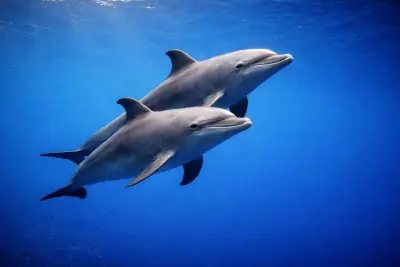
Bottlenose dolphin
occasional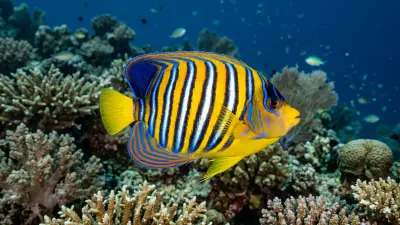
Angelfish
common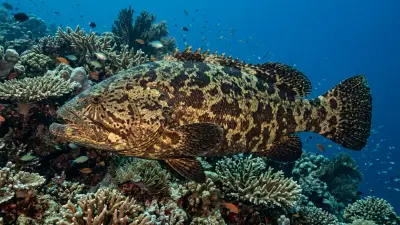
Grouper
common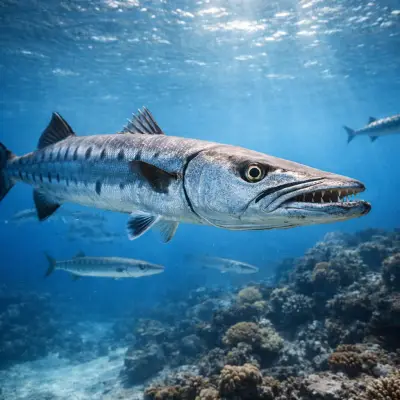
Barracuda
occasional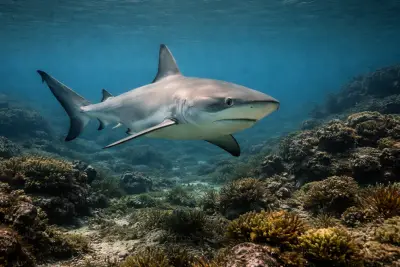
Caribbean reef shark
occasional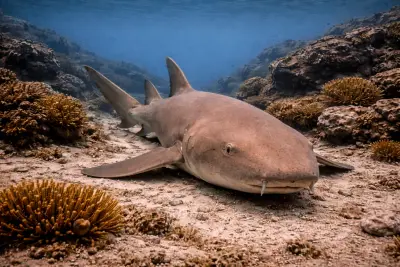
Nurse shark
occasional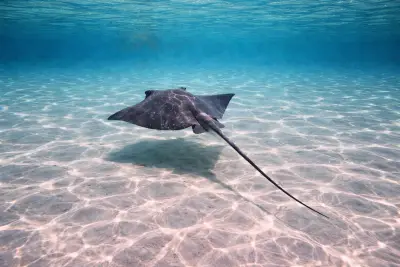
Stingray
occasional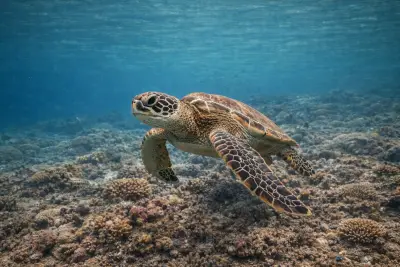
Green turtle
occasional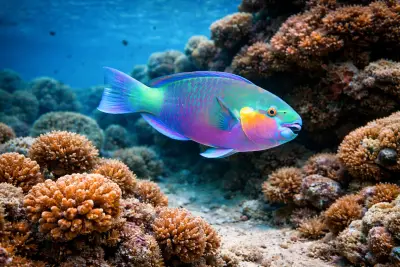
Parrotfish
common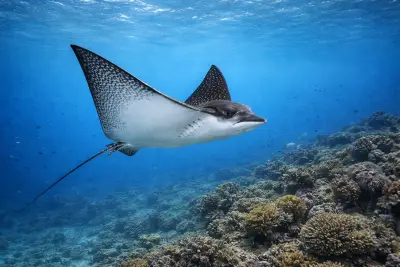
Spotted eagle ray
occasionalDive profile & how the dive runs
Dives at Pelican Cays typically commence with a direct descent from the boat into the shallow, calm waters, usually around 5-15 meters deep. The entry point is chosen to be close to the most vibrant coral formations. Divers follow the natural contours of the reef, moving slowly to observe the abundant marine life. The route often involves a gentle drift along sections of the reef, allowing for a relaxed pace. Due to the shallow depths, bottom times are often extended. The turn point is determined by air consumption or the dive guide's signal, typically halfway through the planned dive time. Ascent is gradual, with a safety stop performed at 5 meters, often above a particularly interesting coral head or schooling fish, before surfacing directly to the waiting boat.
Underwater photography
Pelican Cays, with its clear, shallow waters and vibrant coral reefs, is an excellent location for underwater photography, particularly for wide-angle and macro shots. For capturing the expansive reef scenes and occasional dolphin encounters, a wide-angle lens is recommended. The excellent natural light penetration means strobes can be used to bring out the true colors of the corals and fish, though ambient light photography is also very effective here. For macro enthusiasts, the intricate reef structure provides ample opportunities to find smaller critters, so having a macro lens on hand can yield stunning detail shots. Maintaining good buoyancy is essential to avoid damaging the delicate coral formations. Always approach marine life slowly and respectfully, keeping a safe distance to minimize disturbance and ensure natural behavior for your photographs.
Combine with nearby dive sites
- Andros Barrier Reef
The Andros Barrier Reef, located off Andros Island in the Bahamas, is the third-largest barrier reef system globally, stretching over 140…
- Thunderball Grotto
Thunderball Grotto, nestled in the Exuma Cays of The Bahamas, is an intricate underwater cave system renowned for its cinematic history and…
- The Washing Machine
The Washing Machine is a renowned drift dive site located in the Exuma Cays, specifically off Highbourne Cay in the northern part of the…
- Exuma Cays Land & Sea Park
The Exuma Cays Land & Sea Park, established in 1958, holds the distinction of being the first marine reserve in the wider Caribbean…
- Lost Blue Hole
The Lost Blue Hole, situated off Andros Island and approximately 16 kilometers (10 miles) east of Nassau, presents a unique and captivating…
Getting there & logistics
Access to Pelican Cays, located in the Abaco Islands, typically involves flying into Marsh Harbour Airport (MHH) on Great Abaco Island. International travelers often connect through Lynden Pindling International Airport (NAS) in Nassau, or Freeport Grand Bahama International Airport (FPO). From Marsh Harbour, local boats or liveaboards provide transport to the dive sites within the park. Dive trips to Pelican Cays are frequently integrated into broader itineraries exploring the Abacos or as part of liveaboard cruises that visit multiple Bahamian islands. Trip lengths vary, but typical liveaboard trips range from 7 to 10 days. As a protected area, some park fees may apply, usually included in your liveaboard or dive operator package. Inter-island travel within the Bahamas is facilitated by commuter planes or ferries, allowing for combination trips with other dive-rich regions.
Safety & environment
Diving at Pelican Cays is generally very safe due to the calm conditions and shallow depths. Divers should always carry personal dive insurance covering emergency medical care and evacuation. The nearest recompression chamber is located in Nassau, requiring an air evacuation in the event of a serious dive emergency, which can be complex and expensive without proper insurance. Divers should adhere to all park regulations, which emphasize marine conservation and responsible diving practices. Always dive within your training and comfort limits, and ensure your equipment is well-maintained. Given the protected status of the area, touching marine life or taking souvenirs is strictly prohibited. Listen carefully to your dive guide's briefing regarding local conditions and emergency procedures to ensure a safe and enjoyable experience.
Who it suits — and who it doesn't
Suited for
- Beginner divers
- Underwater photographers (macro & wide-angle)
- snorkelers
- Families with mixed diving abilities
- Those seeking calm, relaxed dives
Less suited for
- Technical divers seeking deep or complex profiles
- Divers focused solely on pelagic encounters
- Those preferring strong currents and drift dives
- Wreck diving enthusiasts
- Divers looking for extreme adrenaline experiences
FAQ
Pelican Cays FAQ
What is the water temperature like at Pelican Cays?
The water temperature at Pelican Cays is consistently warm, ranging from 24-29°C (75–84°F) throughout the year. During the summer months, temperatures can reach up to 31°C (88°F), while winter months see them drop to around 24-27°C (75–80°F). This allows for comfortable diving, often in just a shorty wetsuit or even a rash guard during the warmest periods.
Is Pelican Cays suitable for new divers?
Yes, Pelican Cays is highly recommended for new divers due to its easy and calm diving conditions. The shallow depths, typically ranging from 5 to 15 meters, combined with minimal currents and excellent visibility, create a very forgiving and enjoyable environment for those just starting out. It's an ideal place to build confidence and observe diverse marine life.
What kind of marine life can I expect to see at Pelican Cays?
Pelican Cays is home to a vibrant array of marine life. Divers can frequently spot colorful reef fish like angelfish and parrotfish, as well as grouper and barracuda. Occasional sightings include bottlenose dolphins, stingrays, nurse sharks, and even green turtles. The protected nature of the park supports a rich and thriving ecosystem.
How clear is the water visibility at Pelican Cays?
The water visibility at Pelican Cays is exceptionally good, often ranging from 20 to 40 meters (65–130 feet). This high level of clarity is consistent throughout the year, offering spectacular views of the coral reefs and marine inhabitants. Excellent visibility greatly enhances the diving and snorkeling experience, allowing for clear photography and observation.
How do I get to Pelican Cays?
To reach Pelican Cays, you typically fly into Marsh Harbour Airport (MHH) in the Abaco Islands. Major international airports in Nassau (NAS) or Freeport (FPO) serve as common connection points for international travelers. From Marsh Harbour, local dive operators or liveaboards provide boat transfers directly to the park. The site is often included in wider itineraries exploring the Abaco region.
Why dive Pelican Cays from a liveaboard?
Pelican Cays is one of Bahamas's signature dive sites. A liveaboard sleeps you on the water and puts you in the water for three to four guided dives per day, including dawn and night dives that day-boat operators rarely offer. You skip the daily commute back to port and reach quieter, less-crowded sites in the same region on a single trip.
Below are the liveaboards that include Pelican Cays on their Bahamas itineraries.
Liveaboards diving Pelican Cays
These liveaboards may visit Pelican Cays on selected itineraries — the exact dive sites depend on departure, weather and conditions.
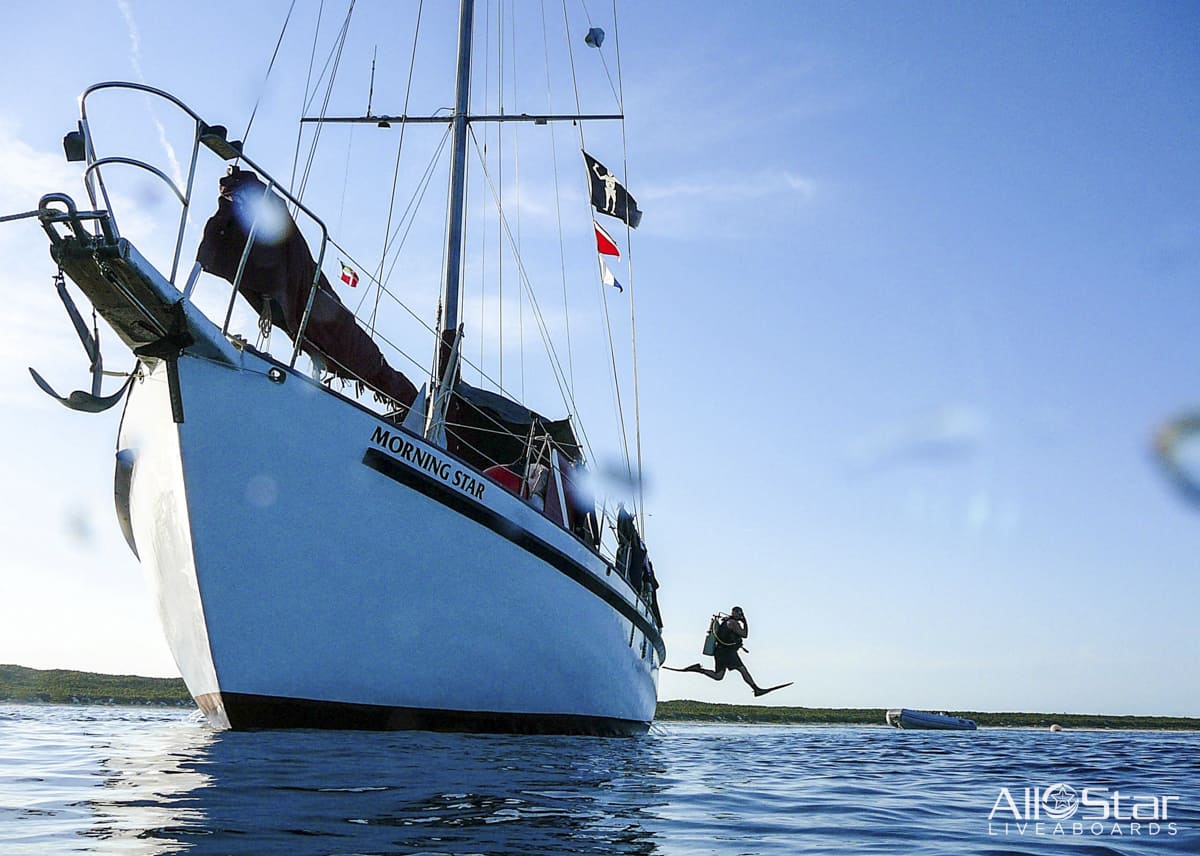
All Star Blackbeards Morning Star
Bahamas
24 guests19.81 m
$156/day
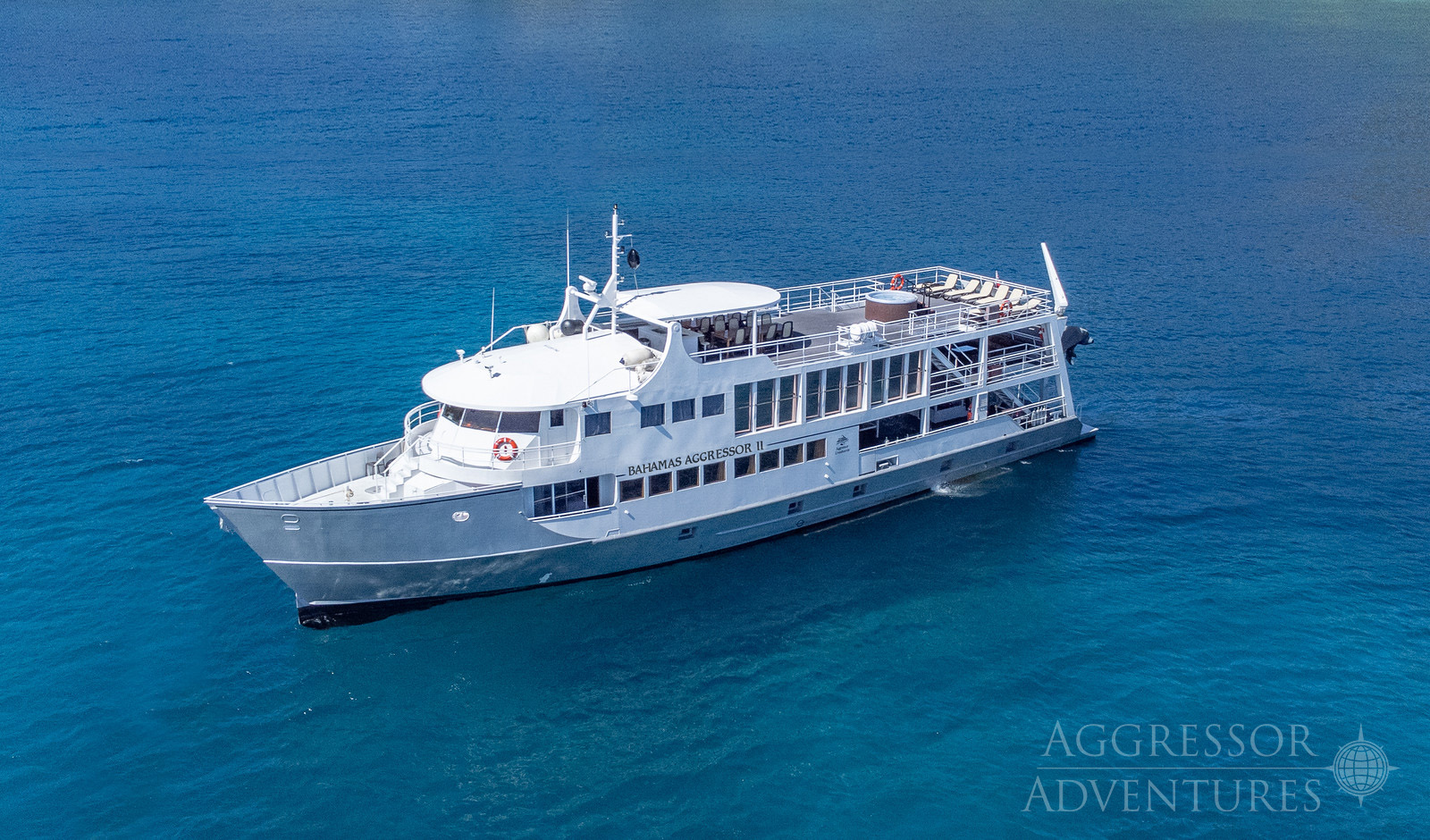
Bahamas Aggressor II
Bahamas
20 guests33.5 m
$328/day
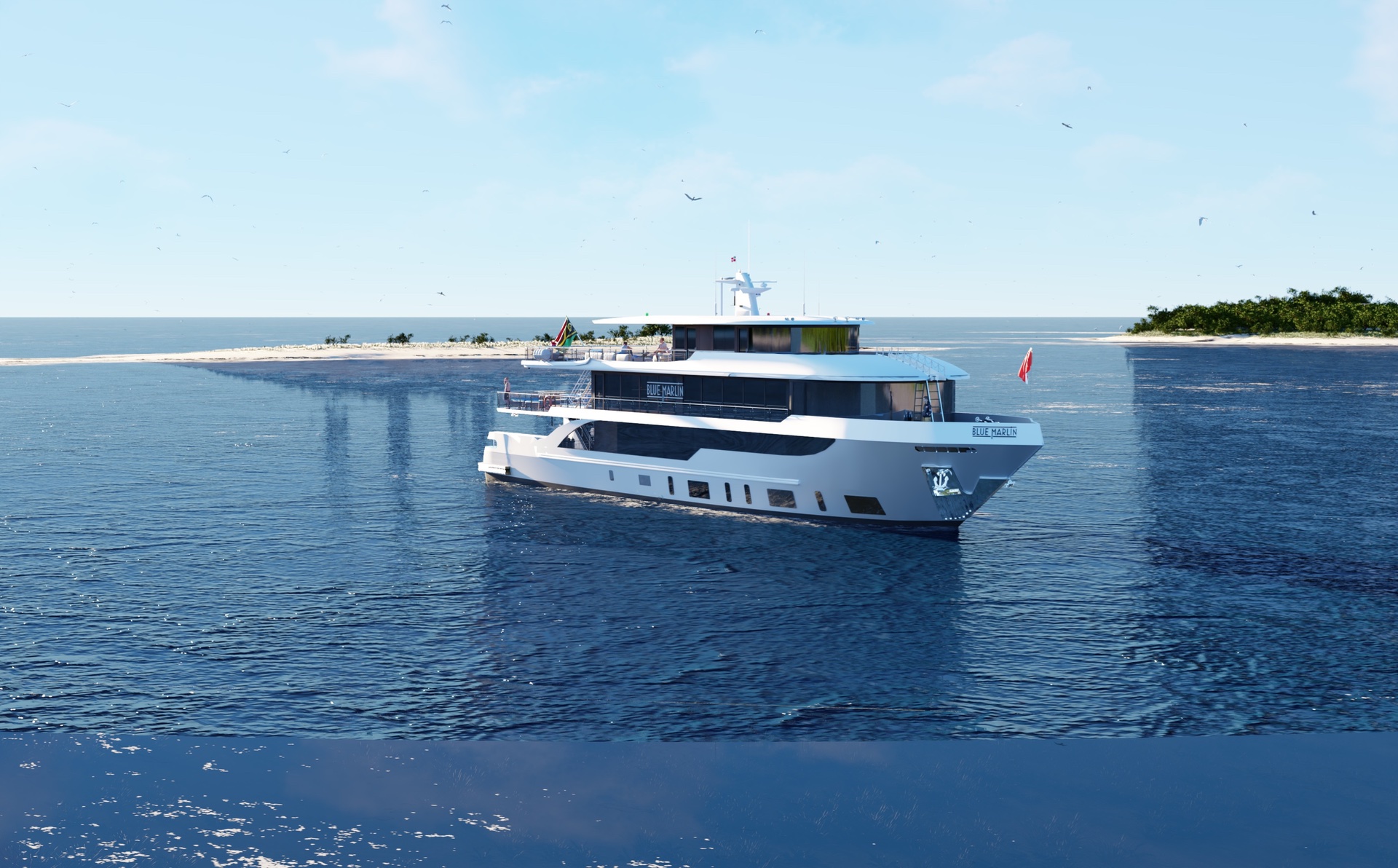
Blue Marlin
Bahamas
26 guests42 m
$318/day
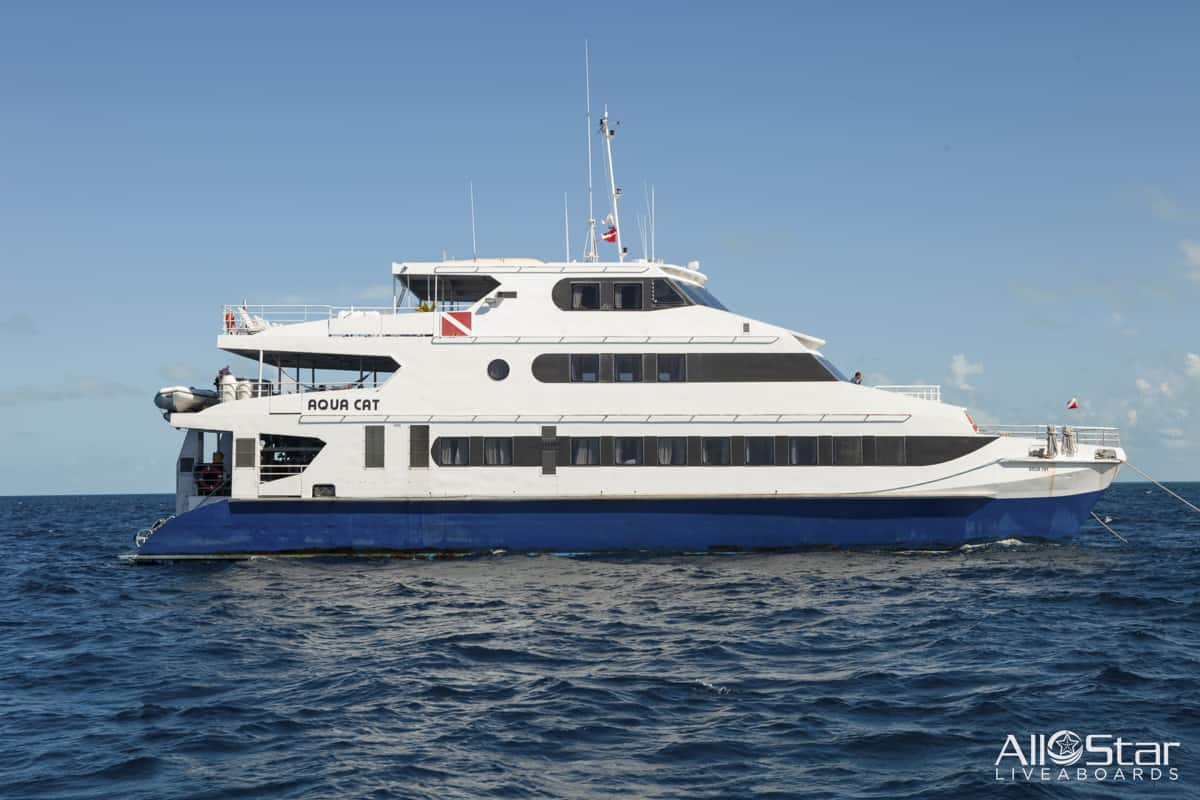
All Star Aqua Cat
Bahamas
30 guests31.09 m
$312/day
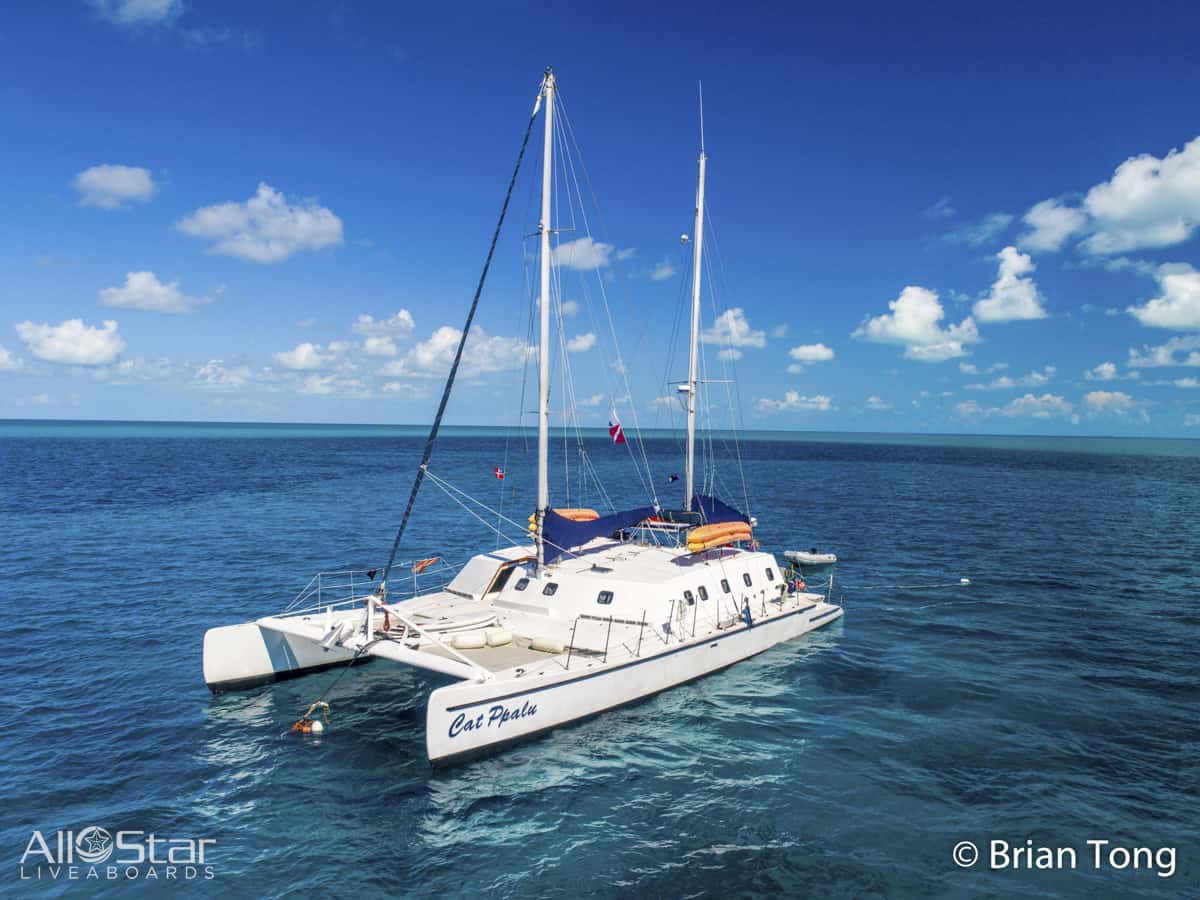
All Star Cat Ppalu
Bahamas
12 guests20 m
$237/day
Dive sites similar to Pelican Cays
Same character, same waters — six more sites divers love for the exact same reasons.Compare seasons, access and liveaboard routes — then pick the site that fits your trip best.
© Esri — Maxar, Earthstar, GIS
Columbus Point
Bahamas
Columbus Point, situated off Cat Island in the Bahamas, stands out as an advanced dive destination renowned for its dramatic wall diving along one of the region's most untouched reef systems.
- Suitable for
- Advanced
- Current
- Strong
- Access
- Dayboat
- Depth
- ≤ 40 m
- Theme
- Wall / Drift
© Esri — Maxar, Earthstar, GIS
Cut Through City
Bahamas
Cut Through City is a standout dive site located off the coast of Eleuthera in the Bahamas, a region renowned for its diverse underwater topography.
- Suitable for
- Intermediate
- Current
- Mild
- Access
- Liveaboard only
- Depth
- 27–40 m
- Theme
- Wall / Reef
© Esri — Maxar, Earthstar, GIS
Metropolis
Bahamas
Metropolis is a standout dive site in the Bahamas, renowned for its consistent and diverse shark encounters, making it a thrilling destination for divers seeking pelagic action.
- Suitable for
- Intermediate
- Current
- Moderate
- Access
- Liveaboard only
- Depth
- ≤ 13 m
- Theme
- Reef
© Esri — Maxar, Earthstar, GIS
Mt. Olympus
Bahamas
Mt. Olympus is a dynamic dive site in the Bahamas, regularly visited by liveaboards, known for its healthy marine ecosystem and varied underwater terrain.
- Suitable for
- Advanced
- Current
- Moderate
- Access
- Liveaboard only
- Depth
- ≤ 122 m
- Theme
- Reef / Drift
© Esri — Maxar, Earthstar, GIS
Austin Smith Wreck
Bahamas
The Austin Smith Wreck, originally named HMBS Flamingo, was a 90-foot Bahamian Defense Force cutter that was decommissioned in 1995. Intended for use as an artificial reef, it…
- Suitable for
- Intermediate
- Current
- Moderate
- Access
- Liveaboard only
- Depth
- 18–18 m
- Theme
- Wreck / Reef
© Esri — Maxar, Earthstar, GIS
Cousteau's Blue Hole
Bahamas
Cousteau's Blue Hole, located on Andros Island, is an inland blue hole known for its distinctive light effects created by sun rays entering its wide opening.
- Suitable for
- Advanced
- Current
- No current
- Access
- Dayboat
- Depth
- 10–60 m
- Theme
- Cave & cavern