About Sandy Cay
Sandy Cay, situated within the Abaco Islands, is a cornerstone of an extensive reef system that stretches approximately 100 miles. As part of a national park, this site, along with Fowl Cay and Pelican Cay, benefits from protection, ensuring a thriving underwater environment for divers and snorkelers. The reef faces the Atlantic Ocean, which provides a constant influx of nutrient-rich waters, supporting a wide array of corals and marine life. The topography features depths extending to 18 meters, making it accessible for a variety of skill levels. Divers can expect to encounter diverse marine ecosystems, from colorful reef fish to various invertebrates. The clear waters and stable conditions contribute to an enjoyable diving experience, characterized by lush coral gardens and abundant biodiversity. Water temperatures generally range from 24-29°C, providing comfortable diving conditions year-round, though cooler temperatures in winter may necessitate a thicker wetsuit. Visibility often exceeds 20 meters, allowing for excellent viewing of the expansive reef structure and its inhabitants. The site's protected status helps maintain its pristine nature, offering a glimpse into a healthy Bahamian marine habitat. As a fixed-bottom site with generally calm currents, Sandy Cay is an excellent location for skill practice, underwater photography, and leisurely exploration. Its accessibility and rich marine offerings make it a popular stop on liveaboard itineraries in the Abacos, appealing to divers seeking vibrant reef experiences in protected waters.
Highlights
Protected marine park statusExtensive reef systemDiverse coral formationsAbundant marine lifeExcellent visibilityShallow depths for all levelsCalm, nutrient-rich waters
Season calendar
Best months to dive here
Jan
Feb
Mar
Apr
May
Jun
Jul
Aug
Sep
Oct
Nov
Dec
Excellent
Good
Dive site facts: Sandy Cay
- Depth
- 5–18 m
- Typical dive
- 10–18 m, 45–60 min
- Current
- Mild
- Visibility
- 20–30 m
- Water temperature
- 24–29°C
- Entry
- Boat
- Level
- All levels, beginner-friendly
- Dive type
- Reef, photography, shallow
- Night dive
- Possible
- Region / port
- Abaco Islands
- Coordinates
- 24.0833, -76.4167
Conditions & Currents
Sandy Cay typically experiences mild currents, making it suitable for divers of all experience levels. The protected nature of the national park contributes to generally calm conditions, allowing for relaxed exploration of the reef. However, as with any oceanic site, occasional gentle surges can occur, particularly if there are distant weather systems. Visibility is consistently good, often exceeding 20 meters, and is less affected by tidal changes compared to some other Bahamian sites. Divers should still pay attention to their buoyancy to avoid contact with the delicate coral formations. Entry and exit are typically boat-based, directly over the dive site, facilitated by calm surface conditions.
Marine life & sighting chances
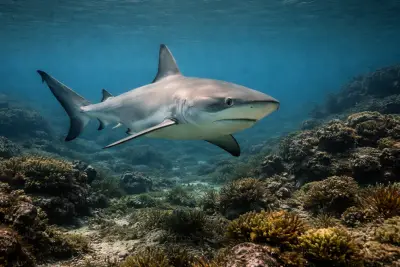
Caribbean reef shark
occasional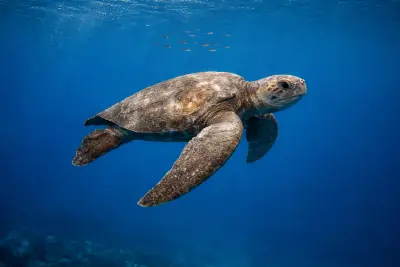
Loggerhead turtle
occasional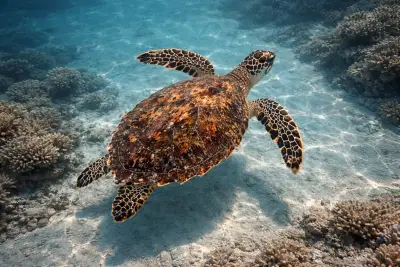
Hawksbill turtle
occasional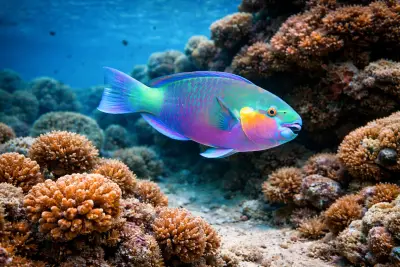
Parrotfish
common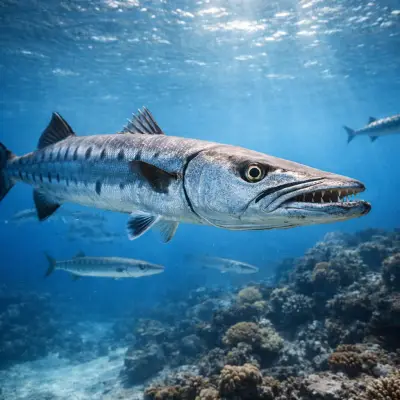
Barracuda
common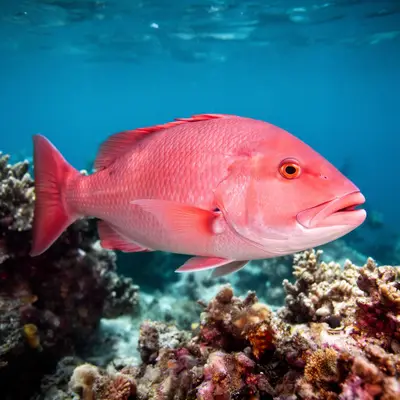
Snapper
common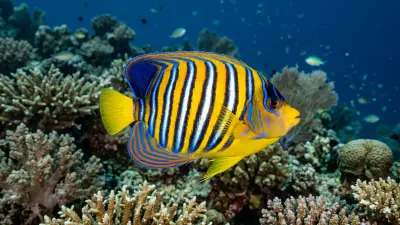
Angelfish
common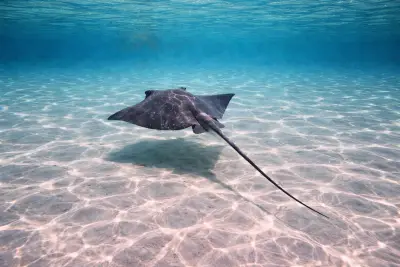
Stingray
occasional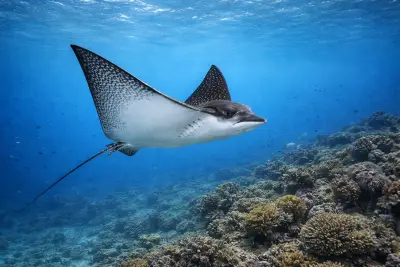
Eagle ray
occasional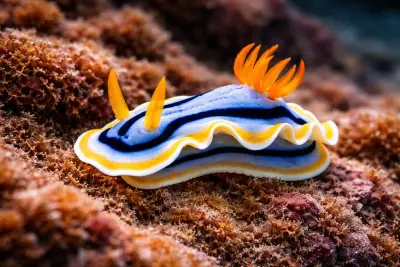
Nudibranch
Wet season · occasional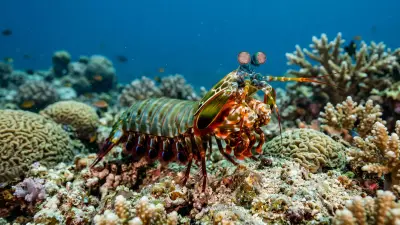
Shrimp
Wet season · occasionalDive profile & how the dive runs
Dives at Sandy Cay typically begin with a direct descent from the boat onto the shallow reef plateau. The route usually follows the reef line, gradually descending to depths of 10 to 18 meters, exploring the vibrant coral gardens and abundant marine life. Divers will maintain a steady depth, allowing for leisurely observation of the diverse ecosystems. Turn points are often determined by air consumption or time, with the group gradually ascending back to shallower sections of the reef. The safety stop is conducted in the clear, shallow waters, usually around 5 meters, offering additional opportunities for observing smaller reef inhabitants before surfacing near the anchored vessel.
Underwater photography
Sandy Cay's shallow, well-lit reefs and excellent visibility make it an ideal location for wide-angle photography, capturing expansive coral landscapes and schooling fish. A fisheye lens is recommended to encompass the breadth of the reef structure and large animal encounters. For macro enthusiasts, there are plenty of opportunities to find smaller subjects like blennies and nudibranchs within the coral formations, especially during the wet season. Natural light is often sufficient in the shallower areas, but strobes are beneficial for color rendition and enhancing details, particularly in deeper sections or when shooting against the sun. Maintaining good buoyancy is crucial to avoid damaging the pristine corals. Animal interactions are generally calm, allowing for respectful observation and capture of natural behaviors.
Combine with nearby dive sites
- Fowl Cay
Fowl Cay Preserve, nestled in the Abaco region of the Bahamas, stands as a protected marine area celebrated for its rich coral reefs and…
- Pelican Cays
Pelican Cays Land and Sea Park, nestled within the Abaco Islands of the Bahamas, offers a serene and protected underwater environment ideal…
- Current Cut
Known for high-speed drift diving
- Thunderball Grotto
Famous James Bond movie location
- Exuma Cays Land & Sea Park
Protected area with pristine reefs
Getting there & logistics
Access to Sandy Cay in the Abaco Islands typically involves flying into Marsh Harbour Airport (MHH) or Treasure Cay Airport (TCB), both offering connections from major international airports in the US, such as Miami or Fort Lauderdale. From there, visitors usually take a ferry or a private boat charter to reach the cays. Liveaboard trips often include Sandy Cay as part of their Abaco itineraries, providing seamless access to the dive site. These trips can range from a few days to a week. No specific permits are generally required for diving this protected national park, but divers should ensure their dive operator is reputable and follows all local guidelines for marine park conduct.
Safety & environment
Diving at Sandy Cay is generally considered safe due to mild currents and shallow depths, suitable for all certification levels. Divers should always carry valid dive insurance that covers emergency medical treatment and evacuation. The nearest recompression chamber is located in Nassau, which means evacuation could be time-consuming and expensive, underscoring the importance of proper insurance and adherence to safe diving practices. Always dive within your training limits and with a buddy. While marine life is abundant, it is generally not aggressive, but divers should maintain a respectful distance from all creatures. Avoid touching corals or marine animals to protect both yourself and the delicate ecosystem.
Who it suits — and who it doesn't
Suited for
- Beginner divers seeking easy reef exploration
- Photographers looking for clear, shallow reef subjects
- Divers interested in diverse coral ecosystems
- Snorkelers and freedivers
- Families with mixed-level divers
Less suited for
- Divers seeking strong current drift dives
- Those primarily interested in very deep or wreck diving
- Divers targeting large pelagic encounters
- Adrenaline junkies looking for extreme conditions
FAQ
Sandy Cay FAQ
What kind of marine life can I expect to see at Sandy Cay?
Sandy Cay is home to a rich variety of marine life, including colorful reef fish such as parrotfish, barracuda, and angelfish. You may also spot occasional turtles, stingrays, and various sharks, though large pelagic encounters are less common. The healthy coral formations also support a vibrant macro life.
Is Sandy Cay suitable for new divers?
Yes, Sandy Cay is highly suitable for new divers. Its shallow depths, typically calm conditions, and excellent visibility provide a comfortable and safe environment for beginners to practice their skills and enjoy reef diving without strong currents or complex navigation challenges.
What are the water temperatures like at Sandy Cay?
Water temperatures at Sandy Cay range from approximately 20-24°C in winter to 27-30°C in summer. This range ensures comfortable diving year-round, though a 3mm or 5mm wetsuit may be preferred during the cooler winter months, while a rash guard might suffice in summer.
How do I get to Sandy Cay?
To reach Sandy Cay, you generally fly into a major airport in the Abacos, such as Marsh Harbour. From there, you'll arrange for a boat trip or join a liveaboard that includes Sandy Cay in its itinerary. Many local dive operators offer day trips to this protected site.
Are there any specific regulations for diving in Sandy Cay, being a protected area?
As Sandy Cay is part of a national park, divers are expected to adhere to strict guidelines to protect the marine environment. This includes practicing excellent buoyancy control, avoiding touching or collecting marine life, and refraining from anchoring on coral. Responsible diving practices help preserve this pristine site.
Why dive Sandy Cay from a liveaboard?
Sandy Cay is one of Bahamas's signature dive sites. A liveaboard sleeps you on the water and puts you in the water for three to four guided dives per day, including dawn and night dives that day-boat operators rarely offer. You skip the daily commute back to port and reach quieter, less-crowded sites in the same region on a single trip.
Below are the liveaboards that include Sandy Cay on their Bahamas itineraries.
Liveaboards diving Sandy Cay
These liveaboards may visit Sandy Cay on selected itineraries — the exact dive sites depend on departure, weather and conditions.
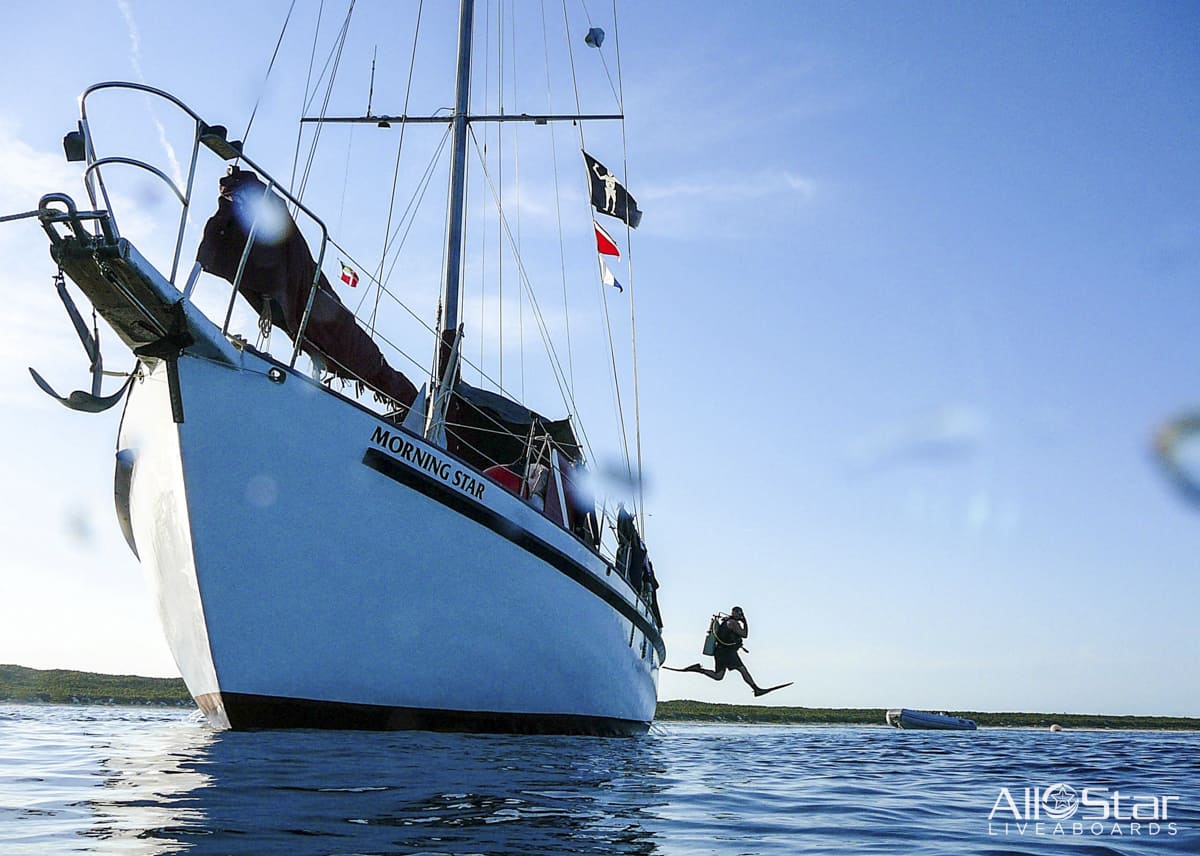
All Star Blackbeards Morning Star
Bahamas
24 guests19.81 m
$156/day
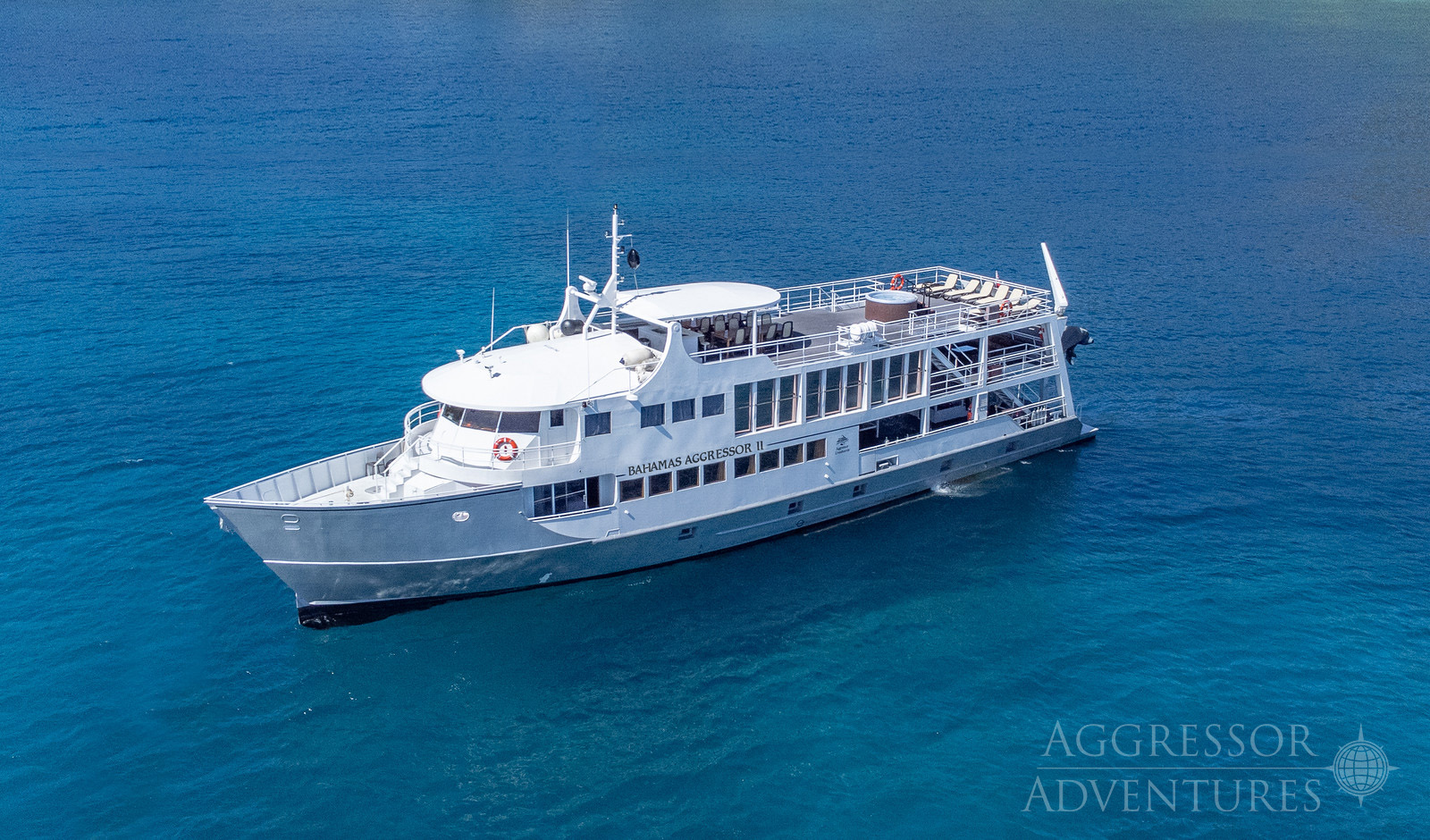
Bahamas Aggressor II
Bahamas
20 guests33.5 m
$328/day
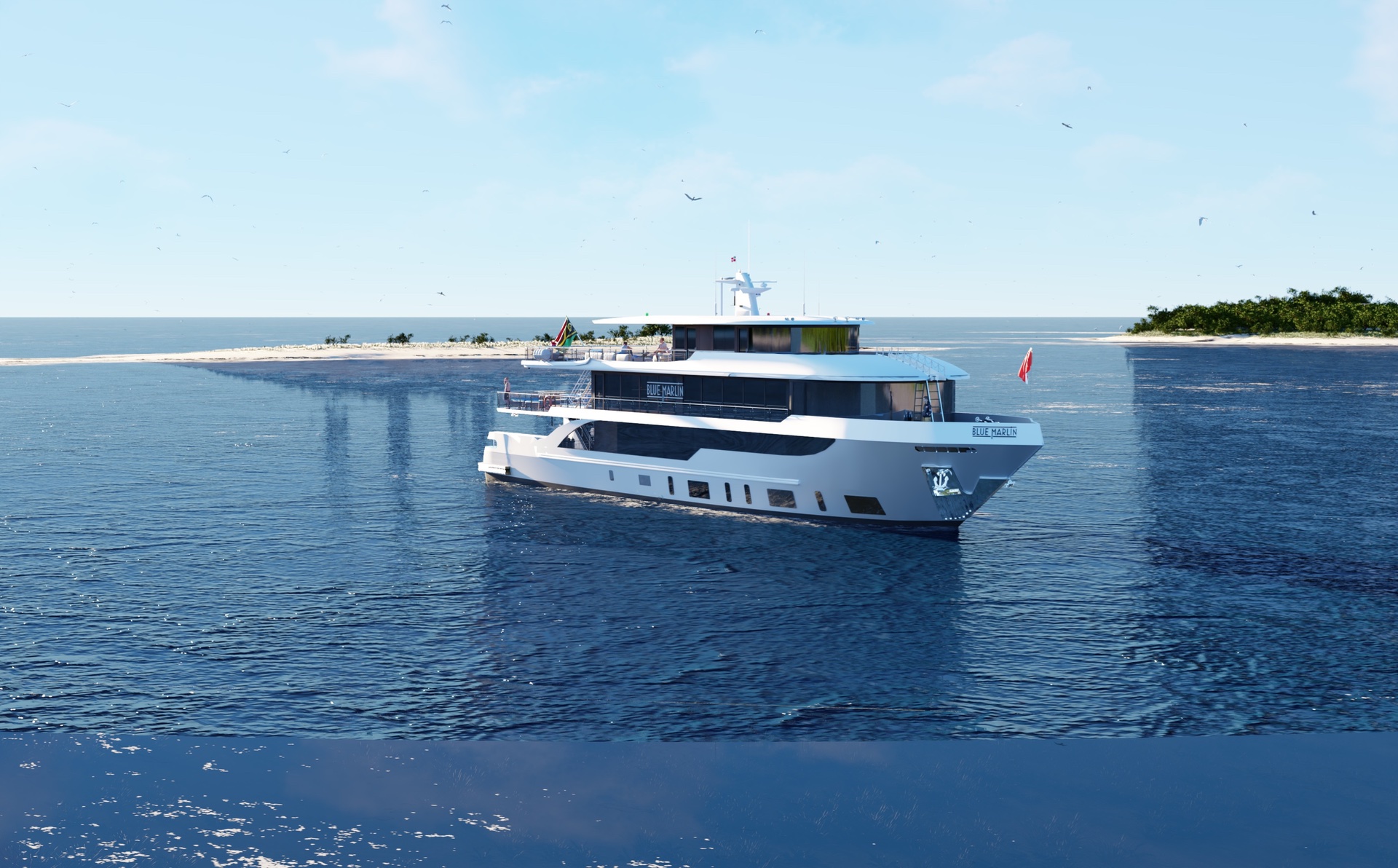
Blue Marlin
Bahamas
26 guests42 m
$318/day
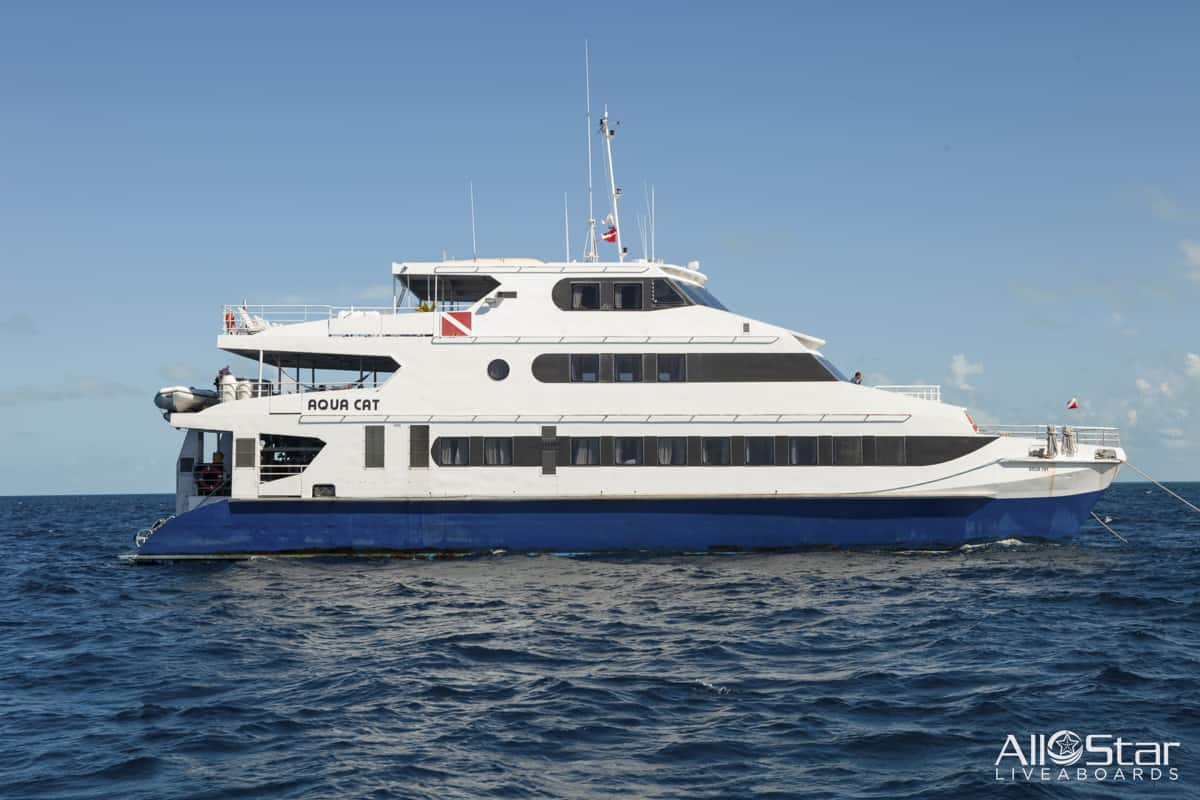
All Star Aqua Cat
Bahamas
30 guests31.09 m
$312/day
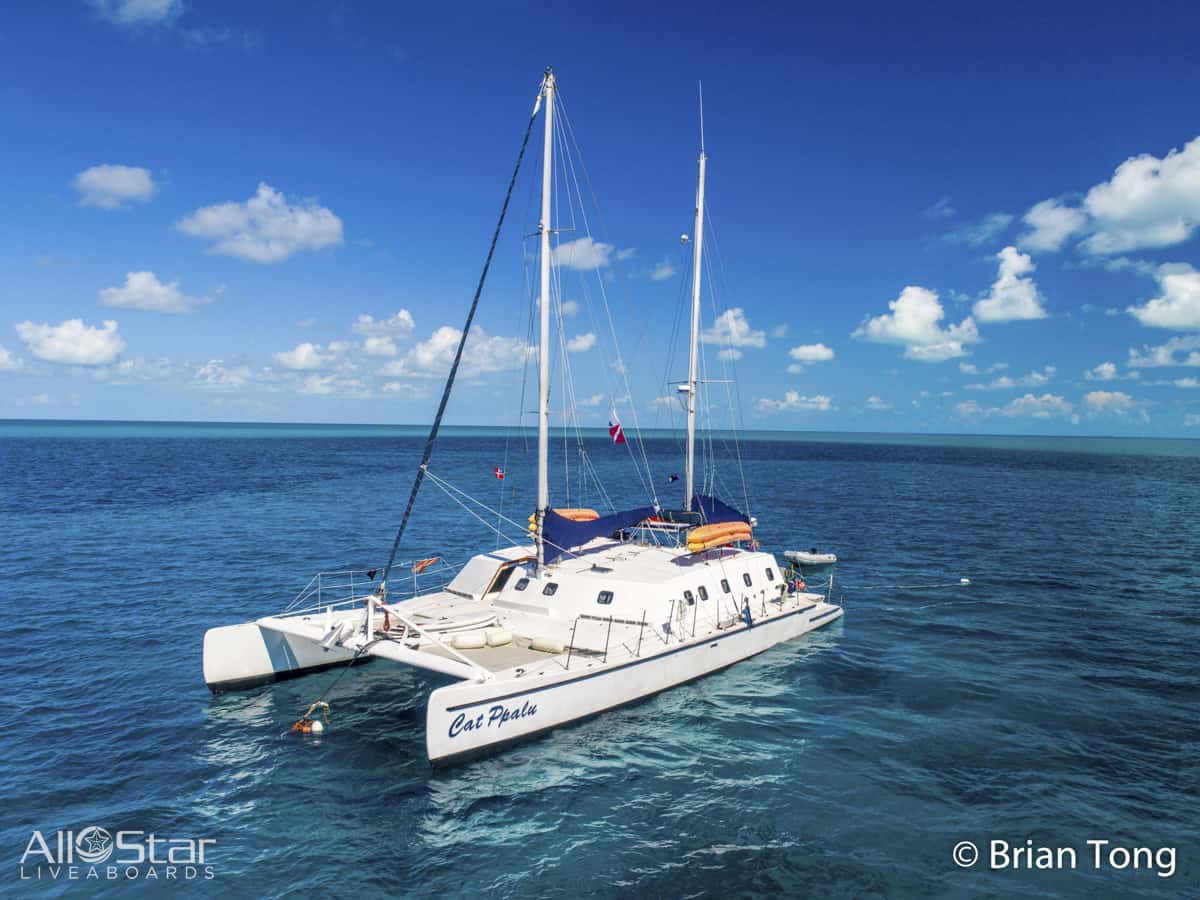
All Star Cat Ppalu
Bahamas
12 guests20 m
$237/day
Dive sites similar to Sandy Cay
Same character, same waters — six more sites divers love for the exact same reasons.Compare seasons, access and liveaboard routes — then pick the site that fits your trip best.
© Esri — Maxar, Earthstar, GIS
Cut Through City
Bahamas
Cut Through City is a standout dive site located off the coast of Eleuthera in the Bahamas, a region renowned for its diverse underwater topography.
- Suitable for
- Intermediate
- Current
- Mild
- Access
- Liveaboard only
- Depth
- 27–40 m
- Theme
- Wall / Reef
© Esri — Maxar, Earthstar, GIS
Metropolis
Bahamas
Metropolis is a standout dive site in the Bahamas, renowned for its consistent and diverse shark encounters, making it a thrilling destination for divers seeking pelagic action.
- Suitable for
- Intermediate
- Current
- Moderate
- Access
- Liveaboard only
- Depth
- ≤ 13 m
- Theme
- Reef
© Esri — Maxar, Earthstar, GIS
Mt. Olympus
Bahamas
Mt. Olympus is a dynamic dive site in the Bahamas, regularly visited by liveaboards, known for its healthy marine ecosystem and varied underwater terrain.
- Suitable for
- Advanced
- Current
- Moderate
- Access
- Liveaboard only
- Depth
- ≤ 122 m
- Theme
- Reef / Drift
© Esri — Maxar, Earthstar, GIS
Ras Mohammed
Bahamas
Ras Mohammed National Park, situated approximately 20 kilometers south of Sharm El Sheikh, marks the southernmost tip of the Sinai Peninsula in Egypt.
- Suitable for
- Advanced
- Current
- No current
- Access
- Shore / dayboat
- Depth
- ≤ 100 m
- Theme
- Reef
© Esri — Maxar, Earthstar, GIS
Split Coral Head
Bahamas
Split Coral Head is a notable dive site located in Eleuthera, Bahamas, celebrated for its impressive coral formations and the distinctive split in a massive coral head from which it derives its name.
- Suitable for
- Beginner
- Current
- No current
- Access
- Liveaboard only
- Depth
- 14–17 m
- Theme
- Reef
© Esri — Maxar, Earthstar, GIS
Danger Reef
Bahamas
Danger Reef is an integral part of the Exuma Cay Reef Dives, nestled within the expansive Exuma Cays.
- Suitable for
- Intermediate
- Current
- Mild
- Access
- Liveaboard only
- Depth
- ≤ 18 m
- Theme
- Reef