About Great Blue Hole Andros
The Great Blue Hole on Andros is a captivating inland blue hole that acts as a gateway to an extensive subterranean cave network, setting it apart from many other dive sites. It features a unique transition from fresh surface water to progressively saltier layers, eventually connecting to the ocean's saline environment. This geological wonder, often called The Crater, showcases cathedral-like rooms adorned with stalactites within its deeper reaches. While the upper layers might exhibit reduced visibility due to decaying vegetation, the water clarifies significantly at depths beyond 27 meters (90 feet), offering astonishing clarity. This site is celebrated for its diverse marine inhabitants, including various fish, rays, and eels, making it a vibrant ecosystem within a cave system. Diving here typically involves following a permanent line into the cave, offering an exploratory experience that combines both open-water and overhead environments. It provides a distinct adventure, especially for those interested in cave diving, with its dramatic geological formations and the intriguing presence of marine life even in its darker sections. The Great Blue Hole is one of many such formations on Andros, an island renowned for having more blue holes than anywhere else globally. Its unique characteristics make it a prime destination for divers seeking a blend of geological exploration and marine observation.
Highlights
Subterranean cave systemStalactite formationsFresh to saltwater transitionDiverse fish and raysOverhead environment divingUnique geological featuresClear deep waters
Season calendar
Best months to dive here
Jan
Feb
Mar
Apr
May
Jun
Jul
Aug
Sep
Oct
Nov
Dec
Excellent
Good
Off-Season
Nov – May (Peak)
Tiger sharks at Tiger Beach, hammerheads off Cat Island, best visibility up to 40m, calm seas.
Jun & Oct (Shoulder)
Reef sharks, nurse sharks, dolphins. Slightly rougher seas but still diveable.
Jul – Sep (Hurricane)
Many operators pause. If open, expect reduced visibility and unpredictable weather.
Dive site facts: Great Blue Hole Andros
- Depth
- Up to 45m+
- Typical dive
- 12-45m, 25-30 min
- Current
- Mild to none
- Visibility
- 3-30m+ (variable)
- Water temperature
- 27-29°C (80-84°F)
- Entry
- Giant stride from shore
- Level
- Advanced to Technical (Cavern/Cave experience recommended)
- Dive type
- Blue hole, cave, cavern
- Night dive
- Not typical
- Region / port
- Andros, Bahamas
- Coordinates
- 24.26, -77.78
Conditions & Currents
The Great Blue Hole Andros, being an inland blue hole, is generally sheltered from strong oceanic currents. However, visibility in its upper layers, particularly in the first 27 meters (90 feet), can be affected by decaying vegetation, potentially reducing clarity to 3-9 meters (10-30 feet). Deeper into the system, beyond 27 meters, the water becomes exceptionally clear. Divers should be prepared for varying visibility and the unique characteristics of an overhead environment, necessitating careful buoyancy control to avoid disturbing sediment. The site's non-tidal nature contributes to a calm diving experience within the hole itself.
Marine life & sighting chances

Barracuda
occasionalRay species
occasionalEel species
occasional
Nurse Shark
rare

Parrotfish
occasional
Angelfish
occasional
Grunt species
occasional
Snapper species
occasional
Hogfish
occasional
Porcupine fish
occasionalDive profile & how the dive runs
Diving the Great Blue Hole typically begins with an entry into the open-water "pond" section. From here, you follow a permanent line that guides you into the subterranean cave system. The initial descent may present lower visibility due to organic matter, but beyond approximately 27 meters (90 feet), the water clarity dramatically improves. The route progresses through vast chambers, revealing impressive stalactite formations. Divers will navigate through expansive rooms, with the turning point often determined by gas consumption and experience level. As you exit, the passage may appear to "snow" from above as exhaust bubbles dislodge sediment. A highlight is experiencing the "glow" as you near the entrance, followed by observation of the sulfur layers, often guarded by a resident barracuda. Safety stops are conducted in the open-water portion of the blue hole.
Underwater photography
Capturing the unique environment of the Great Blue Hole Andros requires specialized equipment and techniques. For wide-angle shots of the vast chambers and stalactite formations, a fisheye or wide-angle lens is essential. External strobes are crucial to illuminate the dark recesses and bring out the colors, especially in the deeper, clearer sections. Managing buoyancy is paramount to avoid silting up the delicate cave environment. For macro subjects like gobies or blennies that might be found near the entrance or in the surrounding grass beds, a macro lens can be rewarding. Given the overhead environment, consider using strong, focused dive lights for both illumination and artistic effect, but always prioritize safety and never penetrate beyond your training and gas reserves.
Combine with nearby dive sites
- Andros Barrier Reef
A vast reef system offering diverse marine life and wall dives.
- Captain Bill Blue Hole
Another inland blue hole on Andros, known for its unique ecosystem.
- Tongue of the Ocean Wall
A dramatic drop-off near Andros with varied marine life.
- Lost Blue Hole
A non-tidal blue hole off Nassau, known for abundant reef life around its rim.
Getting there & logistics
Accessing Andros typically involves flying into Lynden Pindling International Airport (Nassau), followed by a short domestic flight or ferry ride to Andros. Liveaboards or resort-based operators may include blue hole dives as part of their itineraries, especially those operating out of Andros. Most dive sites, including the Great Blue Hole, do not require special permits, though specialized cave or cavern diving excursions will have specific requirements. It's recommended to book well in advance, especially during the peak diving season from November to May. Trip lengths can vary, often integrated into broader Bahamian dive holidays. Ensure all domestic travel arrangements are confirmed, as inter-island connections can be part of the adventure.
Safety & environment
Diving the Great Blue Hole, especially its cave system, demands appropriate training and equipment. It is an overhead environment, requiring cave or cavern diving certifications. Divers must ensure full redundancy in their gear, including lights and air supply, and adhere strictly to gas management protocols. The nearest recompression chamber is generally located on New Providence (Nassau), necessitating careful dive planning to account for evacuation realities. Comprehensive dive insurance that covers technical diving and potential medical evacuation is highly recommended. Always dive within your certification limits and with experienced guides who are familiar with the site. Disturbing the bottom can significantly reduce visibility for yourself and others, so maintaining excellent buoyancy is crucial.
Who it suits — and who it doesn't
Suited for
- Experienced Advanced Open Water Divers seeking unique geology
- Cavern and Cave Certified divers
- Divers interested in geological formations and subterranean exploration
- Underwater photographers with specialized gear for low light
- Those looking for non-current dependent dives
Less suited for
- Beginner divers
- Open Water divers without advanced training
- Divers uncomfortable in overhead environments
- Those prone to claustrophobia
- Divers without proper technical or cave diving equipment
FAQ
Great Blue Hole Andros FAQ
What is the Great Blue Hole Andros?
The Great Blue Hole on Andros, sometimes called The Crater, is an inland blue hole that leads to an extensive underwater cave system. It features a unique geological structure where fresh surface water gradually transitions to saline ocean water at depth, revealing ancient formations like stalactites within its vast chambers.
What kind of marine life can be seen in the Great Blue Hole?
Despite being a cave system, the Great Blue Hole hosts interesting marine life. Divers may encounter various fish species, rays, and eels. A notable resident is a barracuda, sometimes referred to as 'the guardian,' which is often observed in the sulfur layers near the entrance.
Is special training required to dive the Great Blue Hole Andros?
Yes, due to its overhead environment and depth, diving the Great Blue Hole generally requires advanced certifications. Cavern diving certification is a minimum, and for deeper penetration into the cave system, full cave diving certification and specialized equipment are essential. Always dive within your training limits and with experienced guides.
What are the visibility conditions like inside the blue hole?
Visibility varies within the Great Blue Hole. The upper layers, particularly the first 27 meters (90 feet), can have reduced visibility, sometimes as low as 3-9 meters (10-30 feet), due to decaying vegetation. However, beyond this depth, the water often becomes crystal clear, offering excellent visibility for exploring the cave's formations.
How do you access the Great Blue Hole Andros?
Access to the Great Blue Hole is typically by land, often requiring a guided trek through the island's interior. Divers usually travel to Andros by a short domestic flight or ferry from Nassau, and then local operators provide transport to the specific blue hole sites, which can be remote.
Why dive Great Blue Hole Andros from a liveaboard?
Great Blue Hole Andros is one of Bahamas's signature dive sites. A liveaboard sleeps you on the water and puts you in the water for three to four guided dives per day, including dawn and night dives that day-boat operators rarely offer. You skip the daily commute back to port and reach quieter, less-crowded sites in the same region on a single trip.
Below are the liveaboards that include Great Blue Hole Andros on their Bahamas itineraries.
Liveaboards diving Great Blue Hole Andros
These liveaboards may visit Great Blue Hole Andros on selected itineraries — the exact dive sites depend on departure, weather and conditions.
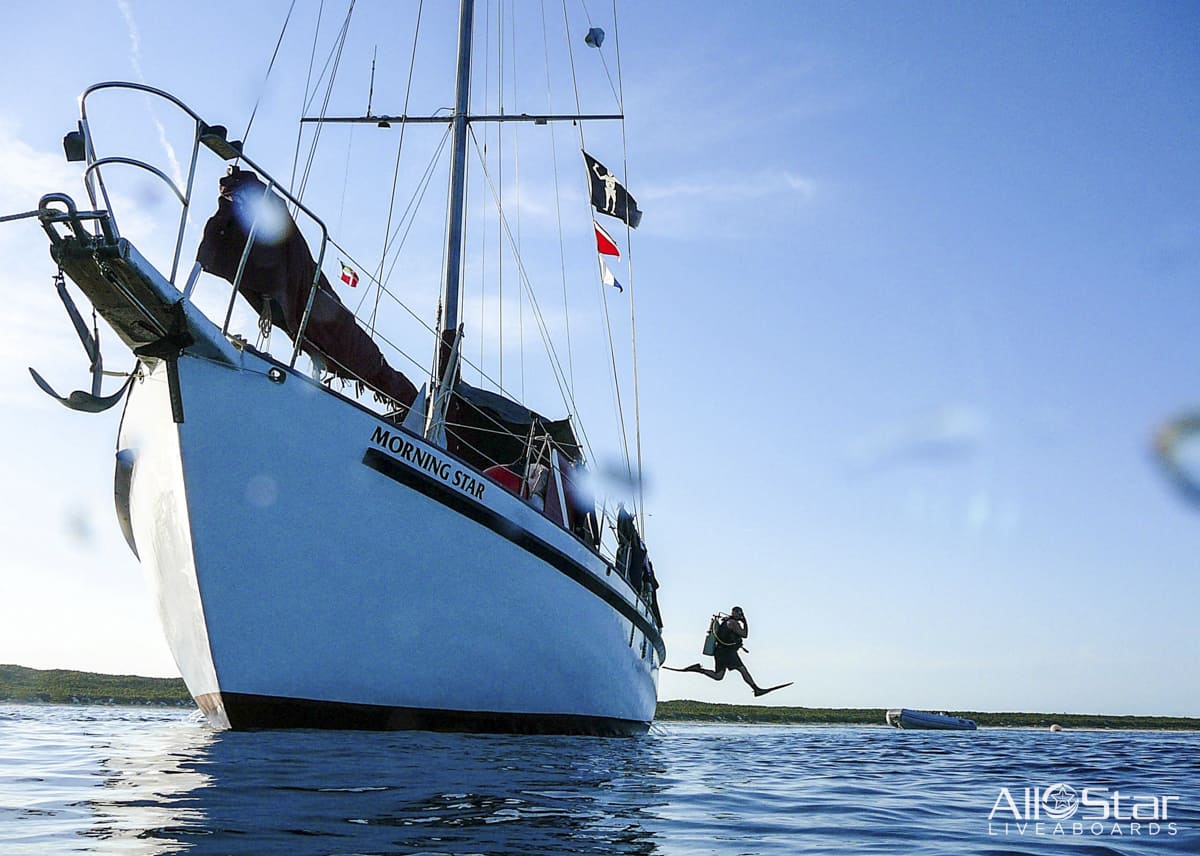
All Star Blackbeards Morning Star
Bahamas
24 guests20 m
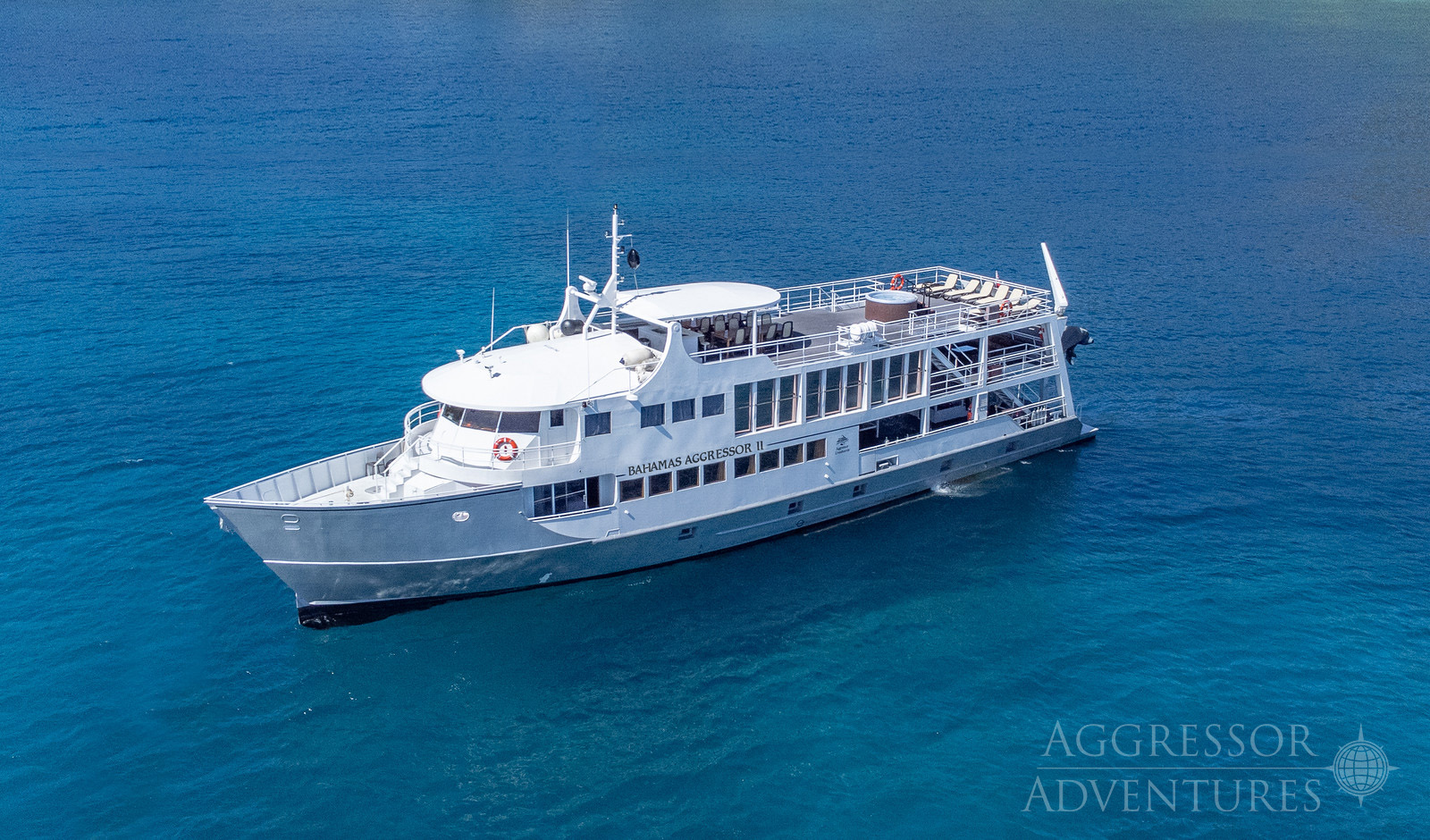
Bahamas Aggressor II
Bahamas
20 guests34 m
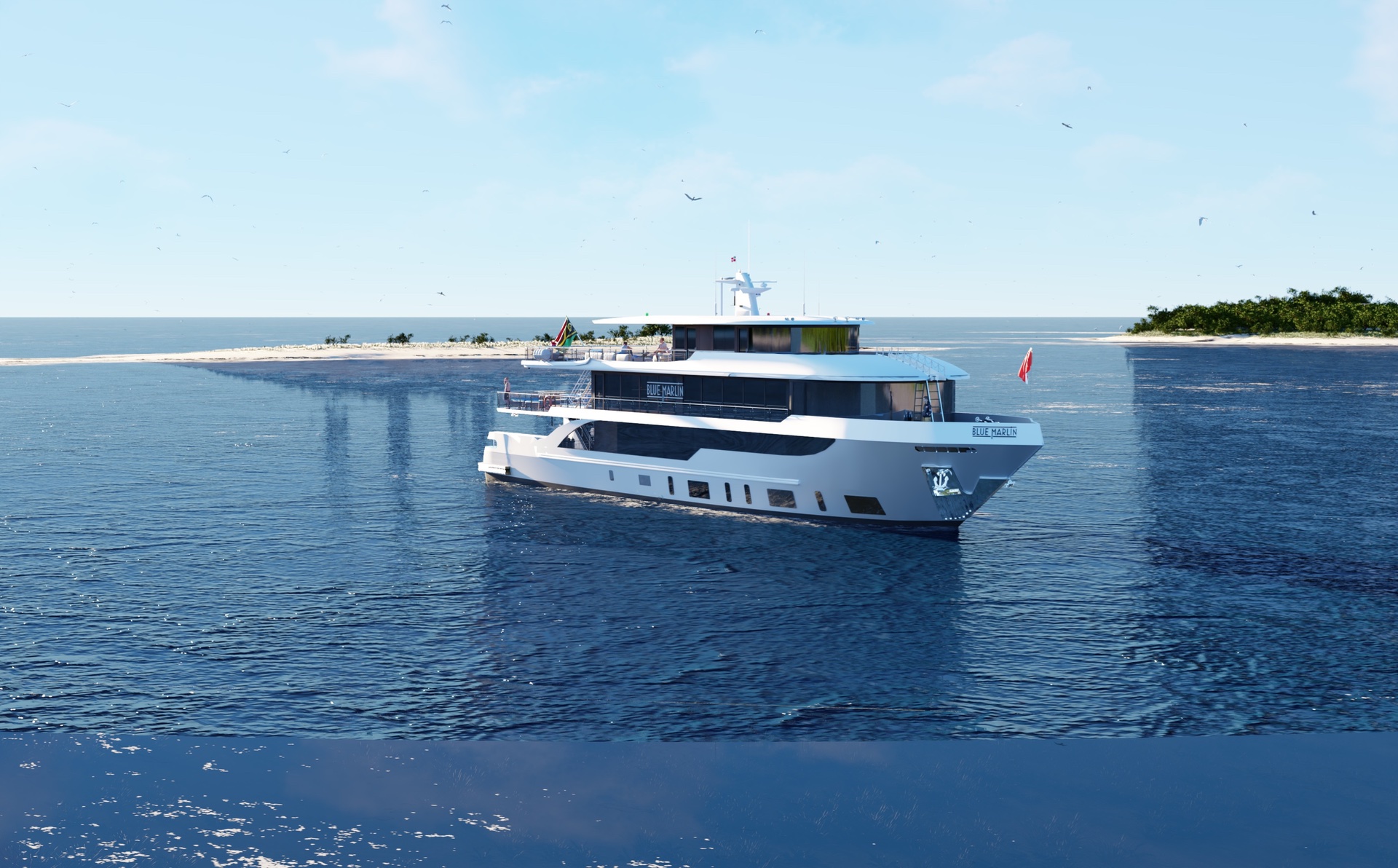
Blue Marlin
Bahamas
26 guests42 m
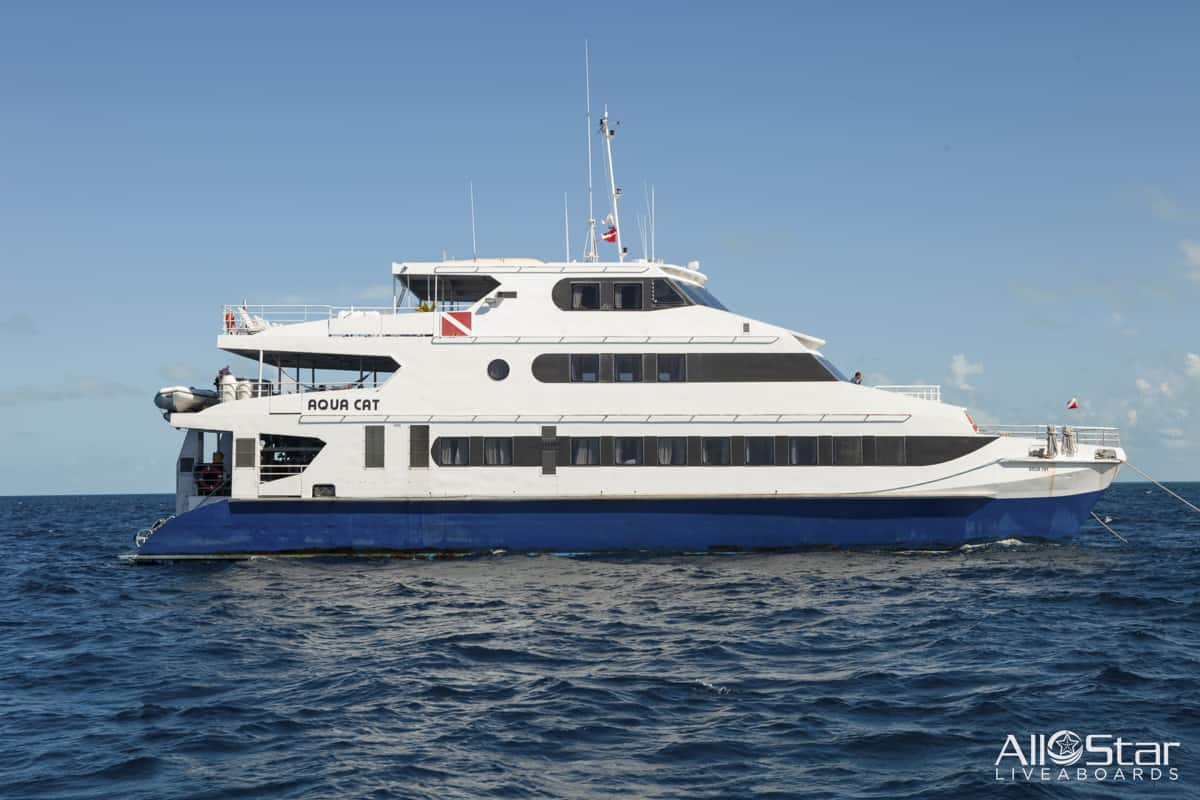
All Star Aqua Cat
Bahamas
30 guests31 m
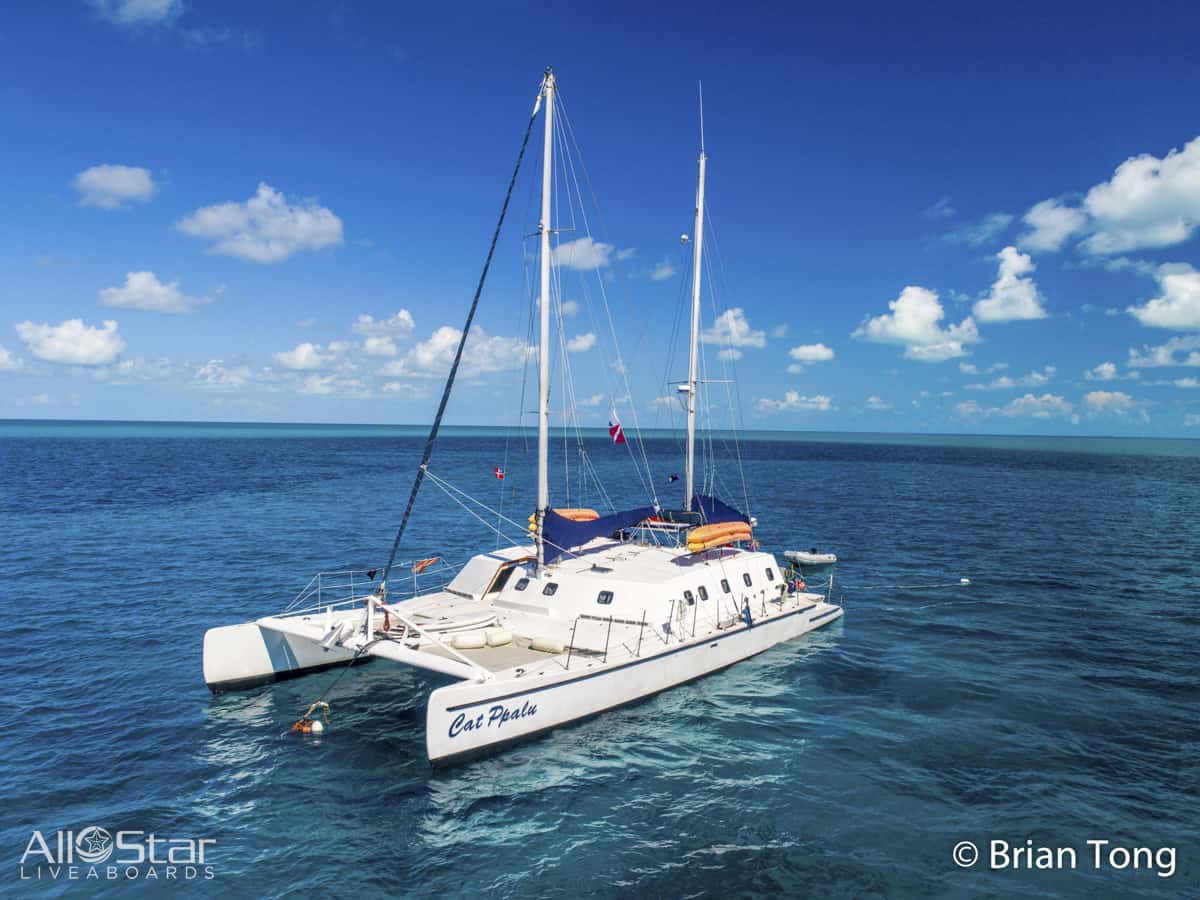
All Star Cat Ppalu
Bahamas
12 guests20 m
Dive sites similar to Great Blue Hole Andros
Same character, same waters — six more sites divers love for the exact same reasons.Compare seasons, access and liveaboard routes — then pick the site that fits your trip best.
© Esri — Maxar, Earthstar, GIS
3 Fathom Wall
Cayman Islands
3 Fathom Wall is an exciting and fish-filled dive site located in the Cayman Islands, specifically at the intersection of the renowned Bloody Bay Wall.
- Suitable for
- Intermediate
- Current
- Mild
- Access
- Liveaboard only
- Depth
- ≤ 3000 m
- Theme
- Reef
While specific details for a dive site named "3 Riff" are not present in the provided sources, general diving conditions and characteristics for the Dominican Republic…
- Suitable for
- Advanced
- Current
- Mild
- Access
- Dayboat
- Depth
- 30–55 m
- Theme
- Reef
The dive site known as 3 Rocks is located off the coast of Sosúa in Puerto Plata, Dominican Republic, offering an accessible and lively underwater experience.
- Suitable for
- Beginner
- Current
- Mild
- Access
- Dayboat
- Depth
- 2–8 m
- Theme
- Reef
4 Amigos is a notable dive site located in the Bay Islands of Honduras, an area renowned for its extensive Mesoamerican Barrier Reef System, which is the world's second-longest.
- Suitable for
- Intermediate
- Current
- Moderate
- Access
- Liveaboard or dayboat
- Depth
- 9–40 m
- Theme
- Reef
© Esri — Maxar, Earthstar, GIS
6 Toed Cat
Mexico
The dive site known as "6 Toed Cat" is not a recognized dive location in Mexico; rather, it refers to the polydactyl felines, many with six toes, that inhabit the Ernest Hemingway Home and Museum in Key West, Florida.
- Suitable for
- Beginner
- Current
- Mild
- Access
- Liveaboard or dayboat
- Depth
- —
- Theme
- Reef
© Esri — Maxar, Earthstar, GIS
Aaron's Backyard
Honduras
Aaron's Backyard is a noted dive site within the Roatan Marine Park in Honduras, part of the extensive Mesoamerican Barrier Reef System.
- Suitable for
- Intermediate
- Current
- Moderate
- Access
- Liveaboard or dayboat
- Depth
- 9–40 m
- Theme
- Reef