About C-53 Felipe Xicoténcatl Wreck
The C-53 Felipe Xicoténcatl wreck, an artificial reef just off the coast of Cozumel, Mexico, offers a unique blend of history and marine habitat. Originally the USS Scuffle, a World War II US Navy minesweeper, it was later transferred to the Mexican Navy before being intentionally sunk in June 2000 near Chankanaab Beach. Now this 56-meter (184 ft) long vessel rests on a sandy bottom, its structure intact, providing shelter and hunting grounds for various marine species. The wreck is easily accessible, featuring mooring buoys and generally good visibility, ranging from low to moderate currents. This site caters to divers seeking both outer exploration and wreck penetration opportunities. Large holes have been cut into the ship's sides and interior to ensure safe entry and exit for exploration. Divers can navigate through its decks, cabins, and engine rooms, or simply observe the vibrant ecosystem that has formed around its exterior. The surrounding sandy areas also feature scattered coral structures, adding to the biodiversity of the dive. Marine life thrives on and around the C-53. Inside, divers commonly encounter lobsters, crabs, eels, and schools of glassy sweepers and sardines. Outside the wreck, barracudas, groupers, eagle rays, and sea turtles are frequent visitors. A massive green moray eel is often found lurking within. The wreck's transformation into a living reef is ongoing, with dense colonies of sponges and corals steadily developing, making it a compelling destination for underwater photographers and history enthusiasts alike.
Highlights
Wreck penetrationGroupersMoray eelsBarracuda
Season calendar
Best months to dive here
Jan
Feb
Mar
Apr
May
Jun
Jul
Aug
Sep
Oct
Nov
Dec
Excellent
Good
Dive site facts: C-53 Felipe Xicoténcatl Wreck
- Depth
- 12–25 m
- Typical dive
- 35–55 minutes
- Current
- Low to moderate (surface can be strong)
- Visibility
- 25–40 m
- Water temperature
- 25–29 °C
- Entry
- Boat / mooring line descent
- Level
- Open Water for exterior, Advanced for interior
- Dive type
- Wreck, artificial reef
- Region / port
- Cozumel, Mexico
- Coordinates
- 20.44535, -86.99868
Conditions & Currents
Currents at the C-53 Wreck are typically low to moderate, but can be strong on the surface during descent, making a controlled descent on the mooring line advisable. Once at depth, the current softens around the hull, allowing for comfortable exploration. Divers should be prepared for potential strong surface currents and use appropriate entry techniques. Visibility at the site is generally very good, ranging from 25 to 40 meters, and can reach up to 40 meters depending on conditions. The stability of the wreck on the sandy bottom and its sheltered location contribute to consistent visibility, though occasional thermoclines are possible.
Marine life & sighting chances

Green Moray Eel
common
Grouper
common
Barracuda
common
Lobster
common
Jackfish
common
Southern Stingray
occasional
Sea Turtle
occasional
Octopus
occasional
Glassy Sweepers
common
Grunt
common
Sponges
common
Coral
commonDive profile & how the dive runs
Your dive at the C-53 Wreck typically begins with a descent down a mooring line directly to the bow, which is crucial given potential surface currents. Upon reaching the wreck, you'll find the main deck at about 12-15 meters, while the sandy bottom lies at 25 meters. The dive profile often involves circumnavigating the exterior, moving from bow to stern, observing the coral-encrusted structure, gun mounts, and propellers. For advanced divers, guided penetration into the wheelhouse, engine room, and officers' quarters is possible through pre-cut openings. These interior explorations require a dive light and precise buoyancy to avoid disturbing silt. The turn point is determined by air consumption and no-decompression limits, after which you ascend for a safety stop, often along the wreck's superstructure or the mooring line, enjoying the shallower parts of the vessel before surfacing.
Underwater photography
The C-53 Wreck offers fantastic opportunities for underwater photography, blending historical structure with vibrant marine life. For wide-angle shots, consider a fisheye or wide-angle lens to capture the entire 56-meter vessel, especially its intact bow and stern sections, or the impressive scale of the internal spaces. External strobes are highly recommended to bring out the true colors of the corals and sponges that have colonized the wreck, and to illuminate subjects like barracuda or schooling grunts against the clear Cozumel water. When entering the wreck, a powerful dive light is essential, not only for navigation but also for illuminating darker corridors and subjects like moray eels or glassy sweepers for macro or close-up shots. Maintain excellent buoyancy control, particularly inside the wreck, to prevent silting out the interior, which can ruin visibility for both yourself and others, and ensure you respect marine life by maintaining a respectful distance.
Combine with nearby dive sites
- Chankanaab Reef
Chankanaab Reef, located off Cozumel's coast, is a celebrated dive site within the Mesoamerican Reef, the second-largest barrier reef…
- Yucab Reef
Yucab Reef is a renowned dive site located on the southwest coast of Cozumel, Mexico, easily accessible by a short boat ride from the main…
- Paradise Reef (Paraiso)
Paradise Reef, also known as Paraiso, is a celebrated dive site in Cozumel, Mexico, located just south of the Puerta Maya cruise ship…
- Columbia Deep
Columbia Deep is a renowned dive site within the Cozumel Reefs National Marine Park, celebrated for its spectacular underwater topography…
- Palancar Gardens
Palancar Gardens, situated off the eastern coast of Mexico near Cozumel Island, is a celebrated dive site within the Mesoamerican Barrier…
Getting there & logistics
Diving the C-53 Wreck typically involves trips originating from Cozumel or Playa del Carmen. Cozumel International Airport (CZM) is the primary gateway, with direct flights and connections. From Cozumel, the wreck is a short boat ride, often combined with a nearby reef dive. If coming from Playa del Carmen, divers usually take a ferry to Cozumel and then join a local dive operator. Most dive trips are day excursions, lasting a half or full day. Marine park fees apply for diving within Cozumel's protected waters, which include the C-53 site. It's common for dive operators to bundle the C-53 with other popular Cozumel sites like Chankanaab Reef or Paradise Reef.
Safety & environment
Safety at the C-53 Wreck is generally good, with dive operators emphasizing controlled descents using mooring lines, especially given potential surface currents. For interior penetration, advanced certification, a dive light, and meticulous buoyancy control are mandatory due to potential silting and the need for clear navigation. The nearest recompression chamber is located in Cozumel, ensuring prompt medical assistance if needed. Divers should always have comprehensive dive insurance covering emergency evacuations and recompression treatment. Adherence to dive guide instructions, staying within certified limits, and being aware of surroundings are crucial for a safe and enjoyable dive experience.
Who it suits — and who it doesn't
Suited for
- Open Water divers comfortable with depth for exterior exploration
- Advanced Open Water divers for interior wreck penetration
- Wreck diving enthusiasts
- Underwater photographers looking for unique subjects
- Divers interested in historical sites
Less suited for
- Beginner Open Water divers without significant experience
- Divers uncomfortable with potential currents
- Divers with poor buoyancy control (especially for interior)
- Those who prefer only shallow reef dives
FAQ
C-53 Felipe Xicoténcatl Wreck FAQ
What is the history of the C-53 Felipe Xicoténcatl Wreck?
The C-53 was originally the USS Scuffle, a U.S. Navy minesweeper built in 1944 for World War II. After its service, it was sold to the Mexican Navy in 1962 and renamed Felipe Xicoténcatl. It was intentionally sunk in June 2000 near Cozumel to create an artificial reef and dive site.
What is the maximum depth of the C-53 Wreck?
The C-53 Wreck rests on a sandy bottom at approximately 25 meters (80 feet). The shallowest parts of the wreck, particularly the superstructure, can be found at around 12 meters (35 feet).
What marine life can I expect to see at the C-53 Wreck?
The wreck is teeming with marine life, functioning as a vibrant artificial reef. Common sightings include barracuda, various species of grouper, jackfish, and schools of grunts. Inside the wreck and in crevices, you can often find green moray eels, lobsters, and crabs.
Is wreck penetration allowed, and what are the requirements?
Yes, wreck penetration is allowed through large openings that were cut into the ship before sinking. This is recommended for Advanced Open Water divers. A dive light is mandatory for interior sections, and precise buoyancy control is crucial to avoid disturbing silt.
How strong are the currents at the C-53 Wreck?
Currents at the C-53 Wreck are generally low to moderate. However, surface currents can sometimes be strong, making a controlled descent on the mooring line advisable. Once at depth, the currents typically diminish, allowing for comfortable exploration of the wreck.
Can Open Water divers dive the C-53 Wreck?
Open Water certified divers can explore the exterior of the C-53 Wreck. For interior penetration, an Advanced Open Water certification or equivalent experience with wreck diving is recommended due to the depth and the technical nature of navigating enclosed spaces.
Why dive C-53 Felipe Xicoténcatl Wreck from a liveaboard?
C-53 Felipe Xicoténcatl Wreck is one of Mexico's signature dive sites. A liveaboard sleeps you on the water and puts you in the water for three to four guided dives per day, including dawn and night dives that day-boat operators rarely offer. You skip the daily commute back to port and reach quieter, less-crowded sites in the same region on a single trip.
Below are the liveaboards that include C-53 Felipe Xicoténcatl Wreck on their Mexico itineraries.
Liveaboards diving C-53 Felipe Xicoténcatl Wreck
These liveaboards may visit C-53 Felipe Xicoténcatl Wreck on selected itineraries — the exact dive sites depend on departure, weather and conditions.
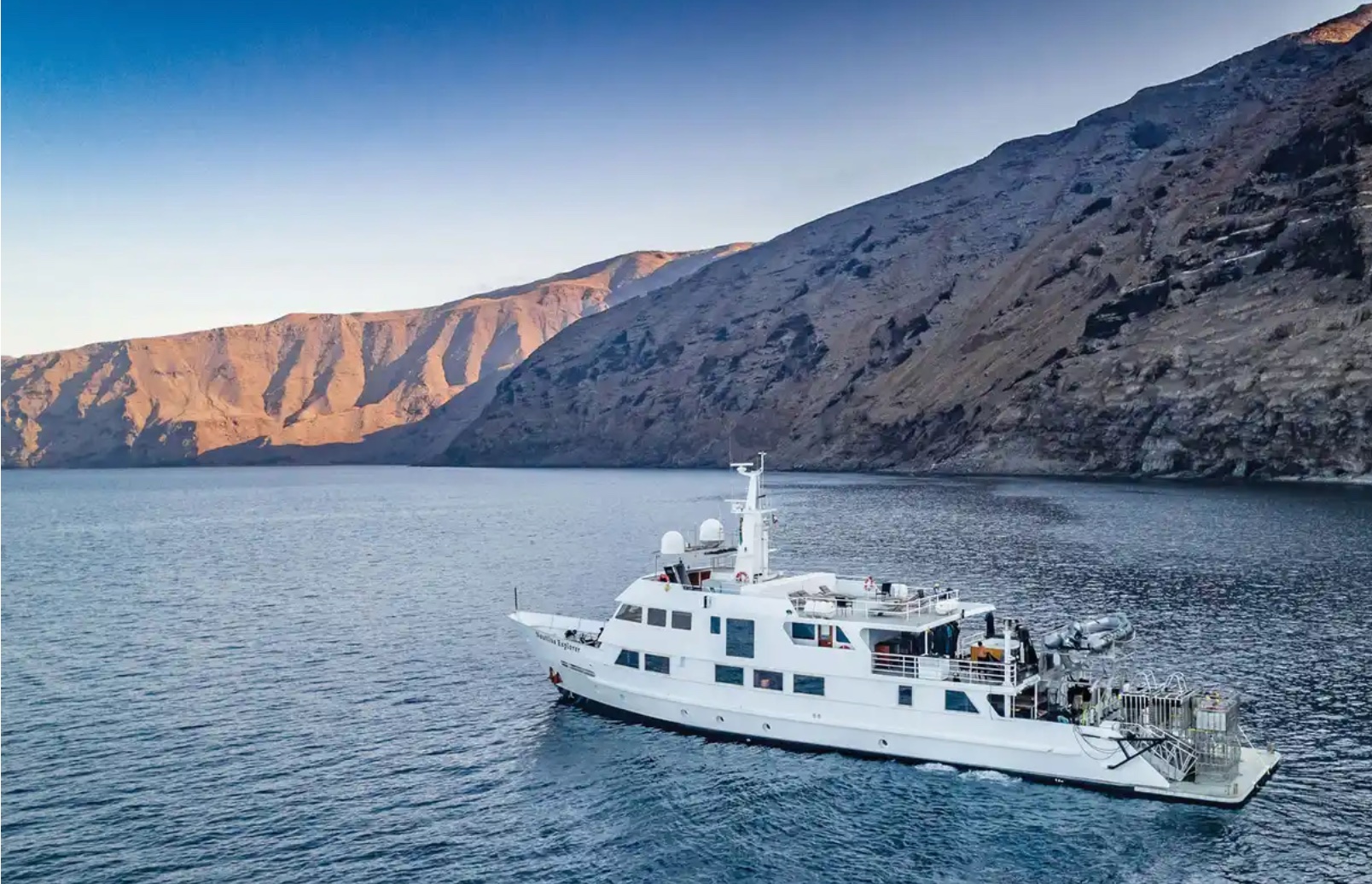
Nautilus Explorer
Mexico
25 guests44.8 m
$336/day
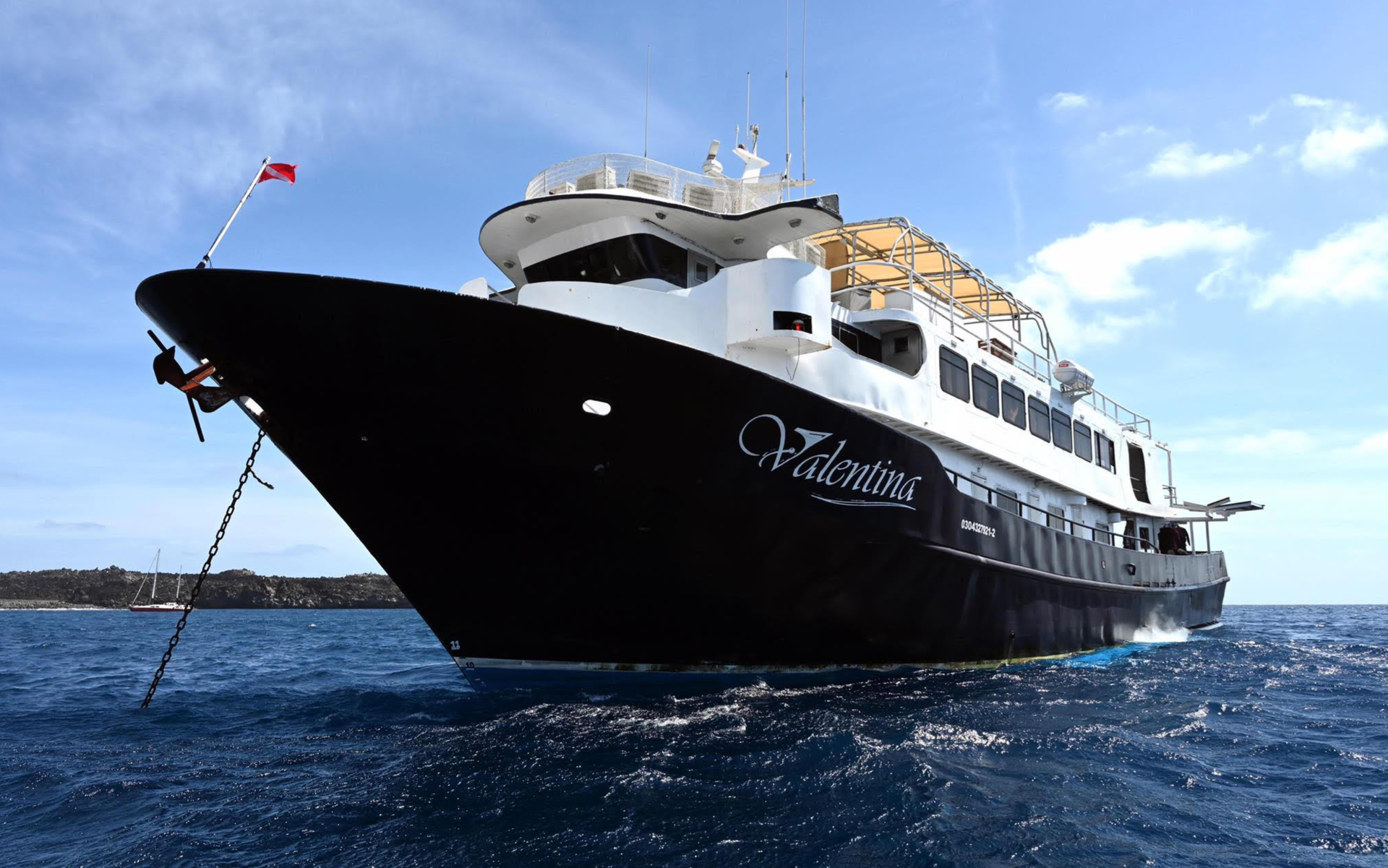
Valentina
Mexico
20 guests38.1 m
$430/day
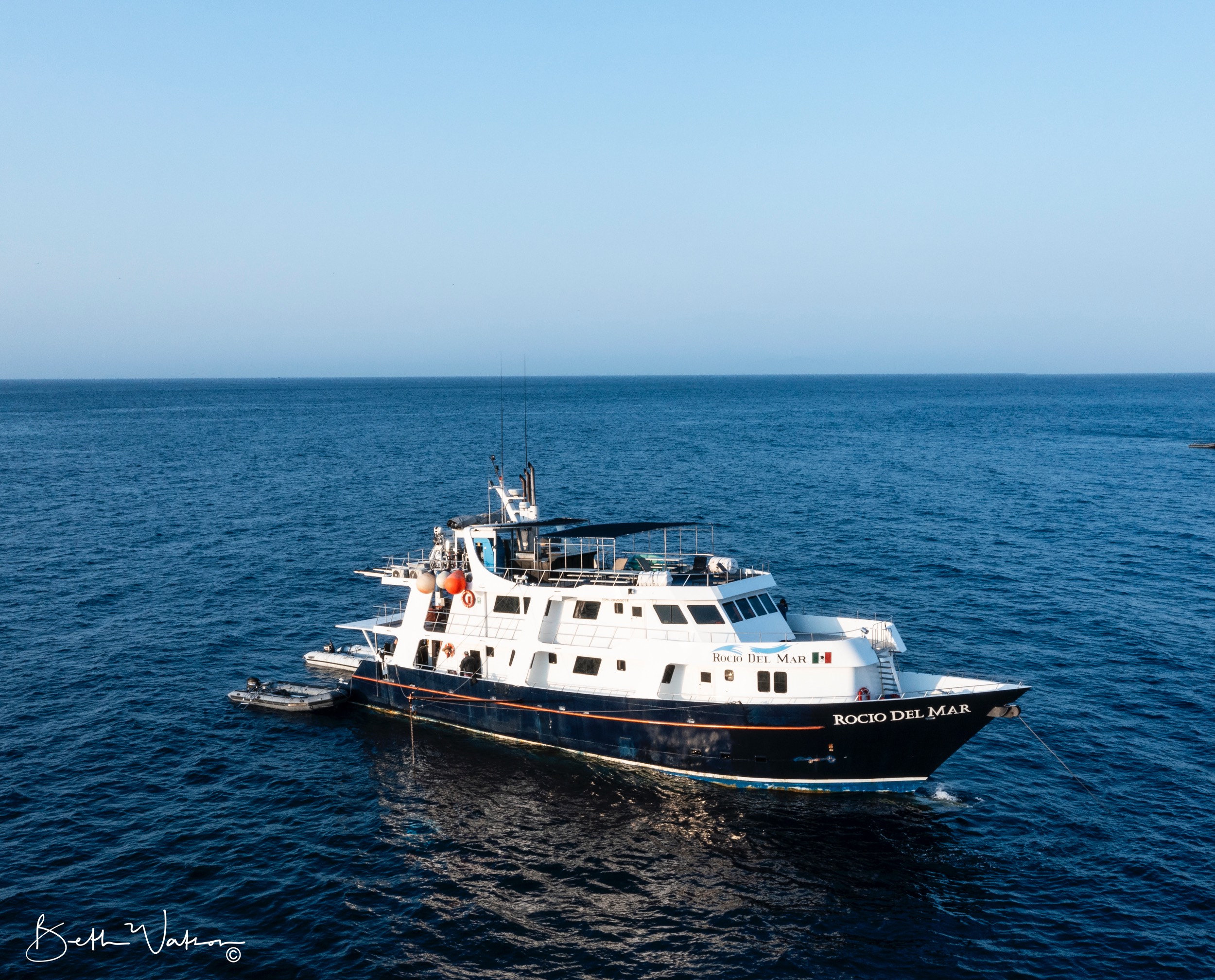
Rocio del Mar
Mexico
20 guests33.5 m
$392/day
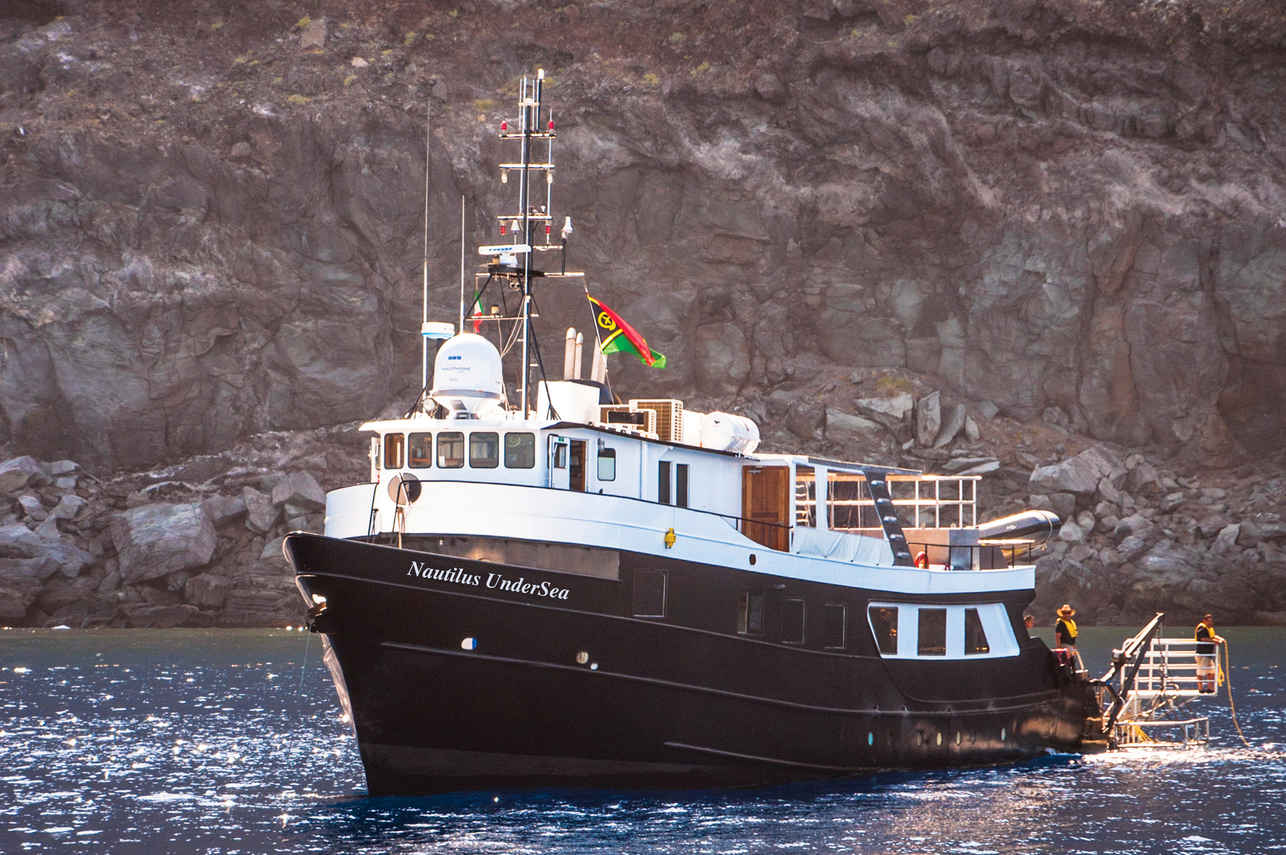
Nautilus Under Sea
Mexico
19 guests32 m
$261/day
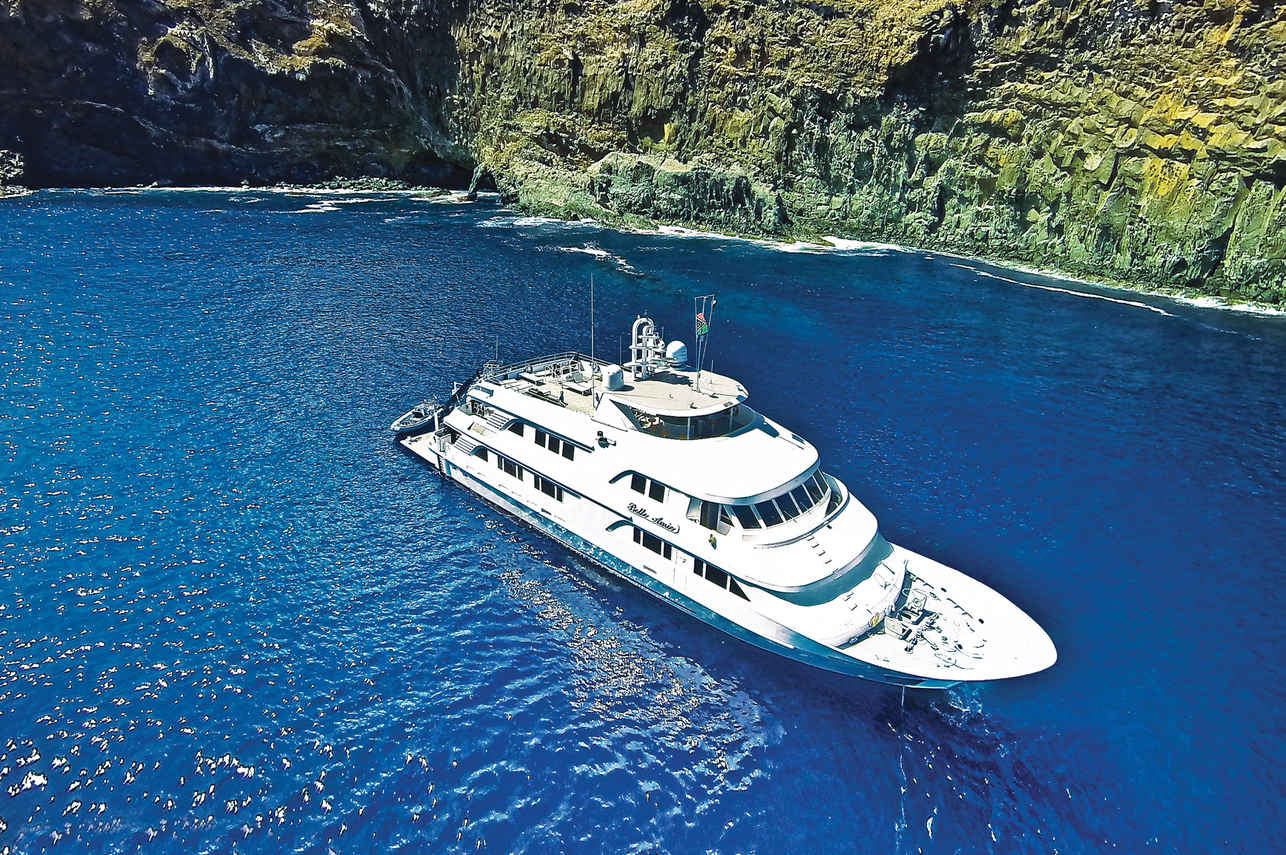
Nautilus Belle Amie
Mexico
32 guests44.8 m
$323/day
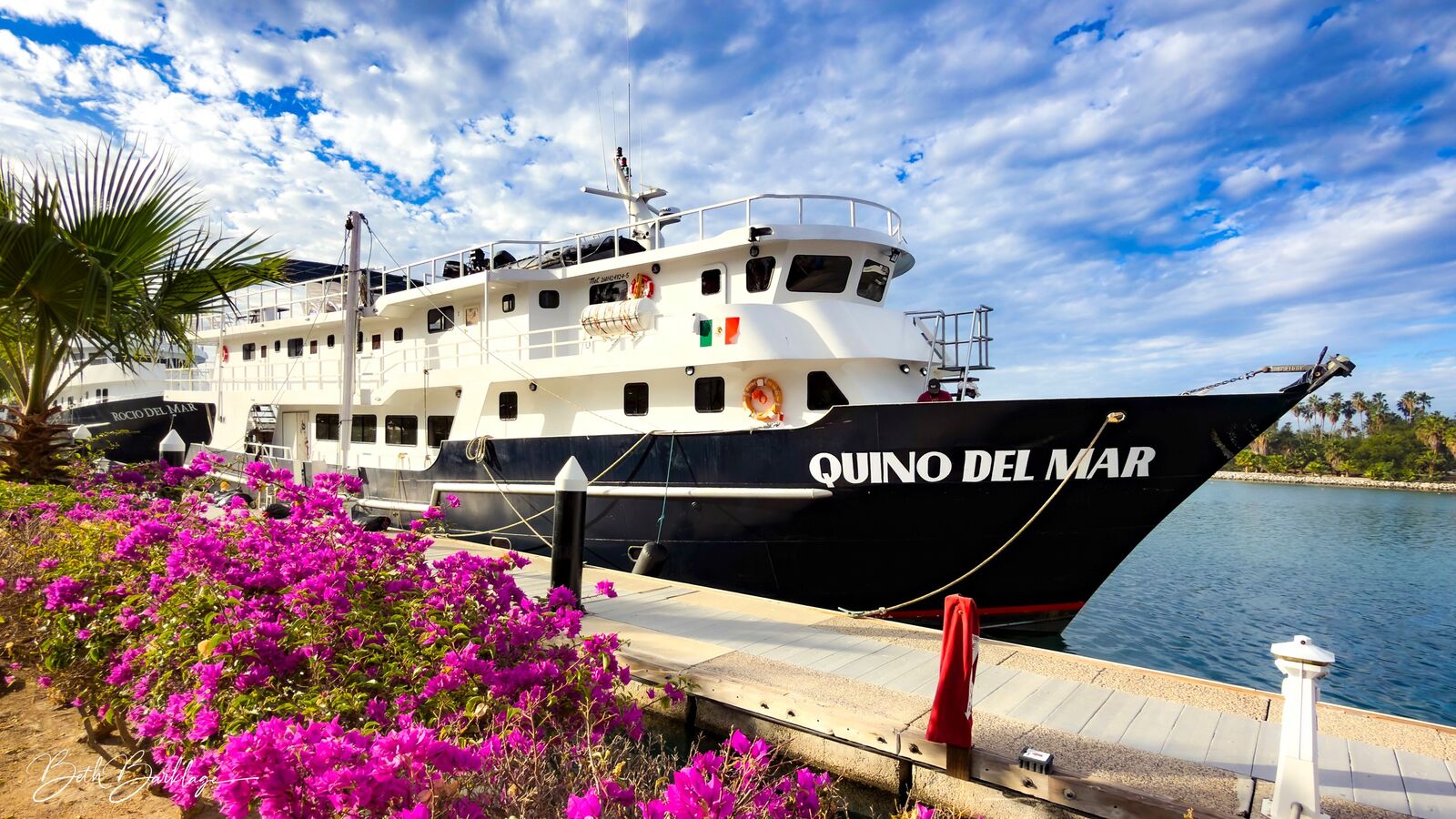
Quino del Mar
Mexico
20 guests36 m
$377/day
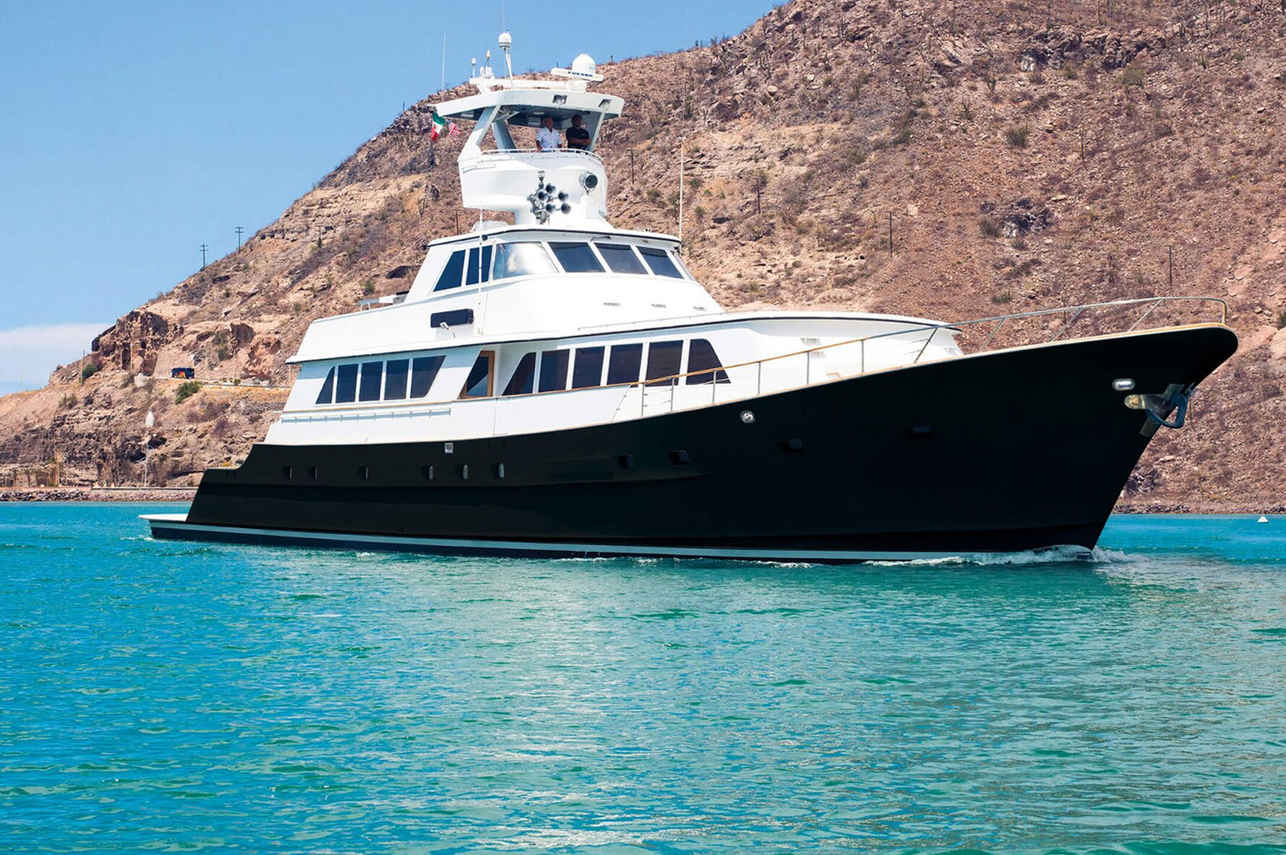
Nautilus Gallant Lady
Mexico
12 guests35.36 m
$332/day
Dive sites similar to C-53 Felipe Xicoténcatl Wreck
Same character, same waters — six more sites divers love for the exact same reasons.Compare seasons, access and liveaboard routes — then pick the site that fits your trip best.
© Esri — Maxar, Earthstar, GIS
Land's End
Mexico
Land's End marks the meeting point of the Pacific Ocean and the Sea of Cortez, creating a dynamic dive environment.
- Suitable for
- Intermediate
- Current
- Moderate
- Access
- Liveaboard or dayboat
- Depth
- 9–24 m
- Theme
- Wreck / Channel
© Esri — Maxar, Earthstar, GIS
The C-58 Wreck, also known as the USS Harlequin or ARM DM-20, is a prominent artificial reef located off the coast of Cancún and Isla Mujeres.
- Suitable for
- Advanced
- Current
- Moderate
- Access
- Dayboat
- Depth
- 18–26 m
- Theme
- Wreck / Drift
© Esri — Maxar, Earthstar, GIS
Banco Chinchorro is a vast coral atoll rising from the Mexican Caribbean, a largely untouched marine reserve renowned for its pristine conditions.
- Suitable for
- Advanced
- Current
- Strong
- Access
- Liveaboard or dayboat
- Depth
- 5–20 m
- Theme
- Wall / Wreck
© Esri — Maxar, Earthstar, GIS
C-58 Wreck
Mexico
The C-58 Wreck is a prominent artificial reef located in Bahía de Mujeres, the channel between Isla Mujeres and the Cancún coast.
- Suitable for
- Advanced
- Current
- Strong
- Access
- Dayboat
- Depth
- 18–26 m
- Theme
- Wreck / Drift
© Esri — Maxar, Earthstar, GIS
Salvatierra Wreck
Mexico
The Salvatierra Wreck offers an intriguing dive into history within the vibrant Sea of Cortez, off the coast of La Paz, Mexico.
- Suitable for
- Beginner
- Current
- Strong
- Access
- Liveaboard or dayboat
- Depth
- 10–18 m
- Theme
- Wreck
© Esri — Maxar, Earthstar, GIS
Fang Ming Wreck
Mexico
The Fang Ming Wreck, located in the Sea of Cortez near La Paz, is a captivating artificial reef created from a Chinese cargo ship.
- Suitable for
- Intermediate
- Current
- Moderate
- Access
- Liveaboard or dayboat
- Depth
- 16–22 m
- Theme
- Wreck