About Roma
Roma is a celebrated pinnacle dive site located off Tomia island in the Wakatobi archipelago of Southeast Sulawesi, Indonesia. This site is renowned for its unique topography, where a seamount ascends from deep water to just two meters below the surface. Its crest is distinctively ringed by a fringe of potato coral, giving it a resemblance to the Colosseum, which inspired its name. As a signature site within the UNESCO Biosphere Reserve, Roma showcases some of Indonesia's healthiest and most biodiverse coral reef systems. The dive begins on an incredibly vibrant reef flat, found in the shallow zone between 3 and 10 meters, boasting hard coral coverage that approaches 90 percent. This mosaic includes table corals, branching Acropora, massive Porites bommies, and plate corals, offering an extraordinary variety of shapes and textures. Beyond this thriving reef top, a dramatic wall descends vertically, with the most visually stunning section lying between 15 and 35 meters. On the deeper sections of the wall, enormous gorgonian sea fans, some spanning two meters or more, angle outwards to capture nutrients from the gentle current. Massive barrel sponges punctuate the wall in deep burgundy tones, complemented by colonies of black coral, whip corals, and soft corals that fill every available space, creating a spectacular vertical garden. The site's protected status within Wakatobi National Park ensures thriving coral health and abundant marine life. The rich environment supports a diverse array of inhabitants, from elusive pygmy seahorses camouflaged on gorgonian fans to cruising Napoleon wrasse and graceful hawksbill turtles feeding on sponges. The visibility at Roma is consistently excellent, often exceeding 30 meters and sometimes reaching 40 meters, providing clear views of this vibrant underwater landscape.
Highlights
Pinnacle seamount structureIconic coral gardensGiant gorgonian sea fansPygmy seahorse habitatDramatic vertical wallExceptional hard coral coverageNapoleon wrasse sightingsHealthy reef ecosystem
Season calendar
Best months to dive here
Jan
Feb
Mar
Apr
May
Jun
Jul
Aug
Sep
Oct
Nov
Dec
Excellent
Good
Dive site facts: Roma
- Depth
- 2–40 m
- Typical dive
- 18–30 m, 50–60 min (estimated)
- Current
- Gentle to moderate
- Visibility
- 25–40 m
- Water temperature
- 26–30 °C
- Entry
- Boat / Negative entry
- Level
- AOWD recommended
- Dive type
- Reef, Wall, Drift, Pinnacle
- Night dive
- Possible (for specific species)
- Region / port
- Wakatobi, Indonesia
- Coordinates
- 5.7240° S, 123.8920° E
Conditions & Currents
Currents at Roma range from gentle to moderate, influenced by daily tides. While manageable, the seamount's exposure means divers should be prepared for varying flow, particularly on the deeper sections of the wall. Entry is typically by boat, often requiring a negative entry to descend directly onto the reef, so clear communication and understanding of group regrouping and descent signals are crucial. Divers should stay horizontal and avoid contact with the delicate coral structures, particularly in stronger currents. Visibility is consistently excellent, often exceeding 30 meters, but maintaining awareness of team position and gas consumption is paramount in a drift scenario. The dive operator assesses daily current strength to adjust the route and depth profile, ensuring safety for all participants.
Marine life & sighting chances
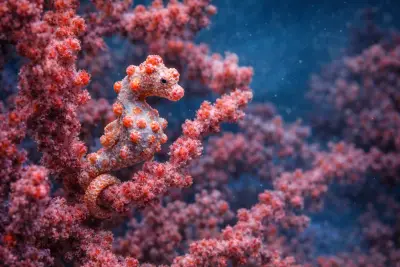
Pygmy seahorse
occasional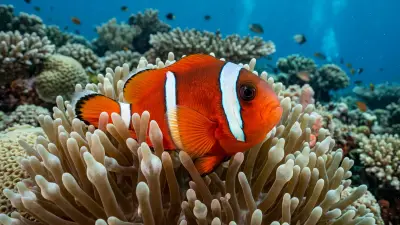
Anemonefish
common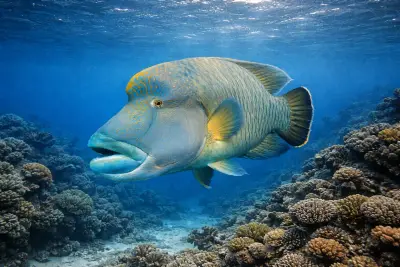
Napoleon wrasse
occasional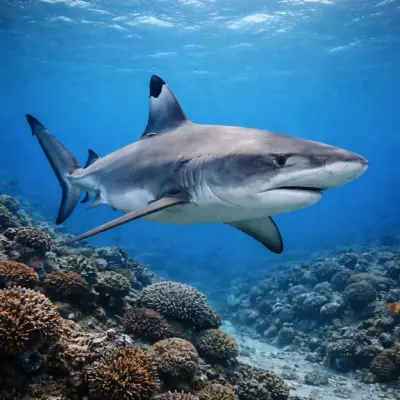
Reef shark
occasional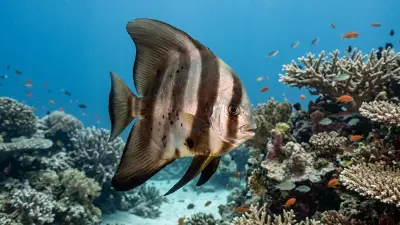
Batfish
occasional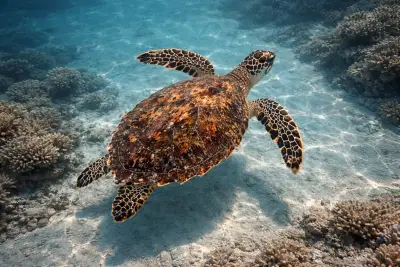
Hawksbill turtle
occasional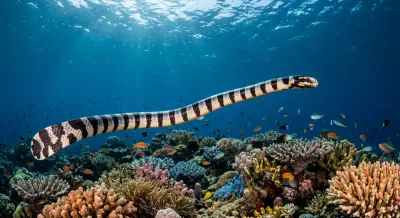
Banded sea snake
occasional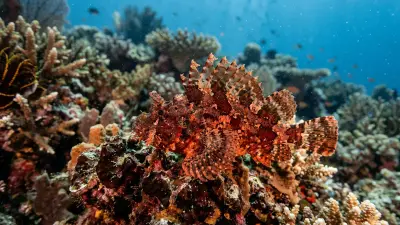
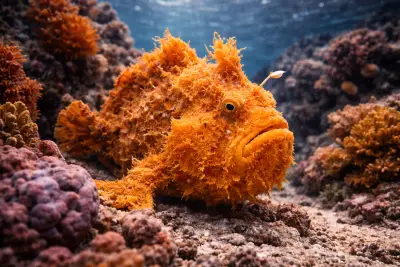
Giant frogfish
rare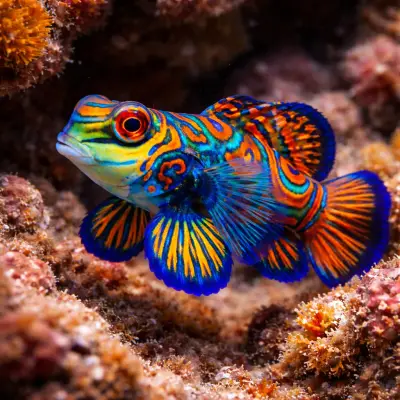
Mandarin fish
occasional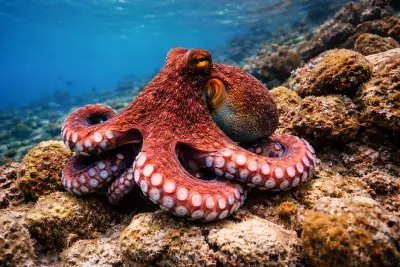
Octopus
occasional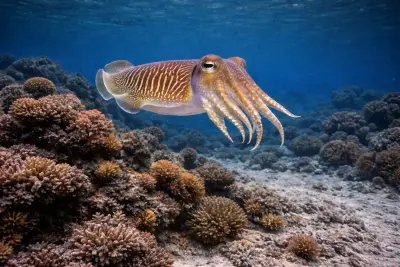
Cuttlefish
occasional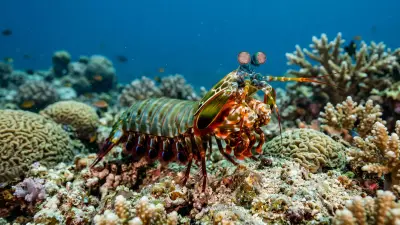
Mantis shrimp
occasionalDive profile & how the dive runs
Diving at Roma typically begins with a boat entry, often a negative descent, directly onto the reef crest that sits two to three meters below the surface. Divers then explore the vibrant shallow reef flat, adorned with diverse hard corals, before gradually descending towards the vertical wall that starts at 10-12 meters. The most visually striking section of the wall lies between 15 and 35 meters, where enormous gorgonian fans and barrel sponges are prevalent. The dive progresses along the wall, following the gentle to moderate current, allowing for observation of macro life like pygmy seahorses and larger pelagics in the blue. Towards the end of the dive, ascent typically involves moving shallower to the reef flat for a safety stop at 5 meters, which can also be used to search for species like mandarin fish in the rubble zones.
Underwater photography
Roma offers exceptional opportunities for both wide-angle and macro photography. For wide-angle shots, a fisheye or wide-angle lens is ideal to capture the grandeur of the pinnacle's structure, the dense hard coral gardens on the reef top, and the expansive gorgonian fans on the wall. The excellent visibility, often exceeding 30-40 meters, and strong ambient light penetration in the shallows make colorful reefscapes pop. For macro subjects, a macro lens is essential to focus on pygmy seahorses camouflaged on the gorgonians, leaf scorpionfish, and the array of critters in the rubble zones at the base of the reef flat. Strobe positioning is key to illuminate the vibrant colors of soft corals and marine life, especially along the deeper sections of the wall. Buoyancy control is paramount to avoid damaging the pristine corals and to maintain stable framing for both macro and wide-angle compositions.
Combine with nearby dive sites
Getting there & logistics
Access to Roma is primarily through liveaboard trips or stays at Wakatobi resorts, located in the remote Wakatobi National Park. Wakatobi has its own airport on Wangi-Wangi island with flights connecting from Makassar and Kendari; from there, boats transfer to islands like Tomia. Dive trips to Roma are typically part of a multi-day itinerary exploring various sites within the Wakatobi region, known for its pristine and isolated dive locations. A Raja Ampat Marine Park Entry Permit, valid for one calendar year and costing approximately USD 100, is required for all divers in the region.
Safety & environment
Safety at Roma requires adherence to standard diving protocols, compounded by the possibility of moderate currents. Divers should always confirm regrouping, descent signals, and lost-diver procedures before any negative entry, which is often used here. The nearest recompression chamber would likely require medical evacuation to a larger facility like Makassar, emphasizing the critical need for comprehensive dive insurance covering medical emergencies and evacuation. Divers must continuously monitor depth, gas supply, and no-decompression limits, particularly in drift scenarios. Maintaining situational awareness and remaining with your buddy and dive group is essential to ensure a safe and enjoyable experience at this vibrant, current-exposed site.
Who it suits — and who it doesn't
Suited for
- Advanced Open Water divers with drift experience
- Underwater photographers (macro & wide-angle)
- Divers seeking pristine coral ecosystems
- Enthusiasts of wall and pinnacle dives
- Those who appreciate strong marine biodiversity
Less suited for
- Open Water divers without current experience
- Divers uncomfortable with negative entries
- Individuals with poor buoyancy control
- Those who prefer static, no-current dives
- Divers expecting guaranteed pelagic encounters
FAQ
Roma FAQ
What kind of current can I expect at Roma?
Roma generally experiences gentle to moderate currents. While conditions can vary, especially with tides, the site is known for manageable flow that enhances drift diving along its walls. Dive operators constantly assess daily conditions and adjust the dive plan accordingly to ensure diver safety and enjoyment.
Is Roma suitable for beginner divers?
Roma is generally recommended for Advanced Open Water divers due to its boat entry procedures, potential for currents, and the depth range. While some shallower sections might be manageable for Open Water divers under strict supervision, the overall task loading of the dive typically makes it better suited for those with more experience and training.
What marine life is Roma famous for?
Roma is celebrated for its incredible coral diversity, including extensive hard coral gardens and giant gorgonian sea fans. Key marine life often sighted includes pygmy seahorses camouflaged on the fans, hawksbill turtles, Napoleon wrasse, and various reef sharks. The site's health and protected status contribute to a rich variety of fish and macro critters.
Why is Roma considered a famous dive site?
Roma gained fame as a signature dive in Wakatobi because of its unique pinnacle structure, which rises close to the surface, and its dramatic vertical walls. The site's resemblance to the Colosseum due to a fringe of potato coral on its crest, combined with its exceptional coral health and marine biodiversity, cements its status as a must-dive location.
What is the visibility like at Roma?
Visibility at Roma is consistently excellent, often ranging between 25 and 40 meters. Wakatobi's clear waters, free from major river runoff, contribute to this superb clarity year-round. This allows for expansive views of the stunning reef structures and abundant marine life, making it a favorite for underwater photography.
Why dive Roma from a liveaboard?
Roma is one of Indonesia's signature dive sites. A liveaboard sleeps you on the water and puts you in the water for three to four guided dives per day, including dawn and night dives that day-boat operators rarely offer. You skip the daily commute back to port and reach quieter, less-crowded sites in the same region on a single trip.
Below are the liveaboards that include Roma on their Indonesia itineraries.
Liveaboards diving Roma
These liveaboards may visit Roma on selected itineraries — the exact dive sites depend on departure, weather and conditions.
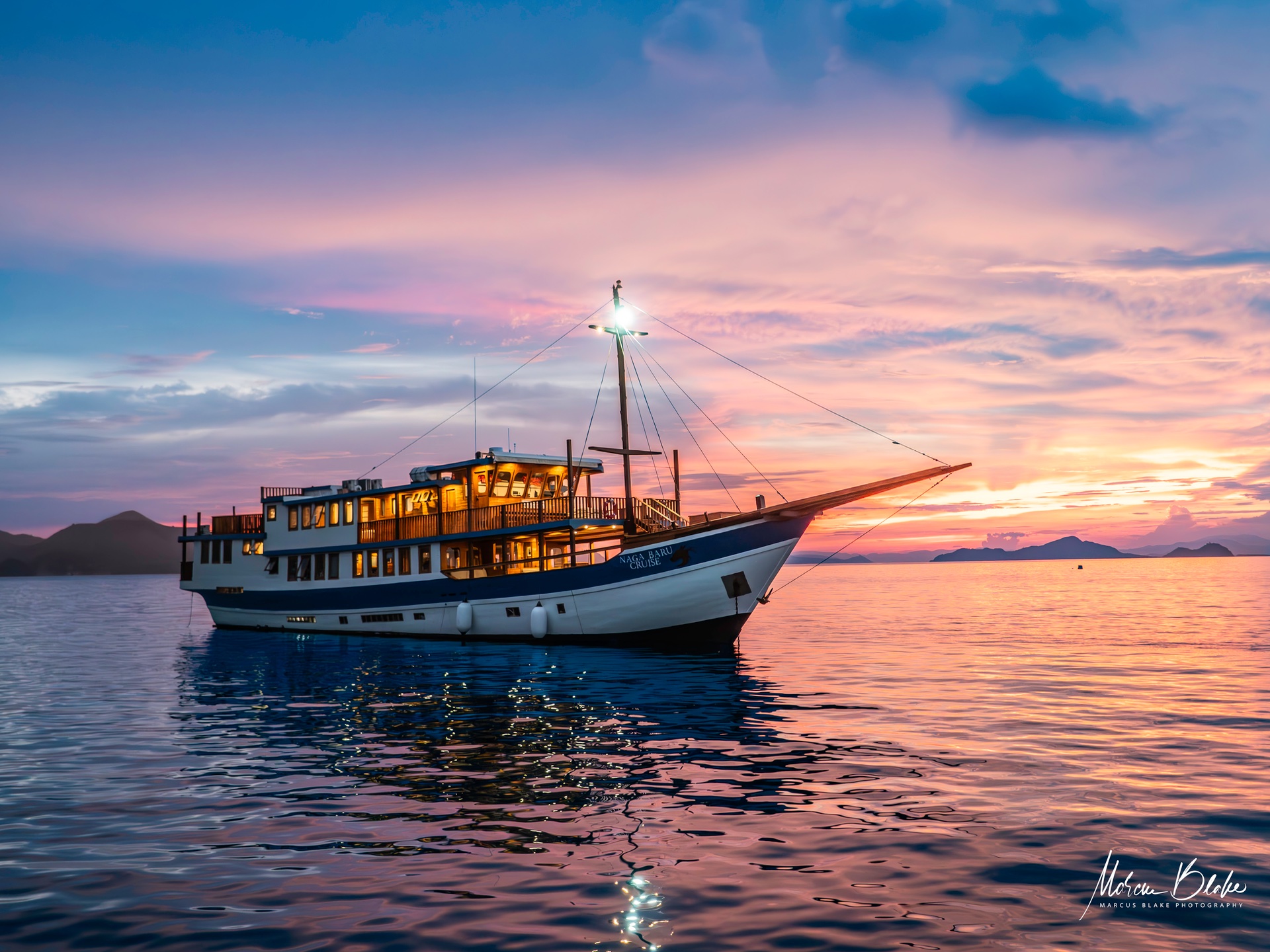
Naga Biru
Indonesia
12 guests40 m
$274/day
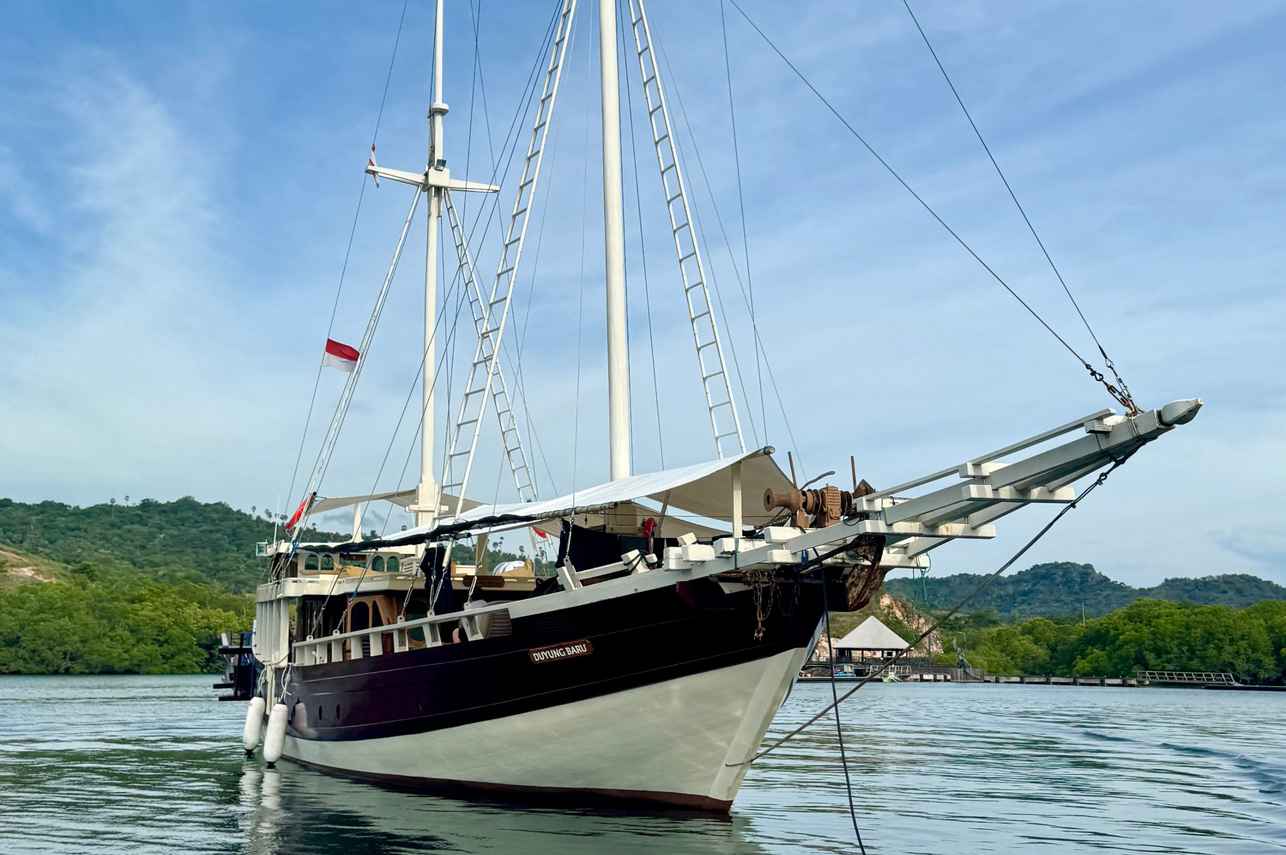
Ecopro Duyung Baru
Indonesia
6 guests27 m
$361/day
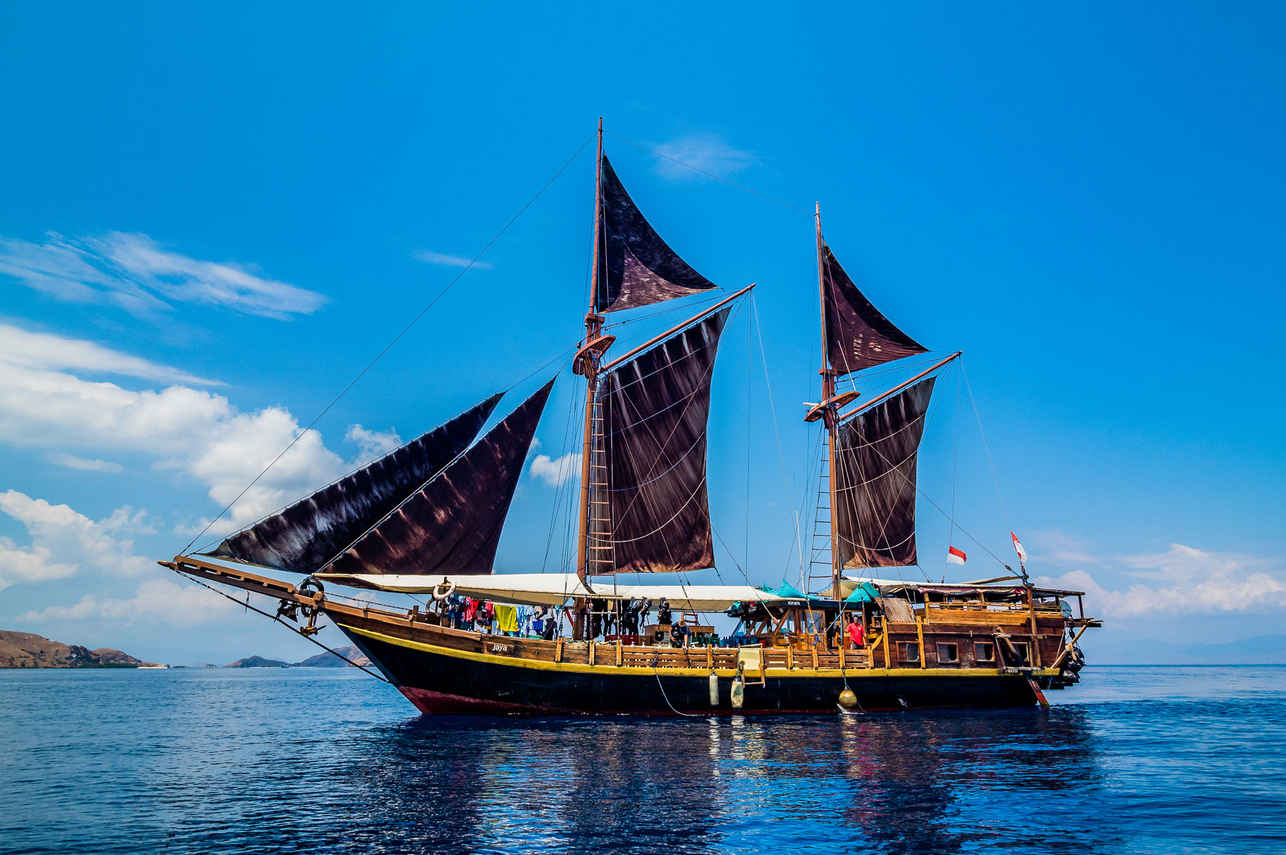
Jaya
Indonesia
14 guests23 m
$280/day
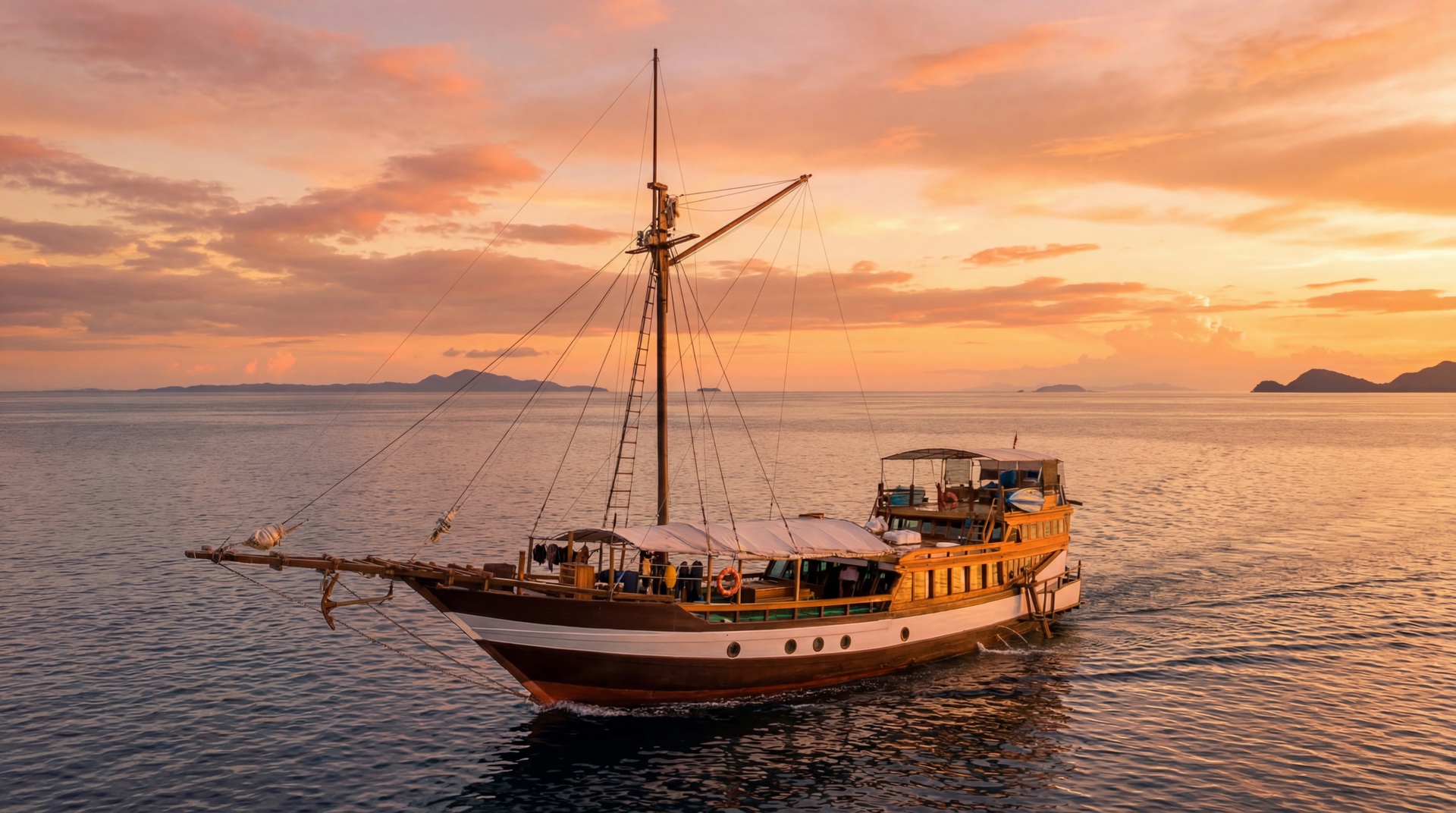
Wellenreng
Indonesia
9 guests25 m
$427/day
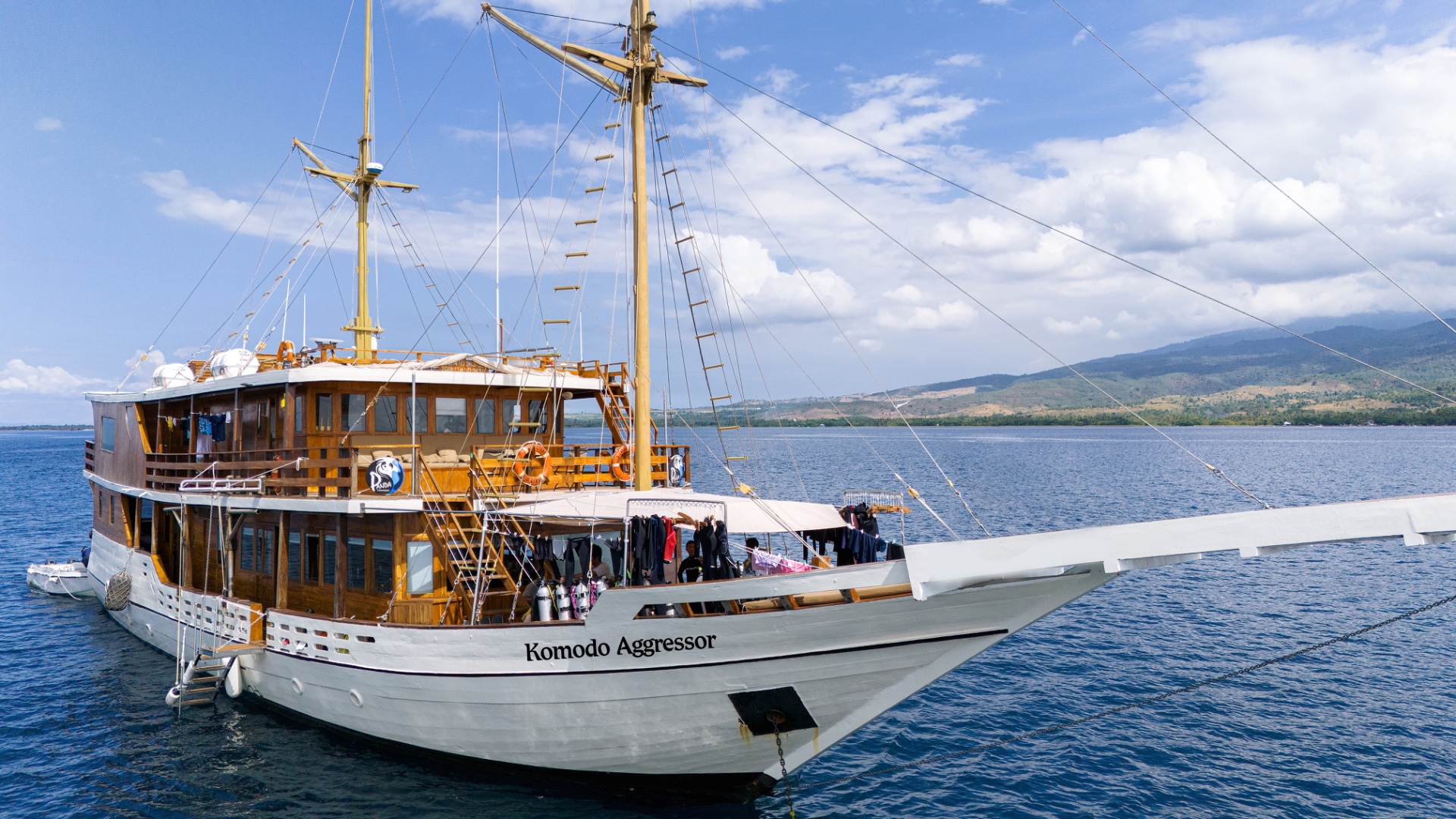
Komodo Aggressor
Komodo, Indonesia
16 guests29 m
$312/day
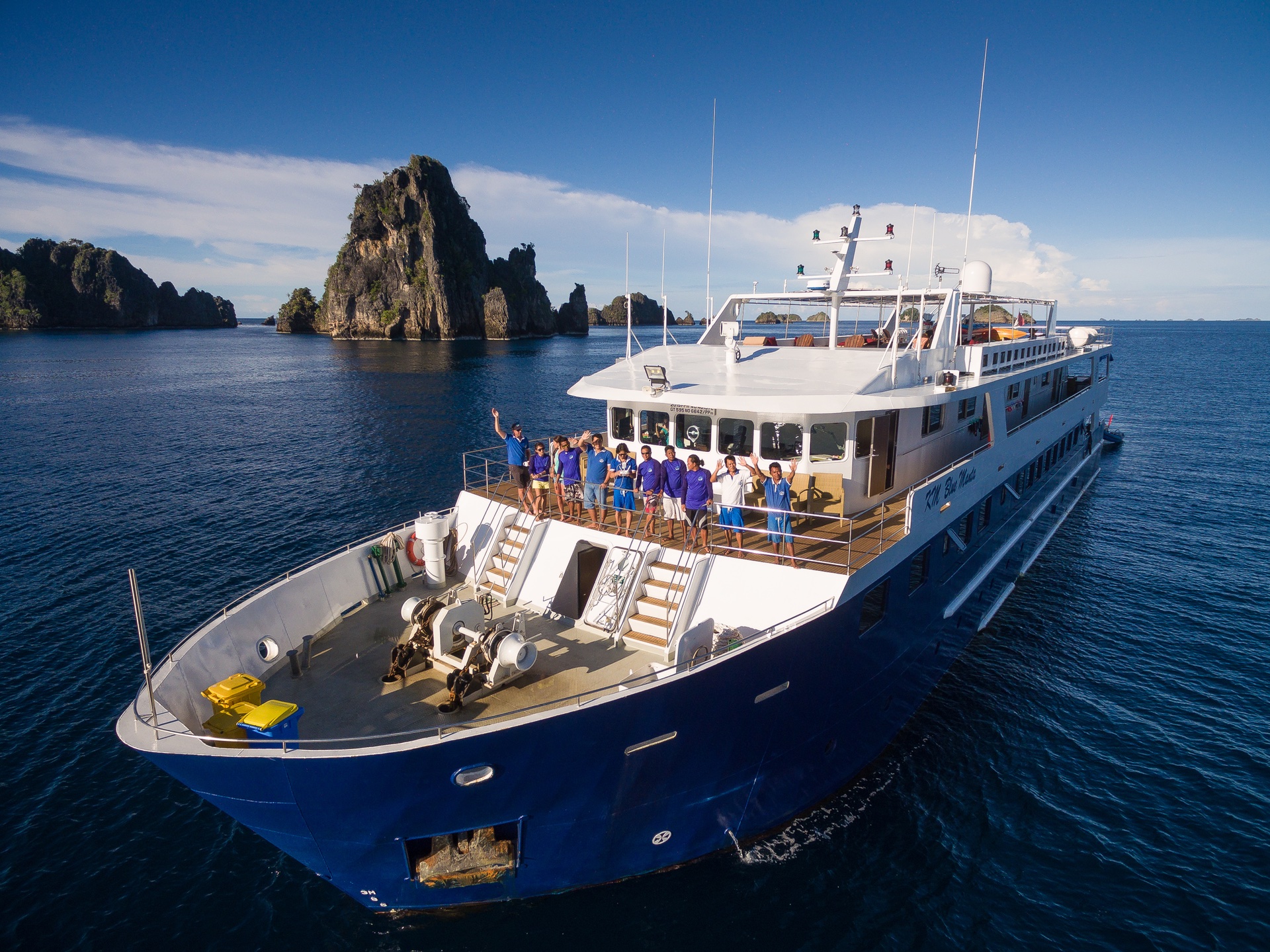
Blue Manta
Indonesia
20 guests45 m
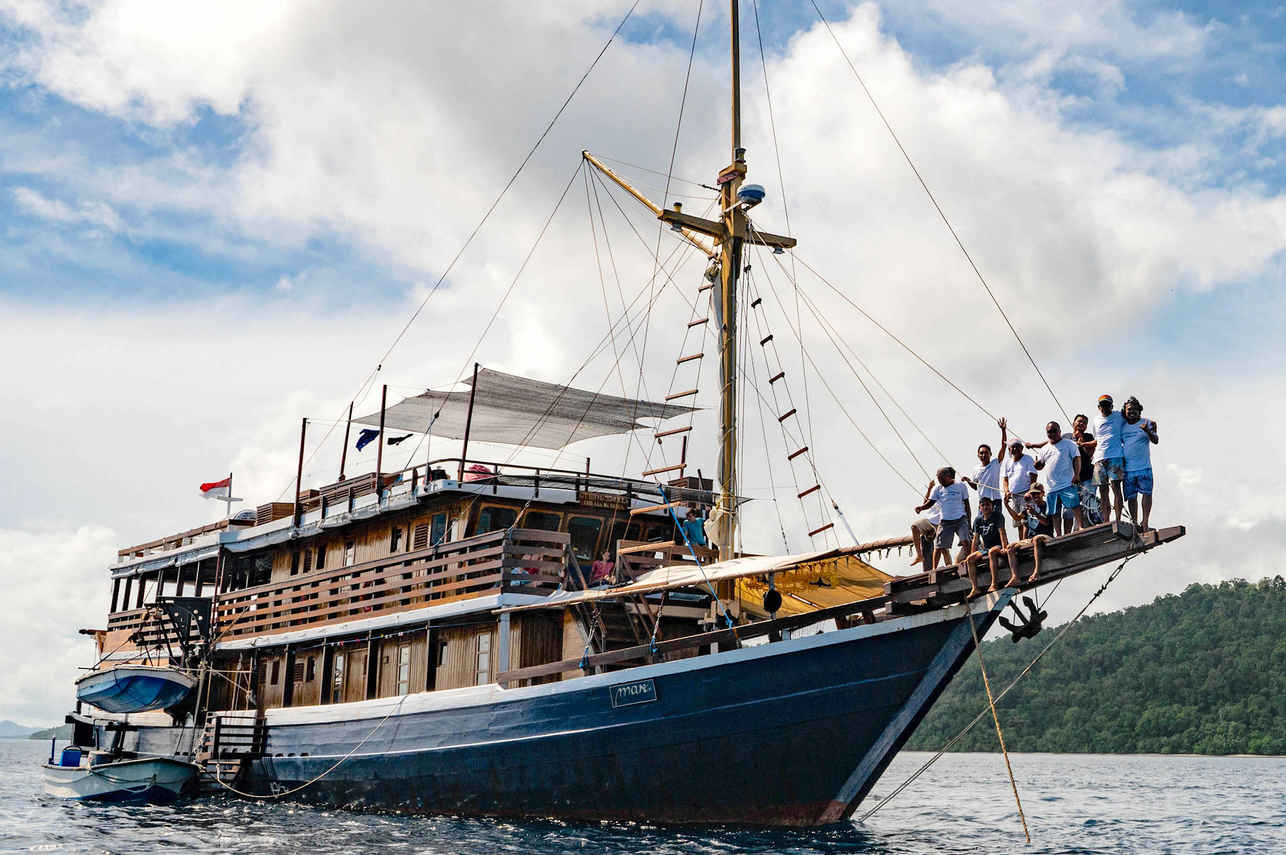
Mari
Indonesia
14 guests32.2 m
$328/day
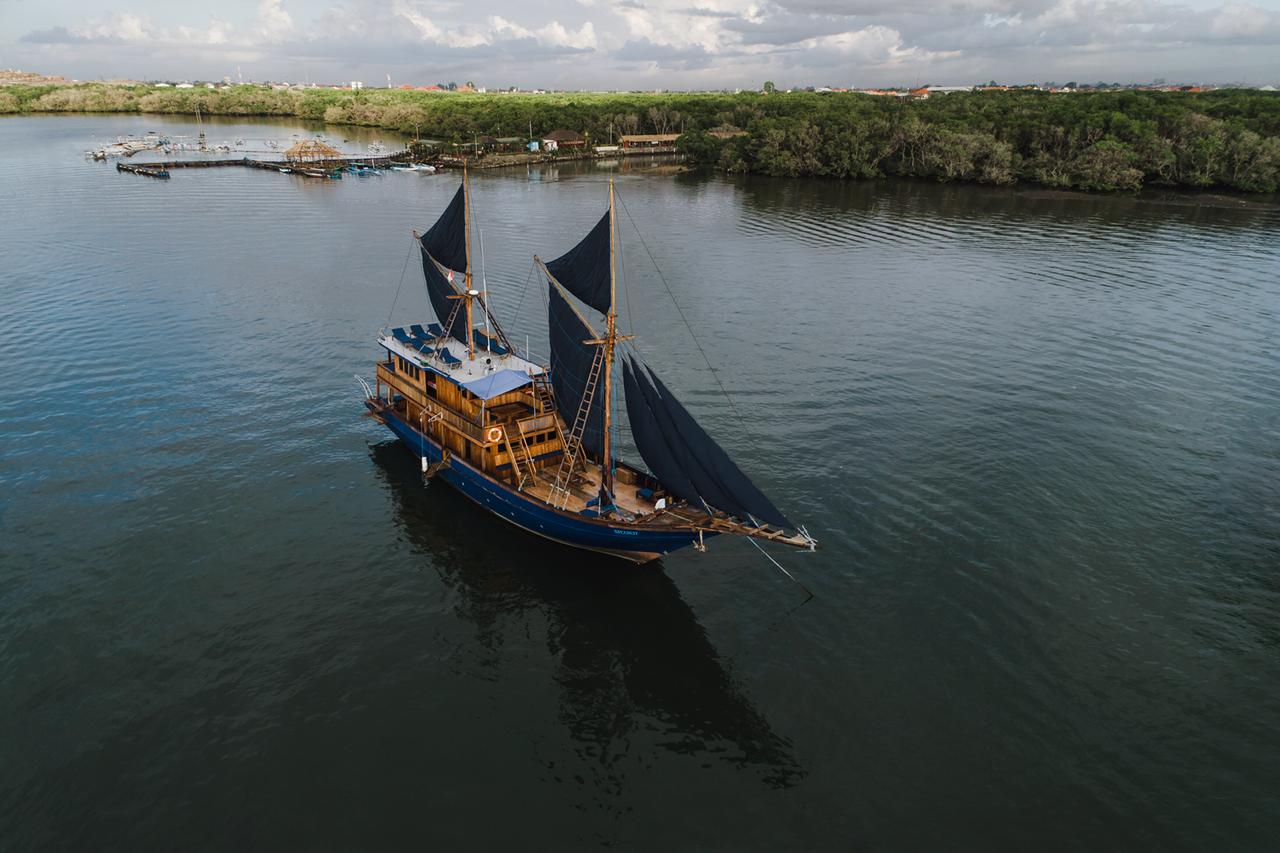
Situju7
Komodo, Indonesia
10 guests32.7 m
$362/day
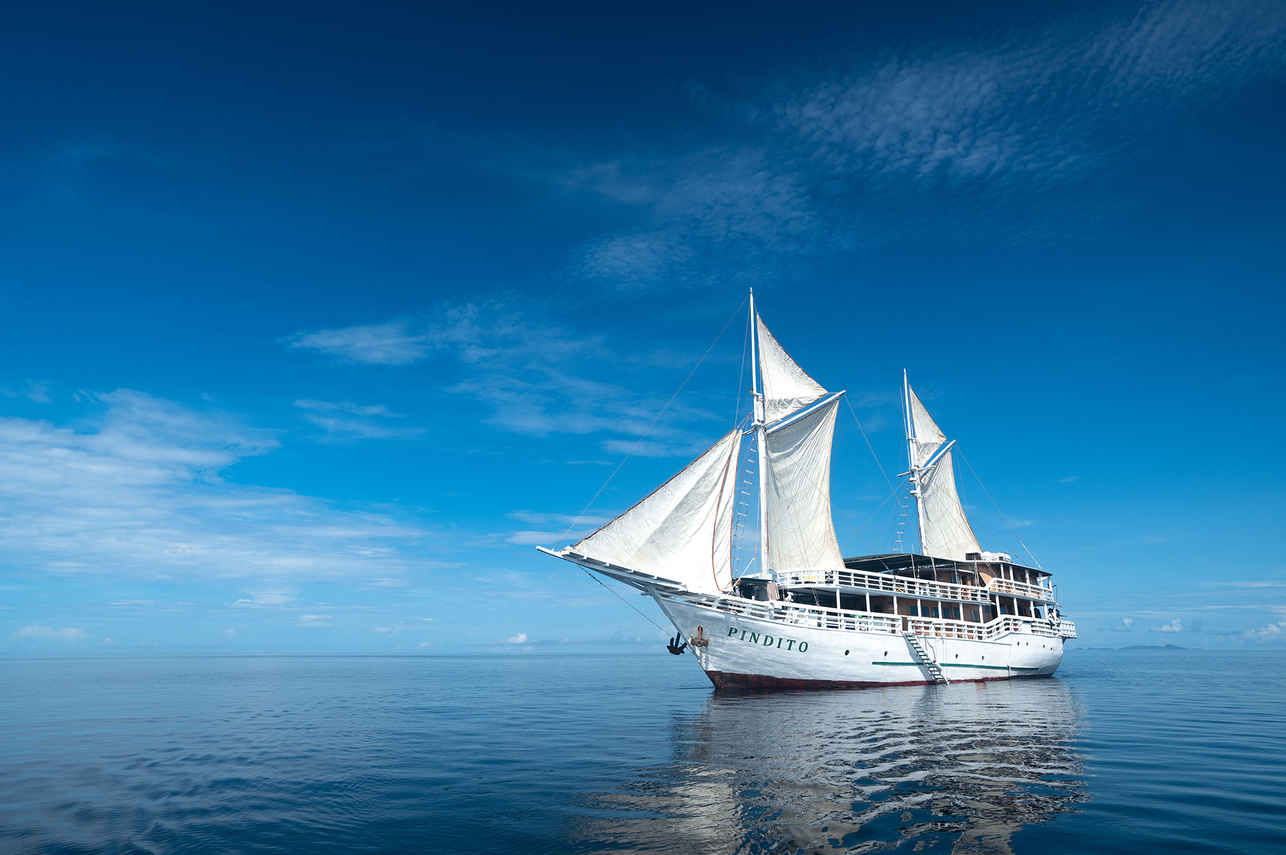
Pindito
Indonesia
16 guests37.79 m
$533/day
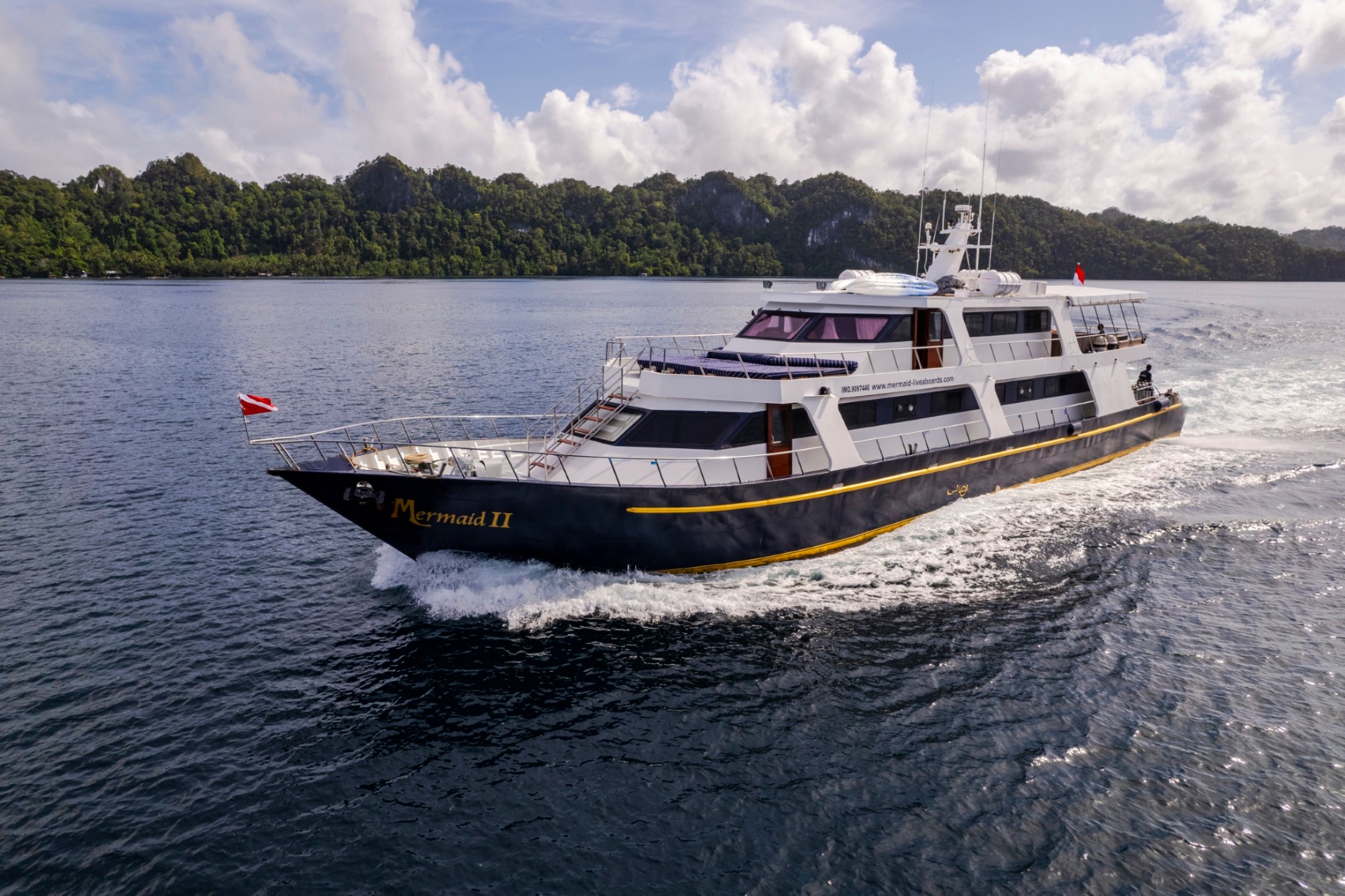
Mermaid II
Komodo, Indonesia
18 guests
$355/day
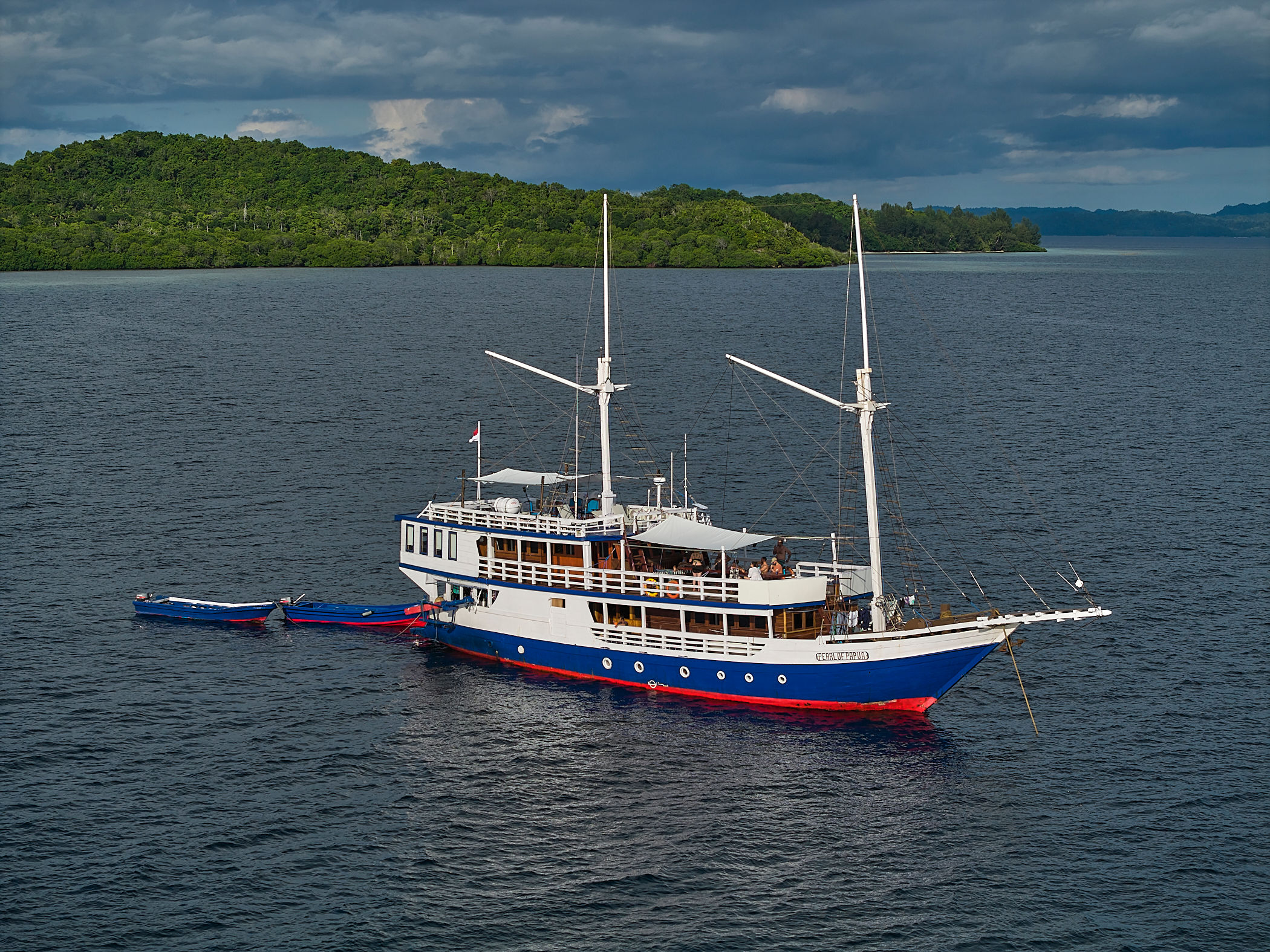
Pearl of Papua
Raja Ampat, Indonesia
14 guests30 m
$303/day
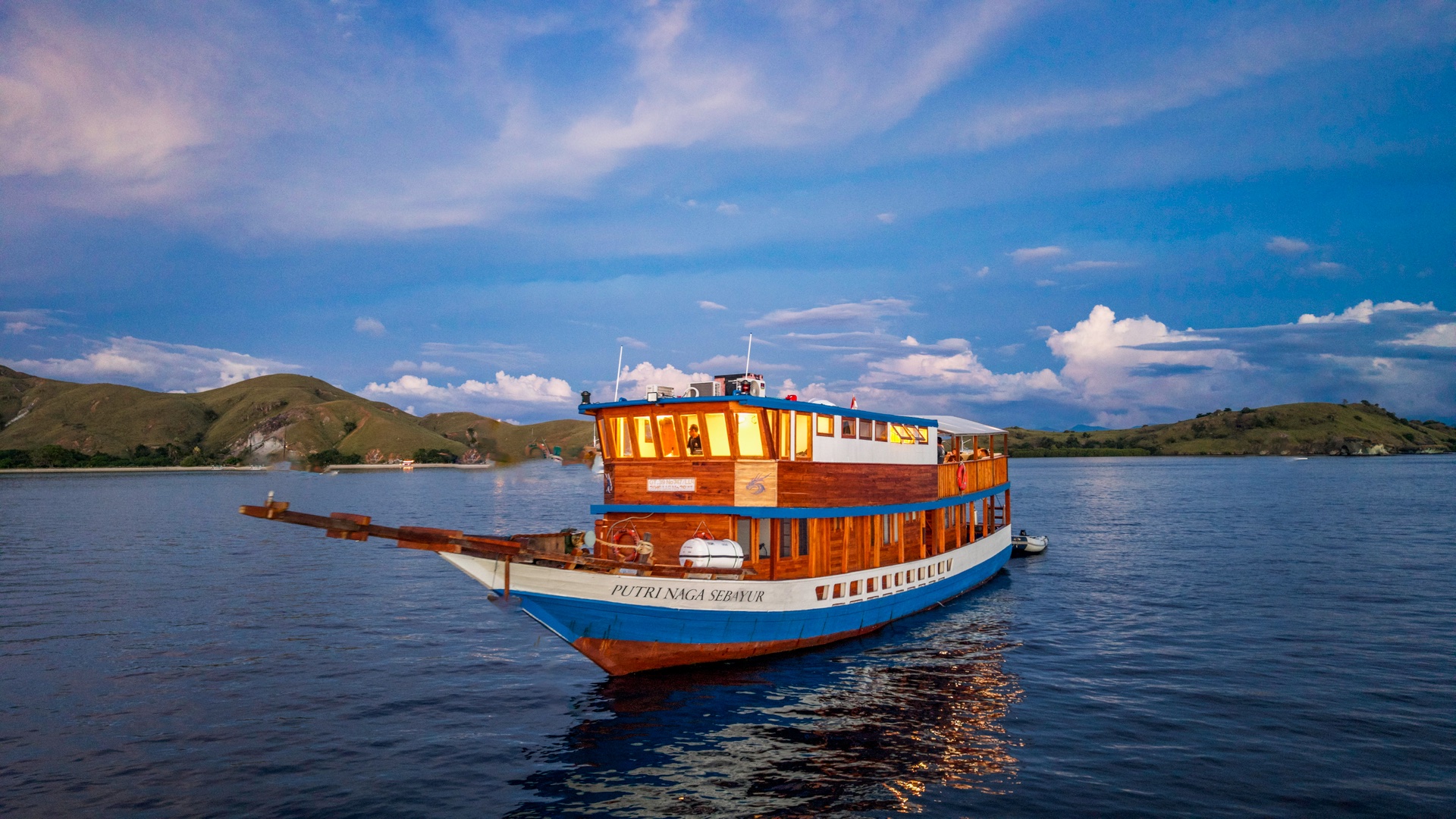
Putri Naga
Komodo, Indonesia
6 guests25 m
$223/day
Dive sites similar to Roma
Same character, same waters — six more sites divers love for the exact same reasons.Compare seasons, access and liveaboard routes — then pick the site that fits your trip best.
© Esri — Maxar, Earthstar, GIS
Mawali Wreck
Indonesia
The Mawali Wreck, a Japanese cargo ship, rests on its side in the Lembeh Strait, off the northern coast of Sulawesi.
- Suitable for
- Advanced
- Current
- Mild
- Access
- Liveaboard only
- Depth
- 25–40 m
- Theme
- Wreck / Reef
Aljui Bay, located in Raja Ampat's remote northern reaches, was discovered as a premier snorkeling and diving destination by chance in 2011. This bay, situated within the broader…
- Suitable for
- Beginner
- Current
- Mild
- Access
- Liveaboard only
- Depth
- ≤ 20 m
- Theme
- Reef
Wakatobi, an acronym for the islands of Wangi-Wangi, Kaledupa, Tomia, and Binongko, lies in Southeast Sulawesi, Indonesia, at the heart of the Coral Triangle.
- Suitable for
- Beginner
- Current
- No current
- Access
- Liveaboard only
- Depth
- 5–30 m
- Theme
- Wall / Reef
© Esri — Maxar, Earthstar, GIS
Cornucopia
Indonesia
Cornucopia, aptly named the 'horn of plenty,' is celebrated as Wakatobi's most spectacular wall dive, offering a diverse and nutrient-rich underwater environment.
- Suitable for
- Intermediate
- Current
- Mild
- Access
- Liveaboard only
- Depth
- 5–40 m
- Theme
- Reef
© Esri — Maxar, Earthstar, GIS
Raymond’s Point
Indonesia
Raymond's Point is a distinguished dive site located south of Mike's Point within the Bunaken National Marine Park, renowned for its dramatic vertical wall.
- Suitable for
- Advanced
- Current
- Strong
- Access
- Dayboat
- Depth
- 5–35 m
- Theme
- Reef / Wall
Located in Tulamben Bay on Bali’s northeastern coast, Drop Off, also known as the Tulamben Wall, is a rewarding dive site recognized for its dramatic underwater landscape.
- Suitable for
- Intermediate
- Current
- Mild
- Access
- Shore / dayboat
- Depth
- 5–60 m
- Theme
- Muck diving / Reef