About Aljui Bay
Aljui Bay, located in Raja Ampat's remote northern reaches, was discovered as a premier snorkeling and diving destination by chance in 2011. This bay, situated within the broader Raja Ampat archipelago, is globally recognized for its unparalleled marine biodiversity, hosting more documented fish, coral, and invertebrate species per square kilometer than any other location worldwide. The site is characterized by an unusual topography where gorgonian sea fans, typically found at depths of 12-18 meters (40-60 feet), grow robustly even near the surface. The reefs boast an extraordinary array of colors and are considered exceptionally healthy, showcasing coral growth rarely observed elsewhere. While specific seasonal details for Aljui Bay itself are limited, the broader Raja Ampat region, where it is located, experiences optimal diving conditions from October to April, marked by calmer seas, clear waters, and comfortable temperatures. This period also offers peak opportunities for sighting larger marine life across the region. Diving Aljui Bay offers an intimate experience with thriving coral gardens and diverse macro life, making it suitable for both snorkeling and diving enthusiasts. Its protected location within a secluded cove ensures calm conditions, providing a tranquil environment to explore its rich underwater landscape.
Highlights
Exceptionally healthy coral growthGorgonian sea fans near surfaceRich marine biodiversitySecluded, protected coveVibrant, colorful reefsExcellent snorkeling potential
Season calendar
Best months to dive here
Jan
Feb
Mar
Apr
May
Jun
Jul
Aug
Sep
Oct
Nov
Dec
Excellent
Good
Dive site facts: Aljui Bay
- Depth
- 20 m
- Current
- Mild (within bay), variable regionally
- Visibility
- 10–30 m (regionally)
- Water temperature
- 28–30°C
- Entry
- Tender
- Level
- All levels (snorkeling to advanced)
- Dive type
- Coral garden, macro, reef
- Region / port
- Raja Ampat, Indonesia
- Coordinates
- 4.6045° S, 123.8996° E
Conditions & Currents
Specific current information for Aljui Bay is not detailed, but it is known as a secluded cove, suggesting generally calm conditions within the bay itself. In the wider Raja Ampat region, currents can vary from gentle to strong depending on tidal phases and specific dive sites, necessitating good buoyancy control and experience. Visibility in Raja Ampat typically ranges from 10 to 30 meters, with better clarity often experienced in the dry season (October-April). Water temperatures consistently hover between 28-30°C, making for comfortable diving. Divers should always consult with local guides regarding conditions on the day, especially when venturing outside the protected bay.
Marine life & sighting chances

Fish species (over 1,400 types)
common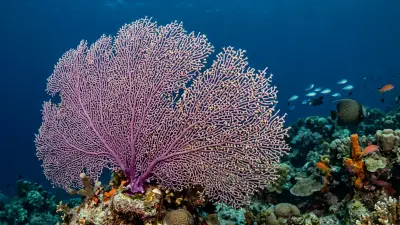
Gorgonian sea fans
commonInvertebrates
common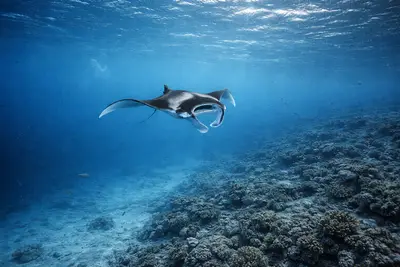
Manta rays
December-April · occasional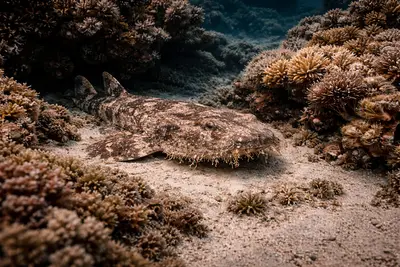
Wobbegong sharks
occasional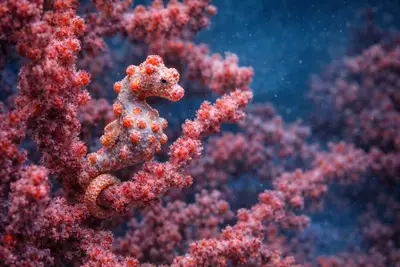
Pygmy seahorses
occasional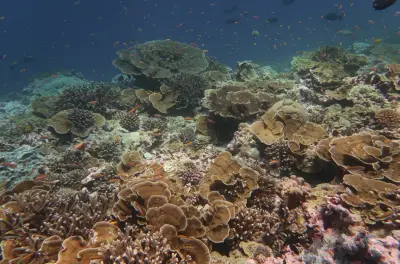
Reef fish schools
commonDive profile & how the dive runs
Aljui Bay is typically accessed by tender, as it is a secluded cove within the remote northern reaches of Raja Ampat. Dives usually begin with a descent onto the vibrant reef, exploring the unique topography where gorgonian sea fans thrive even in shallow depths. The dive profile generally involves a gentle exploration of the coral gardens, moving along the healthy, colorful reefs. Divers can observe a wide array of macro life and reef fish amidst the unusually dense coral growth. Since specific depths are not detailed, divers can adjust their profile to explore various bands of the reef, keeping an eye out for interesting critters. The sheltered nature of the bay suggests a relaxed dive, suitable for extended bottom times to fully appreciate the rich biodiversity. Safety stops are conducted in the tranquil, shallower waters of the bay before surfacing for tender pickup.
Underwater photography
Aljui Bay's exceptionally healthy and colorful coral growth, particularly the shallow-growing gorgonian sea fans, makes it an ideal subject for wide-angle photography, especially in the shallower sections. A wide-angle or fisheye lens will capture the expansive reefscapes and the unusual prevalence of large fans near the surface. For macro photographers, the bay’s rich invertebrate life offers abundant opportunities; a macro lens with a diopter can highlight the intricate details of small critters nestled among the corals. Natural light is often sufficient in the shallower, clearer waters, but strobes are recommended to bring out the true colors of the corals and marine life, especially at greater depths. Focus on maintaining excellent buoyancy to avoid damaging the pristine, fragile corals. Patience and a keen eye will be rewarded with unique shots of this thriving ecosystem.
Getting there & logistics
Aljui Bay is located in Raja Ampat, Indonesia, which is primarily accessed via Sorong (SOQ) airport. Most divers arrive in Sorong by domestic flight after an international flight to a major Indonesian hub like Jakarta (CGK) or Makassar (UPG). From Sorong, Aljui Bay is typically reached by liveaboard, as it is located in a remote area of northern Raja Ampat. Liveaboard itineraries vary in length, often ranging from 7 to 12 days, and provide access to a wide array of dive sites across the archipelago. The Raja Ampat Marine Park Entry Permit, costing approximately $100 USD, is required for all visitors and supports conservation efforts. Aljui Bay is often combined with other northern Raja Ampat sites on liveaboard routes.
Safety & environment
Diving in Aljui Bay, as part of remote Raja Ampat, necessitates careful safety planning. The nearest recompression chamber is typically located in Sorong, requiring a significant transfer time from Aljui Bay. Divers must carry comprehensive dive insurance that covers emergency medical treatment and evacuation, including air ambulance services. Liveaboards operating in the region usually have trained medical staff and emergency oxygen onboard, but rapid evacuation for severe cases can be challenging due to the remote location. Site-specific hazards in Aljui Bay are generally low due to its sheltered nature, but divers should always be mindful of local conditions. Always follow your dive guide’s instructions, maintain good buoyancy control to protect the pristine corals, and monitor your dive computer closely.
Who it suits — and who it doesn't
Suited for
- Experienced snorkelers and freedivers
- Macro photography enthusiasts
- Coral reef enthusiasts
- Divers seeking healthy, vibrant ecosystems
- Liveaboard guests exploring remote Raja Ampat
Less suited for
- Divers prone to seasickness (during wet season regionally)
- Beginners without good buoyancy control
- Those expecting large pelagic action at this specific site
- Divers on short land-based resort trips focused solely on Dampier Strait
FAQ
Aljui Bay FAQ
What makes Aljui Bay unique for diving and snorkeling?
Aljui Bay is notable for its exceptionally healthy and vibrant coral reefs, where gorgonian sea fans grow much closer to the surface than typically observed. This unique topography, combined with a rich diversity of fish and invertebrates, creates a colorful and thriving underwater landscape. It offers an intimate experience with pristine coral gardens in a secluded setting.
Is Aljui Bay suitable for beginner divers?
While the sheltered nature of Aljui Bay might suggest suitability for beginners, the overall Raja Ampat region often features varying currents. However, within the protected cove of Aljui Bay, conditions are typically calm, making it accessible for divers with basic skills who can maintain good buoyancy. It's an excellent site for snorkelers due to the shallow coral growth.
When is the best time to visit Aljui Bay?
The optimal time to visit Aljui Bay aligns with the broader Raja Ampat diving season, which runs from October to April. During these months, the region experiences calmer seas, excellent visibility, and comfortable water temperatures. This period offers the best conditions for exploring the bay's pristine reefs.
What marine life can I expect to see in Aljui Bay?
Aljui Bay is teeming with diverse marine life, characteristic of Raja Ampat's high biodiversity. You can expect to encounter numerous species of colorful reef fish and a wide array of invertebrates. The site is particularly known for its extensive and healthy coral growth, including gorgonian sea fans that extend into very shallow water.
How do I get to Aljui Bay?
Aljui Bay is located in the remote northern part of Raja Ampat, Indonesia. The most common way to reach it is via a liveaboard dive trip departing from Sorong, the main gateway to Raja Ampat. Liveaboards provide access to these more distant sites that are not typically reachable by day trips from resorts.
Why dive Aljui Bay from a liveaboard?
Aljui Bay is one of Indonesia's signature dive sites. A liveaboard sleeps you on the water and puts you in the water for three to four guided dives per day, including dawn and night dives that day-boat operators rarely offer. You skip the daily commute back to port and reach quieter, less-crowded sites in the same region on a single trip.
Below are the liveaboards that include Aljui Bay on their Indonesia itineraries.
Liveaboards diving Aljui Bay
These liveaboards may visit Aljui Bay on selected itineraries — the exact dive sites depend on departure, weather and conditions.
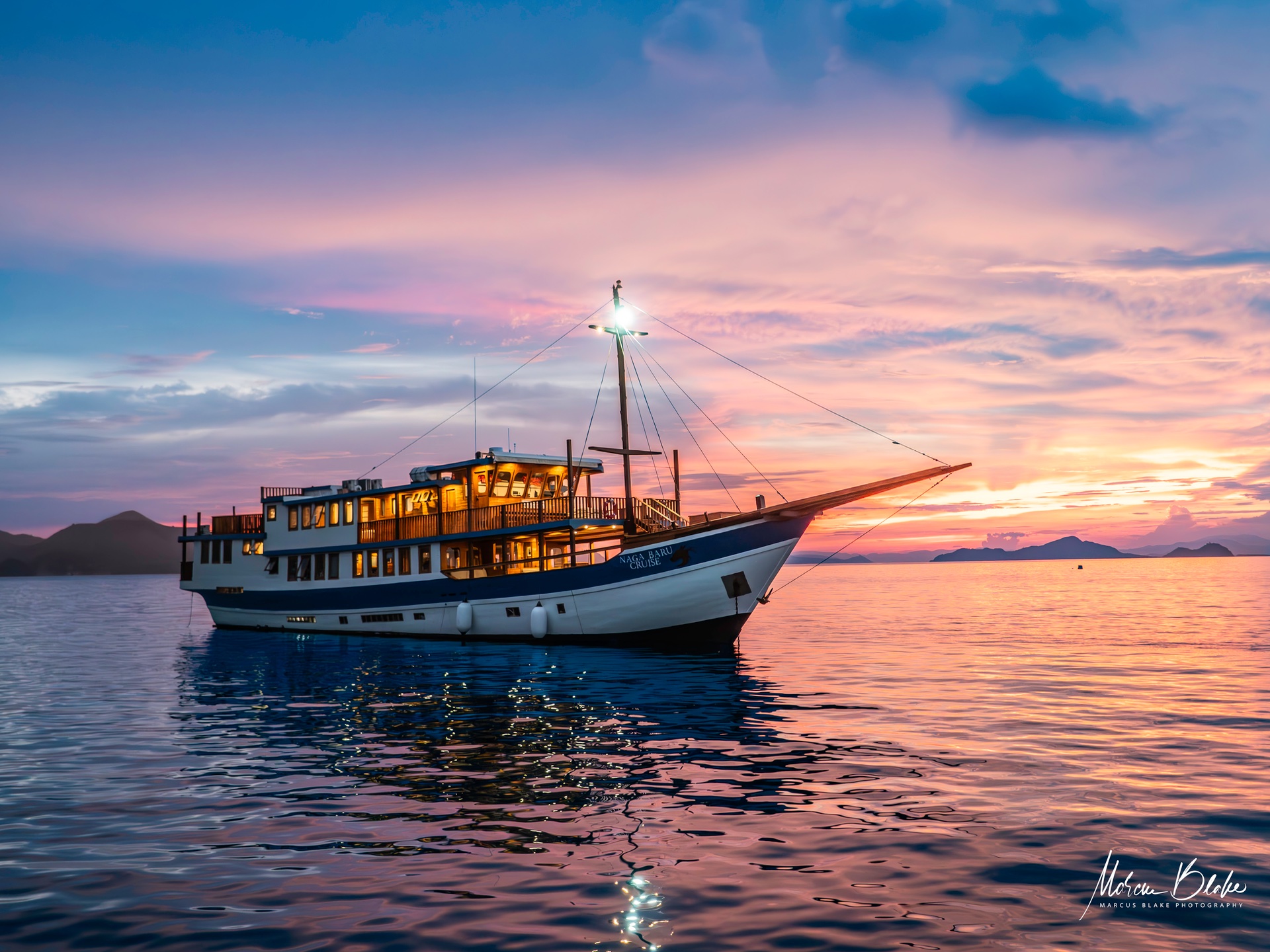
Naga Biru
Indonesia
12 guests40 m
$273/day
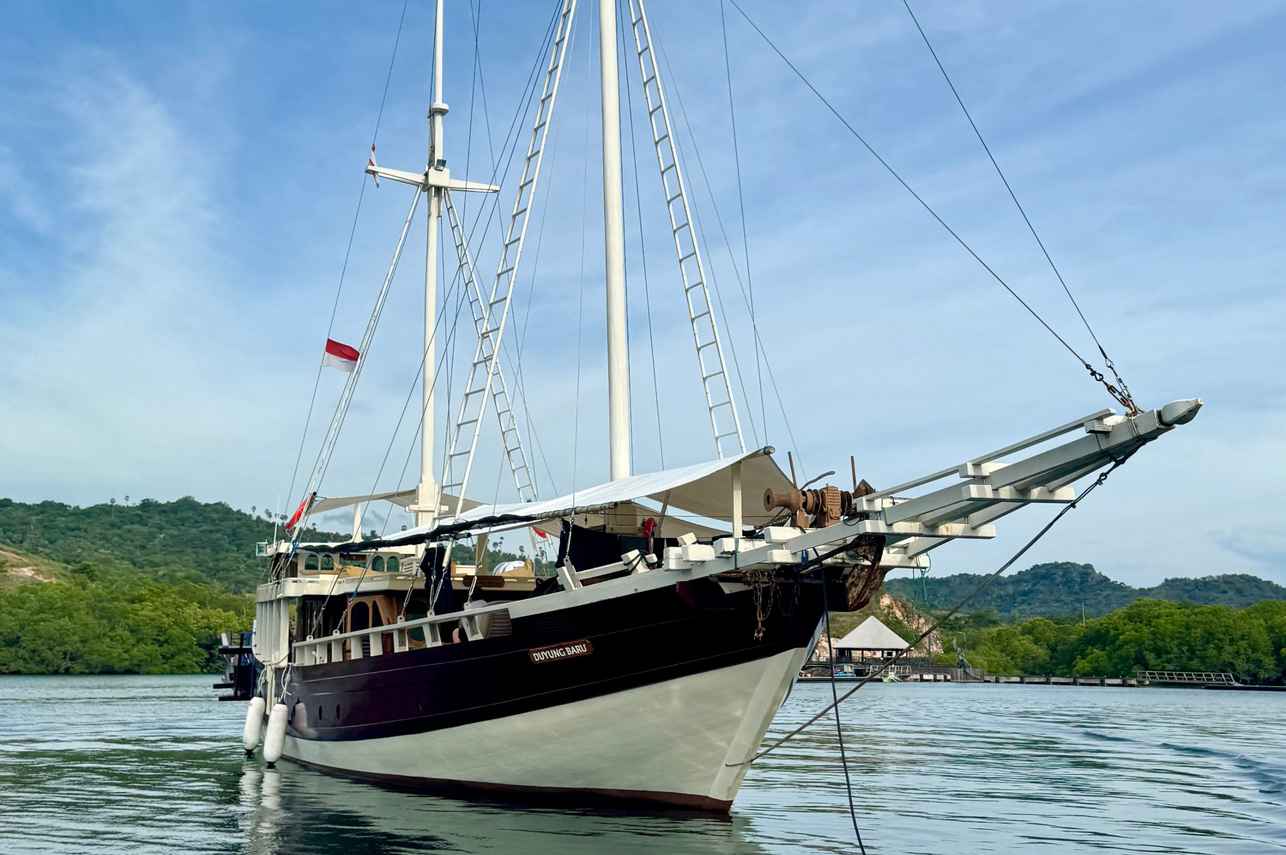
Ecopro Duyung Baru
Indonesia
6 guests27 m
$361/day
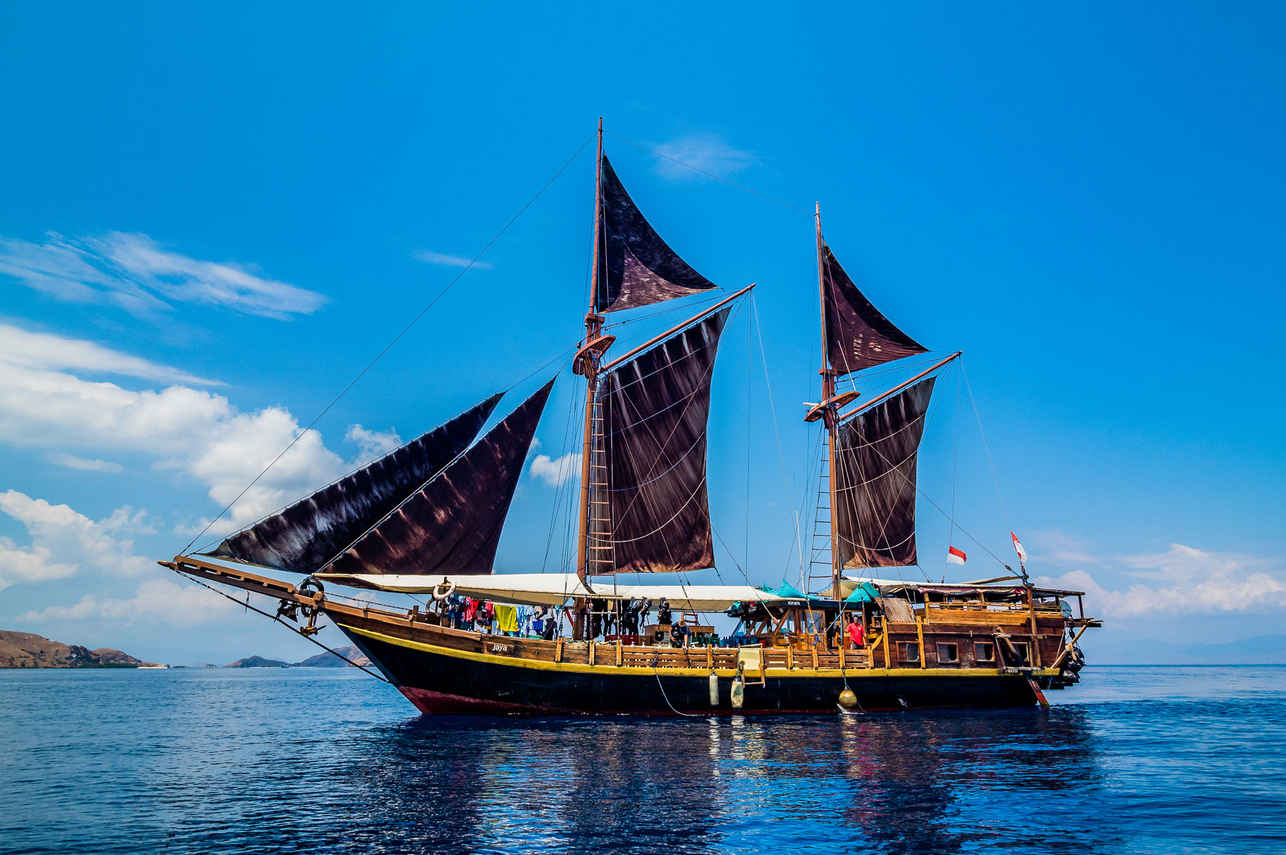
Jaya
Indonesia
14 guests23 m
$280/day
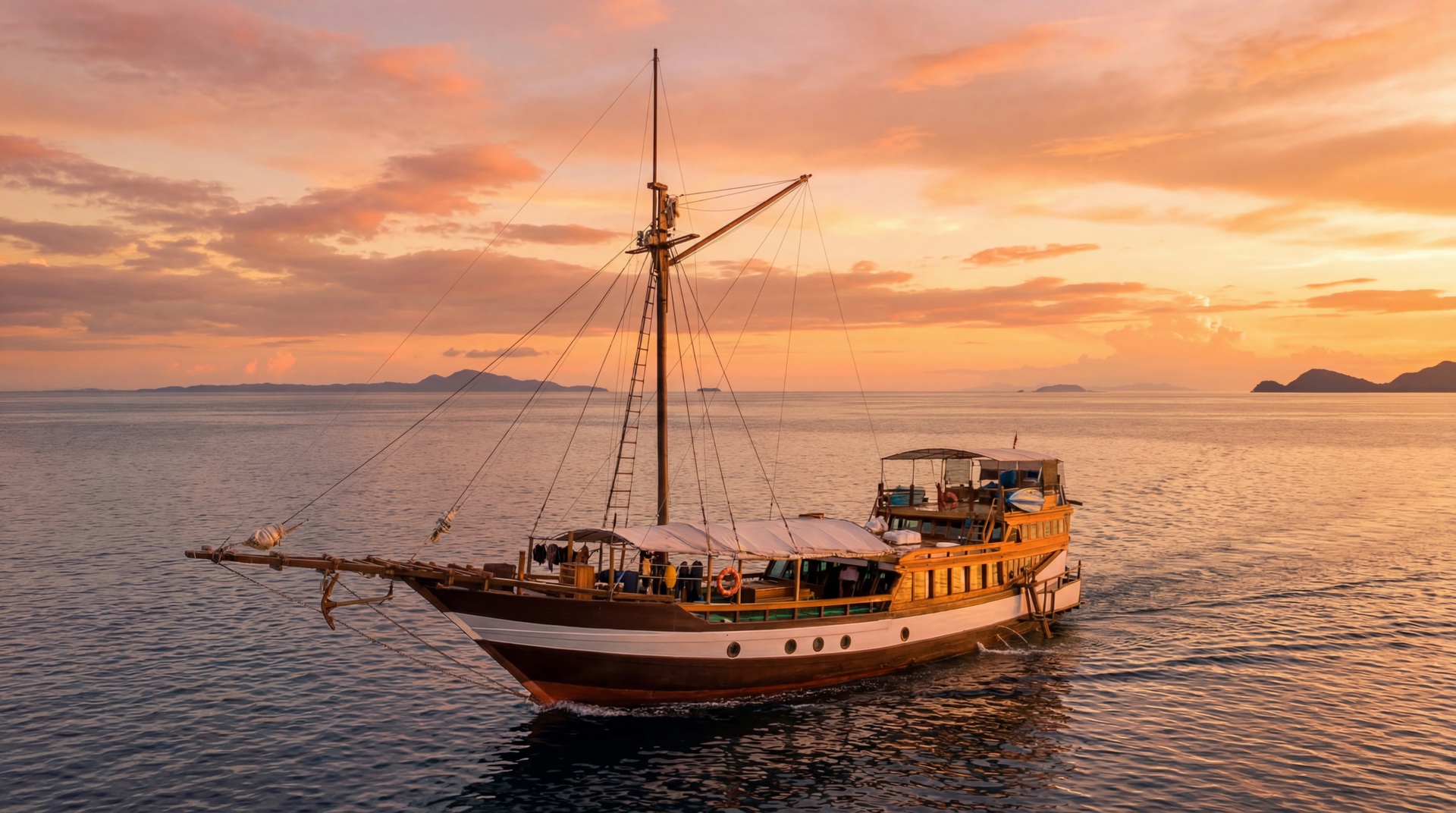
Wellenreng
Indonesia
9 guests25 m
$426/day
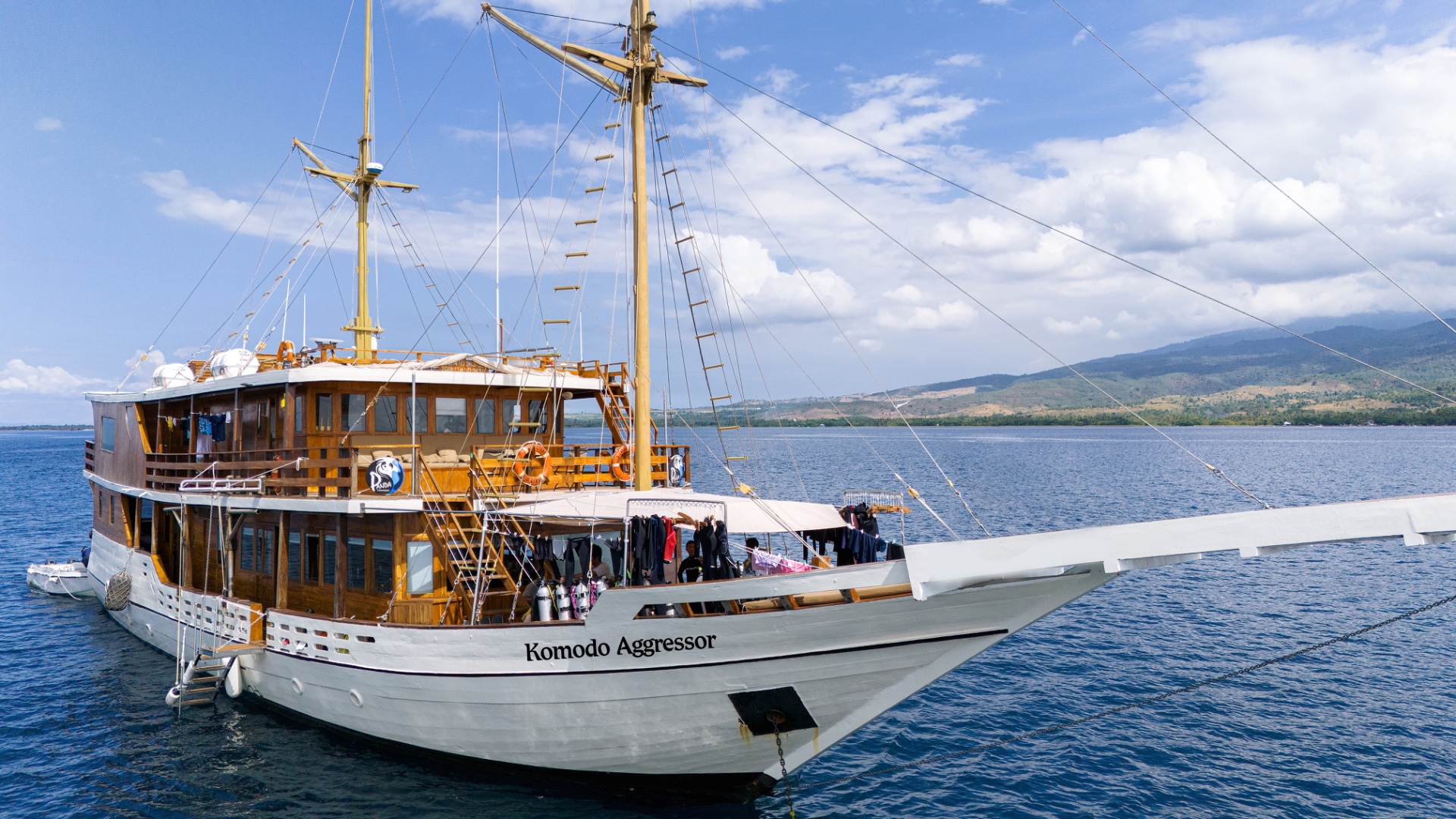
Komodo Aggressor
Komodo, Indonesia
16 guests29 m
$312/day
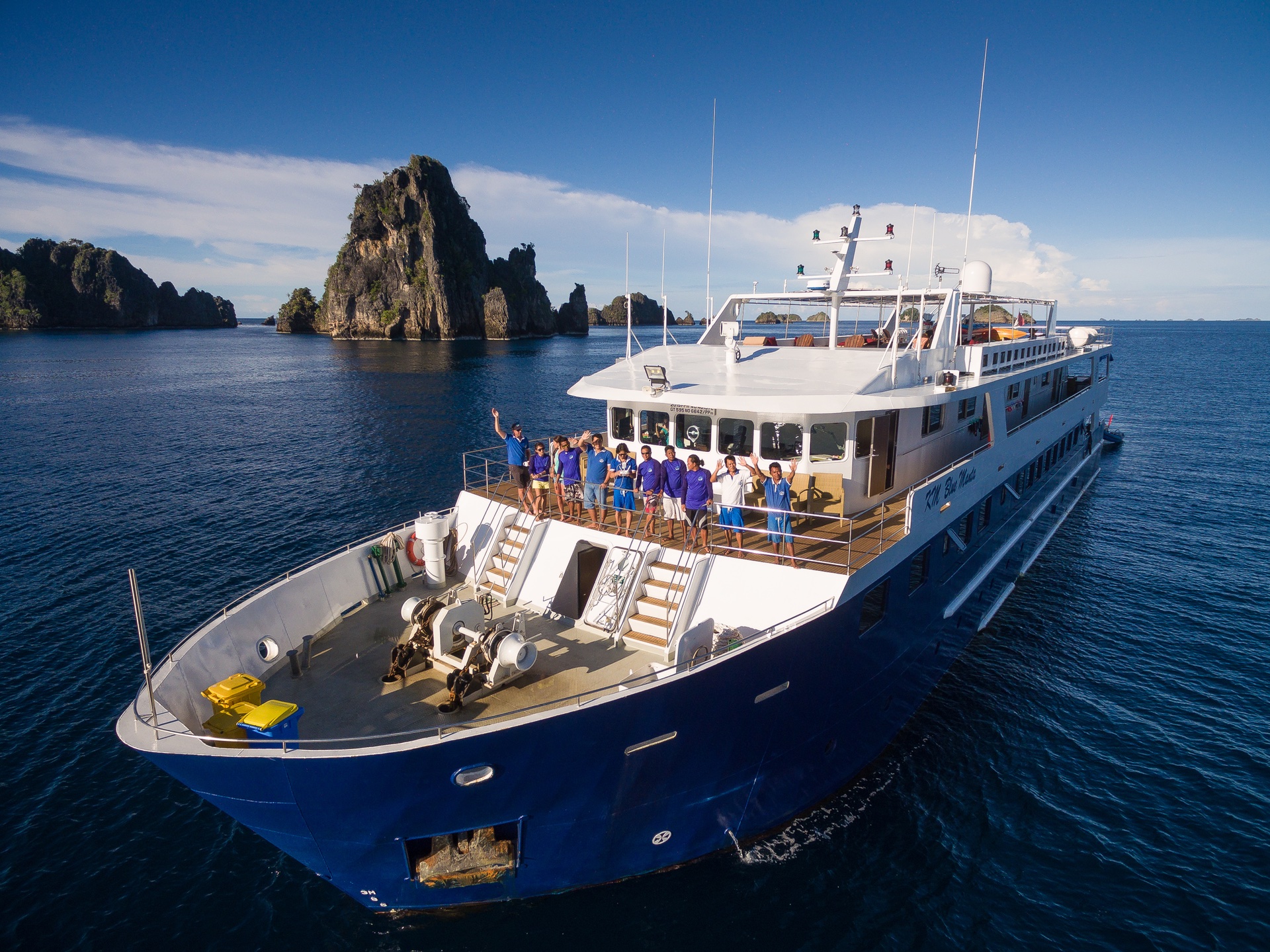
Blue Manta
Indonesia
20 guests45 m
$488/day
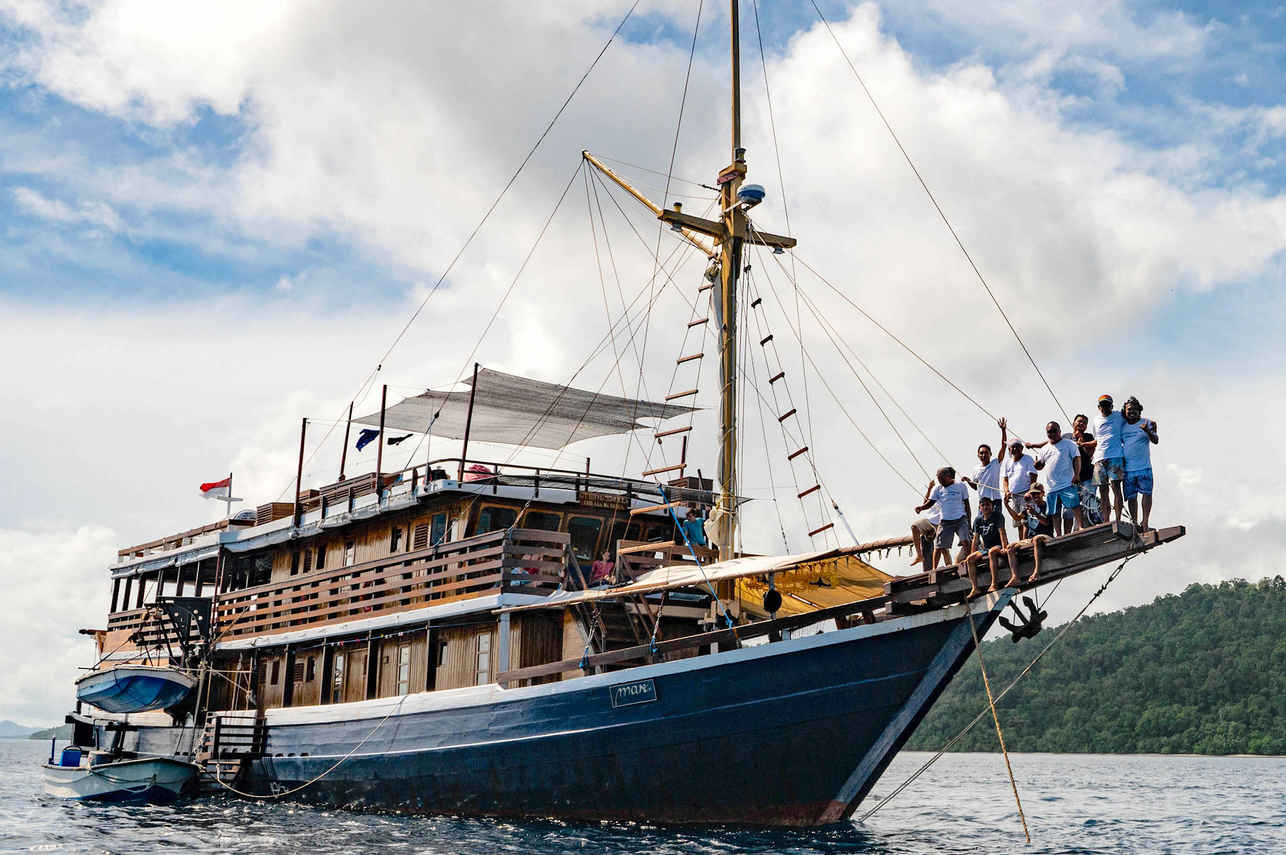
Mari
Indonesia
14 guests32.2 m
$327/day
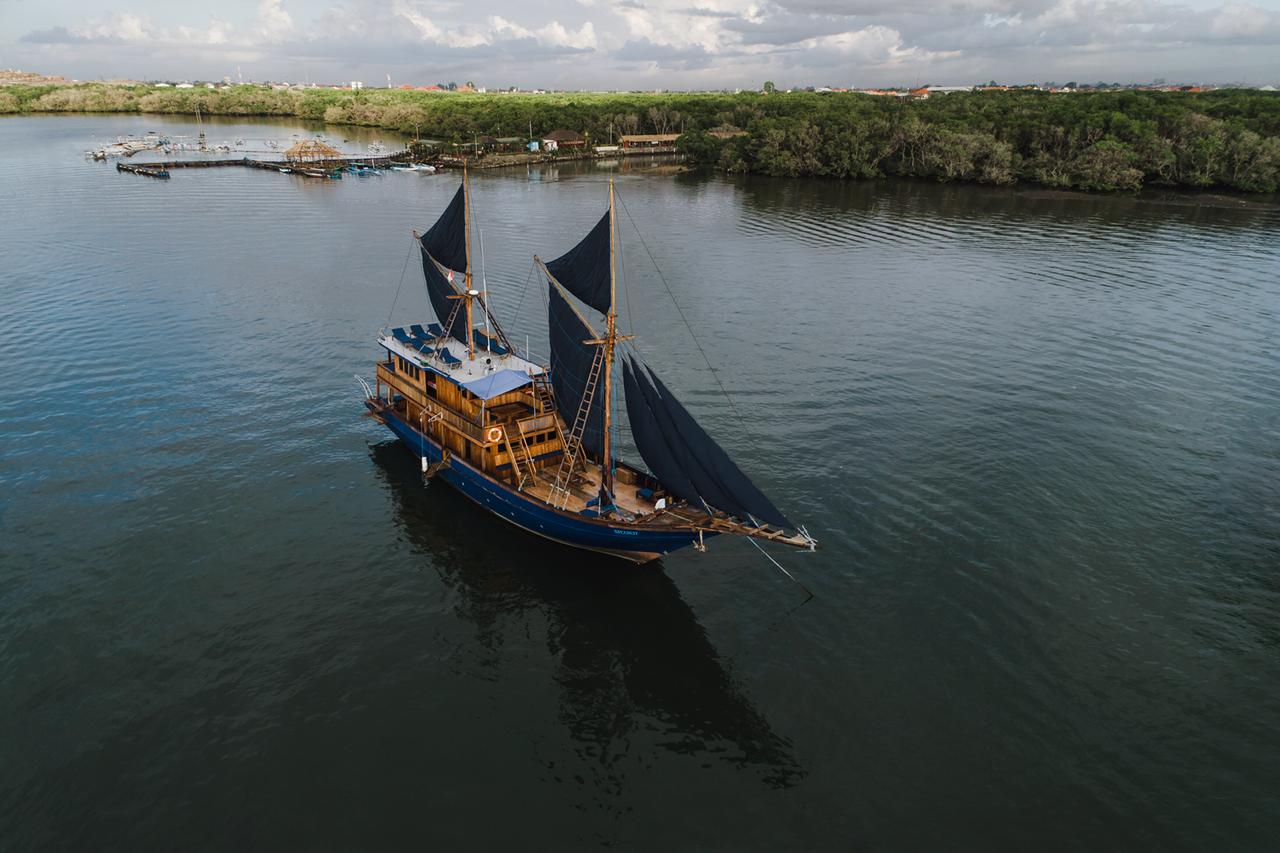
Situju7
Komodo, Indonesia
10 guests32.7 m
$362/day
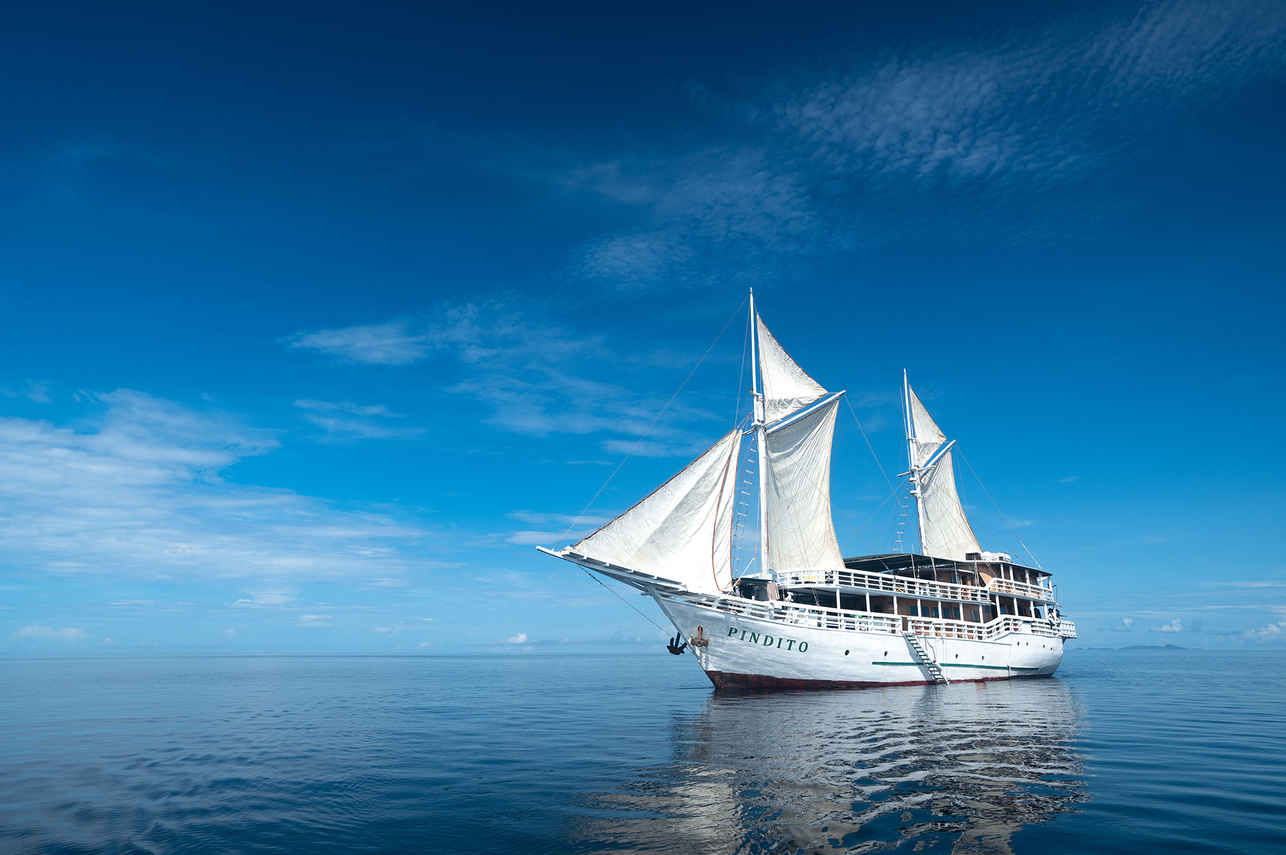
Pindito
Indonesia
16 guests37.79 m
$533/day
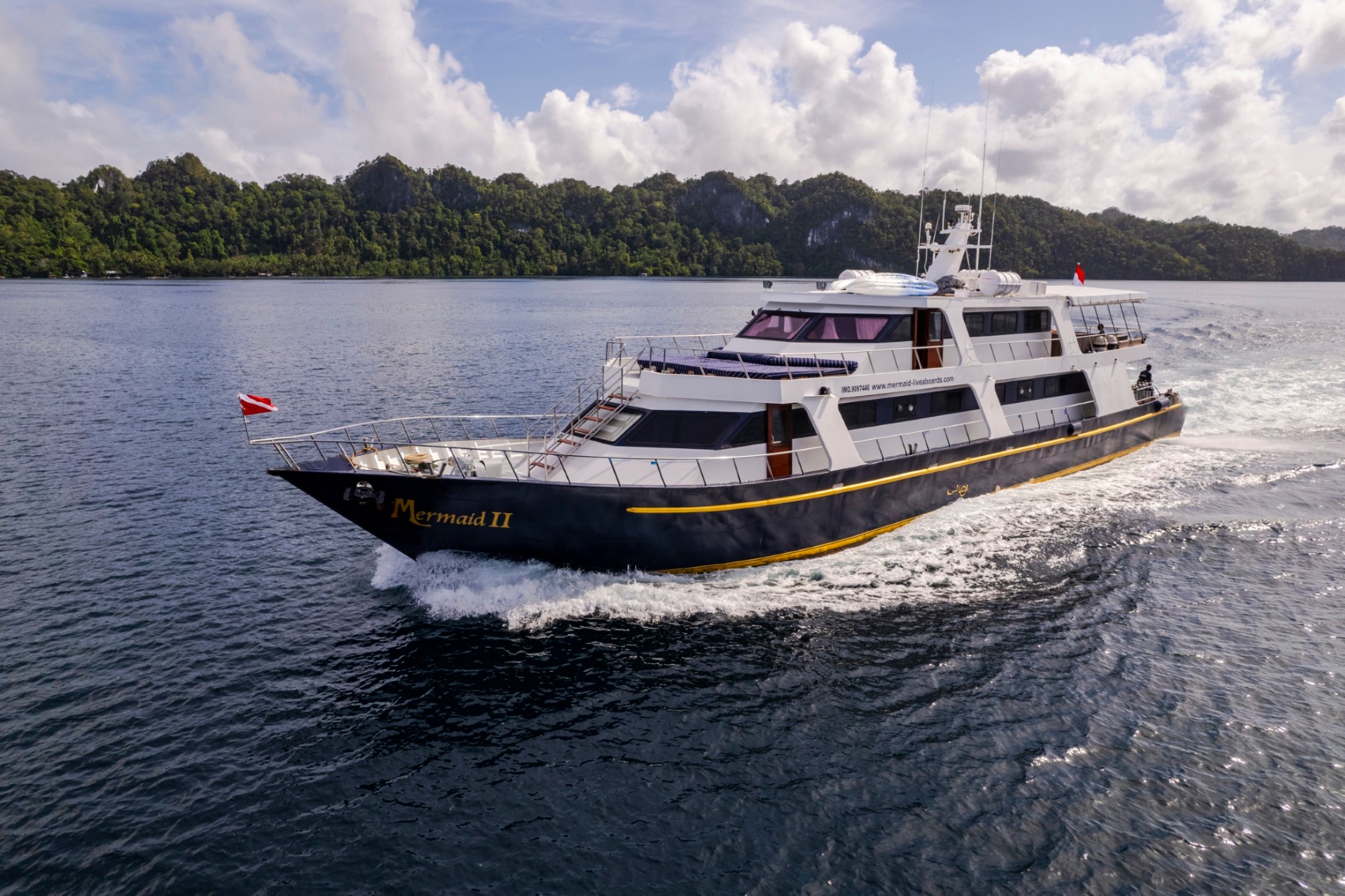
Mermaid II
Komodo, Indonesia
18 guests
$354/day
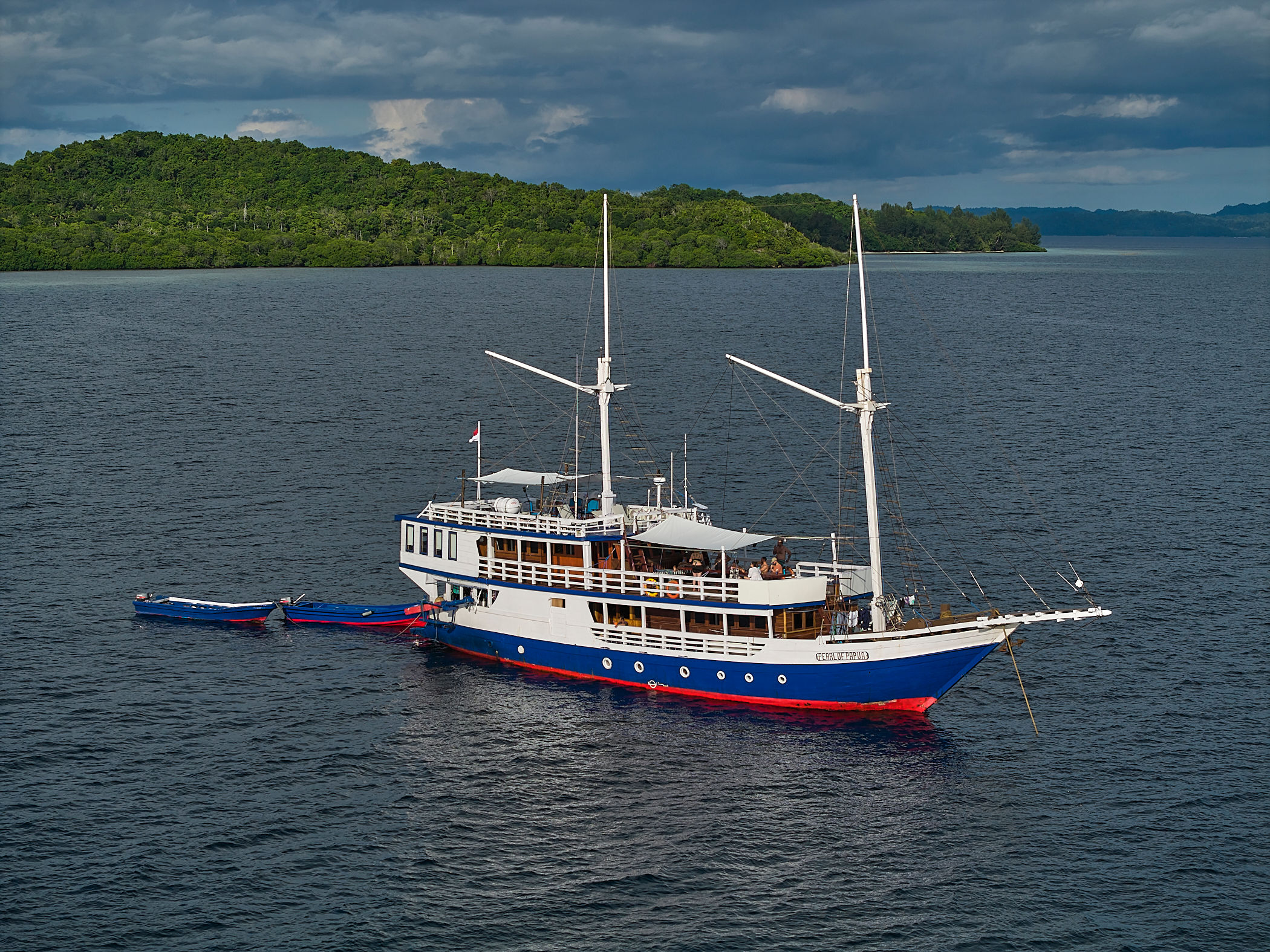
Pearl of Papua
Raja Ampat, Indonesia
14 guests30 m
$303/day
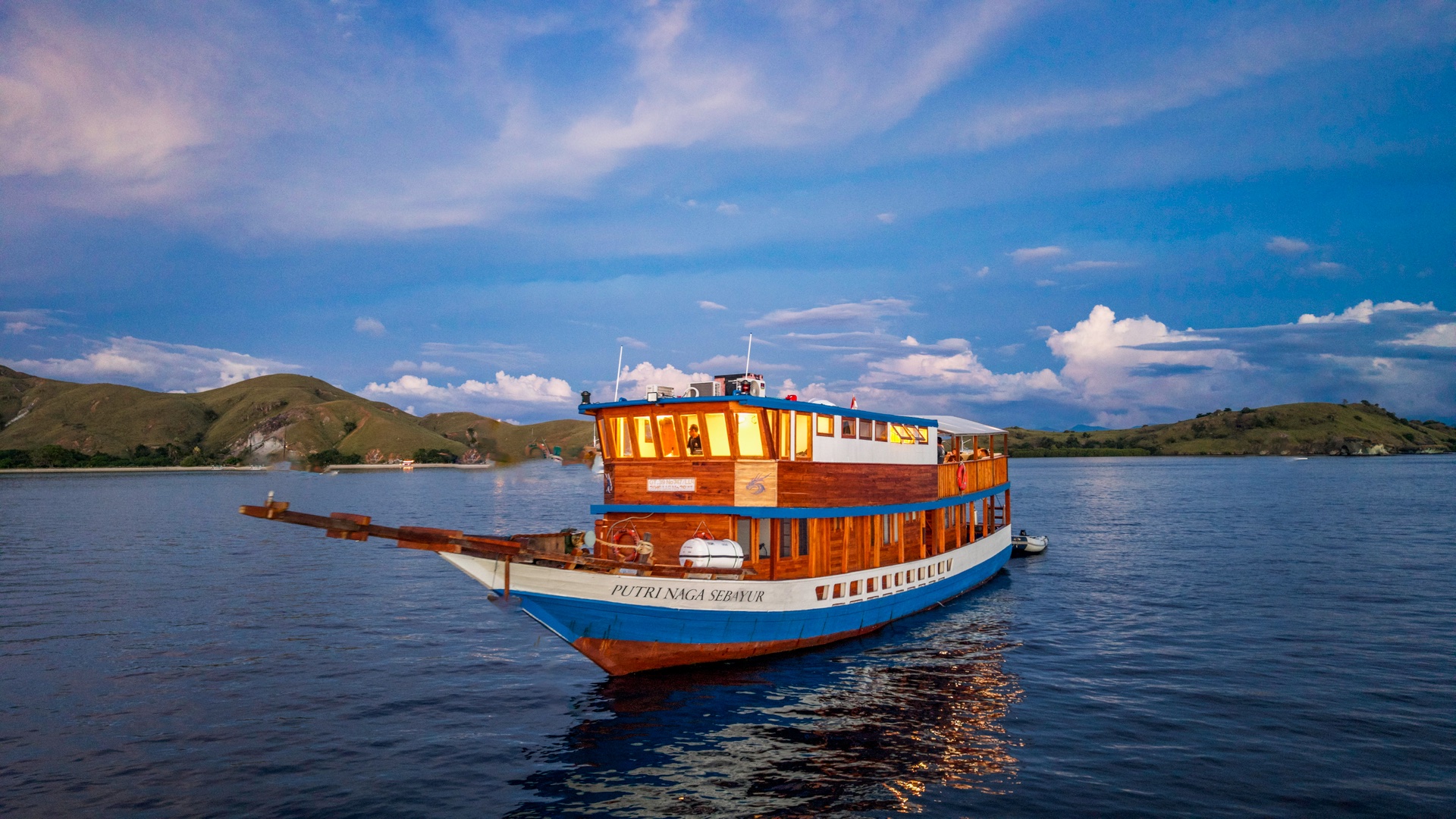
Putri Naga
Komodo, Indonesia
6 guests25 m
$222/day
Dive sites similar to Aljui Bay
Same character, same waters — six more sites divers love for the exact same reasons.Compare seasons, access and liveaboard routes — then pick the site that fits your trip best.
© Esri — Maxar, Earthstar, GIS
Mawali Wreck
Indonesia
The Mawali Wreck, a Japanese cargo ship, rests on its side in the Lembeh Strait, off the northern coast of Sulawesi.
- Suitable for
- Advanced
- Current
- Mild
- Access
- Liveaboard only
- Depth
- 25–40 m
- Theme
- Wreck / Reef
Wakatobi, an acronym for the islands of Wangi-Wangi, Kaledupa, Tomia, and Binongko, lies in Southeast Sulawesi, Indonesia, at the heart of the Coral Triangle.
- Suitable for
- Beginner
- Current
- No current
- Access
- Liveaboard only
- Depth
- 5–30 m
- Theme
- Wall / Reef
© Esri — Maxar, Earthstar, GIS
Cornucopia
Indonesia
Cornucopia, aptly named the 'horn of plenty,' is celebrated as Wakatobi's most spectacular wall dive, offering a diverse and nutrient-rich underwater environment.
- Suitable for
- Intermediate
- Current
- Mild
- Access
- Liveaboard only
- Depth
- 5–40 m
- Theme
- Reef
© Esri — Maxar, Earthstar, GIS
Raymond’s Point
Indonesia
Raymond's Point is a distinguished dive site located south of Mike's Point within the Bunaken National Marine Park, renowned for its dramatic vertical wall.
- Suitable for
- Advanced
- Current
- Strong
- Access
- Dayboat
- Depth
- 5–35 m
- Theme
- Reef / Wall
Located in Tulamben Bay on Bali’s northeastern coast, Drop Off, also known as the Tulamben Wall, is a rewarding dive site recognized for its dramatic underwater landscape.
- Suitable for
- Intermediate
- Current
- Mild
- Access
- Shore / dayboat
- Depth
- 5–60 m
- Theme
- Muck diving / Reef
Lekuan refers to a series of three renowned dive sites—Lekuan 1, Lekuan 2, and Lekuan 3—located along the southern shore of Bunaken Island within the protected Bunaken Marine Park in North Sulawesi, Indonesia.
- Suitable for
- Beginner
- Current
- No current
- Access
- Shore / dayboat
- Depth
- 5–40 m
- Theme
- Reef