About Lekuan
Lekuan refers to a series of three renowned dive sites—Lekuan 1, Lekuan 2, and Lekuan 3—located along the southern shore of Bunaken Island within the protected Bunaken Marine Park in North Sulawesi, Indonesia. These sites are celebrated for their dramatic wall topography, plunging from shallow reef tops to depths exceeding 100 meters, though typical dives remain within recreational limits. The area's status as one of Indonesia's oldest marine parks, established in 1991, ensures exceptional reef health and biodiversity. The underwater landscape is characterized by vertical walls densely covered with an astonishing variety of hard and soft corals, massive barrel sponges, and sea fans. This rich environment supports a thriving ecosystem, making it a prime location for encountering abundant marine life. Divers can expect to see large numbers of green sea turtles and hawksbill turtles, along with schooling pyramid butterflyfish, and occasional sightings of reef sharks and eagle rays cruising in the blue. While the walls themselves present spectacular wide-angle opportunities, the intricate coral formations and crevices also host a wealth of macro subjects. Divers frequently discover pygmy seahorses, orangutan crabs, and various nudibranch species. Conditions generally range from mild to moderate currents, but some sections of Lekuan 1 and 2 can experience stronger flows, offering drift diving experiences. Visibility is consistently excellent, often ranging from 15 to 35 meters, with water temperatures comfortably between 26°C and 30°C year-round. Access to Lekuan is exclusively by boat, typically involving a short transfer from nearby resorts. Dives often begin on a shallow reef flat before transitioning to the wall, accommodating various skill levels. Lekuan 3 is notably accessible to Open Water divers due to a gentler sandy slope leading to the wall, while Lekuan 1 and 2, with their immediate and vertical drop-offs and potentially stronger currents, are more suited
Highlights
Spectacular vertical wall divingAbundant green and hawksbill turtlesDense hard and soft coral coverageSchooling pyramid butterflyfishPygmy seahorses and nudibranchsOccasional reef sharks and eagle raysVast barrel spongesExcellent year-round visibility
Season calendar
Best months to dive here
Jan
Feb
Mar
Apr
May
Jun
Jul
Aug
Sep
Oct
Nov
Dec
Excellent
Good
Dive site facts: Lekuan
- Depth
- 5–40 m (walls continue past 100 m)
- Typical dive
- 15–25 m, 50–60 min
- Current
- Mild to strong, site-dependent
- Visibility
- 15–35 m
- Water temperature
- 26–30 °C
- Entry
- Boat
- Level
- All levels (Open Water for Lekuan 3, Advanced recommended for Lekuan 1 & 2)
- Dive type
- Wall, coral reef, macro
- Region / port
- North Sulawesi, Indonesia
- Coordinates
- 1.5805° N, 124.7937° E
Conditions & Currents
Currents at Lekuan vary significantly across its three sections, ranging from gentle to strong depending on the specific site and tidal conditions. Lekuan 3 typically offers milder currents, making it suitable for less experienced divers or those undertaking Open Water training. Conversely, Lekuan 1 and 2 can experience moderate to strong currents along their vertical faces, especially where the drop-off is immediate, demanding comfort with water movement and potentially drift diving techniques. These stronger flows often attract larger pelagic species. Visibility at Lekuan is consistently high, usually between 15 to 35 meters, and is rarely affected by local rainfall due to the lack of significant sediment runoff. Water temperatures remain warm throughout the year, averaging 26-30°C, negating concerns about thermoclines. Divers should consult with local guides to understand daily curren
Marine life & sighting chances
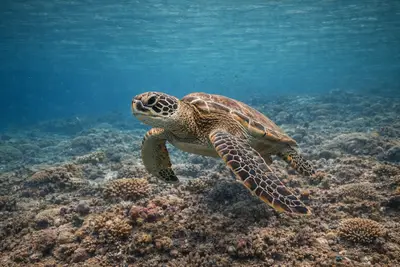
Green sea turtle
common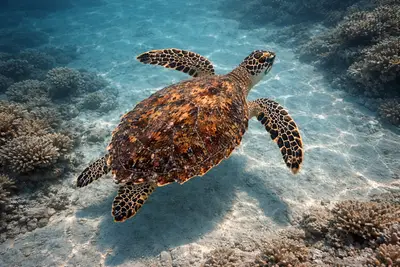
Hawksbill sea turtle
common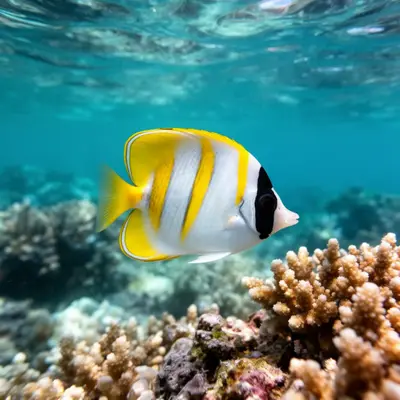
Pyramid butterflyfish
common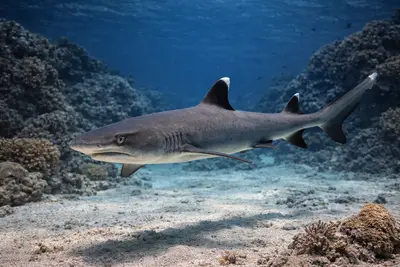
Whitetip reef shark
occasional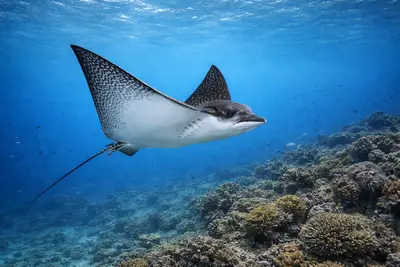
Eagle ray
occasional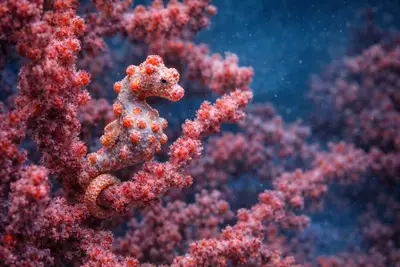
Pygmy seahorse
occasional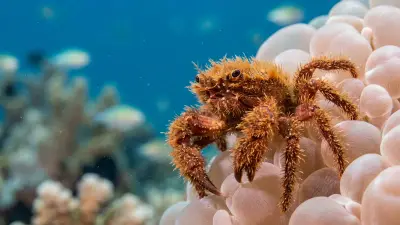
Orangutan crab
occasional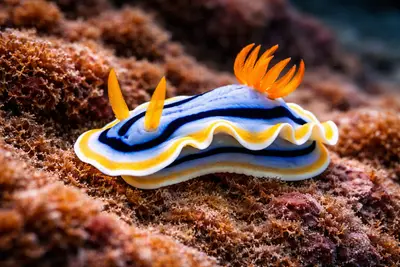
Nudibranch
occasional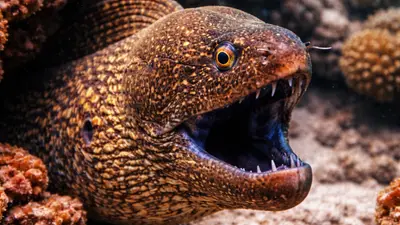
Moray eel
occasional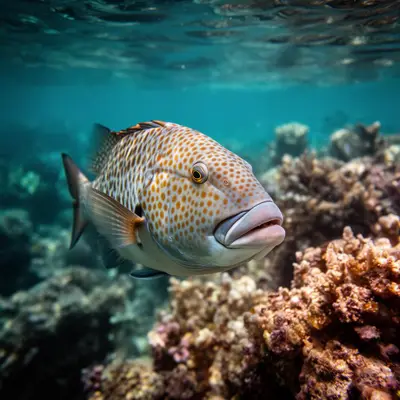
Sweetlips
occasional
Reef octopus
occasional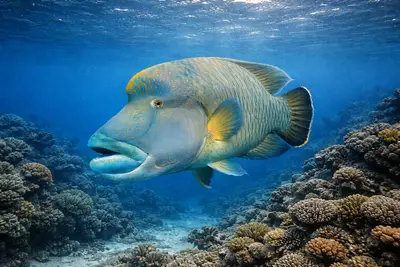
Napoleon wrasse
occasional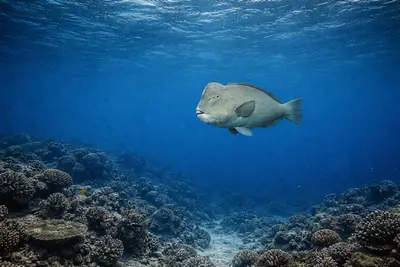
Bumphead parrotfish
occasionalDive profile & how the dive runs
Diving at Lekuan typically commences with a boat entry onto the shallow reef top, especially at Lekuan 3, which features a gentle sandy slope ideal for initial descent. From the reef crest, divers then transition to the main wall. The dive progresses along the vertical coral-laden wall, which plunges past 100 meters, though most diving occurs in the 5 to 40 meter range. Depending on current strength, this often involves a relaxed drift, allowing divers to observe marine life such as green turtles, pyramid butterflyfish, and various macro critters concealed within the coral. The dive concludes with an ascent along the wall or into the shallow reef for the safety stop, with boat pickups designed to meet divers at their surfacing point. The exact route and depth profile will be adapted by guides based on current conditions and diver experience.
Underwater photography
Lekuan offers abundant opportunities for both wide-angle and macro photography. For capturing the expansive reef scenes, sheer walls, and schools of pyramid butterflyfish, a wide-angle lens is ideal. The clear visibility, often 15-35 meters, enhances long-shot composition. When currents are present, plan to shoot reef sharks or eagle rays in the blue. For macro subjects, including pygmy seahorses, orangutan crabs, and nudibranchs, a macro lens with a dedicated strobe or focus light is essential. Pay close attention to crevices and sponges where these smaller creatures reside. Buoyancy control is paramount to avoid contact with the fragile wall ecosystem, especially when focusing on macro details. Be mindful of marine life, maintaining a respectful distance, and avoid touching or disturbing subjects for the perfect shot.
Combine with nearby dive sites
- Bunaken Timur
Bunaken Timur is a renowned dive site situated on the eastern coast of Bunaken Island, forming a key part of the world-famous Bunaken…
- Ron’s Point
Ron’s Point is a distinguished dive site located on the southwest corner of Bunaken Island, Indonesia, within the renowned Bunaken National…
- Fukui Point
Fukui Point, named after a Japanese diver, distinguishes itself from Bunaken's prevalent wall dives with its unique sloping reef topography.
- Tanjung Kopi
Tanjung Kopi, also known as "Coffee Point," is a notable dive site situated on the side of Manado Tua, the volcanic island within Bunaken…
- Manado Tua
Manado Tua, or 'Old Manado,' is one of five islands that form the Bunaken Marine Park, a celebrated marine protected area in North…
Getting there & logistics
Accessing Lekuan begins with flying into Sam Ratulangi International Airport (MDC) in Manado, North Sulawesi. From Manado, it's typically a 45-minute to one-hour boat transfer to resorts located on Bunaken Island or nearby islands like Siladen. Most diving operations in the Bunaken Marine Park, including those to Lekuan, are conducted as day trips from these resorts, with three dives a day being standard. Divers are required to purchase a Bunaken Marine Park entry permit, which is valid for one calendar year. Lekuan is frequently part of wider North Sulawesi itineraries that may also include muck diving in the Lembeh Strait and reef diving in the Bangka Islands, often organized through liveaboards or land-based dive centers offering multi-destination packages.
Safety & environment
Diving at Lekuan requires adherence to standard safety protocols and awareness of site-specific conditions. Given that Lekuan 1 and 2 can experience moderate to strong currents, divers should have appropriate experience and comfort with drift diving. Always follow your guide’s instructions, particularly regarding entry, exit, and current management. The nearest recompression chamber is located in Manado, the capital of North Sulawesi. In case of a dive emergency, evacuation would primarily be by boat to Manado, then to the nearest medical facility, which underscores the importance of adequate dive insurance covering medical treatment and emergency evacuation. Maintain good buoyancy to protect the fragile coral walls, and ensure all gear is properly secured, especially during drift dives, to prevent accidental damage to the reef or entanglement.
Who it suits — and who it doesn't
Suited for
- Experienced divers comfortable with currents
- Macro photography enthusiasts
- Wide-angle reef photographers
- Divers seeking abundant turtle encounters
- Wall diving aficionados
Less suited for
- Beginners during strong current conditions (Lekuan 1 & 2)
- Divers unwilling to manage potential drift
- Those uninterested in coral reef environments
FAQ
Lekuan FAQ
What kind of marine life can I expect to see at Lekuan?
Lekuan is renowned for its diverse marine life. You can almost certainly expect to encounter numerous green and hawksbill sea turtles. The walls are also teeming with schooling pyramid butterflyfish, and you might spot reef sharks and eagle rays out in the blue. For macro enthusiasts, there are pygmy seahorses, orangutan crabs, and various nudibranchs hidden among the corals.
Are the currents strong at Lekuan, and is it suitable for beginners?
Currents at Lekuan vary significantly. Lekuan 3 generally has gentle currents and is considered beginner-friendly, even suitable for Open Water training dives. However, Lekuan 1 and 2 can experience moderate to strong currents, especially along their deeper sections. For these sites, advanced diver certification and comfort with drift diving are recommended.
What is the topography like at Lekuan?
Lekuan is famous for its dramatic wall diving topography. The sites feature stunning vertical walls that drop from shallow reef tops to depths exceeding 100 meters. These walls are heavily adorned with an incredible variety of hard and soft corals, massive barrel sponges, and sea fans, creating a vibrant and complex underwater landscape.
When is the best time of year to dive Lekuan?
The best time to dive Lekuan is during Indonesia's dry season, which runs from April through October. During these months, you can expect the calmest seas, minimal rainfall, and exceptional underwater visibility, often ranging from 20 to 35 meters. While diving is possible year-round, the wet season (November to March) may bring choppier conditions.
Do I need a special permit to dive in Bunaken Marine Park?
Yes, all divers entering the Bunaken Marine Park, which includes Lekuan, are required to purchase an entry permit. This permit is valid for one calendar year and helps support the conservation efforts within this protected marine area. Your dive operator can usually assist you in obtaining the necessary permit.
Why dive Lekuan from a liveaboard?
Lekuan is one of Indonesia's signature dive sites. A liveaboard sleeps you on the water and puts you in the water for three to four guided dives per day, including dawn and night dives that day-boat operators rarely offer. You skip the daily commute back to port and reach quieter, less-crowded sites in the same region on a single trip.
Below are the liveaboards that include Lekuan on their Indonesia itineraries.
Liveaboards diving Lekuan
These liveaboards may visit Lekuan on selected itineraries — the exact dive sites depend on departure, weather and conditions.
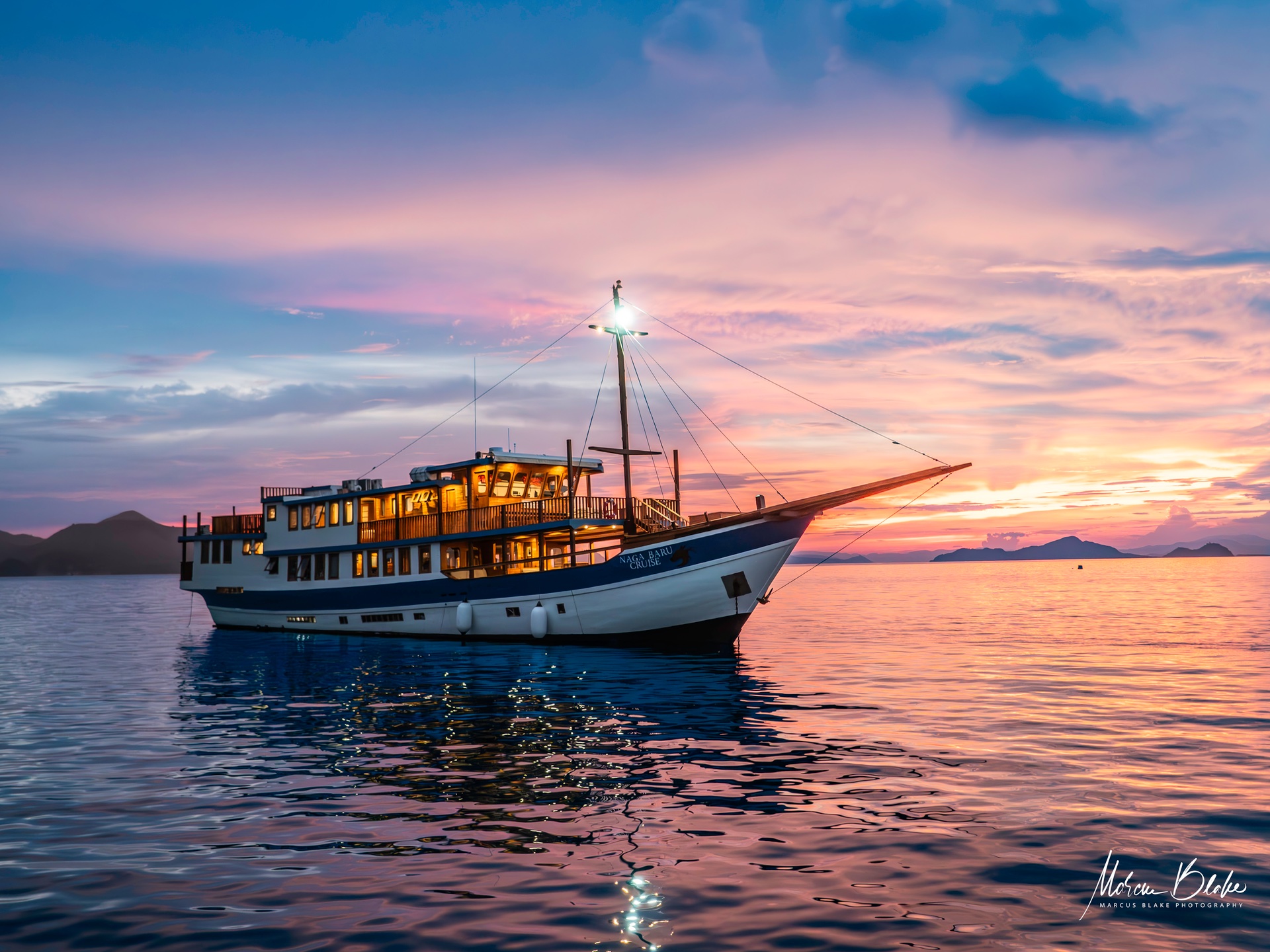
Naga Biru
Indonesia
12 guests40 m
$273/day
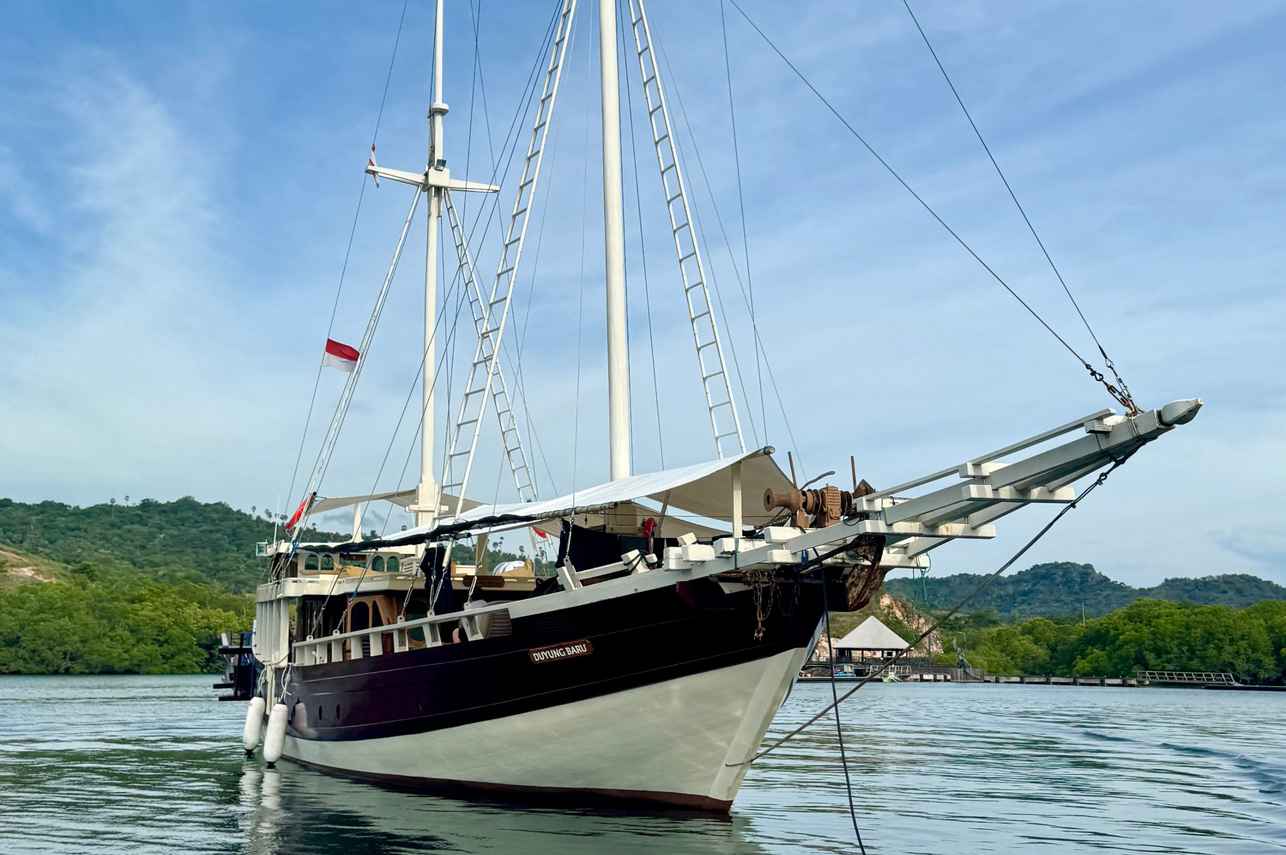
Ecopro Duyung Baru
Indonesia
6 guests27 m
$361/day
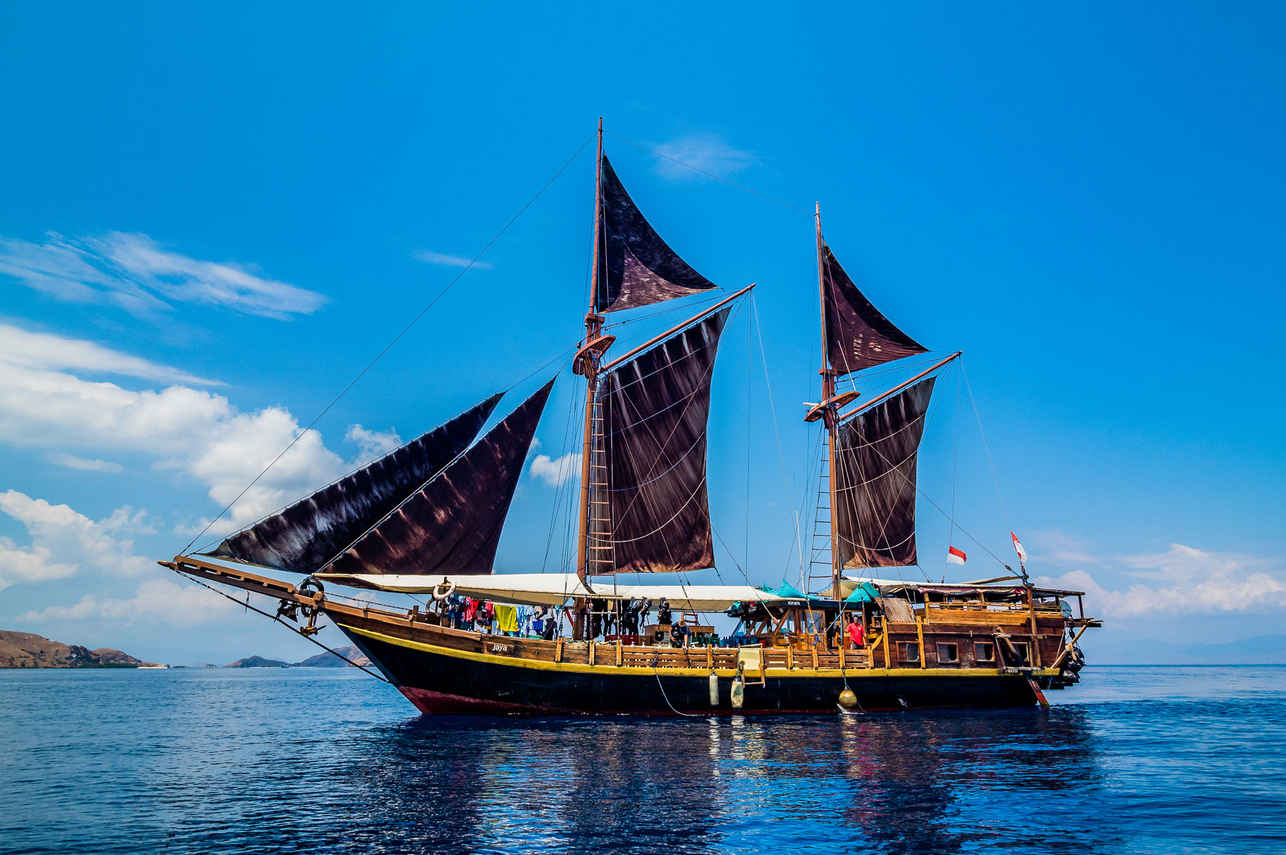
Jaya
Indonesia
14 guests23 m
$280/day
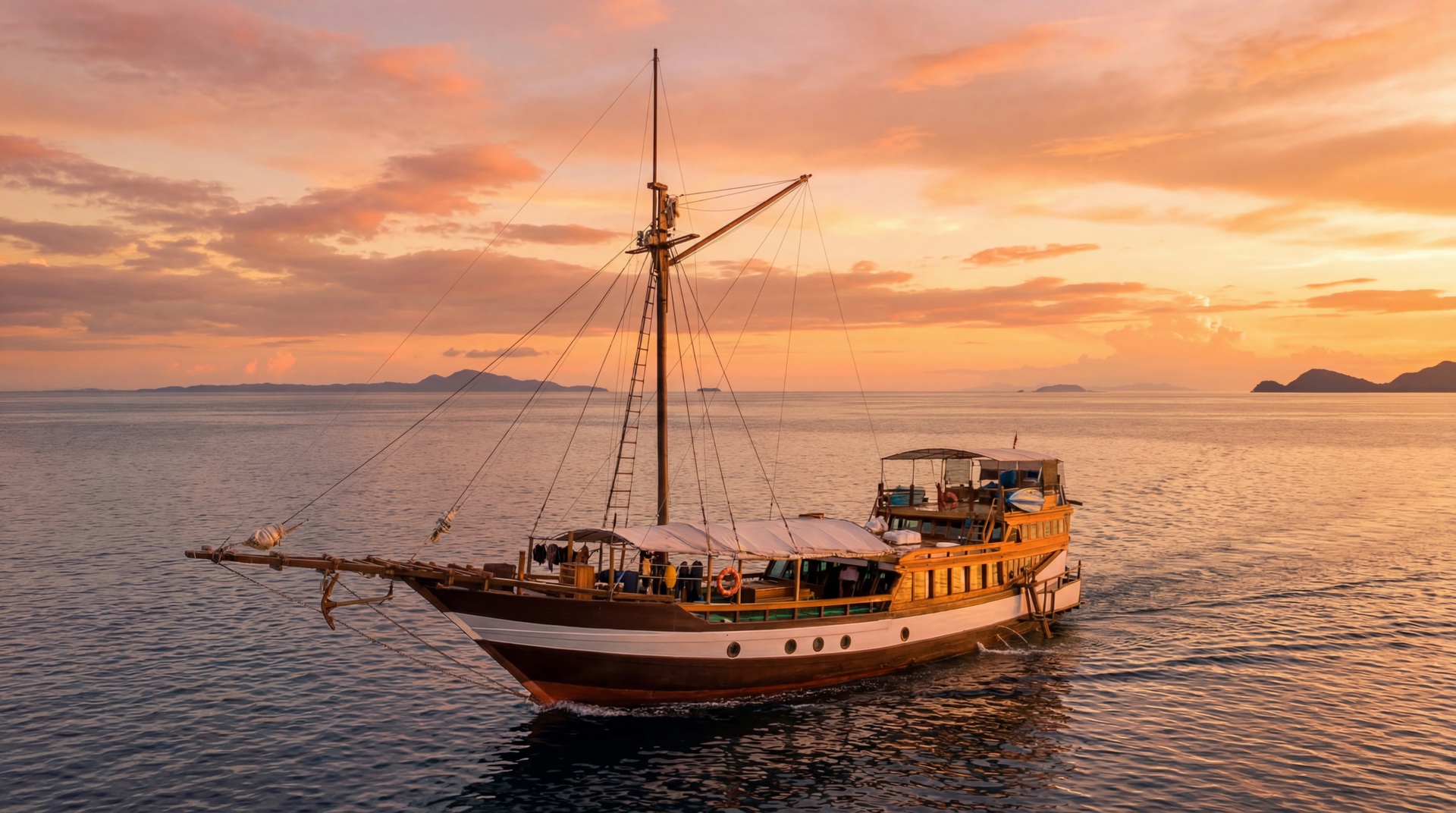
Wellenreng
Indonesia
9 guests25 m
$426/day
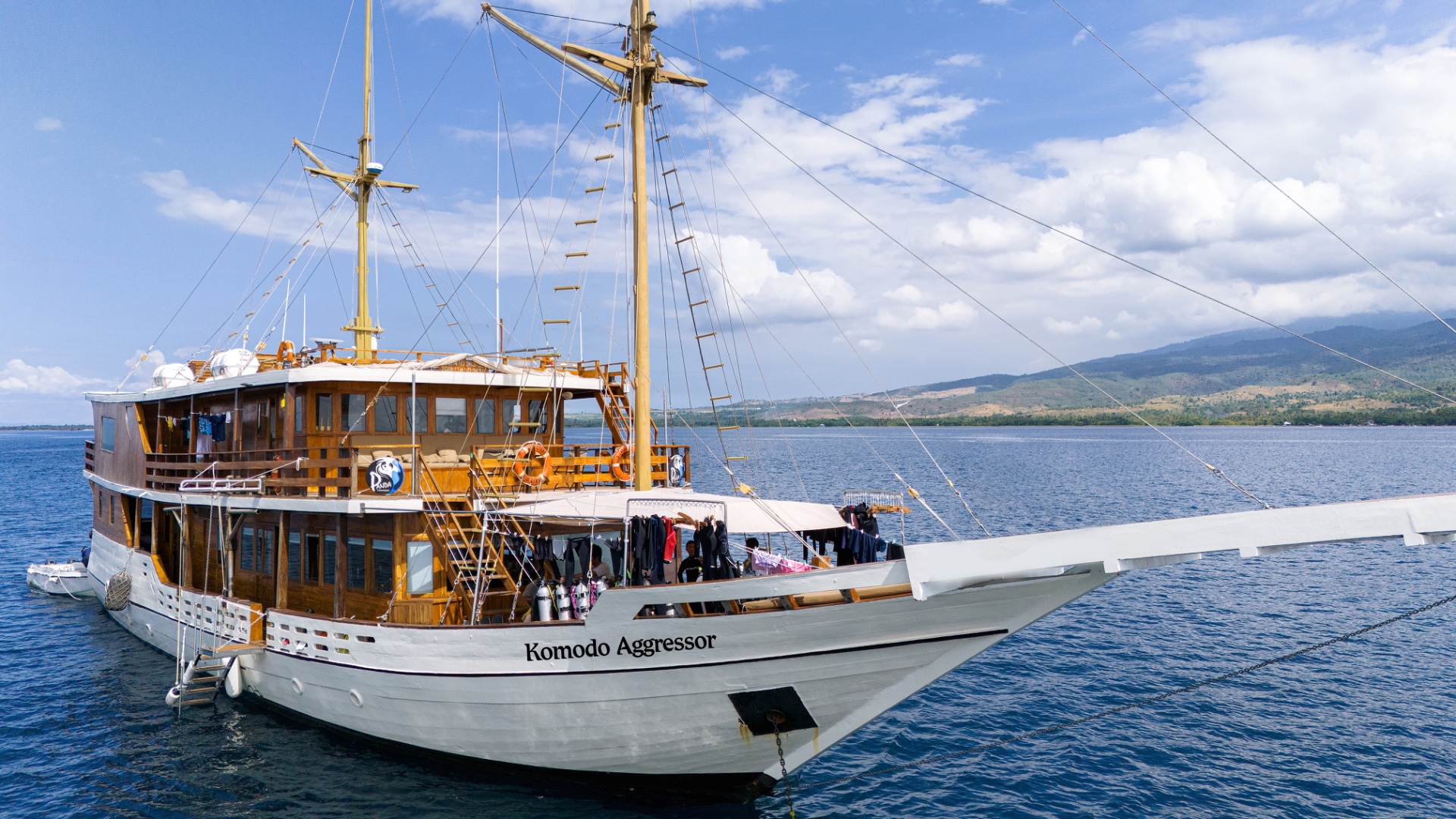
Komodo Aggressor
Komodo, Indonesia
16 guests29 m
$312/day
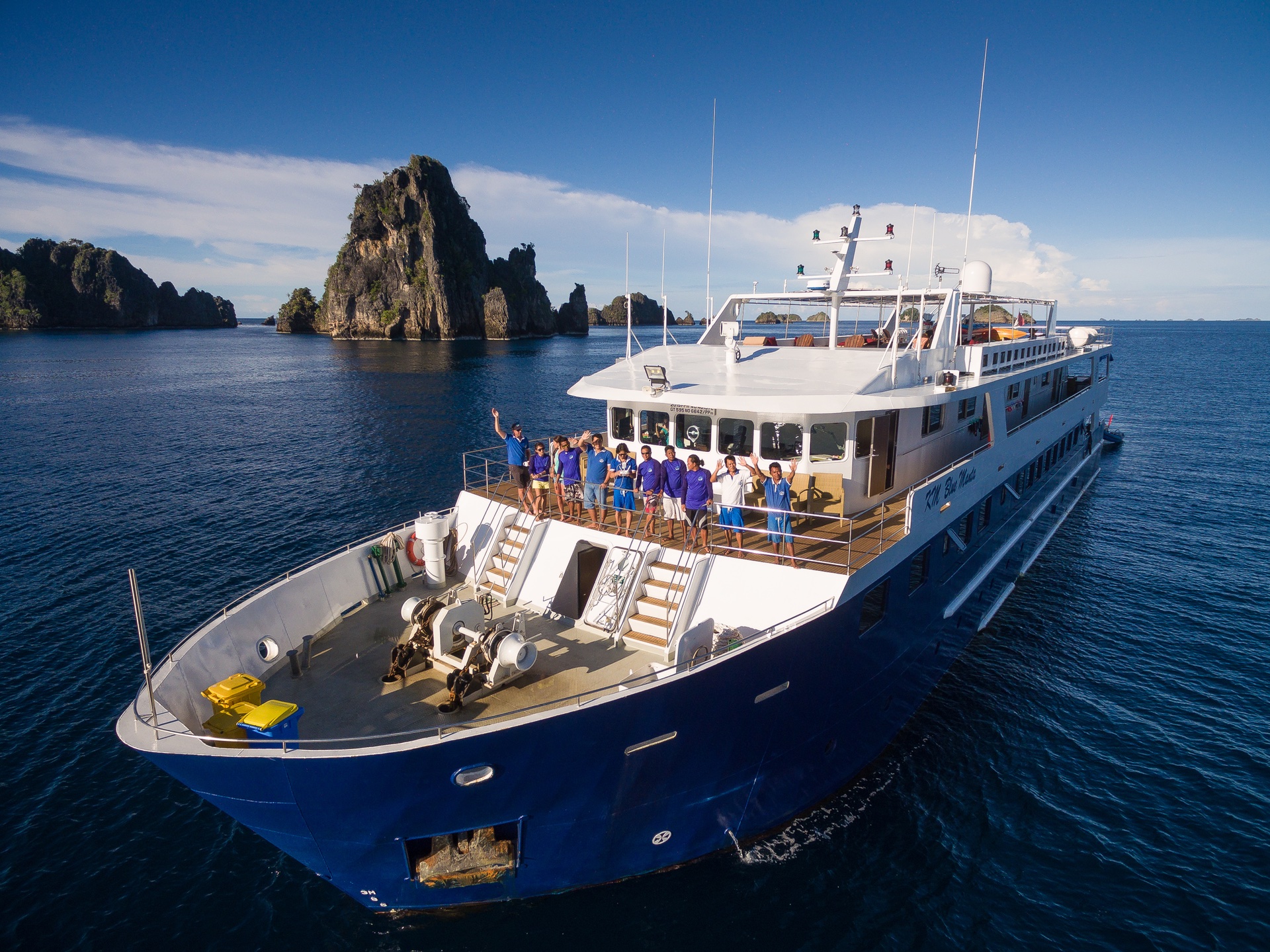
Blue Manta
Indonesia
20 guests45 m
$488/day
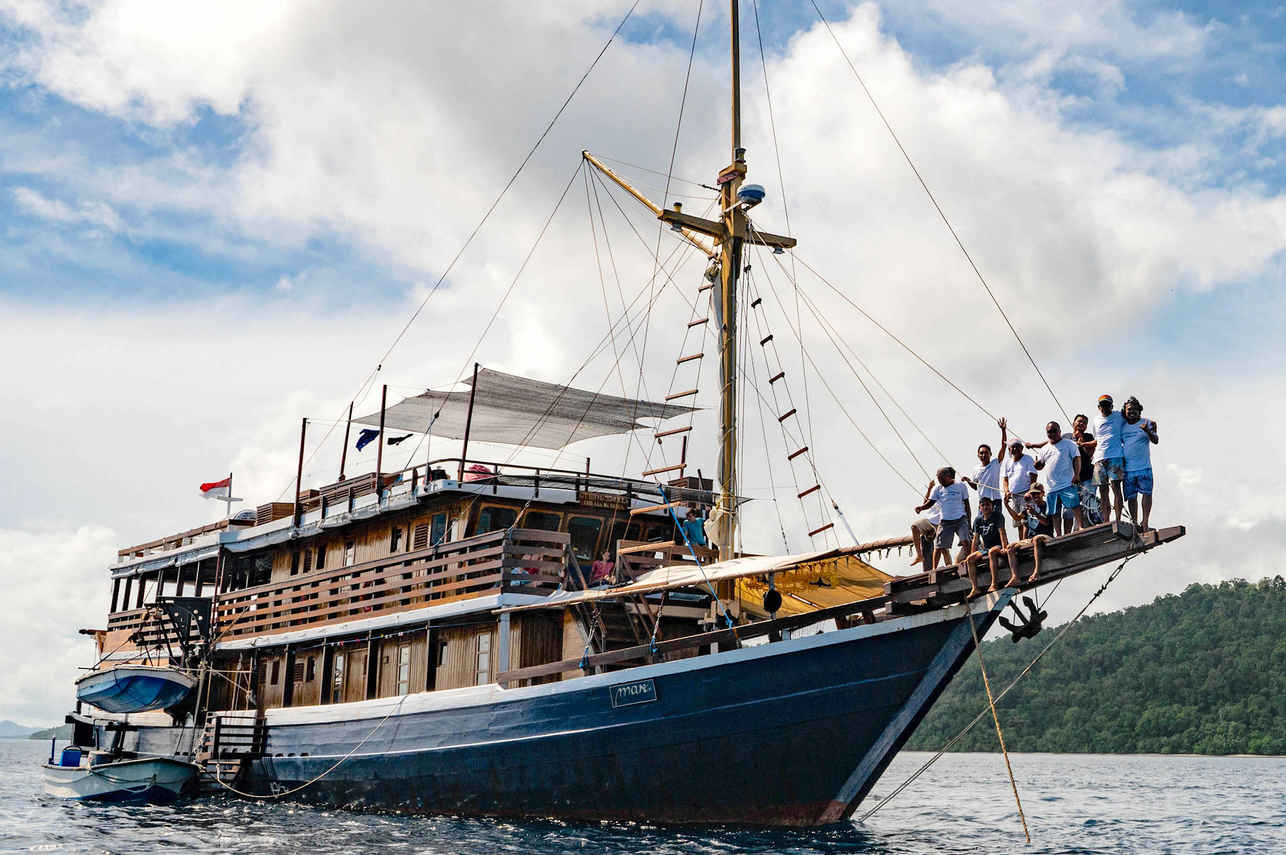
Mari
Indonesia
14 guests32.2 m
$327/day
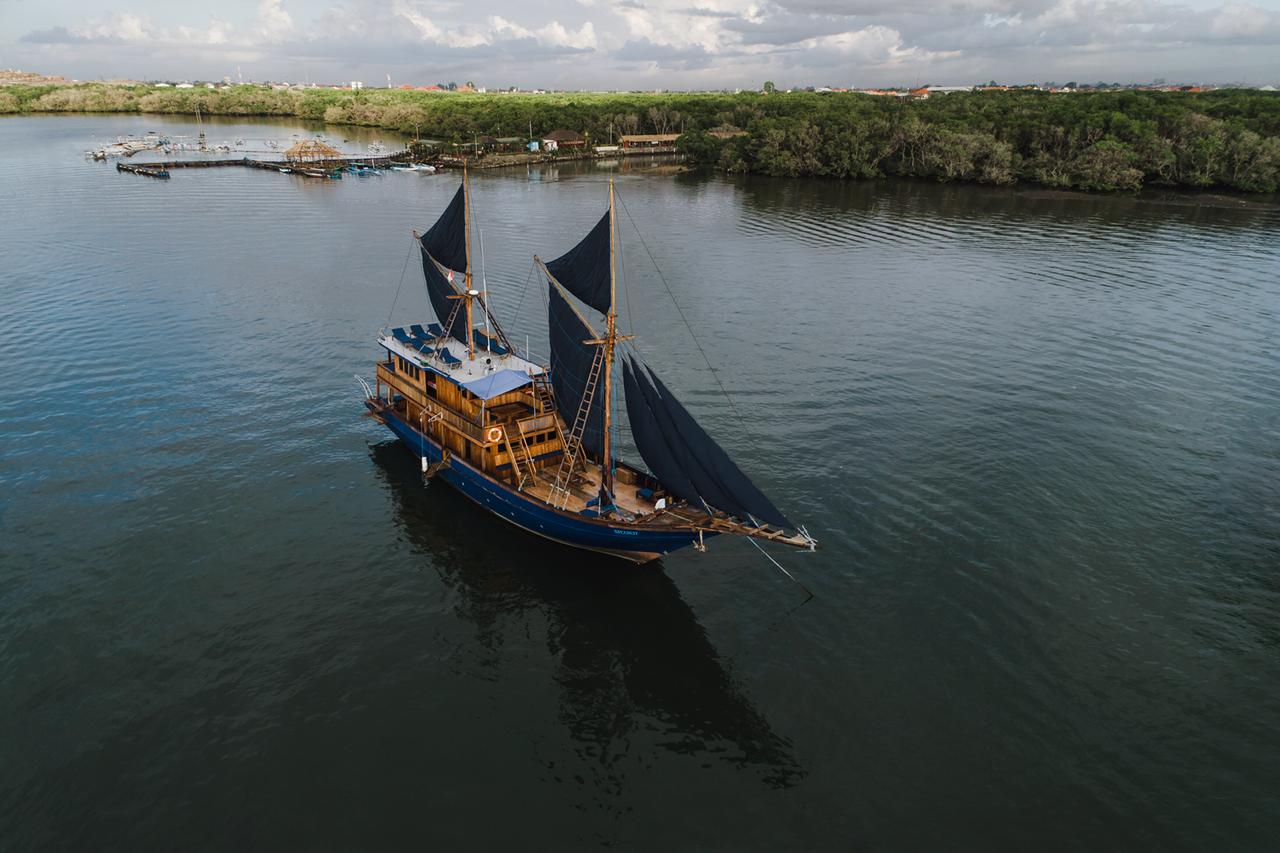
Situju7
Komodo, Indonesia
10 guests32.7 m
$362/day
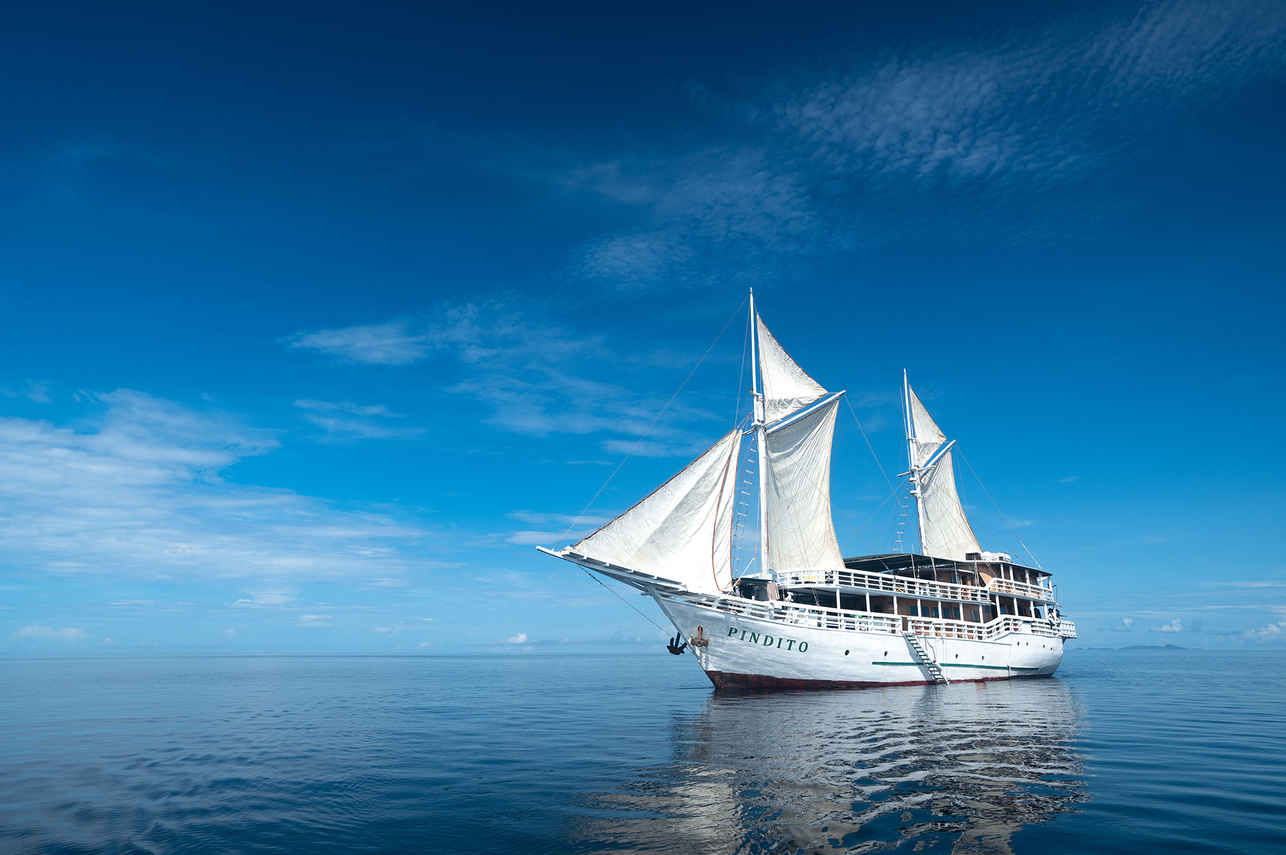
Pindito
Indonesia
16 guests37.79 m
$533/day
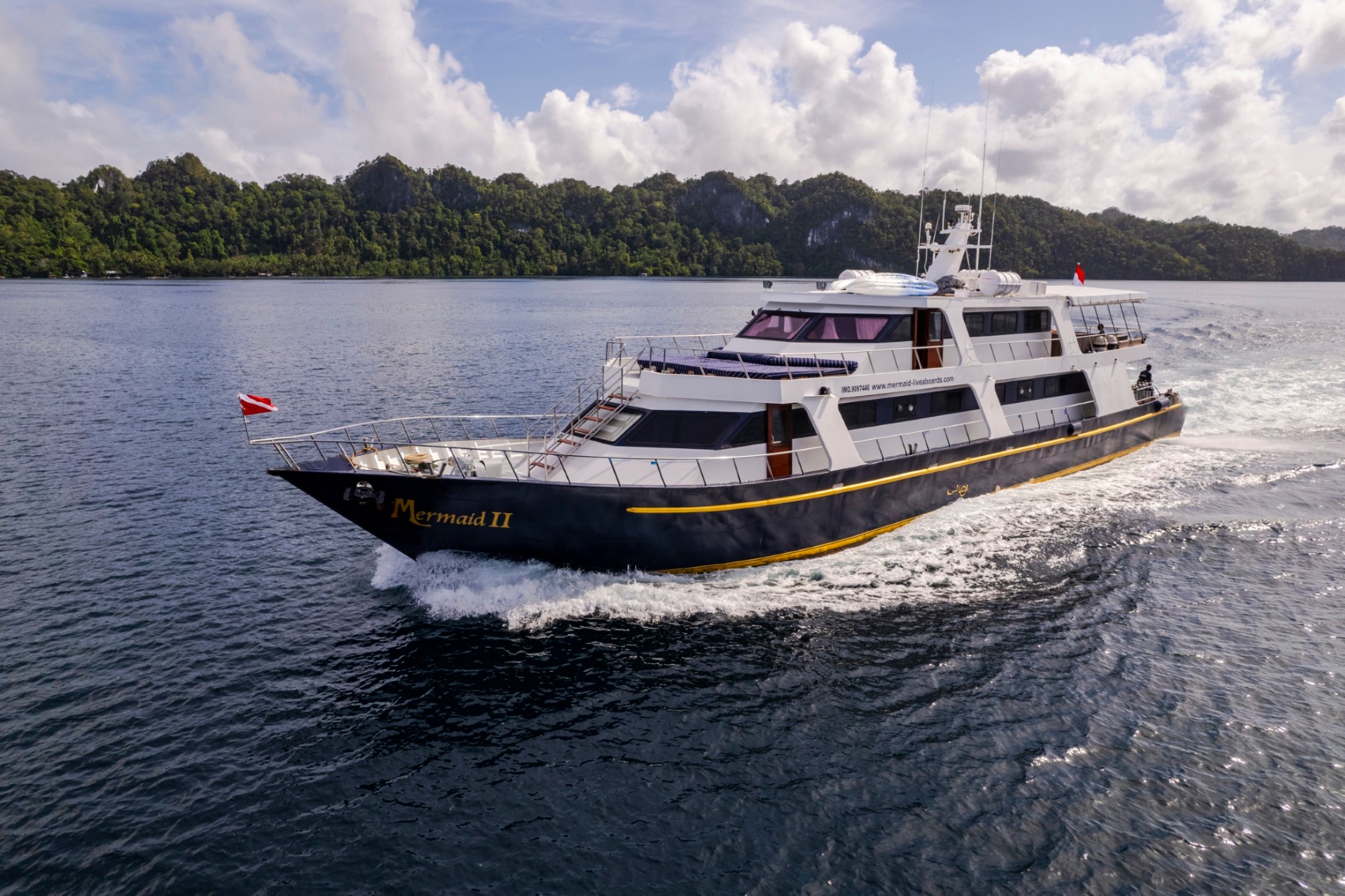
Mermaid II
Komodo, Indonesia
18 guests
$354/day
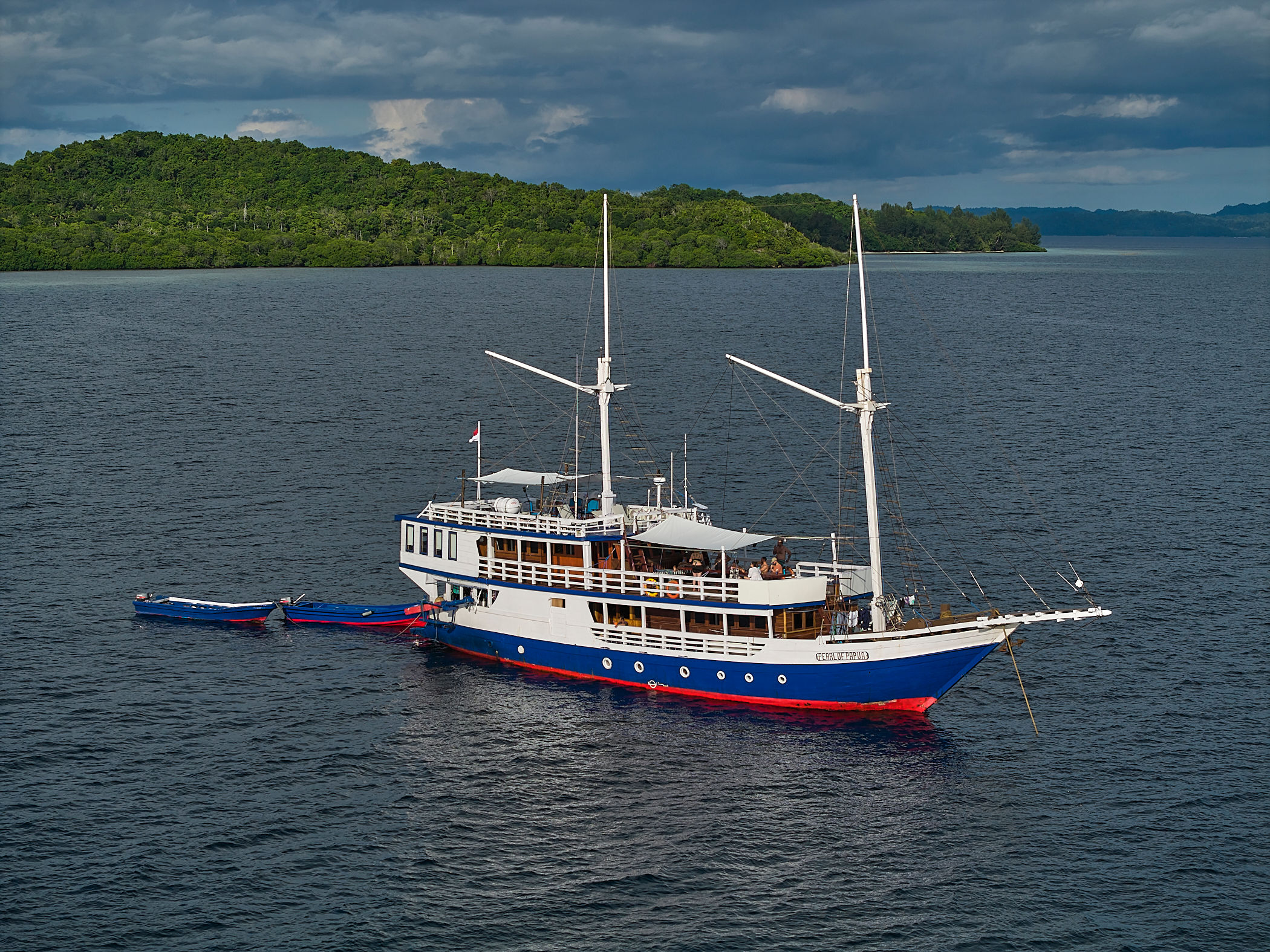
Pearl of Papua
Raja Ampat, Indonesia
14 guests30 m
$303/day
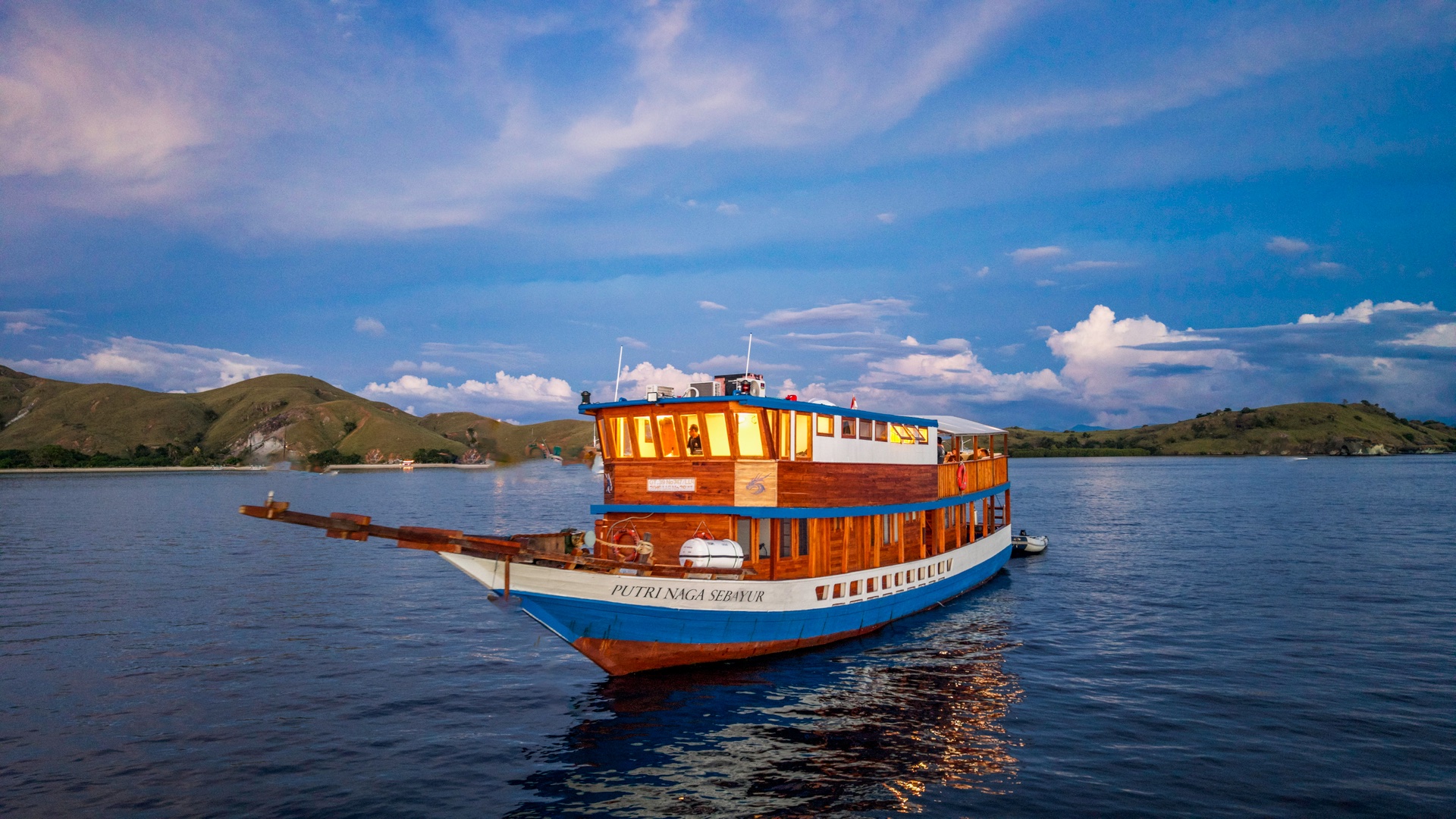
Putri Naga
Komodo, Indonesia
6 guests25 m
$222/day
Dive sites similar to Lekuan
Same character, same waters — six more sites divers love for the exact same reasons.Compare seasons, access and liveaboard routes — then pick the site that fits your trip best.
© Esri — Maxar, Earthstar, GIS
Mawali Wreck
Indonesia
The Mawali Wreck, a Japanese cargo ship, rests on its side in the Lembeh Strait, off the northern coast of Sulawesi.
- Suitable for
- Advanced
- Current
- Mild
- Access
- Liveaboard only
- Depth
- 25–40 m
- Theme
- Wreck / Reef
Aljui Bay, located in Raja Ampat's remote northern reaches, was discovered as a premier snorkeling and diving destination by chance in 2011. This bay, situated within the broader…
- Suitable for
- Beginner
- Current
- Mild
- Access
- Liveaboard only
- Depth
- ≤ 20 m
- Theme
- Reef
Wakatobi, an acronym for the islands of Wangi-Wangi, Kaledupa, Tomia, and Binongko, lies in Southeast Sulawesi, Indonesia, at the heart of the Coral Triangle.
- Suitable for
- Beginner
- Current
- No current
- Access
- Liveaboard only
- Depth
- 5–30 m
- Theme
- Wall / Reef
© Esri — Maxar, Earthstar, GIS
Cornucopia
Indonesia
Cornucopia, aptly named the 'horn of plenty,' is celebrated as Wakatobi's most spectacular wall dive, offering a diverse and nutrient-rich underwater environment.
- Suitable for
- Intermediate
- Current
- Mild
- Access
- Liveaboard only
- Depth
- 5–40 m
- Theme
- Reef
© Esri — Maxar, Earthstar, GIS
Raymond’s Point
Indonesia
Raymond's Point is a distinguished dive site located south of Mike's Point within the Bunaken National Marine Park, renowned for its dramatic vertical wall.
- Suitable for
- Advanced
- Current
- Strong
- Access
- Dayboat
- Depth
- 5–35 m
- Theme
- Reef / Wall
Located in Tulamben Bay on Bali’s northeastern coast, Drop Off, also known as the Tulamben Wall, is a rewarding dive site recognized for its dramatic underwater landscape.
- Suitable for
- Intermediate
- Current
- Mild
- Access
- Shore / dayboat
- Depth
- 5–60 m
- Theme
- Muck diving / Reef