Reef Octopus
Octopus cyanea
About Reef Octopus
Also known as the Day Octopus, this is the most commonly encountered octopus on tropical coral reefs. A skilled hunter that changes color and texture in milliseconds, frequently seen foraging during daytime dives.
Quick Facts
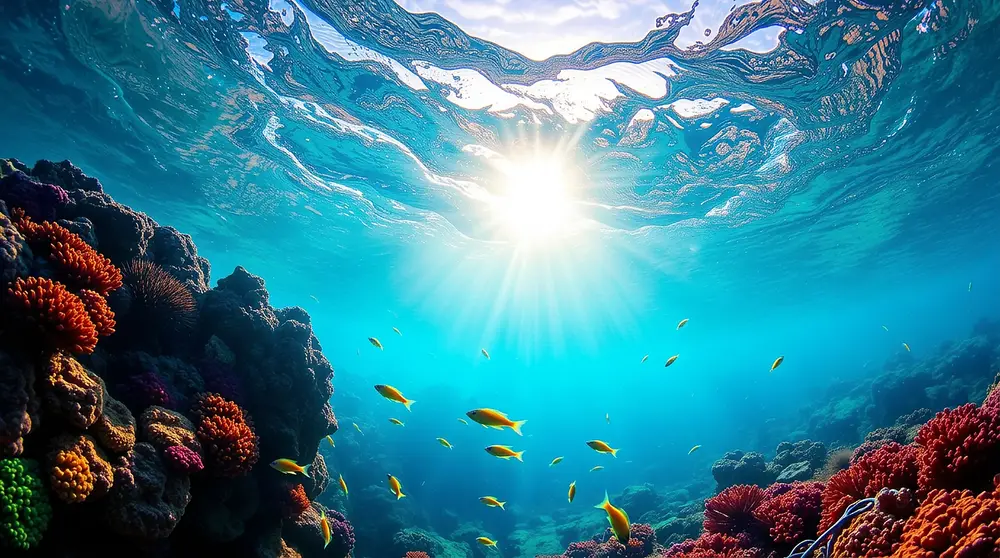
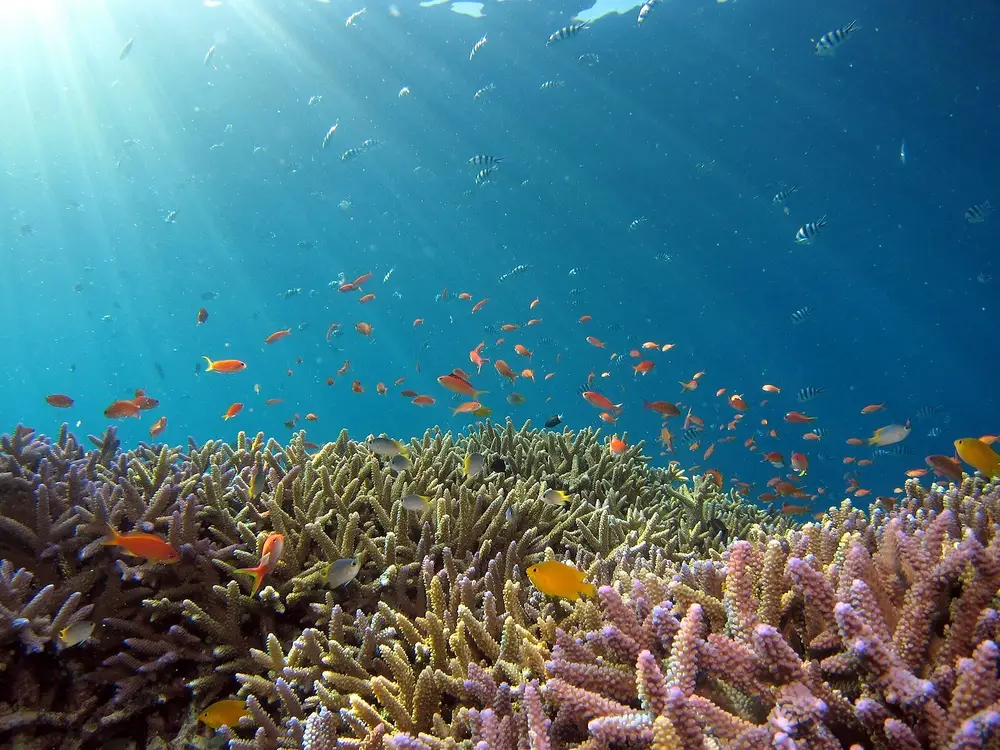
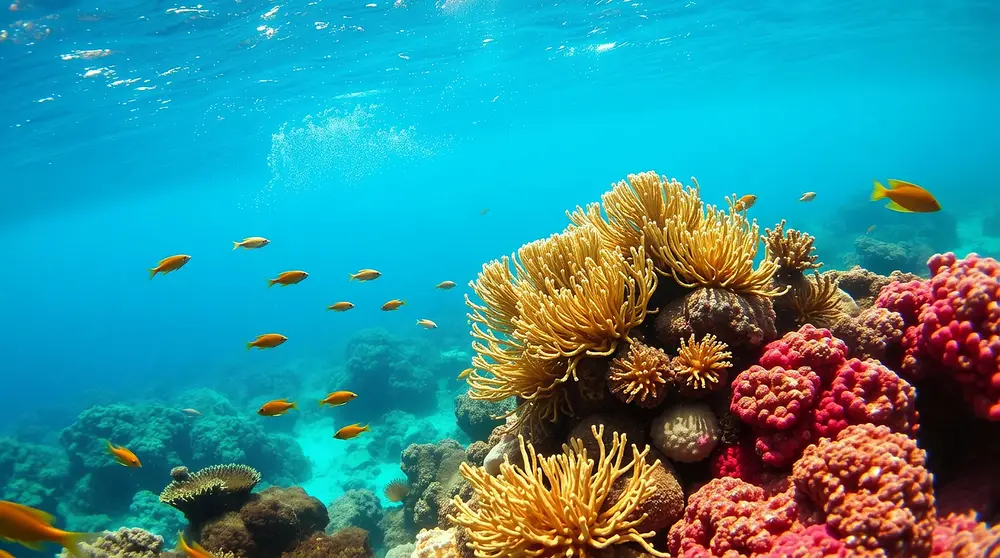
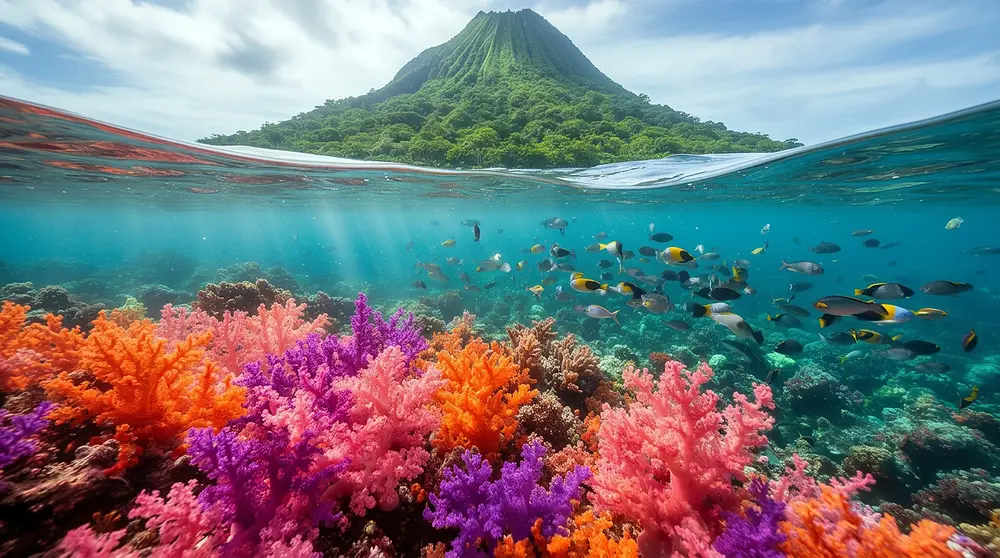
- Habitat: The Reef Octopus, *Octopus cyanea*, is a widespread invertebrate found throughout the **tropical and subtropical Indo-Pacific Ocean**. These octopuses prefer shallow, **rocky or coral reef environments**, typically inhabiting depths from the intertidal zone down to about 50 meters. They are masters of camouflage, often found lurking in crevices, under ledges, or within discarded shells and man-made debris, using these as temporary homes or ambush points. Divers frequently encounter them in the vibrant coral gardens of the **Great Barrier Reef** in Australia, the diverse reef systems of **Indonesia** and the **Philippines**, and the clear waters surrounding islands in the **Maldives** and **Fiji**. Their presence is directly linked to the availability of suitable shelter and abundant prey, making healthy reef ecosystems their primary residence. While they are present year-round in these warm waters, their activity levels can be influenced by tidal cycles and ambient light, with many individuals being more active during **dusk and dawn**, or even **nocturnally** in some areas when hunting. Look for them in areas with plenty of nooks and crannies, where they can exploit their remarkable ability to blend seamlessly into their surroundings.
- Diet: The Reef Octopus is a skilled and **opportunistic predator**, with a diet primarily consisting of **crustaceans, mollusks, and small fish**. They are particularly fond of crabs, including hermit crabs, and various species of shrimp. Their hunting strategy is a marvel of stealth and intelligence. They often employ a **'pounce and capture'** method, rapidly extending their arms to engulf unsuspecting prey. Alternatively, they use their remarkable camouflage to **ambush prey** from a hidden position, waiting patiently for an opportune moment. Once captured, the octopus subdues its prey using venom delivered through a bite from its strong beak-like mouth. They are also known to use their powerful suckers to pry open bivalves or drill through shells of gastropods to access the soft body within. Digestion often occurs within their den, with tell-tale piles of discarded shells and crab carapaces accumulating outside their favored retreats, offering a clue to their recent meals and helping divers locate their hidden homes. Their varied diet underscores their adaptability and importance as a **key predator** in reef ecosystems.
- Best season: Encounters with the Reef Octopus are possible **year-round** in much of its tropical Indo-Pacific range, as water temperatures remain consistently warm. However, certain seasons and locations may offer **peak viewing opportunities** due to clearer waters or increased octopus activity. In the **Philippines**, particularly around Visayas and Palawan, the **dry season from November to May** provides the best visibility and calmest conditions, ideal for spotting these masters of disguise. Similarly, in **Indonesia**, especially in regions like Raja Ampat or Komodo, the months of **October to April** generally offer excellent diving conditions. For the **Great Barrier Reef**, the **Australian dry season from June to October** often brings clearer water and less rainfall, making octopus spotting more likely. While these octopuses are resident, their activity can be influenced by lunar cycles, with some divers reporting higher activity during **new moon phases** when ambient light is reduced, making them bolder in their foraging. Pay attention to local dive conditions as tidal flows and time of day (dusk or dawn dives) can significantly influence your chances of an encounter.
Fun Facts
They can change both color and skin texture in under 200 milliseconds,They use a 'web-over' hunting technique,They have been observed using coconut shells as portable shelters,Each arm contains about two-thirds of the animal's neurons
Diving Tips
When diving for the Reef Octopus, **patience and keen observation** are paramount. These creatures are masters of disguise; look for subtle textures, color shifts, or an unusual rock shape that seems to **'breathe' or pulsate**. Pay close attention to **discarded shell fragments** or crab legs outside small crevices, which often indicate an octopus's den. When you spot one, maintain a **respectful distance** and avoid sudden movements, as they are naturally shy and will quickly retreat or change coloration to blend in further. **Never attempt to touch or chase** an octopus; this causes undue stress and can lead to them jetting away using their ink as a defense mechanism, which can obscure visibility for other divers. Flash photography can startle them, so use it sparingly and with discretion. For optimal viewing, consider **slow, methodical drifts** over rocky reef areas and make use of a dive light to peek into shadowed recesses, as their eyes may reflect the light. Remember that disturbing marine life is **unethical and often illegal**; adhere to **responsible diving practices** such as buoyancy control to avoid damaging their habitat or interfering with their natural behaviors. Report any unusual or distressed octopus behavior to your dive guide, and always prioritize the animal's well-being over a perfect photo opportunity.