About Bunaken Wall
The Bunaken Wall, located in the Bunaken Marine Park off North Sulawesi, Indonesia, is renowned as one of the world's premier wall diving destinations. This protected area, established in 1991, features dramatic drop-offs that plunge past 100 meters, showcasing an extraordinary biodiversity within the Coral Triangle. Divers explore sheer coral faces adorned with barrel sponges, vibrant sea fans, and abundant soft corals, all while enjoying often spectacular visibility exceeding 30 meters. The park's unique underwater topography and the influence of the Indonesian Throughflow create nutrient-rich waters that support a thriving ecosystem. While some sites, like Lekuan III, offer gentler currents suitable for all levels, others, such as Lekuan I and II, experience stronger flows that attract pelagic species. This dynamic environment makes Bunaken suitable for a range of divers, from beginners on sheltered walls to advanced divers seeking exhilarating drift dives with larger marine life. Key marine residents include numerous green and hawksbill turtles, whitetip and blacktip reef sharks, and schooling pyramid butterflyfish. Pelagic encounters can include eagle rays, dogtooth tuna, giant trevally, and even occasional dugongs or mola mola at sites like Tanjung Kopi. The consistent warm water temperatures, ranging from 26 to 30 °C, mean a 3mm shorty is typically sufficient for comfort, enhancing the overall dive experience. Diving logistics are straightforward, typically involving day trips from resorts on Bunaken, Siladen, or other nearby islands. Access is primarily via a short boat ride from Manado after flying into Sam Ratulangi International Airport (MDC). The combination of accessibility, healthy reefs, and diverse marine life solidifies Bunaken Wall's reputation as a world-class dive destination.
Highlights
Dramatic vertical coral wallsAbundant green and hawksbill turtlesExceptional 30m+ visibilityDiverse coral gardensPelagic encountersDrift diving opportunities
Season calendar
Best months to dive here
Jan
Feb
Mar
Apr
May
Jun
Jul
Aug
Sep
Oct
Nov
Dec
Excellent
Dive site facts: Bunaken Wall
- Depth
- 5–40 m, walls beyond 100m
- Typical dive
- 12–25 m, 50–60 min
- Current
- Gentle to strong (site-dependent)
- Visibility
- 20–35 m
- Water temperature
- 26–30 °C
- Entry
- Boat
- Level
- Open Water to Advanced (site-dependent)
- Dive type
- Wall, drift, reef
- Night dive
- Possible
- Region / port
- North Sulawesi, Indonesia
- Coordinates
- 1.6234, 124.7612
Conditions & Currents
Currents at Bunaken Wall vary significantly depending on the specific dive site and lunar cycle. Many main wall sites experience gentle to moderate currents, making them suitable for relaxed drift dives and divers of all experience levels. However, sites like Lekuan I and II, as well as Tanjung Kopi, can encounter moderate to strong currents, particularly during full and new moons. These stronger currents often attract larger pelagic species and necessitate good buoyancy control and current awareness. Entry techniques may include giant strides from the boat, often initiating a drift along the wall. Visibility remains excellent, generally between 20-35 meters, even with currents, ensuring clear views of the abundant marine life. Divers should always consult with their guide regarding specific site conditions before entering the water.
Marine life & sighting chances

Green turtle
Year round · common
Hawksbill turtle
Year round · common
Whitetip reef shark
Year round · occasional
Blacktip reef shark
Year round · occasional
Pyramid butterflyfish
Year round · common
Eagle ray
occasional
Dogtooth tuna
occasional
Giant trevally
occasional
Napoleon wrasse
occasional
Moray eel
common
Reef octopus
occasional
Scorpionfish
occasional
Nudibranch
occasional
Pygmy seahorse
Year round · occasionalDive profile & how the dive runs
Dives at Bunaken Wall typically begin with a boat entry onto the shallow reef top, usually around 5 meters, before gliding over the edge to explore the dramatic vertical walls. For sites like Lekuan I and II, the drop-off is immediate. Divers then drift along the wall, which plunges to depths well beyond 40 meters, often reaching over 100 meters. The route often involves exploring crevices, overhangs, and the vibrant coral formations that adorn the wall face. Depths are generally maintained between 12-25 meters to maximize bottom time and light exposure on the reef. The turn point is usually dictated by air consumption or current direction. Safety stops are comfortably conducted on the shallow reef gardens at the top of the wall, where schools of small fish and abundant hard corals offer a pleasant end to the dive.
Underwater photography
Bunaken Wall offers excellent opportunities for both wide-angle and macro photography, so consider a setup that allows for quick transitions if possible. For wide-angle shots, capture the dramatic wallscapes adorned with large barrel sponges, sea fans, and abundant soft corals, especially with the clear visibility and vibrant light penetration in the shallower sections. Include divers to convey scale against the immense walls. For macro subjects, explore the numerous cracks and crevices for nudibranchs, moray eels, and small reef fish. Look closely at the corals for pygmy seahorses and other tiny critters. Given the potential for currents, maintaining good buoyancy is crucial to avoid touching the reef and to steady your shots. A powerful strobe is beneficial to bring out the true colors of the corals and marine life, particularly at deeper points along the wall.
Combine with nearby dive sites
- Lekuan I
Classic Bunaken wall dive, frequent turtle sightings, moderate to strong currents.
- Lekuan II
Vertical wall with canyons and cracks, home to moray eels and octopus.
- Lekuan III
Gentler sandy slope leading to a wall, ideal for less experienced divers and turtle encounters.
- Mandolin Point
Features overhangs, swim-throughs, and caves; best for divers with good buoyancy and current awareness.
- Tanjung Kopi
Known for pelagic action including sharks, tuna, and eagle rays; currents can be strong.
- Hairball
Muck diving site known for rare critters, often combined with Bunaken for contrast.
Getting there & logistics
Access to Bunaken Wall primarily involves flying into Sam Ratulangi International Airport (MDC) in Manado, North Sulawesi. From Manado, it's a 45-minute to one-hour boat ride to resorts located on Bunaken Island, Siladen, or other islands within the marine park. Most diving is conducted via day boats operating from these resorts, typically offering three dives per day. A typical trip length can range from 5 to 7 days, allowing for comprehensive exploration of the various wall sites. The Bunaken Marine Park requires an entrance fee, which is usually included in dive package costs. Many itineraries combine diving in Bunaken with muck diving in the nearby Lembeh Strait for a varied North Sulawesi diving experience.
Safety & environment
Diving at Bunaken Wall generally has a good safety record, but divers should always carry appropriate dive insurance that covers emergency medical treatment and evacuation. The nearest recompression chamber is located in Manado, approximately an hour's boat ride from Bunaken. Site-specific hazards include potential strong currents at certain locations, particularly Lekuan I and II and Tanjung Kopi, which require good buoyancy control and experience with drift diving. Always follow your dive guide's instructions, especially regarding current conditions and appropriate entry/exit procedures. Maintaining proper depth and bottom time is crucial, especially when exploring walls that plunge to great depths. Ensure your equipment is well-maintained and conduct thorough buddy checks before each dive.
Who it suits — and who it doesn't
Suited for
- Open Water divers (on gentler sites like Lekuan III)
- Advanced divers (for current-swept sites and pelagic action)
- Underwater photographers (both wide-angle and macro)
- Turtle enthusiasts
- Drift diving lovers
Less suited for
- Divers uncomfortable with deep walls
- Those who prefer purely calm, current-free environments
- Divers seeking only muck or wreck diving (though muck is nearby)
- Beginners without proper supervision on exposed sites
FAQ
Bunaken Wall FAQ
What is the visibility like at Bunaken Wall?
Bunaken Wall is famous for its exceptional visibility, which frequently ranges from 20 to 35 meters (65 to 115 feet) year-round. The deep basins surrounding the islands contribute to the clear, blue water, offering fantastic conditions for photography and enjoying the vast coral landscapes.
Are there many turtles at Bunaken Wall?
Yes, Bunaken Wall is a prime location for encountering turtles, particularly green and hawksbill turtles. Divers often see multiple turtles on a single dive, either swimming gracefully along the wall or resting in crevices. Lekuan I, II, and III are especially known for their frequent turtle sightings.
What skill level is required to dive Bunaken Wall?
Bunaken Wall accommodates a range of skill levels. Sites like Lekuan III are suitable for Open Water divers, featuring gentler conditions. However, Lekuan I, II, and pelagic sites like Tanjung Kopi can have strong currents, requiring Advanced Open Water certification and experience with drift diving for safe enjoyment.
Can I combine Bunaken Wall with muck diving?
Absolutely. North Sulawesi is unique in offering both world-class wall diving at Bunaken and exceptional muck diving in the nearby Lembeh Strait. Many operators offer "Passport to Paradise" itineraries that seamlessly combine these two distinct diving experiences, providing incredible biodiversity contrast within a single trip.
What kind of marine life can I expect beyond turtles?
Beyond the abundant turtles, Bunaken Wall teems with diverse marine life. You can expect to see whitetip and blacktip reef sharks, schooling pyramid butterflyfish, eagle rays, dogtooth tuna, and giant trevally. The walls themselves host a myriad of colorful reef fish, moray eels, reef octopus, and various macro critters.
Why dive Bunaken Wall from a liveaboard?
Bunaken Wall is one of Indonesia's signature dive sites. A liveaboard sleeps you on the water and puts you in the water for three to four guided dives per day, including dawn and night dives that day-boat operators rarely offer. You skip the daily commute back to port and reach quieter, less-crowded sites in the same region on a single trip.
Below are the liveaboards that include Bunaken Wall on their Indonesia itineraries.
Liveaboards diving Bunaken Wall
These liveaboards may visit Bunaken Wall on selected itineraries — the exact dive sites depend on departure, weather and conditions.
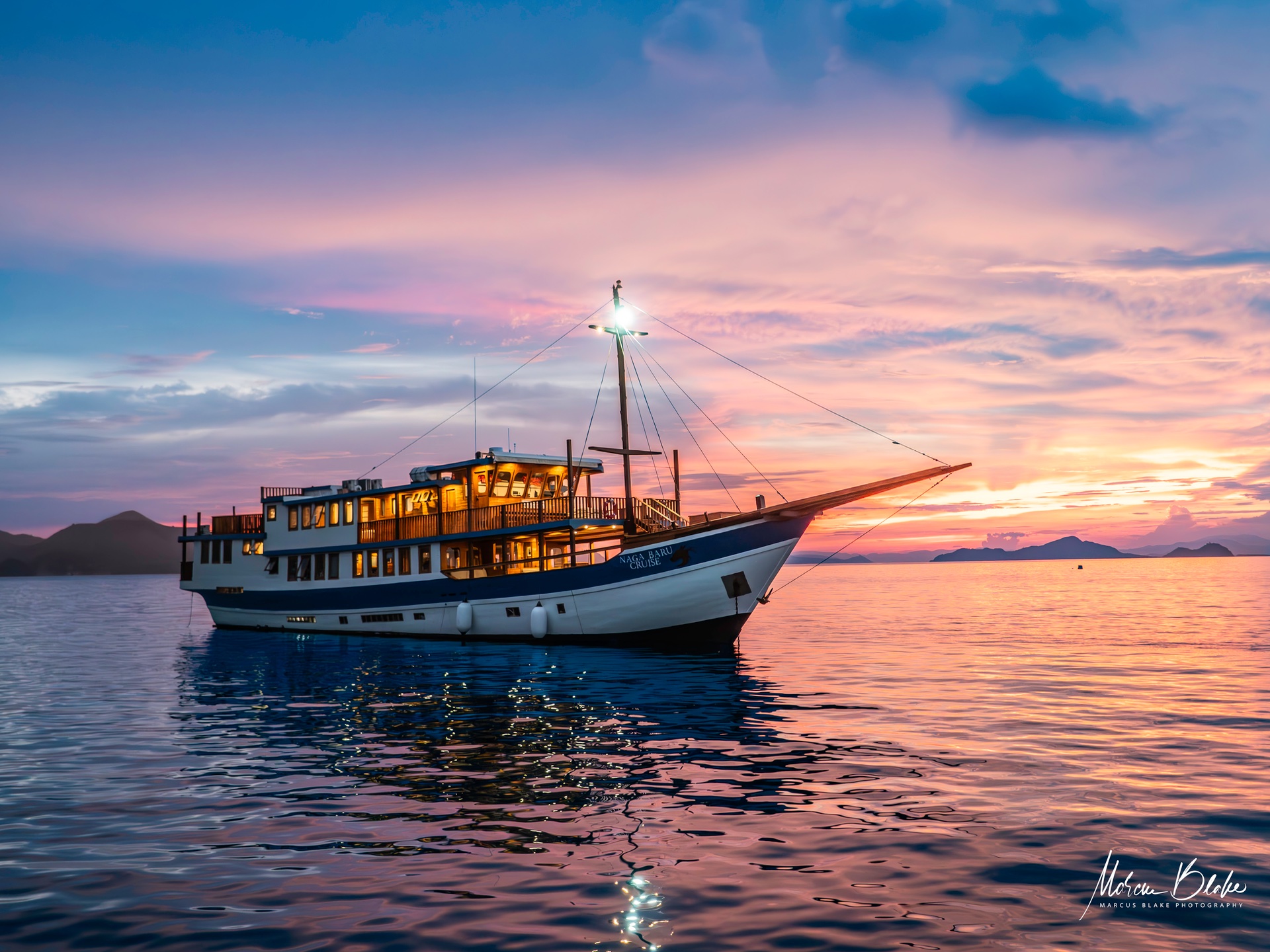
Naga Biru
Indonesia
12 guests40 m
$272/day
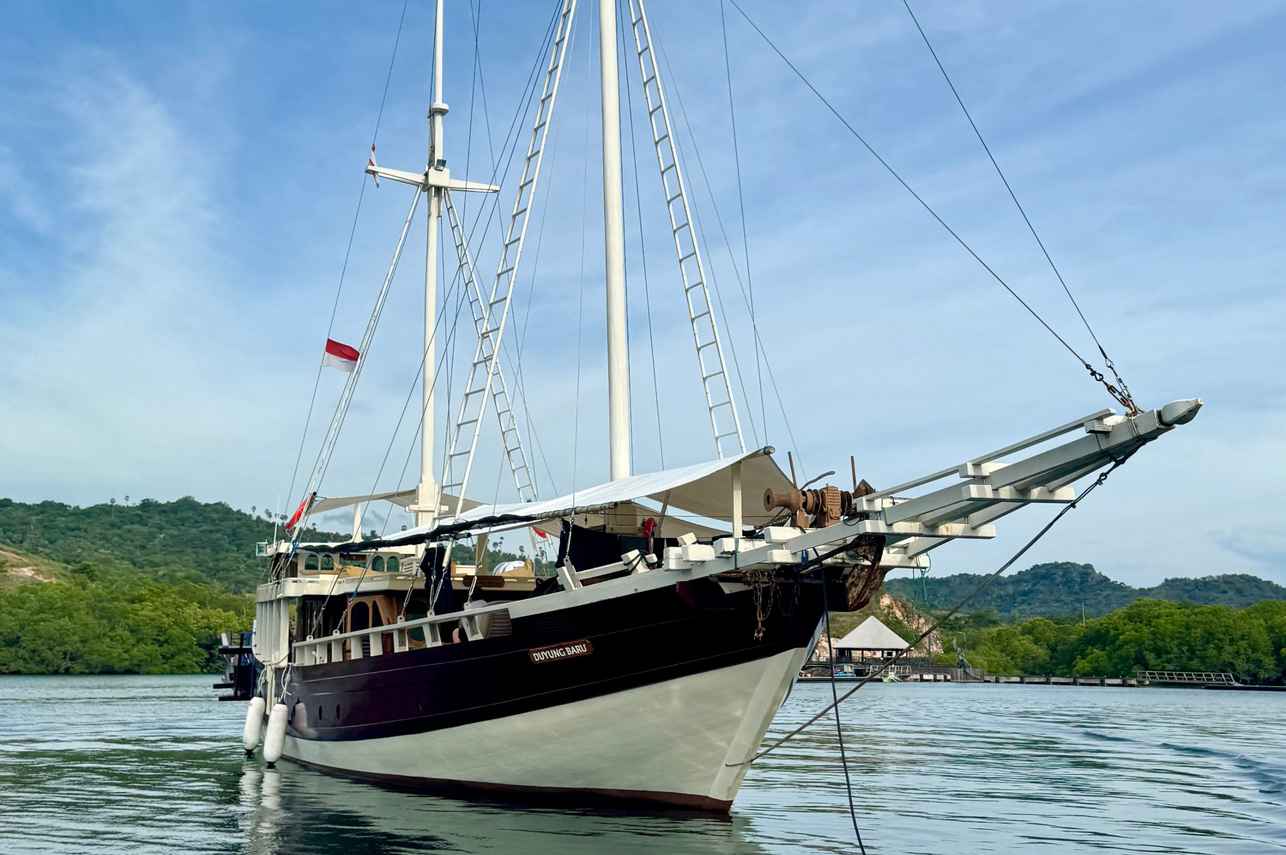
Ecopro Duyung Baru
Indonesia
6 guests27 m
$361/day
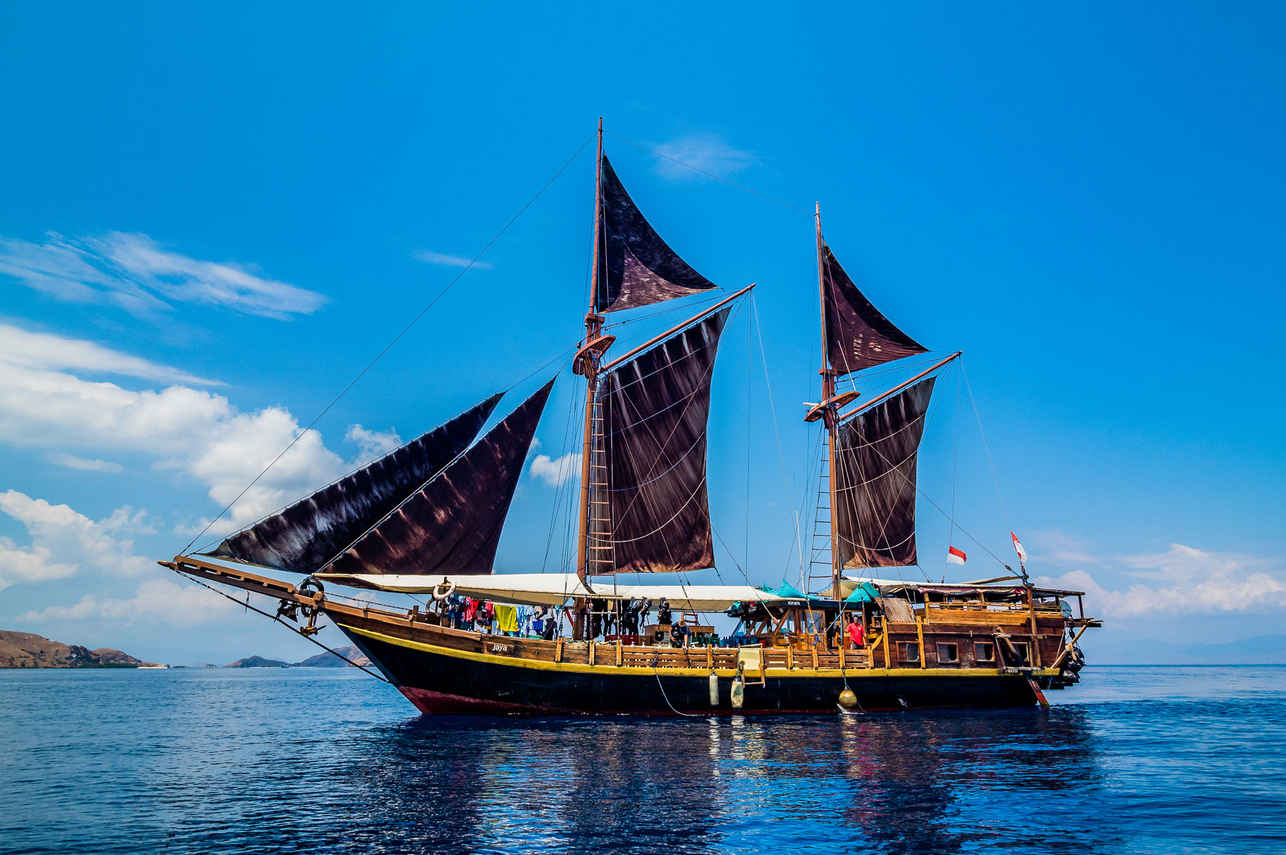
Jaya
Indonesia
14 guests23 m
$280/day
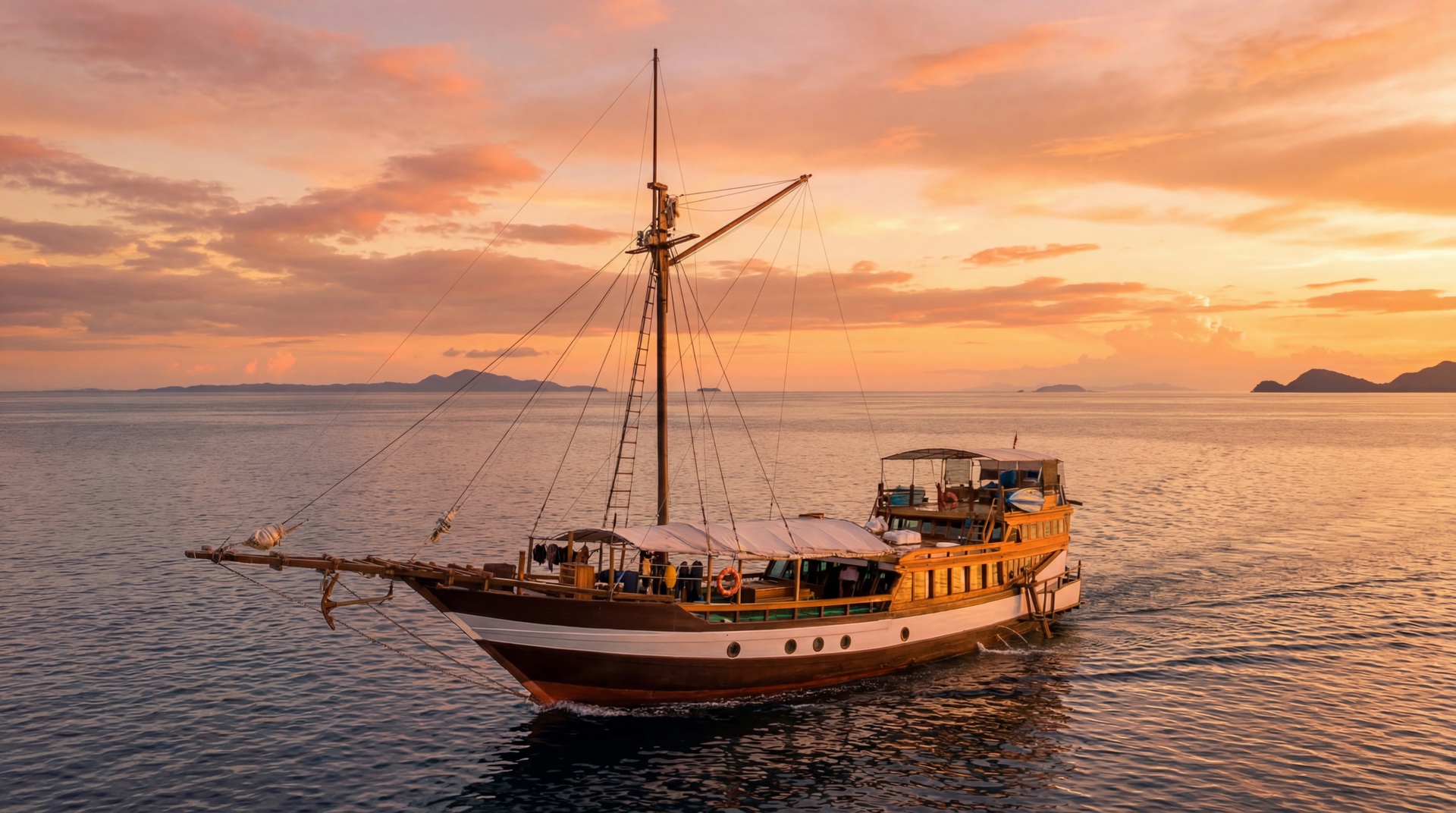
Wellenreng
Indonesia
9 guests25 m
$425/day
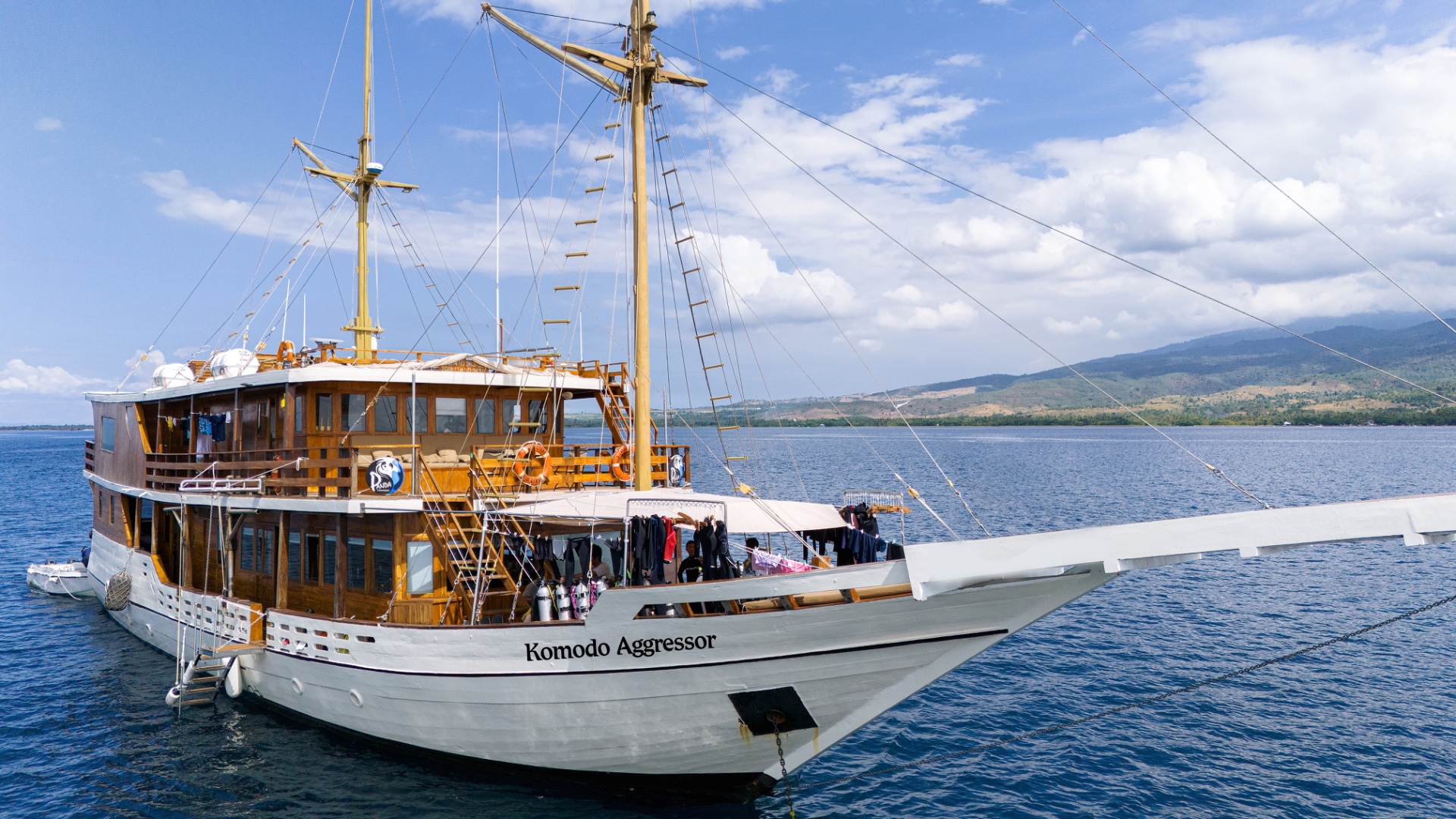
Komodo Aggressor
Komodo, Indonesia
16 guests29 m
$312/day
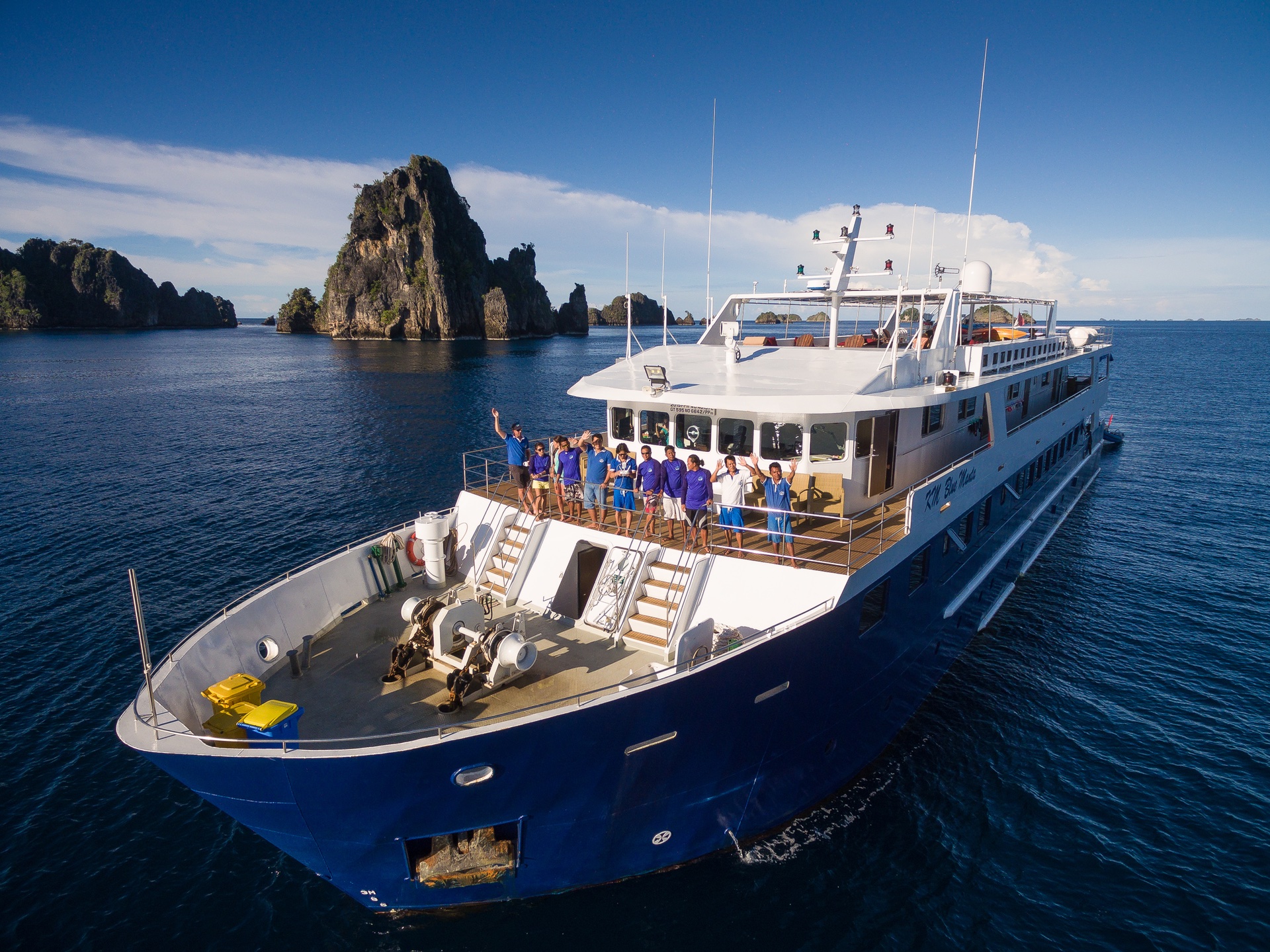
Blue Manta
Indonesia
20 guests45 m
$482/day
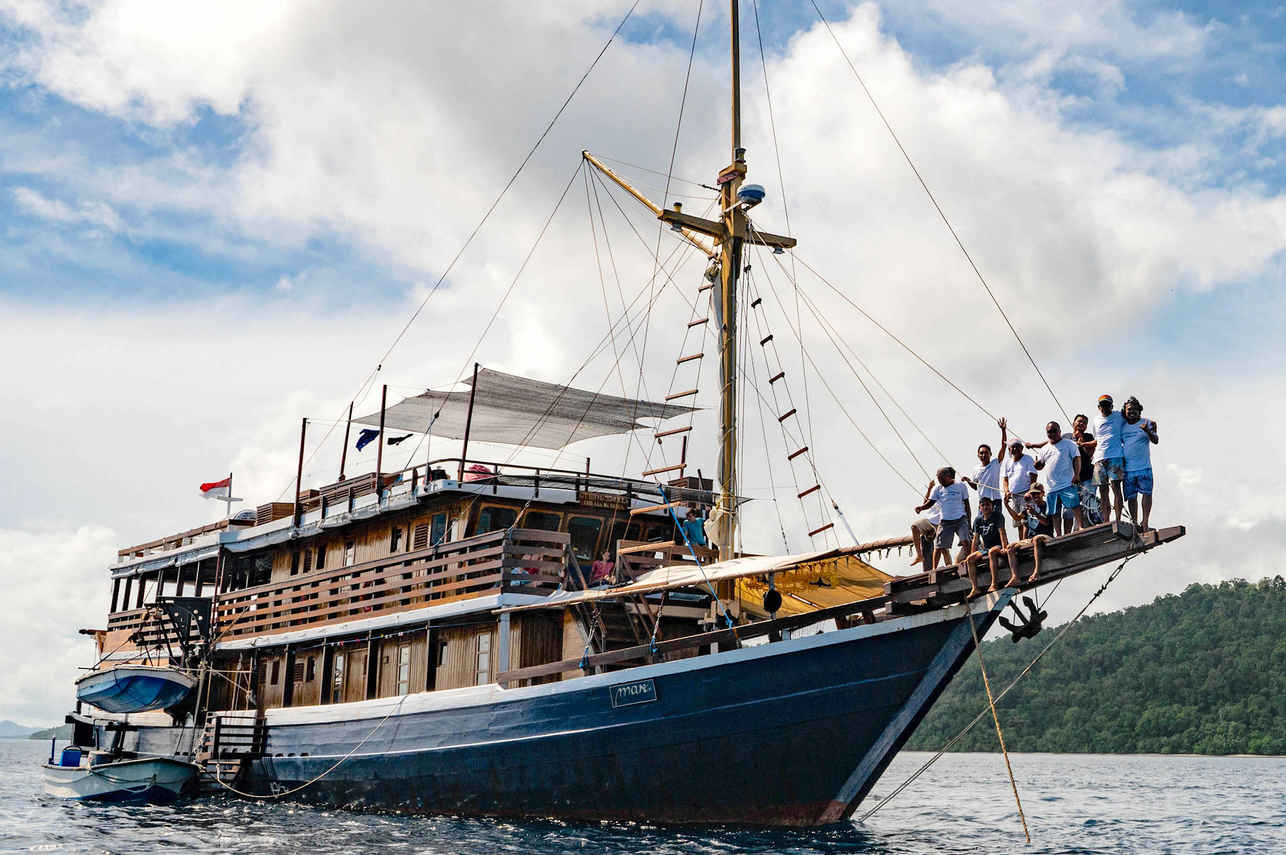
Mari
Indonesia
14 guests32.2 m
$321/day
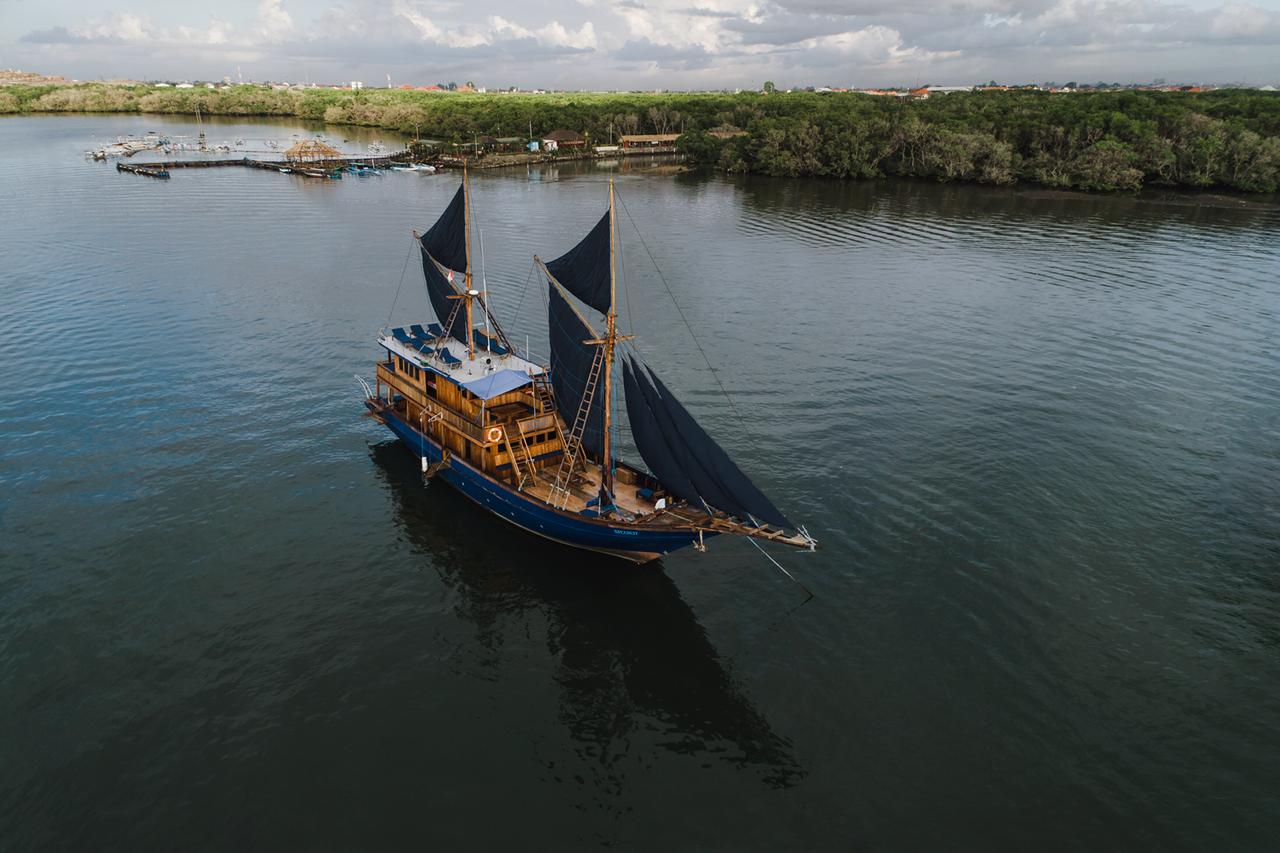
Situju7
Komodo, Indonesia
10 guests32.7 m
$362/day
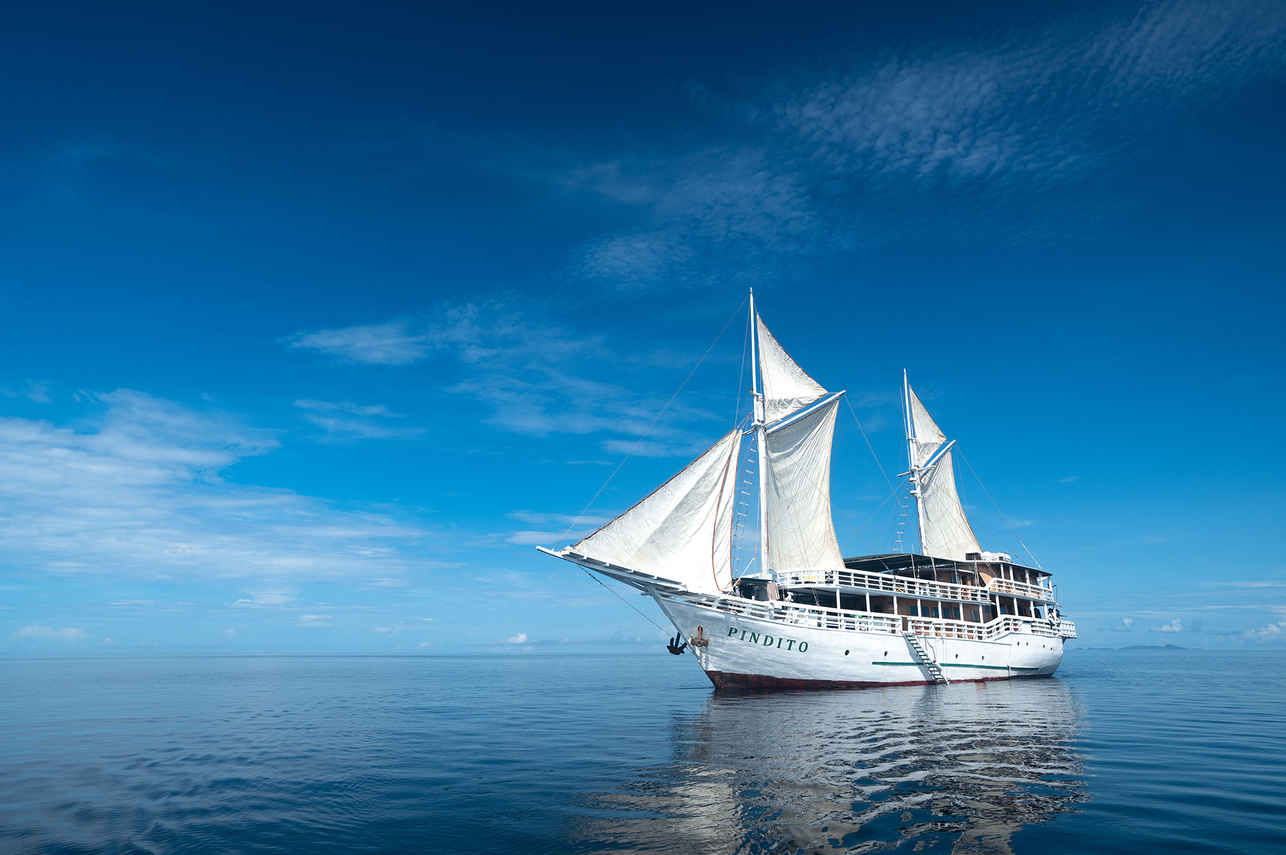
Pindito
Indonesia
16 guests37.79 m
$533/day
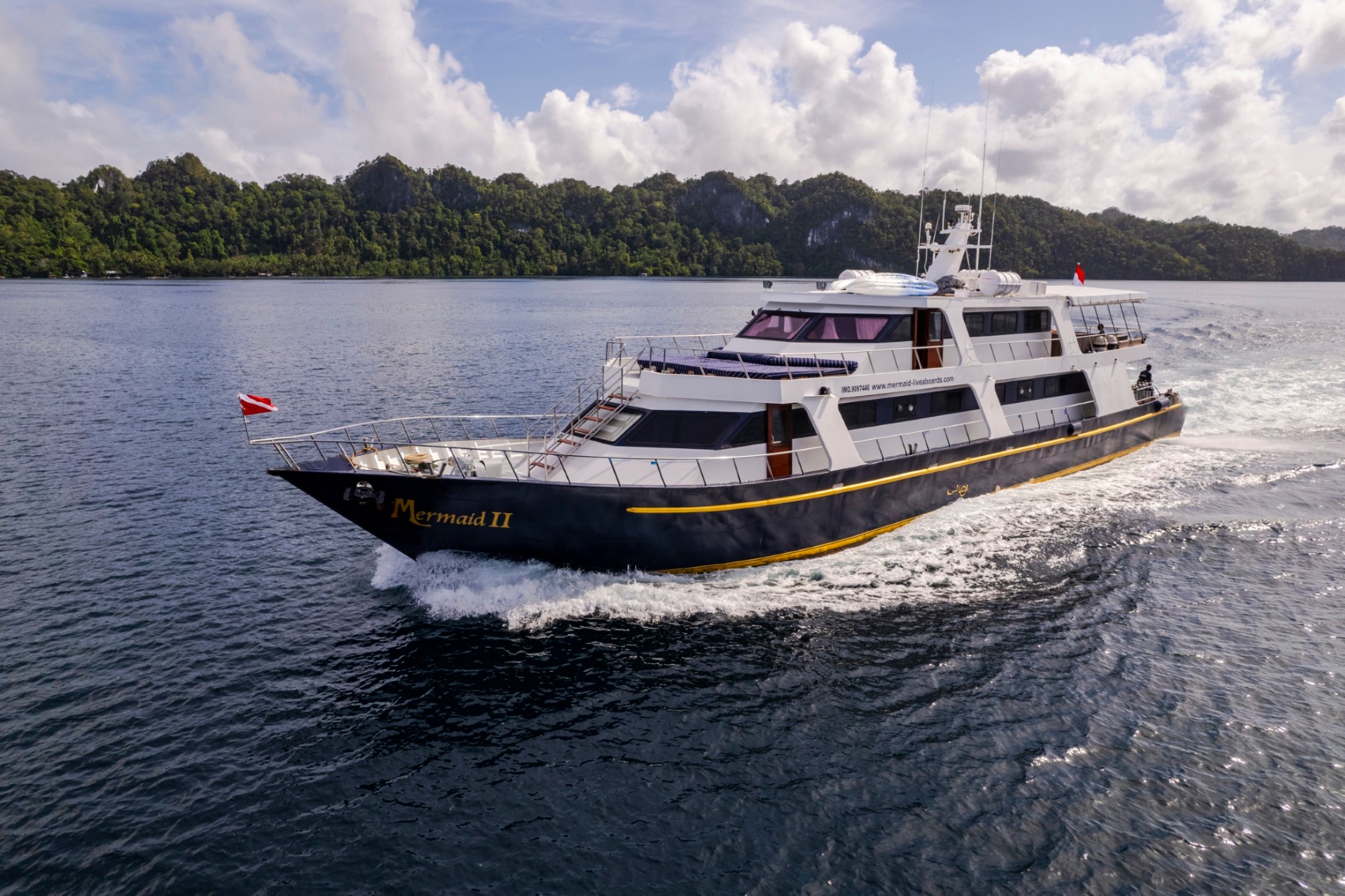
Mermaid II
Komodo, Indonesia
18 guests
$390/day
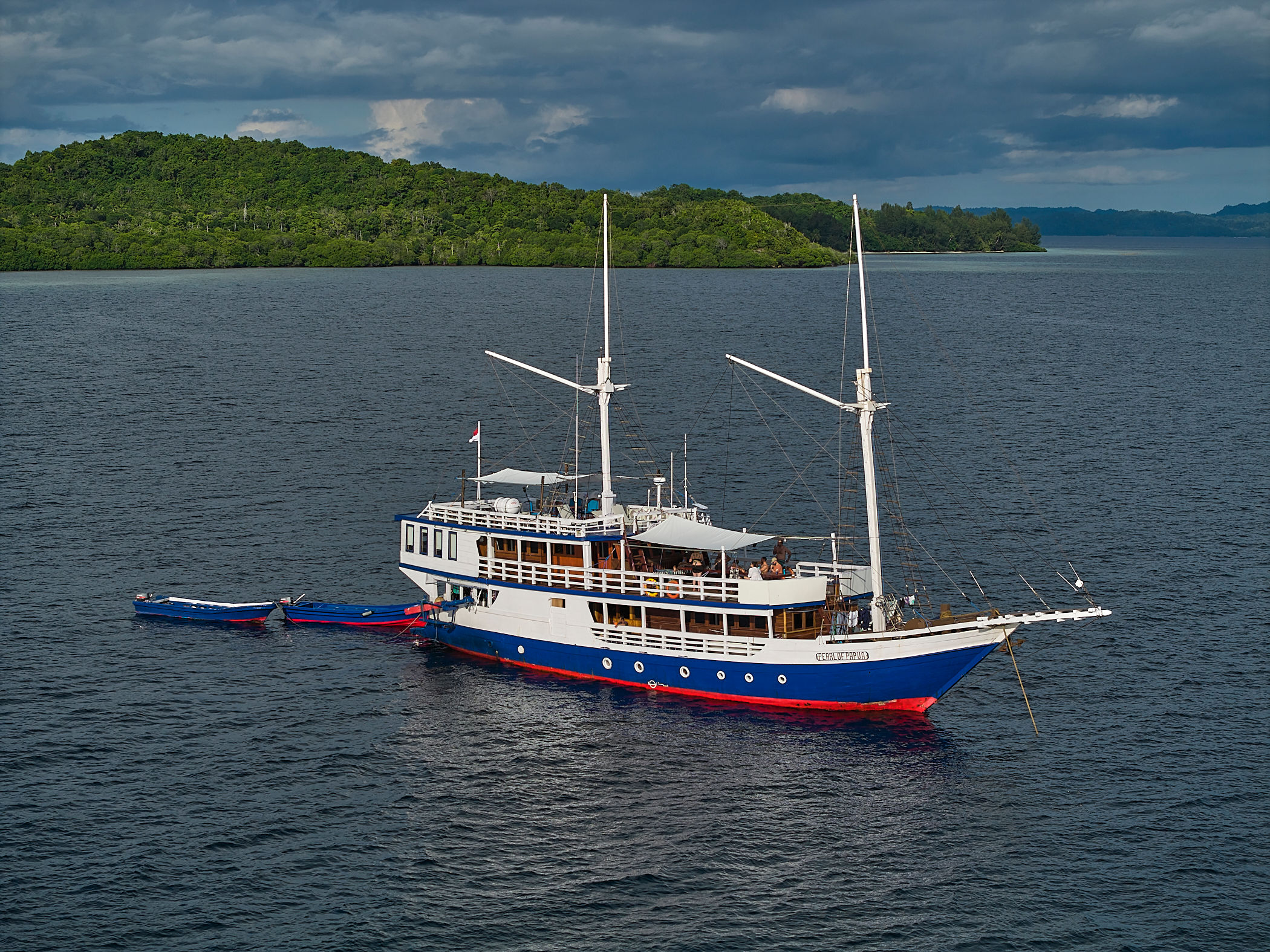
Pearl of Papua
Raja Ampat, Indonesia
14 guests30 m
$303/day
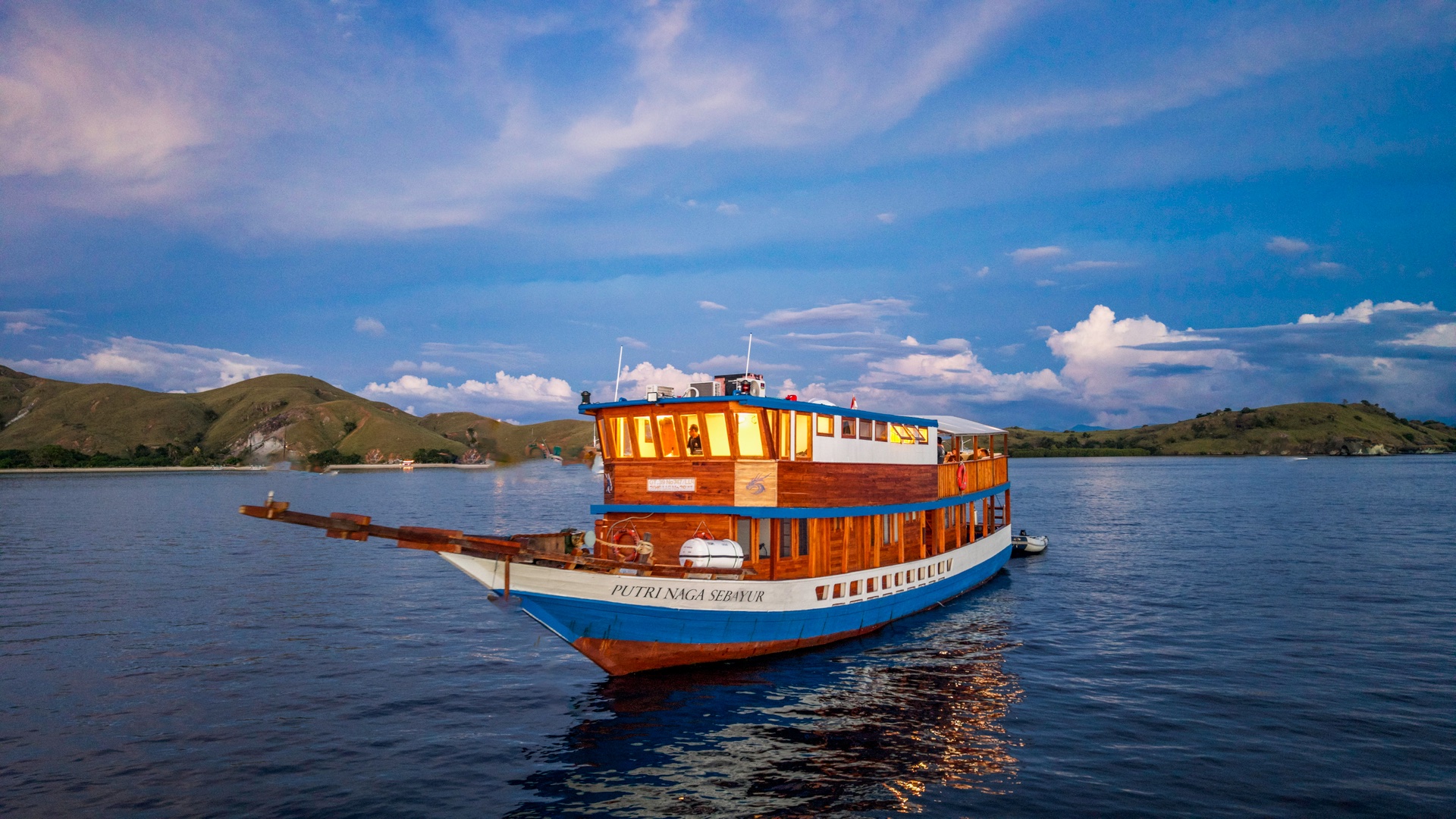
Putri Naga
Komodo, Indonesia
6 guests25 m
Dive sites similar to Bunaken Wall
Same character, same waters — six more sites divers love for the exact same reasons.Compare seasons, access and liveaboard routes — then pick the site that fits your trip best.
© Esri — Maxar, Earthstar, GIS
Adonara Wall
Indonesia
Adonara is an Indonesian island dive site, renowned for its vibrant underwater topography characterized by submerged seamounts.
- Suitable for
- Intermediate
- Current
- Strong
- Access
- Liveaboard or dayboat
- Depth
- 5–35 m
- Theme
- Seamount / Wall
Babylon is a captivating dive site located in the Alor Sea, renowned for its exceptional visibility and vibrant marine ecosystem.
- Suitable for
- Intermediate
- Current
- Strong
- Access
- Liveaboard or dayboat
- Depth
- 3–20 m
- Theme
- Reef / Wall
© Esri — Maxar, Earthstar, GIS
Shark Close
Indonesia
Shark Close is an exhilarating dive site in the Indonesian portion of Borneo, renowned for its strong currents and abundant marine life.
- Suitable for
- Advanced
- Current
- Strong
- Access
- Liveaboard or dayboat
- Depth
- 5–25 m
- Theme
- Channel / Drift
Wakatobi, an acronym for the islands of Wangi-Wangi, Kaledupa, Tomia, and Binongko, lies in Southeast Sulawesi, Indonesia, at the heart of the Coral Triangle.
- Suitable for
- Beginner
- Current
- No current
- Access
- Liveaboard only
- Depth
- 5–30 m
- Theme
- Wall / Reef
© Esri — Maxar, Earthstar, GIS
Raymond’s Point
Indonesia
Raymond's Point is a distinguished dive site located south of Mike's Point within the Bunaken National Marine Park, renowned for its dramatic vertical wall.
- Suitable for
- Advanced
- Current
- Strong
- Access
- Dayboat
- Depth
- 5–35 m
- Theme
- Reef / Wall
© Esri — Maxar, Earthstar, GIS
Manado Tua
Indonesia
Manado Tua, or 'Old Manado,' is one of five islands that form the Bunaken Marine Park, a celebrated marine protected area in North Sulawesi, Indonesia.
- Suitable for
- Intermediate
- Current
- Moderate
- Access
- Dayboat
- Depth
- 5–80 m
- Theme
- Wall / Drift