About Lekuan I
Lekuan I is a premier dive site located in the heart of Bunaken National Marine Park, North Sulawesi, Indonesia. This site is celebrated for its dramatic wall diving, featuring steep drop-offs that plunge to significant depths, creating a spectacular underwater landscape. The walls are richly adorned with diverse hard and soft corals, barrel sponges, and sea fans, thriving thanks to the nutrient-rich waters that characterize the park. The topography transitions from a shallow reef top, often with a sandy slope, to a vertical wall that extends well past 30 meters. These intricate structures, including caverns, cracks, and overhangs, provide a habitat for a wide array of reef fish and smaller critters. While its adjoining sections, Lekuan II and III, present varied current conditions and profiles, Lekuan I itself is known for moderate to strong currents that can attract larger pelagic species. Marine life at Lekuan I is exceptionally rich, with frequent encounters of green and hawksbill turtles, sometimes more than ten on a single dive. Schools of pyramid butterflyfish, bannerfish, and fusiliers are common, alongside sightings of reef sharks, eagle rays, and trevallies. The healthy reef ecosystem and abundant biodiversity make it a captivating dive destination for both macro enthusiasts and those seeking pelagic action. Logistically, accessing Lekuan I typically involves a boat entry from resorts within Bunaken National Marine Park, following a flight into Manado. Diving here often forms part of a multi-day itinerary exploring the diverse sites of Bunaken, offering an experience suitable for advanced divers comfortable with currents, especially at Lekuan I and II.
Highlights
Vertical coral wallsAbundant green and hawksbill turtlesSchools of pyramid butterflyfishOccasional reef sharksRich soft and hard coralsCanyons and cracksGiant barrel sponges
Season calendar
Best months to dive here
Jan
Feb
Mar
Apr
May
Jun
Jul
Aug
Sep
Oct
Nov
Dec
Excellent
Good
Dive site facts: Lekuan I
- Depth
- 5–40 m
- Typical dive
- 20–40 m, 50–60 min
- Current
- Moderate to strong
- Visibility
- 20–40 m
- Water temperature
- 26–30 °C
- Entry
- Boat
- Level
- Advanced recommended (20+ logged dives)
- Dive type
- Wall, coral garden, pelagic encounters
- Region / port
- Bunaken National Marine Park, North Sulawesi
- Coordinates
- 1.6178, 124.7534
Conditions & Currents
Lekuan I frequently experiences moderate to strong currents, which can vary depending on tidal movements. Divers should anticipate a drift dive scenario, requiring comfort with water movement and good buoyancy control. While currents can bring in pelagic action, they also necessitate careful dive planning, including appropriate gas management and an awareness of entry and exit points, which are typically managed via live pickup by the tender boat. Visibility generally ranges from 20 to 40 meters, though it can occasionally drop to 10 meters, particularly during certain seasonal transitions or after heavy rainfall. Surge is usually mild, but a strong current can intensify it.
Marine life & sighting chances

Green sea turtle
common
Hawksbill turtle
occasional
Pyramid butterflyfish
common
Black triggerfish
common
Anthias
common
Whitetip reef shark
occasional
Eagle ray
occasional
Napoleon wrasse
occasional
Banded sea krait
occasional
Moray eel
occasional
Giant trevally
occasional
Tuna
occasional
Nudibranch
occasional
Crabs
occasionalDive profile & how the dive runs
Your dive at Lekuan I begins with a boat entry, typically positioning you at the top of the wall. You'll descend onto a shallow reef, which quickly transitions into a dramatic vertical drop-off, plunging past 30 meters. The initial part of the dive explores this vibrant wall, looking for turtles and schools of reef fish. As you progress, the current will often carry you along the wall, allowing for a relaxed drift. Keep an eye out for canyons and cracks that harbor moray eels and other macro life. The turn point is usually dictated by your air consumption and no-decompression limits, or when the dive guide signals a change in direction to maximize sightings. Your safety stop will typically be performed in the calmer, shallower sections of the reef top, where you can admire the coral garden and look for smaller creatures before surfacing for a tender pickup.
Underwater photography
Lekuan I offers excellent opportunities for both wide-angle and macro photography. For the dramatic wall scenery, schooling fish, and encounters with turtles and rays, a wide-angle lens is ideal. Be prepared for potentially strong currents, as this can make stable shooting challenging; practice good buoyancy control to avoid damaging corals. For macro subjects like nudibranchs, cleaner shrimp, and other small critters hiding in cracks, a macro lens is essential. Consider using strobes to bring out the true colors of the vibrant corals and marine life, especially in deeper sections of the wall. Always maintain a respectful distance from marine life and ensure your fins do not stir up sediment or impact the delicate reef.
Combine with nearby dive sites
- Lekuan II
An adjoining site with similar wall diving, numerous canyons and cracks.
- Lekuan III
A calmer, less current-exposed adjoining site, suitable for beginners with a sandy slope.
- Muka Gereja
A steep winding wall with caves, cracks, and barrel sponges.
- Mike’s Point
Known for strong currents, diversity of corals, and larger pelagics.
- Raymond’s Point
A beautiful wall with sponges, wire corals, and a large cave.
- Tanjung Kopi
A pelagic-rich site on Manado Tua, characterized by strong currents.
Getting there & logistics
Access to Lekuan I typically begins with flying into Sam Ratulangi International Airport (MDC) in Manado, North Sulawesi. From Manado, it's a 45-minute to one-hour boat ride to your resort on Bunaken Island or one of the nearby islands within Bunaken National Marine Park. Most diving operations are conducted as day trips from these resorts, offering three dives daily. Bunaken National Marine Park requires diving permits, which are usually arranged by your dive operator. Trips to this region generally involve several days of diving to explore various sites within the park, often combined with other North Sulawesi destinations like Lembeh Strait for muck diving, depending on the itinerary.
Safety & environment
Diving at Lekuan I requires adherence to standard safety protocols and an awareness of site-specific conditions. The nearest recompression chamber is located in Manado, approximately an hour's boat ride from Bunaken, plus transit time on land. Comprehensive dive insurance, including coverage for emergency medical evacuation, is highly recommended due to the remote location. Strong currents are a frequent feature, so divers must be proficient in drift diving techniques and maintain excellent buoyancy control. Always dive with a surface marker buoy (SMB) for visibility upon surfacing and stay close to your dive guide. Never exceed your training limits and ensure all gear is properly maintained. Respect marine life by observing from a distance and avoid touching corals or animals.
Who it suits — and who it doesn't
Suited for
- Advanced divers comfortable with currents
- Drift diving enthusiasts
- Underwater photographers (both wide-angle and macro)
- Divers seeking frequent turtle sightings
- Those who appreciate vibrant coral walls
Less suited for
- Beginner divers without current experience
- Divers prone to seasickness (due to potential choppy surface conditions)
- Individuals not comfortable with boat entries and exits
- Divers with limited buoyancy control
- Those uninterested in wall diving
FAQ
Lekuan I FAQ
What kind of currents can I expect at Lekuan I?
Lekuan I is known for moderate to strong currents. These can vary with tides, often creating excellent drift dive opportunities. Divers should be comfortable with current conditions and have experience in drift diving techniques to fully enjoy the site safely.
Is Lekuan I suitable for beginner divers?
Lekuan I is generally recommended for advanced divers with at least 20 logged dives due to the potential for strong currents and deep wall profiles. Less experienced divers might find Lekuan III, an adjoining section, more suitable as it has milder currents and a gentler sandy slope.
What marine life is commonly seen at Lekuan I?
Lekuan I is renowned for its abundant green and hawksbill turtle population, often sighted in large numbers. You can also expect to see schools of pyramid butterflyfish, black triggerfish, and anthias. Occasional sightings include whitetip reef sharks, eagle rays, Napoleon wrasse, and various macro critters.
Do I need a special permit to dive at Lekuan I?
Yes, Lekuan I is located within Bunaken National Marine Park, and all divers require a permit to enter and dive within the park. These permits are typically arranged by your dive operator or resort as part of your dive package.
What is the visibility like at Lekuan I?
Visibility at Lekuan I is generally very good, ranging from 20 to 40 meters during optimal conditions. However, it can occasionally drop to 10 meters, especially during transitional seasons or if there has been recent heavy rainfall affecting runoff.
Can I do night dives at Lekuan I?
While the area around Bunaken offers night diving opportunities, specific details for night dives at Lekuan I itself are not commonly highlighted. It is best to consult with local dive operators in Bunaken to inquire about the possibility and specific conditions for night diving at this particular site.
Why dive Lekuan I from a liveaboard?
Lekuan I is one of Indonesia's signature dive sites. A liveaboard sleeps you on the water and puts you in the water for three to four guided dives per day, including dawn and night dives that day-boat operators rarely offer. You skip the daily commute back to port and reach quieter, less-crowded sites in the same region on a single trip.
Below are the liveaboards that include Lekuan I on their Indonesia itineraries.
Liveaboards diving Lekuan I
These liveaboards may visit Lekuan I on selected itineraries — the exact dive sites depend on departure, weather and conditions.
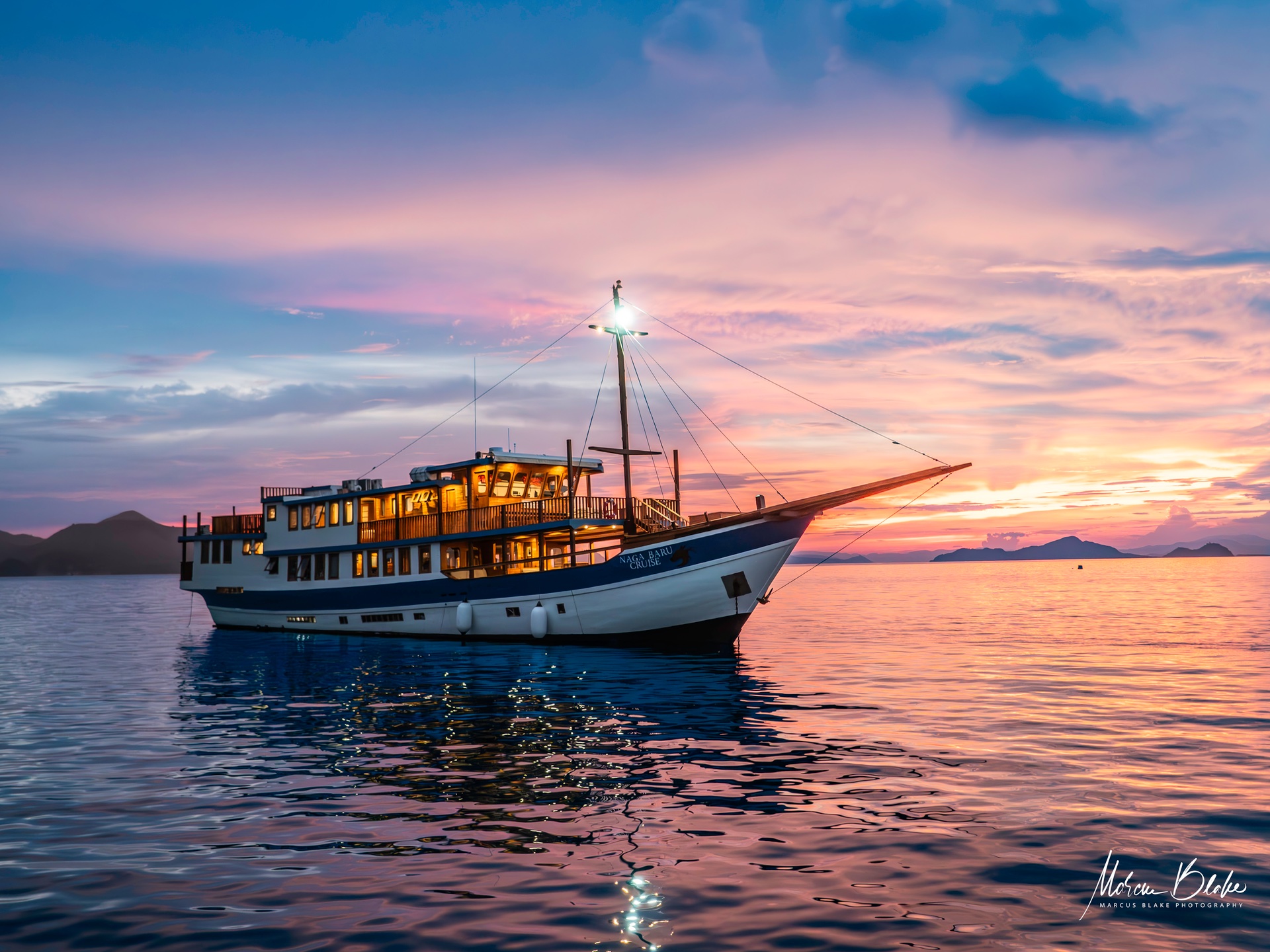
Naga Biru
Indonesia
12 guests40 m
$309/day
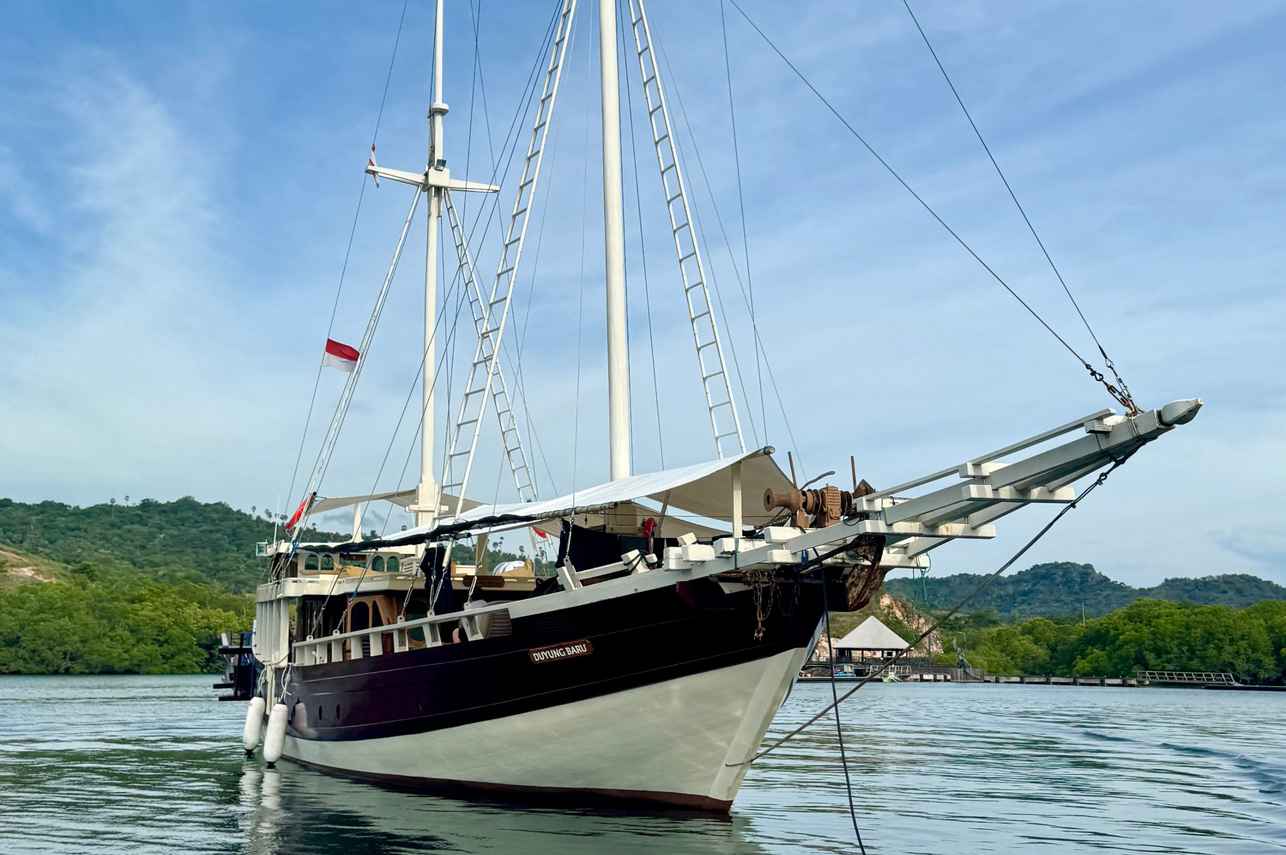
Ecopro Duyung Baru
Indonesia
6 guests27 m
$361/day
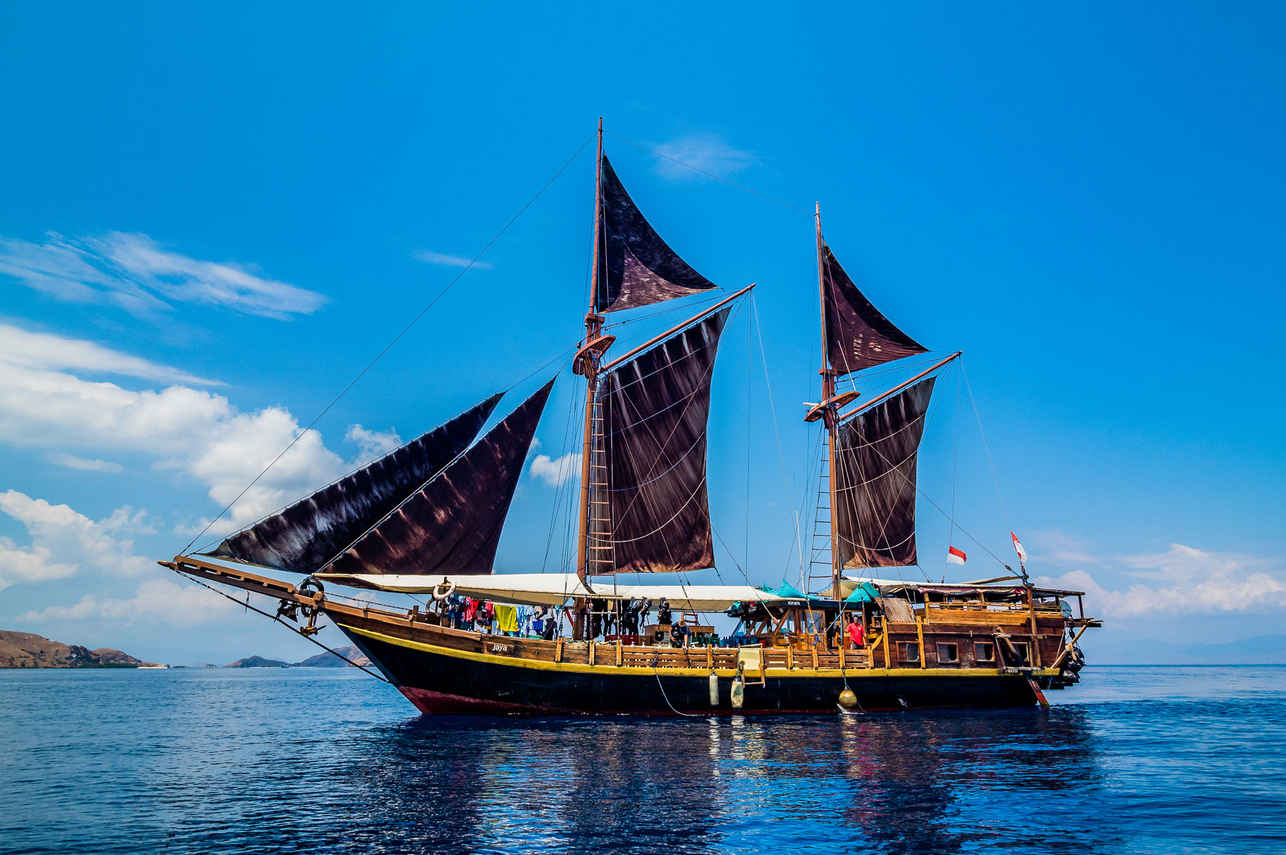
Jaya
Indonesia
14 guests23 m
$280/day
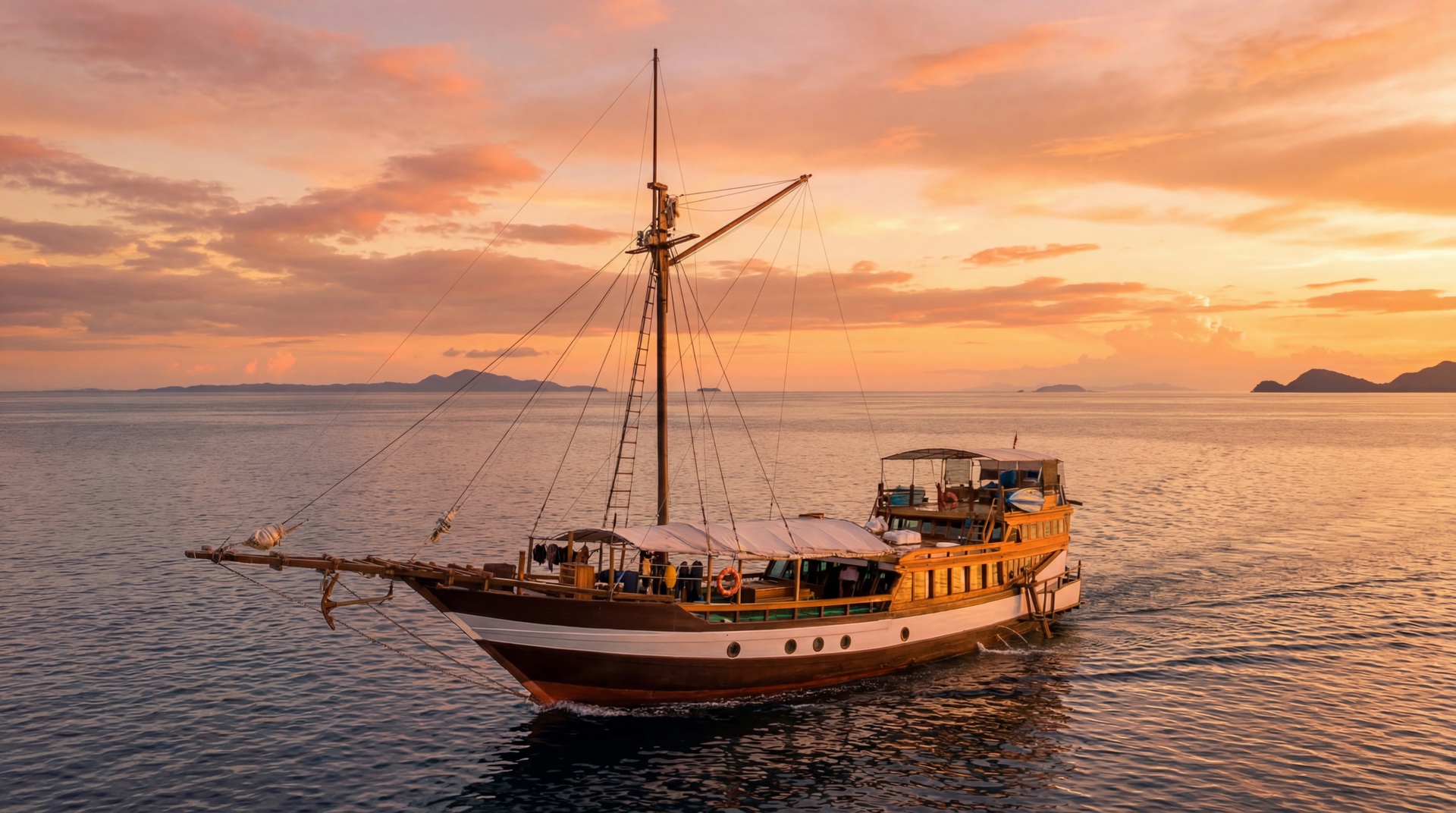
Wellenreng
Indonesia
9 guests25 m
$425/day
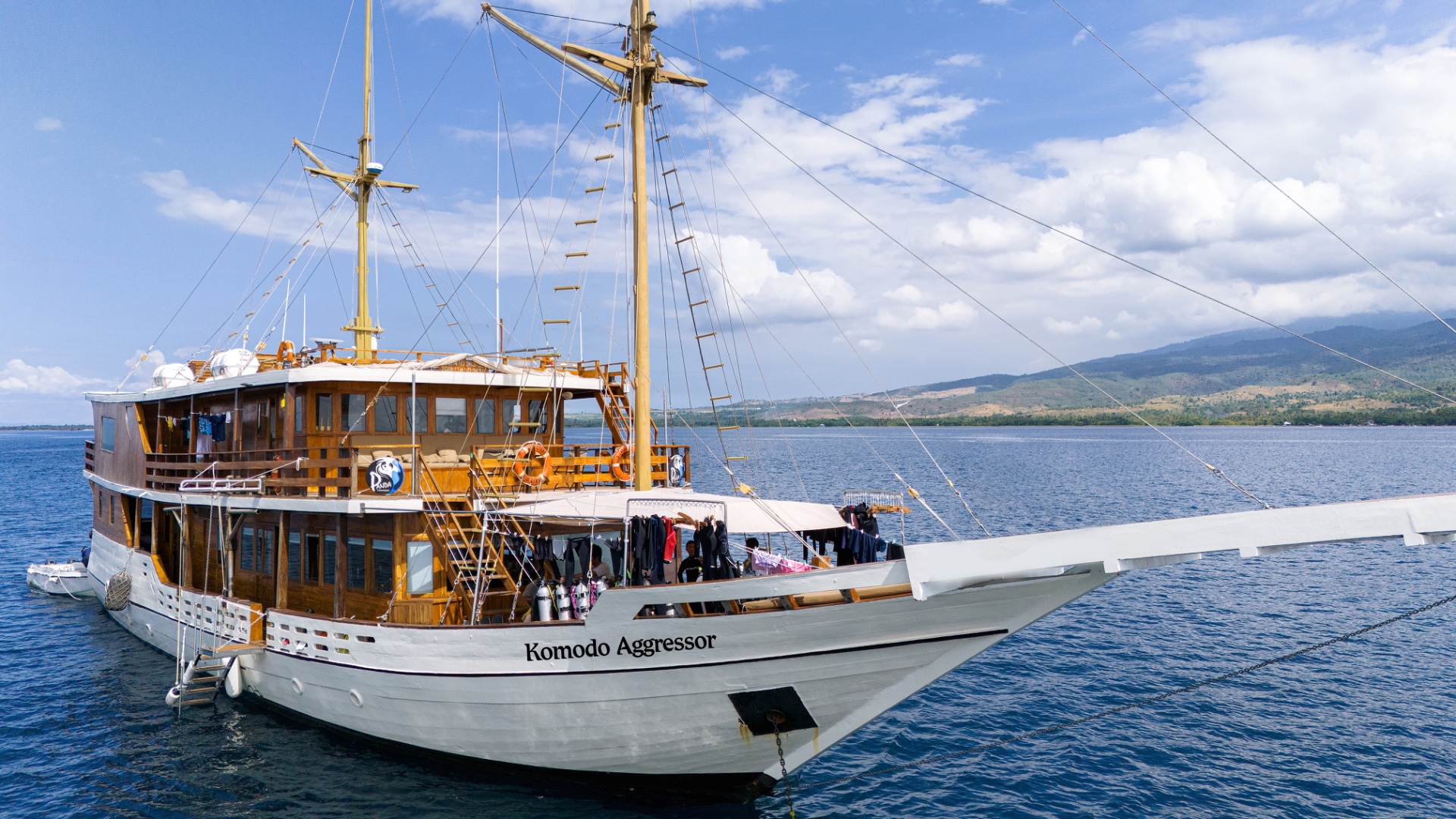
Komodo Aggressor
Komodo, Indonesia
16 guests29 m
$312/day
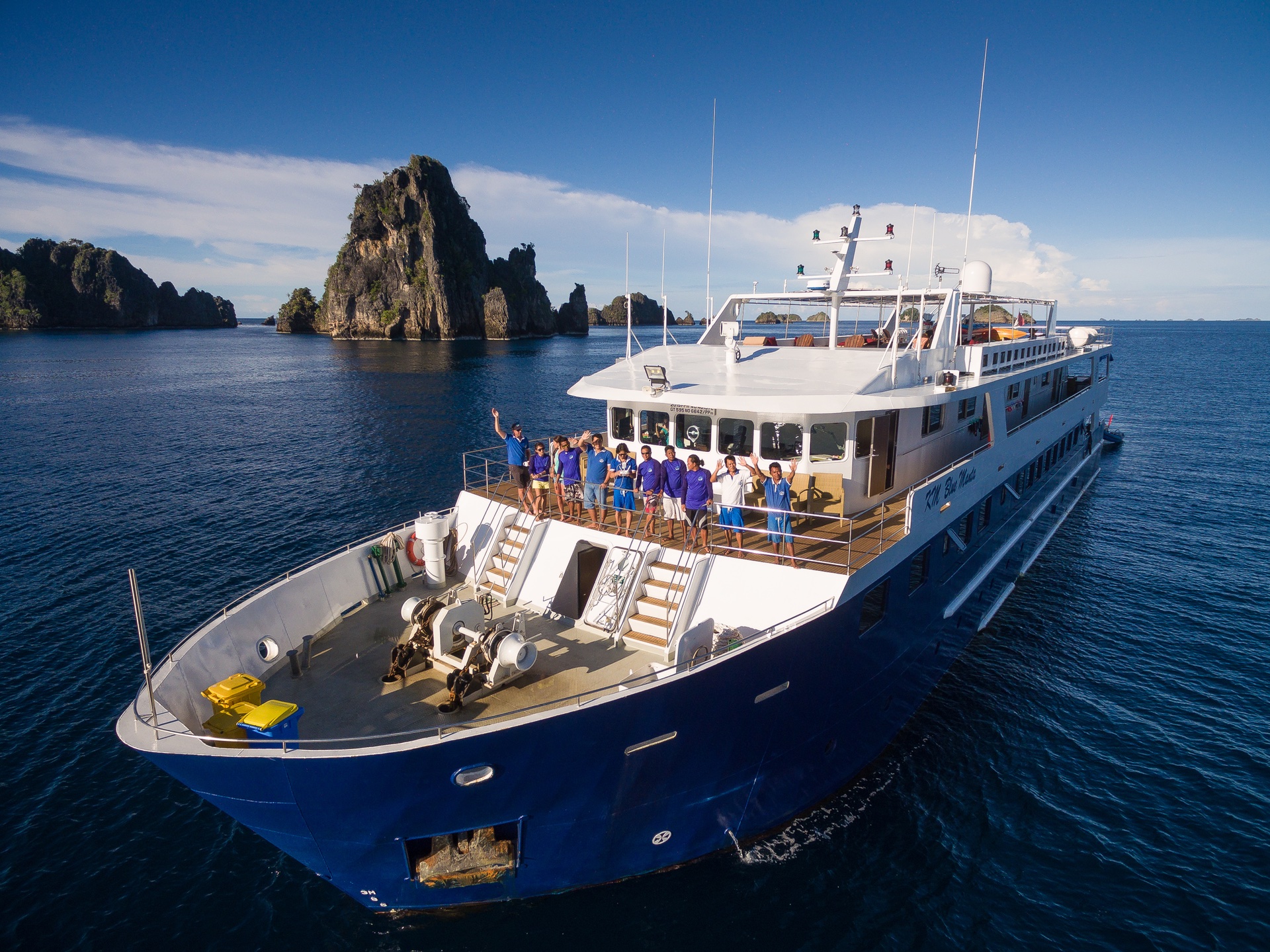
Blue Manta
Indonesia
20 guests45 m
$482/day
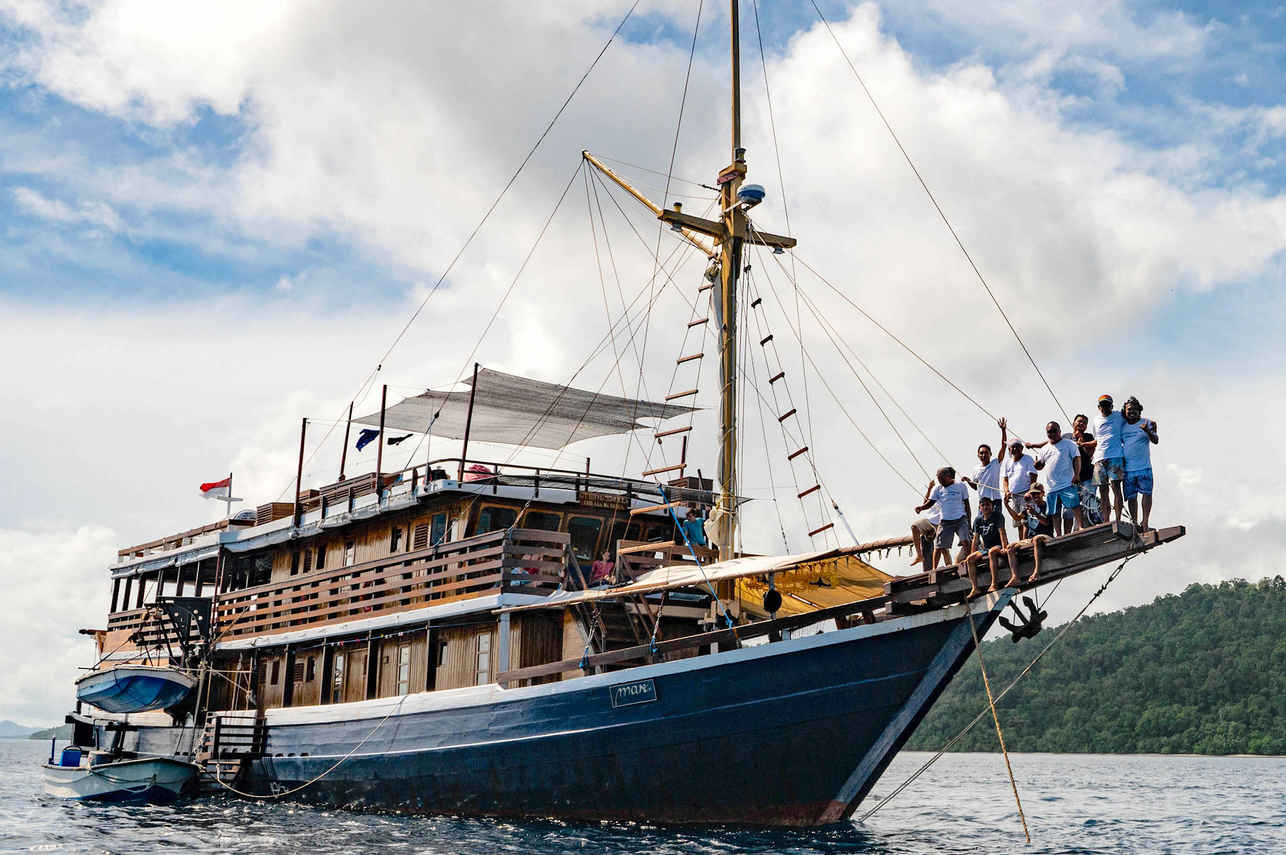
Mari
Indonesia
14 guests32.2 m
$371/day
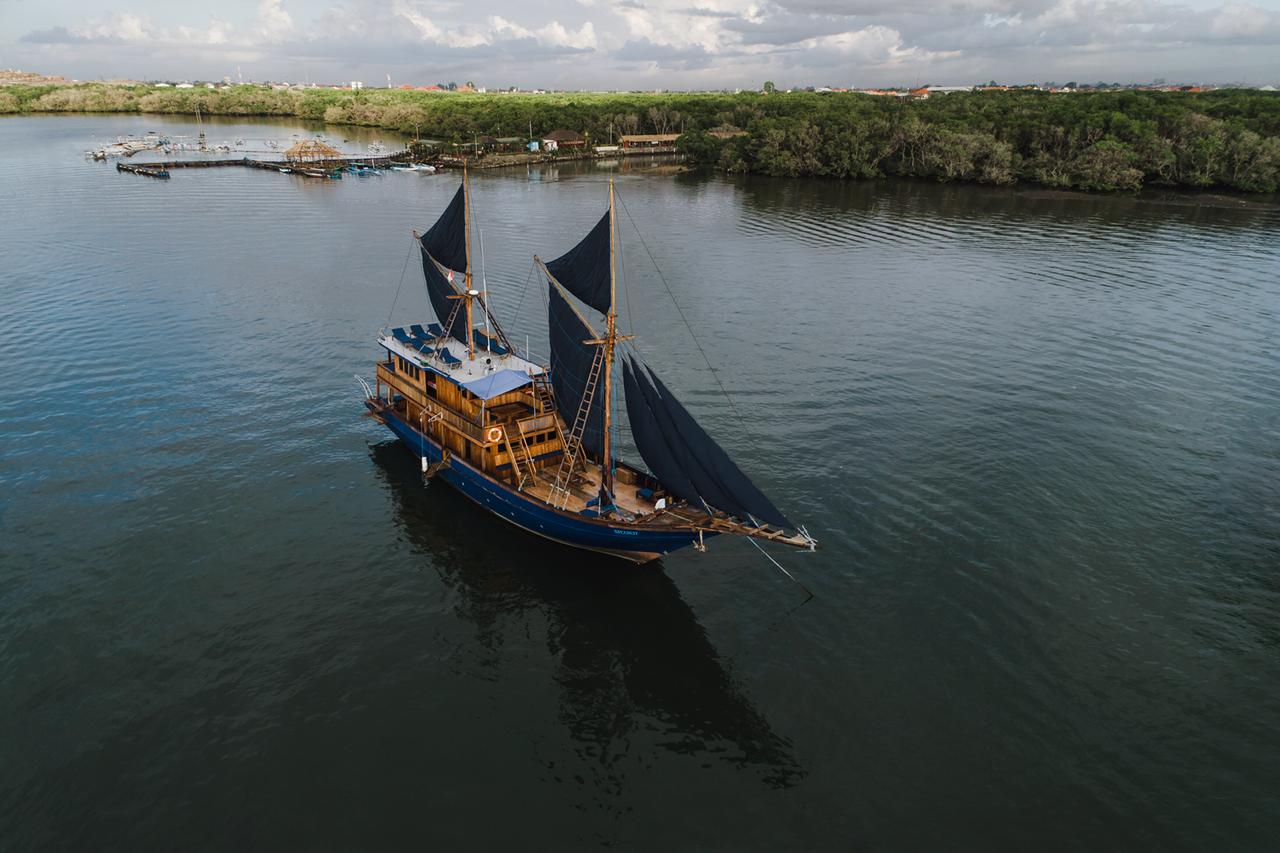
Situju7
Komodo, Indonesia
10 guests32.7 m
$362/day
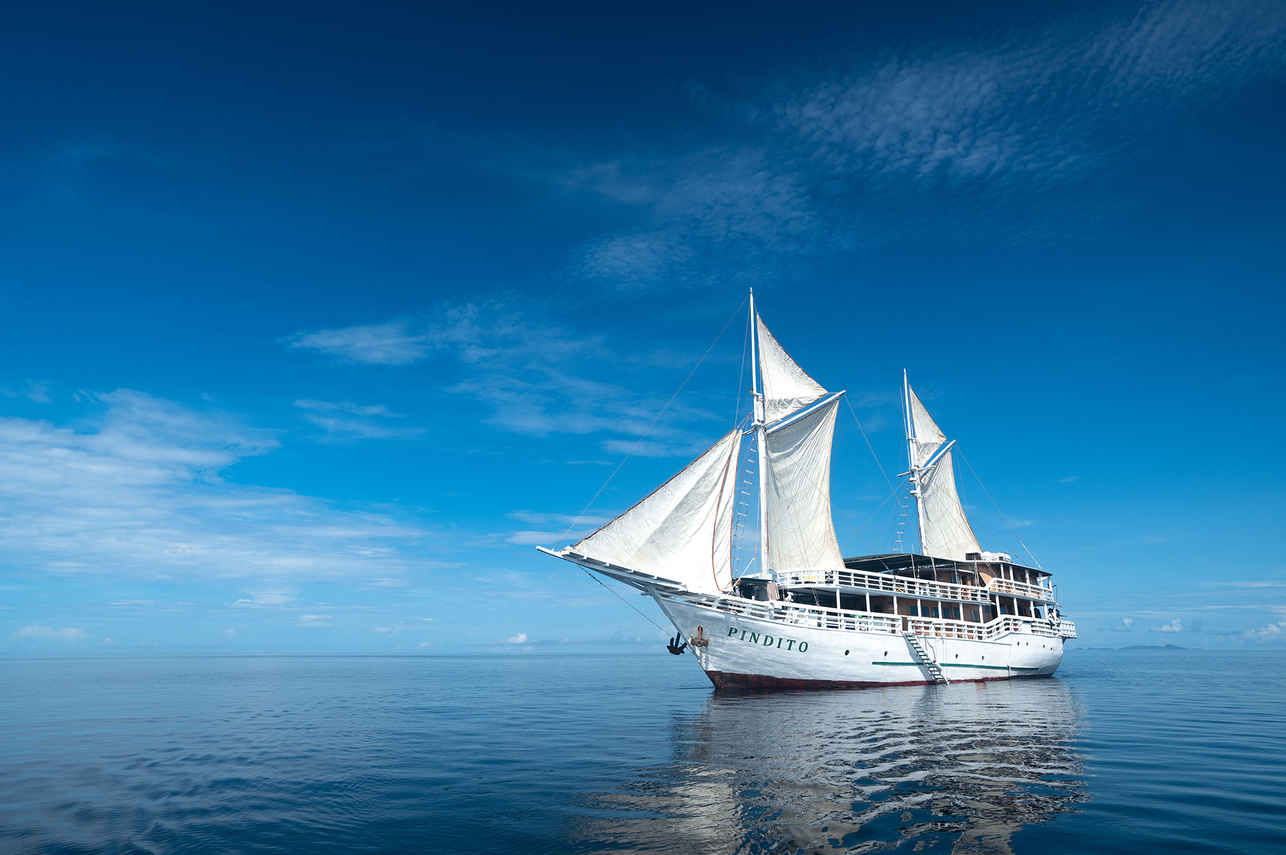
Pindito
Indonesia
16 guests37.79 m
$533/day
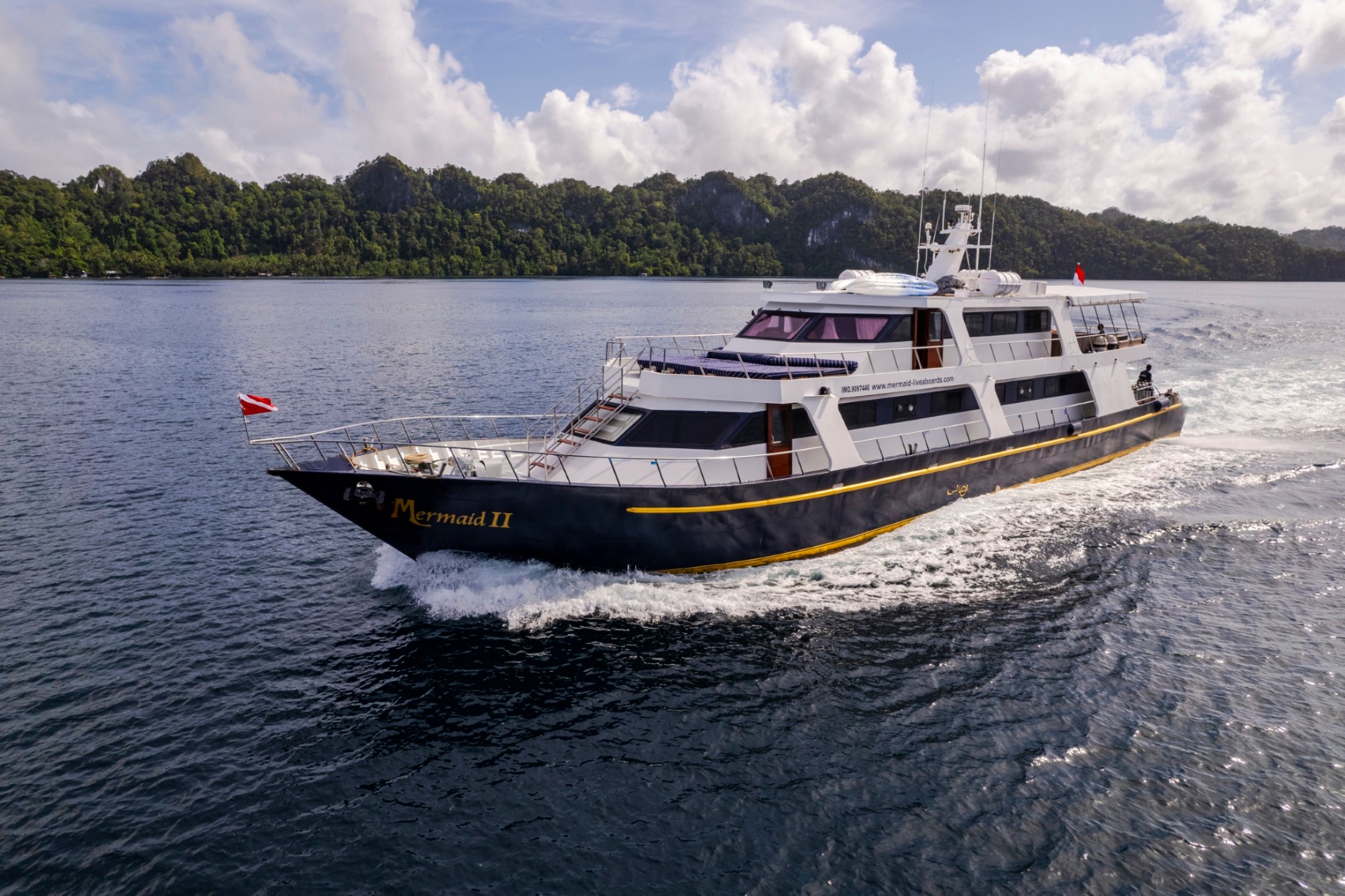
Mermaid II
Komodo, Indonesia
18 guests
$443/day
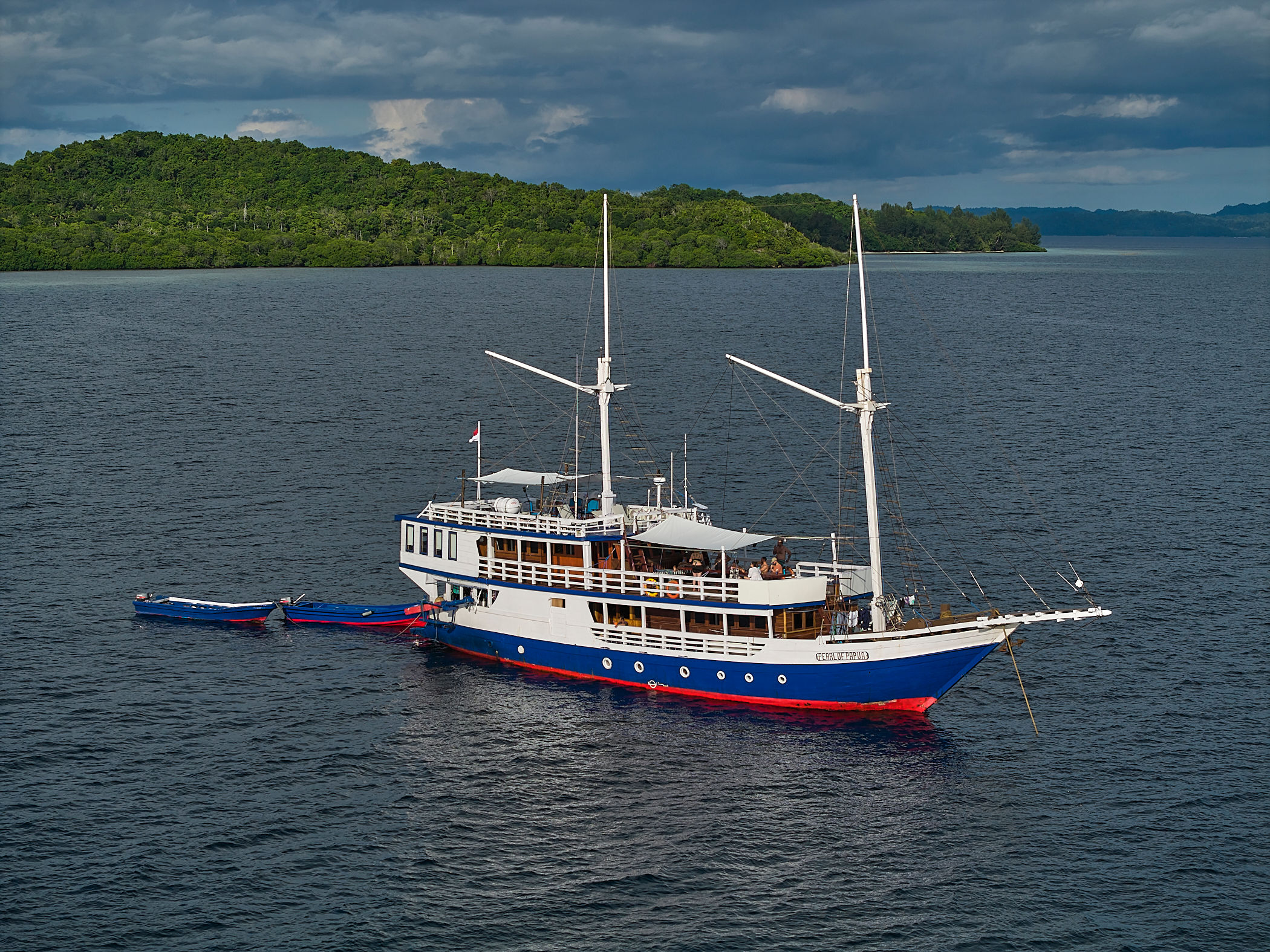
Pearl of Papua
Raja Ampat, Indonesia
14 guests30 m
$303/day
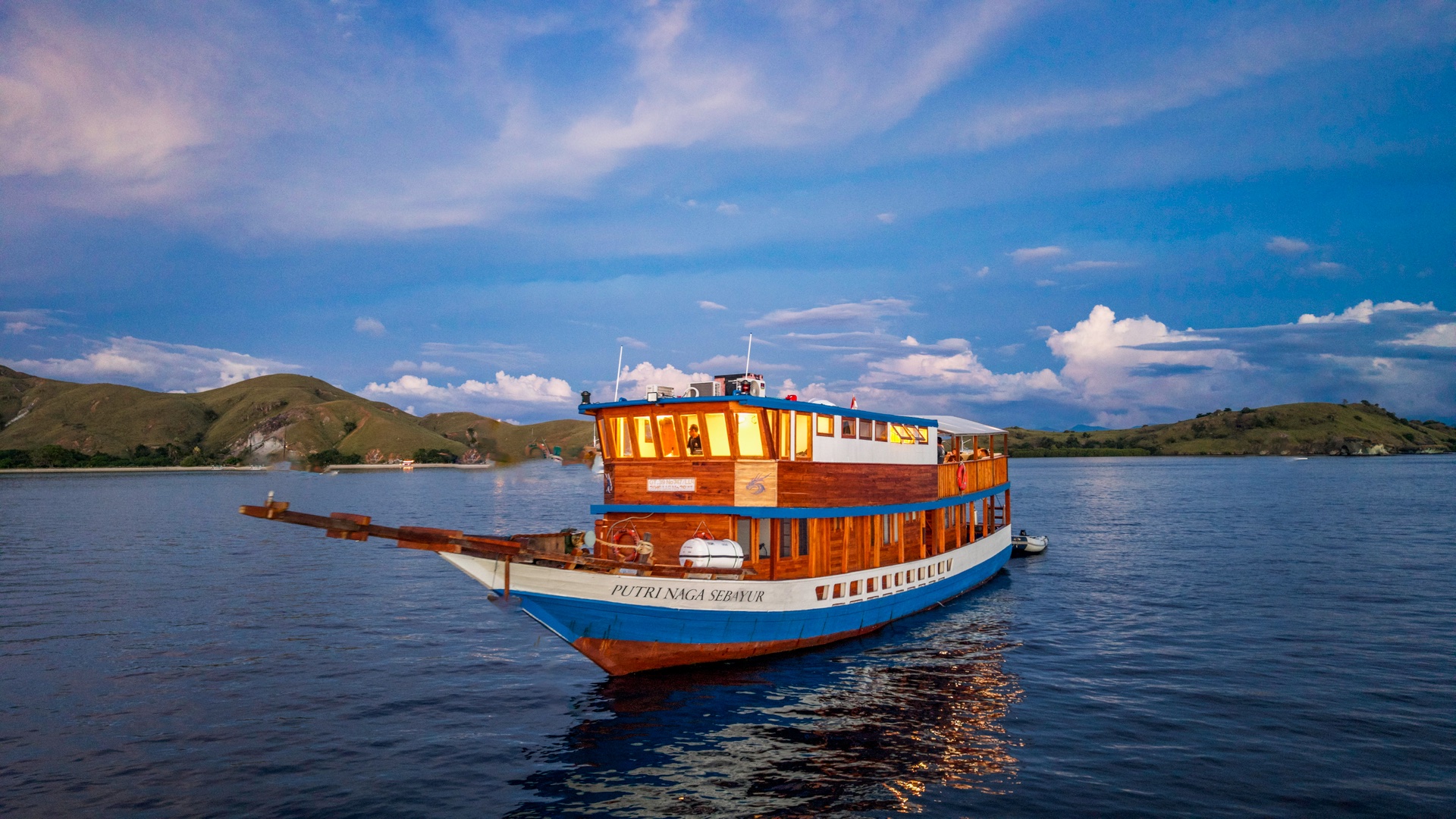
Putri Naga
Komodo, Indonesia
6 guests25 m
Dive sites similar to Lekuan I
Same character, same waters — six more sites divers love for the exact same reasons.Compare seasons, access and liveaboard routes — then pick the site that fits your trip best.
© Esri — Maxar, Earthstar, GIS
Adonara Wall
Indonesia
Adonara is an Indonesian island dive site, renowned for its vibrant underwater topography characterized by submerged seamounts.
- Suitable for
- Intermediate
- Current
- Strong
- Access
- Liveaboard or dayboat
- Depth
- 5–35 m
- Theme
- Seamount / Wall
Babylon is a captivating dive site located in the Alor Sea, renowned for its exceptional visibility and vibrant marine ecosystem.
- Suitable for
- Intermediate
- Current
- Strong
- Access
- Liveaboard or dayboat
- Depth
- 3–20 m
- Theme
- Reef / Wall
© Esri — Maxar, Earthstar, GIS
Shark Close
Indonesia
Shark Close is an exhilarating dive site in the Indonesian portion of Borneo, renowned for its strong currents and abundant marine life.
- Suitable for
- Advanced
- Current
- Strong
- Access
- Liveaboard or dayboat
- Depth
- 5–25 m
- Theme
- Channel / Drift
Wakatobi, an acronym for the islands of Wangi-Wangi, Kaledupa, Tomia, and Binongko, lies in Southeast Sulawesi, Indonesia, at the heart of the Coral Triangle.
- Suitable for
- Beginner
- Current
- No current
- Access
- Liveaboard only
- Depth
- 5–30 m
- Theme
- Wall / Reef
© Esri — Maxar, Earthstar, GIS
Raymond’s Point
Indonesia
Raymond's Point is a distinguished dive site located south of Mike's Point within the Bunaken National Marine Park, renowned for its dramatic vertical wall.
- Suitable for
- Advanced
- Current
- Strong
- Access
- Dayboat
- Depth
- 5–35 m
- Theme
- Reef / Wall
© Esri — Maxar, Earthstar, GIS
Manado Tua
Indonesia
Manado Tua, or 'Old Manado,' is one of five islands that form the Bunaken Marine Park, a celebrated marine protected area in North Sulawesi, Indonesia.
- Suitable for
- Intermediate
- Current
- Moderate
- Access
- Dayboat
- Depth
- 5–80 m
- Theme
- Wall / Drift