About Muka Gereja
Muka Gereja, meaning "In Front of the Church," is a renowned dive site in Bunaken National Park, characterized by its beautiful steep wall. This wall descends from 15 meters to 25 meters, offering divers a captivating exploration of its winding topography. The site is adorned with an abundance of hard and soft corals, notably huge barrel sponges, some reaching a meter in diameter, alongside various gorgonians and sea fans. The topography includes numerous caves, cracks, and overhanging formations that provide shelter for diverse marine species. The rich ecosystem supports a vibrant fish population, making it a highlight for observing reef fish in their natural habitat. While currents are generally mild to moderate, they can occasionally strengthen, adding an element of drift to the experience. Divers here frequently encounter an array of marine creatures, from colorful butterflyfish and angelfish to larger pelagics like white tip sharks and turtles. The site also hosts a variety of macro life, including different species of crabs and nudibranchs, appealing to divers with varied interests. Above the surface, the dive concludes with a scenic view of the 812-meter high dormant Manado Tua volcano, enhancing the overall experience of this stunning location.
Highlights
Steep winding coral wallNumerous caves and cracksGiant barrel spongesAbundant reef fish lifeWhite tip sharksTurtlesView of Manado Tua volcanoDiverse nudibranchs and crabs
Best Season
The best time to dive Muka Gereja is generally from March/April to November, aligning with the prime diving season for Bunaken National Park. During these months, conditions offer excellent visibility and stable weather, enhancing the overall dive experience.
Dive site facts: Muka Gereja
- Depth
- 15–25 m
- Current
- Mild to moderate, can be strong
- Visibility
- 10–30 m
- Entry
- Boat
- Level
- Advanced
- Dive type
- Wall, drift
- Region / port
- Bunaken National Park, North Sulawesi
- Coordinates
- 4.5475° S, 123.7616° E
Conditions & Currents
Currents at Muka Gereja are typically mild to moderate, allowing for comfortable exploration of the wall. However, divers should be prepared for occasional stronger currents, which can occur depending on tidal movements, particularly along deeper sections or around points. Visibility at the site is consistently good, ranging from 10 to 30 meters, providing clear views of the extensive coral formations and marine life. Entry is usually via tender boat, and divers can expect a drift dive profile when currents are present. Surface conditions are generally calm, but being aware of potential current shifts is always recommended for optimal dive planning and safety.
Marine life & sighting chances
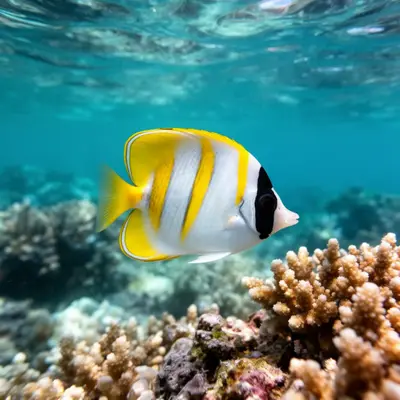
Butterflyfish
common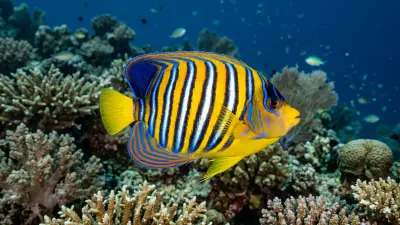
Angelfish
common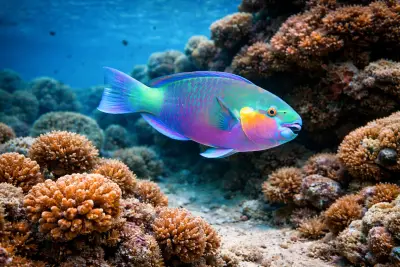
Parrotfish
common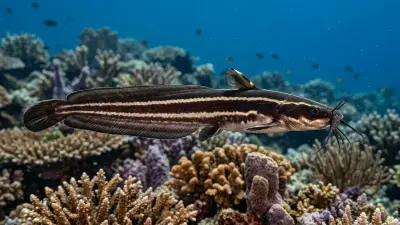
Catfish
occasional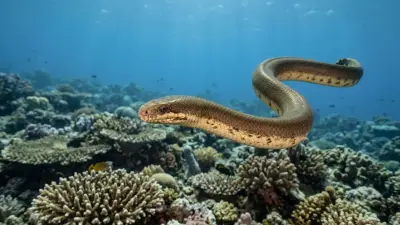
Sea snakes
occasional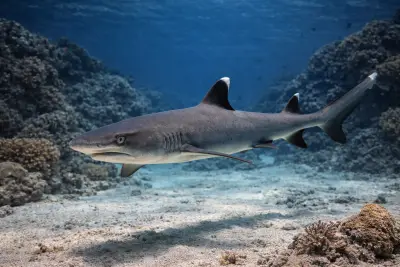
White tip sharks
occasional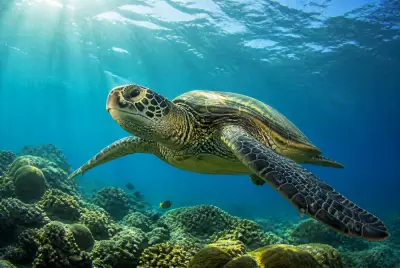
Turtles
common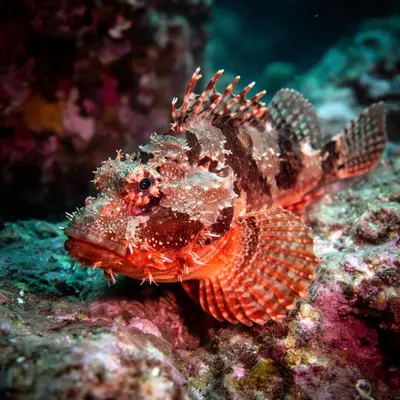
Scorpionfish
occasional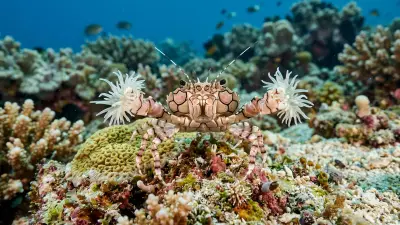
Crabs
common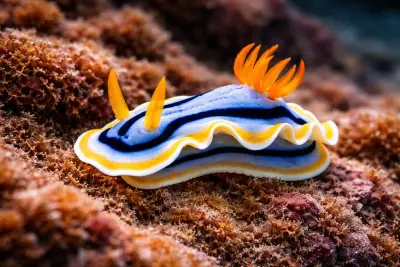
Nudibranchs
commonDive profile & how the dive runs
Dives at Muka Gereja typically begin with a boat entry, allowing divers to descend directly onto the steep wall. The dive proceeds along the winding wall, exploring the numerous caves, cracks, and overhangs between 15 and 25 meters deep. Divers can follow the natural contours of the reef, observing the abundant coral growth and diverse marine life inhabiting the wall's features. Attention should be paid to current direction, which can dictate a drift along the wall. The dive usually culminates in the shallower reef top area for a safety stop, offering a final opportunity to spot smaller reef fish and macro life before ascending.
Underwater photography
Muka Gereja offers excellent opportunities for both wide-angle and macro photography due to its diverse topography and marine life. Wide-angle lenses are ideal for capturing the grandeur of the steep wall, impressive barrel sponges, and the scenic view of Manado Tua volcano on ascent. For macro enthusiasts, a macro lens will be invaluable for highlighting the various nudibranchs, crabs, and smaller critters found in the wall's crevices and coral formations. Good buoyancy control is crucial to avoid touching delicate corals and to maneuver safely in potential currents. Consider using strobes to bring out the vibrant colors of the corals and reef fish, especially in deeper or shadowed areas of the caves and overhangs.
Combine with nearby dive sites
- Mike's Point
Mike's Point is an exceptional dive site located in the Dampier Strait of Raja Ampat, positioned between Gam and Mansuar islands.
- Raymond's Point
Raymond's Point is a distinguished dive site located south of Mike's Point within the Bunaken National Marine Park, renowned for its…
- Lekuan
Lekuan refers to a series of three renowned dive sites—Lekuan 1, Lekuan 2, and Lekuan 3—located along the southern shore of Bunaken Island…
- Celah-Celah
- Fukui Point
Fukui Point, named after a Japanese diver, distinguishes itself from Bunaken's prevalent wall dives with its unique sloping reef topography.
Getting there & logistics
Muka Gereja is located within Bunaken National Park, which is easily accessible from Manado City in North Sulawesi. Manado's Sam Ratulangi International Airport (MDC) is served by domestic flights from major Indonesian cities like Bali (Denpasar) and Jakarta, as well as some international routes. From Manado, dive sites in Bunaken are typically reached by speedboat, with travel times to the park taking around 45 minutes. A year-long park entrance fee of IDR 150,000 is required for divers to help protect the marine ecosystem. Most dive operators based in Manado or on Bunaken Island arrange daily trips, often including 2-3 dives with lunch on the boat. Liveaboards operating in North Sulawesi may also include Bunaken sites in their itineraries.
Safety & environment
Diving at Muka Gereja, like other sites in Bunaken National Park, requires adherence to standard dive safety protocols. Given the site's advanced rating and potential for strong currents, maintaining excellent buoyancy control and being proficient in drift diving techniques are essential. Dive with a reputable operator and an experienced guide familiar with local current patterns. The nearest recompression chamber is located in Manado, approximately 45 minutes away by boat, making prompt evacuation for decompression sickness emergencies a consideration. Divers should ensure they have comprehensive dive insurance covering medical emergencies and evacuation. Always follow your dive guide's instructions, stay within your training limits, and monitor your air consumption and no-decompression limits carefully.
Who it suits — and who it doesn't
Suited for
- Advanced divers with drift experience
- Photographers seeking diverse subjects
- Divers interested in wall diving topography
- Explorers of caves and cracks
- Those looking for varied reef fish and pelagic encounters
Less suited for
- Beginner divers without wall diving experience
- Divers uncomfortable with strong currents
- Those prone to seasickness on boat transfers
- Divers seeking only shallow, calm reef dives
FAQ
Muka Gereja FAQ
What kind of marine life can I expect to see at Muka Gereja?
Muka Gereja is teeming with diverse marine life. You can commonly spot colorful reef fish like butterflyfish, angelfish, and parrotfish, as well as sea snakes and various species of crabs and nudibranchs along the wall. Keep an eye out for larger creatures such as white tip sharks and green turtles, which are frequently seen here.
How deep is the dive at Muka Gereja and what is the visibility like?
The typical depth range for diving at Muka Gereja is between 15 and 25 meters, focusing on the steep wall and its features. Visibility is generally excellent, often ranging from 10 to 30 meters. This clear water provides great conditions for observing the intricate coral formations and marine inhabitants.
Is Muka Gereja suitable for all levels of divers?
Muka Gereja is generally recommended for advanced divers due to its depth and the potential for moderate to strong currents. While there are often mild current conditions, occasional strong currents require good buoyancy control and experience in drift diving. It's best suited for those comfortable with deeper wall dives.
What is the best time of year to dive Muka Gereja?
The optimal time to dive Muka Gereja, and the Bunaken National Park overall, is from March or April through November. During these months, the weather is typically stable, currents are manageable, and visibility is at its peak. This period offers the most comfortable and rewarding diving conditions.
Are there any specific geological features at Muka Gereja?
Yes, Muka Gereja is well-known for its prominent geological features. It boasts a beautiful steep wall characterized by numerous winding formations, including many caves, cracks, and dramatic overhanging sections. These features are richly adorned with corals, providing fascinating exploration opportunities during the dive.
Why dive Muka Gereja from a liveaboard?
Muka Gereja is one of Indonesia's signature dive sites. A liveaboard sleeps you on the water and puts you in the water for three to four guided dives per day, including dawn and night dives that day-boat operators rarely offer. You skip the daily commute back to port and reach quieter, less-crowded sites in the same region on a single trip.
Below are the liveaboards that include Muka Gereja on their Indonesia itineraries.
Liveaboards diving Muka Gereja
These liveaboards may visit Muka Gereja on selected itineraries — the exact dive sites depend on departure, weather and conditions.
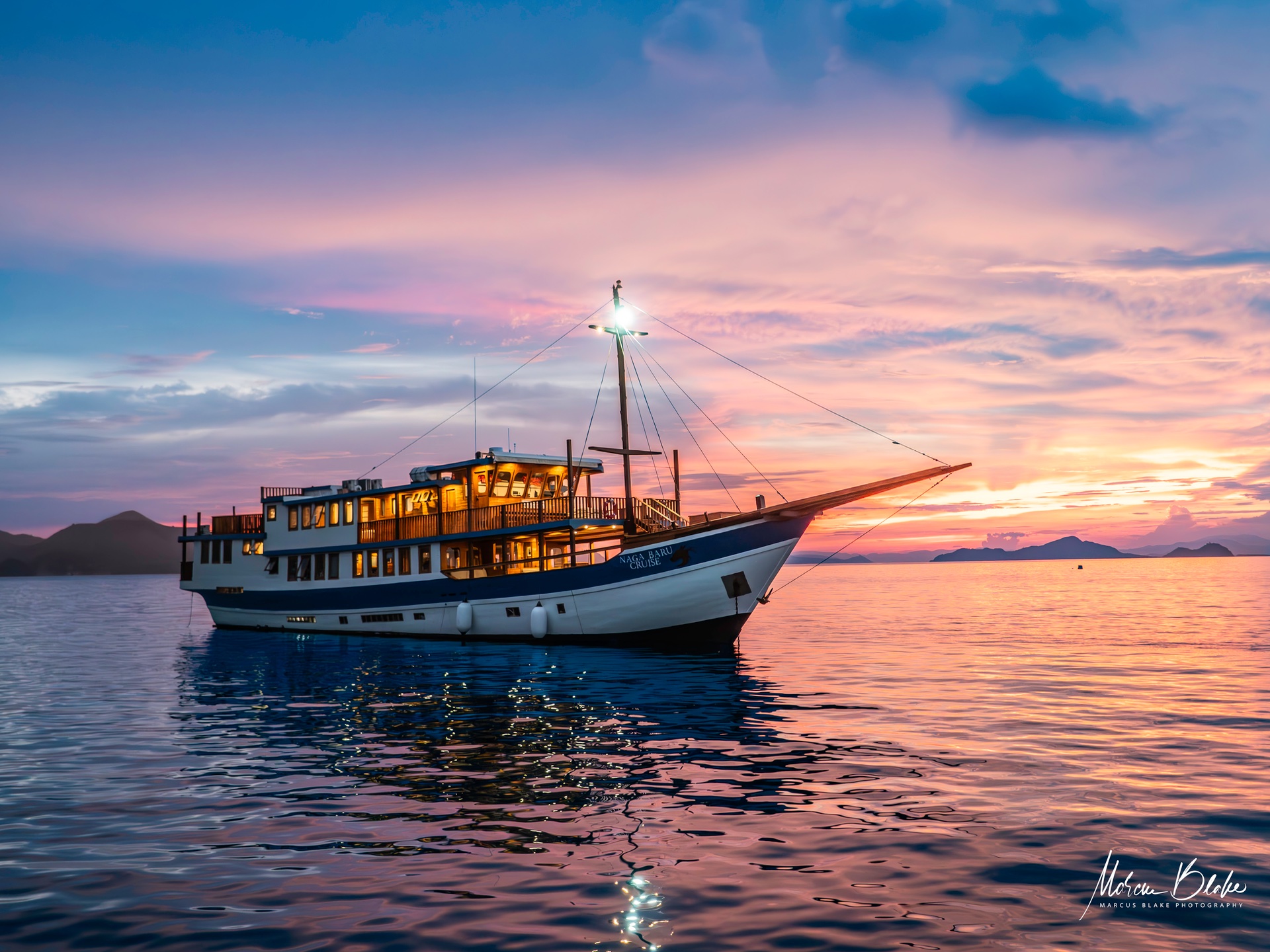
Naga Biru
Indonesia
12 guests40 m
$274/day
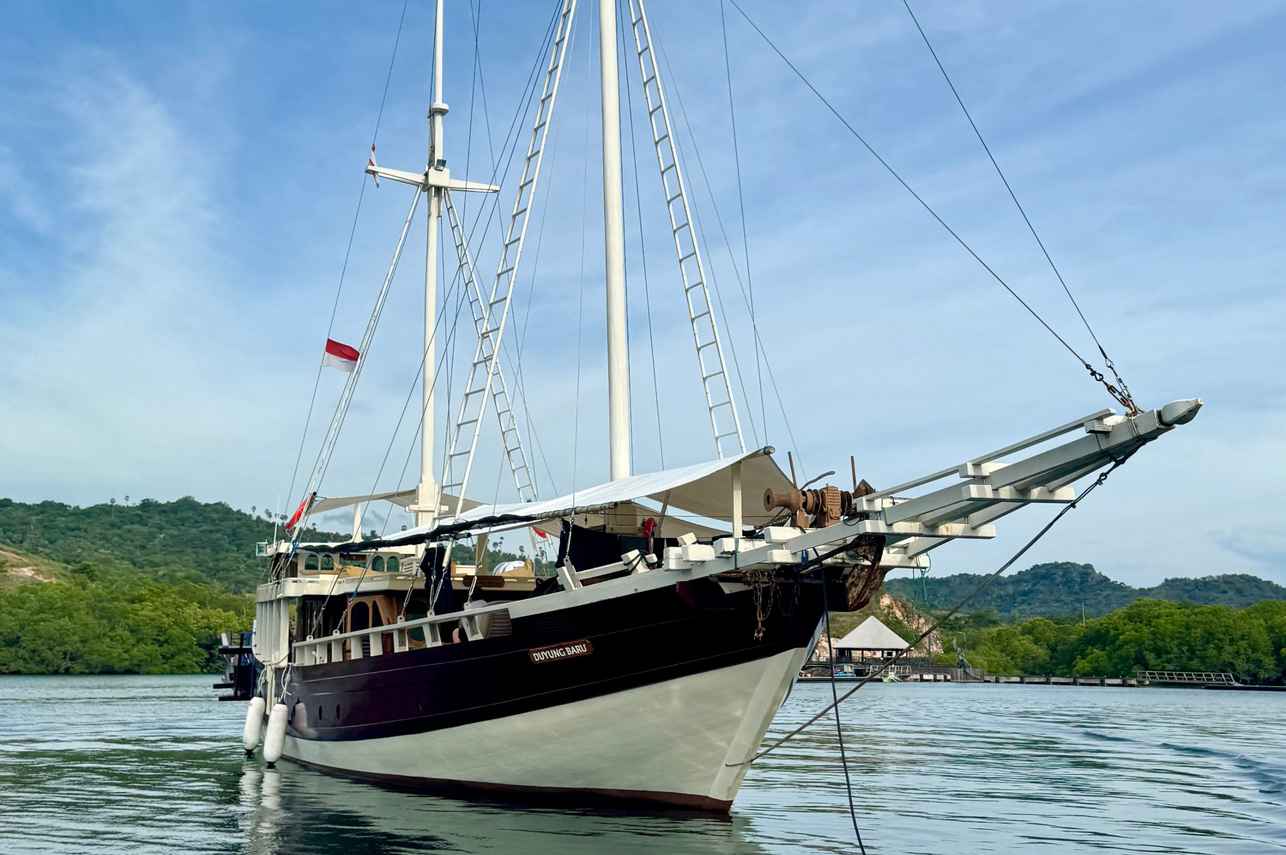
Ecopro Duyung Baru
Indonesia
6 guests27 m
$361/day
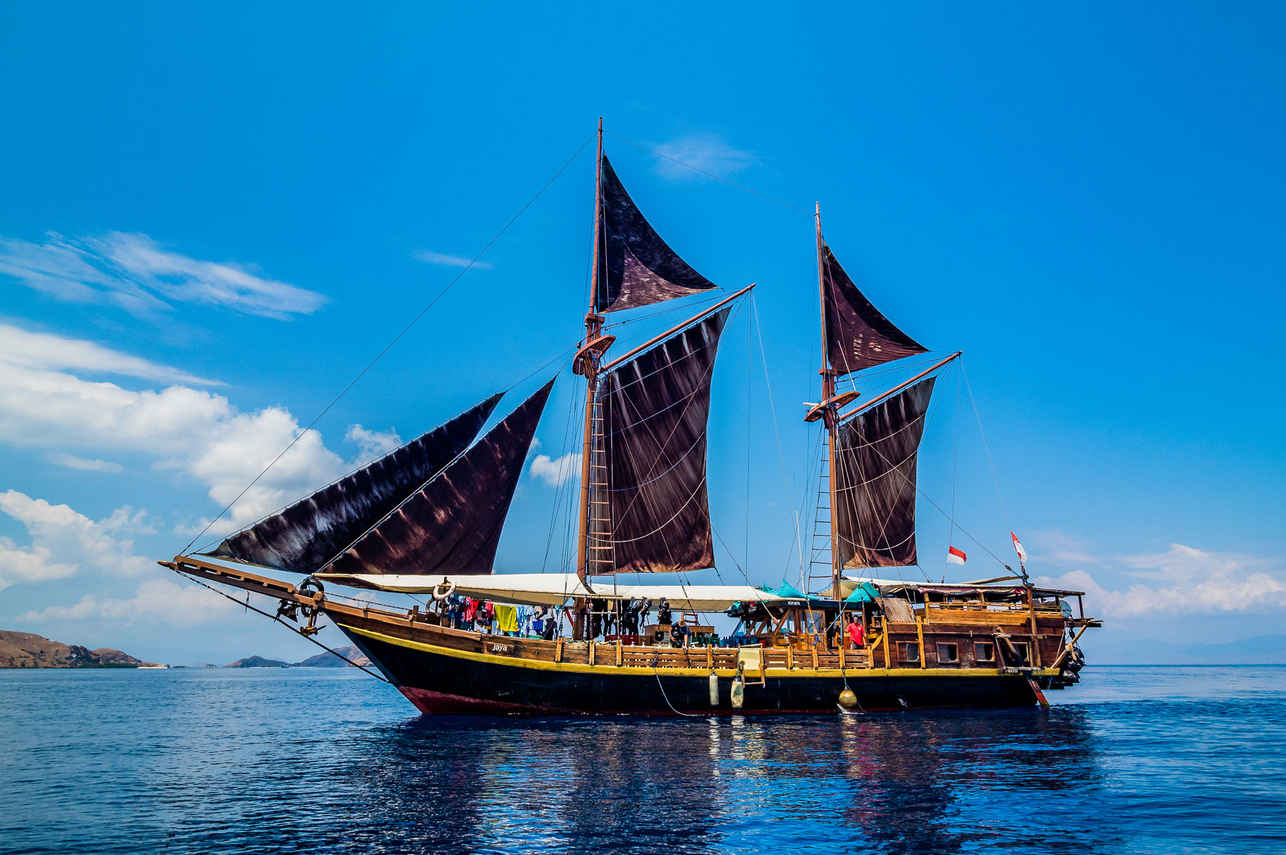
Jaya
Indonesia
14 guests23 m
$280/day
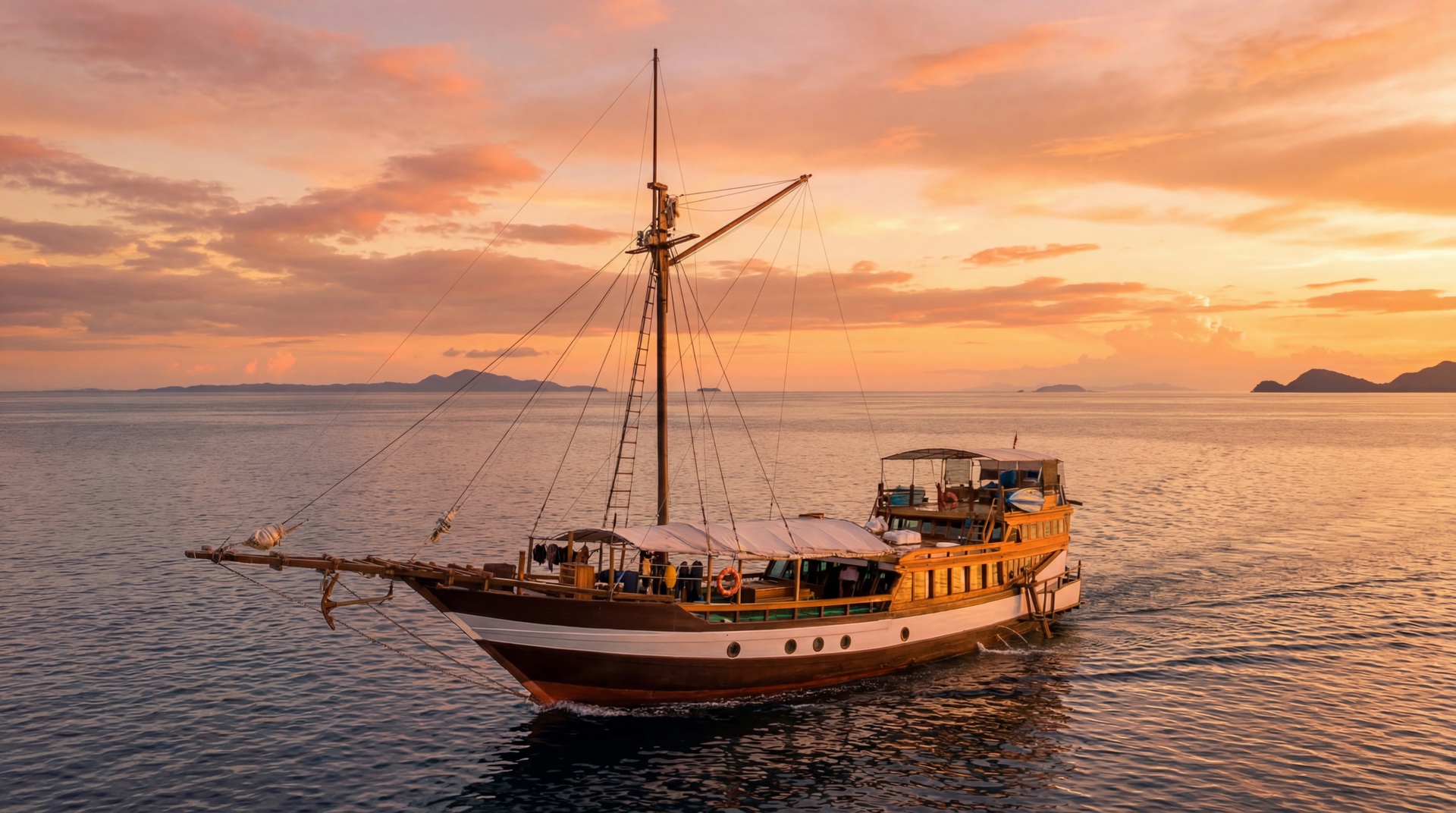
Wellenreng
Indonesia
9 guests25 m
$427/day
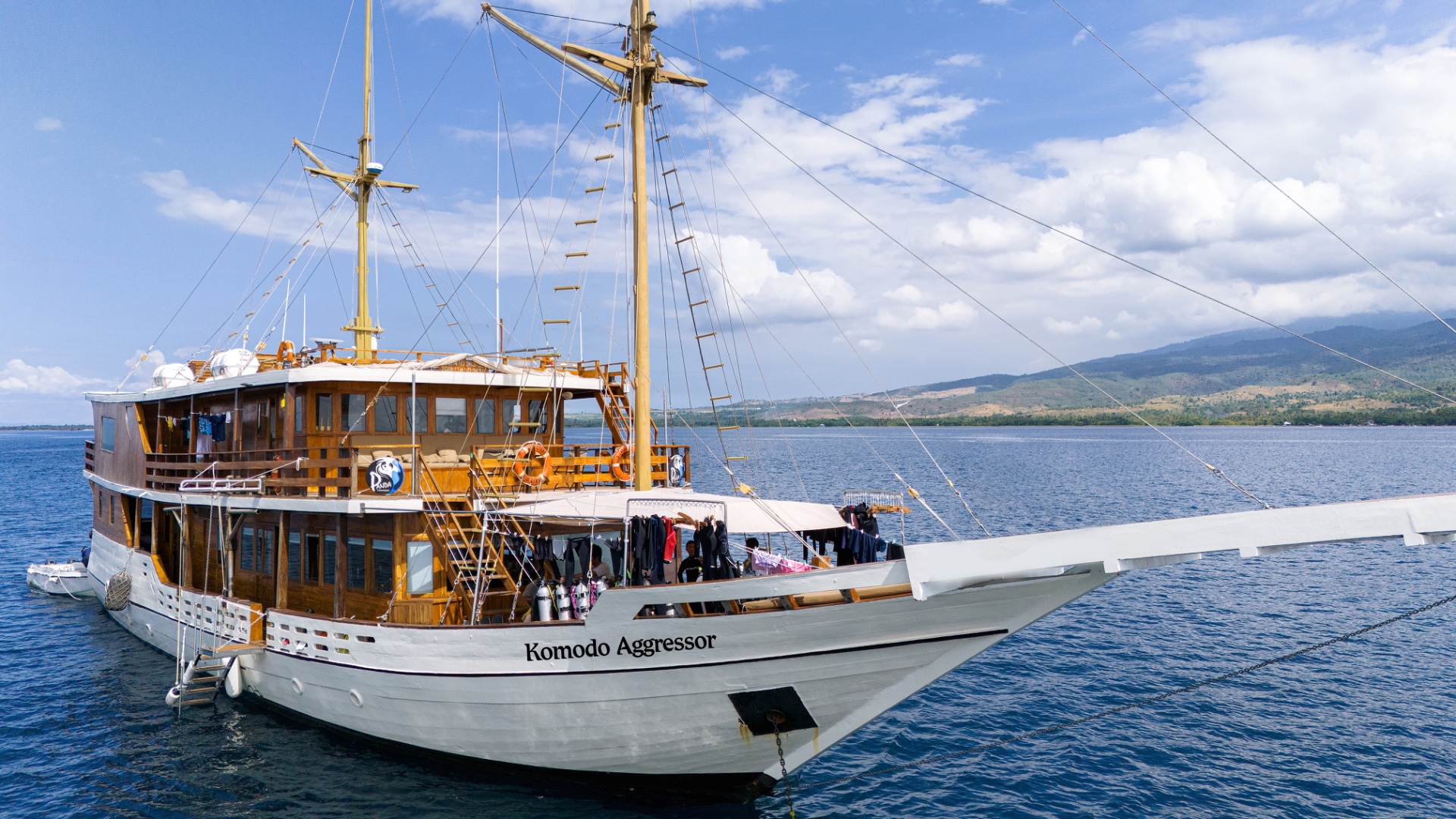
Komodo Aggressor
Komodo, Indonesia
16 guests29 m
$312/day
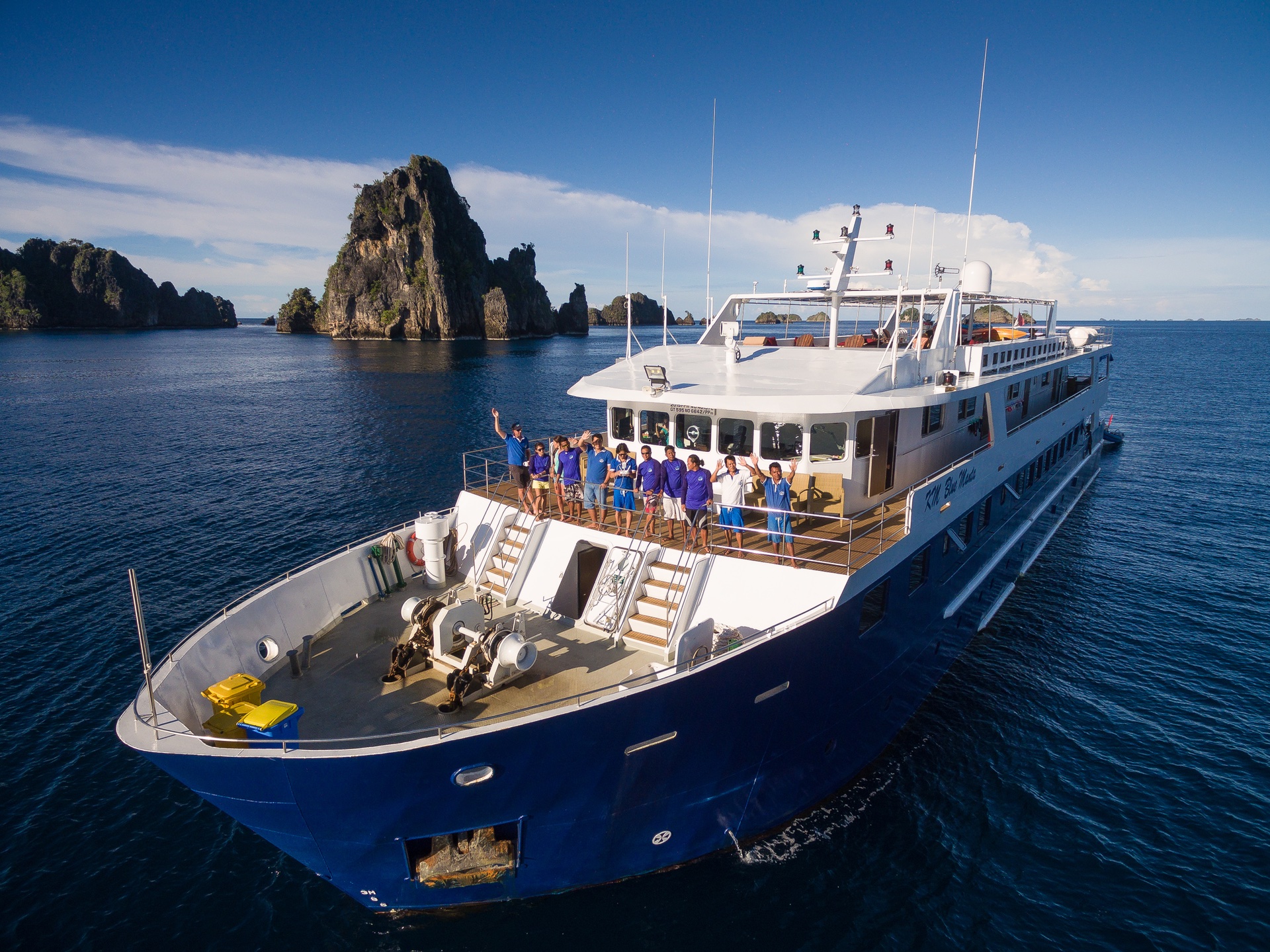
Blue Manta
Indonesia
20 guests45 m
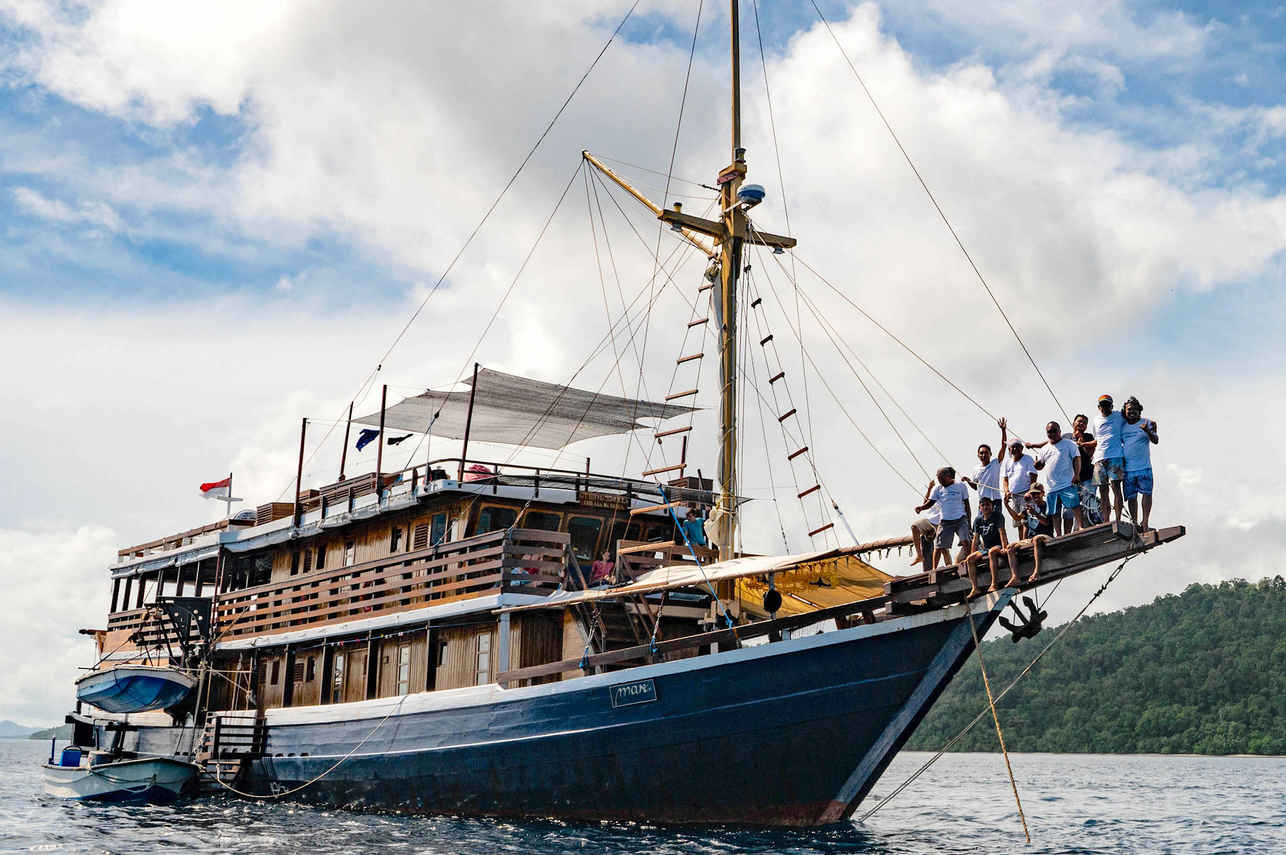
Mari
Indonesia
14 guests32.2 m
$328/day
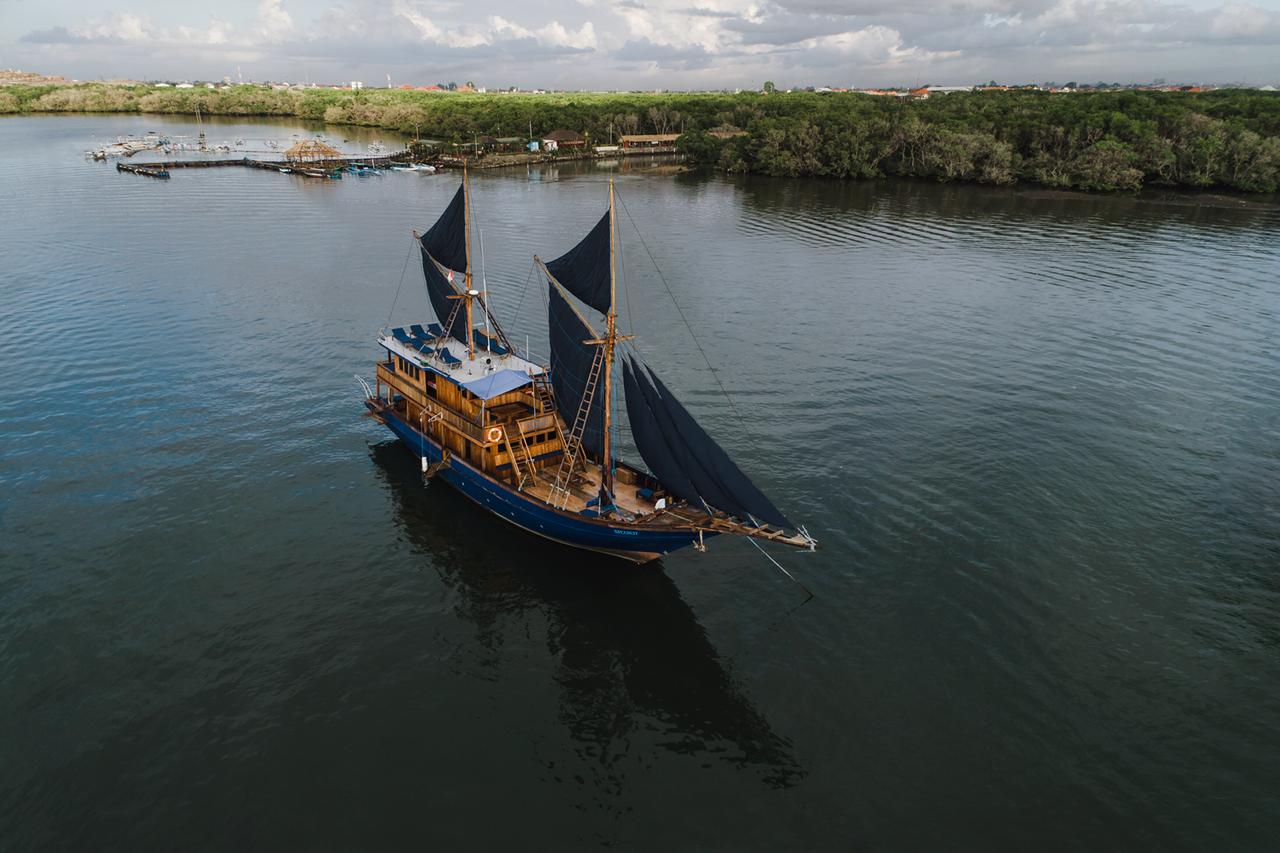
Situju7
Komodo, Indonesia
10 guests32.7 m
$362/day
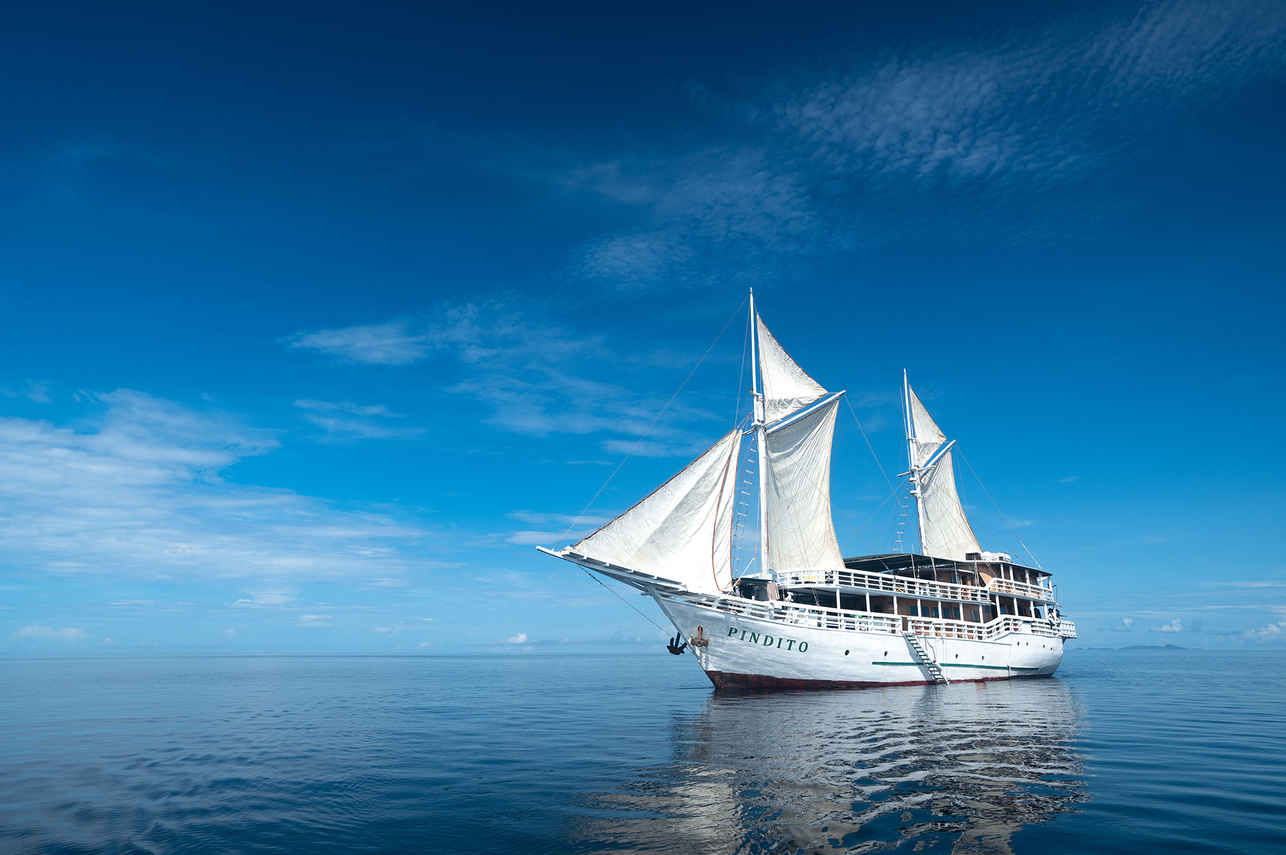
Pindito
Indonesia
16 guests37.79 m
$533/day
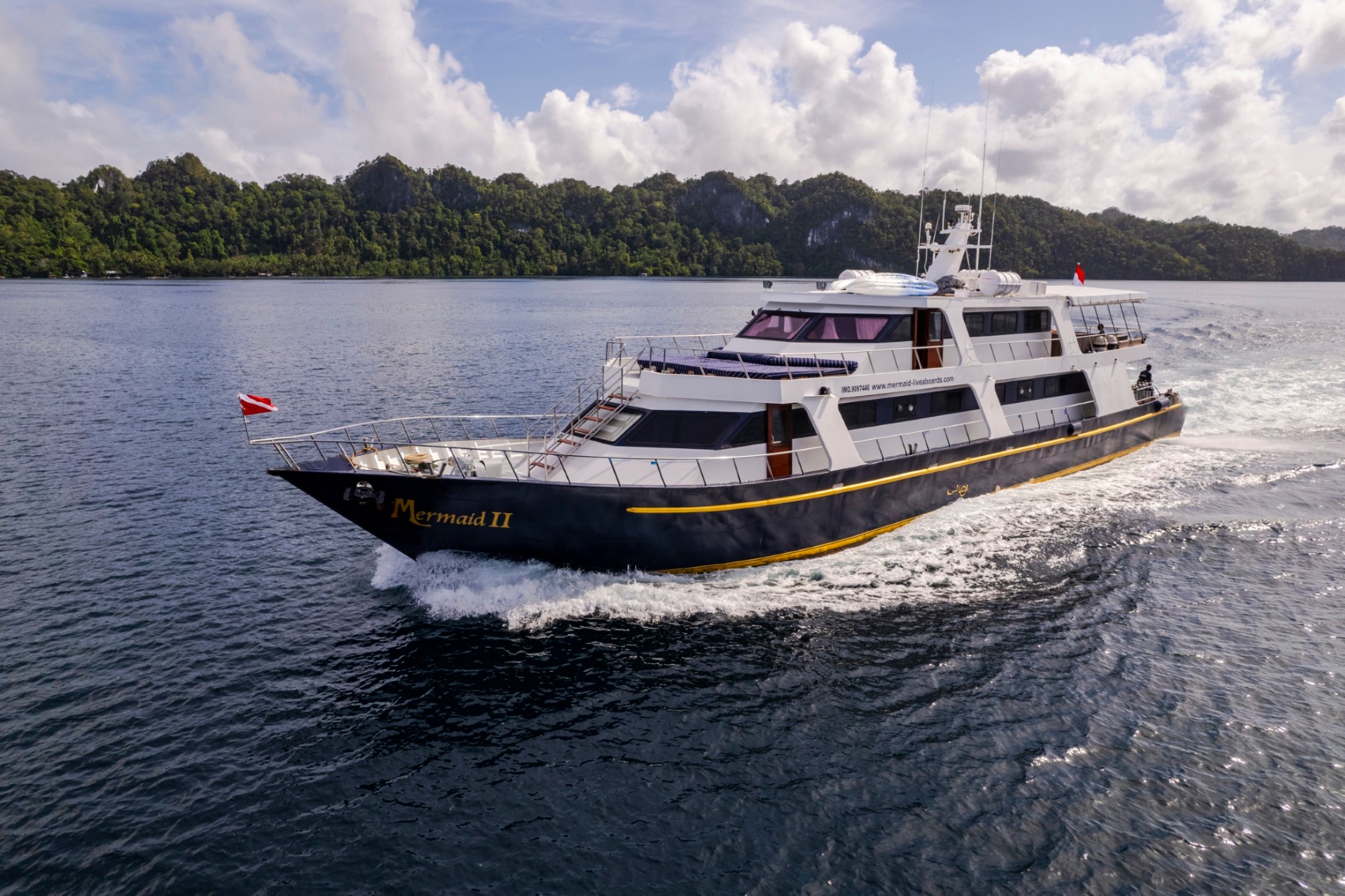
Mermaid II
Komodo, Indonesia
18 guests
$355/day
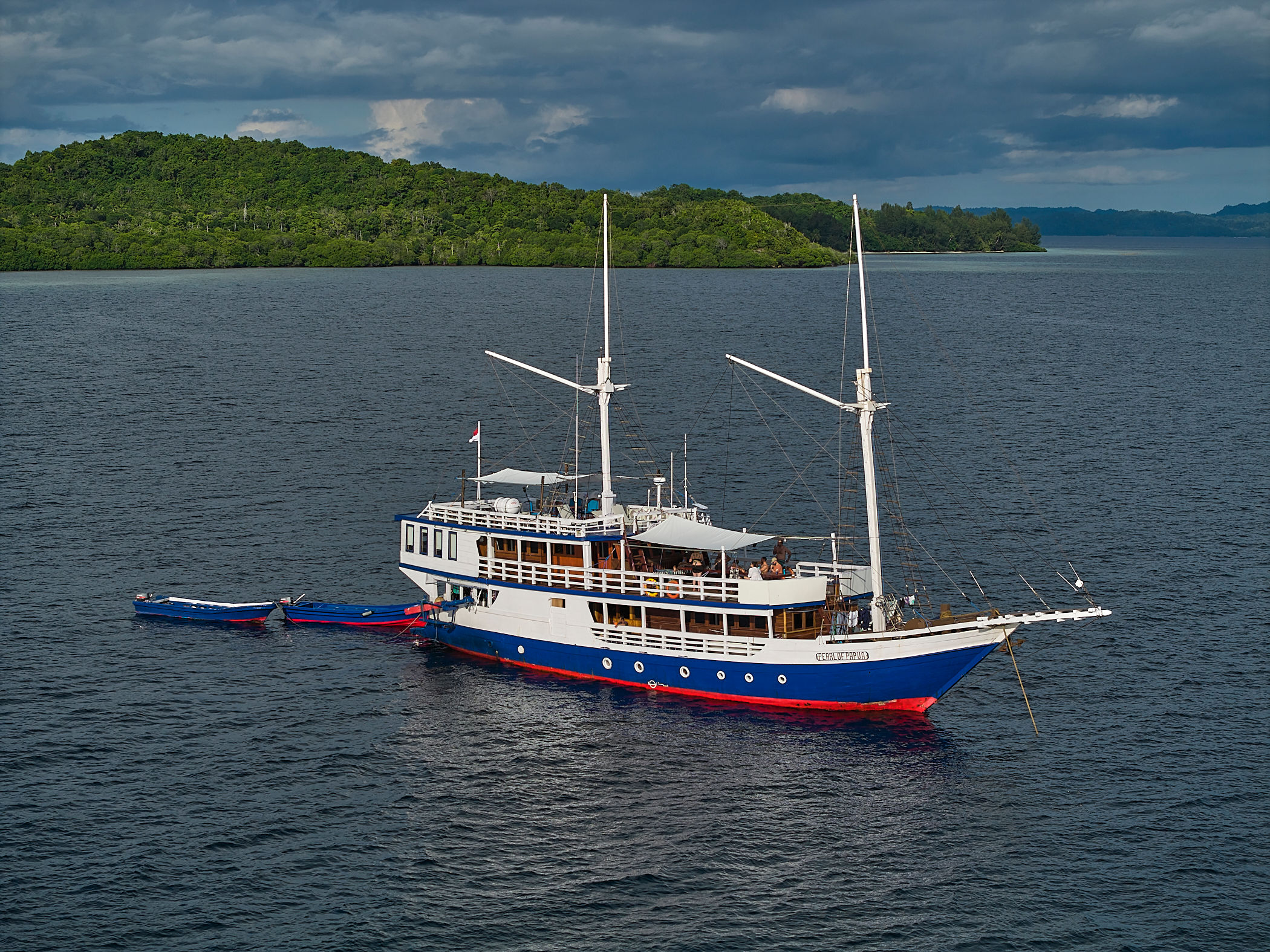
Pearl of Papua
Raja Ampat, Indonesia
14 guests30 m
$303/day
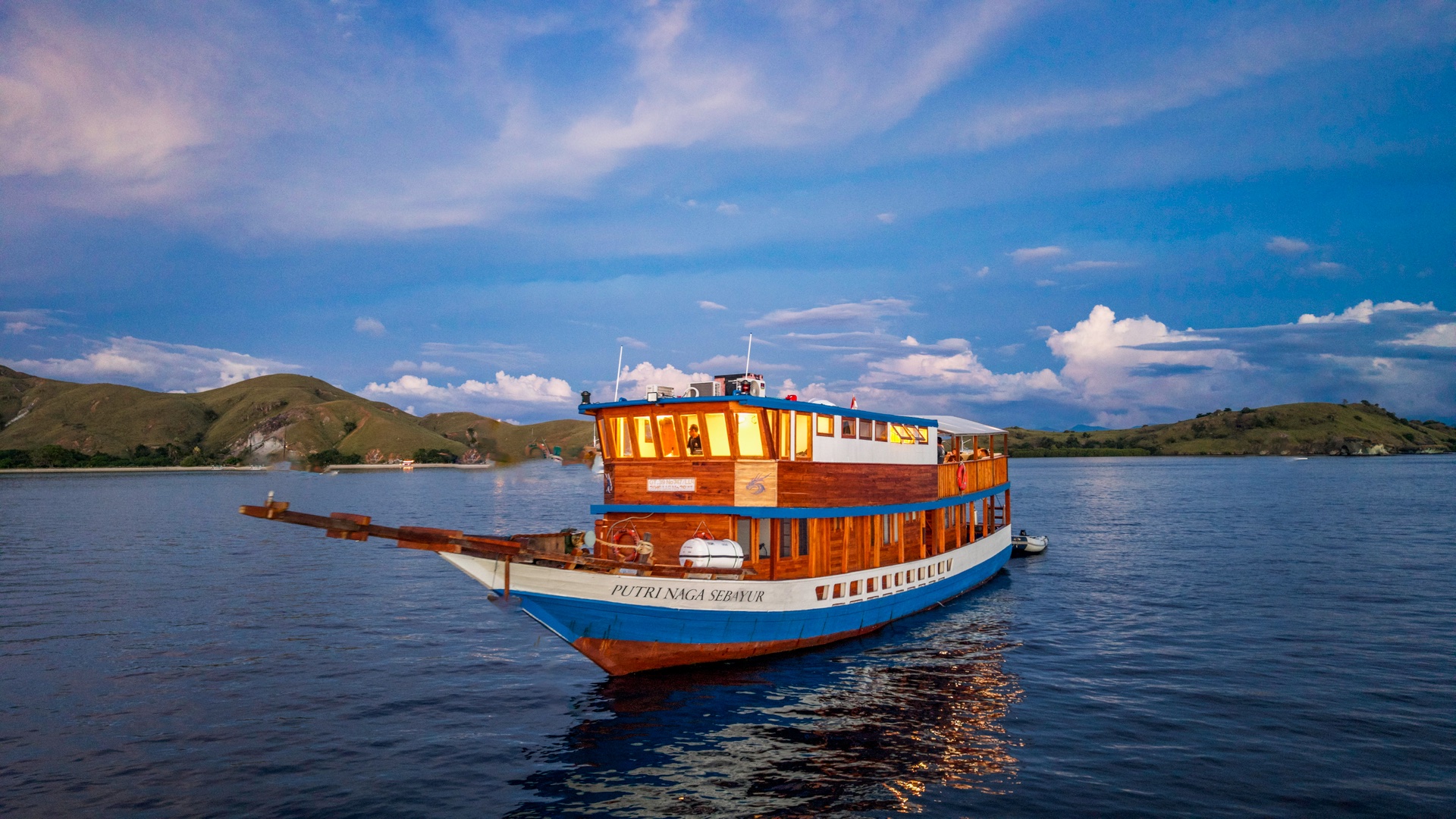
Putri Naga
Komodo, Indonesia
6 guests25 m
Dive sites similar to Muka Gereja
Same character, same waters — six more sites divers love for the exact same reasons.Compare seasons, access and liveaboard routes — then pick the site that fits your trip best.
© Esri — Maxar, Earthstar, GIS
Adonara Wall
Indonesia
Adonara is an Indonesian island dive site, renowned for its vibrant underwater topography characterized by submerged seamounts.
- Suitable for
- Intermediate
- Current
- Strong
- Access
- Liveaboard or dayboat
- Depth
- 5–35 m
- Theme
- Seamount / Wall
© Esri — Maxar, Earthstar, GIS
Mawali Wreck
Indonesia
The Mawali Wreck, a Japanese cargo ship, rests on its side in the Lembeh Strait, off the northern coast of Sulawesi.
- Suitable for
- Advanced
- Current
- Mild
- Access
- Liveaboard only
- Depth
- 25–40 m
- Theme
- Wreck / Reef
Aljui Bay, located in Raja Ampat's remote northern reaches, was discovered as a premier snorkeling and diving destination by chance in 2011. This bay, situated within the broader…
- Suitable for
- Beginner
- Current
- Mild
- Access
- Liveaboard only
- Depth
- ≤ 20 m
- Theme
- Reef
© Esri — Maxar, Earthstar, GIS
Shark Close
Indonesia
Shark Close is an exhilarating dive site in the Indonesian portion of Borneo, renowned for its strong currents and abundant marine life.
- Suitable for
- Advanced
- Current
- Strong
- Access
- Liveaboard or dayboat
- Depth
- 5–25 m
- Theme
- Channel / Drift
Wakatobi, an acronym for the islands of Wangi-Wangi, Kaledupa, Tomia, and Binongko, lies in Southeast Sulawesi, Indonesia, at the heart of the Coral Triangle.
- Suitable for
- Beginner
- Current
- No current
- Access
- Liveaboard only
- Depth
- 5–30 m
- Theme
- Wall / Reef
© Esri — Maxar, Earthstar, GIS
Cornucopia
Indonesia
Cornucopia, aptly named the 'horn of plenty,' is celebrated as Wakatobi's most spectacular wall dive, offering a diverse and nutrient-rich underwater environment.
- Suitable for
- Intermediate
- Current
- Mild
- Access
- Liveaboard only
- Depth
- 5–40 m
- Theme
- Reef