About Mawali Wreck
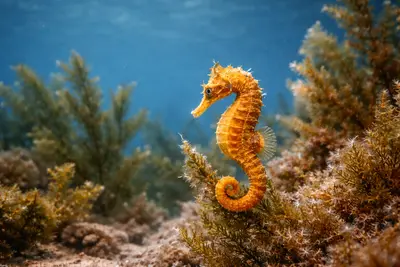
The Mawali Wreck, a Japanese cargo ship, rests on its side in the Lembeh Strait, off the northern coast of Sulawesi. Sunk by Allied forces in 1943 during World War II, this 90-meter long freighter is now a thriving artificial reef, encrusted with diverse hard and soft corals and sea fans. It offers a unique blend of historical exploration and vibrant marine ecosystems. The wreck's topography features the bow section at around 25 meters, while the stern extends deeper to 35-40 meters, making it suitable for advanced divers. The site is characterized by sloping sandy sides that transition into the deeper parts of the Strait, allowing for flexible dive profiles that can accommodate various depths. Marine life thrives on and around the wreck, attracting schools of snappers and batfish, as well as resident lionfish and scorpionfish. Macro enthusiasts will discover an abundance of nudibranchs, ghost pipefish, and mantis shrimp, alongside the famous Bargibanti pygmy seahorses. This rich biodiversity makes it a prime location for detailed observation and underwater photography. Diving the Mawali Wreck typically involves a slow descent along the sloping bottom, allowing ample time to search for critters before reaching the main wreck structure. The dive then proceeds along the wreck, exploring its various sections, with the ascent conducted in a zig-zag pattern back up the slope to maximize marine life encounters. Conditions are generally calm, making for an enjoyable and focused dive experience.
Highlights
World War II Japanese freighterEncased in corals and sea fansBargibanti pygmy seahorsesAbundant nudibranchsSchools of snappers and batfishMacro photography havenDeep sections for advanced divers
Season calendar
Best months to dive here
Jan
Feb
Mar
Apr
May
Jun
Jul
Aug
Sep
Oct
Nov
Dec
Good
Dive site facts: Mawali Wreck
- Depth
- 25–40 m
- Current
- Mild to none
- Water temperature
- 27–29°C
- Entry
- Boat
- Level
- Advanced Open Water recommended
- Dive type
- Wreck, macro, coral reef
- Region / port
- Lembeh Strait, North Sulawesi
- Coordinates
- 4.6515° S, 123.8996° E
Conditions & Currents
The Lembeh Strait, where the Mawali Wreck is located, is tidal, but currents are generally mild to nonexistent due to the strait's width and protected nature. This calm environment contributes to exceptionally easy diving conditions, allowing for slow, detailed exploration of the wreck and its marine inhabitants. Divers typically begin their descent near the banks and follow the sloping bottom to their planned depth, often moving diagonally with any gentle current present. Visibility can be excellent, though it may be reduced compared to clear reef diving, which is not a hindrance given the focus on close-up observations. There are no significant thermoclines reported, and boat traffic is managed to ensure diver safety and a tranquil underwater experience.
Marine life & sighting chances
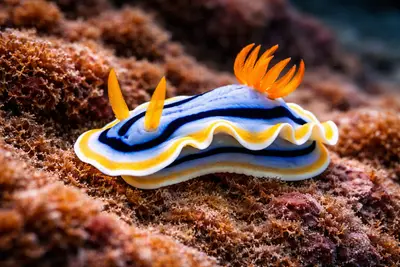
Nudibranchs
commonCrustaceans
common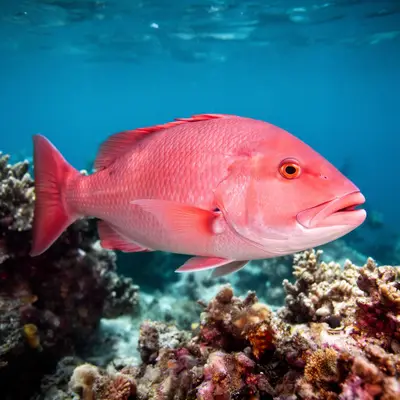
Snappers
common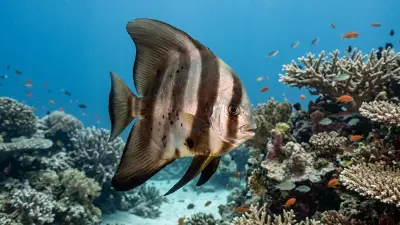
Batfish
common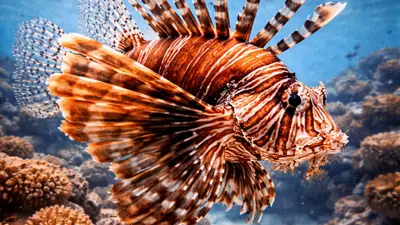
Lionfish
common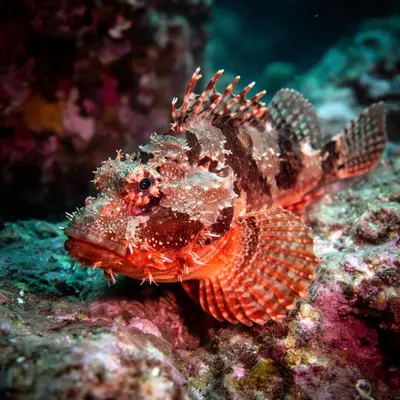
Scorpionfish
common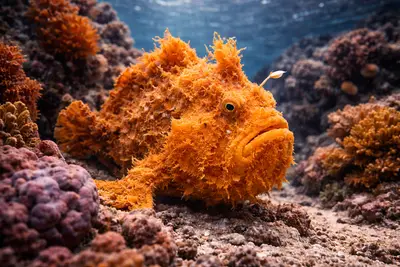
Frogfish
common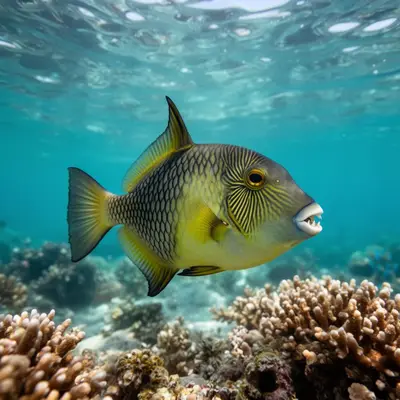
Triggerfish
common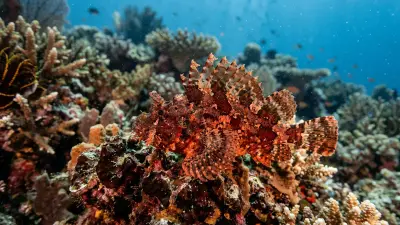
Leaf fish
common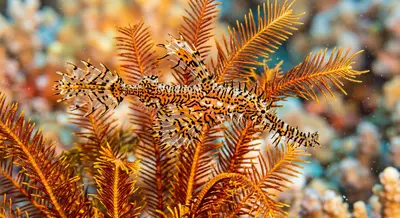
Ghost pipefish
occasional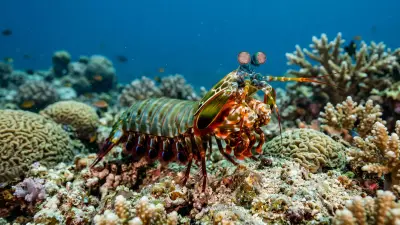
Mantis shrimp
occasionalDive profile & how the dive runs
Diving the Mawali Wreck typically starts with a boat entry, positioning divers close to the sloping banks of the Lembeh Strait. The descent follows the sandy slope in a diagonal direction, often with any mild current, allowing divers to gradually reach the wreck. The main wreck structure begins around 25 meters for the bow section, extending to 35-40 meters at the stern. Divers spend a significant portion of the dive exploring the coral-encrusted hull, deck, and deck buildings, observing the abundant marine life. The emphasis is on slow, careful observation rather than covering large distances. The ascent is performed in a zig-zagging pattern up the slope, mimicking a slalom skier, to cover more area and maximize critter sightings as divers gradually shallow out. Safety stops are conducted at shallower depths along the slope, ensuring thorough decompression and further opportunities for macro discoveries before surfacing.
Underwater photography
The Mawali Wreck is an excellent site for both macro and wide-angle photography. For macro subjects like Bargibanti pygmy seahorses, nudibranchs, and various crustaceans, a macro lens (e.g., 60mm or 100/105mm) is essential. A snoot can be particularly effective to highlight tiny subjects against the backdrop of the wreck or sandy bottom. For wider shots, consider a fisheye or wide-angle lens to capture the full scope of the 90-meter freighter, especially its coral-covered sections and schools of fish. Given the potential for deeper sections and the structure of the wreck, external strobes are highly recommended to bring out vibrant colors and detail. Maintain excellent buoyancy to avoid stirring up silt and to protect the delicate corals and marine life inhabiting the wreck. Patience is key; spend time observing a single area, as many critters are masters of camouflage.
Combine with nearby dive sites
- Coral Garden Tulamben
Coral Garden in Tulamben, Bali, is an easily accessible shore dive situated between the famous USAT Liberty Wreck and the dramatic Drop Off.
- USAT Liberty Wreck
The USAT Liberty, a 120-meter American cargo ship, is arguably Bali's most famous dive site, offering an unparalleled underwater experience…
- Nudi Falls
Nudi Falls is a renowned macro dive site located on the mainland side of the Lembeh Strait, a narrow channel between mainland Sulawesi and…
Getting there & logistics
Access to Mawali Wreck is typically via liveaboard or day boats operating from resorts in the Lembeh Strait. The main gateway to the Lembeh Strait is Manado (MDC) airport in North Sulawesi, Indonesia. From Manado, transfers are arranged towards Bitung and the Lembeh Strait area, usually involving a scenic drive followed by a short boat ride to Lembeh Island or the mainland dive operators. Dive trips in Lembeh are often focused on the unique muck diving experience, and Mawali Wreck is a highlight of many itineraries. A typical liveaboard or resort stay can range from 7 to 10 days, allowing ample opportunity to explore multiple sites within the strait. There are no specific permits mentioned for diving the wreck beyond standard dive operator fees.
Safety & environment
Diving the Mawali Wreck, especially its deeper sections, necessitates advanced diver certification and adherence to safe diving practices. The nearest recompression chamber is located in Manado, approximately a 1.5-hour drive from Bitung, making evacuation a consideration in case of a dive emergency. Divers should always carry appropriate dive insurance that covers recompression and emergency medical evacuation. Site-specific hazards include the potential for entanglement with fishing nets or lines, as well as sharp edges on the wreck itself, though these are typically cleared by dive operators. Divers are advised to maintain excellent buoyancy control to avoid damaging the delicate corals and marine life, and to prevent stirring up silt that can reduce visibility. Always follow your dive guide's instructions, especially regarding penetration, as the wreck should only be explored from the exterior unless specifically certified and accompanied.
Who it suits — and who it doesn't
Suited for
- Advanced Open Water certified divers
- Wreck enthusiasts
- Macro photographers
- Underwater naturalists
- Divers seeking unique marine life
- Experienced divers with good buoyancy
Less suited for
- Open Water certified divers (due to depth)
- Divers seeking large pelagic action
- Beginners or those with poor buoyancy control
- Divers expecting vibrant coral gardens exclusively
- Those uninterested in slow, detailed observations
FAQ
Mawali Wreck FAQ
What kind of marine life can I expect to see at Mawali Wreck?
The Mawali Wreck is teeming with diverse marine life, particularly known for macro subjects. You can frequently spot Bargibanti pygmy seahorses, a wide variety of nudibranchs, and numerous crustaceans. Larger residents include schools of snappers and batfish, alongside lionfish, scorpionfish, and frogfish, making it a vibrant ecosystem on a historical structure.
What is the typical depth and diver level required for Mawali Wreck?
The Mawali Wreck's bow lies at around 25 meters, with its stern reaching 35-40 meters. Due to these depths, an Advanced Open Water certification is recommended. The site is suitable for experienced divers comfortable with deeper diving and precise buoyancy control.
When is the best time to dive Mawali Wreck?
While the Mawali Wreck can be dived year-round, the best conditions typically occur during the dry season, from July to October. During these months, visibility is usually at its peak, and the waters are calmer, enhancing the overall diving experience.
Is Mawali Wreck good for underwater photography?
Yes, Mawali Wreck is considered an excellent site for both macro and wide-angle underwater photography. Its rich macro life, such as pygmy seahorses and nudibranchs, combined with the extensive coral growth on the wreck, provides diverse subjects for photographers. Patience and good buoyancy are key to capturing the best shots.
What is the historical significance of the Mawali Wreck?
The Mawali Wreck is a World War II Japanese cargo ship that was sunk by Allied forces in 1943. Its presence offers a unique opportunity to explore a piece of history beneath the waves. The wreck now serves as a poignant underwater museum and a thriving habitat for marine species.
Why dive Mawali Wreck from a liveaboard?
Mawali Wreck is one of Indonesia's signature dive sites. A liveaboard sleeps you on the water and puts you in the water for three to four guided dives per day, including dawn and night dives that day-boat operators rarely offer. You skip the daily commute back to port and reach quieter, less-crowded sites in the same region on a single trip.
Below are the liveaboards that include Mawali Wreck on their Indonesia itineraries.
Liveaboards diving Mawali Wreck
These liveaboards may visit Mawali Wreck on selected itineraries — the exact dive sites depend on departure, weather and conditions.
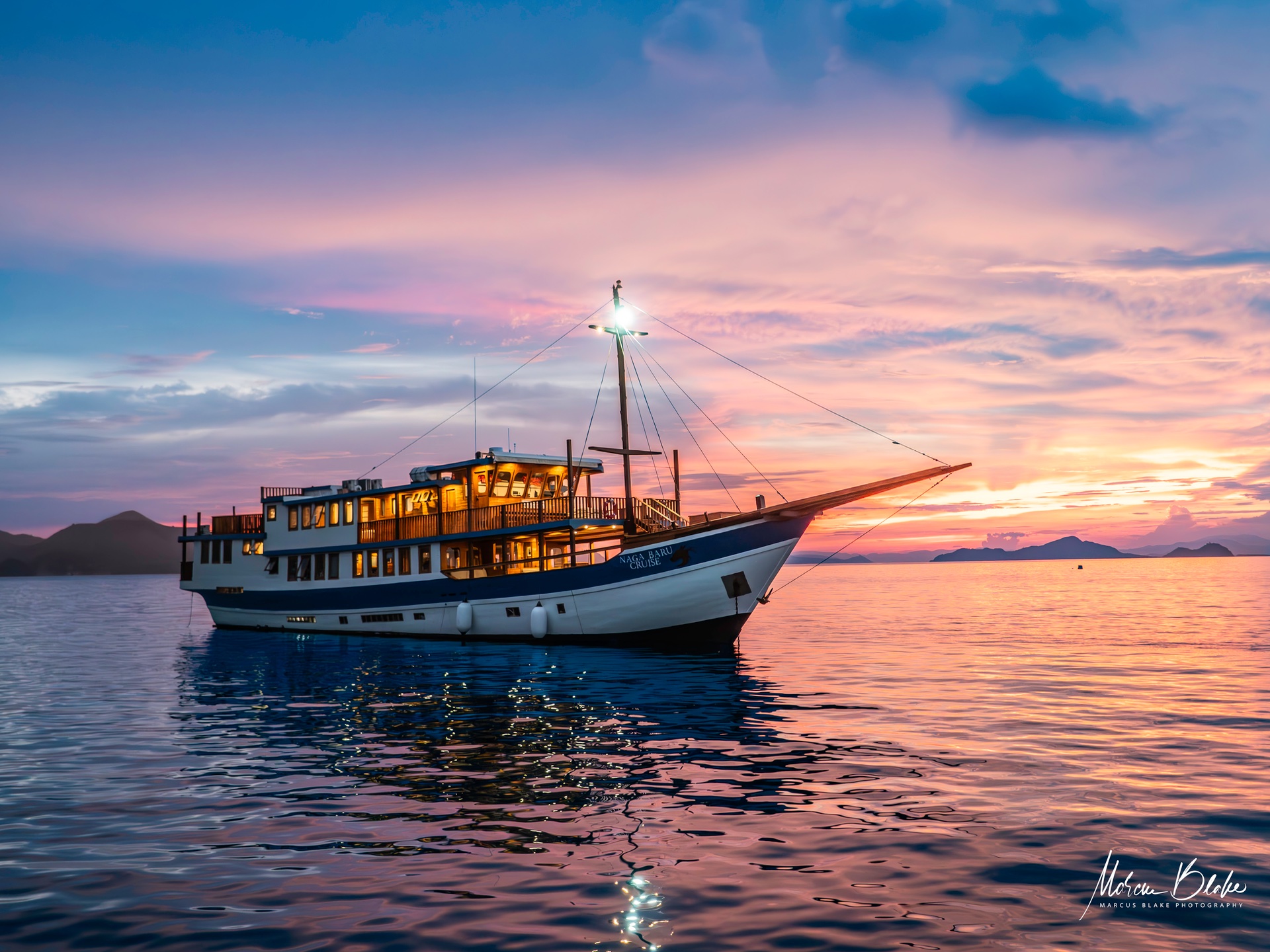
Naga Biru
Indonesia
12 guests40 m
$273/day
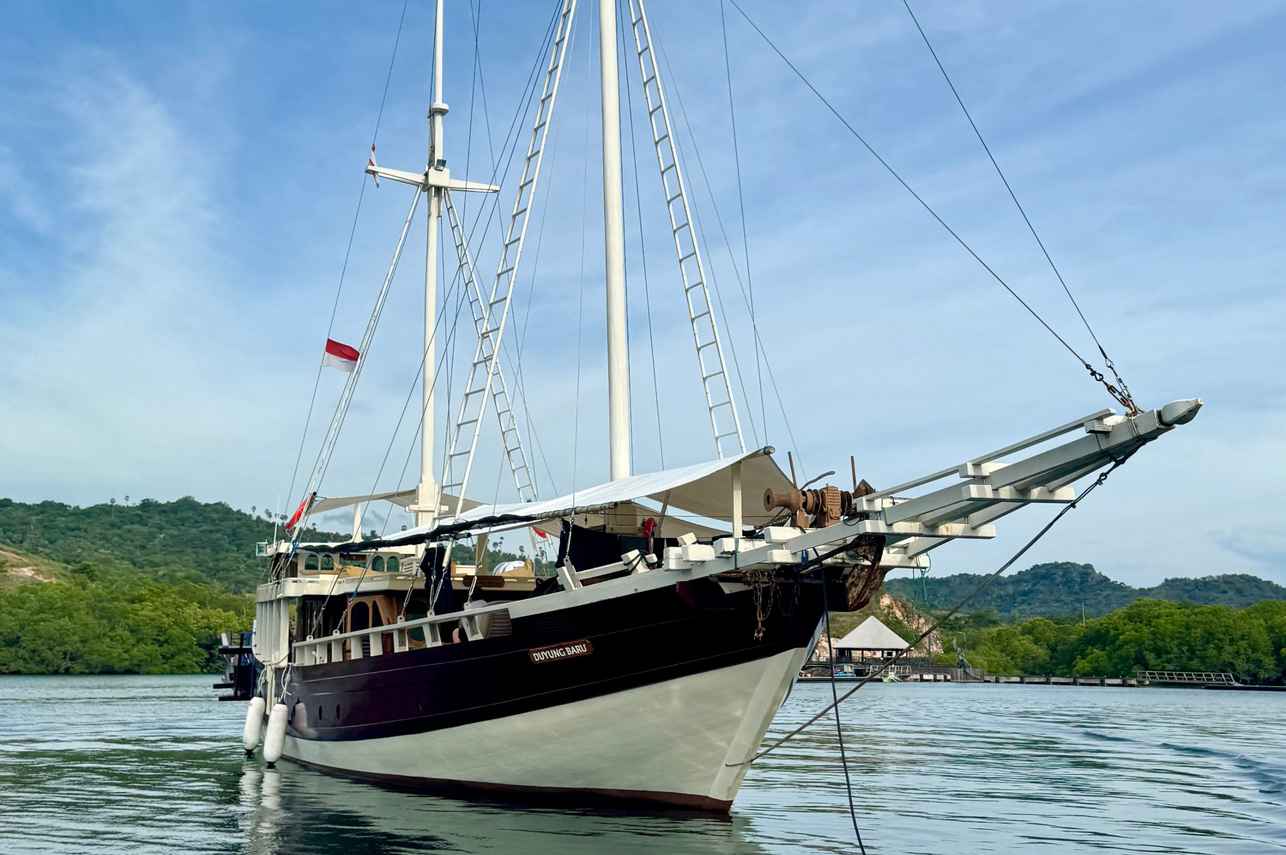
Ecopro Duyung Baru
Indonesia
6 guests27 m
$316/day
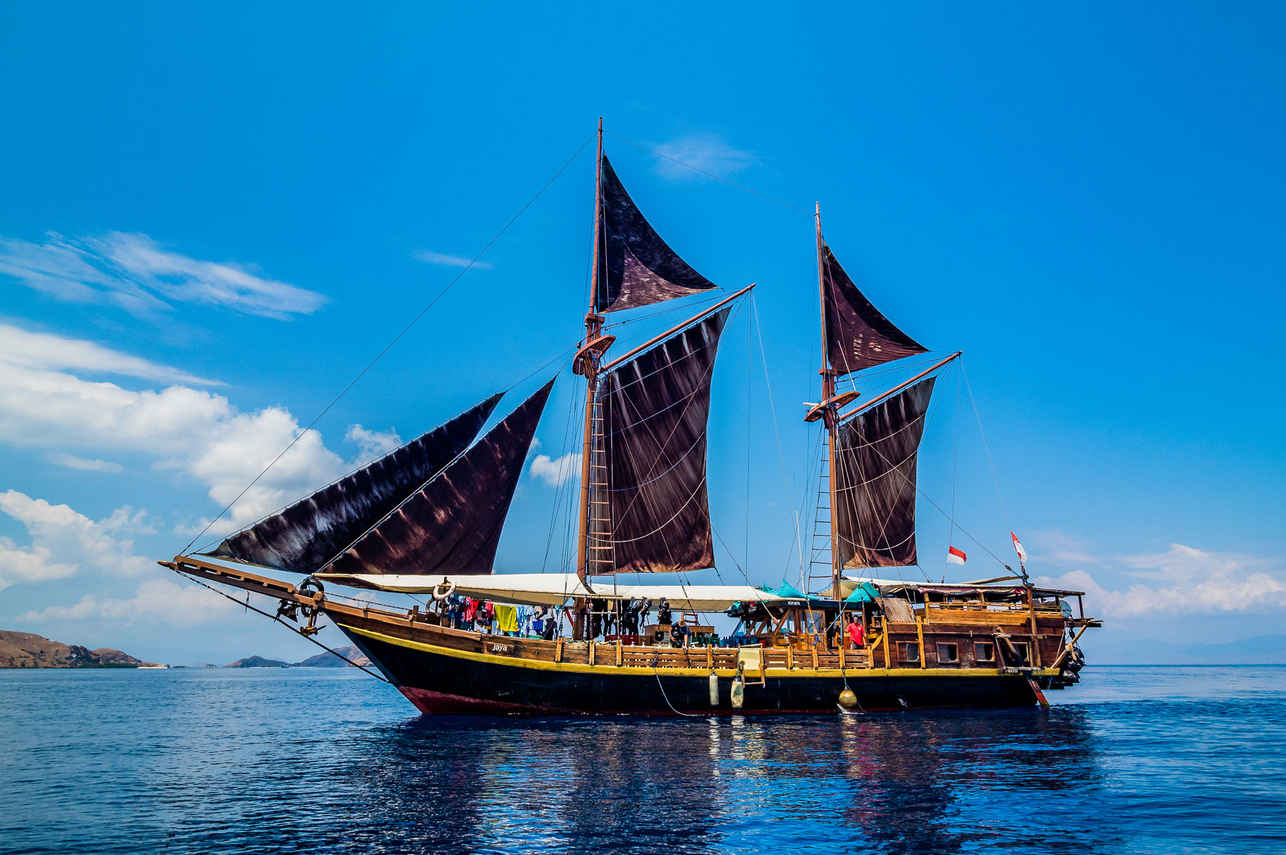
Jaya
Indonesia
14 guests23 m
$280/day
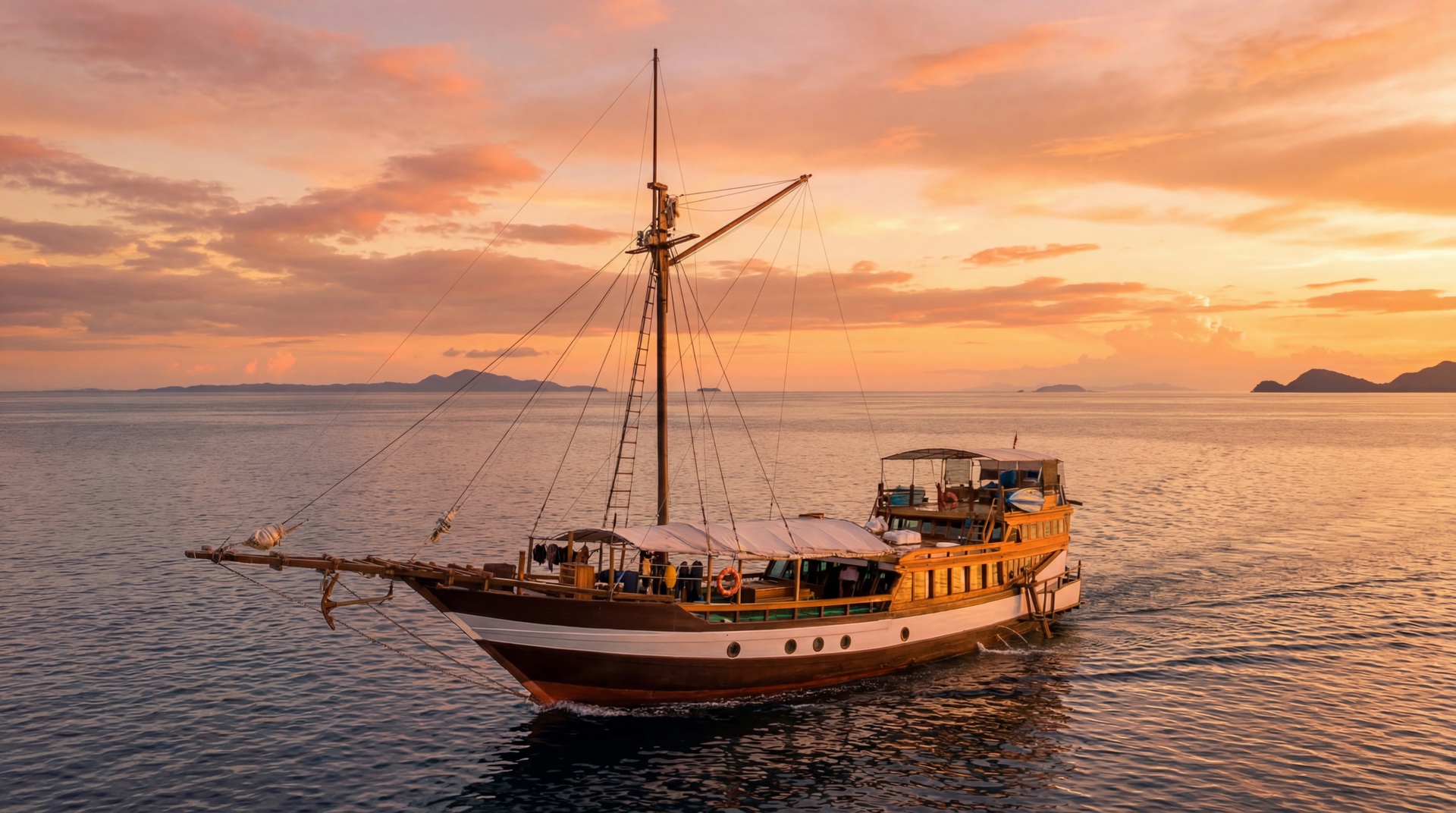
Wellenreng
Indonesia
9 guests25 m
$427/day
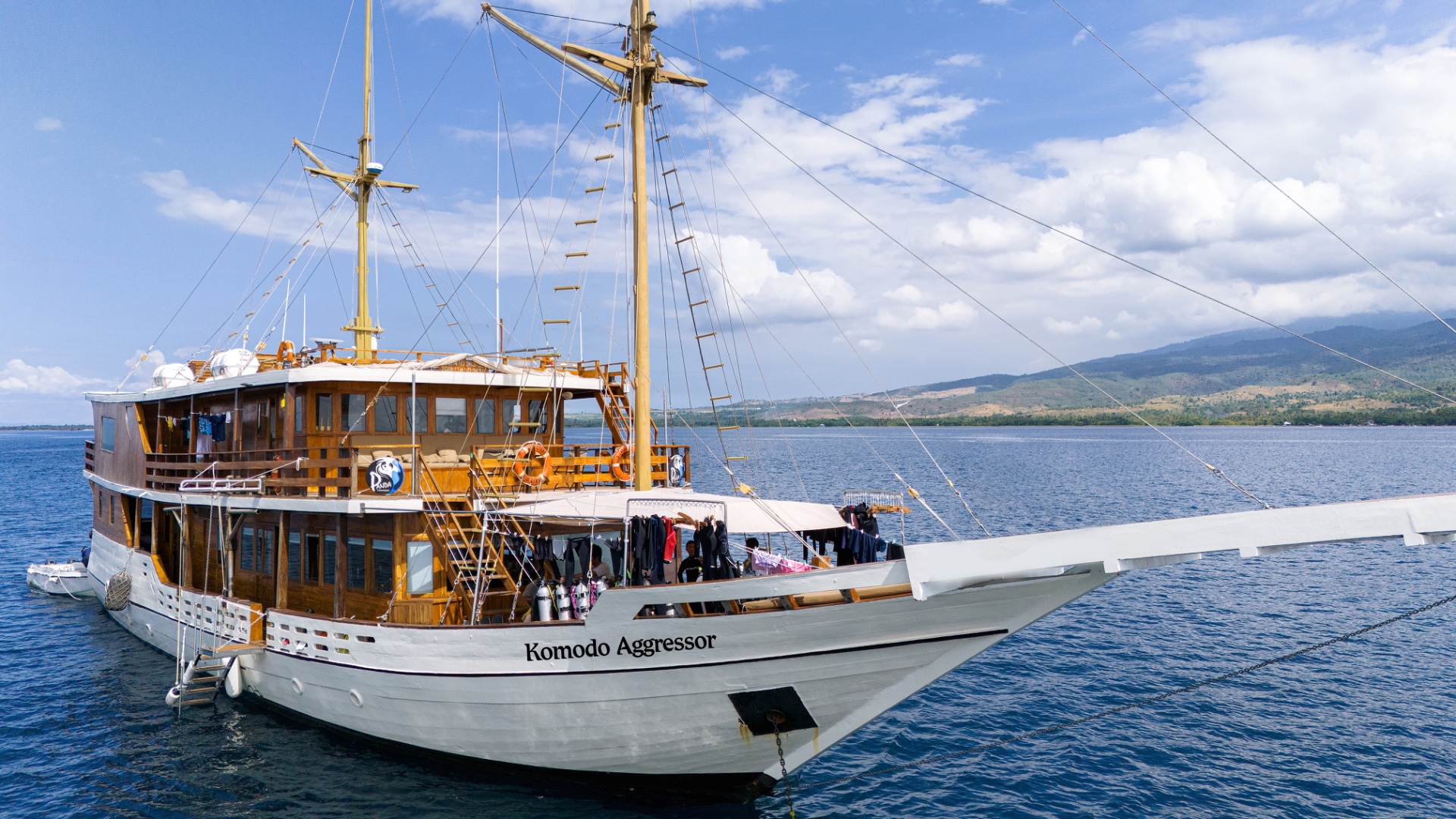
Komodo Aggressor
Komodo, Indonesia
16 guests29 m
$312/day
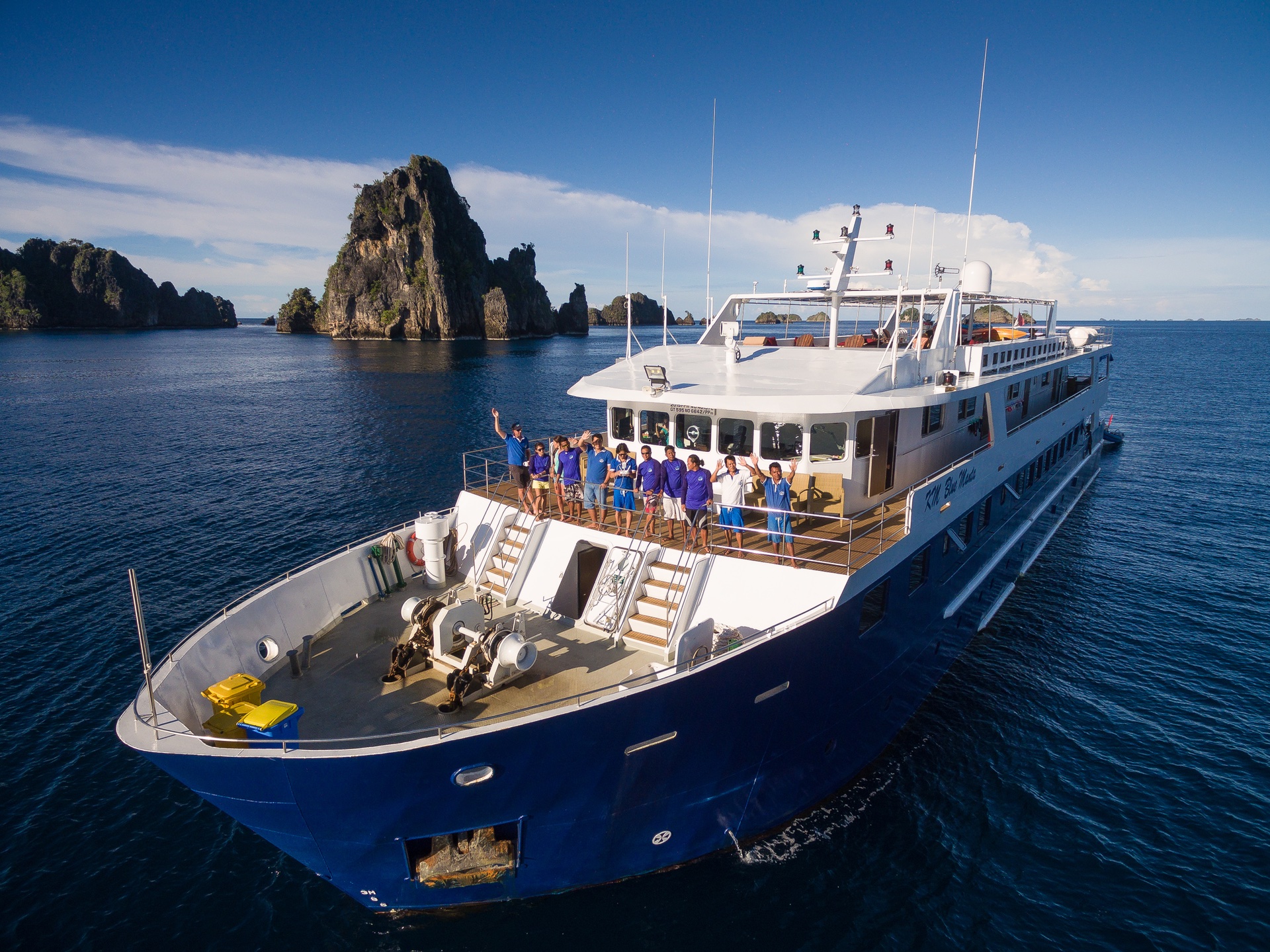
Blue Manta
Indonesia
20 guests45 m
$488/day
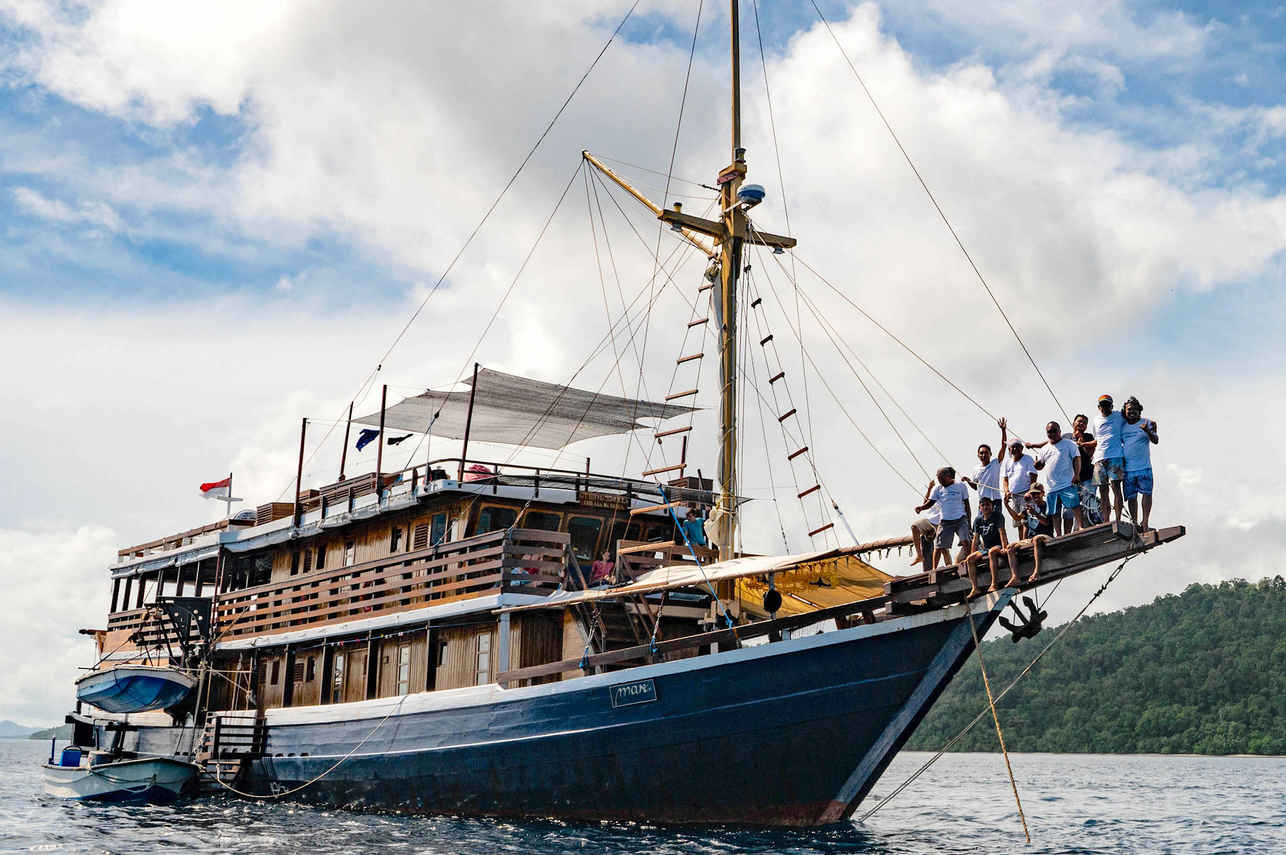
Mari
Indonesia
14 guests32.2 m
$328/day
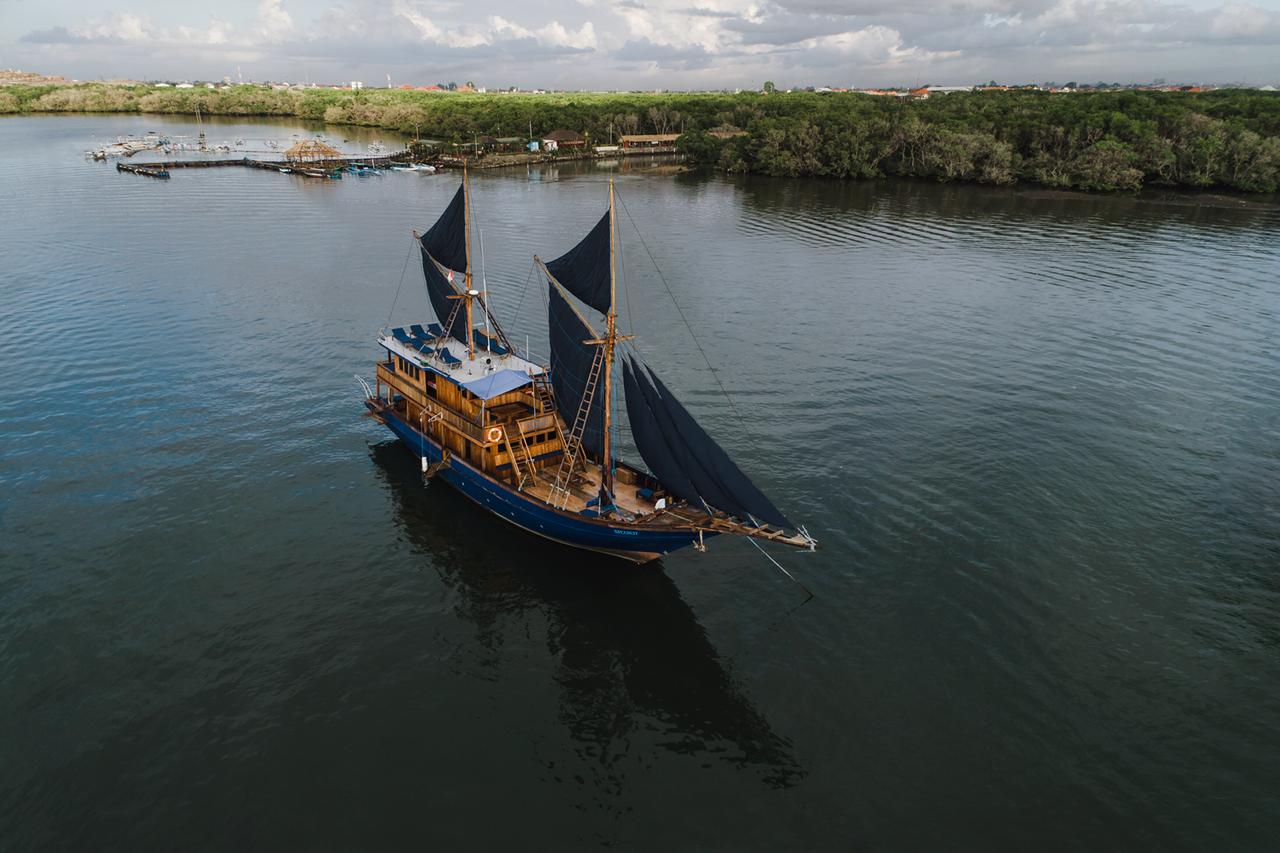
Situju7
Komodo, Indonesia
10 guests32.7 m
$362/day
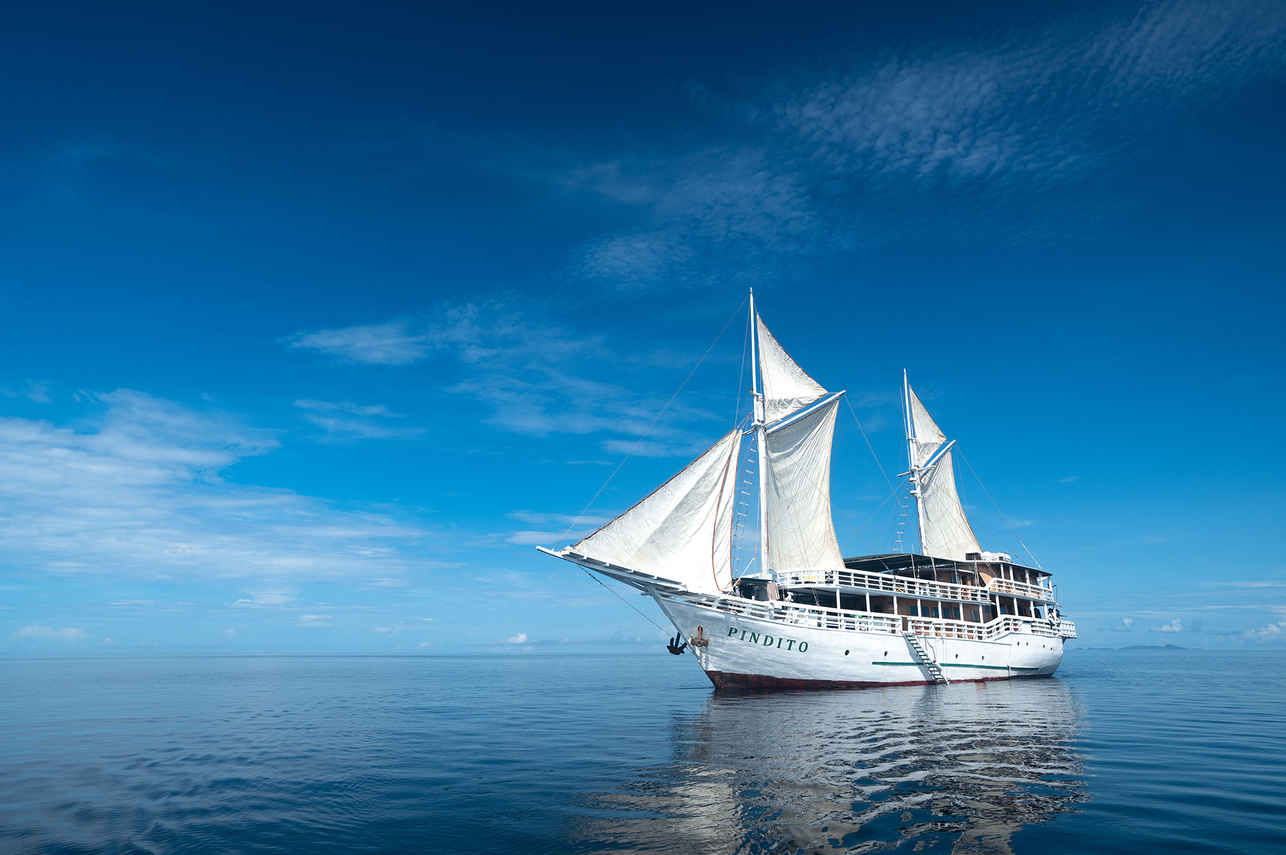
Pindito
Indonesia
16 guests37.79 m
$533/day
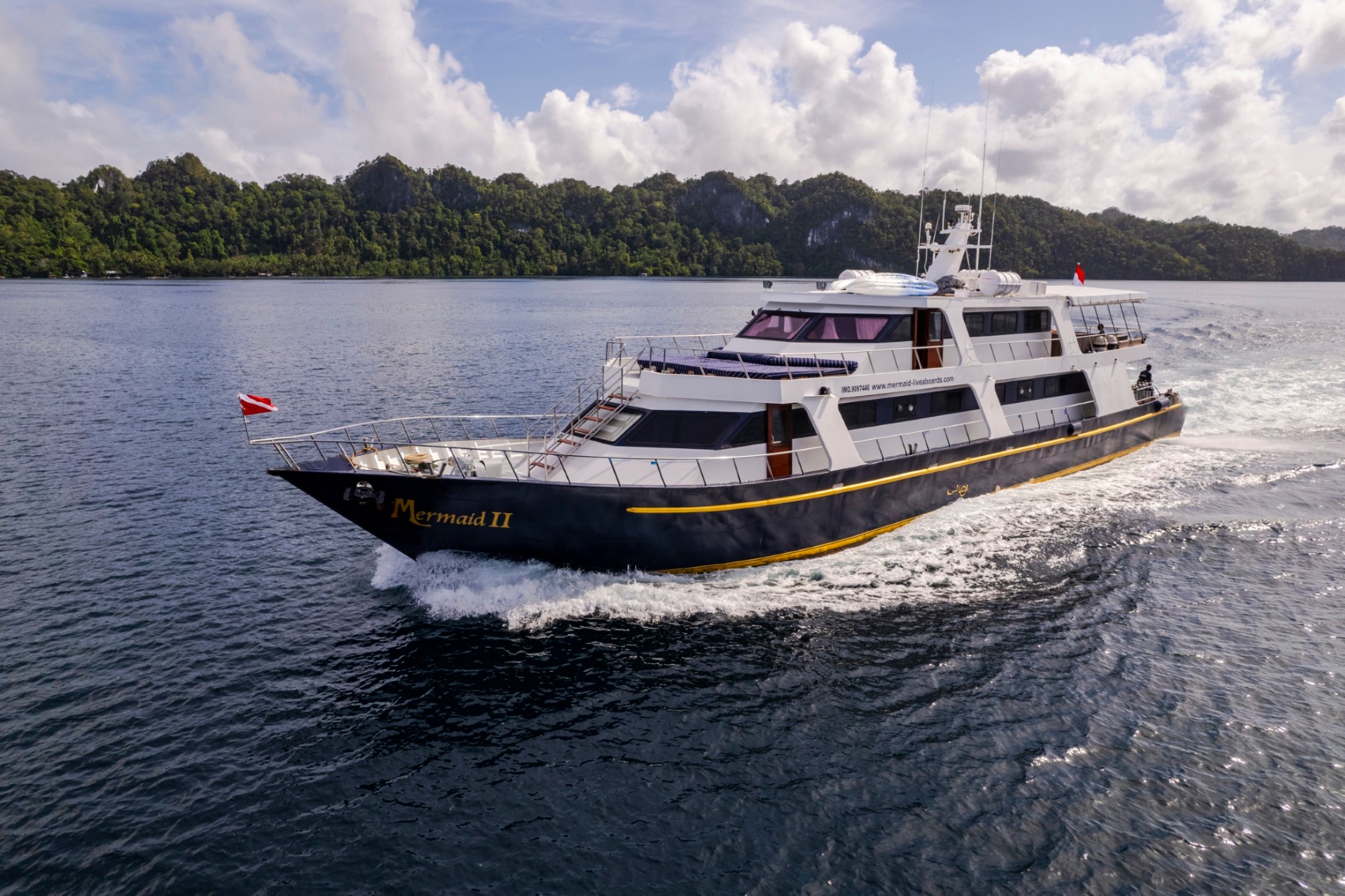
Mermaid II
Komodo, Indonesia
18 guests
$355/day
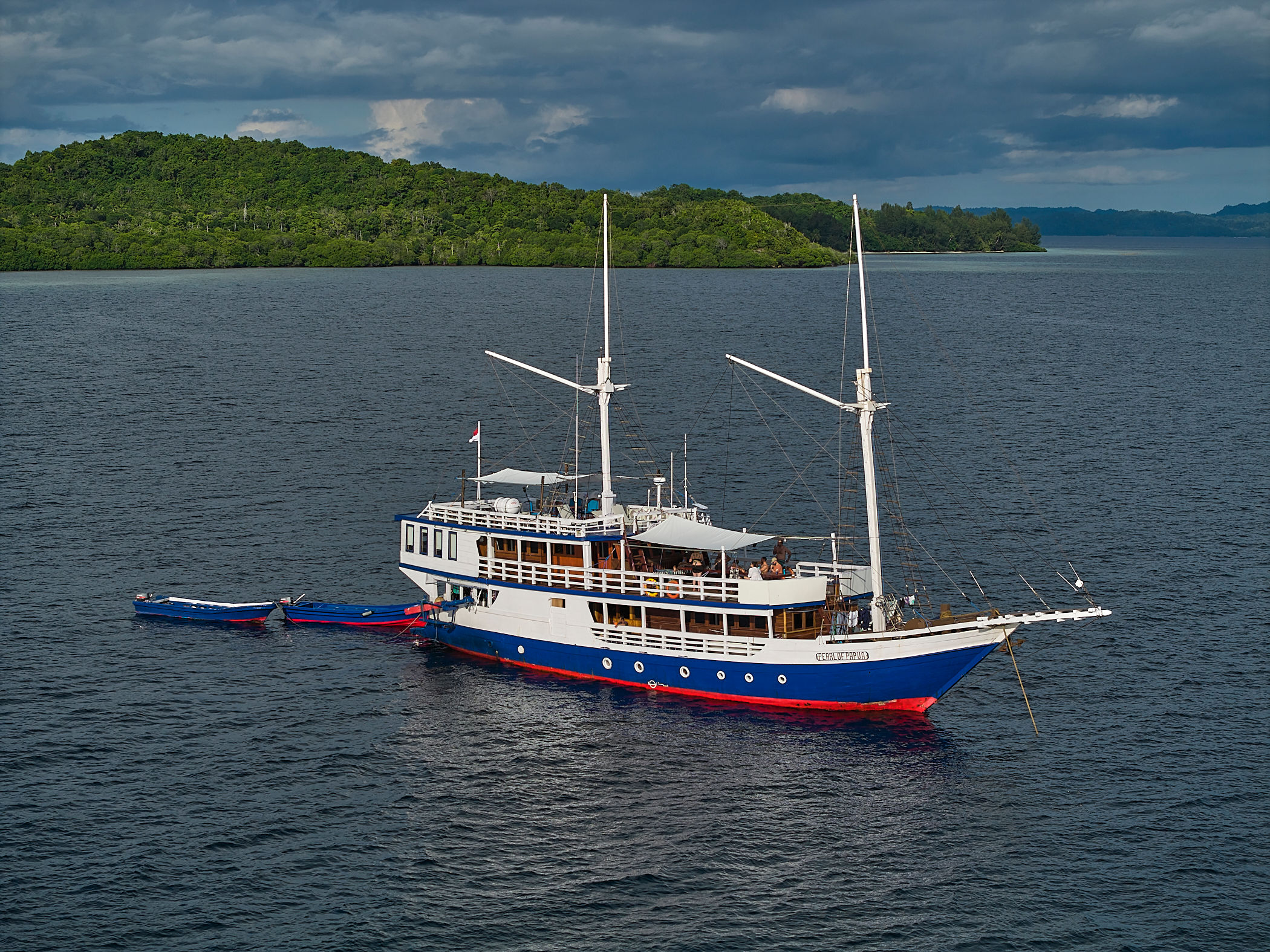
Pearl of Papua
Raja Ampat, Indonesia
14 guests30 m
$303/day
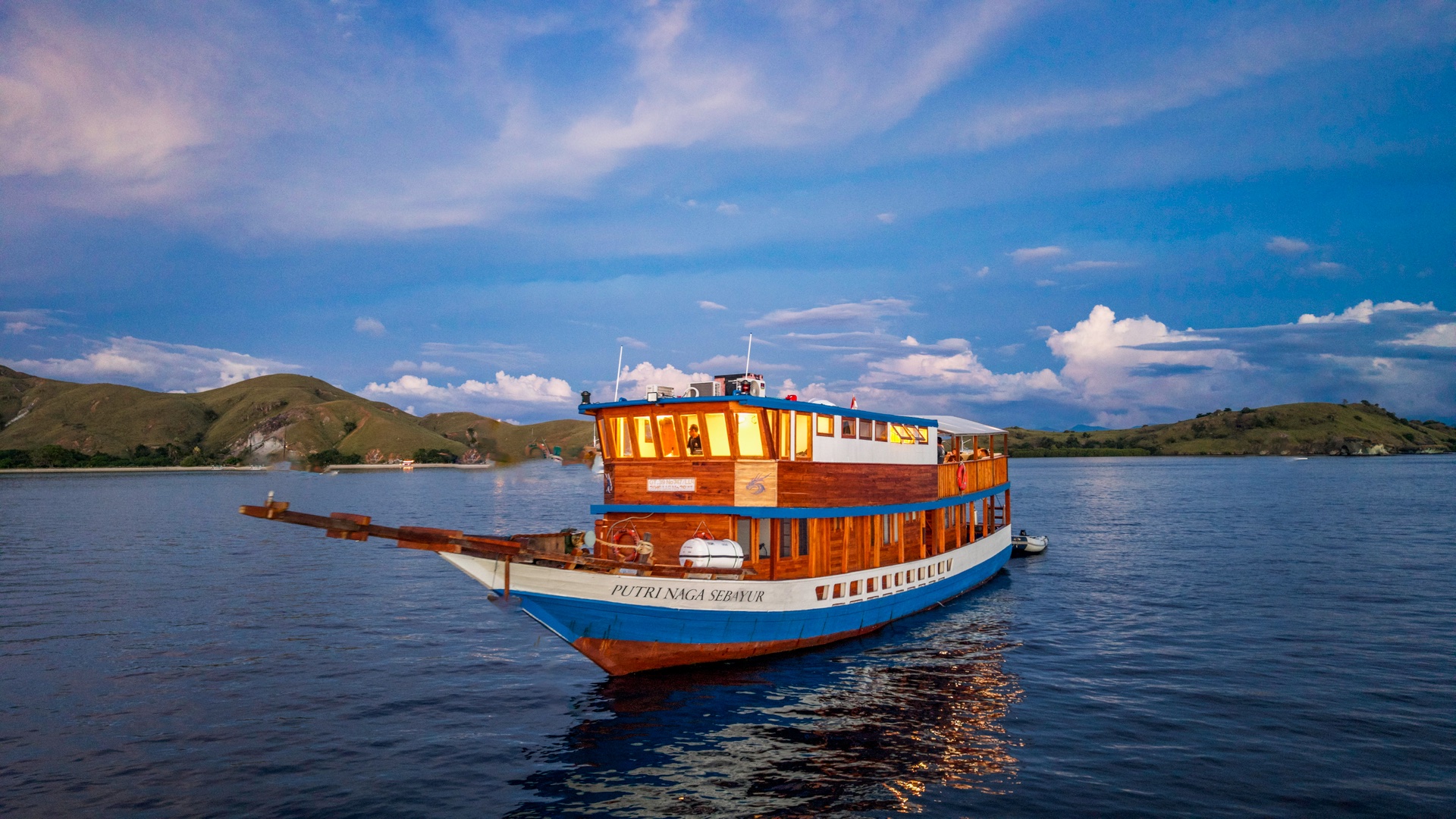
Putri Naga
Komodo, Indonesia
6 guests25 m
$222/day
Dive sites similar to Mawali Wreck
Same character, same waters — six more sites divers love for the exact same reasons.Compare seasons, access and liveaboard routes — then pick the site that fits your trip best.
Aljui Bay
Indonesia
Aljui Bay, located in Raja Ampat's remote northern reaches, was discovered as a premier snorkeling and diving destination by chance in 2011. This bay, situated within the broader…
- Suitable for
- Beginner
- Current
- Mild
- Access
- Liveaboard only
- Depth
- ≤ 20 m
- Theme
- Reef
Wakatobi
Indonesia
Wakatobi, an acronym for the islands of Wangi-Wangi, Kaledupa, Tomia, and Binongko, lies in Southeast Sulawesi, Indonesia, at the heart of the Coral Triangle.
- Suitable for
- Beginner
- Current
- No current
- Access
- Liveaboard only
- Depth
- 5–30 m
- Theme
- Wall / Reef
Cornucopia
Indonesia
Cornucopia, aptly named the 'horn of plenty,' is celebrated as Wakatobi's most spectacular wall dive, offering a diverse and nutrient-rich underwater environment.
- Suitable for
- Intermediate
- Current
- Mild
- Access
- Liveaboard only
- Depth
- 5–40 m
- Theme
- Reef
Raymond’s Point
Indonesia
Raymond's Point is a distinguished dive site located south of Mike's Point within the Bunaken National Marine Park, renowned for its dramatic vertical wall.
- Suitable for
- Advanced
- Current
- Strong
- Access
- Dayboat
- Depth
- 5–35 m
- Theme
- Reef / Wall
Drop Off
Indonesia
Located in Tulamben Bay on Bali’s northeastern coast, Drop Off, also known as the Tulamben Wall, is a rewarding dive site recognized for its dramatic underwater landscape.
- Suitable for
- Intermediate
- Current
- Mild
- Access
- Shore / dayboat
- Depth
- 5–60 m
- Theme
- Muck diving / Reef
Lekuan
Indonesia
Lekuan refers to a series of three renowned dive sites—Lekuan 1, Lekuan 2, and Lekuan 3—located along the southern shore of Bunaken Island within the protected Bunaken Marine Park in North Sulawesi, Indonesia.
- Suitable for
- Beginner
- Current
- No current
- Access
- Shore / dayboat
- Depth
- 5–40 m
- Theme
- Reef