About Anker Wreck
The Anker Wreck, sometimes referred to as Angker Wreck, is a small, historically significant wooden shipwreck located off Menjangan Island in the protected Bali Barat National Park. Dating back to the 19th century, this wreck once carried a cargo of copper and ceramics before sinking. It is situated in the northwest of Bali, approximately a three-hour drive from Kuta, followed by a 30-minute boat ride from Labuan Lalang to reach Menjangan Island itself. The site is celebrated for its well-preserved walls, which are the main draw of Menjangan Island diving, offering crevices, small caves, and overhangs adorned with abundant soft corals. The Anker Wreck itself lies within a depth range of 5 to 40 meters, making it accessible to divers with varying experience levels, though some experience is preferred due to its location. Menjangan Island typically offers very good visibility, often reaching 15 to 30 meters, and exceptionally up to 50+ meters, particularly in October and November. Currents around the island are generally mild to zero, providing comfortable diving conditions. This area is recognized as one of Bali's earliest internationally acclaimed diving locations, known for its warm water and rich marine biodiversity.
Highlights
19th-century wooden wreckCopper and ceramic cargoMenjangan Island wallsExceptional visibilityPart of National ParkMild to zero currentsFascinating coral variety
Season calendar
Best months to dive here
Jan
Feb
Mar
Apr
May
Jun
Jul
Aug
Sep
Oct
Nov
Dec
Excellent
Good
Dive site facts: Anker Wreck
- Depth
- 5–40 m
- Current
- Zero to mild
- Visibility
- 15–30 m (up to 50+ m)
- Water temperature
- 27–30 °C
- Entry
- Boat
- Level
- Preferably with some experience
- Dive type
- Wreck, wall, reef
- Region / port
- Menjangan Island, Northwest Bali
- Coordinates
- 8.5687° S, 115.4552° E
Conditions & Currents
Currents at the Anker Wreck site, located around Menjangan Island, are notably mild to non-existent, making it a generally calm and comfortable dive. It is rare to encounter even a one-knot current around Menjangan Island, distinguishing it from other Bali sites. Divers can typically expect a relaxed experience without significant drift. The conditions are usually excellent, allowing for unhurried exploration of the wreck and surrounding walls. The absence of strong currents contributes to the exceptionally clear visibility often experienced here.
Marine life & sighting chances
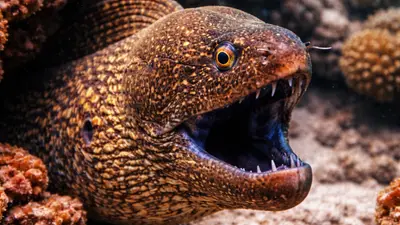
Moray eels
occasional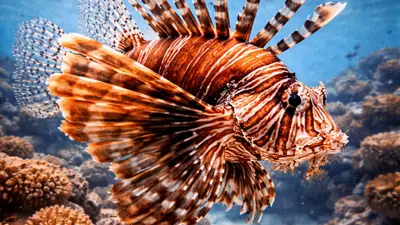
Lionfish
occasional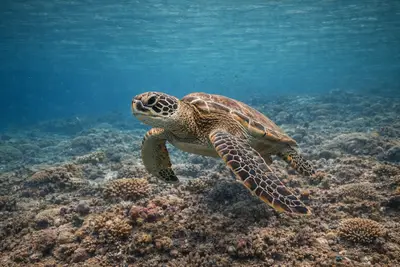
Turtles
occasional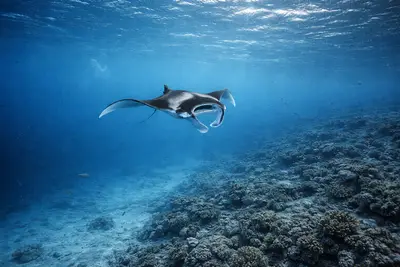
Manta rays
rare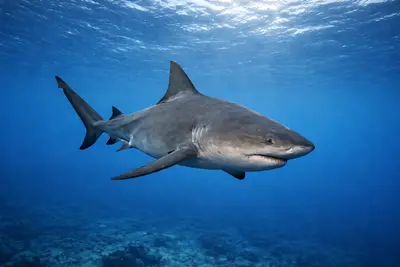
Sharks
rare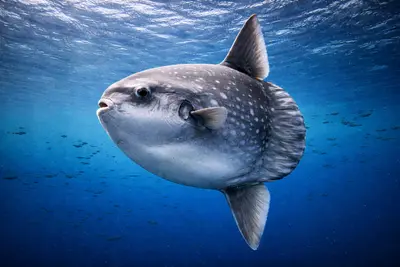
Mola Mola
rare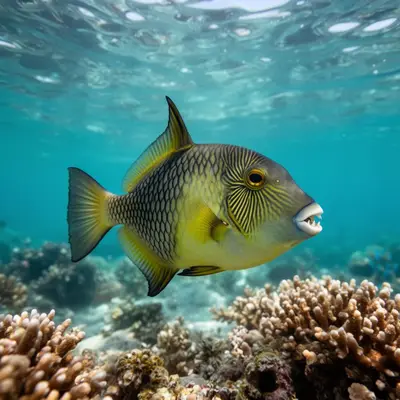
Titan triggerfish
occasional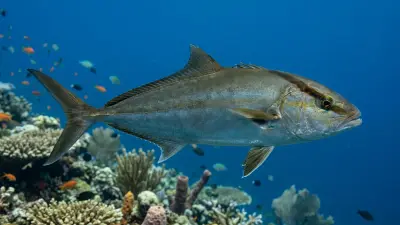
Trevally jack fish
occasional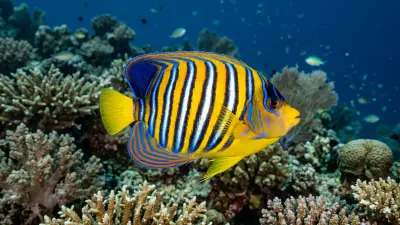
Angelfish
common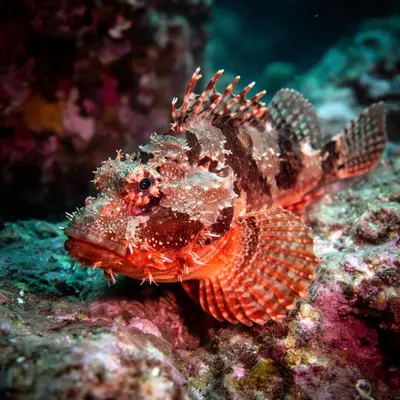
Scorpionfish
occasional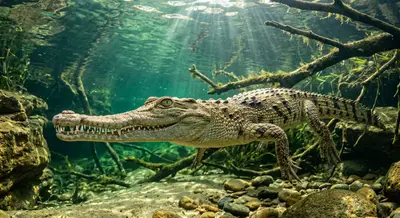
Crocodile fish
occasional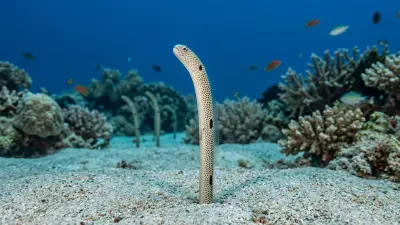
Garden eels
occasionalDive profile & how the dive runs
Diving at the Anker Wreck usually involves a boat entry due to its location off Menjangan Island. After a 30-minute boat ride from Labuan Lalang, divers will descend near the wreck or the adjacent wall. The dive typically starts at a depth of 5 meters, progressing deeper along the wreck's structure or the renowned Menjangan walls, which can drop to 40 meters. The wreck's cargo of copper and ceramics, along with its wooden structure, offers interesting exploration. Divers often follow the wall, exploring its various crevices and overhangs. The dive concludes with a safety stop typically performed in the shallower sections of the reef, usually around 5 meters, where soft corals are abundant.
Underwater photography
The Anker Wreck and its surrounding Menjangan Island environment offer diverse photographic opportunities. For wide-angle shots, a fisheye lens is recommended to capture the expansive reef walls, large fan corals, and the overall structure of the shipwreck, especially given the excellent visibility. For macro enthusiasts, there are profusions of soft corals, sponges, and smaller invertebrates to focus on. Artificial light sources like strobes are beneficial to bring out the vibrant colors of the corals and marine life, which can otherwise appear subdued at depth. Pay attention to composition, using the wreck's historical elements or the dramatic wall topography as your main subject. Maintain neutral buoyancy to protect the delicate corals and avoid disturbing the wreck site.
Combine with nearby dive sites
- Eel Garden
Located on the west end of Menjangan Island, featuring a wall to a shallow sandy area.
- Bat Cave
Also on Menjangan Island, known for its caves on the waterline and schools of fish.
- Jepun Wreck
The Jepun Wreck is a dive site nestled in Padang Bai, Bali, a coastal town offering a diverse range of underwater experiences.
Getting there & logistics
Access to Anker Wreck begins with an international flight to Bali's Ngurah Rai International Airport (DPS). From there, a four-hour or more drive to the western tip of Bali, specifically Labuan Lalang, is required. Most resorts in the area can arrange this transportation. From Labuan Lalang, it's a 30-minute boat ride to Menjangan Island, where the wreck is located. Dive trips are typically day trips from resorts in Pemuteran or other Northwest Bali areas, often including two dives and returning to the resort by early afternoon. As Menjangan Island is part of Bali Barat National Park, park fees may apply, though specific details on permits for diving were not provided.
Safety & environment
Diving at Anker Wreck on Menjangan Island is generally safe due to mild to zero currents and good visibility. However, divers should always carry appropriate dive insurance that covers recompression chamber treatment and emergency evacuation. The nearest recompression chamber facilities are typically located in Denpasar, requiring a significant land and potentially sea transfer from Menjangan. Site-specific hazards are minimal but maintaining excellent buoyancy control is crucial to avoid damaging the historical wreck and delicate corals. Given that some experience is preferred, divers should be comfortable with boat entries and exits and have good air consumption management for the depths up to 40 meters.
Who it suits — and who it doesn't
Suited for
- Divers with some experience
- Underwater photographers
- Wreck enthusiasts
- Wall dive admirers
- Divers seeking clear visibility
Less suited for
- Absolute beginners without prior experience
- Divers prone to seasickness on boat transfers
- Those looking for strong current drift dives
- Divers seeking shore entry only
FAQ
Anker Wreck FAQ
What kind of wreck is the Anker Wreck?
The Anker Wreck is a small wooden shipwreck dating back to the 19th century. It reportedly carried a cargo of copper and ceramics, offering an interesting historical element to your dive. The wreck is integrated into the vibrant reef system of Menjangan Island.
What marine life can I expect to see at Anker Wreck?
While exploring Anker Wreck and the surrounding Menjangan Island walls, you may encounter moray eels, lionfish, and various reef fish like angelfish. Occasional sightings of garden eels, scorpionfish, crocodile fish, and even turtles are possible. Rare encounters with larger pelagics such as manta rays, sharks, or Mola Mola can also occur.
What are the typical dive conditions at Anker Wreck?
Dive conditions at Anker Wreck are generally excellent, characterized by very mild to almost no currents. Visibility is often superb, ranging from 15 to 30 meters, and can exceed 50 meters during peak seasons like October and November. Water temperatures are comfortably warm, averaging between 27 and 30 degrees Celsius.
How do I get to the Anker Wreck dive site?
To reach the Anker Wreck, you first travel to Menjangan Island, located in Northwest Bali. This typically involves a drive of about three to four hours from Kuta to Labuan Lalang, followed by a 30-minute boat ride to the island. Most dive operators in the region arrange boat transfers to the dive sites around Menjangan.
Is the Anker Wreck suitable for all diver levels?
The Anker Wreck and Menjangan Island are generally suitable for divers with some experience, rather than absolute beginners. While currents are mild and visibility is excellent, the site reaches depths up to 40 meters and involves boat diving. Prior experience helps divers better appreciate the wreck and wall features.
Why dive Anker Wreck from a liveaboard?
Anker Wreck is one of Bali's signature dive sites. A liveaboard sleeps you on the water and puts you in the water for three to four guided dives per day, including dawn and night dives that day-boat operators rarely offer. You skip the daily commute back to port and reach quieter, less-crowded sites in the same region on a single trip.
Below are the liveaboards that include Anker Wreck on their Bali itineraries.
Liveaboards diving Anker Wreck
These liveaboards may visit Anker Wreck on selected itineraries — the exact dive sites depend on departure, weather and conditions.
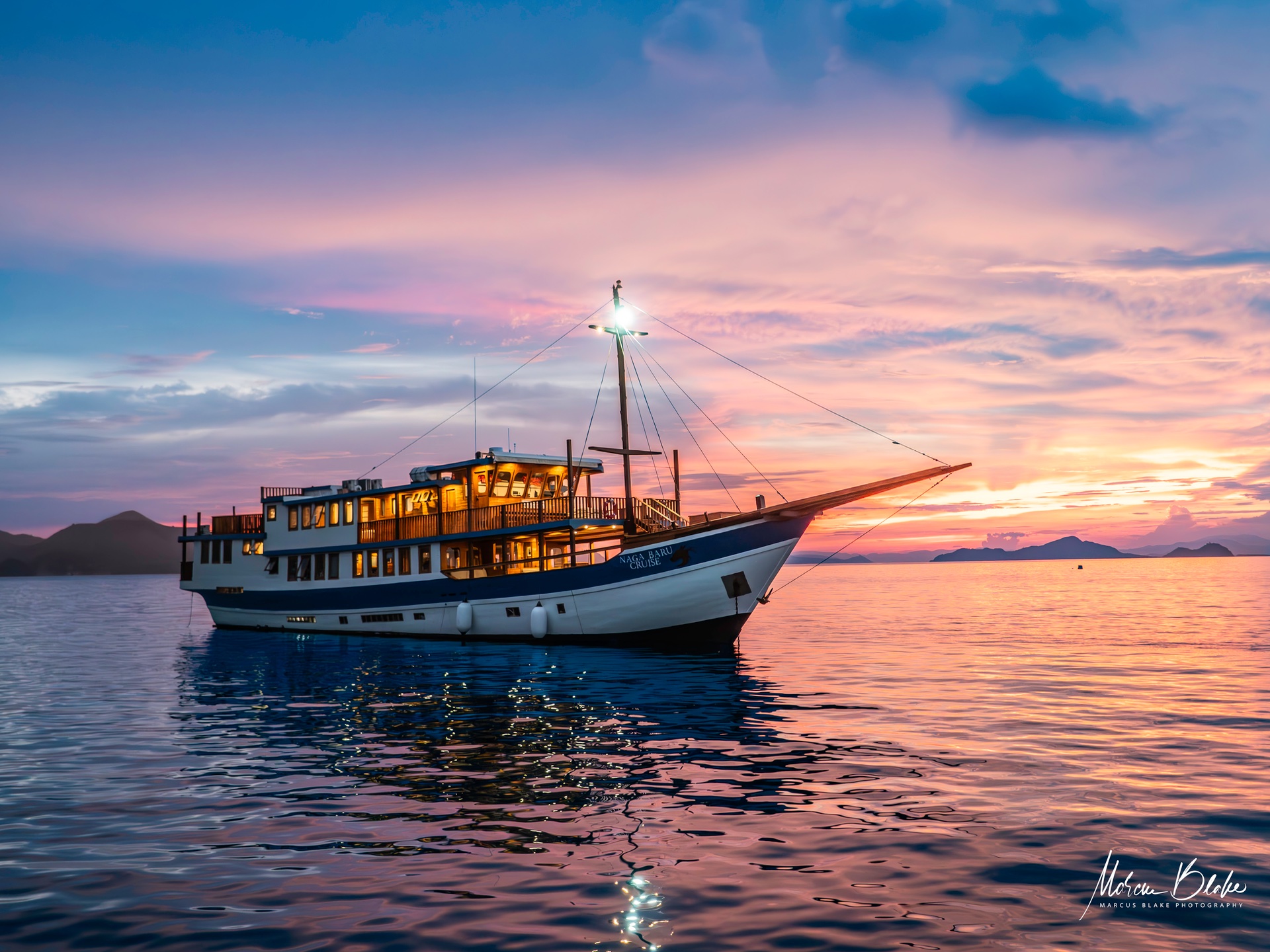
Naga Biru
Indonesia
12 guests40 m
$273/day
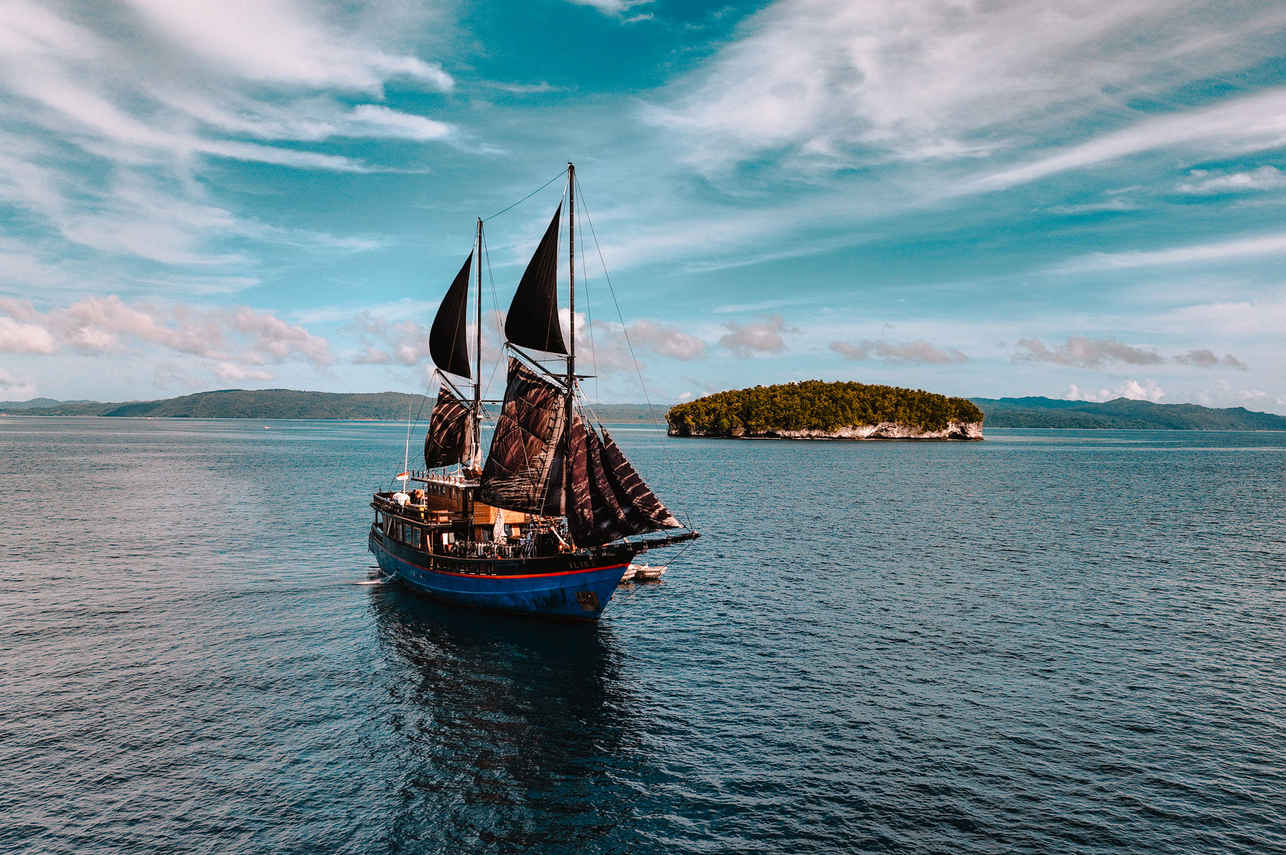
Ilike
Indonesia
16 guests40 m
$298/day
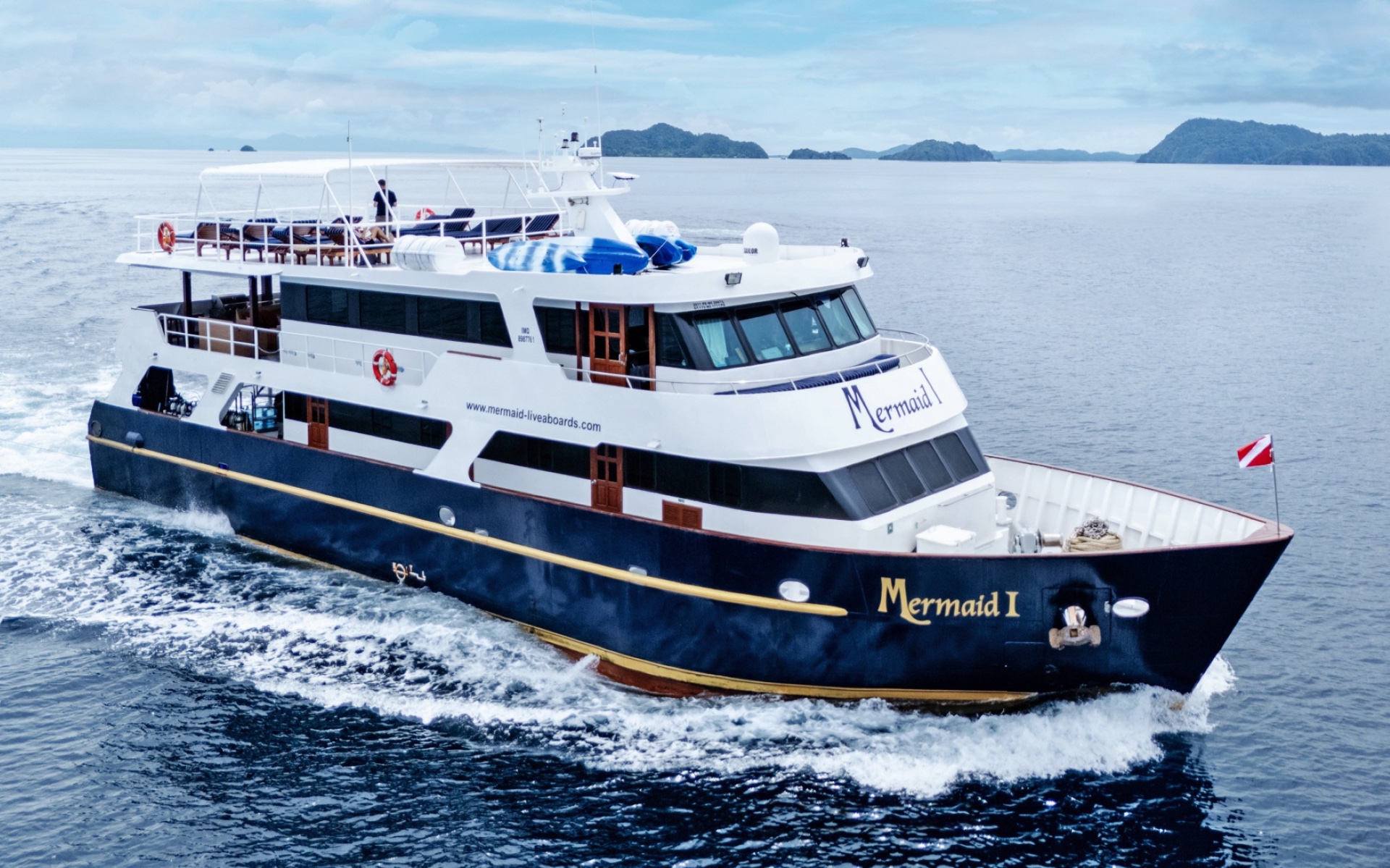
Mermaid I
Alor
15 guests28 m
$371/day
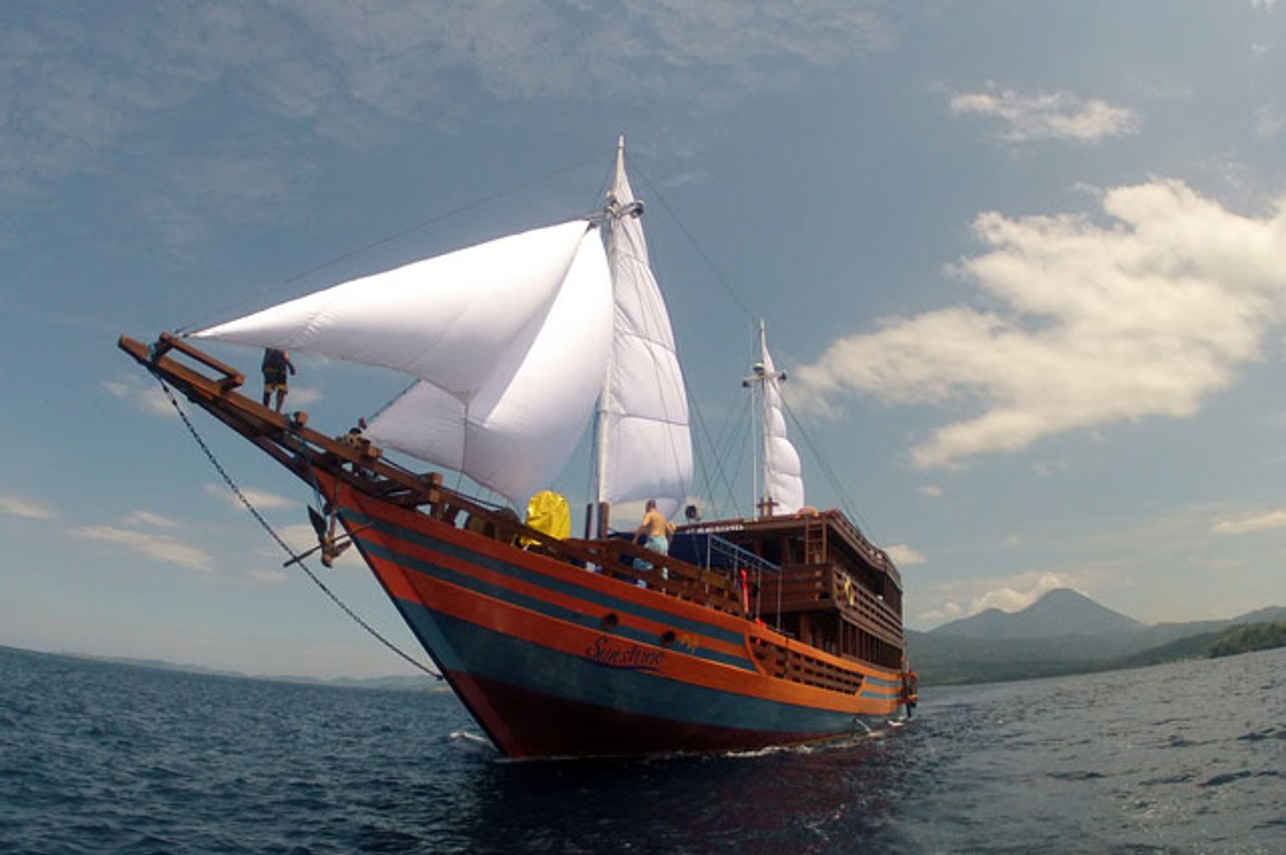
Sunshine Liveaboard
Indonesia
10 guests31 m
$191/day
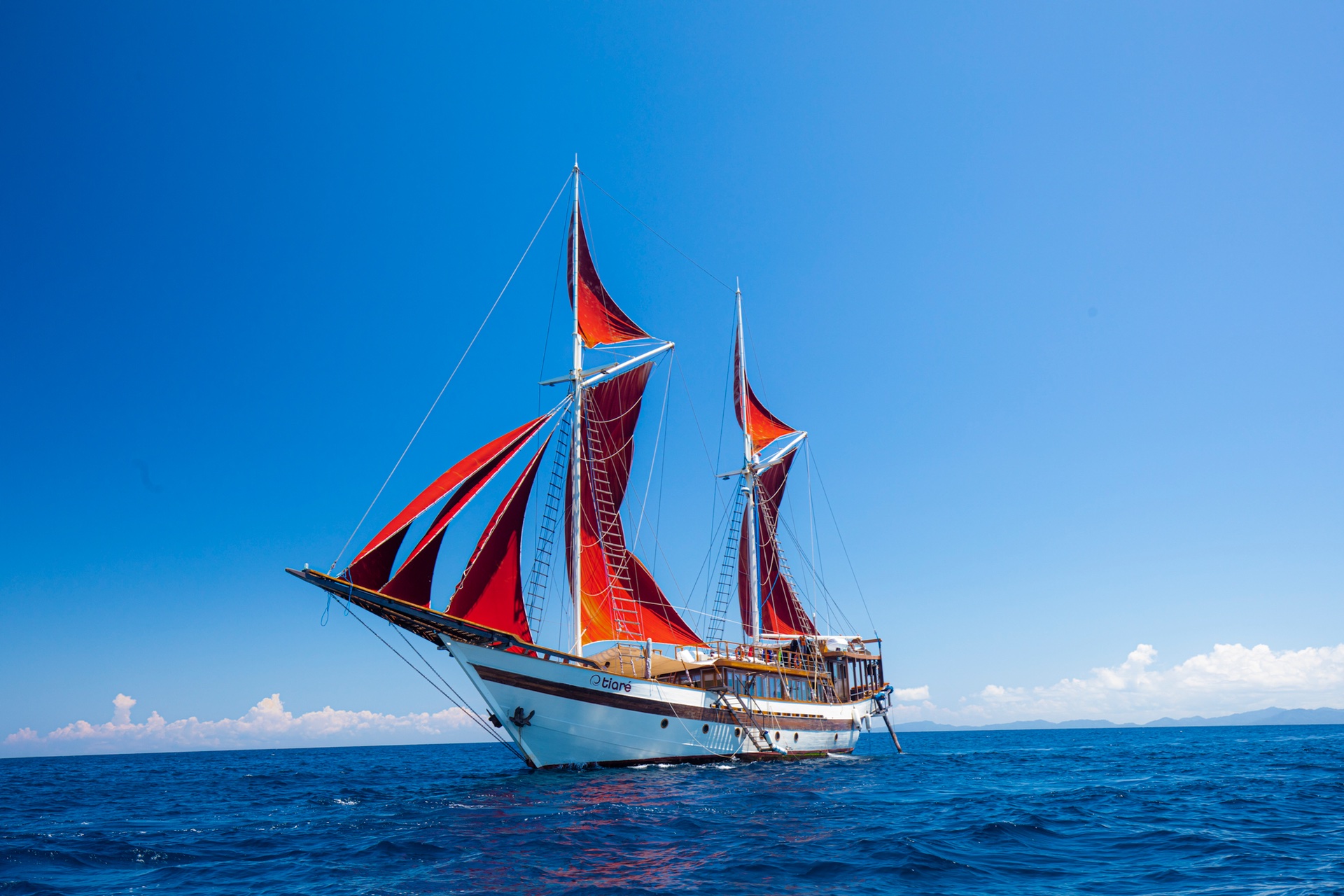
Tiare Cruise
Indonesia
12 guests36.5 m
$419/day
Dive sites similar to Anker Wreck
Same character, same waters — six more sites divers love for the exact same reasons.Compare seasons, access and liveaboard routes — then pick the site that fits your trip best.
© Esri — Maxar, Earthstar, GIS
Batununggul
Bali
Batununggul, also known as Suana or Batumulapan by some operators, is a dynamic wall and sloping reef dive site situated on the eastern side of Nusa Penida, Bali.
- Suitable for
- Advanced
- Current
- Strong
- Access
- Liveaboard or dayboat
- Depth
- 10–40 m
- Theme
- Wall
Lipah Bay is situated on Bali's northeast coast within the Amed area, nestled against the dramatic backdrop of Gunung Agung.
- Suitable for
- Beginner
- Current
- Mild
- Access
- Liveaboard or dayboat
- Depth
- 5–30 m
- Theme
- Reef / Drift
© Esri — Maxar, Earthstar, GIS
Eel Garden
Bali
Eel Garden is a renowned dive site located on the north-western side of Menjangan Island, a protected marine area within West Bali National Park.
- Suitable for
- Intermediate
- Current
- Moderate
- Access
- Liveaboard or dayboat
- Depth
- 8–40 m
- Theme
- Drift / Reef
© Esri — Maxar, Earthstar, GIS
Gili Tepekong
Bali
Gili Tepekong is one of three volcanic islets situated off the coast of Amuk Bay, near Padang Bai and Candidasa in East Bali.
- Suitable for
- Advanced
- Current
- Strong
- Access
- Liveaboard or dayboat
- Depth
- 10–40 m
- Theme
- Cave & cavern / Drift
Puri Jati, often referred to as PJ, is located on Bali's north coast near Lovina, on the outskirts of Seririt village.
- Suitable for
- Intermediate
- Current
- No current
- Access
- Shore / dayboat
- Depth
- 6–12 m
- Theme
- Reef
© Esri — Maxar, Earthstar, GIS
Japanese Wreck
Bali
The Japanese Wreck is a compelling dive site located in Banyuning Bay, just off the beach in Amed, Bali.
- Suitable for
- Beginner
- Current
- Moderate
- Access
- Shore / dayboat
- Depth
- 6–12 m
- Theme
- Wreck / Reef