About Tanjung Kopi
Tanjung Kopi, also known as "Coffee Point," is a notable dive site situated on the side of Manado Tua, the volcanic island within Bunaken National Park. This site is renowned for its thrilling pelagic encounters, which are largely driven by the strong currents that characterize the area. It offers a diverse underwater topography, featuring a plateau that ranges from 5 to 30 meters, which then gives way to a wall plunging past 80 meters. Diving here means navigating considerable water movement, making it particularly rewarding for experienced divers comfortable with drift diving. The currents are a magnet for larger marine species, transforming the plateau into a bustling highway for schooling fish and impressive pelagics. When currents are strong, you can observe large schools of batfish, cruising eagle rays, and patrolling whitetip reef sharks. While predominantly known for its big animal action, Tanjung Kopi also offers opportunities for macro enthusiasts during periods of slack tide. When the water movement subsides, the plateau reveals a variety of smaller creatures for those who take the time to explore its corners. Visibility at Tanjung Kopi can fluctuate depending on the current direction, so it's always wise to consult with your dive guide before entering the water.
Highlights
Pelagic encountersStrong currentsSchooling fishManado Tua volcano flankPlateau and wall topographyEagle raysWhitetip reef sharks
Season calendar
Best months to dive here
Jan
Feb
Mar
Apr
May
Jun
Jul
Aug
Sep
Oct
Nov
Dec
Excellent
Good
Dive site facts: Tanjung Kopi
- Depth
- 5–30 m (plateau), wall past 80 m
- Current
- Moderate to strong
- Visibility
- 20–30 m
- Water temperature
- 26–30 °C
- Entry
- Boat / drift
- Level
- Advanced
- Dive type
- Wall, drift, pelagic
- Region / port
- Bunaken National Marine Park, North Sulawesi, Indonesia
- Coordinates
- 4.6945° S, 123.8856° E
Conditions & Currents
Tanjung Kopi is characterized by moderate to strong currents, which can frequently be described as ripping. These powerful currents are a defining feature of the site, making it a prime location for pelagic action but also necessitating advanced diving skills. Divers typically plan their visit as a drift dive, dropping in upstream and allowing the current to carry them over the plateau. Surface conditions and visibility at Tanjung Kopi are notably influenced by the current's direction and strength, so divers should check with their guide before entry. Due to the significant water movement, this site is best suited for divers who are proficient in current diving and capable of maintaining control in dynamic conditions.
Marine life & sighting chances

Dogtooth tuna
common
Giant trevally
common
Napoleon wrasse
common
Schooling jacks
common
Eagle ray
common
Whitetip reef shark
common
Batfish
common
Harlequin shrimp
occasional
Starry moray
occasional
Boxer crab
occasionalDive profile & how the dive runs
Divers typically begin the Tanjung Kopi dive with a negative entry, dropping in upstream to capitalize on the strong currents. The route involves a drift along a plateau that sits between 5 and 30 meters deep, which is where the most significant pelagic action occurs. As the dive progresses, the plateau transitions into a dramatic wall that plunges beyond 80 meters. The main focus is to observe the large schools of fish and passing pelagics, such as dogtooth tuna, giant trevally, and eagle rays, particularly when the currents are robust. Towards the end of the drift, divers will typically ascend to shallower areas of the plateau for their safety stop, often in the down-current shadow of the point where batfish tend to school.
Underwater photography
Tanjung Kopi is an excellent site for wide-angle photography, especially when currents are strong and large pelagics are present. Divers should prepare for fast-moving subjects like schooling jacks, dogtooth tuna, and cruising eagle rays, necessitating a fast shutter speed. For capturing the expansive scenery of the plateau and wall, a wide-angle lens is essential. During slack tide periods, when the currents subside, macro photographers can explore the corners of the plateau for smaller subjects like harlequin shrimp and boxer crabs, requiring a macro lens and careful buoyancy control.
Combine with nearby dive sites
- Lekuan I, II & III
Iconic wall dives with frequent green turtle sightings and varied current conditions, from gentle to strong.
- Mandolin
Features overhangs and small caves, offering opportunities for both macro and pelagic sightings, best for divers with good buoyancy.
- Ron’s Point
Located on Bunaken Island, known for its slope and plateau, attracting pelagic species like sharks and eagle rays.
- Bunaken Timur
A wall dive on the east side of Bunaken Island with abundant hard and soft corals, frequent green and hawksbill turtle sightings.
Getting there & logistics
Diving Tanjung Kopi typically involves flying into Sam Ratulangi International Airport (MDC) in Manado, North Sulawesi. From Manado, it's approximately a 45-minute to one-hour boat ride to resorts located on Bunaken, Siladen, or other islands within the Bunaken National Marine Park. Most diving operations are conducted as day trips from these resorts, with three dives per day being standard. Tanjung Kopi is often included in itineraries that explore the diverse sites of the park, combining pelagic-rich drift dives with more relaxed wall and reef dives.
Safety & environment
For diving in Bunaken National Park, including Tanjung Kopi, comprehensive dive insurance is highly recommended given the remote nature of the area. The nearest recompression chamber is located in Manado. In case of a serious incident, evacuation to Manado or further afield may be necessary, underscoring the importance of adequate insurance and an emergency action plan. Due to the moderate to strong currents at Tanjung Kopi, divers must possess an advanced certification and be proficient in current diving techniques. Always follow your dive guide's instructions, maintain good buoyancy, and be aware of your dive group and surroundings.
Who it suits — and who it doesn't
Suited for
- Advanced divers comfortable with strong currents
- Divers seeking pelagic encounters (sharks, rays, tuna)
- Drift diving enthusiasts
- Underwater photographers interested in wide-angle shots of schooling fish
- Experienced divers visiting Bunaken National Park
Less suited for
- Beginner divers or those without current experience
- Divers prone to seasickness
- Individuals uncomfortable with dynamic dive conditions
- Strict macro photographers during strong current periods
FAQ
Tanjung Kopi FAQ
What kind of marine life can I expect to see at Tanjung Kopi?
Tanjung Kopi is a hotspot for pelagic species due to its strong currents. You can frequently encounter large schools of jacks, dogtooth tuna, and giant trevally. Eagle rays are common, cruising past in formation, and whitetip reef sharks patrol the slopes. During calmer periods, you might also spot macro life like harlequin shrimp and boxer crabs.
Why is Tanjung Kopi considered an advanced dive site?
Tanjung Kopi is recommended for advanced divers primarily because of its moderate to strong, often ripping, currents. Divers need to be comfortable with significant water movement and proficient in drift diving techniques. Good buoyancy control and current awareness are essential for a safe and enjoyable dive experience at this site.
What is the topography of Tanjung Kopi like?
The site features a distinctive topography, starting with a plateau that ranges in depth from 5 to 30 meters. This plateau then dramatically drops off into a wall that extends past 80 meters. The combination of the plateau and the deep wall, coupled with strong currents, creates an ideal environment for attracting large marine life.
Can I do macro photography at Tanjung Kopi?
While Tanjung Kopi is famous for its pelagics and wide-angle opportunities, macro photography is possible, especially during slack tide. When the currents subside, the plateau offers a chance to explore for smaller creatures such as harlequin shrimp, starry morays, and boxer crabs. It's advisable to check with your guide for the best conditions for macro photography.
How does the current affect visibility at Tanjung Kopi?
Visibility at Tanjung Kopi can vary depending on the direction and strength of the current. While generally good, ranging from 20 to 30 meters, strong currents can sometimes bring in plankton-rich water or affect how clearly you can see. Your dive guide will have the most up-to-date information on current conditions and expected visibility.
Why dive Tanjung Kopi from a liveaboard?
Tanjung Kopi is one of Indonesia's signature dive sites. A liveaboard sleeps you on the water and puts you in the water for three to four guided dives per day, including dawn and night dives that day-boat operators rarely offer. You skip the daily commute back to port and reach quieter, less-crowded sites in the same region on a single trip.
Below are the liveaboards that include Tanjung Kopi on their Indonesia itineraries.
Liveaboards diving Tanjung Kopi
These liveaboards may visit Tanjung Kopi on selected itineraries — the exact dive sites depend on departure, weather and conditions.
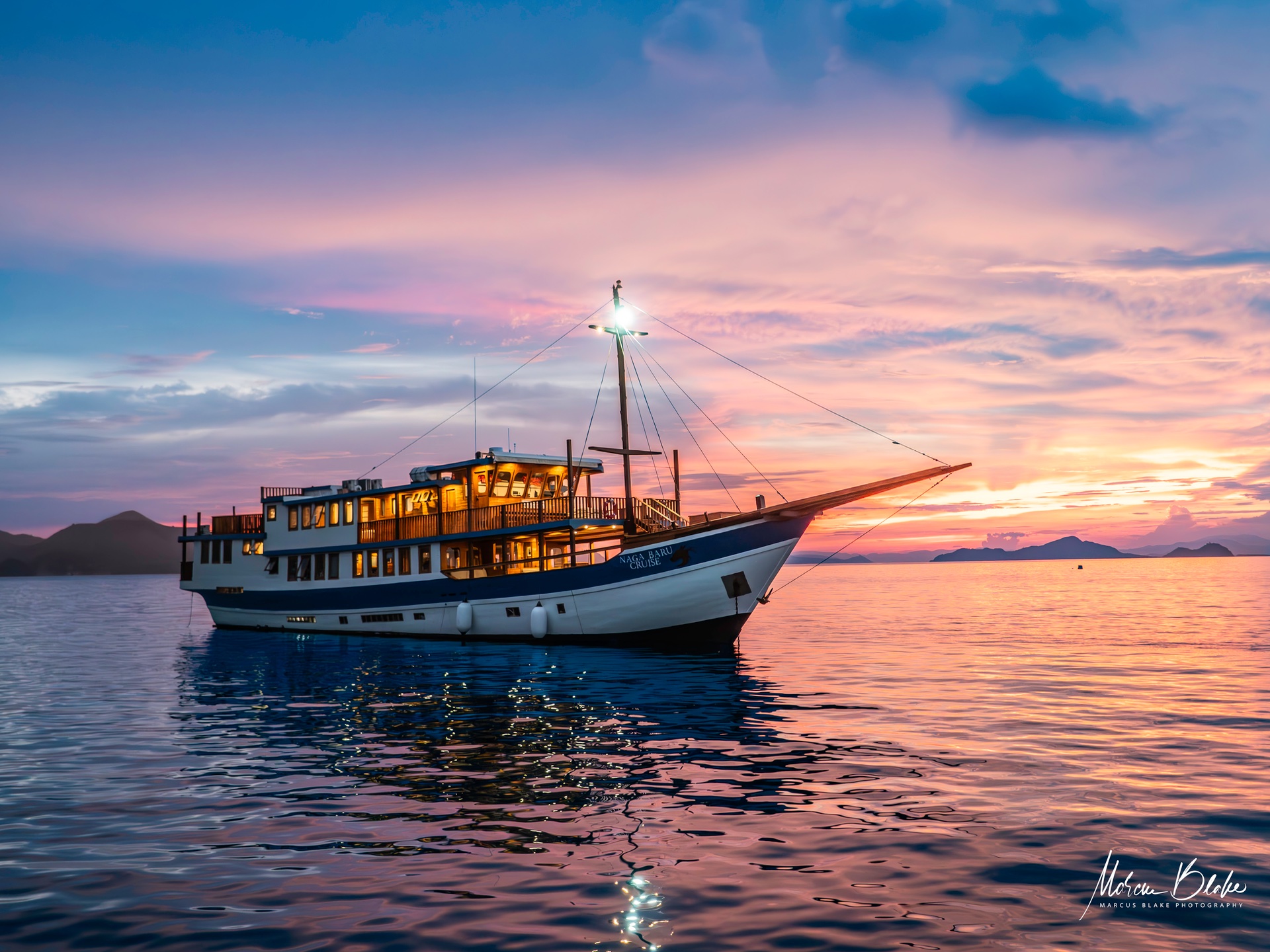
Naga Biru
Indonesia
12 guests40 m
$274/day
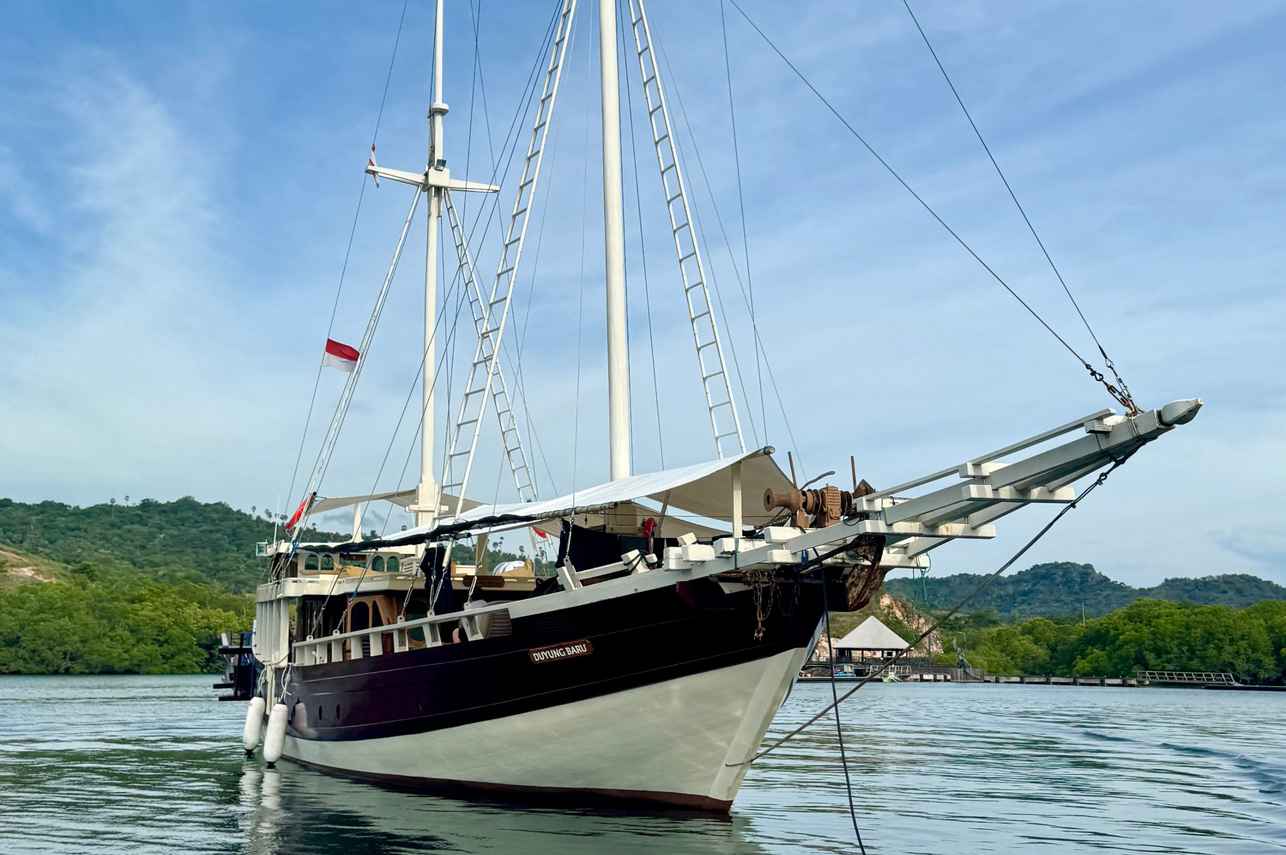
Ecopro Duyung Baru
Indonesia
6 guests27 m
$361/day
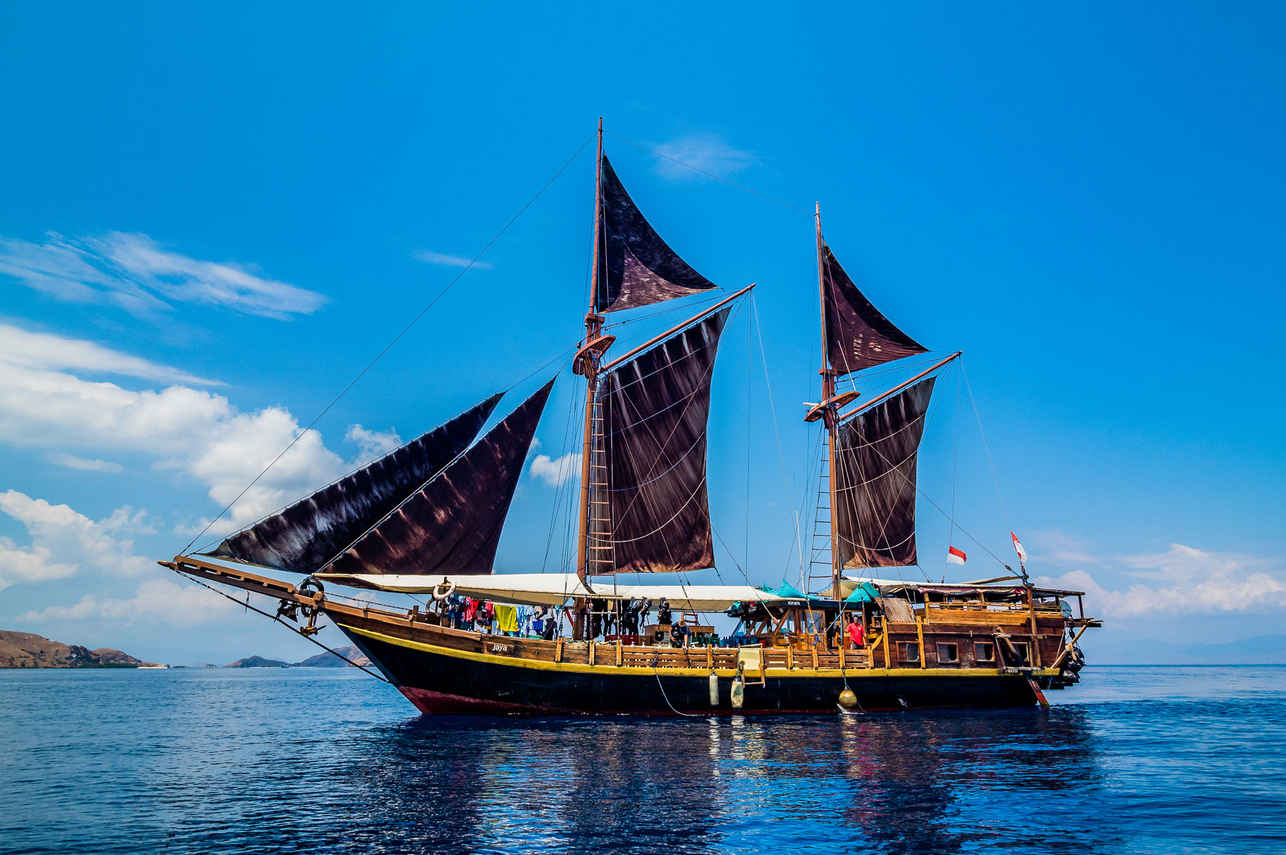
Jaya
Indonesia
14 guests23 m
$280/day
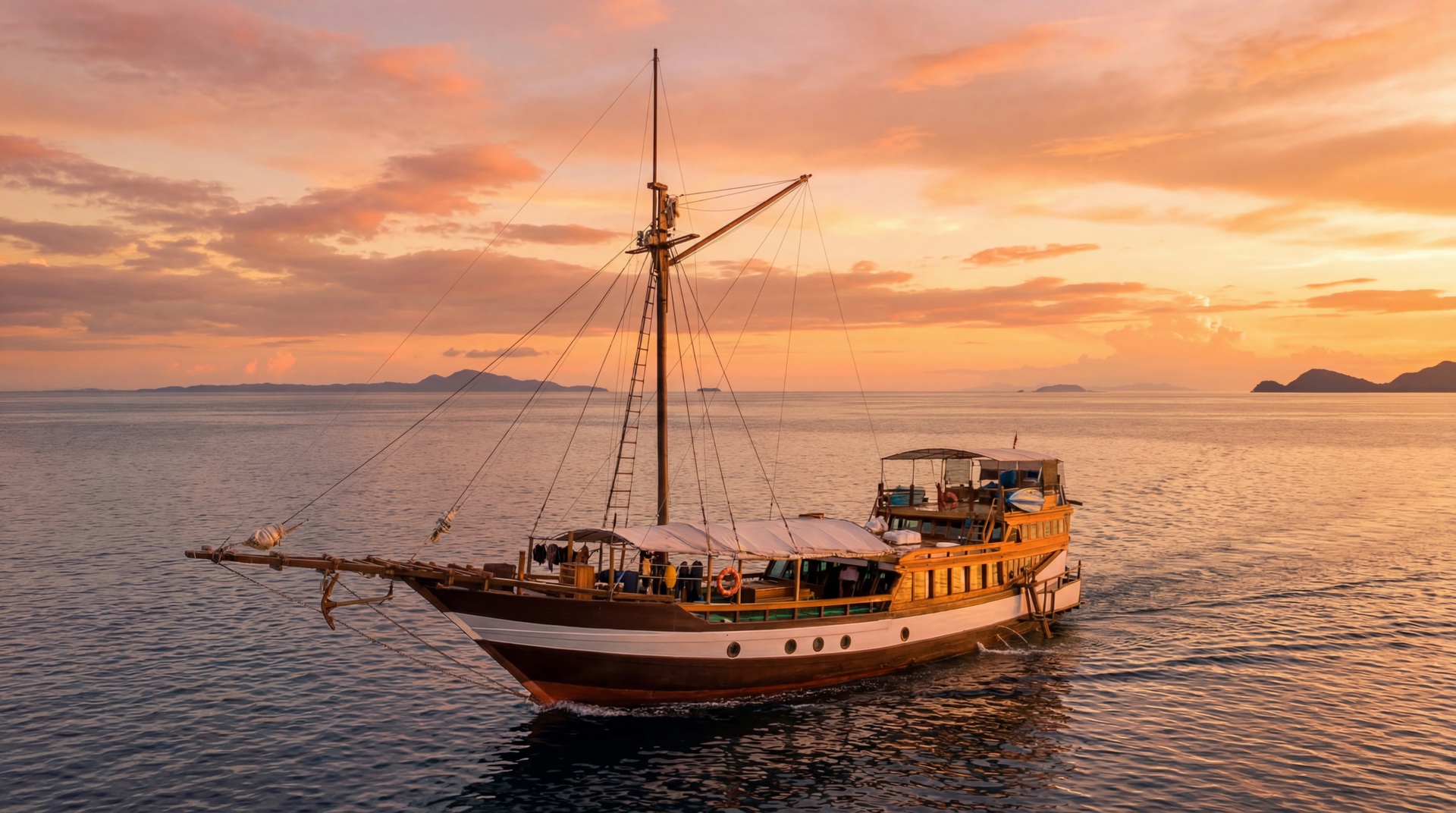
Wellenreng
Indonesia
9 guests25 m
$427/day
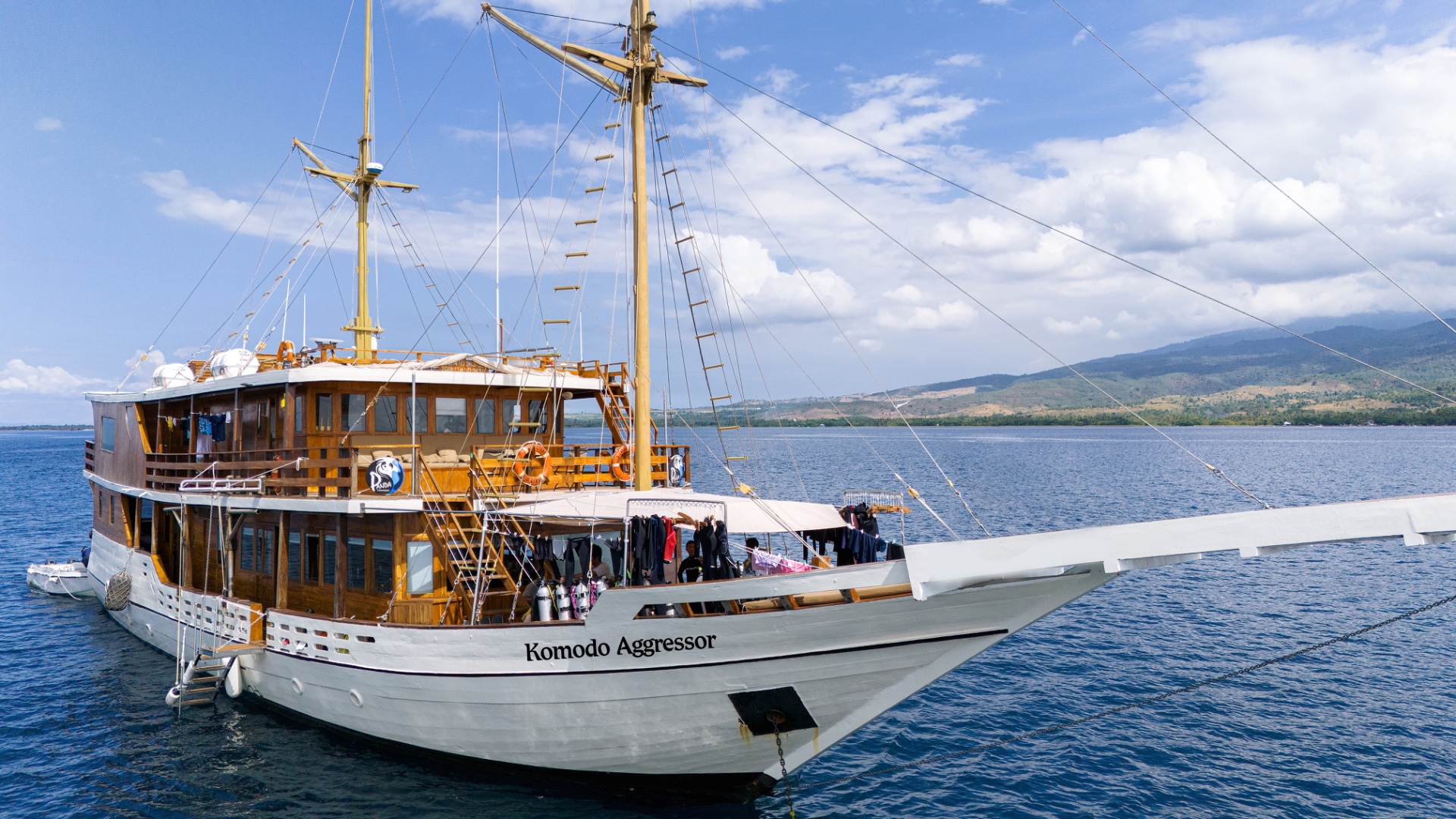
Komodo Aggressor
Komodo, Indonesia
16 guests29 m
$312/day
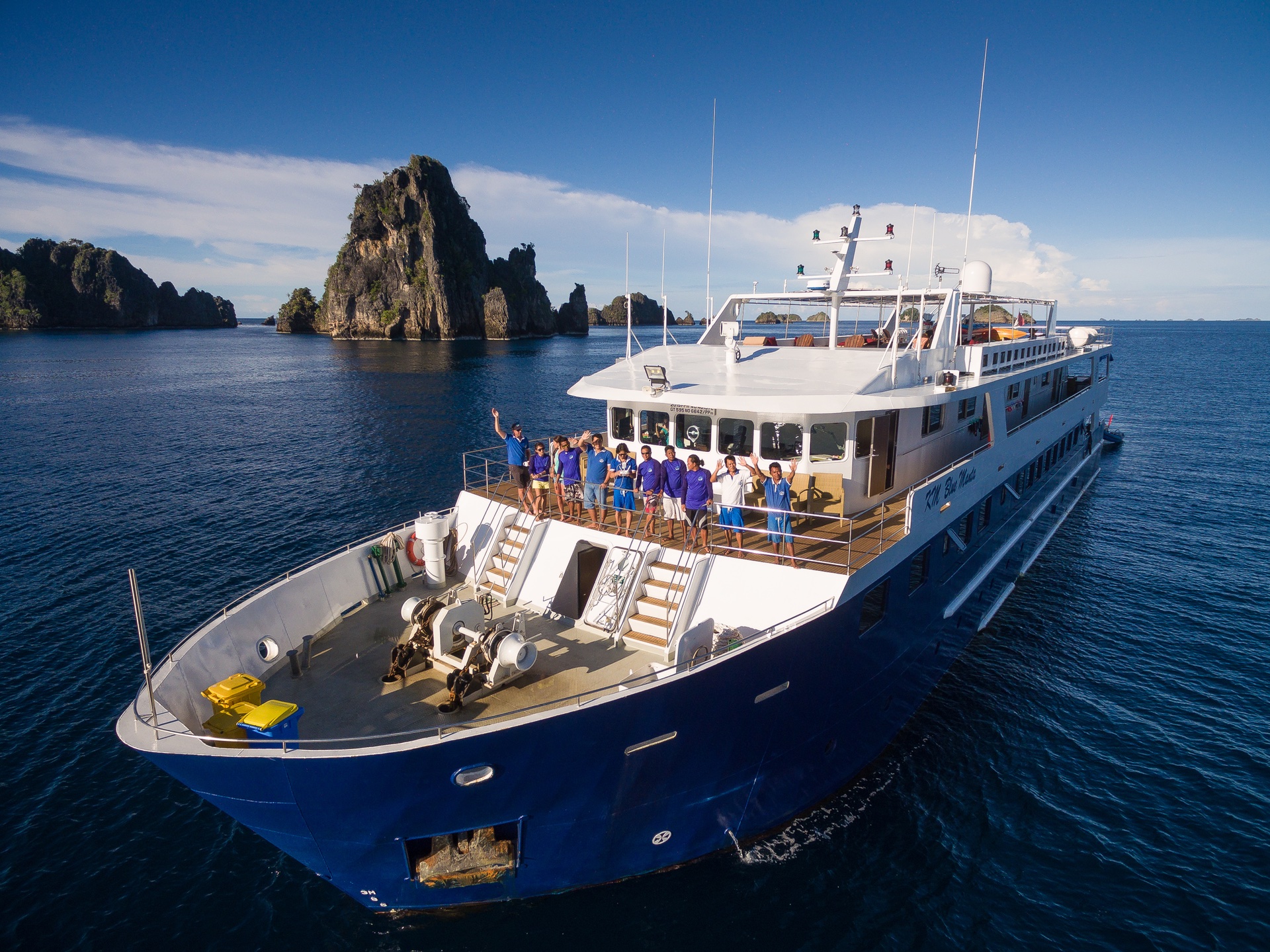
Blue Manta
Indonesia
20 guests45 m
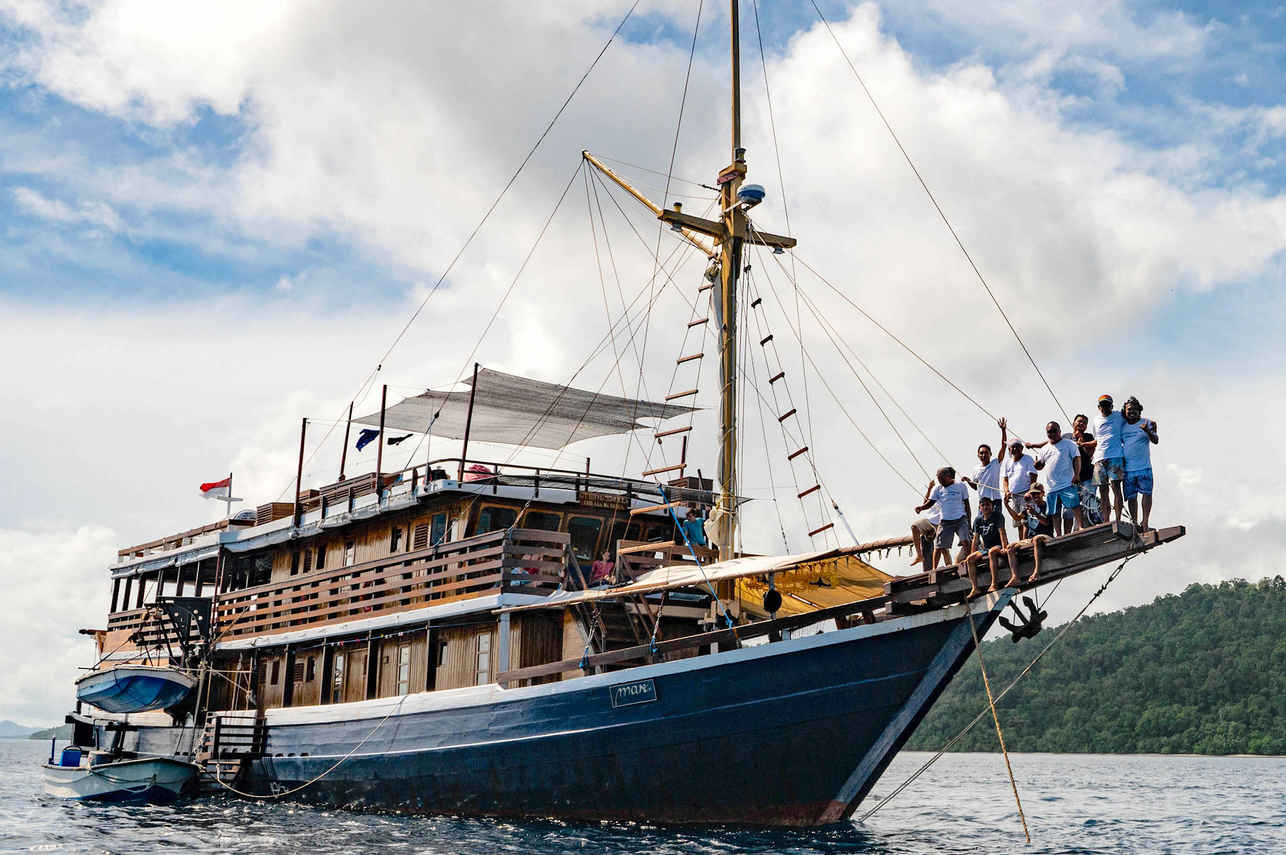
Mari
Indonesia
14 guests32.2 m
$328/day
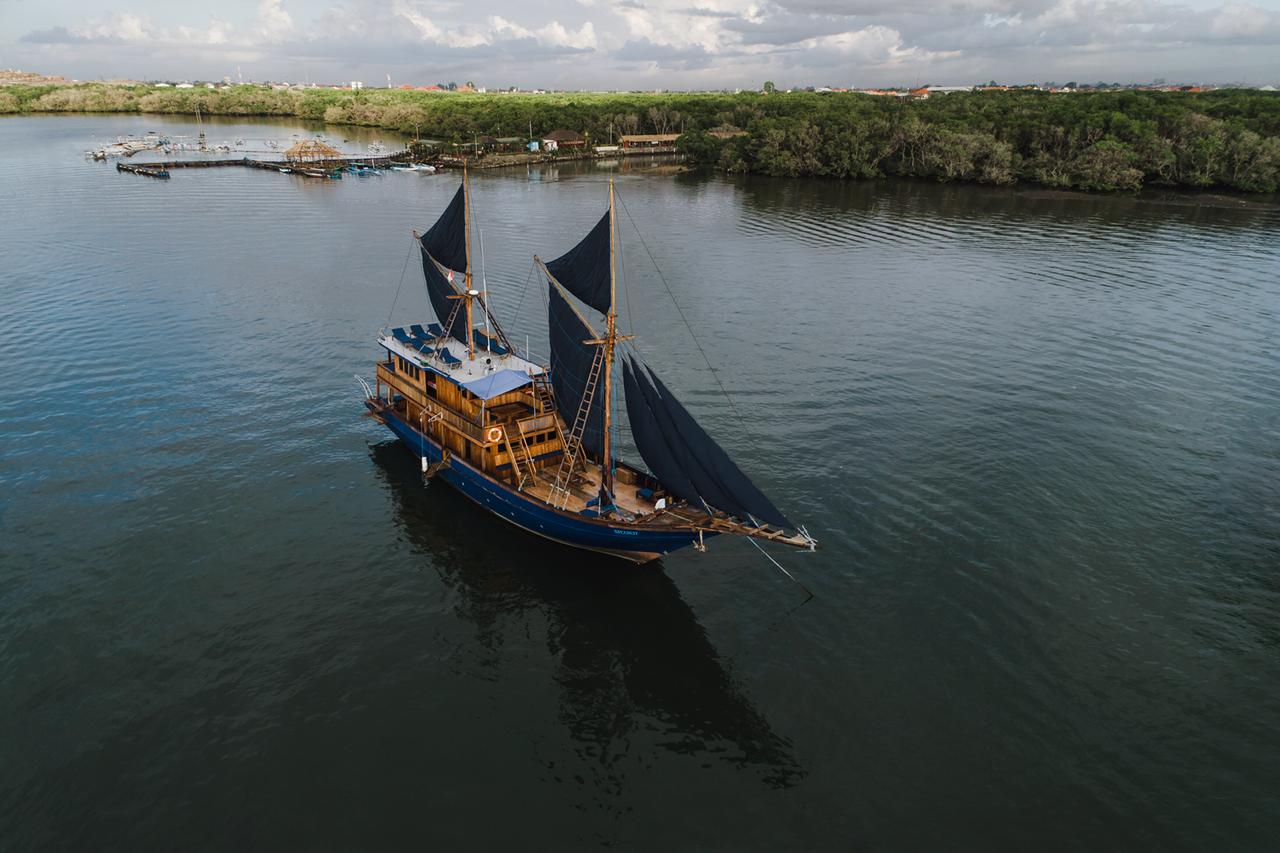
Situju7
Komodo, Indonesia
10 guests32.7 m
$362/day
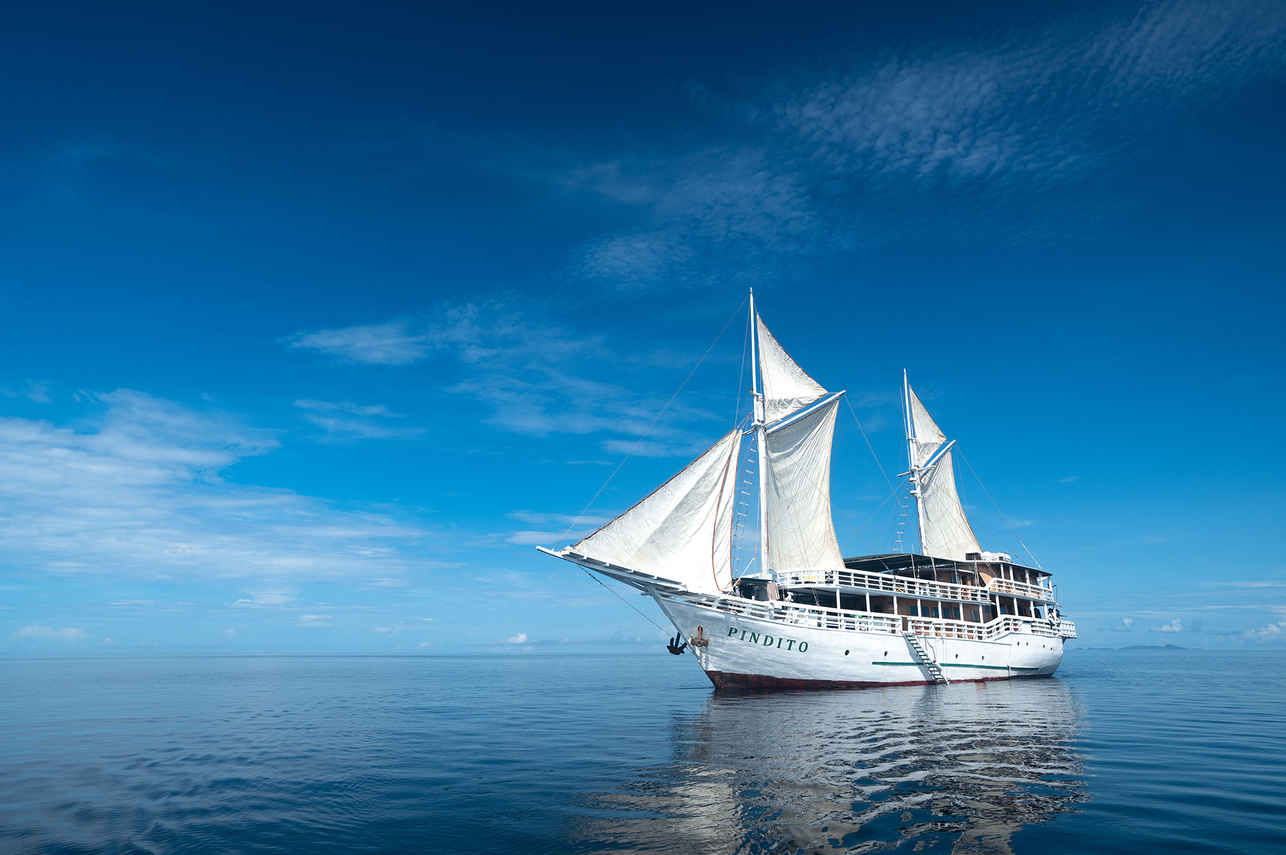
Pindito
Indonesia
16 guests37.79 m
$533/day
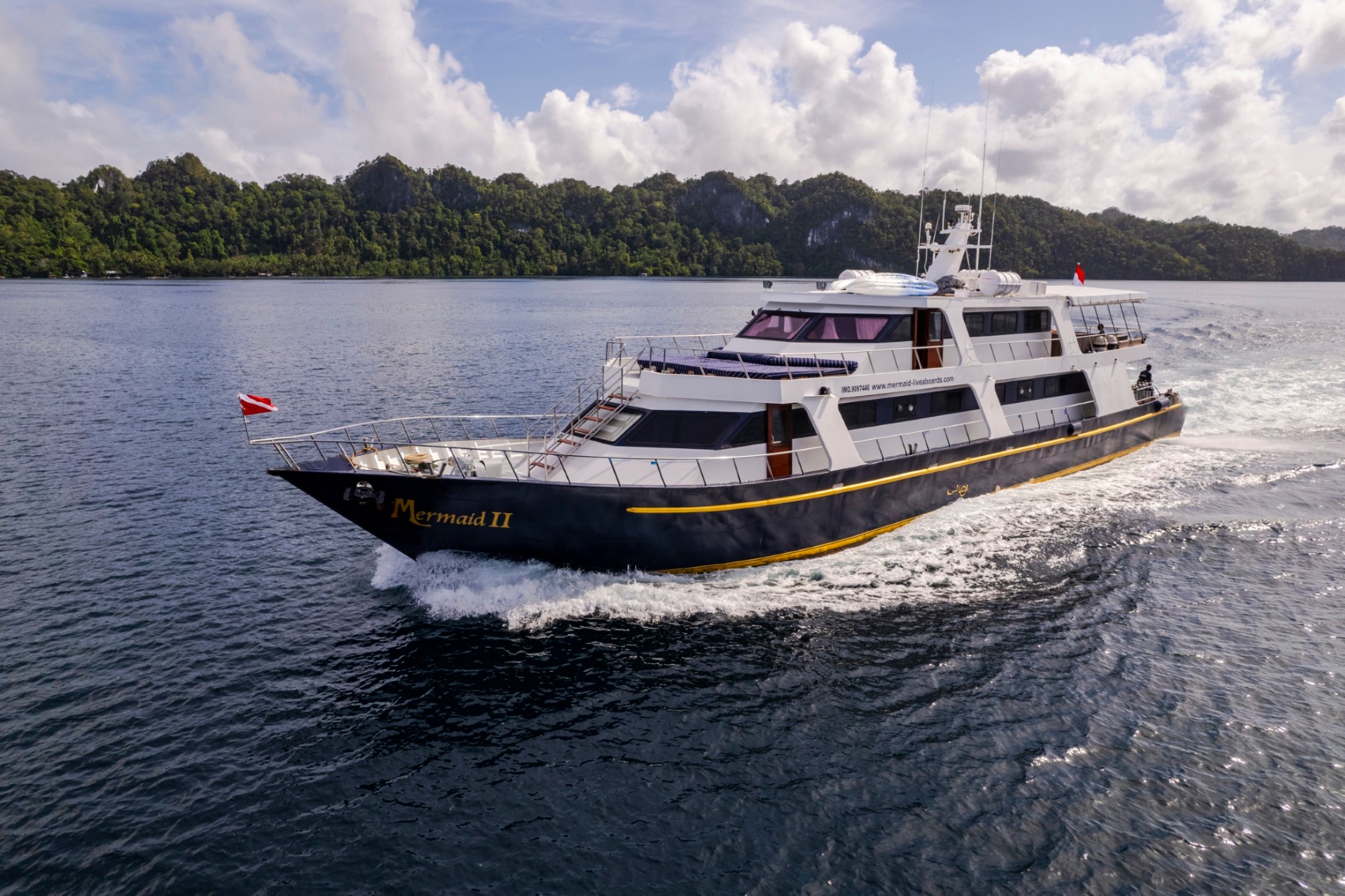
Mermaid II
Komodo, Indonesia
18 guests
$356/day
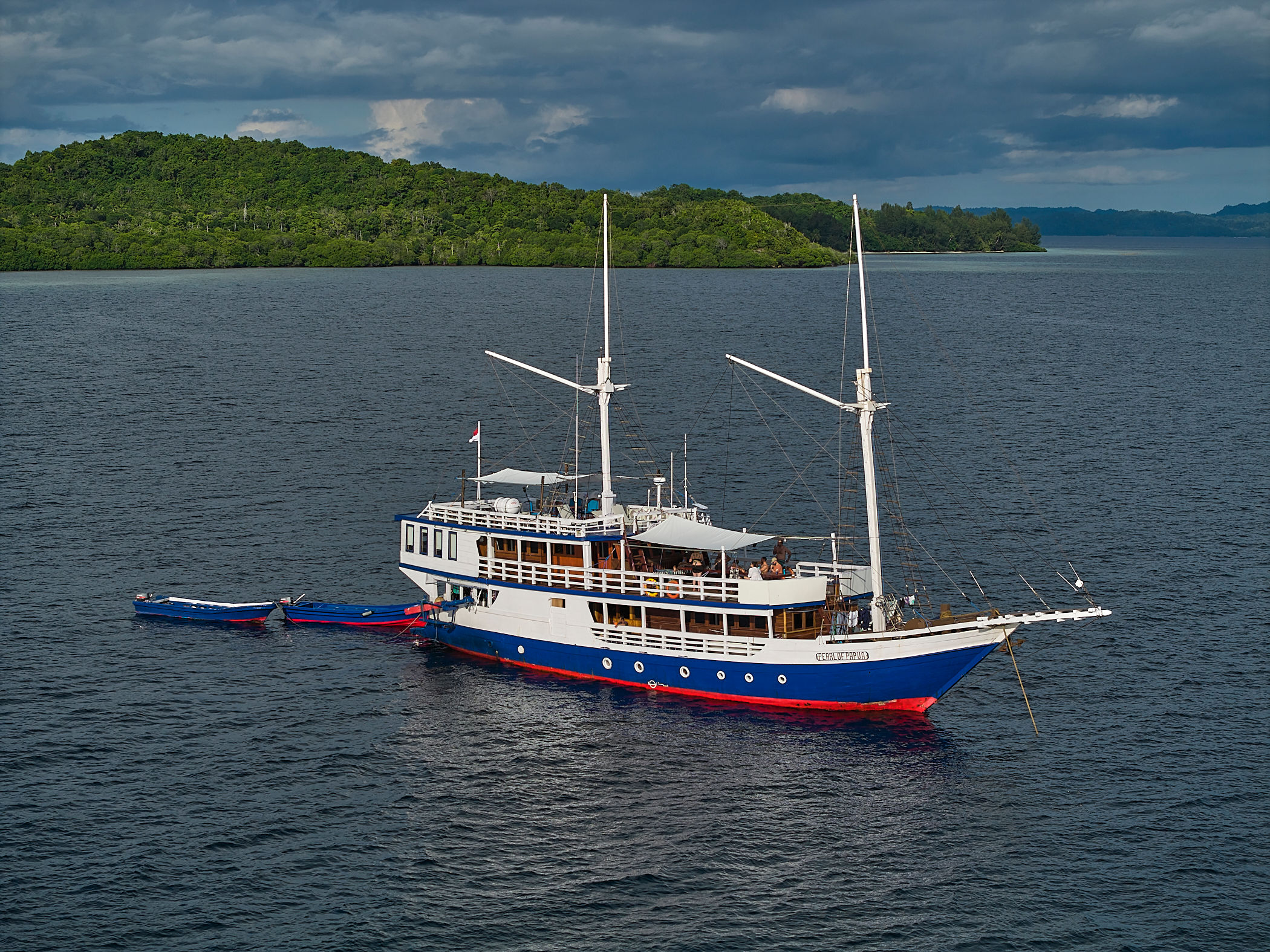
Pearl of Papua
Raja Ampat, Indonesia
14 guests30 m
$303/day
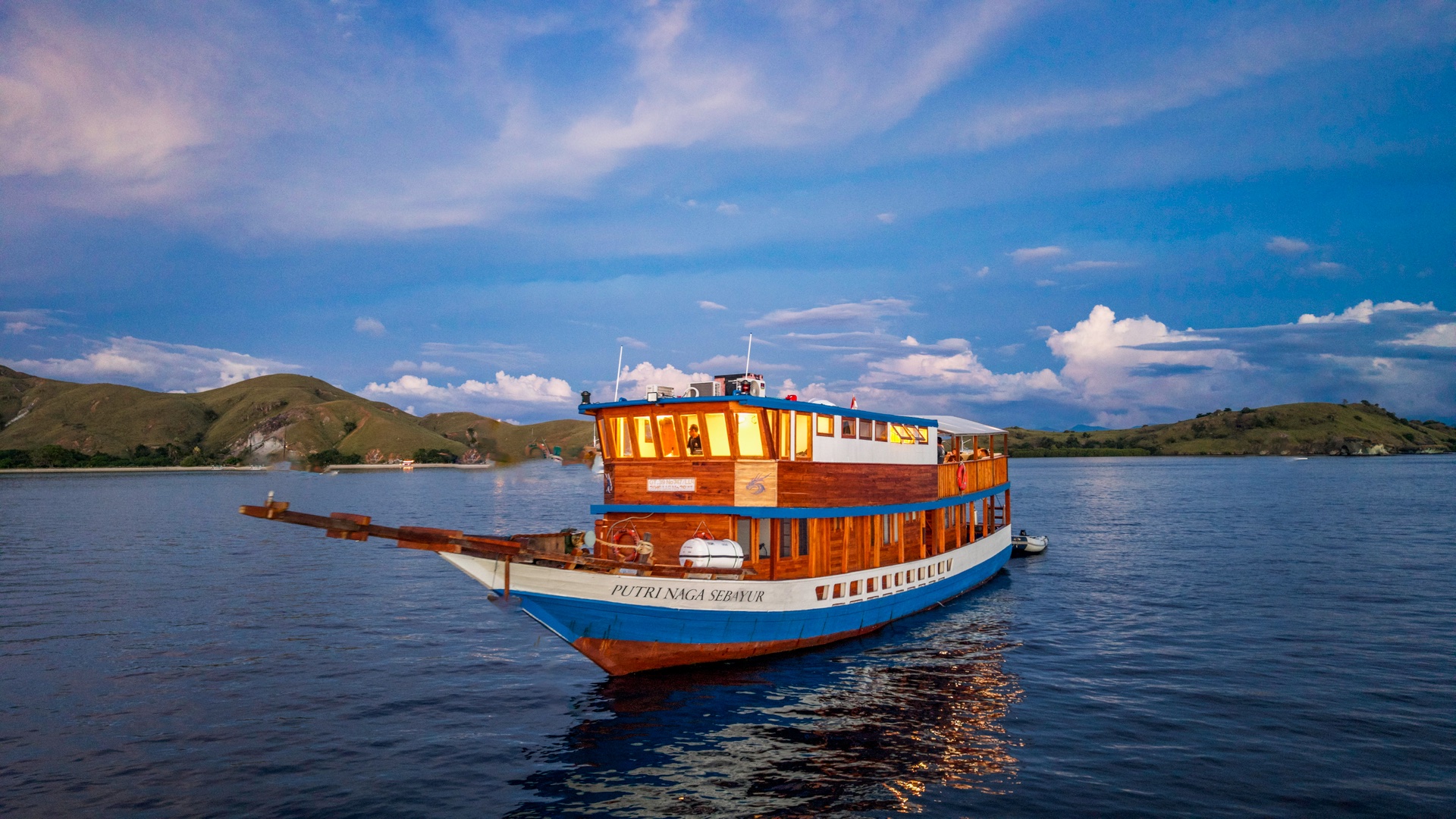
Putri Naga
Komodo, Indonesia
6 guests25 m
Dive sites similar to Tanjung Kopi
Same character, same waters — six more sites divers love for the exact same reasons.Compare seasons, access and liveaboard routes — then pick the site that fits your trip best.
© Esri — Maxar, Earthstar, GIS
Adonara Wall
Indonesia
Adonara is an Indonesian island dive site, renowned for its vibrant underwater topography characterized by submerged seamounts.
- Suitable for
- Intermediate
- Current
- Strong
- Access
- Liveaboard or dayboat
- Depth
- 5–35 m
- Theme
- Seamount / Wall
Babylon is a captivating dive site located in the Alor Sea, renowned for its exceptional visibility and vibrant marine ecosystem.
- Suitable for
- Intermediate
- Current
- Strong
- Access
- Liveaboard or dayboat
- Depth
- 3–20 m
- Theme
- Reef / Wall
© Esri — Maxar, Earthstar, GIS
Shark Close
Indonesia
Shark Close is an exhilarating dive site in the Indonesian portion of Borneo, renowned for its strong currents and abundant marine life.
- Suitable for
- Advanced
- Current
- Strong
- Access
- Liveaboard or dayboat
- Depth
- 5–25 m
- Theme
- Channel / Drift
Wakatobi, an acronym for the islands of Wangi-Wangi, Kaledupa, Tomia, and Binongko, lies in Southeast Sulawesi, Indonesia, at the heart of the Coral Triangle.
- Suitable for
- Beginner
- Current
- No current
- Access
- Liveaboard only
- Depth
- 5–30 m
- Theme
- Wall / Reef
© Esri — Maxar, Earthstar, GIS
Raymond’s Point
Indonesia
Raymond's Point is a distinguished dive site located south of Mike's Point within the Bunaken National Marine Park, renowned for its dramatic vertical wall.
- Suitable for
- Advanced
- Current
- Strong
- Access
- Dayboat
- Depth
- 5–35 m
- Theme
- Reef / Wall
© Esri — Maxar, Earthstar, GIS
Manado Tua
Indonesia
Manado Tua, or 'Old Manado,' is one of five islands that form the Bunaken Marine Park, a celebrated marine protected area in North Sulawesi, Indonesia.
- Suitable for
- Intermediate
- Current
- Moderate
- Access
- Dayboat
- Depth
- 5–80 m
- Theme
- Wall / Drift