About Ron’s Point
Ron’s Point is a distinguished dive site located on the southwest corner of Bunaken Island, Indonesia, within the renowned Bunaken National Marine Park. It features a sloping reef that extends outwards, culminating in a significant plateau found at depths between 35 and 40 meters. This unique topography, positioned right at the edge of the island’s fringing reef, creates an excellent environment for encountering larger marine life. Diving here often involves a progression from the shallower, sloped reef, where divers can spot a variety of reef inhabitants, to the deeper plateau. The site is a prime location for observing pelagic species, which are frequently seen passing through the open water. While the main draw is the pelagic action, the shallower sections of the sloping reef can also offer macro opportunities, particularly during periods of slack current. The dive experience here is dynamic, with currents sometimes being moderate to strong, making it particularly rewarding for experienced divers comfortable with water movement.
Highlights
Sloping reef to deep plateauPelagic species encountersSharks and eagle raysBunaken National Marine ParkModerate to strong currents
Best Season
The best time to dive Ron's Point is generally during the dry season from April to October. This period typically offers calmer seas and better visibility, enhancing the chances of clear pelagic sightings. However, diving is possible year-round.
Dive site facts: Ron’s Point
- Depth
- Shallow reef to 35–40 m
- Current
- Moderate to strong
- Entry
- Boat
- Level
- Advanced recommended
- Dive type
- Sloping reef, wall, pelagic
- Region / port
- Bunaken, North Sulawesi
- Coordinates
- 4.6705° S, 123.9026° E
Conditions & Currents
Ron's Point is frequently characterized by moderate to strong currents, especially when positioned for pelagic sightings. Divers will often start their descent upstream and drift along the site, allowing the current to carry them over the plateau while looking for large marine life. Entry is typically made from a day boat, with divers often dropping in upstream to maximize the drift. Surface conditions can vary, but strong currents below necessitate good buoyancy control and experience with drift diving. Visibility can be excellent, though it may vary depending on current direction and plankton presence, which can attract pelagics. This site is best suited for experienced divers who are comfortable with significant water movement.
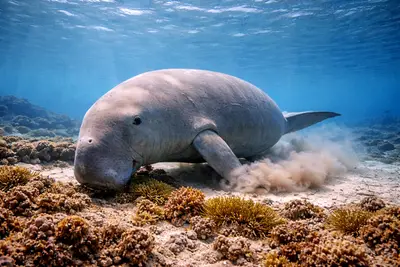
Marine life & sighting chances
Dive profile & how the dive runs
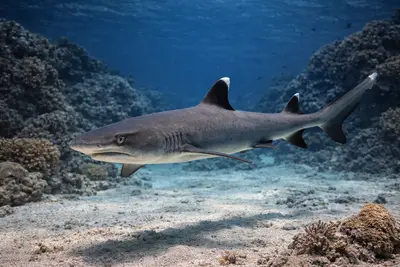
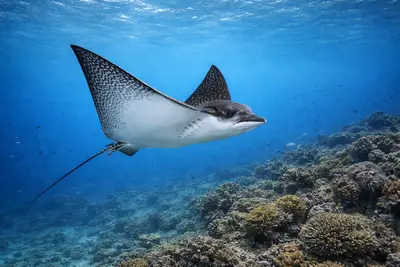
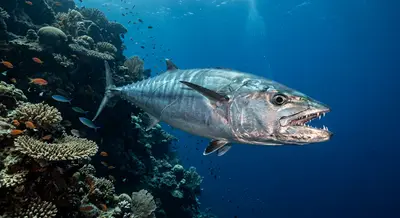
A typical dive at Ron’s Point begins with a boat entry, often an upstream drop, as currents can be moderate to strong. Divers quickly descend to the shallower sloping reef, observing the coral formations and smaller marine life as they transition deeper. The main objective is often to reach the edge of the large plateau, which lies at depths of 35 to 40 meters. Here, divers spend the majority of the dive hanging in the blue, scanning for pelagic species like sharks, tuna, and eagle rays that frequent this area. The current dictates much of the dive, leading divers along the reef or over the plateau. Towards the end of the dive, the focus shifts to the shallower parts of the sloping reef for the safety stop, with divers gradually ascending before surfacing near the boat.
Underwater photography
For Ron's Point, wide-angle photography is highly recommended to capture the expansive reef topography and the potential encounters with large pelagic animals like sharks and eagle rays. A wide-angle lens allows you to frame the blue water action and the transition from the sloping reef to the deep plateau. Given the possibility of strong currents, good buoyancy control is essential to maintain position for shots and avoid stirring up sediment. Using strobes can help bring out the vibrant colors of the coral and fish in the shallower sections. While primarily a wide-angle site, macro opportunities might exist in sheltered nooks during slack tide, so a compact setup or a second dive with a macro lens could be considered for dedicated macro enthusiasts.
Combine with nearby dive sites
- Fukui Point
Often combined with Ron's Point due to proximity and gentle slopes.
- Mandolin
Located nearby and offers excellent drift diving with potential for sharks and tuna.
- Lekuan II
A popular wall dive known for turtles and vibrant reef life.
- Sachiko’s Point
Known for wire corals, Napoleon wrasse, and green turtles.
- Bunaken Timur
Features coral gardens, turtles, and macro life.
Getting there & logistics
Ron’s Point is part of the Bunaken National Marine Park in North Sulawesi, Indonesia. Access typically involves flying into Sam Ratulangi International Airport (MDC) in Manado. From there, it's a 45-minute to one-hour boat ride to resorts located on Bunaken, Siladen, or other islands within the park. Most diving at Ron’s Point is conducted via day boats from these resorts, often as part of a multi-dive itinerary. Park entry permits are required for all divers. Trip lengths vary, but most divers stay for several days to a week to explore the diverse sites of Bunaken. This site is frequently combined with other wall and slope dives in the Bunaken area.
Safety & environment
Divers at Ron’s Point should be prepared for potentially strong currents, which necessitate excellent buoyancy control and comfort with drift diving techniques. It is crucial to dive with a local guide familiar with the site's current patterns. The nearest recompression chamber is located in Manado, approximately an hour's boat ride from Bunaken, followed by land transport. Divers should always carry valid dive insurance that covers medical emergencies and evacuation. Due to the depths involved on the plateau (35-40m), appropriate certification and gas planning are essential. Always monitor your bottom time and no-decompression limits, and ensure your dive computer is set correctly.
Who it suits — and who it doesn't
Suited for
- Experienced divers
- Divers comfortable with currents
- Pelagic enthusiasts
- Advanced Open Water certified divers
Less suited for
- Beginner divers
- Divers uncomfortable with drift diving
- Divers prone to seasickness
- Divers seeking only calm, shallow sites
FAQ
Ron’s Point FAQ
What kind of currents can be expected at Ron's Point?
Ron's Point is known for moderate to strong currents, which can make for an exhilarating drift dive experience. Divers should be comfortable with significant water movement and be proficient in drift diving techniques. Your dive guide will assess the conditions and plan the dive accordingly to maximize safety and enjoyment.
What marine life is commonly seen at Ron's Point?
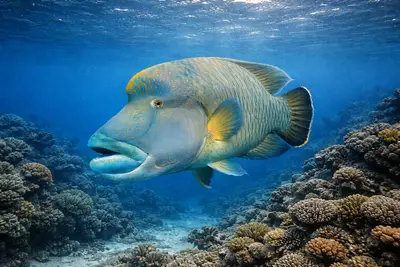
This site is a prime location for encountering pelagic species. Divers frequently spot whitetip reef sharks, eagle rays, and various types of tuna. Occasionally, lucky divers might even spot a dugong in the shallower areas. The sloping reef also hosts a diverse array of reef fish and invertebrates.
What is the typical depth range for diving Ron's Point?
Ron's Point features a sloping reef that starts shallower and extends to a large plateau. The recreational depth on the plateau typically ranges from 35 to 40 meters. Divers will often explore shallower sections of the reef before or after venturing to the deeper plateau to look for pelagics.
Is Ron's Point suitable for beginner divers?
Due to the potential for strong currents and the deeper sections of the plateau, Ron's Point is generally recommended for more experienced divers. Advanced Open Water certification and comfort with drift diving are highly advisable. Beginners may find the conditions challenging and should consult with their dive operator for alternative, calmer sites.
How is Ron's Point usually dived?
Ron's Point is typically dived as a drift dive from a boat. Divers usually enter upstream and allow the current to carry them along the sloping reef and over the deeper plateau. The emphasis is often on observing the open blue water for pelagic activity. The dive concludes with a safety stop in shallower, often more protected, areas of the reef.
Why dive Ron’s Point from a liveaboard?
Ron’s Point is one of Indonesia's signature dive sites. A liveaboard sleeps you on the water and puts you in the water for three to four guided dives per day, including dawn and night dives that day-boat operators rarely offer. You skip the daily commute back to port and reach quieter, less-crowded sites in the same region on a single trip.
Below are the liveaboards that include Ron’s Point on their Indonesia itineraries.
Liveaboards diving Ron’s Point
These liveaboards may visit Ron’s Point on selected itineraries — the exact dive sites depend on departure, weather and conditions.
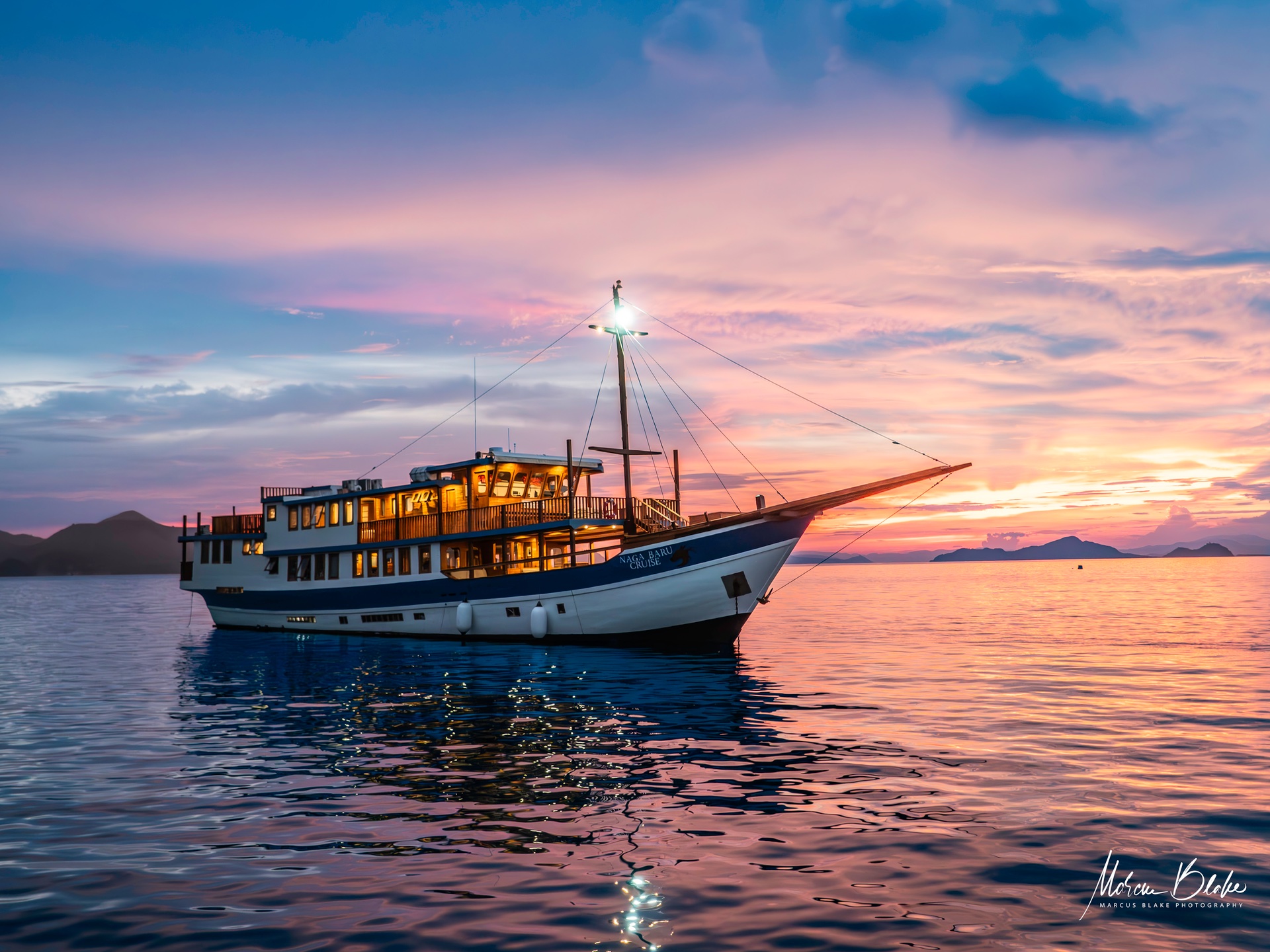
Naga Biru
Indonesia
12 guests40 m
$273/day
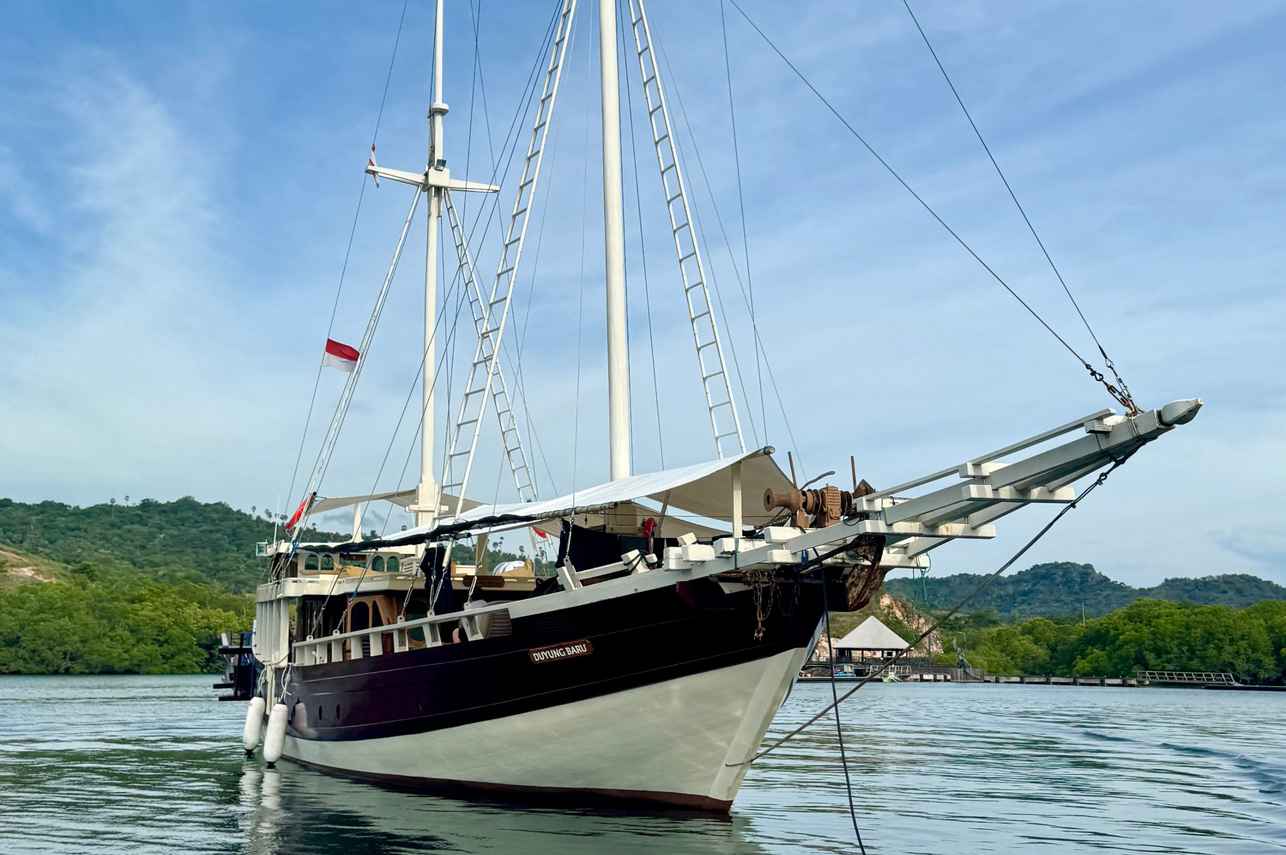
Ecopro Duyung Baru
Indonesia
6 guests27 m
$361/day
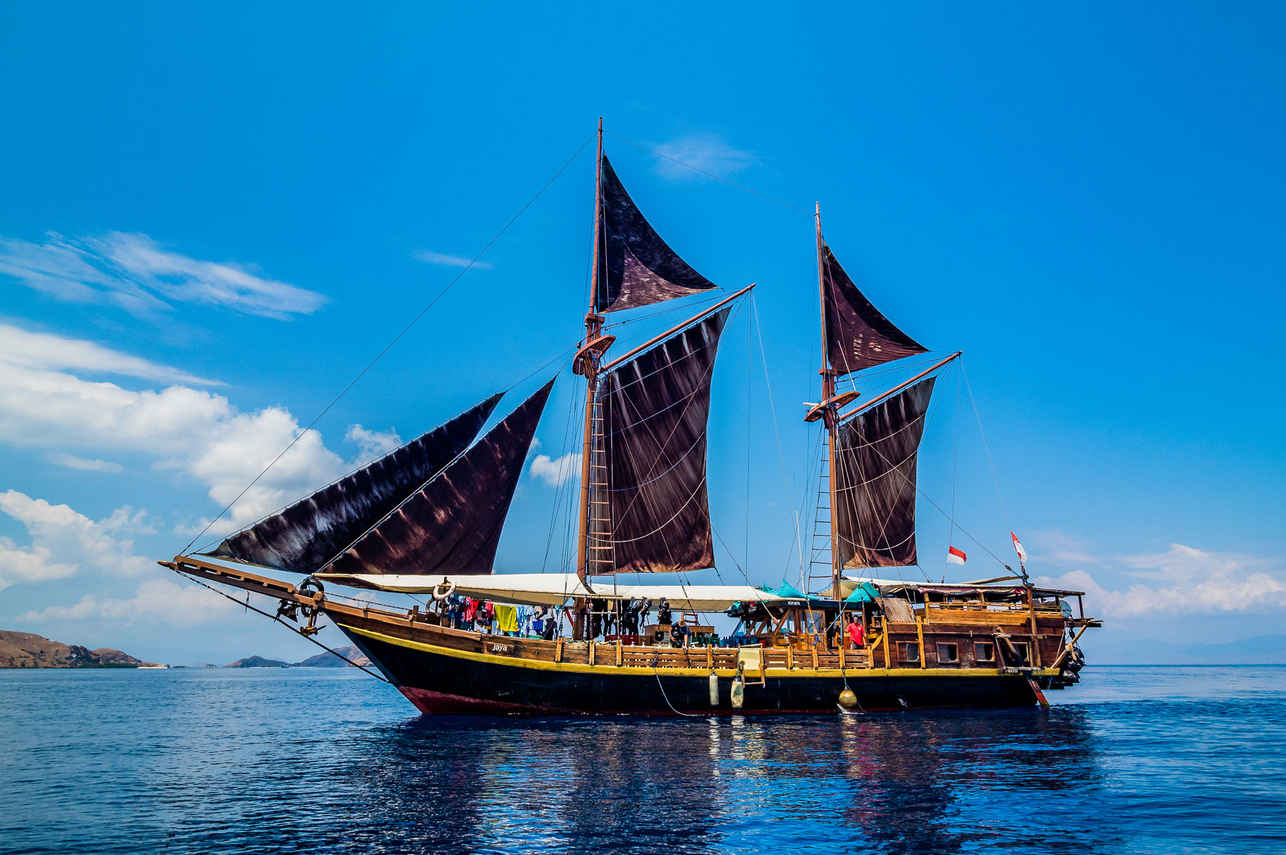
Jaya
Indonesia
14 guests23 m
$280/day
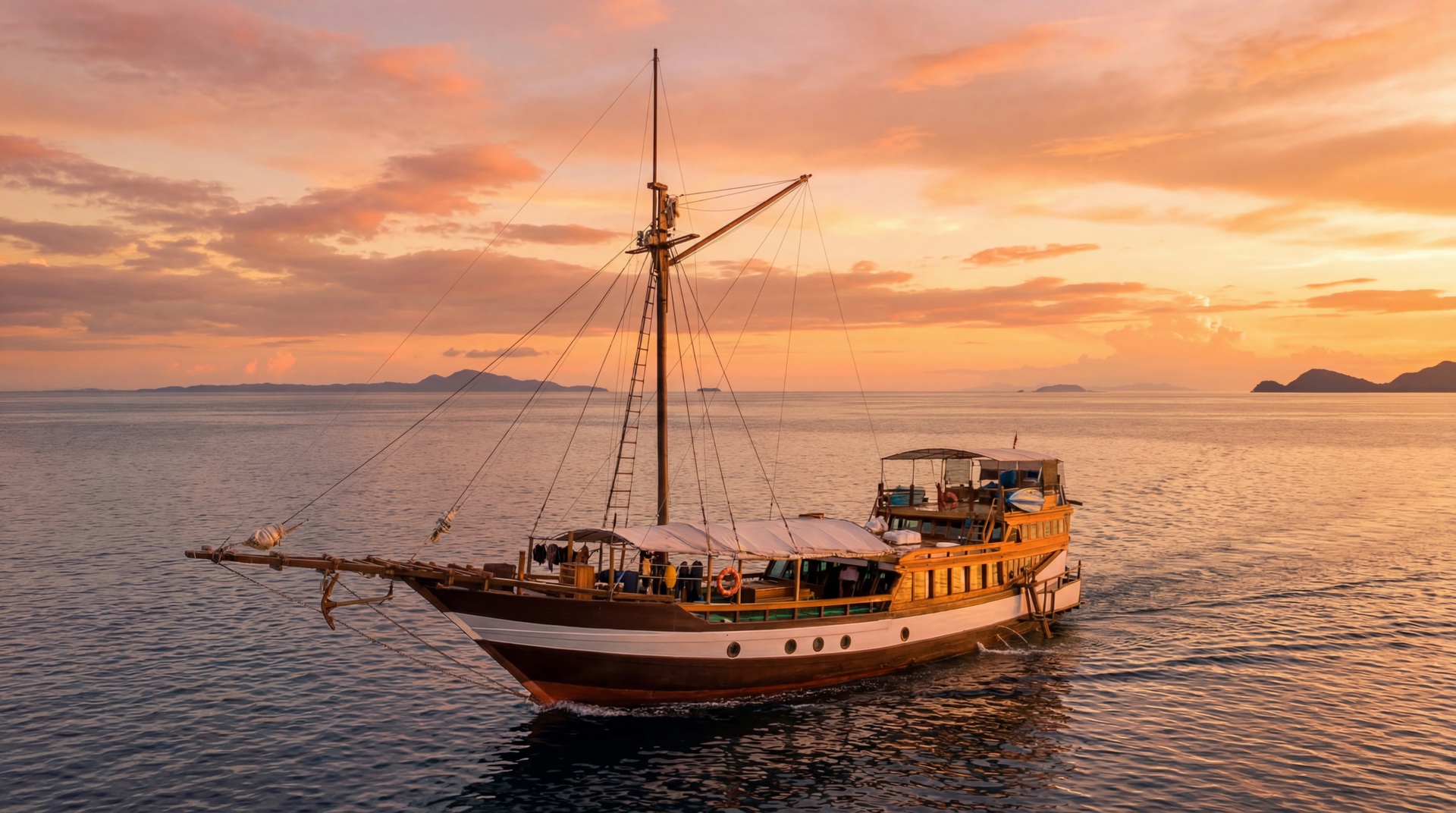
Wellenreng
Indonesia
9 guests25 m
$426/day
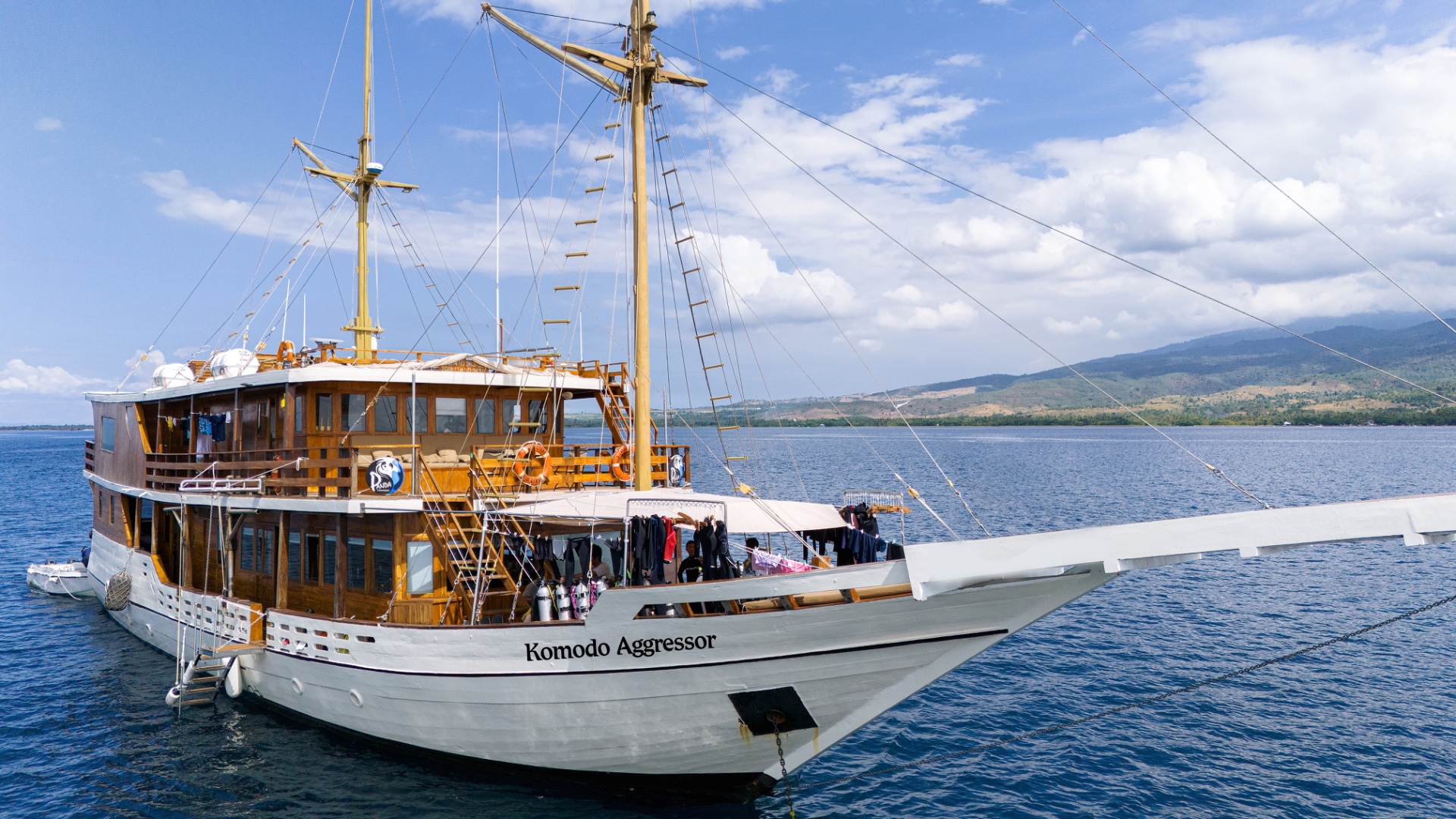
Komodo Aggressor
Komodo, Indonesia
16 guests29 m
$312/day
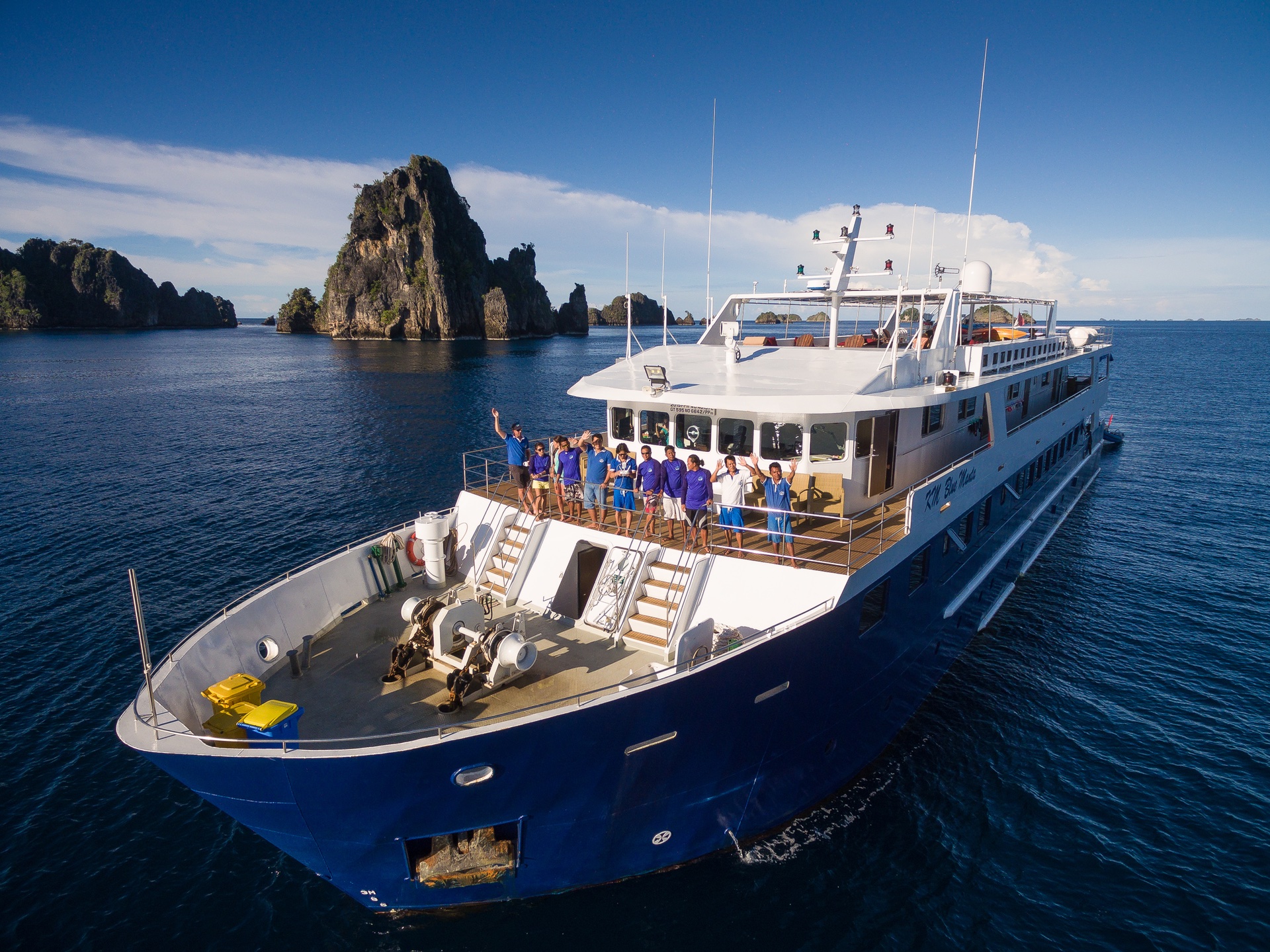
Blue Manta
Indonesia
20 guests45 m
$488/day
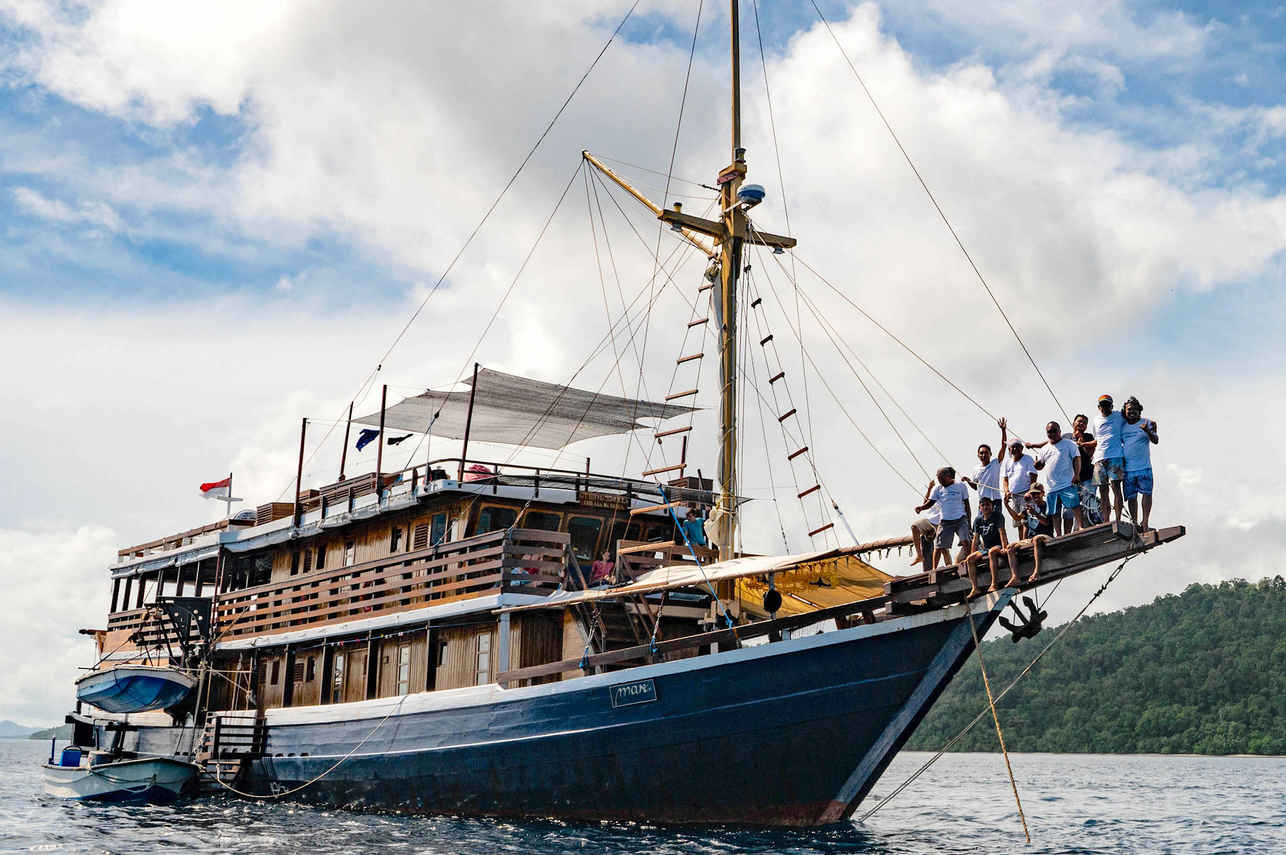
Mari
Indonesia
14 guests32.2 m
$327/day
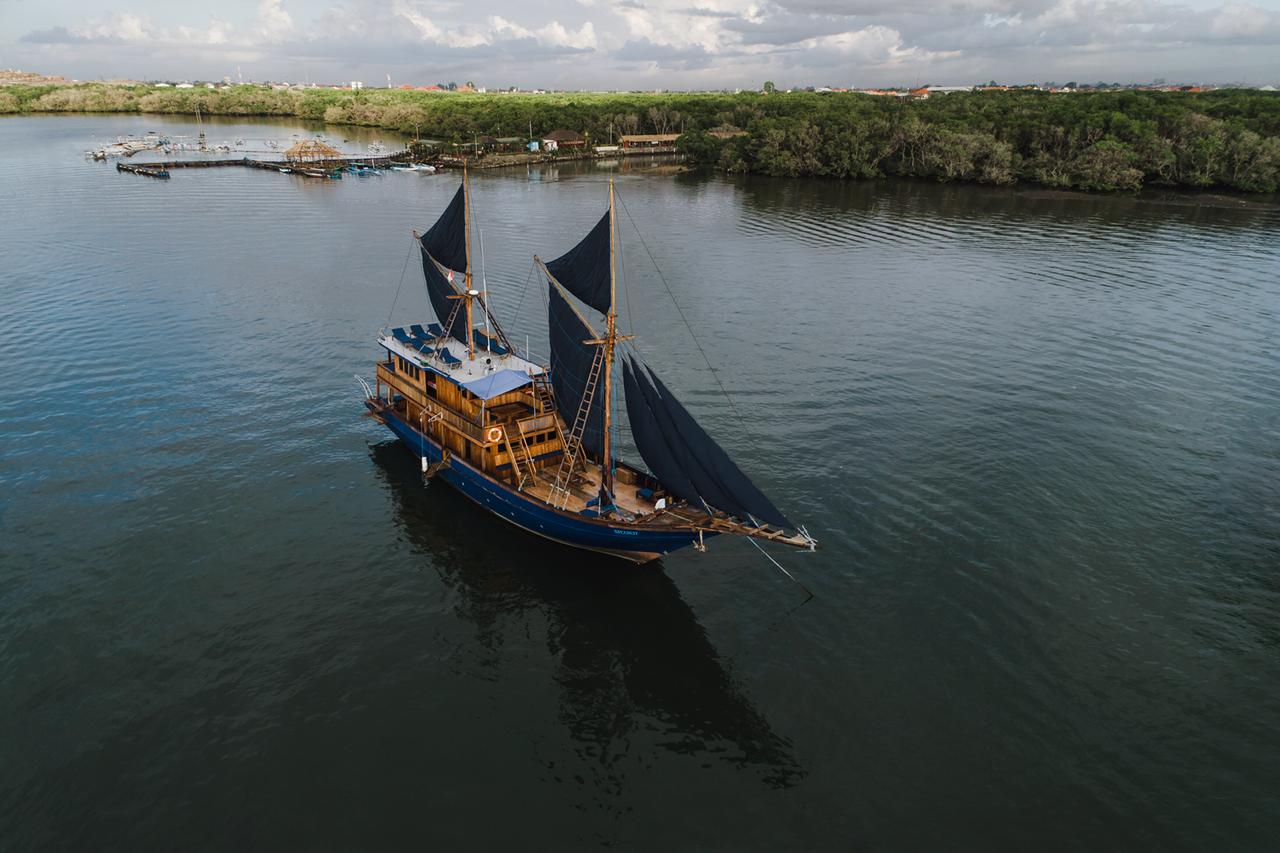
Situju7
Komodo, Indonesia
10 guests32.7 m
$362/day
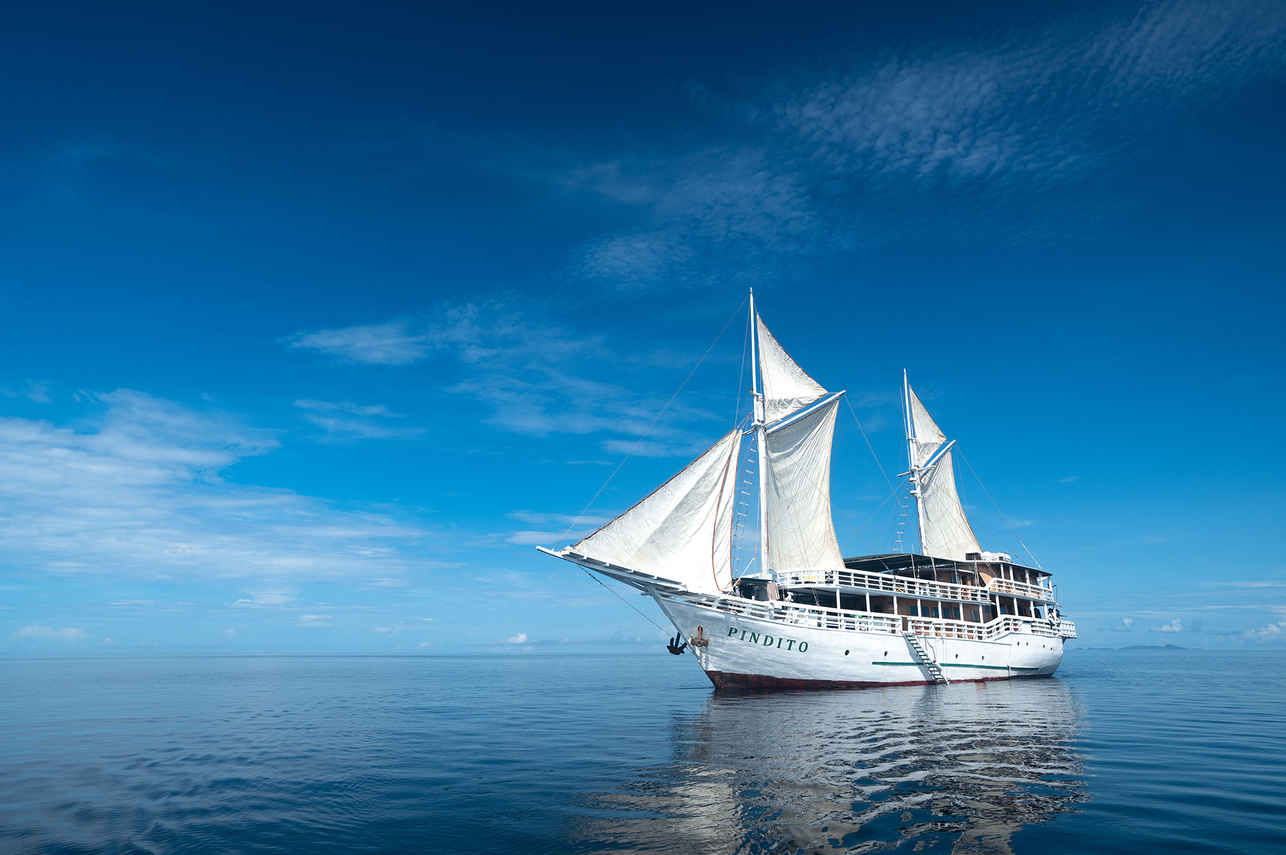
Pindito
Indonesia
16 guests37.79 m
$533/day
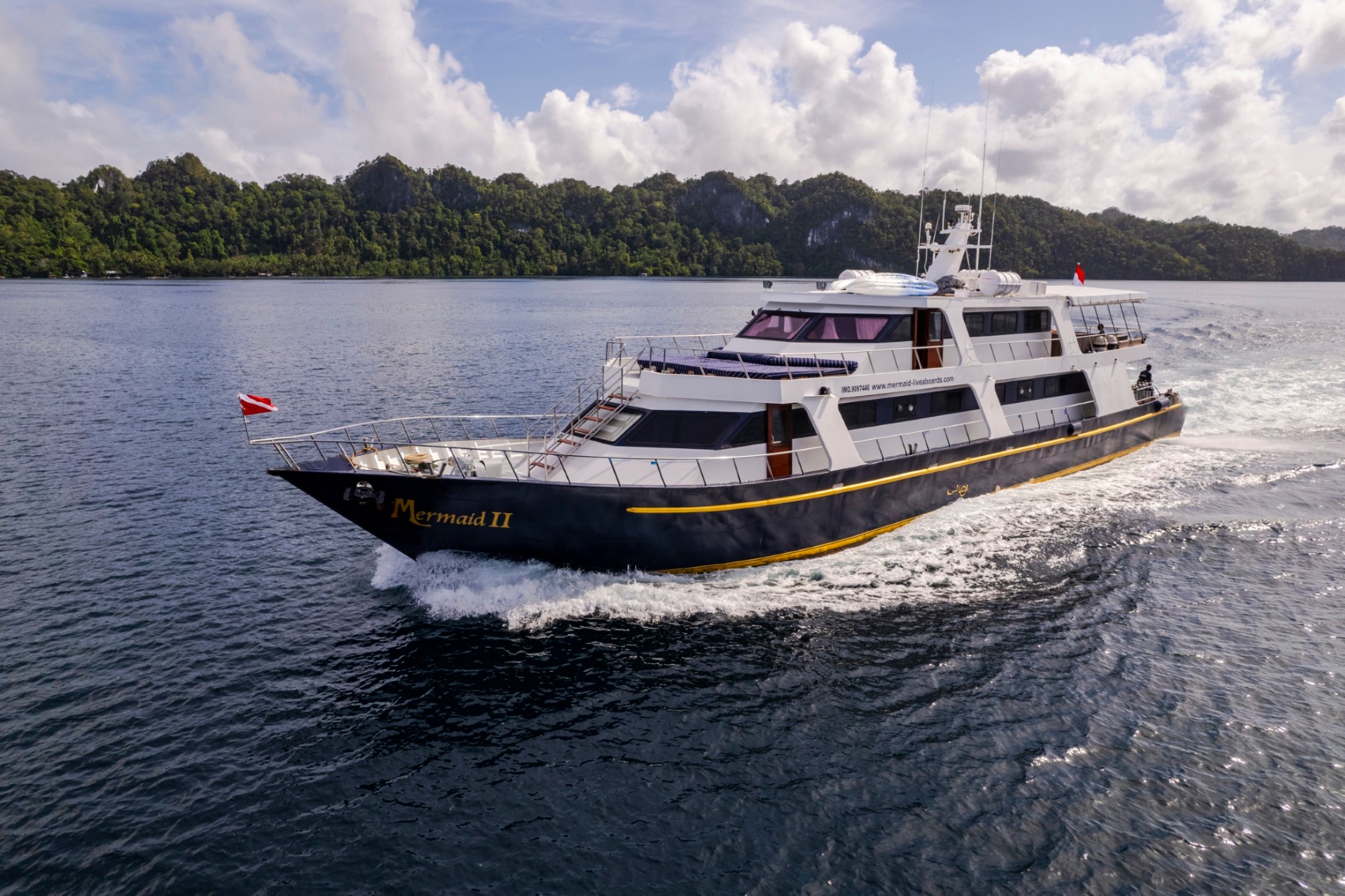
Mermaid II
Komodo, Indonesia
18 guests
$354/day
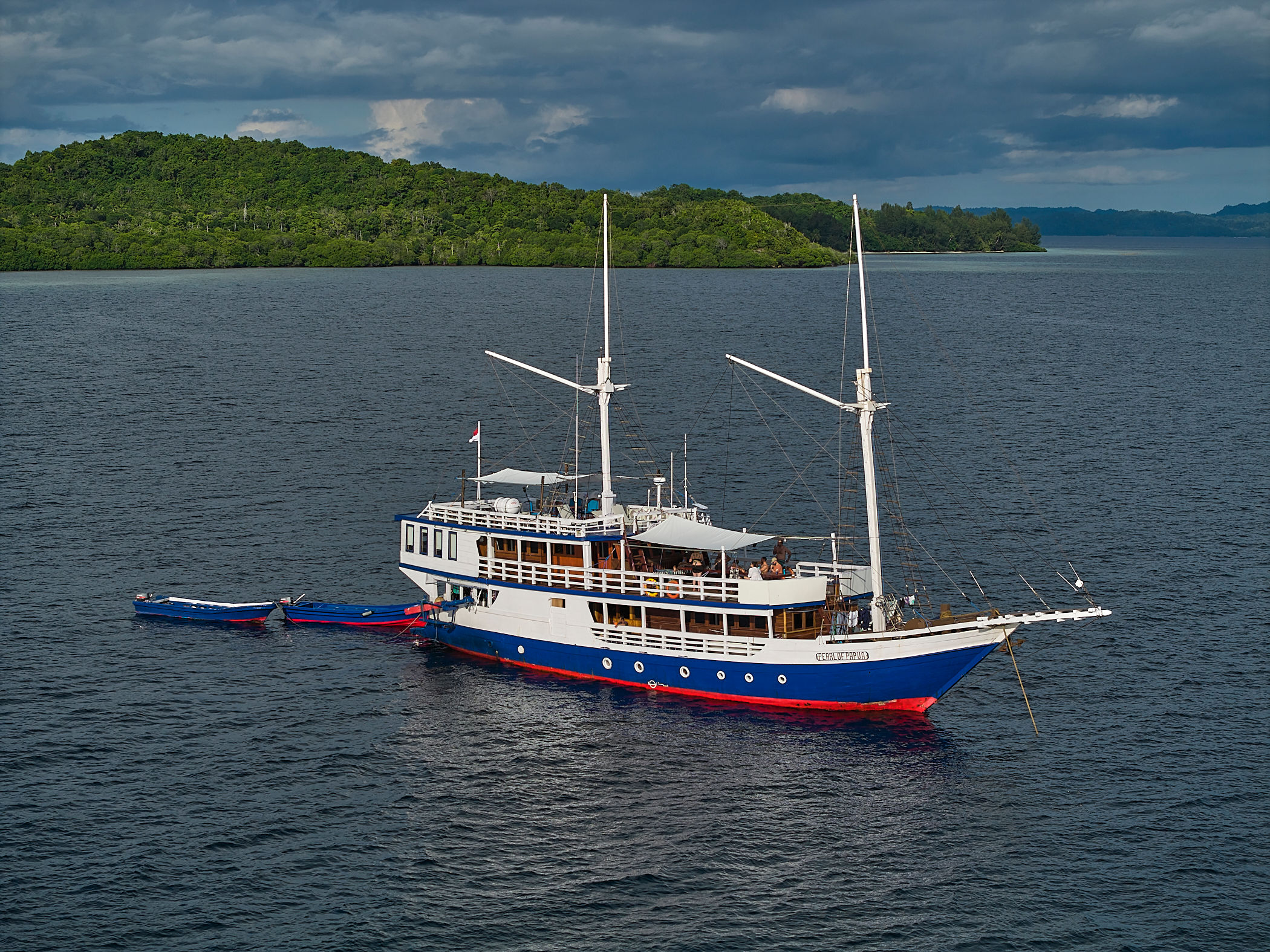
Pearl of Papua
Raja Ampat, Indonesia
14 guests30 m
$303/day
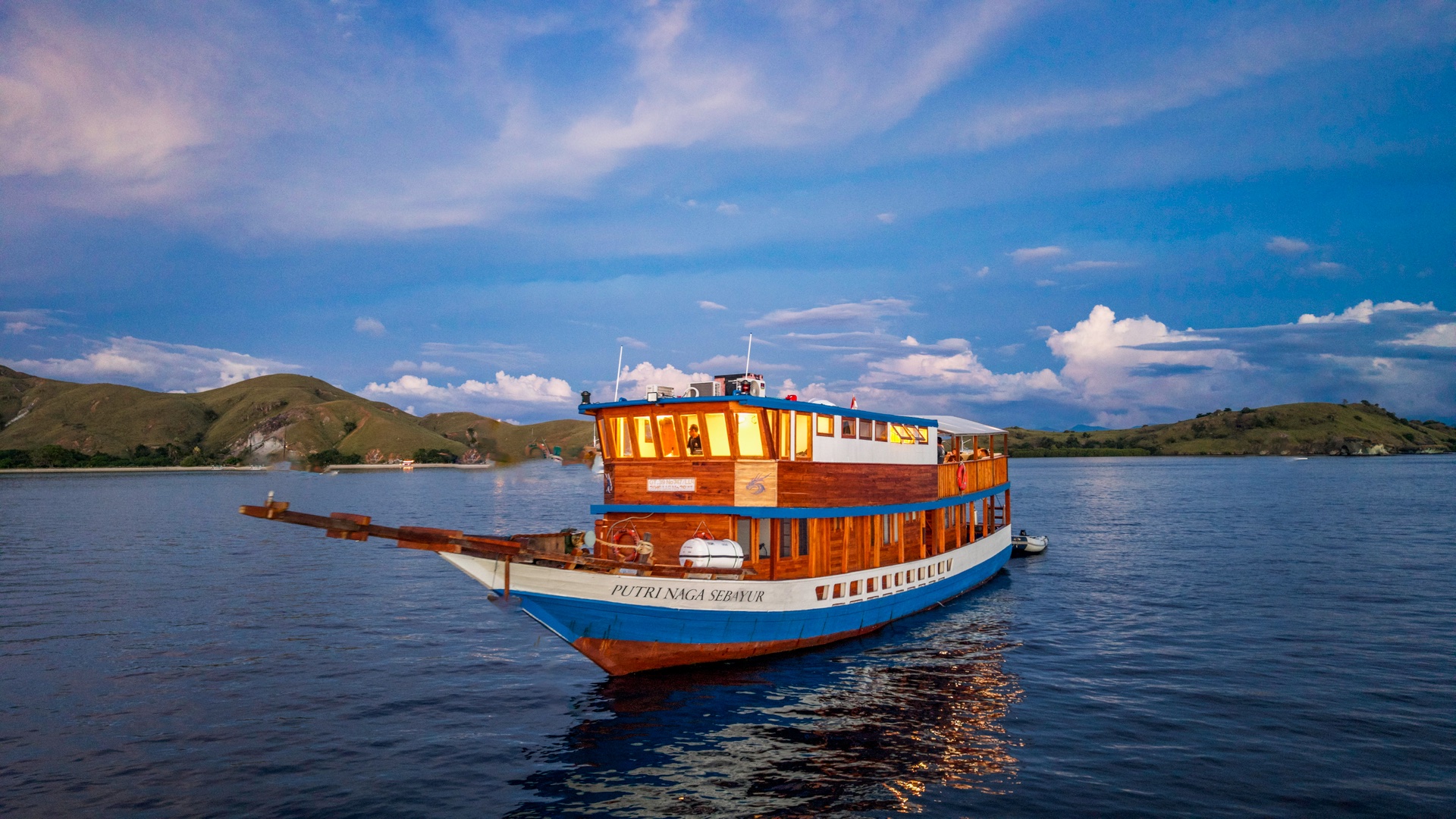
Putri Naga
Komodo, Indonesia
6 guests25 m
$222/day
Dive sites similar to Ron’s Point
Same character, same waters — six more sites divers love for the exact same reasons.Compare seasons, access and liveaboard routes — then pick the site that fits your trip best.
© Esri — Maxar, Earthstar, GIS
Adonara Wall
Indonesia
Adonara is an Indonesian island dive site, renowned for its vibrant underwater topography characterized by submerged seamounts.
- Suitable for
- Intermediate
- Current
- Strong
- Access
- Liveaboard or dayboat
- Depth
- 5–35 m
- Theme
- Seamount / Wall
© Esri — Maxar, Earthstar, GIS
Mawali Wreck
Indonesia
The Mawali Wreck, a Japanese cargo ship, rests on its side in the Lembeh Strait, off the northern coast of Sulawesi.
- Suitable for
- Advanced
- Current
- Mild
- Access
- Liveaboard only
- Depth
- 25–40 m
- Theme
- Wreck / Reef
Aljui Bay, located in Raja Ampat's remote northern reaches, was discovered as a premier snorkeling and diving destination by chance in 2011. This bay, situated within the broader…
- Suitable for
- Beginner
- Current
- Mild
- Access
- Liveaboard only
- Depth
- ≤ 20 m
- Theme
- Reef
© Esri — Maxar, Earthstar, GIS
Shark Close
Indonesia
Shark Close is an exhilarating dive site in the Indonesian portion of Borneo, renowned for its strong currents and abundant marine life.
- Suitable for
- Advanced
- Current
- Strong
- Access
- Liveaboard or dayboat
- Depth
- 5–25 m
- Theme
- Channel / Drift
Wakatobi, an acronym for the islands of Wangi-Wangi, Kaledupa, Tomia, and Binongko, lies in Southeast Sulawesi, Indonesia, at the heart of the Coral Triangle.
- Suitable for
- Beginner
- Current
- No current
- Access
- Liveaboard only
- Depth
- 5–30 m
- Theme
- Wall / Reef
© Esri — Maxar, Earthstar, GIS
Cornucopia
Indonesia
Cornucopia, aptly named the 'horn of plenty,' is celebrated as Wakatobi's most spectacular wall dive, offering a diverse and nutrient-rich underwater environment.
- Suitable for
- Intermediate
- Current
- Mild
- Access
- Liveaboard only
- Depth
- 5–40 m
- Theme
- Reef