About Bunaken Timur
Bunaken Timur is a renowned dive site situated on the eastern coast of Bunaken Island, forming a key part of the world-famous Bunaken Marine Park in North Sulawesi, Indonesia. This site is celebrated for its dramatic wall, which is richly adorned with hard and soft corals, plunging to a maximum depth of 40 meters. It serves as a prime example of the park's distinctive underwater topography, where reefs often drop sharply into deep basins. The shallow reef top of Bunaken Timur is particularly pristine, offering excellent conditions for snorkeling and supporting a thriving ecosystem. Divers can expect to encounter a healthy population of green and hawksbill turtles, frequently seen navigating the coral-encrusted wall. The site is also known for occasional sightings of larger pelagic species like eagle rays, while macro enthusiasts will find a variety of small critters tucked within the corals. Conditions are generally favorable, with mild to moderate currents and consistent water temperatures. This makes Bunaken Timur accessible and enjoyable for a range of diver experience levels. The excellent visibility, often exceeding 20 meters, further enhances the experience of drifting along this vibrant wall, observing the abundant marine life and intricate coral formations.
Highlights
Dramatic coral wallPristine shallow reef topAbundant green and hawksbill turtlesDiverse hard and soft coralsOccasional eagle raysRich macro lifeExcellent visibilityWorld-class wall diving
Season calendar
Best months to dive here
Jan
Feb
Mar
Apr
May
Jun
Jul
Aug
Sep
Oct
Nov
Dec
Excellent
Dive site facts: Bunaken Timur
- Depth
- 5–40 m
- Typical dive
- 23 m, 50–60 min (approx.)
- Current
- Mild to medium
- Visibility
- 15–30 m
- Water temperature
- 28–29 °C
- Entry
- Boat
- Level
- AOWD recommended
- Dive type
- Wall, reef, drift, macro
- Night dive
- Possible
- Region / port
- North Sulawesi, Indonesia
- Coordinates
- 1.5950° S, 124.7470° E
Conditions & Currents
Currents at Bunaken Timur are generally described as mild to medium, reflecting conditions typical of many Bunaken Marine Park sites. While often gentle, currents can change quickly, so divers should be prepared for drift diving procedures, which are commonly practiced in the park. Local operators often conduct current checks before dives, and guides typically carry SMBs for safe surfacing and boat pickup. Visibility averages 15-25 meters, often reaching up to 30 meters, but can be influenced by tidal movements. Water temperatures are consistently warm, averaging 28-29°C year-round. These conditions, combined with the wall topography, mean divers should maintain good buoyancy control and follow guide briefings for optimal safety and enjoyment.
Marine life & sighting chances
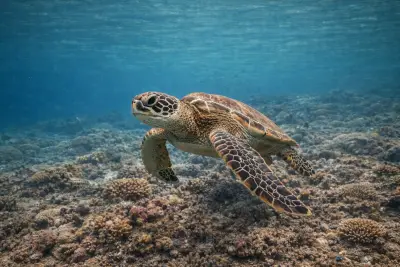
Green sea turtle
Year-round · common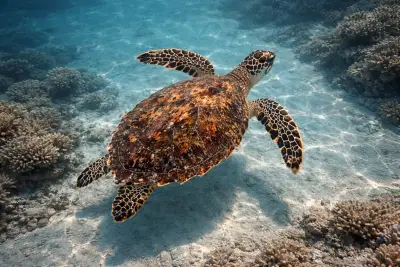
Hawksbill turtle
Year-round · common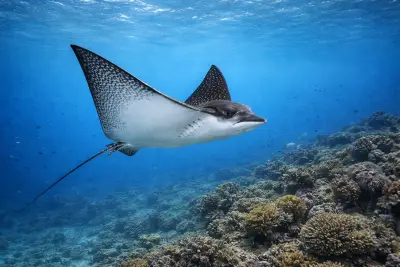
Eagle ray
occasional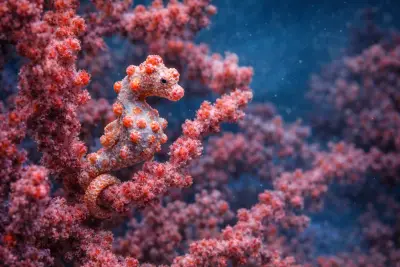
Pygmy seahorse
Year-round · occasional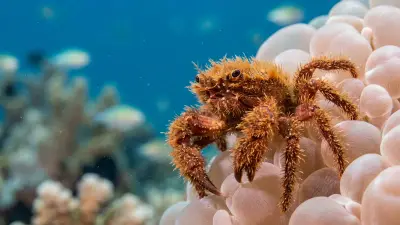
Orangutan crab
occasional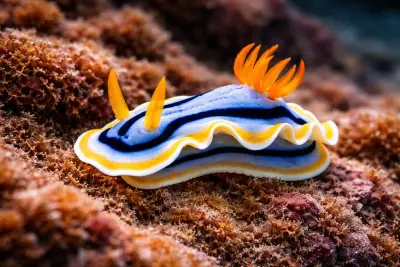
Nudibranch
Year-round · occasional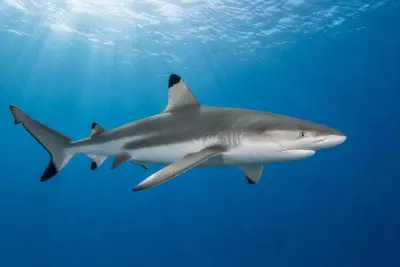
Reef shark (whitetip/blacktip)
Year-round · occasional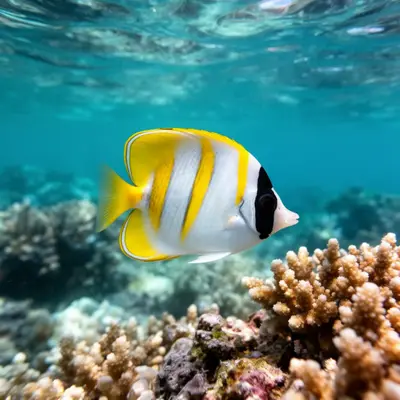
Pyramid butterflyfish
common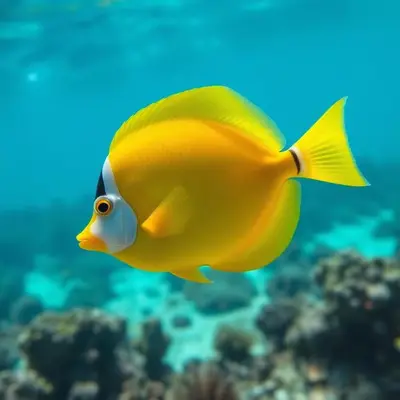
Surgeonfish
common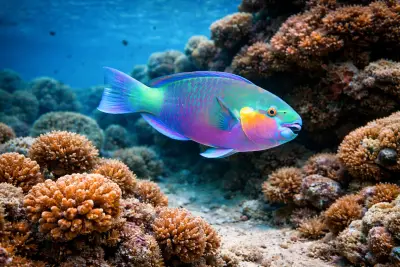
Parrotfish
common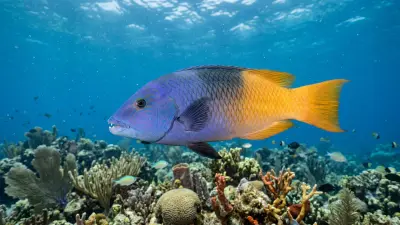
Wrasse
common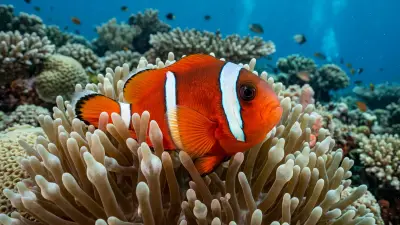
Anemonefish
common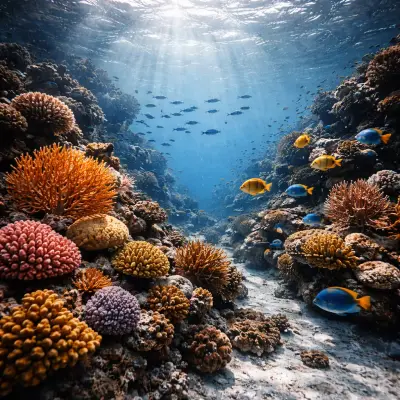
Coral
Year-round · common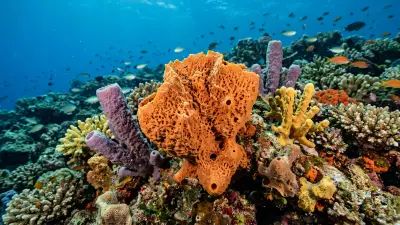
Sponges
Year-round · commonDive profile & how the dive runs
Dives at Bunaken Timur typically begin with a boat entry onto the pristine shallow reef top, an ideal starting point that also offers excellent snorkeling. From this vibrant coral garden, divers descend along the impressive wall, which ranges from steep slopes to sheer vertical sections, reaching depths of up to 40 meters. The wall is richly covered with a profusion of hard and soft corals, sea fans, and sponges, providing ample opportunities for exploration both along the reef face and out into the blue. Divers often drift along the wall, observing numerous green and hawksbill turtles, schooling pyramid butterflyfish, and occasional pelagic visitors like eagle rays. Macro life, including pygmy seahorses and nudibranchs, can be found tucked into crevices. The dive usually concludes with a safety stop in the shallower sections of the reef, allowing for further macro discovery and decompression in the sunlight.
Underwater photography
Bunaken Timur offers diverse photographic opportunities for both wide-angle and macro enthusiasts. For capturing the expansive coral wall and large schools of fish, a wide-angle lens is recommended, especially when the sun illuminates the wall beautifully mid-morning. Utilize natural light or external strobes to bring out the vibrant colors of the hard and soft corals. For macro subjects, including pygmy seahorses, orangutan crabs, and various nudibranchs, a macro lens is essential. Pay close attention to buoyancy control to avoid damaging the delicate reef, particularly the pristine shallow reef top. Patience is key when photographing the frequent turtle sightings, allowing them to swim naturally. The clear visibility provides excellent conditions for sharp, detailed shots.
Combine with nearby dive sites
- Lekuan 1, 2, and 3
Famous wall dives with abundant turtles and pelagics.
- Ron's Point
Slope and plateau for advanced divers, known for pelagic sightings.
- Fukui Point
Sloping reef with high biodiversity due to currents.
- Manuk
Known for resident sea snakes.
- Lembeh Strait
Globally renowned for unique muck diving and critters.
- Mantas Alley
Known for manta ray encounters.
Getting there & logistics
Access to Bunaken Timur, like most sites within Bunaken Marine Park, is primarily via day boats from resorts located on Bunaken, Siladen, or the mainland of Manado. Divers typically fly into Sam Ratulangi International Airport (MDC) in Manado. From there, it's approximately a 45-minute to one-hour boat transfer to reach the islands within the marine park. Most dive operations offer daily trips, often including three dives per day. A typical dive trip might last 50-60 minutes, with depths ranging from 12-25 meters on average, though the wall extends to 40 meters. Bunaken Marine Park is a protected area, and visitors often pay a conservation fee, which is usually included in dive packages. The site is frequently combined with other wall dives around Bunaken and potentially muck diving sites on the nearby mainland.
Safety & environment
Safety in Bunaken Marine Park, including at Bunaken Timur, is paramount. Divers should be covered by comprehensive dive insurance. The nearest recompression chamber is located in Manado, approximately 30 minutes by boat from Bunaken Island, highlighting the need for careful dive planning and adherence to safety protocols. Evacuation from the islands to medical facilities on the mainland can take time, particularly in adverse weather conditions. Site-specific hazards include variable currents, which can shift rapidly from mild to moderate; divers should follow guide instructions and practice drift diving procedures. Gloves and knives are forbidden within the National Park to protect the marine environment. Always dive within certification limits, especially given the wall's depth to 40 meters, and ensure adequate surface interval and gas planning.
Who it suits — and who it doesn't
Suited for
- Advanced Open Water divers (AOWD)
- Divers with drift diving experience
- Underwater photographers (macro and wide-angle)
- Wall diving enthusiasts
- Turtle lovers
- Divers seeking pristine coral reefs
Less suited for
- Open Water divers without current experience
- Divers uncomfortable with depths up to 40 meters
- Divers who struggle with buoyancy control
- Divers who prefer solely pelagic encounters over reef/wall exploration
- Those unwilling to dive in mild to medium currents
FAQ
Bunaken Timur FAQ
What kind of marine life can I expect to see at Bunaken Timur?
Bunaken Timur is rich in biodiversity. You'll commonly encounter green and hawksbill turtles, various reef fish like pyramid butterflyfish, surgeonfish, parrotfish, wrasse, and anemonefish. Occasional sightings include eagle rays and reef sharks. For macro enthusiasts, there are pygmy seahorses, orangutan crabs, and numerous nudibranchs.
Is Bunaken Timur suitable for beginner divers?
While conditions can be mild, Bunaken Timur is generally recommended for Advanced Open Water (AOW) certified divers or those with at least 25 logged dives. Its wall diving profile to 40 meters and potential for mild to medium currents make it less ideal for absolute beginners. Open Water divers should choose carefully and consult with their dive guide.
What are the typical diving conditions like at Bunaken Timur?
The site features consistent water temperatures of 28-29°C and excellent visibility, often ranging from 15 to 30 meters. Currents are typically mild to medium, making it a good drift dive. The site is a coral-covered wall that drops to 40 meters, with a pristine shallow reef top.
When is the best time of year to dive Bunaken Timur?
The prime diving season for Bunaken Timur, and the wider Bunaken Marine Park, is from April through October. This period aligns with the dry season, offering the calmest seas, minimal rainfall, and the best visibility, which can frequently exceed 25 meters.
Can I snorkel at Bunaken Timur?
Yes, Bunaken Timur boasts one of the most pristine shallow reef tops around Bunaken Island, making it an excellent spot for snorkeling. The vibrant corals and abundant marine life in the shallows are easily accessible from the surface, offering a fantastic experience for non-divers as well.
Why dive Bunaken Timur from a liveaboard?
Bunaken Timur is one of Indonesia's signature dive sites. A liveaboard sleeps you on the water and puts you in the water for three to four guided dives per day, including dawn and night dives that day-boat operators rarely offer. You skip the daily commute back to port and reach quieter, less-crowded sites in the same region on a single trip.
Below are the liveaboards that include Bunaken Timur on their Indonesia itineraries.
Liveaboards diving Bunaken Timur
These liveaboards may visit Bunaken Timur on selected itineraries — the exact dive sites depend on departure, weather and conditions.
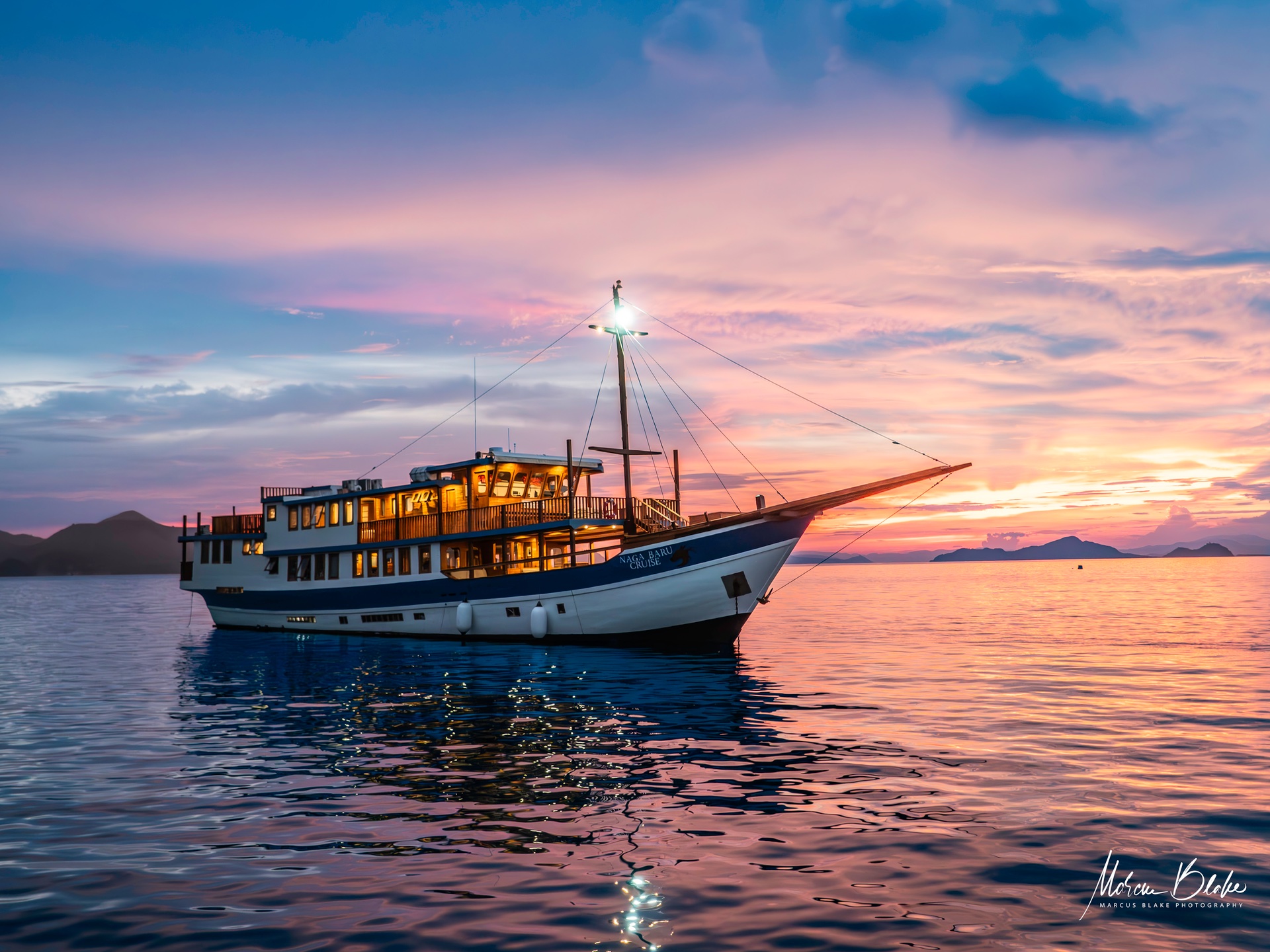
Naga Biru
Indonesia
12 guests40 m
$274/day
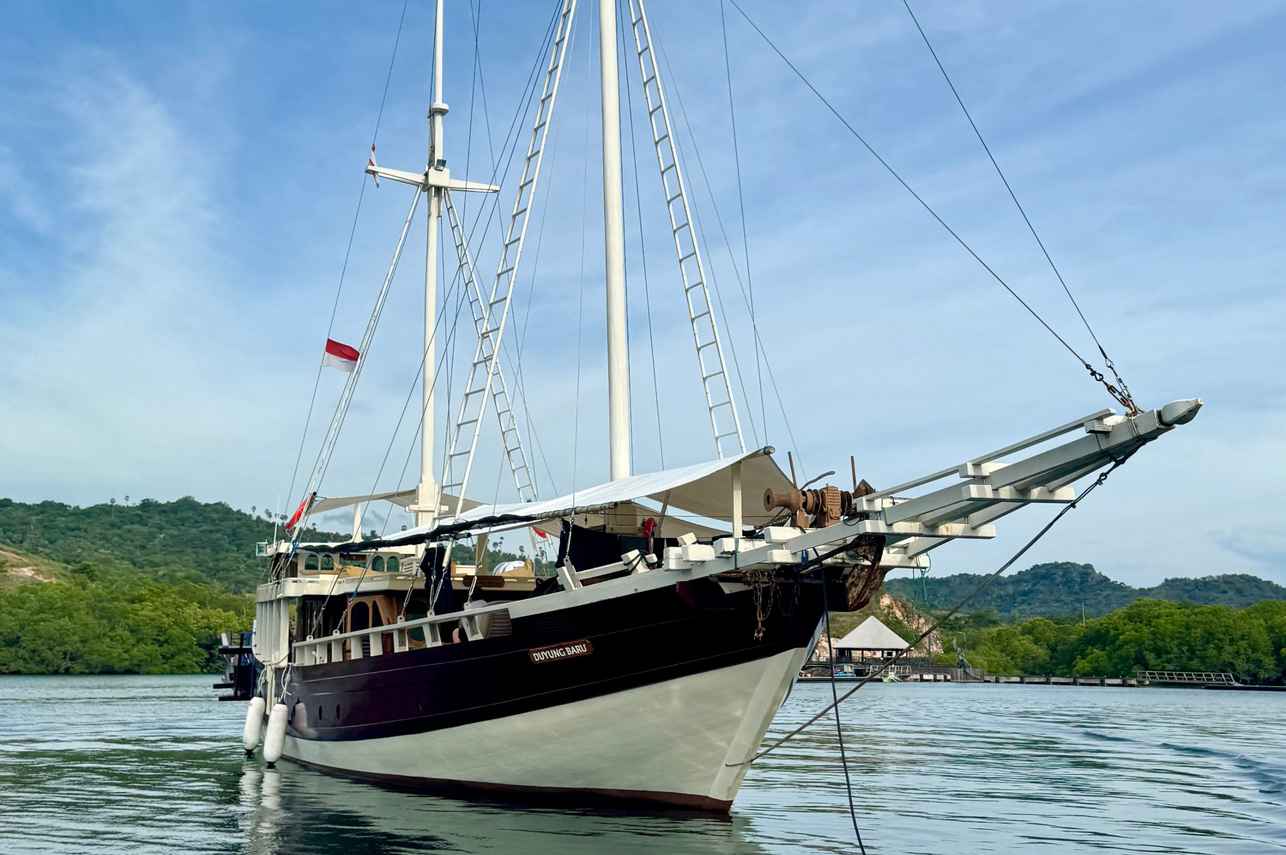
Ecopro Duyung Baru
Indonesia
6 guests27 m
$361/day
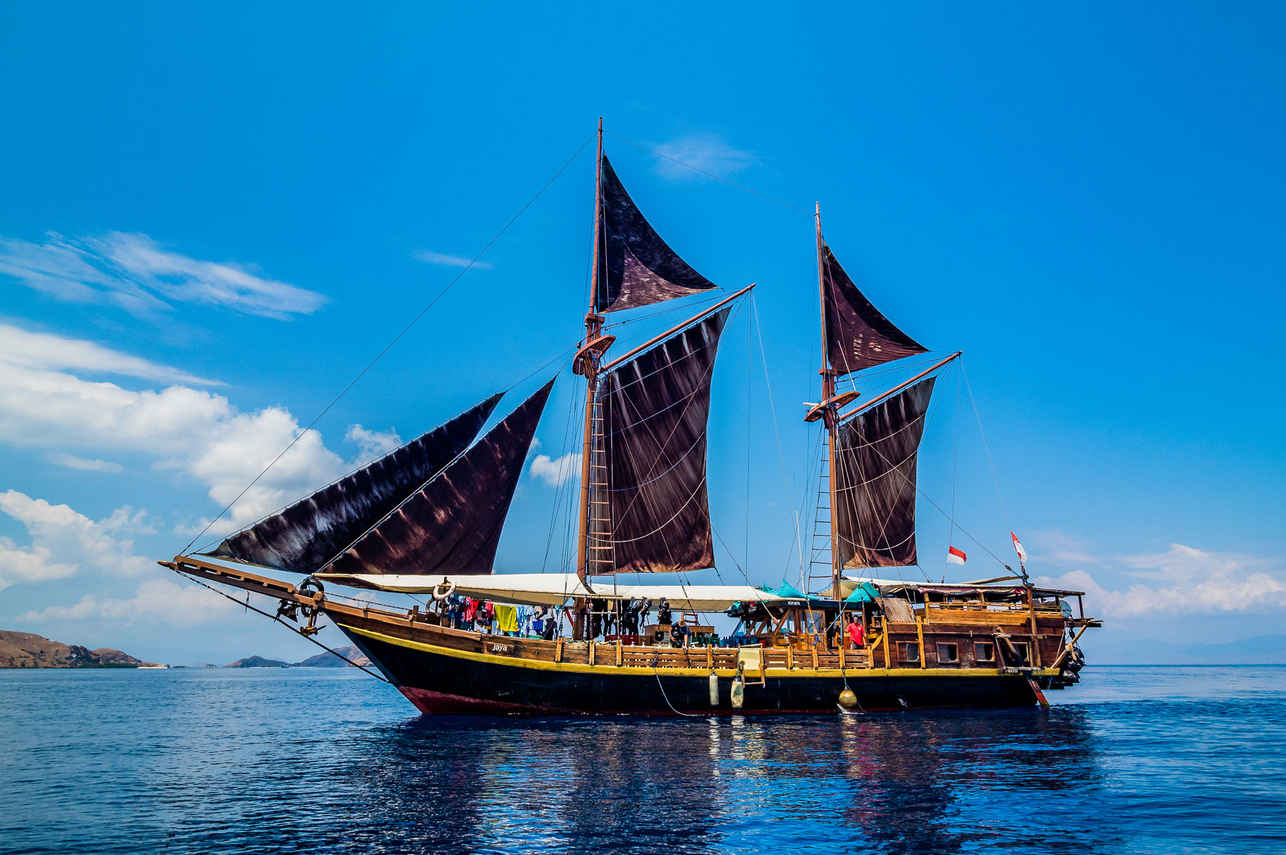
Jaya
Indonesia
14 guests23 m
$280/day
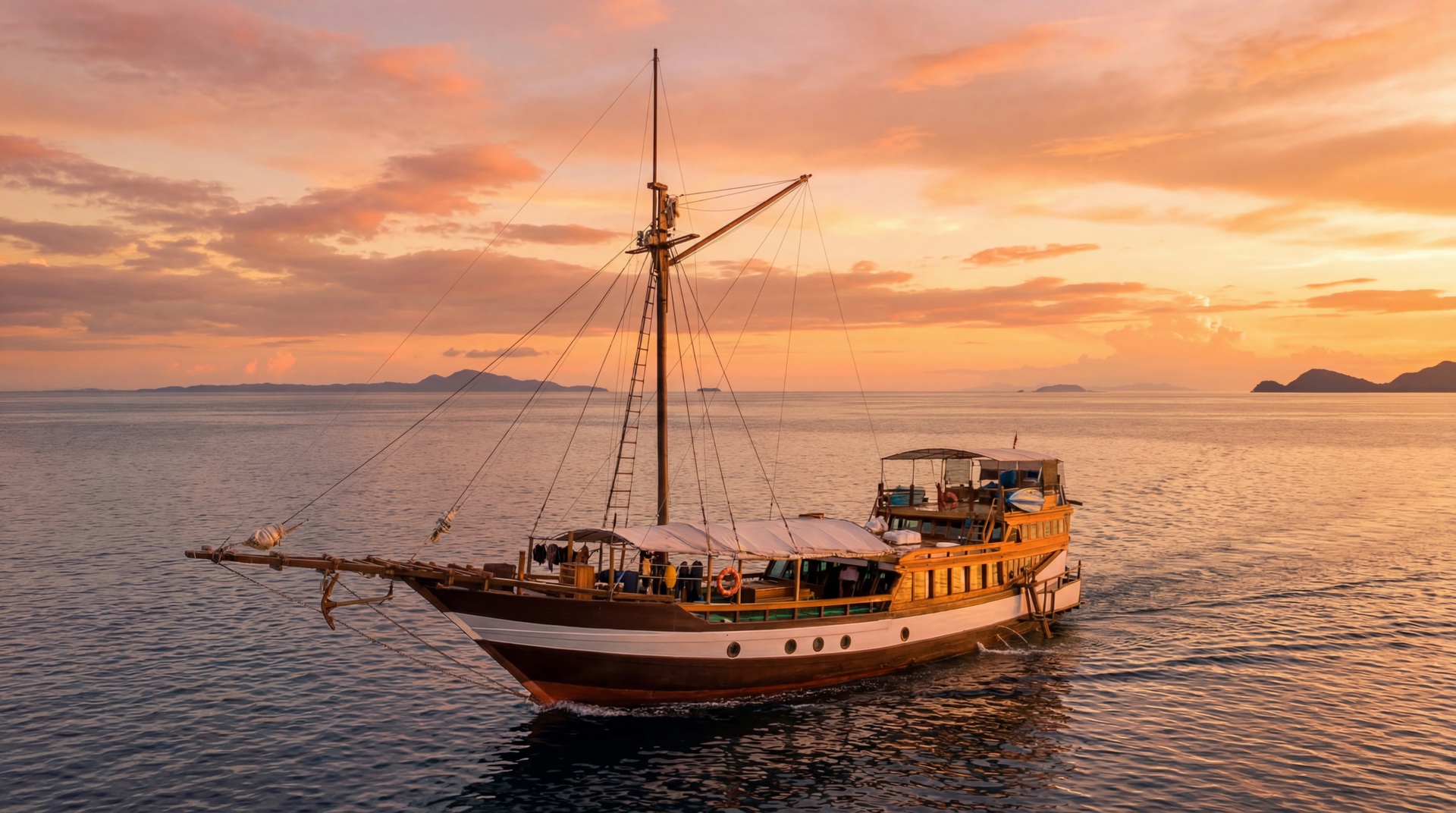
Wellenreng
Indonesia
9 guests25 m
$427/day
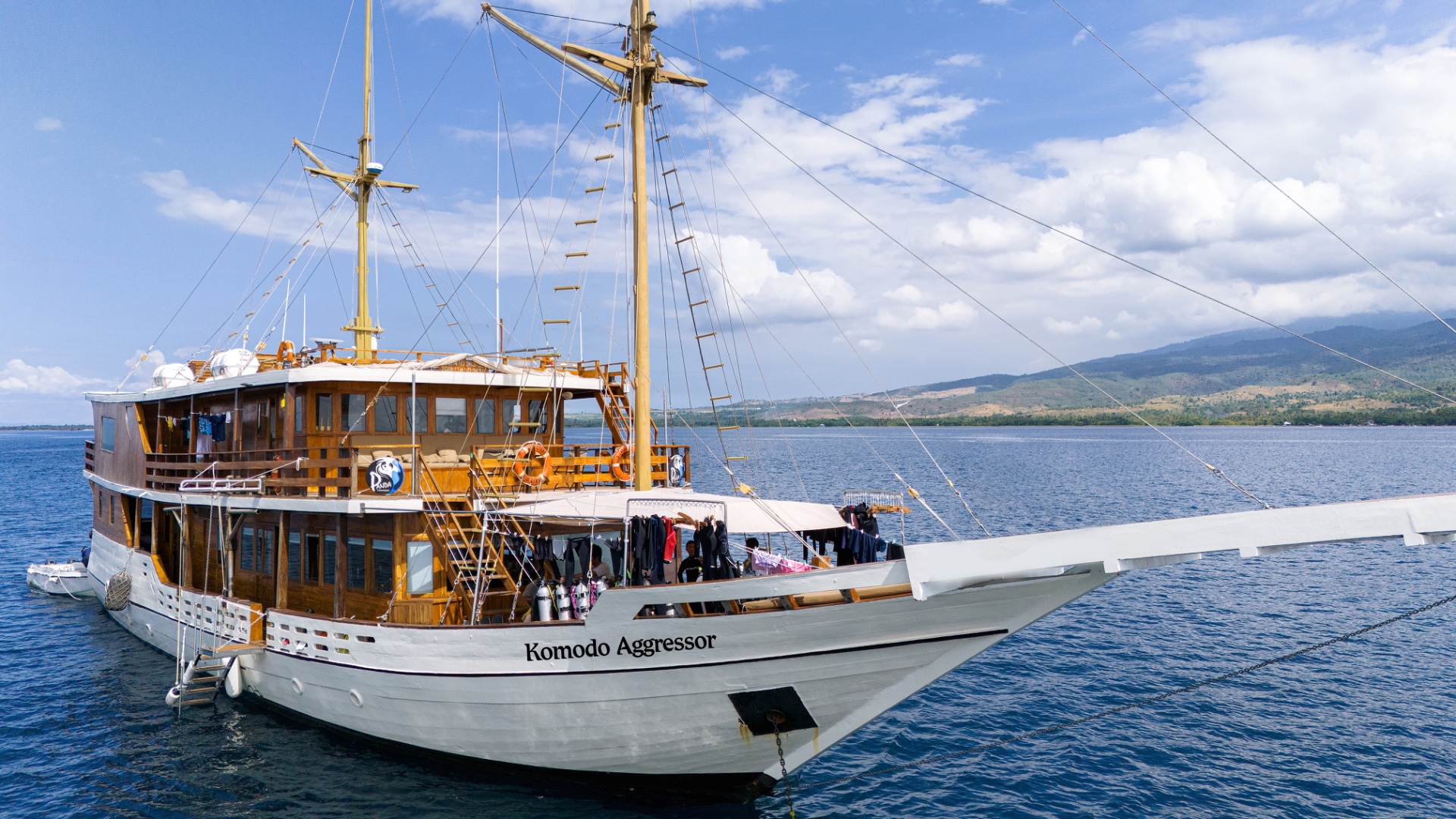
Komodo Aggressor
Komodo, Indonesia
16 guests29 m
$312/day
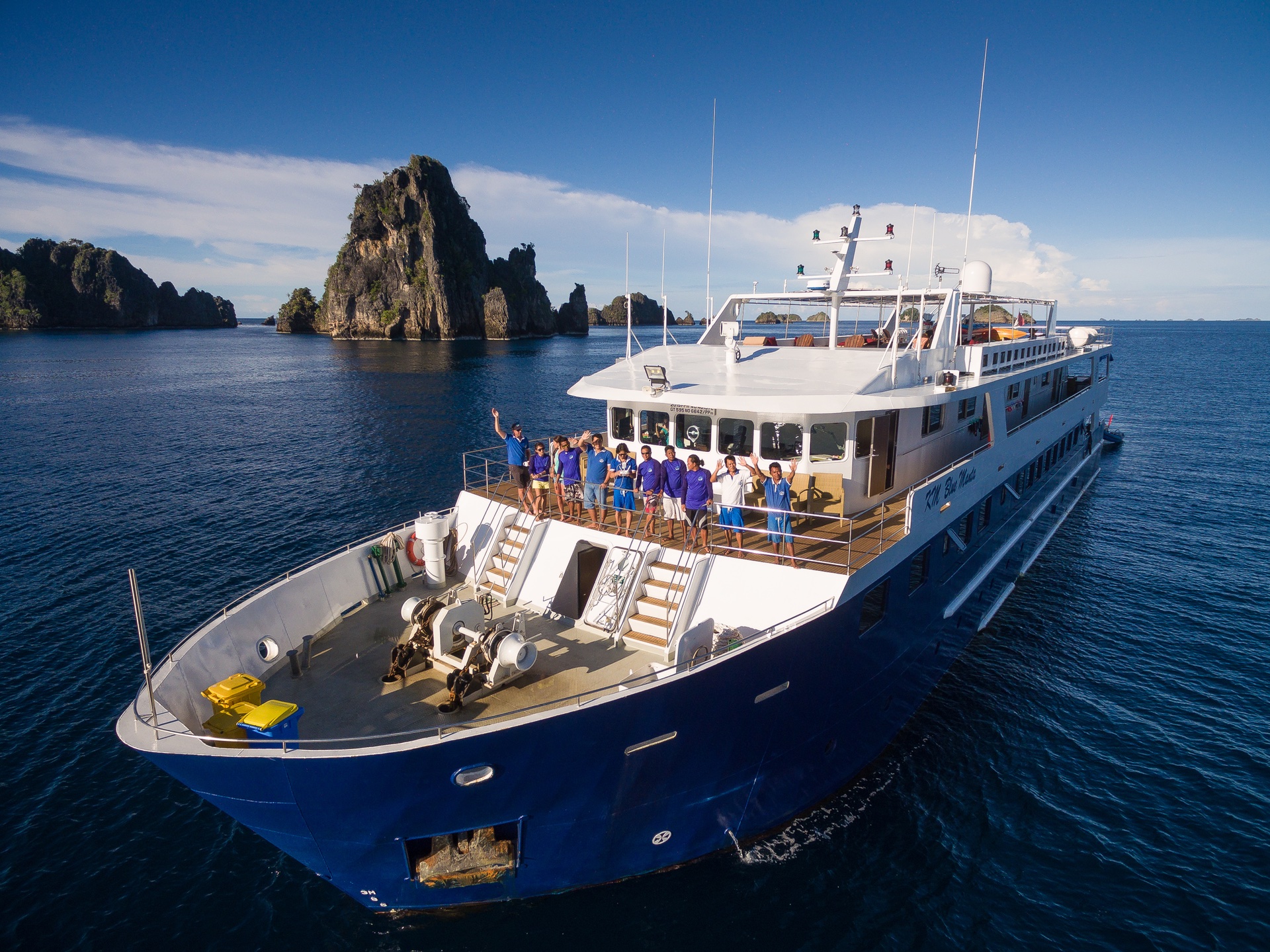
Blue Manta
Indonesia
20 guests45 m
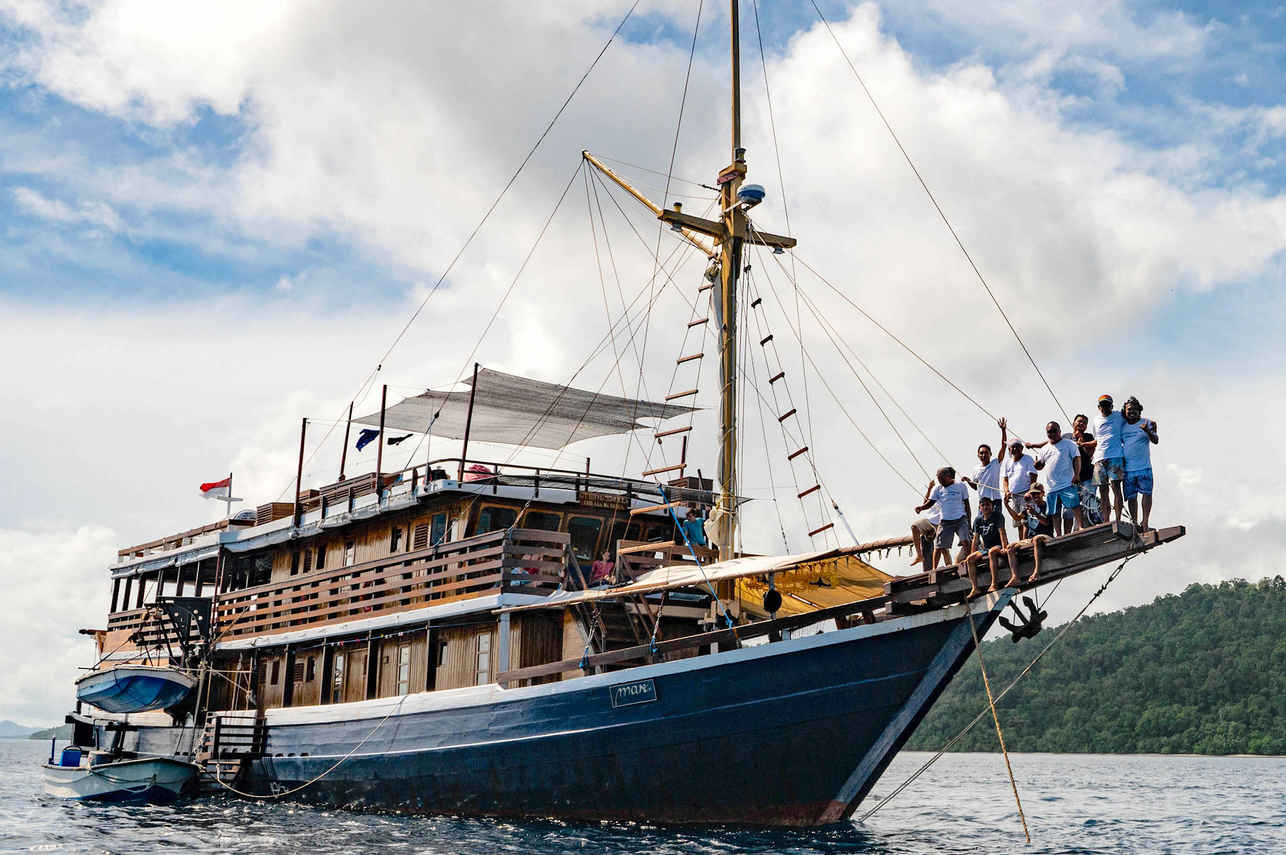
Mari
Indonesia
14 guests32.2 m
$328/day
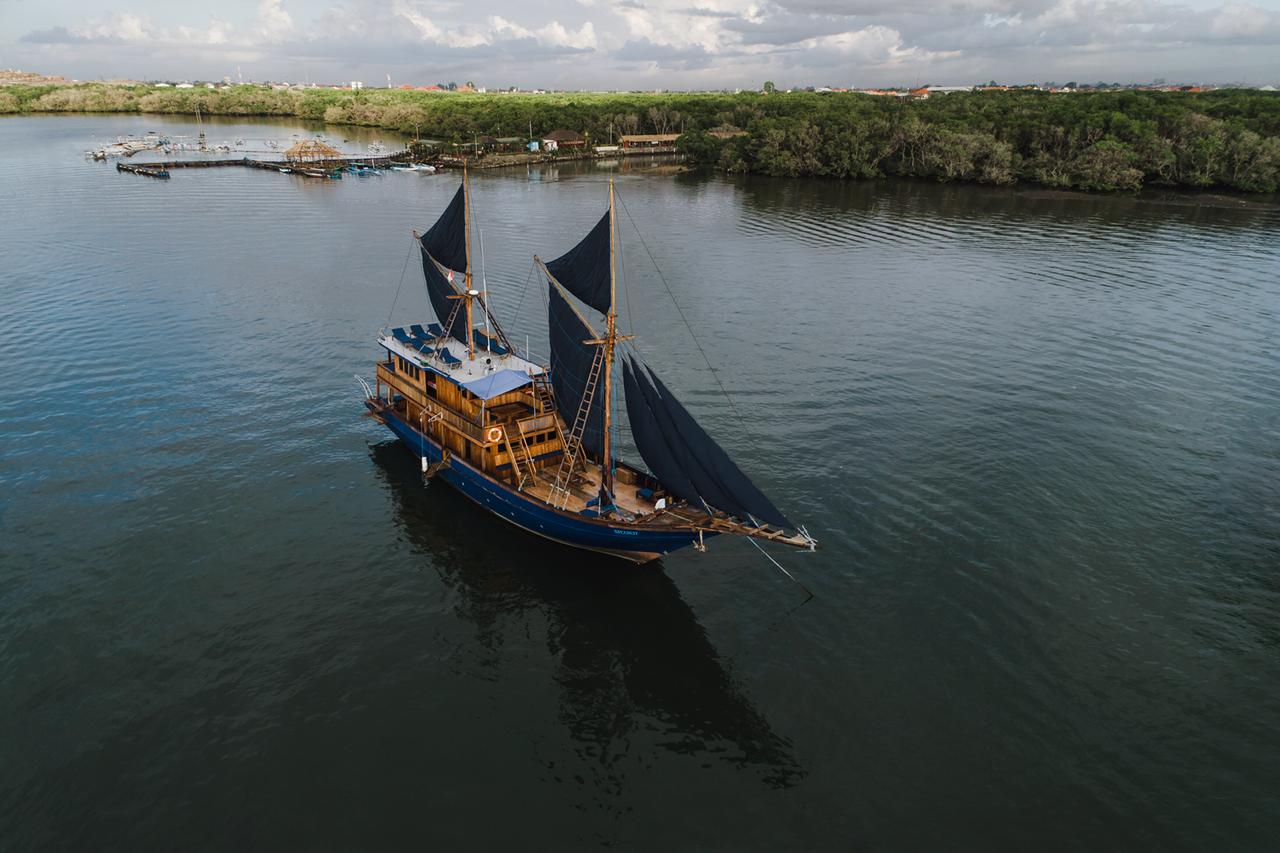
Situju7
Komodo, Indonesia
10 guests32.7 m
$362/day
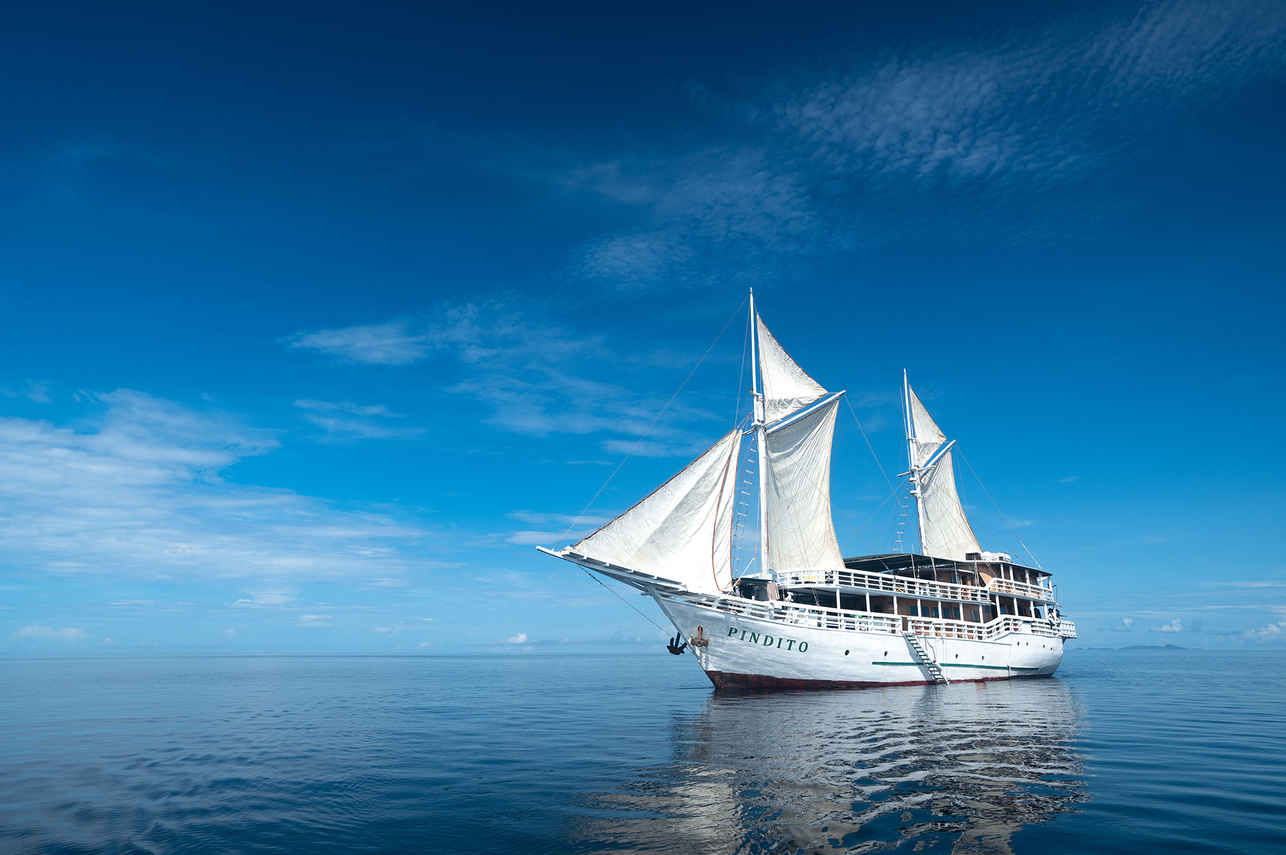
Pindito
Indonesia
16 guests37.79 m
$533/day
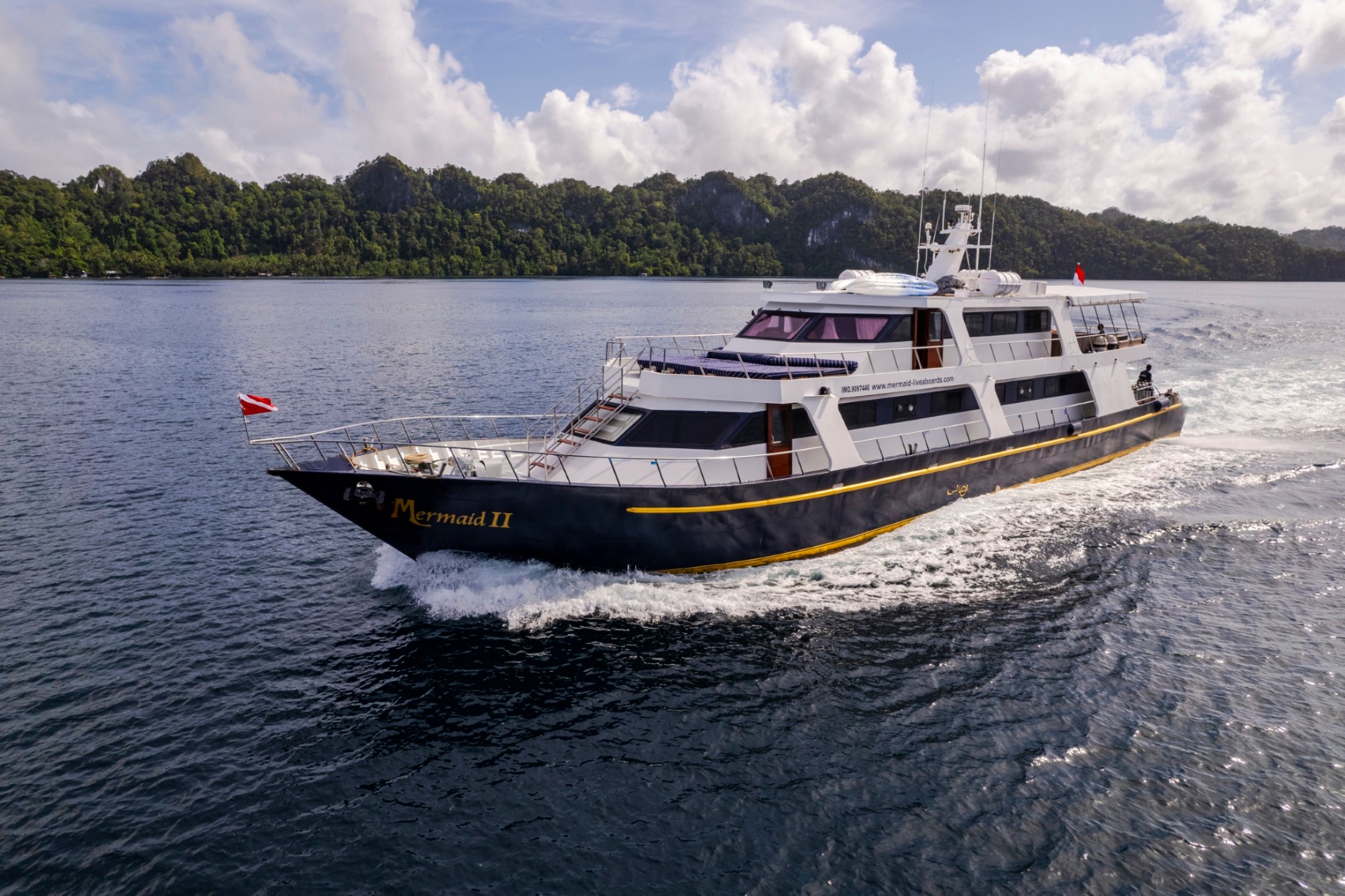
Mermaid II
Komodo, Indonesia
18 guests
$355/day
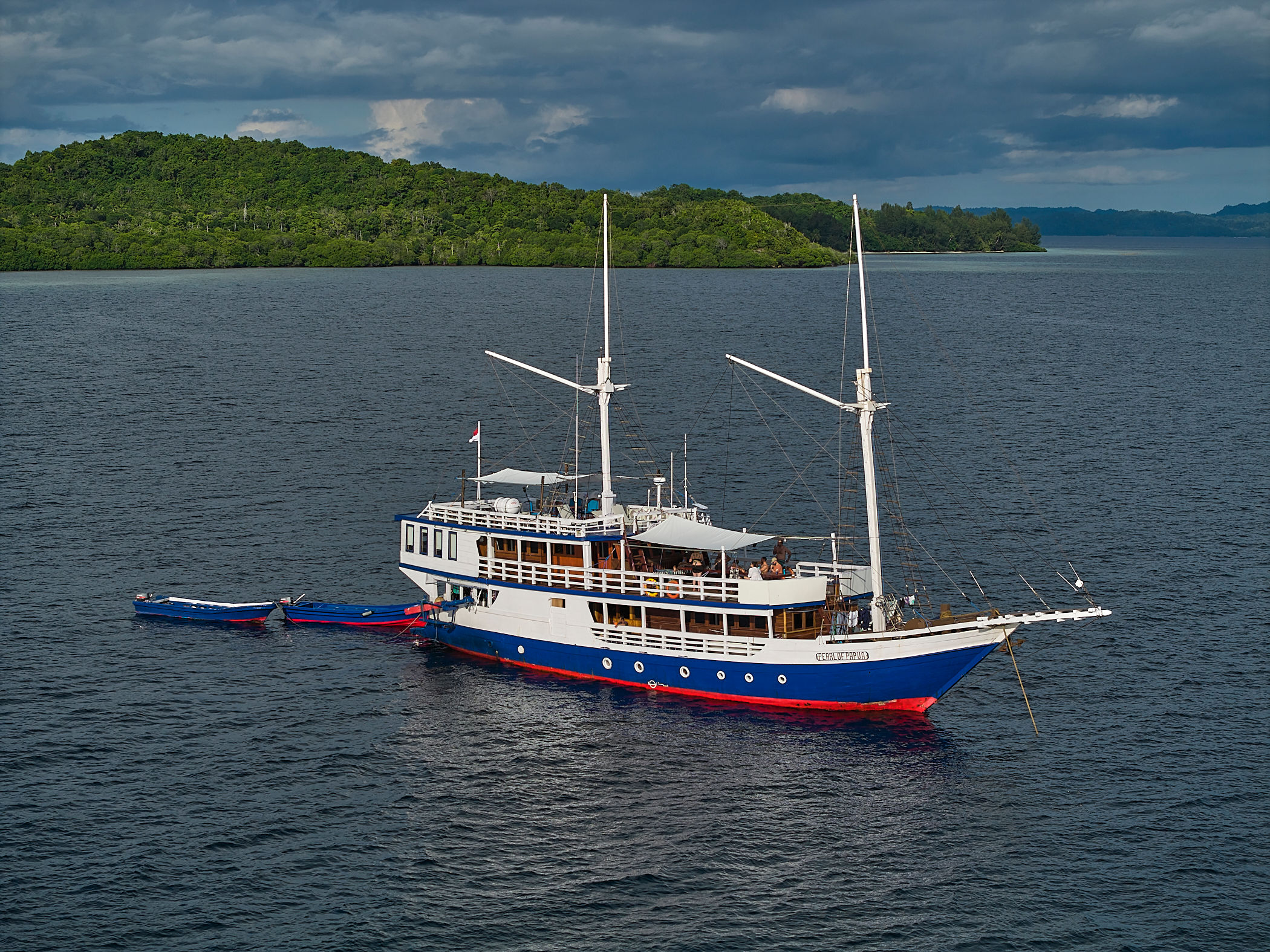
Pearl of Papua
Raja Ampat, Indonesia
14 guests30 m
$303/day
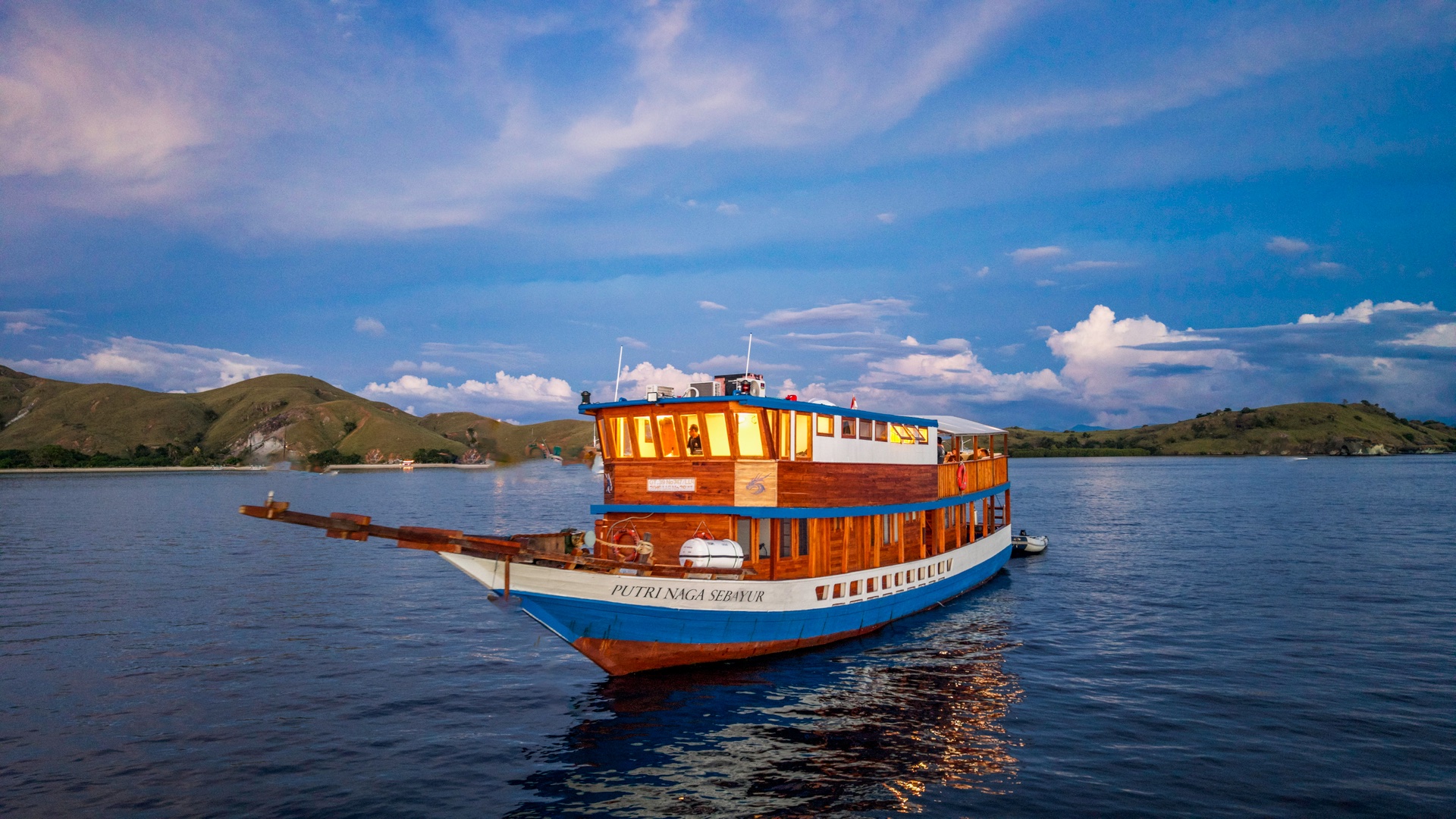
Putri Naga
Komodo, Indonesia
6 guests25 m
$223/day
Dive sites similar to Bunaken Timur
Same character, same waters — six more sites divers love for the exact same reasons.Compare seasons, access and liveaboard routes — then pick the site that fits your trip best.
© Esri — Maxar, Earthstar, GIS
Adonara Wall
Indonesia
Adonara is an Indonesian island dive site, renowned for its vibrant underwater topography characterized by submerged seamounts.
- Suitable for
- Intermediate
- Current
- Strong
- Access
- Liveaboard or dayboat
- Depth
- 5–35 m
- Theme
- Seamount / Wall
© Esri — Maxar, Earthstar, GIS
Mawali Wreck
Indonesia
The Mawali Wreck, a Japanese cargo ship, rests on its side in the Lembeh Strait, off the northern coast of Sulawesi.
- Suitable for
- Advanced
- Current
- Mild
- Access
- Liveaboard only
- Depth
- 25–40 m
- Theme
- Wreck / Reef
Aljui Bay, located in Raja Ampat's remote northern reaches, was discovered as a premier snorkeling and diving destination by chance in 2011. This bay, situated within the broader…
- Suitable for
- Beginner
- Current
- Mild
- Access
- Liveaboard only
- Depth
- ≤ 20 m
- Theme
- Reef
© Esri — Maxar, Earthstar, GIS
Shark Close
Indonesia
Shark Close is an exhilarating dive site in the Indonesian portion of Borneo, renowned for its strong currents and abundant marine life.
- Suitable for
- Advanced
- Current
- Strong
- Access
- Liveaboard or dayboat
- Depth
- 5–25 m
- Theme
- Channel / Drift
Wakatobi, an acronym for the islands of Wangi-Wangi, Kaledupa, Tomia, and Binongko, lies in Southeast Sulawesi, Indonesia, at the heart of the Coral Triangle.
- Suitable for
- Beginner
- Current
- No current
- Access
- Liveaboard only
- Depth
- 5–30 m
- Theme
- Wall / Reef
© Esri — Maxar, Earthstar, GIS
Cornucopia
Indonesia
Cornucopia, aptly named the 'horn of plenty,' is celebrated as Wakatobi's most spectacular wall dive, offering a diverse and nutrient-rich underwater environment.
- Suitable for
- Intermediate
- Current
- Mild
- Access
- Liveaboard only
- Depth
- 5–40 m
- Theme
- Reef