About Hairball
Hairball is a celebrated muck dive site nestled in the Lembeh Strait, a narrow body of water between Lembeh Island and Sulawesi's mainland. This region is internationally recognized as the "Critter Capital of the World," drawing divers who seek out peculiar and rare marine species. The site is characterized by its black volcanic sand slopes, often interspersed with debris, which paradoxically host an astonishing diversity of small, camouflaged creatures. Diving at Hairball offers an unparalleled opportunity to encounter iconic macro life such as hairy frogfish, various octopus species including mimic and blue-ringed, and a multitude of nudibranchs. The nutrient-rich waters of the Strait, protected from strong surface waves by the surrounding landmass, create an ideal environment for these unique inhabitants. The topography transitions from sandy slopes to rubble at deeper sections, typically between 15 to 20 meters. While the underwater landscape may not boast vibrant coral gardens, its allure lies in the hunt for the bizarre and beautiful creatures that master the art of camouflage. Hairball is particularly noted for its seahorse and frogfish populations during the day, and cephalopods at night. Divers are encouraged to hone their observational skills and patience to fully appreciate the hidden wonders of this site. With over 70 named dive sites within the Lembeh Strait, Hairball stands out as a prime example of the rich biodiversity that makes this area a bucket-list destination for macro photography and critter diving. Its ease of access from shore-based resorts, combined with generally calm conditions, makes it an accessible yet endlessly fascinating dive.
Highlights
Hairy frogfish sightingsMimic octopus encountersBlack sand muck divingRare nudibranch speciesSeahorse populationsExceptional macro photographyUnique cephalopod diversity
Season calendar
Best months to dive here
Jan
Feb
Mar
Apr
May
Jun
Jul
Aug
Sep
Oct
Nov
Dec
Excellent
Good
Apr – Nov (Apr–Nov)
The dry season brings calm seas, 25–30m+ visibility, and strong currents that attract mantas, sharks, and pelagics to Komodo. Alor offers pristine reef diving with 20–40m visibility. Bali's Nusa Penida delivers Mola Mola encounters from July to October. Water temperatures range from 24–28°C — a 3mm or 5mm wetsuit is recommended.
Dec – Mar (Oct–Apr)
Raja Ampat peaks during the wet season with calmer seas, plankton-rich waters attracting manta rays, and excellent biodiversity. Water is a warm 28–30°C with 15–25m visibility. The Banda Sea opens its rare expedition window from September to December, with hammerhead sharks and pristine seamounts. Lembeh Strait offers world-class muck diving year-round. A 3mm wetsuit is sufficient.
Dive site facts: Hairball
- Depth
- 5–30 m
- Typical dive
- 15–20 m, 50–60 min
- Current
- Mild to medium
- Visibility
- 5–20 m
- Water temperature
- 26–29°C
- Entry
- Boat / Shore
- Level
- Open Water Diver
- Dive type
- Muck, macro, black sand slope
- Night dive
- Possible
- Region / port
- Lembeh Strait, North Sulawesi
- Coordinates
- 1.4612, 125.2534
Conditions & Currents
Conditions at Hairball are generally easy, typical of the protected Lembeh Strait, though some sites within the Strait can experience mild to medium currents. The island provides shelter from ocean winds, ensuring minimal surface waves. Visibility at Hairball generally ranges from 5 to 15 meters, but can extend up to 20 meters during the dry season, particularly at certain reef sites. While muck diving is less dependent on pristine visibility, rainfall, especially from November to February, can reduce clarity, though this often favors many macro creatures. Water temperatures consistently hover between 26–29°C, only slightly cooling in July to September, allowing for comfortable diving year-round.
Marine life & sighting chances

Hairy frogfish
July–September · common
Mimic octopus
November–February · occasional
Wonderpus
occasional
Blue-ringed octopus
occasional
Flamboyant cuttlefish
July–September · occasional
Pygmy seahorse
occasional
Ambon scorpionfish
November–February · occasionalPainted frogfish
occasional
Stargazer
occasional
Orangutan crab
common
Nudibranch
common
Ribbon eel
occasionalDive profile & how the dive runs
Dives at Hairball typically commence with a gentle descent onto a sloping black volcanic sand bottom, situated on the western shore at the northern end of the Lembeh Strait. The initial depth is usually around 5 meters, gradually increasing as you explore. The dive typically progresses along the sandy slope, often following the guidance of an experienced divemaster who will point out camouflaged critters. Expect to spend most of your dive in the 10-20 meter range, where much of the macro life resides, with some areas transitioning to rubble at around 15-20 meters. The turn point is often determined by air consumption and bottom time, or when a particularly interesting subject has been thoroughly observed. The safety stop is usually conducted in the shallower parts of the slope, around 5 meters, allowing for further critter spotting.
Underwater photography
Hairball is a premier destination for macro underwater photography, making it essential to bring the right setup. A macro lens (e.g., 60mm or 100/105mm) is crucial for capturing the intricate details of the numerous small critters. Dual strobes are highly recommended to provide even lighting and minimize backscatter on the black sand background. A snoot can be particularly effective here, allowing you to isolate subjects and create dramatic lighting effects, especially for creatures hiding in debris or sand. Given the generally calm conditions and the need for patience while searching for subjects, good buoyancy control is paramount to avoid disturbing the bottom and stirring up sediment. Many resorts in Lembeh cater specifically to photographers, offering dedicated camera rooms and photo-trained guides who can spot even the most expertly camouflaged subjects. Be mindful of subject etiquette, giving marine life space and avoiding excessive disturbance to ensure natural behavior and preserve their habitat.
Combine with nearby dive sites
- Police Pier Lembeh
A classic night dive site known for crustaceans and snake eels.
- Jahir
Another renowned muck dive site with good visibility often explored at night.
- Nudi Falls
A wall dive rich in nudibranchs and ribbon eels.
- Nudi Retreat
A sloping reef with colorful corals, anemones, and a good chance to spot pygmy seahorses and blue-ringed octopuses.
Getting there & logistics
Access to Hairball and the Lembeh Strait typically begins by flying into Manado (MDC) in North Sulawesi, Indonesia. From there, it's approximately a 1.5-hour road transfer to Bitung, the coastal town on the mainland side of the Strait, where resorts or dive boats are usually accessed. Most diving in Lembeh is resort-based, with specialized dive resorts offering daily boat trips to sites like Hairball, often just a 5-15 minute ride away. Liveaboards are less common in the Strait itself, but some repositioning trips may include visits. Dive packages usually cover daily dives, guides, and often include a marine park fee. It's common to combine a stay in Lembeh with other North Sulawesi destinations like Bunaken or Bangka via "Passport to Paradise" programs, allowing divers to experience varied marine environments within one itinerary.
Safety & environment
Diving at Hairball in the Lembeh Strait is generally considered safe due to mild currents and experienced local dive guides who are well-versed in the site's specifics. However, standard dive safety protocols must always be followed. The nearest recompression chamber is located in Manado. It is imperative to have comprehensive dive insurance that covers medical emergencies and evacuation, as access to advanced medical facilities can be distant. Site-specific hazards are primarily related to potential contact with venomous macro-critters if not properly observed or handled; therefore, maintaining good buoyancy and refraining from touching marine life is crucial. Always dive with a reputable operator, listen to your dive brief, and report any health issues immediately to your guide. Given the focus on small, camouflaged creatures, divers should proceed slowly and deliberately to minimize disturbance to the delicate ecosystem.
Who it suits — and who it doesn't
Suited for
- Macro photography enthusiasts
- Critter hunting specialists
- Experienced Open Water divers
- Divers seeking unique marine life
- Those who appreciate slow-paced diving
Less suited for
- Divers seeking large pelagics
- Those uninterested in macro life
- Divers expecting vibrant coral reefs
- Beginners without good buoyancy control
- Divers with limited patience
FAQ
Hairball FAQ
What kind of marine life can I expect to see at Hairball?
Hairball is famed for its extraordinary macro marine life. You can typically expect to encounter hairy frogfish, various nudibranchs, mimic octopuses, wonderpus, and diverse shrimp and crab species. During night dives, there's a good chance to spot unique cephalopods and other nocturnal critters.
Is Hairball suitable for beginners?
While the conditions at Hairball are generally mild with gentle currents, making it accessible for Open Water divers, good buoyancy control is essential. This is to avoid disturbing the silty bottom and to comfortably observe the small, camouflaged marine life. Experienced guides are always present to assist divers of all levels.
What are the typical diving conditions at Hairball?
Hairball experiences relatively calm conditions with mild to medium currents within the protected Lembeh Strait. Water temperatures consistently range from 26-29°C. Visibility typically varies between 5 to 15 meters, sometimes reaching 20 meters during the dry season, making it ideal for macro photography.
Do I need special equipment for diving at Hairball?
For photography, a macro lens and dual strobes are highly recommended to capture the intricate details of the small marine life and manage lighting on the black sand. While not strictly required, nitrox is often beneficial for extending bottom time, which is valuable when searching for critters. Many dive centers also offer rental equipment, including specialized camera gear.
Can I do night dives at Hairball?
Yes, night dives are possible and highly recommended at Hairball. Many nocturnal creatures, including various cephalopods and other unique invertebrates, become active after dark. These dives offer a completely different experience and a chance to see species not visible during the day, making them a highlight for many divers.
Why dive Hairball from a liveaboard?
Hairball is one of Indonesia's signature dive sites. A liveaboard sleeps you on the water and puts you in the water for three to four guided dives per day, including dawn and night dives that day-boat operators rarely offer. You skip the daily commute back to port and reach quieter, less-crowded sites in the same region on a single trip.
Below are the liveaboards that include Hairball on their Indonesia itineraries.
Liveaboards diving Hairball
These liveaboards may visit Hairball on selected itineraries — the exact dive sites depend on departure, weather and conditions.
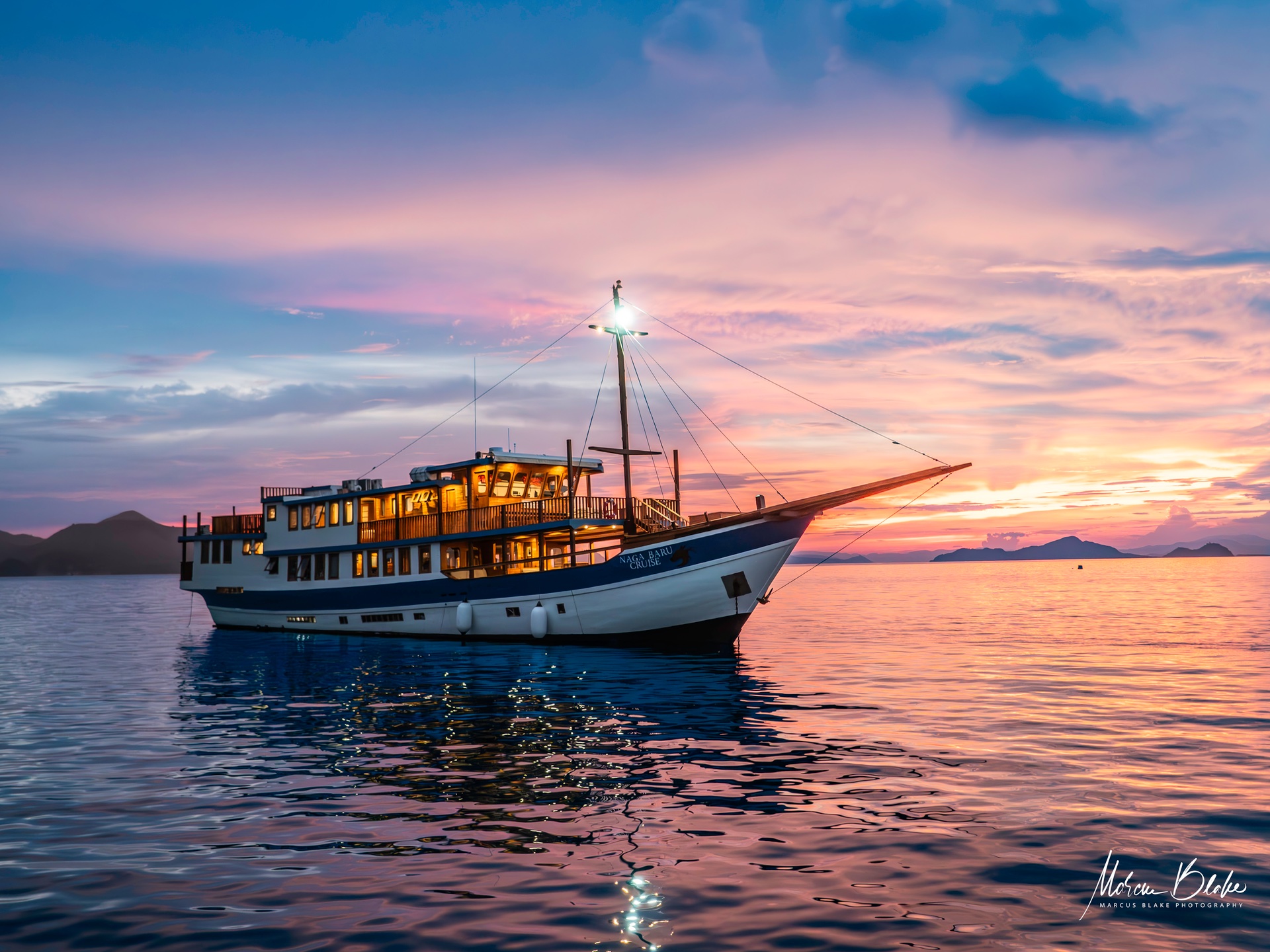
Naga Biru
Indonesia
12 guests40 m
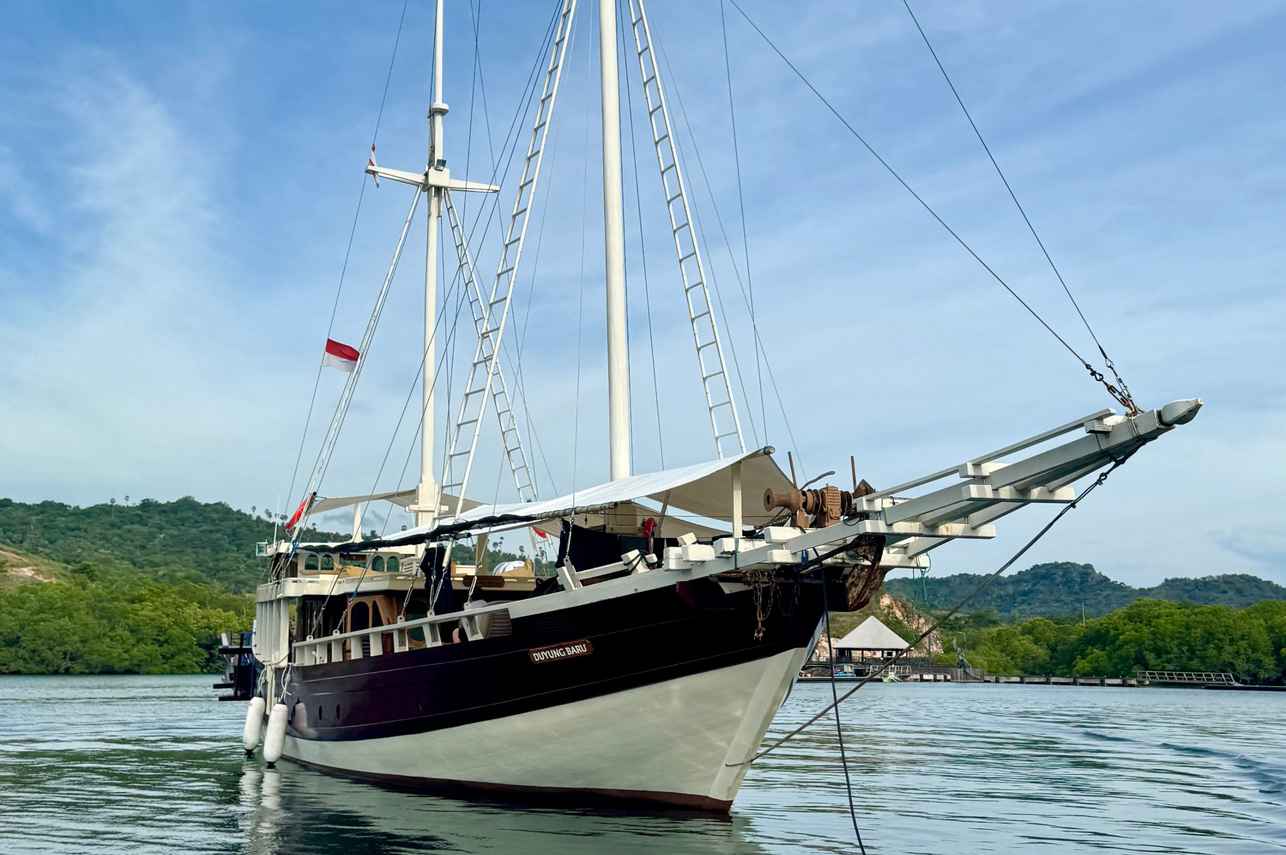
Ecopro Duyung Baru
Indonesia
6 guests27 m
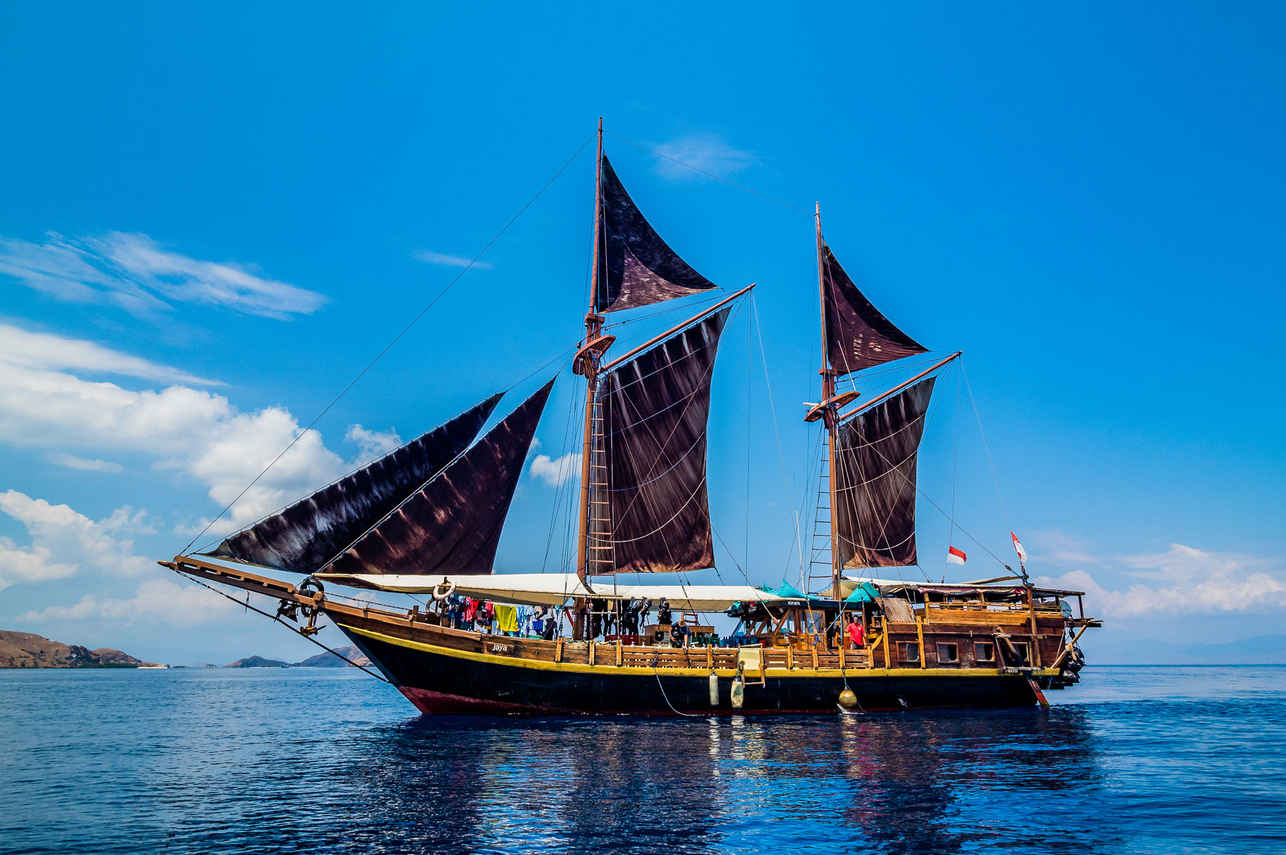
Jaya
Indonesia
14 guests23 m
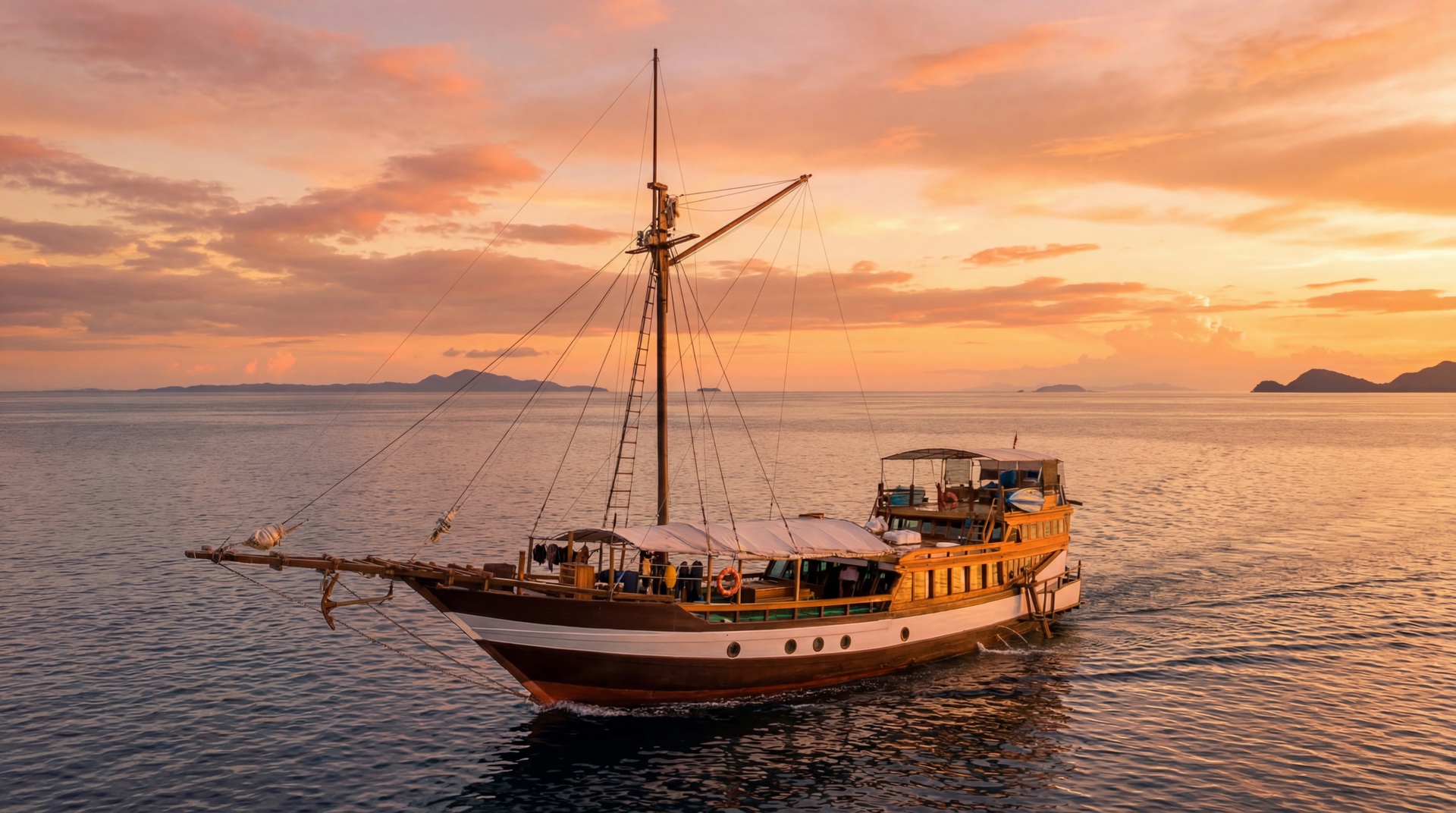
Wellenreng
Indonesia
9 guests25 m
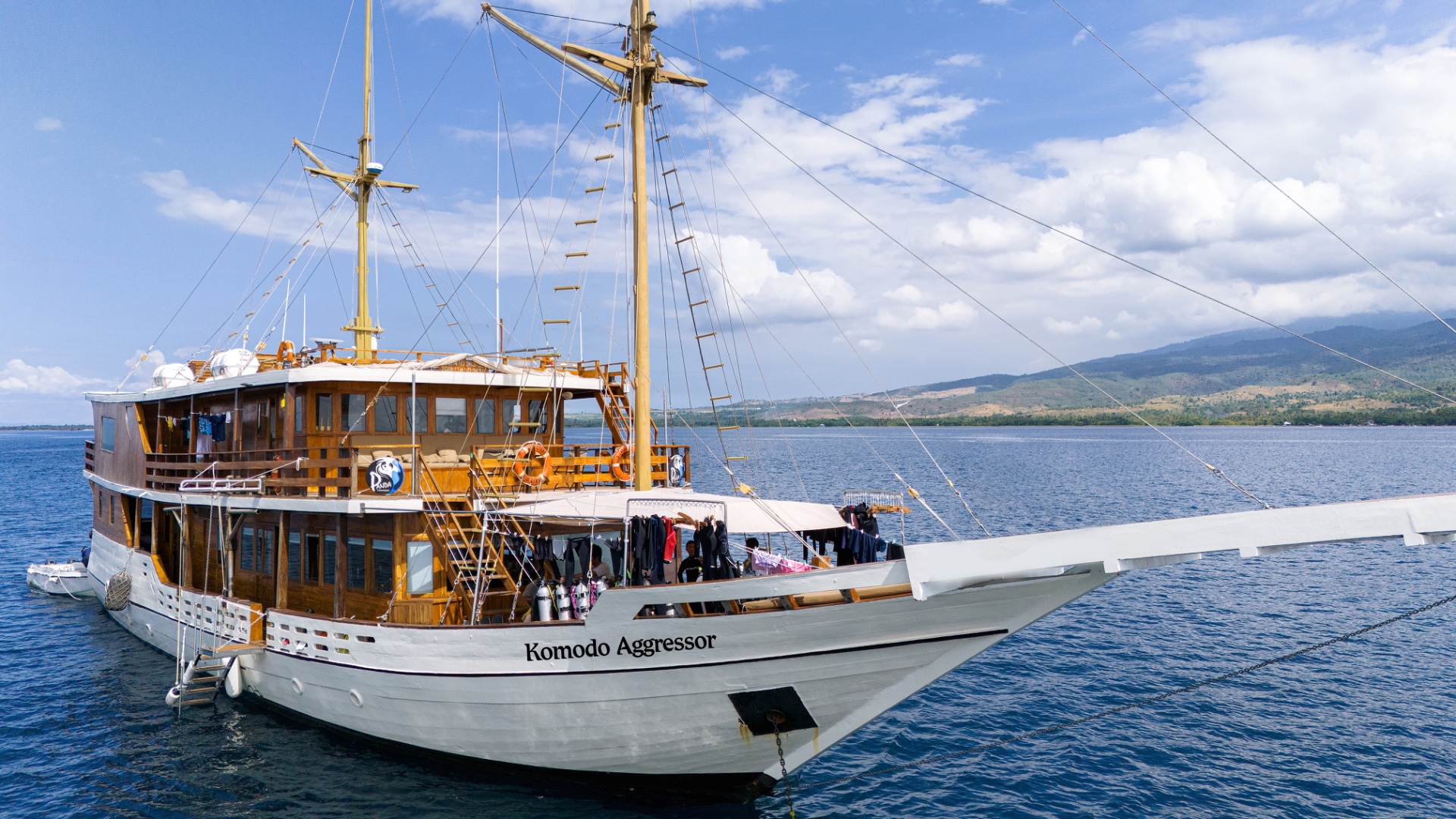
Komodo Aggressor
Komodo, Indonesia
16 guests29 m
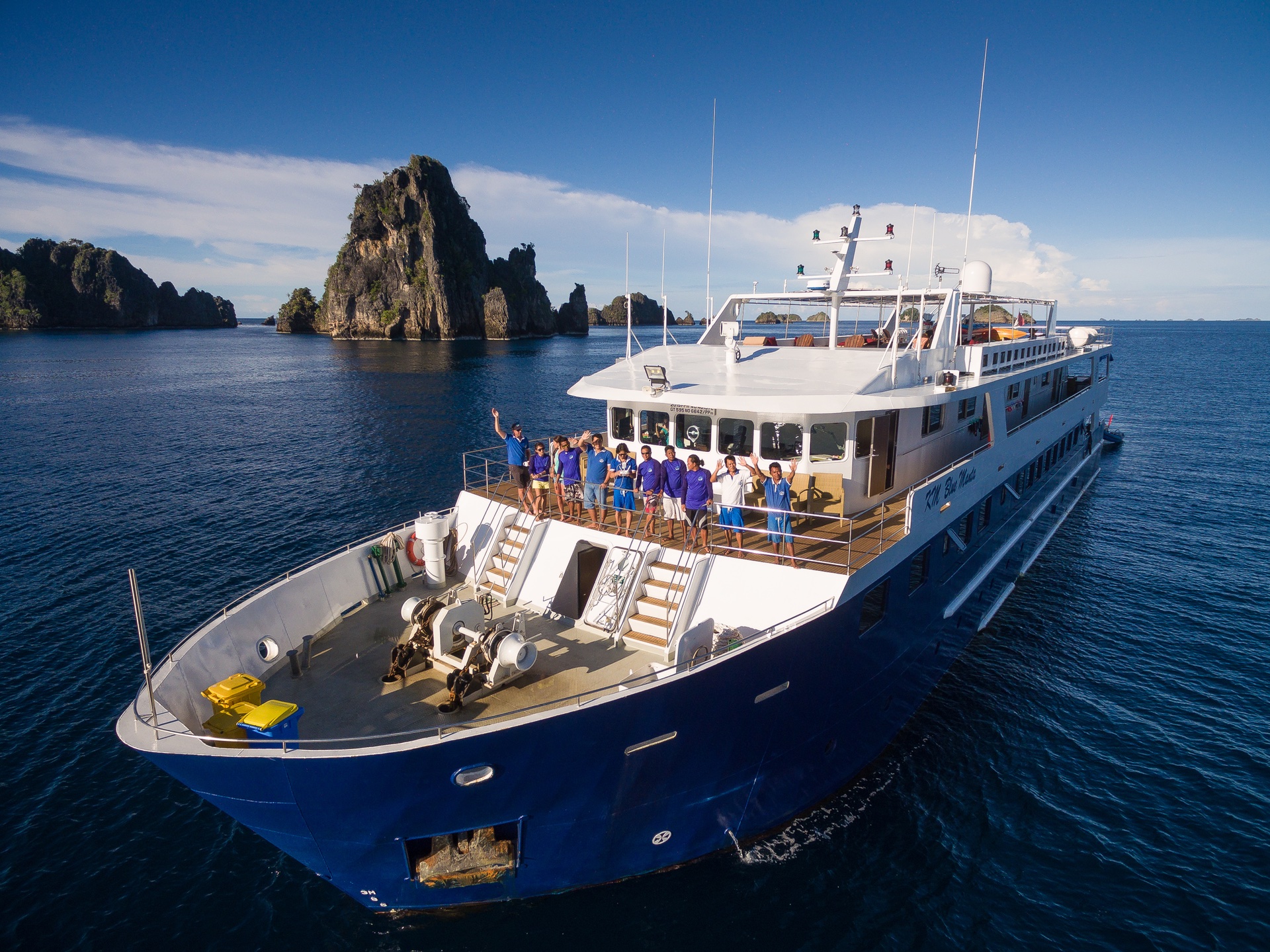
Blue Manta
Indonesia
20 guests45 m
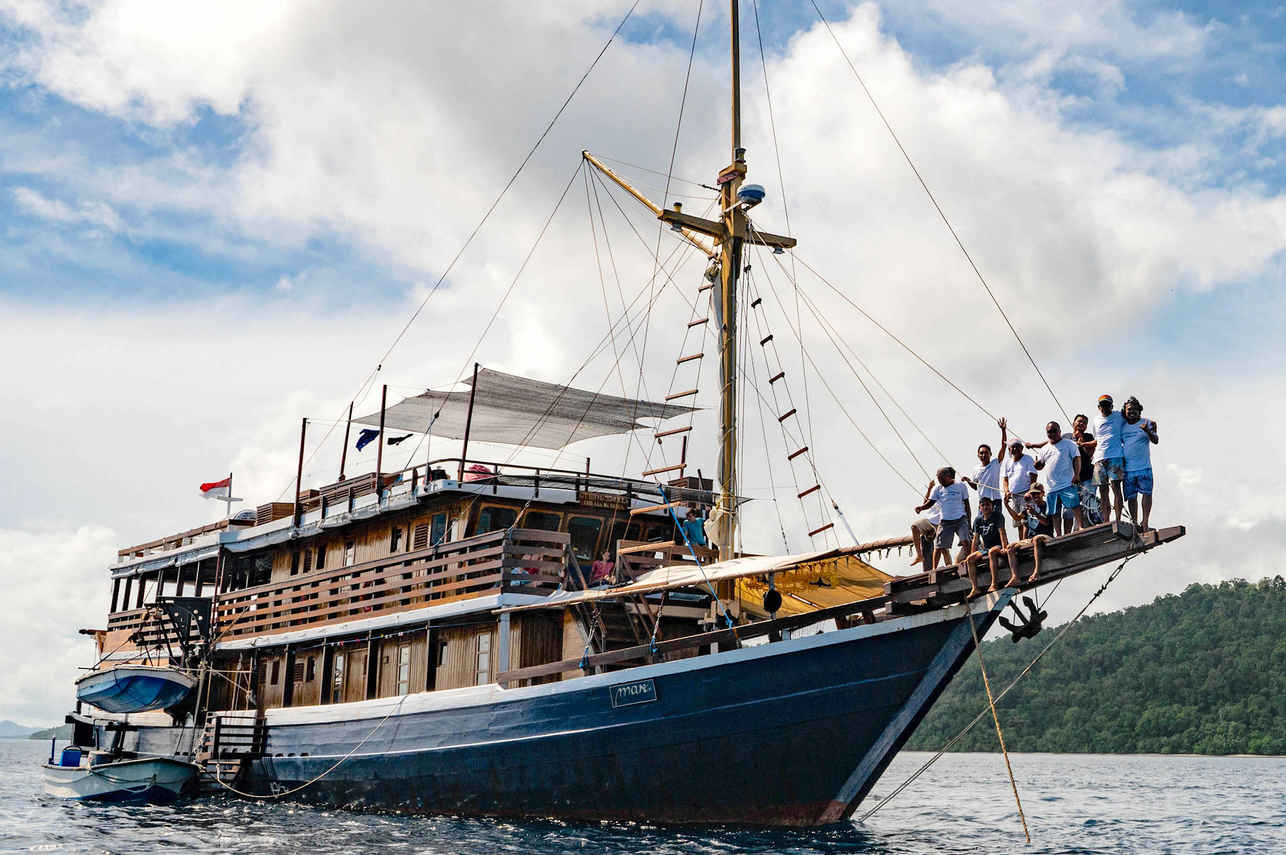
Mari
Indonesia
14 guests32 m
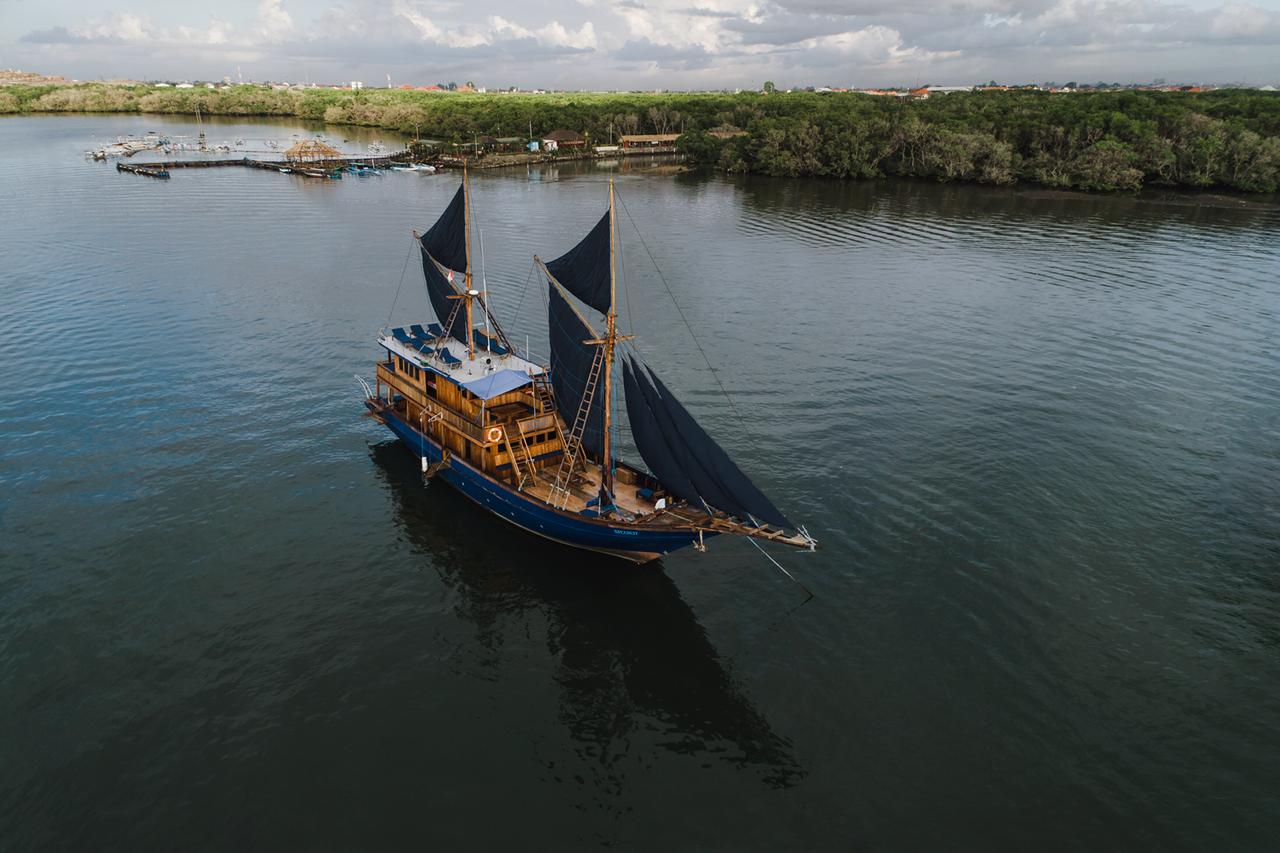
Situju7
Komodo, Indonesia
10 guests33 m
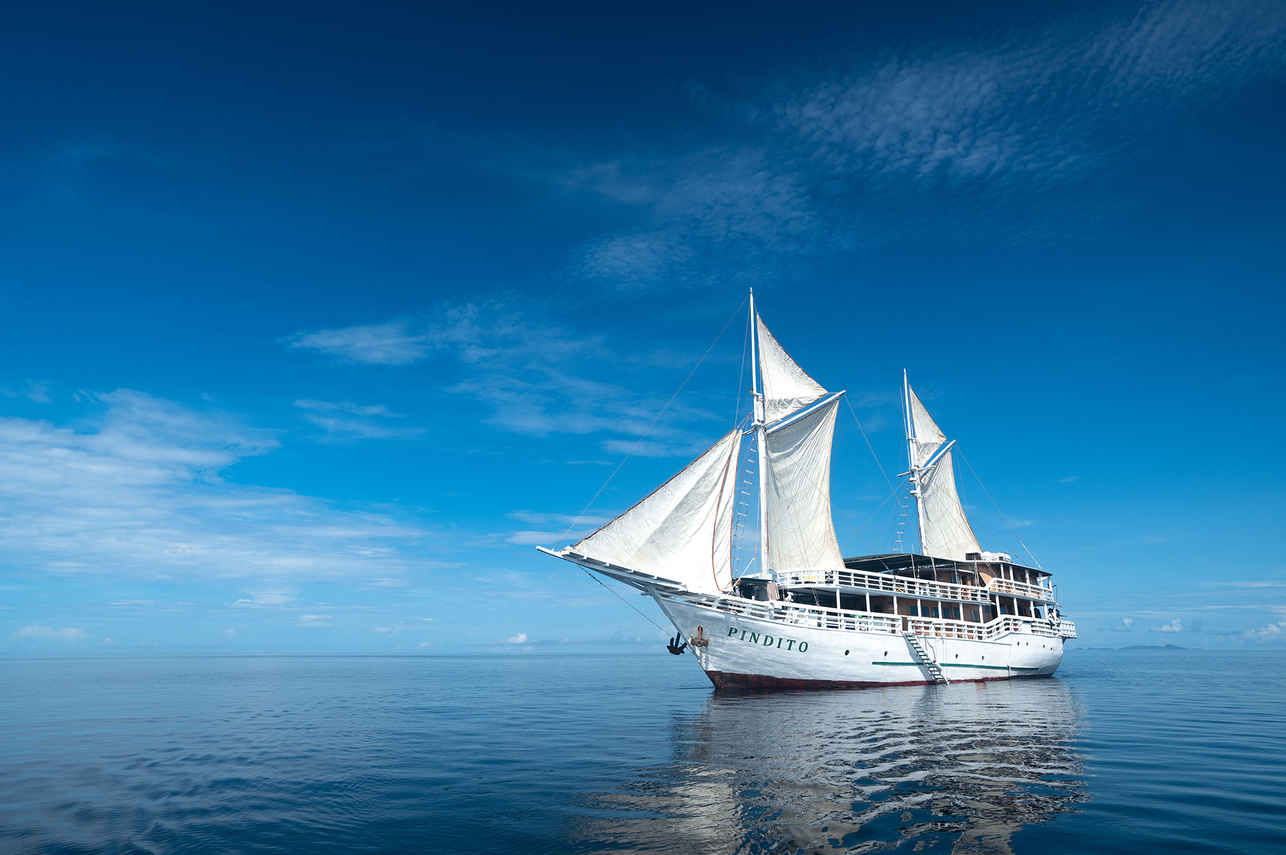
Pindito
Indonesia
16 guests38 m
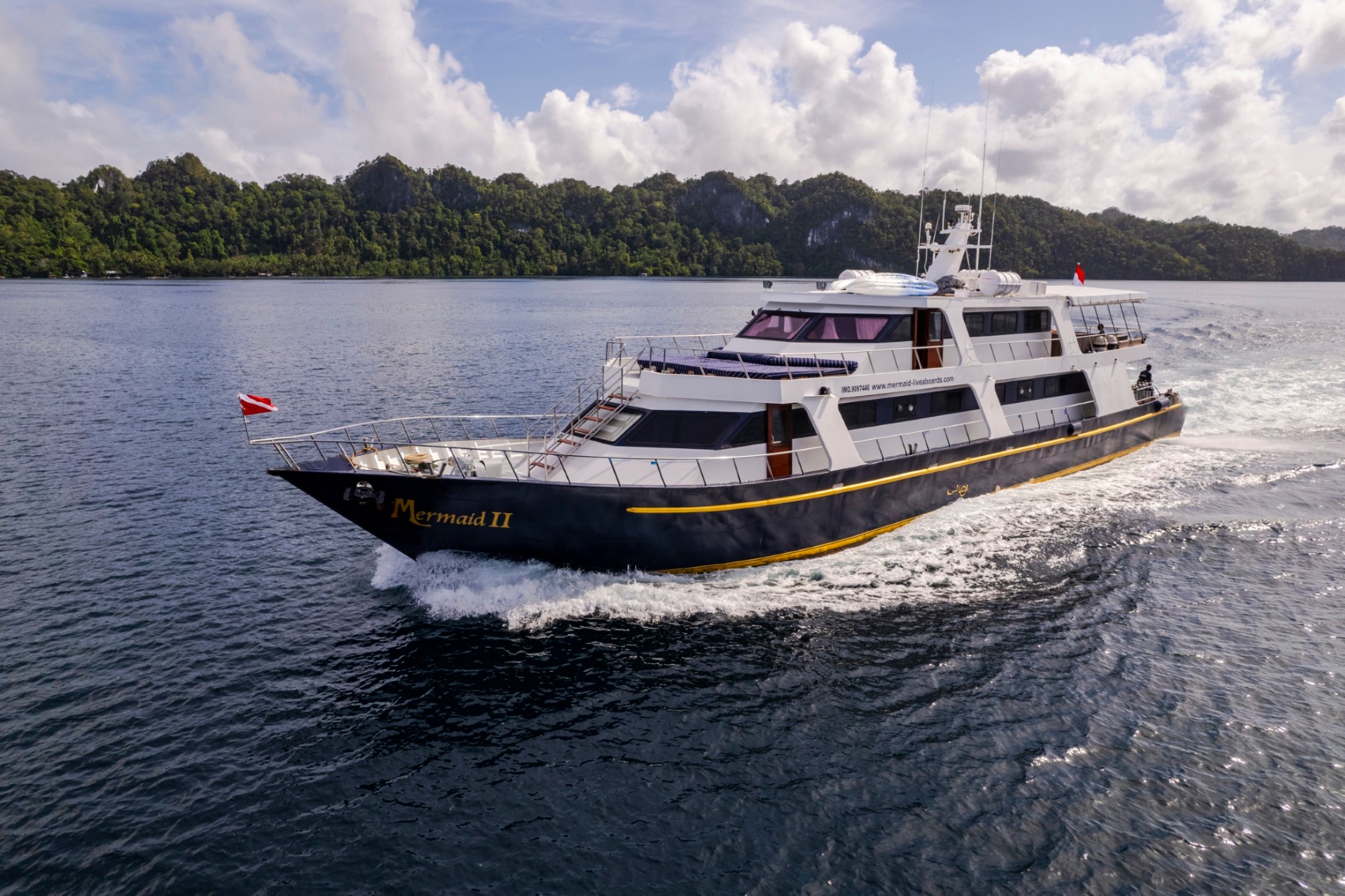
Mermaid II
Komodo, Indonesia
18 guests
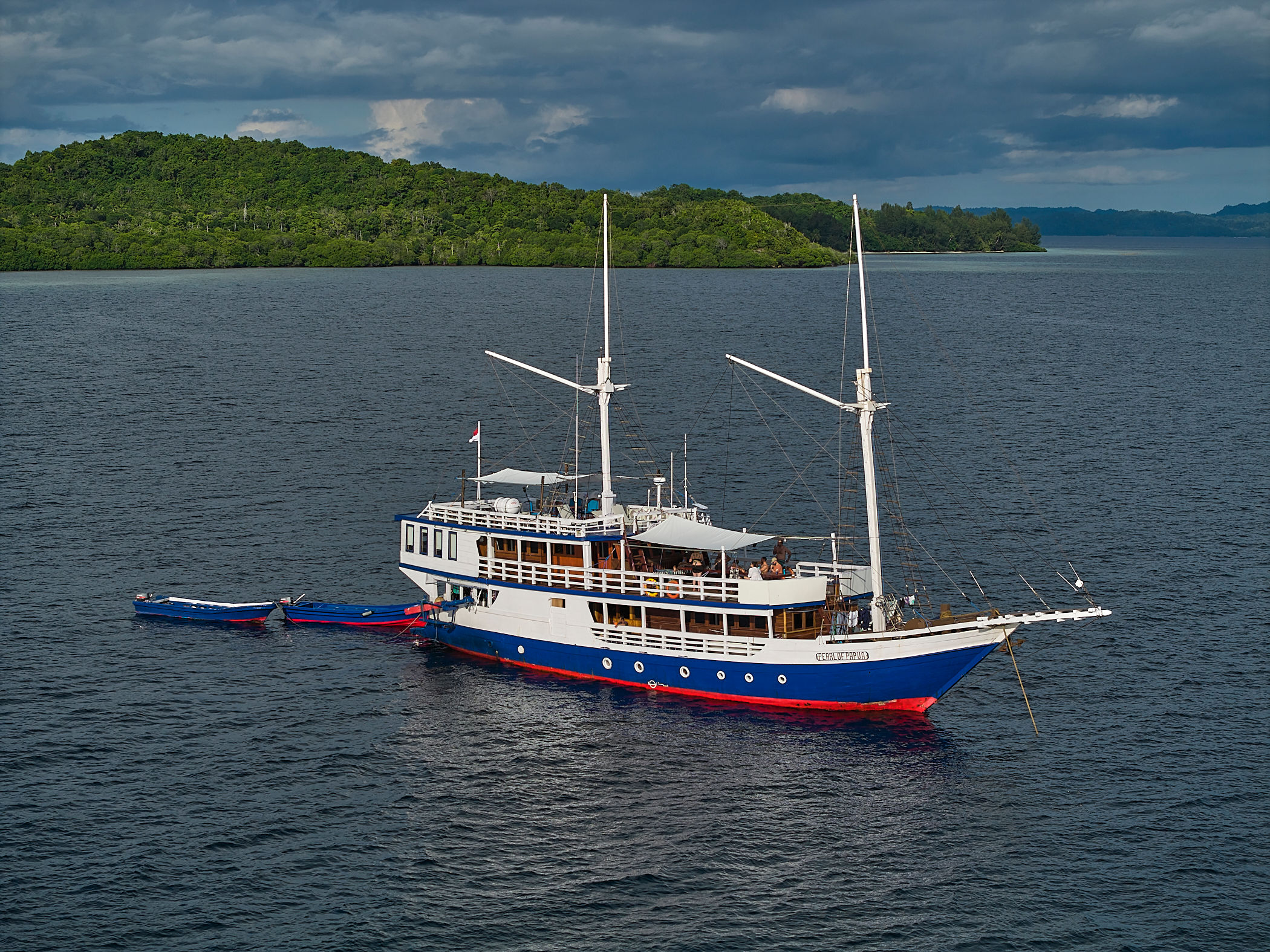
Pearl of Papua
Raja Ampat, Indonesia
14 guests30 m
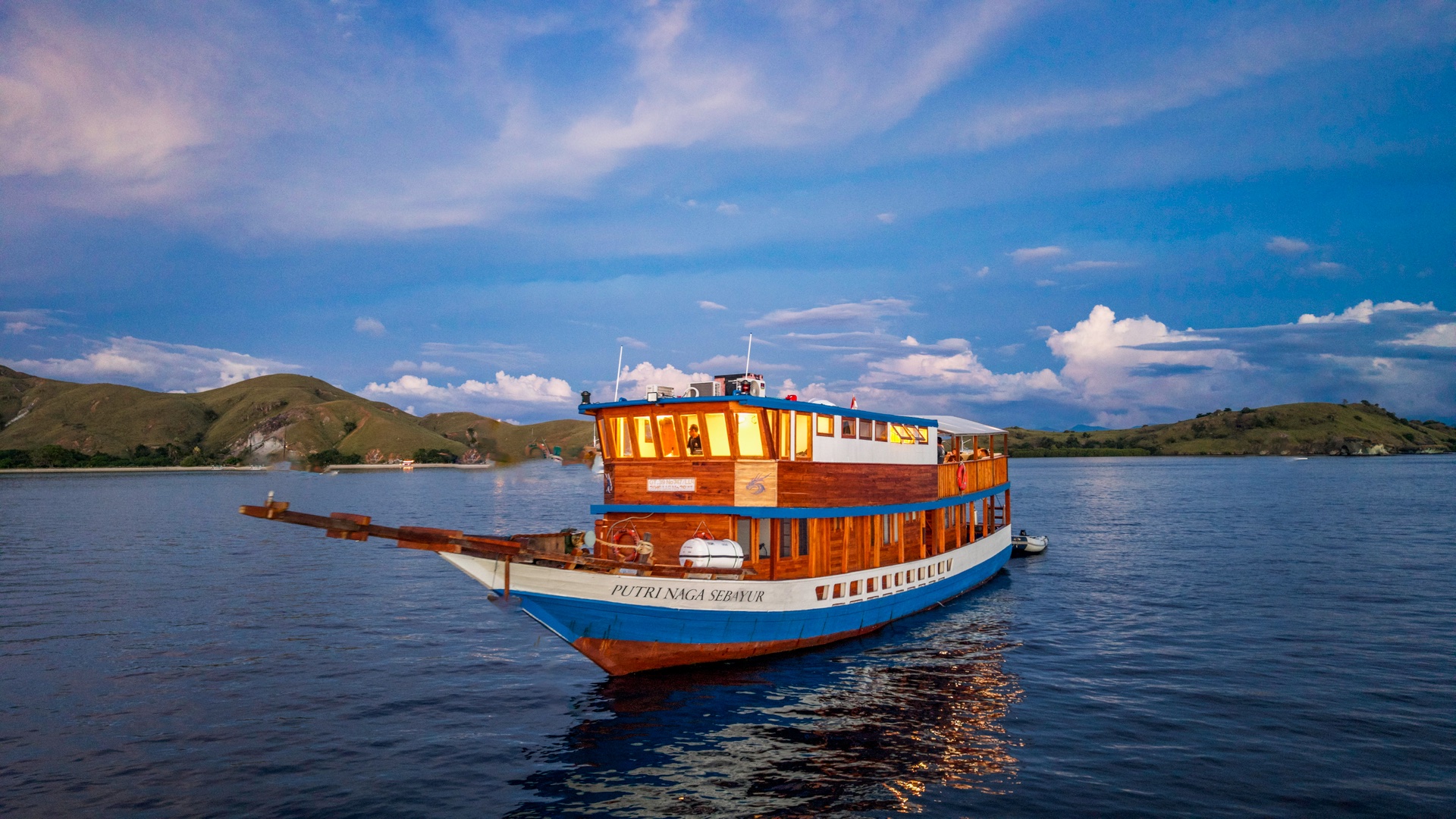
Putri Naga
Komodo, Indonesia
6 guests25 m
Dive sites similar to Hairball
Same character, same waters — six more sites divers love for the exact same reasons.Compare seasons, access and liveaboard routes — then pick the site that fits your trip best.
Abila is a notable dive site located within the Alor Islands Marine Park, an area celebrated for its rich marine biodiversity due to its position in the Coral Triangle.
- Suitable for
- Beginner
- Current
- Mild
- Access
- Liveaboard only
- Depth
- —
- Theme
- Reef
© Esri — Maxar, Earthstar, GIS
Adonara Channel
Alor
Adonara Channel stands as one of Alor's most iconic dive sites, celebrated for its dynamic currents and exceptionally rich biodiversity.
- Suitable for
- Advanced
- Current
- Strong
- Access
- Liveaboard or dayboat
- Depth
- 10–40 m
- Theme
- Drift / Wall
© Esri — Maxar, Earthstar, GIS
Adonara Wall
Indonesia
Adonara is an Indonesian island dive site, renowned for its vibrant underwater topography characterized by submerged seamounts.
- Suitable for
- Intermediate
- Current
- Strong
- Access
- Liveaboard or dayboat
- Depth
- 5–35 m
- Theme
- Seamount / Wall
© Esri — Maxar, Earthstar, GIS
Agnay Fish Sanctuary
Philippines
Agnay Fish Sanctuary is nestled in a sheltered bay near the village of Agnay in Romblon, a province celebrated for its rich marine biodiversity.
- Suitable for
- Beginner
- Current
- Mild
- Access
- Dayboat
- Depth
- 9–18 m
- Theme
- Reef
© Esri — Maxar, Earthstar, GIS
Ai Island Reef
Banda Sea
Ai Island Reef, nestled within the Banda Sea, offers a remarkable diving experience characterized by its rich marine biodiversity and varied underwater topography.
- Suitable for
- Beginner
- Current
- Strong
- Access
- Liveaboard only
- Depth
- 3–30 m
- Theme
- Reef / Seamount
© Esri — Maxar, Earthstar, GIS
Akitsushima
Philippines
The Akitsushima is a distinguished World War II Japanese seaplane tender, sunk in September 1944 during an American air raid in Coron Bay, Palawan.
- Suitable for
- Advanced
- Current
- Strong
- Access
- Dayboat
- Depth
- 22–38 m
- Theme
- Wreck