About Jahir
Jahir is a distinctive dive site located within the Lembeh Strait, a globally renowned area for muck diving between Lembeh Island and North Sulawesi's mainland. The strait itself is famed for its nutrient-rich waters and volcanic black sand, creating a unique habitat for unusual marine life. Unlike some of the shallower muck sites, Jahir is noted for its good visibility, allowing divers to comfortably descend to depths of 30 meters. This depth, combined with its recent exploration, suggests a dynamic environment that still holds many undiscovered elements and photographic opportunities. The site's characteristics make it appealing for both daytime exploration and night dives, where different nocturnal creatures emerge. The dive site contributes to Lembeh's reputation as a macro diver's paradise, a place where patience and keen observation are rewarded. It supports a diverse ecosystem of small, camouflaged, and often rare critters, making it a key attraction for underwater photographers and enthusiasts of unusual marine species. Jahir is one of more than 70 named dive sites within the narrow strait, all easily accessible by boat from local resorts. Diving in Lembeh, including at sites like Jahir, typically involves slow, deliberate movements over the sandy or rubble bottom. Divers focus on spotting the minute and often bizarre creatures that thrive in this environment, with the guidance of experienced divemasters who possess acute vision for locating these well-camouflaged subjects.
Highlights
Recently explored dive siteGood visibility to 30 metersExcellent for night divesRich macro biodiversityVolcanic black sand substrateUnique critter habitat
Season calendar
Best months to dive here
Jan
Feb
Mar
Apr
May
Jun
Jul
Aug
Sep
Oct
Nov
Dec
Good
Dive site facts: Jahir
- Depth
- 5–30 m
- Current
- Gentle
- Visibility
- 10–20 m
- Water temperature
- 25–29 °C
- Entry
- Day boat
- Level
- All levels (good buoyancy required)
- Dive type
- Muck, macro, sand slope
- Night dive
- Possible
- Region / port
- Lembeh Strait, North Sulawesi
- Coordinates
- 4.5585° S, 123.7496° E
Conditions & Currents
The Lembeh Strait generally experiences currents that are not excessively strong, owing to the protection offered by Lembeh Island. However, like many sites within the strait, Jahir's conditions can vary. Good buoyancy control is essential for diving Jahir due to the silty bottom composition, which can be easily disturbed. The modest currents and sheltered nature of the strait mean that surface waves are typically not a problem, ensuring relatively calm entry and exit conditions. Visibility is generally good at Jahir, often reaching 10-20 meters across the strait, though it can be reduced to 5-20 meters during the wet season, particularly in January and February due to increased runoff. Water temperatures consistently range from 25-29°C, and while thermoclines are not prominently mentioned, cooler water from July to September may influence some critter sightings.
Marine life & sighting chances
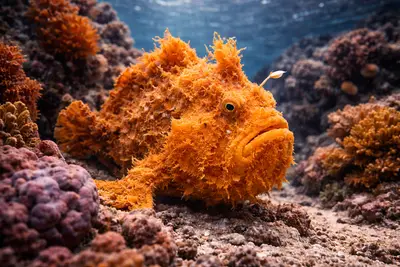
Hairy frogfish
July-September (cooler water) · common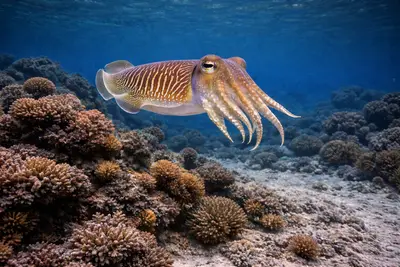
Flamboyant cuttlefish
July-September (cooler water) · common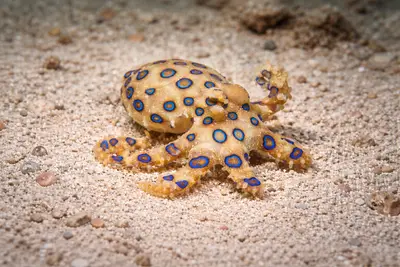
Blue-ringed octopus
common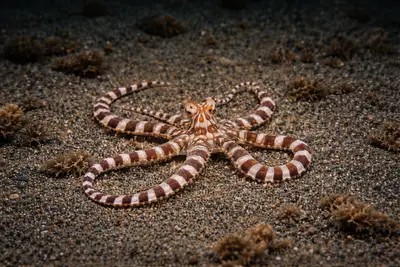
Mimic octopus
common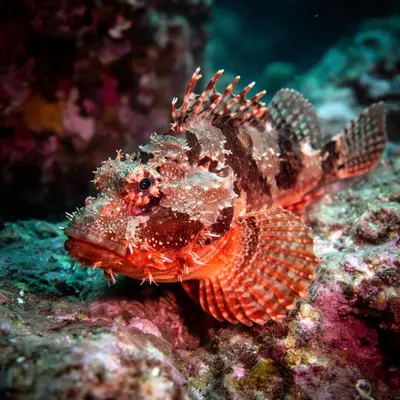
Ambon scorpionfish
common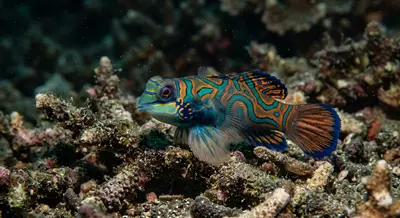
Dragonets
common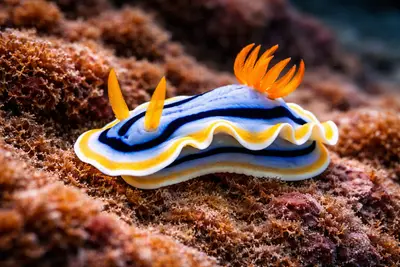
Nudibranchs
common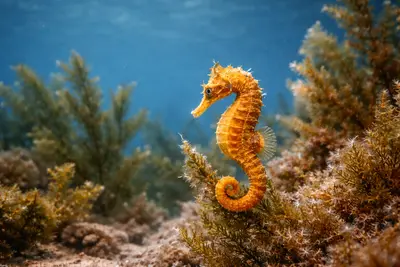
Seahorses
common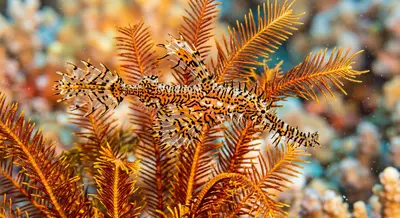
Ghost pipefish
common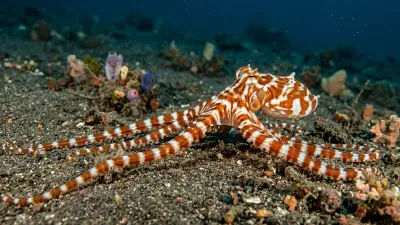
Wonderpus
common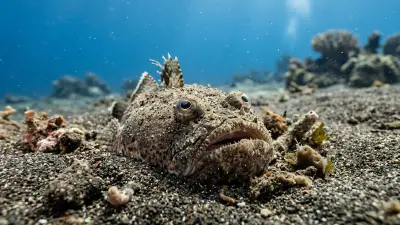
Stargazer
occasional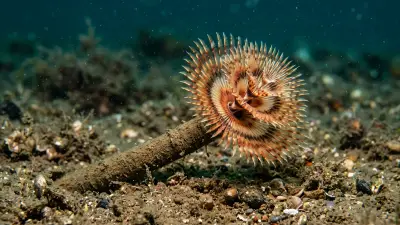
Bobbit worm
occasionalDive profile & how the dive runs
Diving at Jahir typically begins with a descent to its relatively deep reaches, sometimes to 30 meters, where the good visibility allows for comfortable exploration of the sandy or rubble bottom. Divers will slowly patrol the dark volcanic sand, often following a guide who can spot the highly camouflaged macro life. The dive progresses as a slow, deliberate search, emphasizing patience and keen observation rather than covering extensive distances. The focus is on finding specific, often tiny, critters that blend seamlessly into the environment. Night dives at Jahir offer a different experience, as nocturnal creatures emerge, prompting a change in search patterns and subject matter. Ascent is gradual, with safety stops typically conducted in the shallower sections of the site, allowing for continued macro observation while off-gassing. Buoyancy control is paramount throughout the dive to avoid disturbing the silty substrate.
Underwater photography
Jahir, like most sites in Lembeh, is a prime location for macro photography, both day and night. For daytime dives, the volcanic black sand provides a neutral, high-contrast background that makes colorful subjects pop, requiring careful aperture and shutter speed choices to capture detail. Visibility at Jahir is often good, aiding in subject isolation. For night photography, external light sources like snoots or focus lights are invaluable for highlighting nocturnal critters such as blue-ringed octopuses or bobbit worms. Precision buoyancy is crucial to avoid stirring up the silt and ensure clear shots. Divers should use a macro lens (e.g., 60mm or 100/105mm) for tiny subjects, often paired with strobes to illuminate subjects and manage ambient light. Patience is key; dedicating time to a single subject often yields the best results. Given the delicate nature of many subjects, photographers must maintain respectful distances and avoid harassing marine life for the perfect shot.
Combine with nearby dive sites
- Hairball
Iconic muck site for frogfish and cephalopods
- Nudi Falls
Mini wall and rubble zone with abundant nudibranchs and ribbon eels
- Teluk Kambahu
Three connected classic black sand slopes for rare octopuses and pipefish
- Angel Window
Pinnacle with a swim-through, offering a break from muck diving
- Police Pier
Popular night dive site known for snake eels, scorpionfish, and crustaceans
- Makawide
Three sites between boulders, protected from waves and current
Getting there & logistics
Access to Jahir and other Lembeh Strait dive sites is almost exclusively via land-based dive resorts, as liveaboards rarely operate within the strait itself. Divers typically fly into Manado (MDC) airport in North Sulawesi, followed by a transfer to the Bitung area and then a short boat ride or land transfer to their chosen resort on Lembeh Island or the mainland. Dive trips are usually run multiple times a day from these resorts, including night dives, with sites often less than 15 minutes away. Resort packages typically cover marine park fees, accommodation, meals, and guided dives, sometimes offering dedicated photo facilities. Bookings for peak season (July-October) should be made 3-6 months in advance, especially for specialized macro photo trips with private guides.
Safety & environment
While diving in Lembeh is generally considered safe, especially with the gentle currents at sites like Jahir, divers should prioritize good buoyancy control to avoid damaging the silty bottom and ensure clear visibility. The nearest recompression chamber is located in Manado, approximately 1.5 to 2 hours drive from the Lembeh Strait, highlighting the importance of dive accident insurance covering medical evacuation and treatment. Site-specific hazards are minimal, but divers should be aware of potentially venomous critters like stonefish or scorpionfish, which are well-camouflaged; never touch marine life. Guides are trained in critter etiquette, promoting low-impact diving practices. Divers are advised to adhere strictly to dive plans, monitor air consumption, and maintain adequate surface interval times.
Who it suits — and who it doesn't
Suited for
- Macro photographers
- Muck diving enthusiasts
- Divers seeking rare and unusual critters
- Divers with excellent buoyancy control
- Night dive aficionados
Less suited for
- Divers seeking large pelagic encounters
- Divers preferring extensive coral gardens
- Divers with poor buoyancy skills
- Divers uninterested in slow, observational dives
- Beginners without prior experience in silty environments
FAQ
Jahir FAQ
What kind of marine life can I expect to see at Jahir?
Jahir is known for its incredible macro biodiversity, typical of the Lembeh Strait. You can expect to encounter various rare and camouflaged critters such as hairy frogfish, flamboyant cuttlefish, blue-ringed octopus, and mimic octopus. Other common sightings include Ambon scorpionfish, dragonets, nudibranchs, and ghost pipefish, especially during slow, patient searches.
Is Jahir suitable for beginner divers?
While the Lembeh Strait generally has gentle currents, good buoyancy control is non-negotiable for diving Jahir due to its silty bottom. Divers of all levels can enjoy Jahir with proper guidance, but beginners should have strong control over their buoyancy to avoid disturbing the substrate and ensure an enjoyable experience. Prior experience in similar environments is beneficial.
What are the visibility and water temperature like at Jahir?
Jahir offers good visibility, often extending to 30 meters by day, though typical visibility in the strait ranges from 10 to 20 meters. Water temperatures are consistently warm, generally between 25°C and 29°C year-round. Visibility can be slightly reduced during the wet season (November to February) due to increased rainfall, particularly in January and February.
Can I do night dives at Jahir?
Yes, Jahir is a popular site for night dives. Many nocturnal critters emerge after dark, offering a completely different photographic and observational experience compared to daytime dives. Resorts in Lembeh frequently offer night dive opportunities, allowing you to explore the site's hidden treasures under the cover of darkness.
How is Jahir different from other Lembeh dive sites?
Jahir is noted as a recently explored site, suggesting ongoing discoveries, and stands out for its good visibility even at depths up to 30 meters. While it shares the typical black sand substrate and macro focus with other Lembeh sites like Hairball or Teluk Kambahu, its slightly deeper profile and 'new' status make it an exciting proposition for divers looking for fresh encounters within the strait.
Why dive Jahir from a liveaboard?
Jahir is one of Indonesia's signature dive sites. A liveaboard sleeps you on the water and puts you in the water for three to four guided dives per day, including dawn and night dives that day-boat operators rarely offer. You skip the daily commute back to port and reach quieter, less-crowded sites in the same region on a single trip.
Below are the liveaboards that include Jahir on their Indonesia itineraries.
Liveaboards diving Jahir
These liveaboards may visit Jahir on selected itineraries — the exact dive sites depend on departure, weather and conditions.
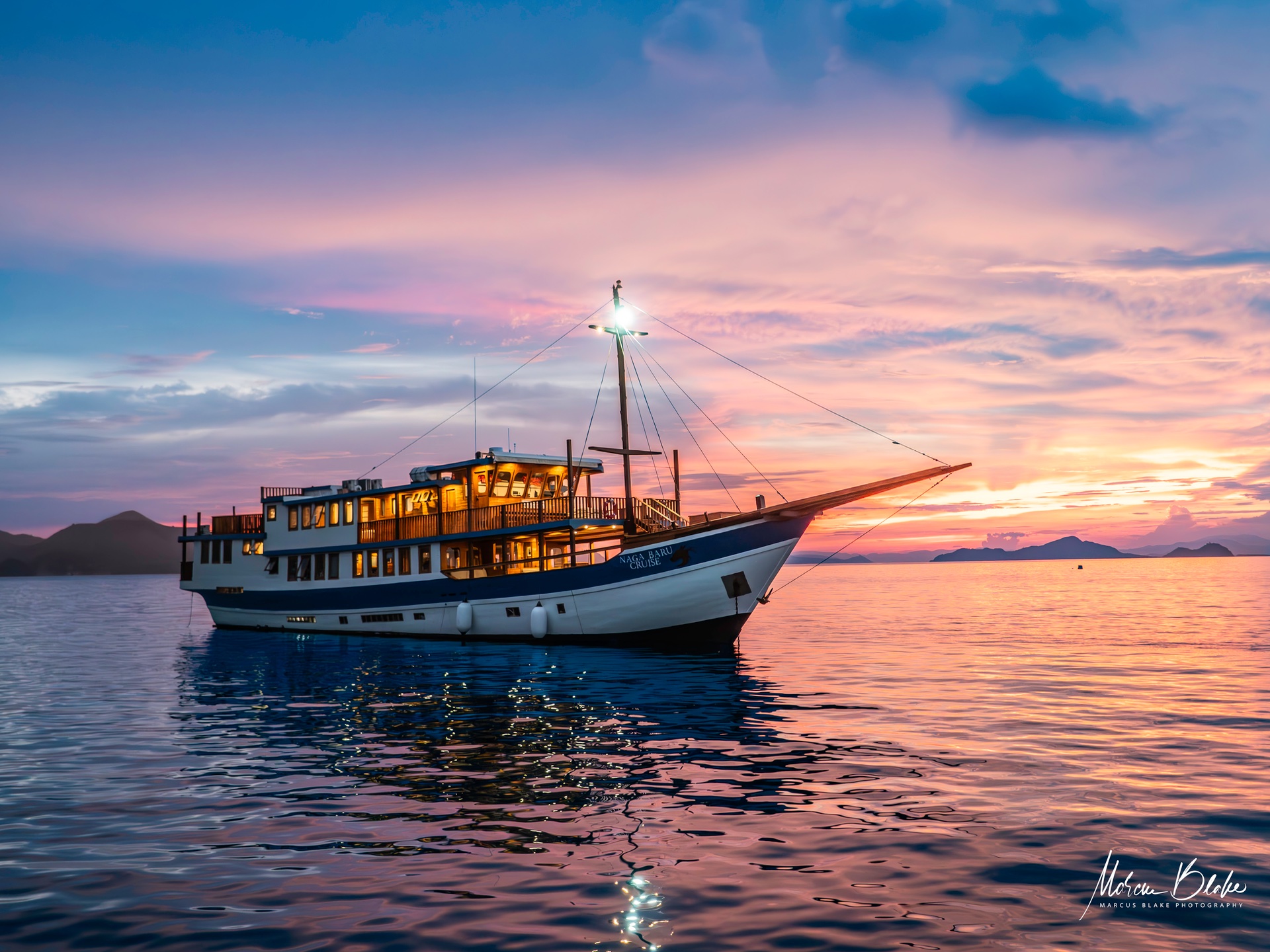
Naga Biru
Indonesia
12 guests40 m
$273/day
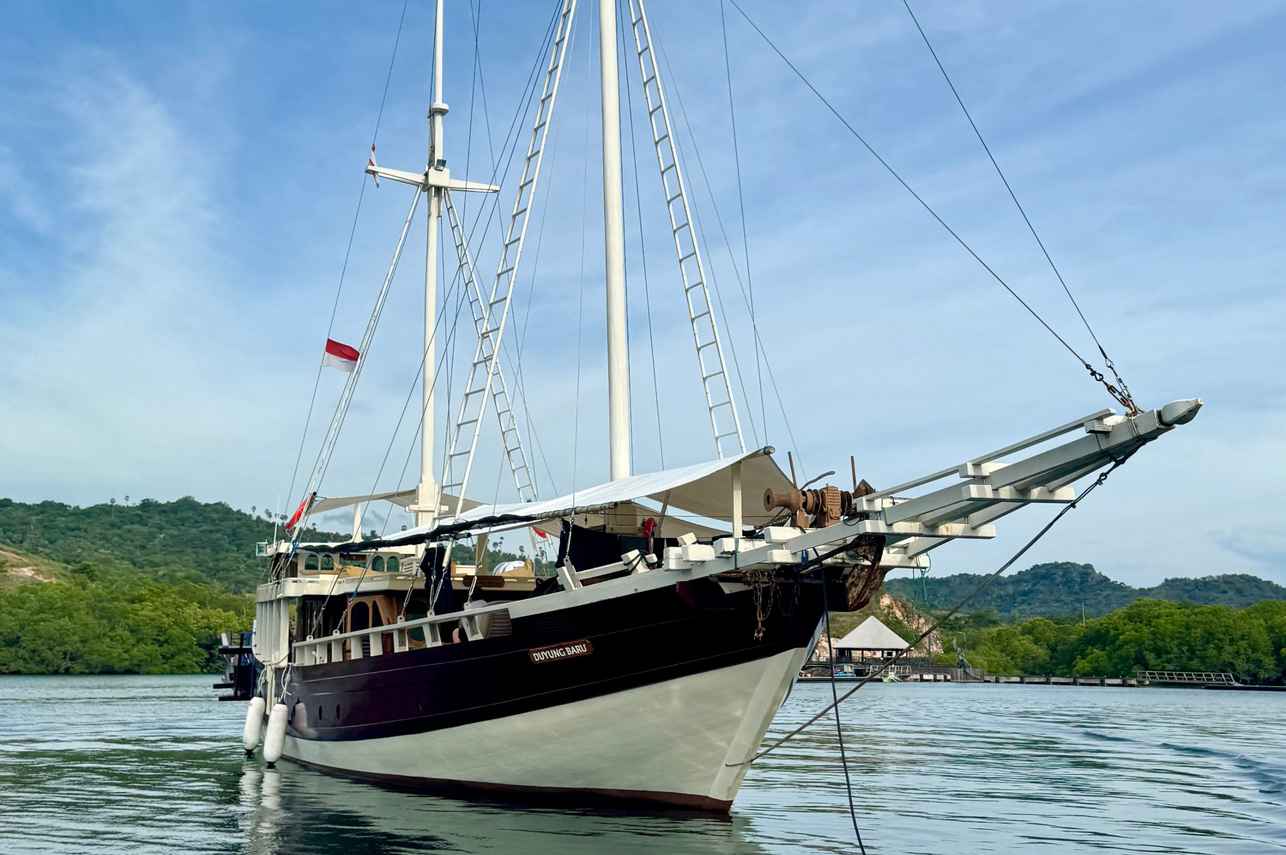
Ecopro Duyung Baru
Indonesia
6 guests27 m
$361/day
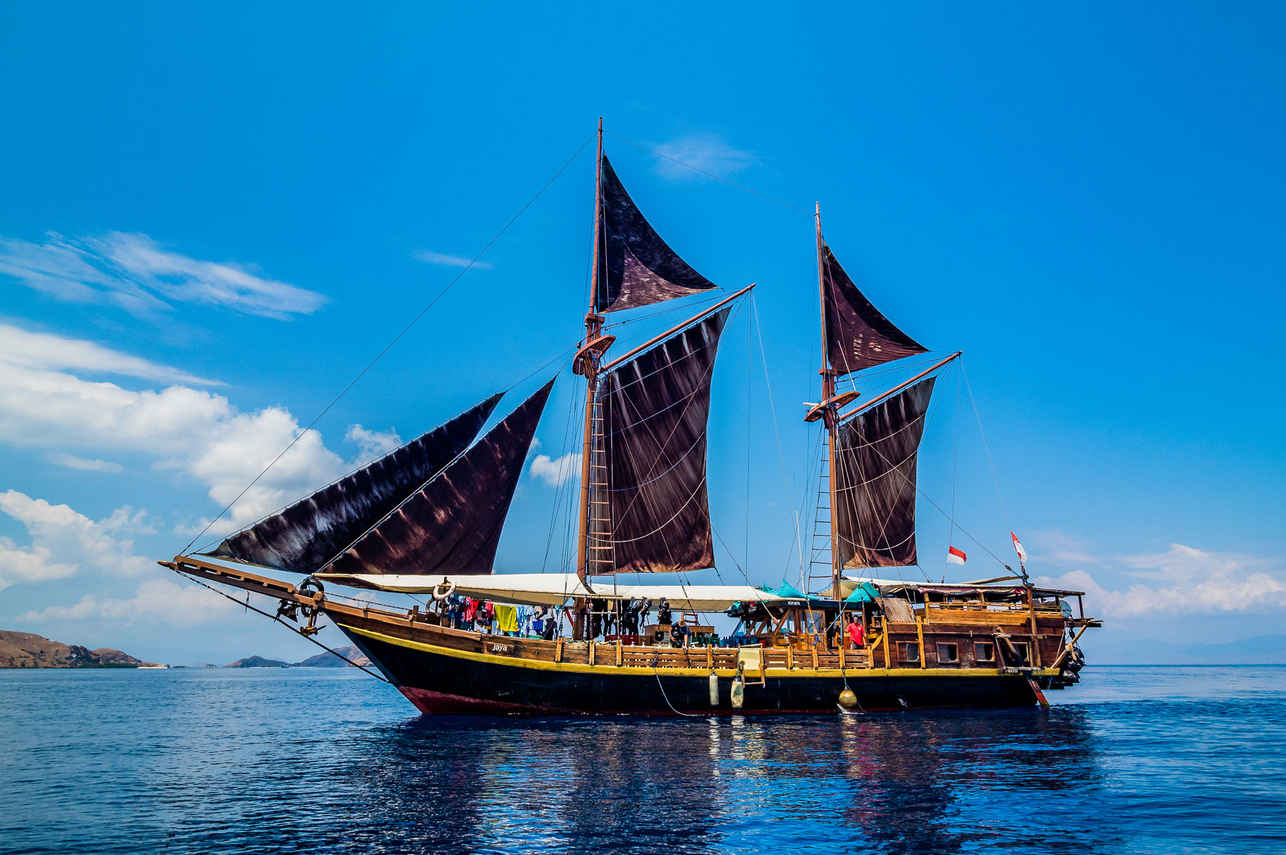
Jaya
Indonesia
14 guests23 m
$280/day
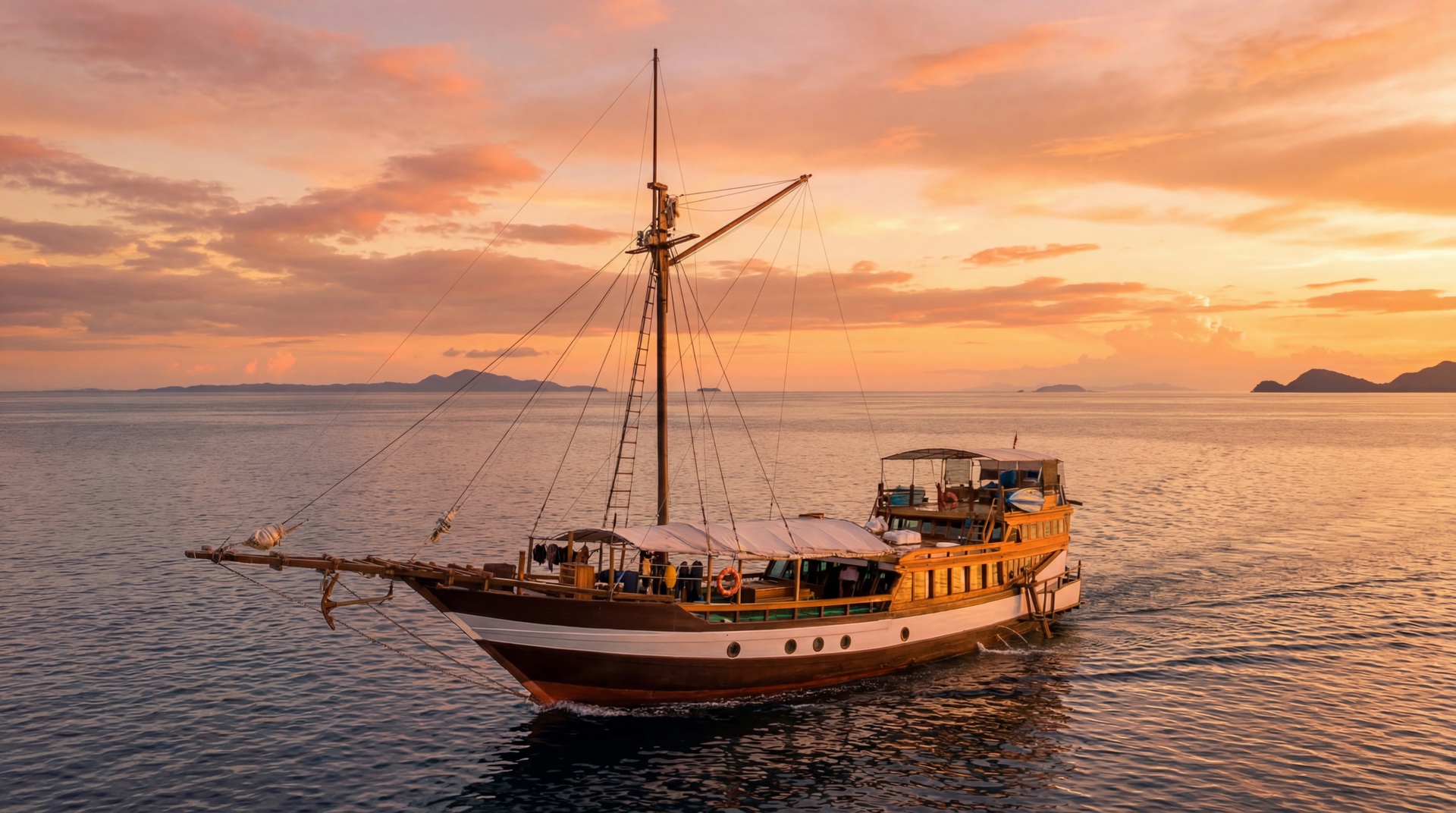
Wellenreng
Indonesia
9 guests25 m
$426/day
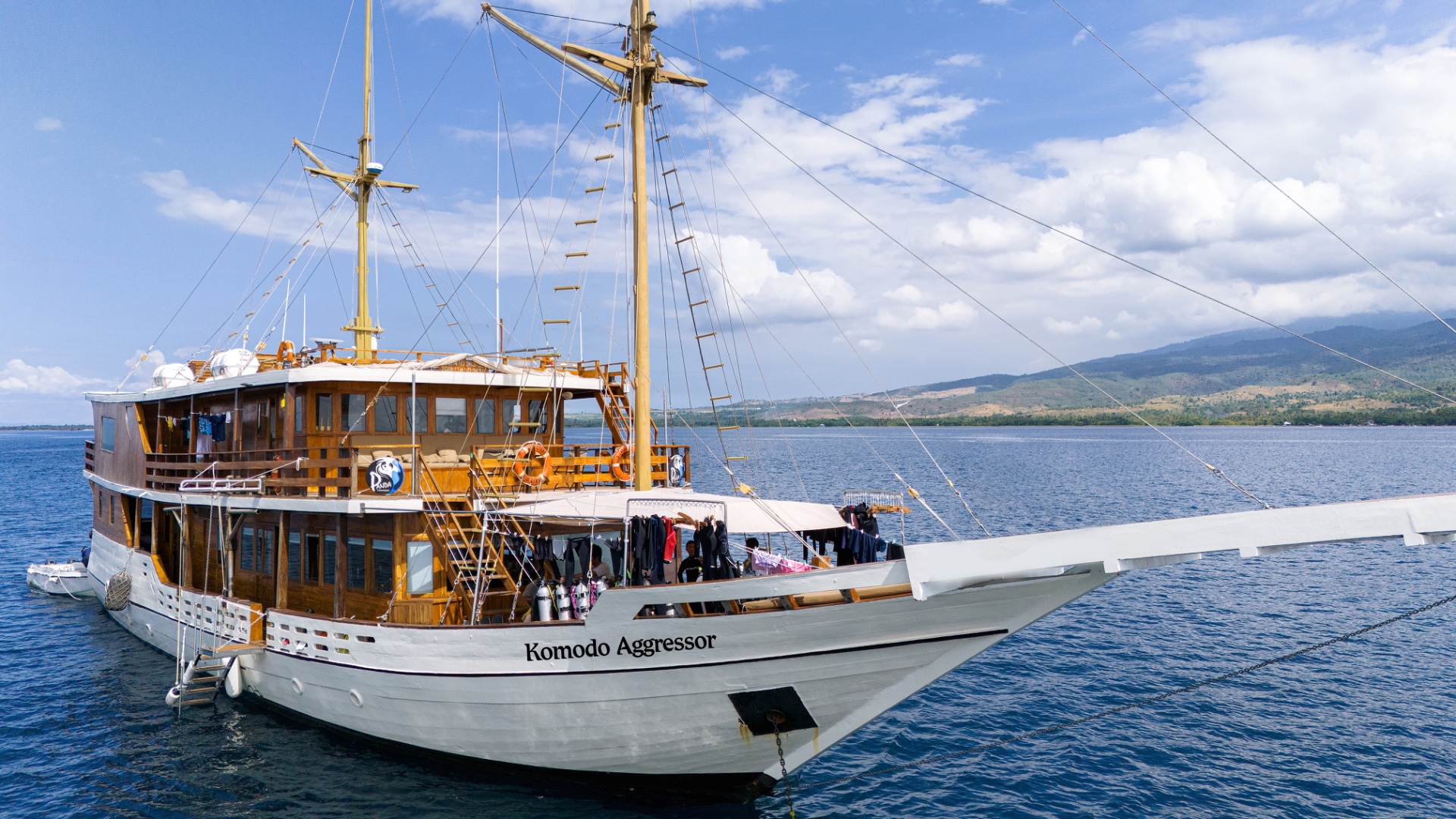
Komodo Aggressor
Komodo, Indonesia
16 guests29 m
$312/day
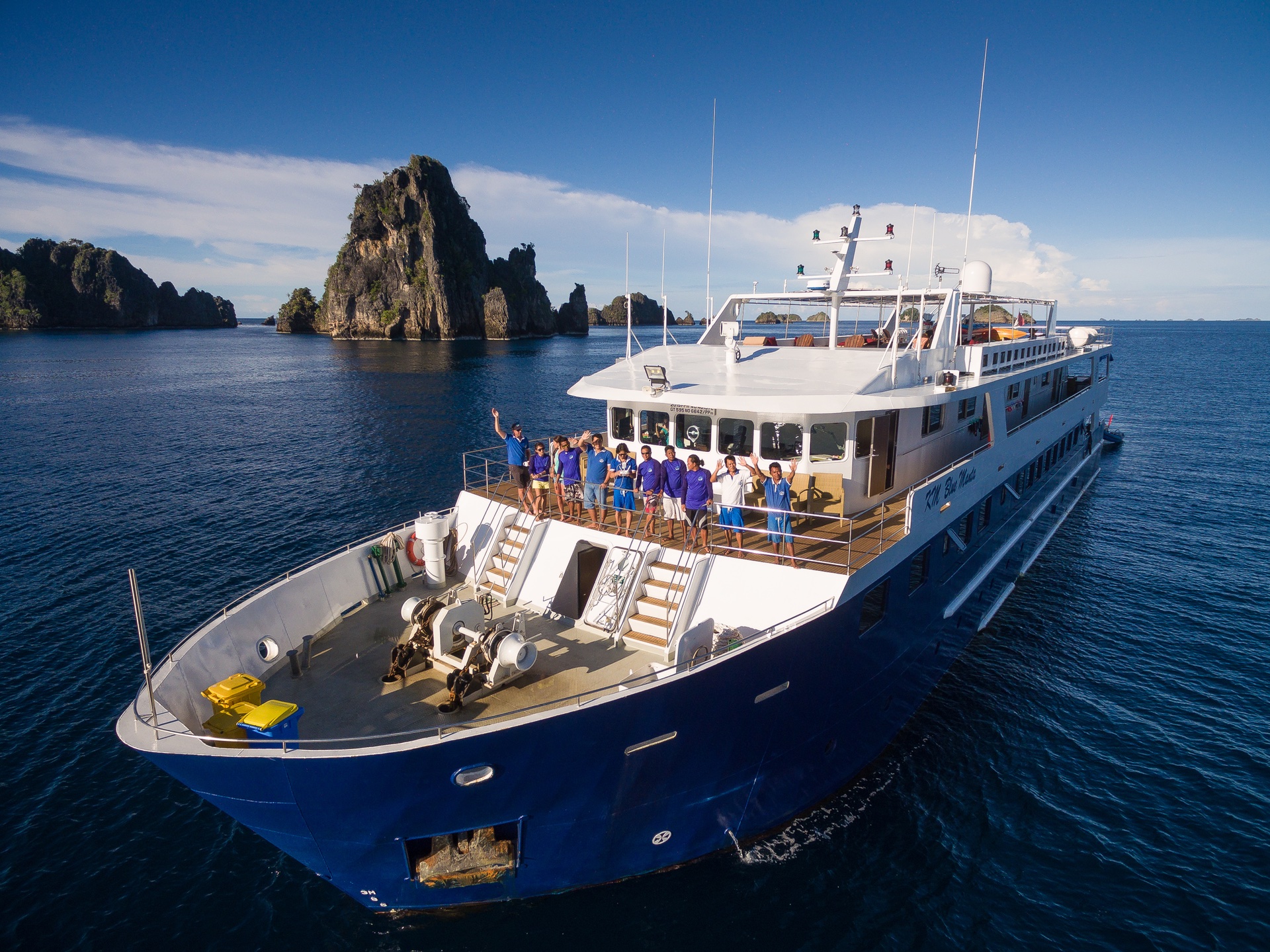
Blue Manta
Indonesia
20 guests45 m
$488/day
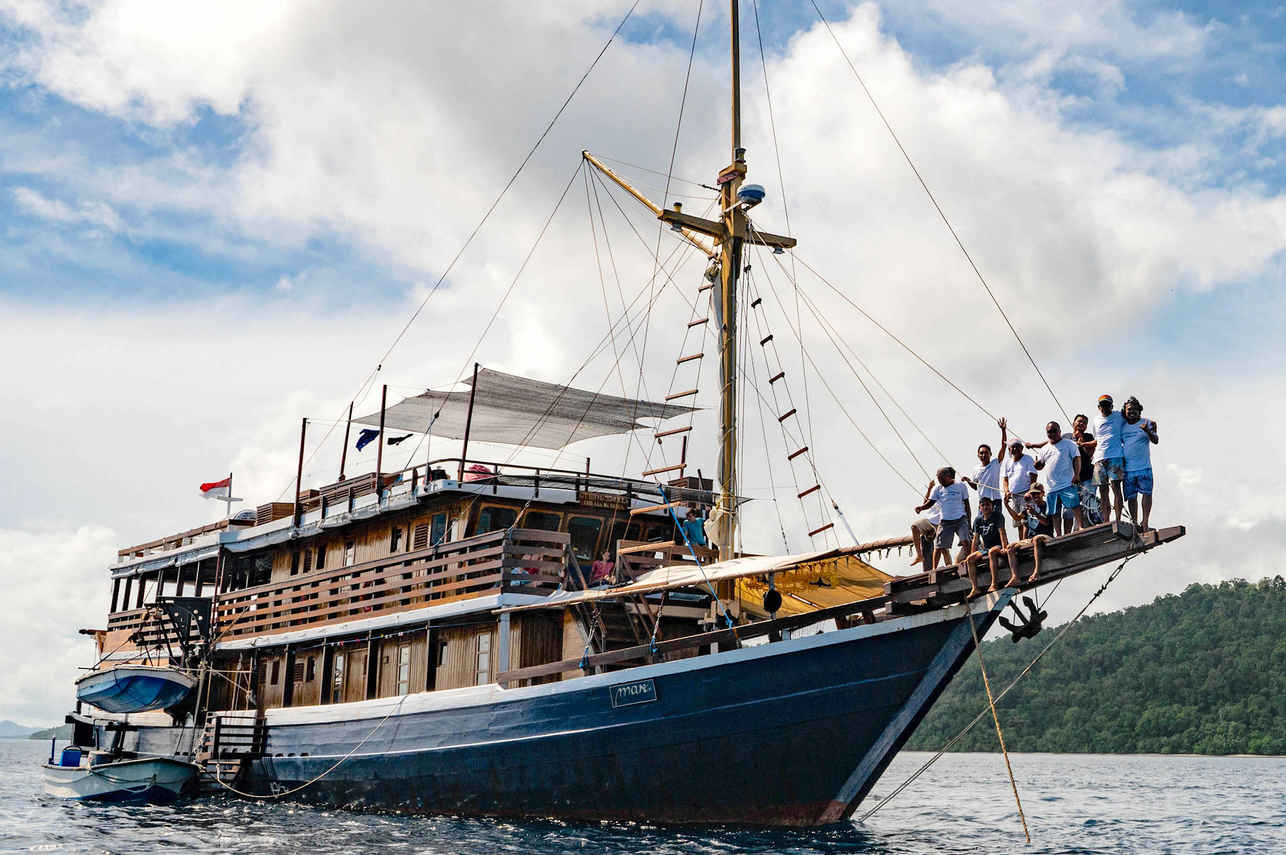
Mari
Indonesia
14 guests32.2 m
$327/day
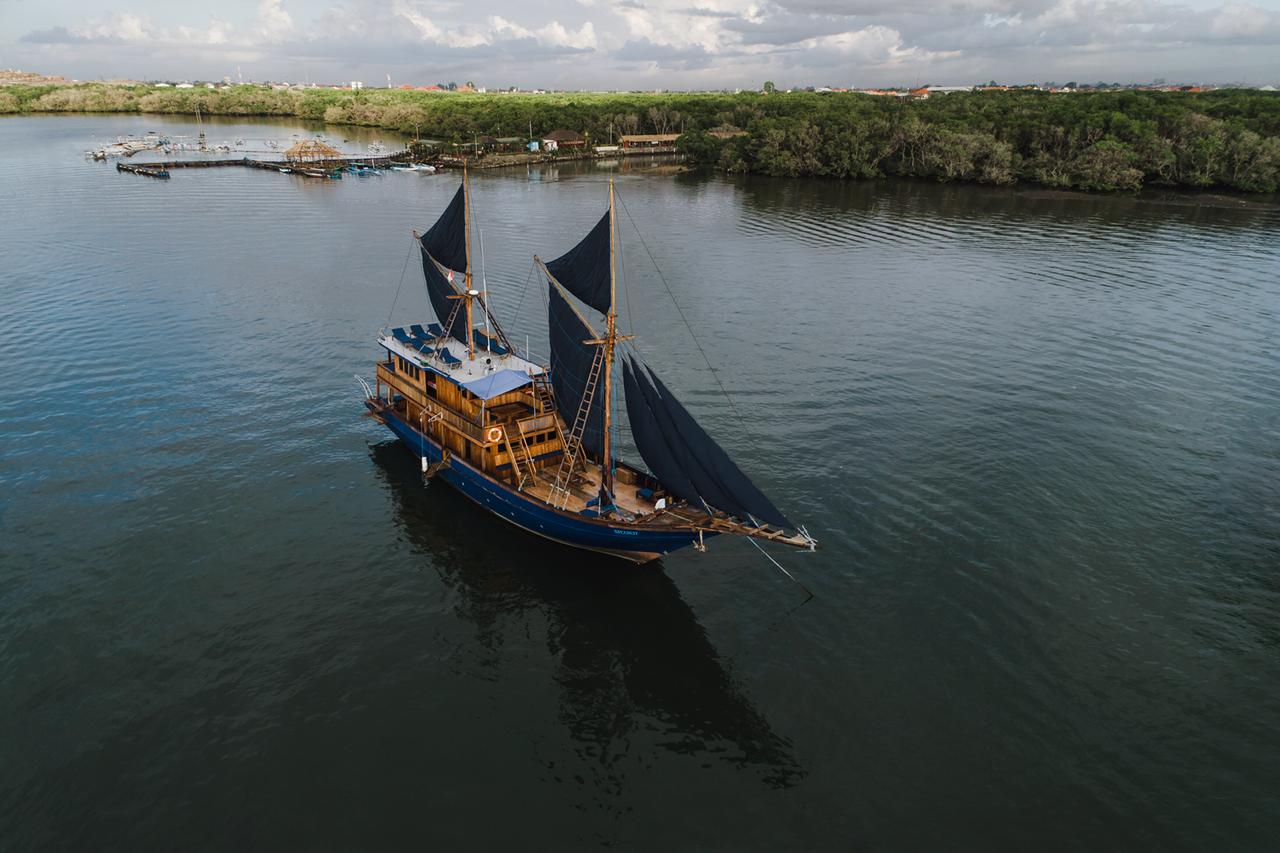
Situju7
Komodo, Indonesia
10 guests32.7 m
$362/day
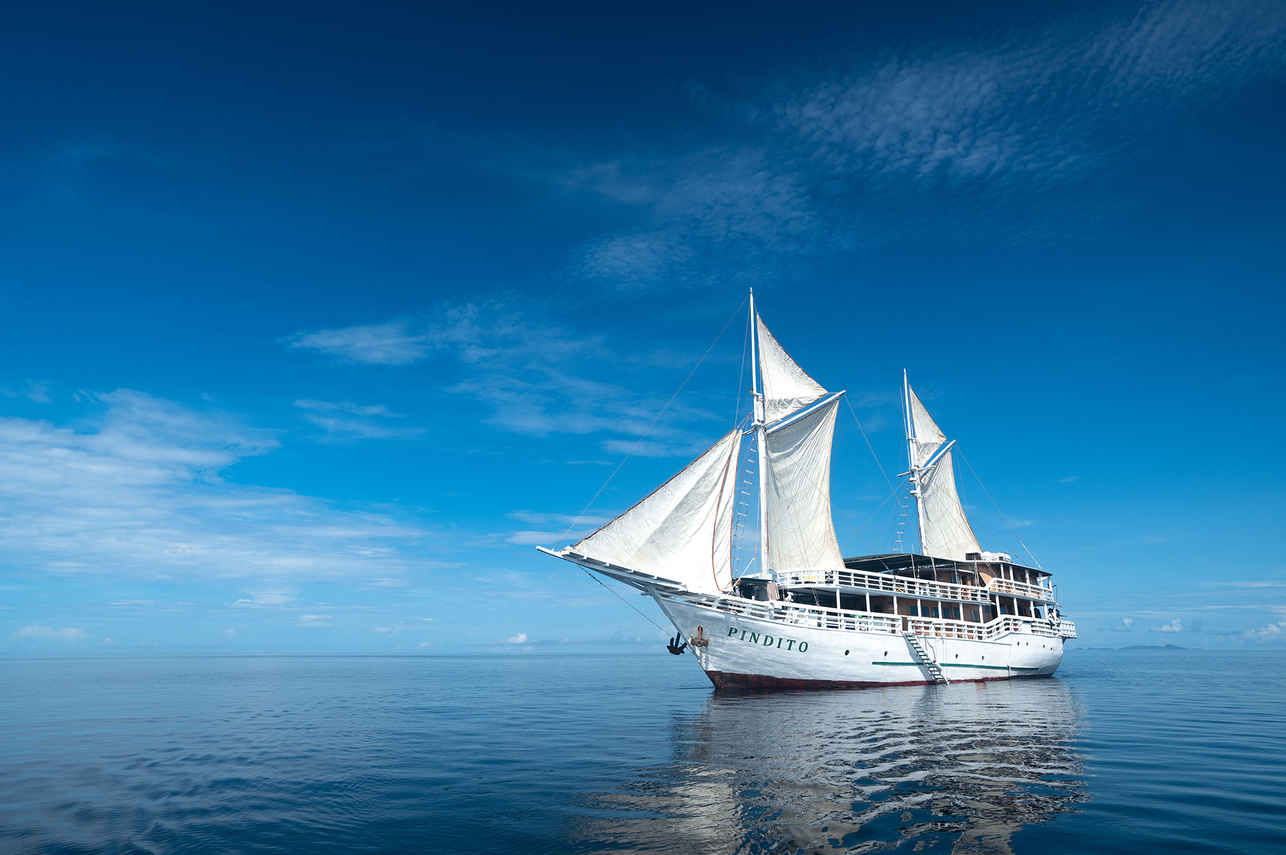
Pindito
Indonesia
16 guests37.79 m
$533/day
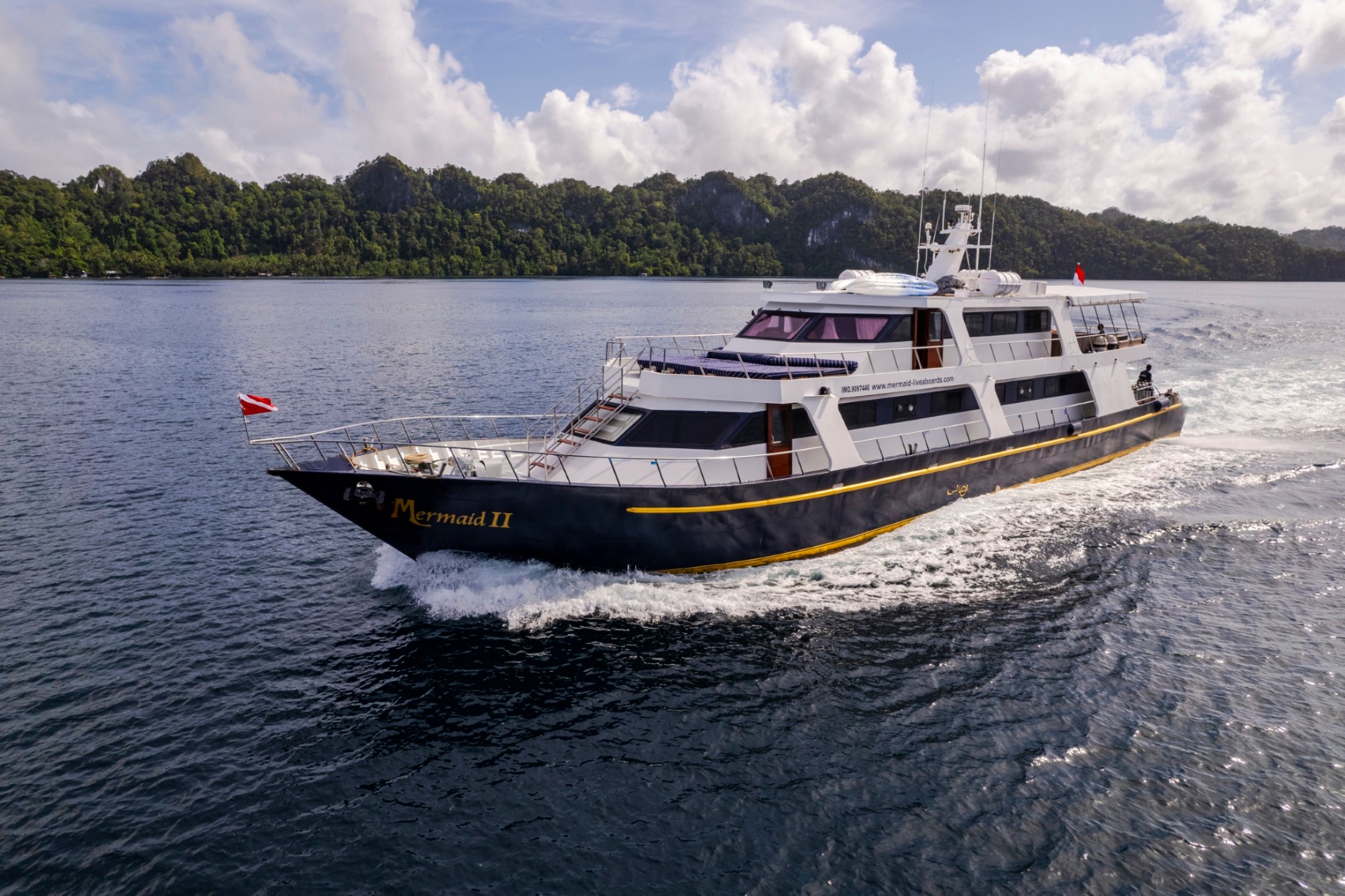
Mermaid II
Komodo, Indonesia
18 guests
$354/day
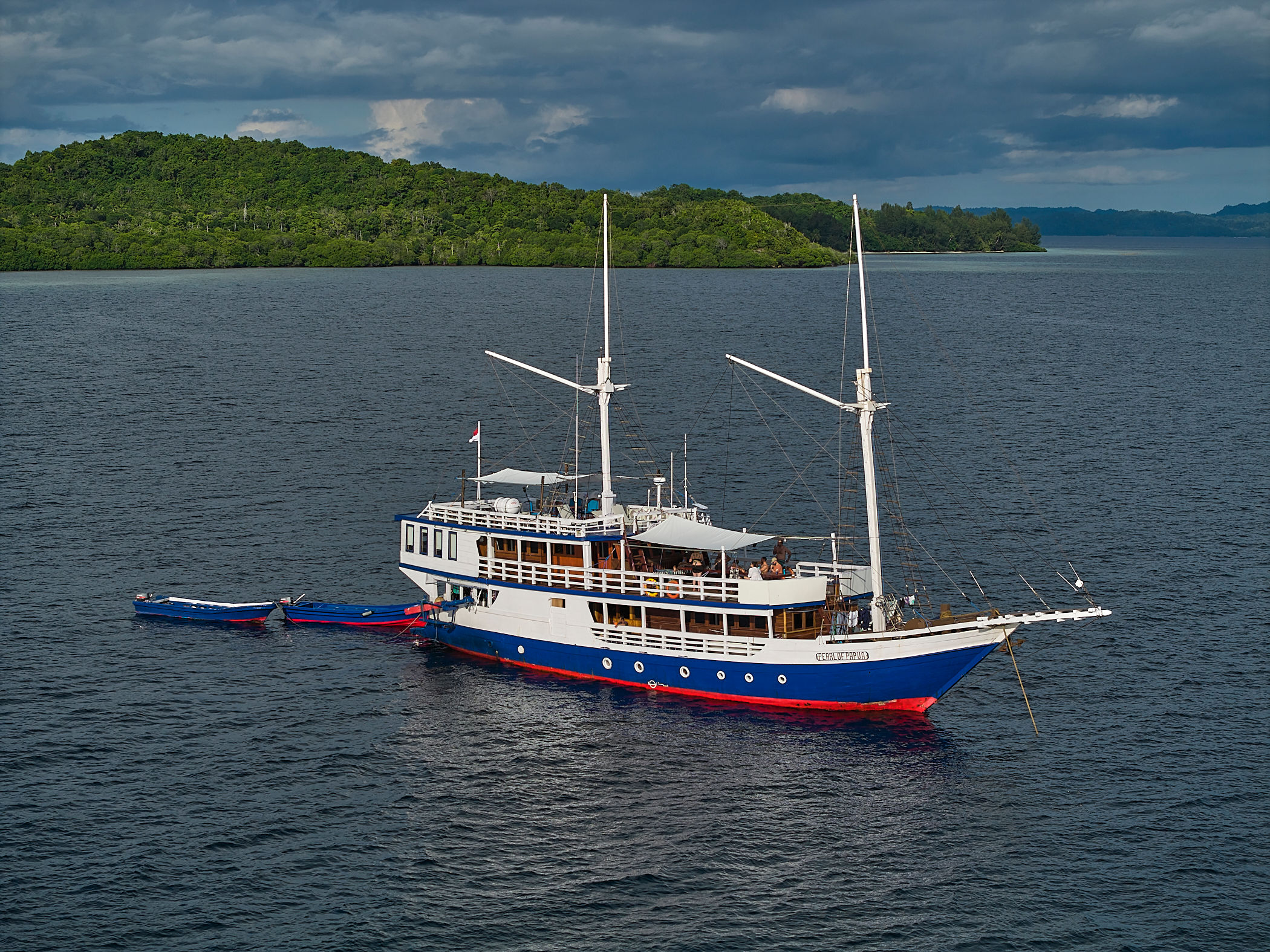
Pearl of Papua
Raja Ampat, Indonesia
14 guests30 m
$303/day
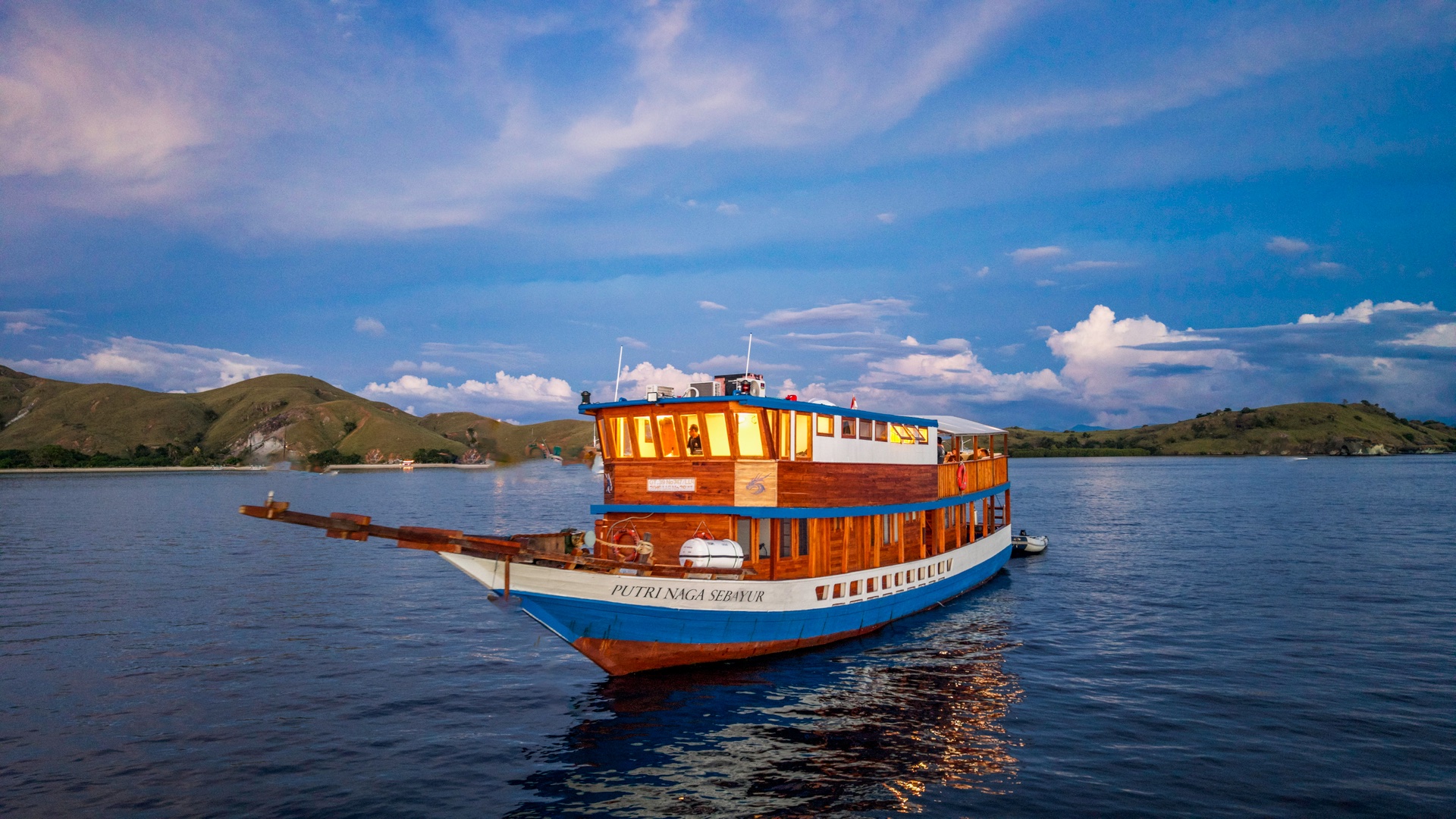
Putri Naga
Komodo, Indonesia
6 guests25 m
$222/day
Dive sites similar to Jahir
Same character, same waters — six more sites divers love for the exact same reasons.Compare seasons, access and liveaboard routes — then pick the site that fits your trip best.
© Esri — Maxar, Earthstar, GIS
Police Pier Lembeh
Indonesia
Police Pier in Lembeh Strait is a renowned muck diving site, celebrated for its extraordinary biodiversity and as a haven for unique macro marine life.
- Suitable for
- Intermediate
- Current
- Moderate
- Access
- Liveaboard or dayboat
- Depth
- 3–12 m
- Theme
- Muck diving
Located in Tulamben Bay on Bali’s northeastern coast, Drop Off, also known as the Tulamben Wall, is a rewarding dive site recognized for its dramatic underwater landscape.
- Suitable for
- Intermediate
- Current
- Mild
- Access
- Shore / dayboat
- Depth
- 5–60 m
- Theme
- Muck diving / Reef
Ghost Bay is a renowned dive site located in Amed, on Bali's eastern coast, celebrated for its unique sandy topography and the incredible diversity of macro life it supports.
- Suitable for
- Beginner
- Current
- No current
- Access
- Shore / dayboat
- Depth
- 3–20 m
- Theme
- Muck diving
TK3 is a premier dive site located in the renowned Lembeh Strait, an area celebrated worldwide as the capital of muck diving.
- Suitable for
- Intermediate
- Current
- Strong
- Access
- Liveaboard or dayboat
- Depth
- 5–25 m
- Theme
- Muck diving
© Esri — Maxar, Earthstar, GIS
Nudi Falls
Indonesia
Nudi Falls is a renowned macro dive site located on the mainland side of the Lembeh Strait, a narrow channel between mainland Sulawesi and Lembeh Island in Indonesia.
- Suitable for
- Intermediate
- Current
- Moderate
- Access
- Dayboat
- Depth
- 1–25 m
- Theme
- Muck diving / Wall
© Esri — Maxar, Earthstar, GIS
Lembeh Strait
Indonesia
The Lembeh Strait, situated in North Sulawesi, Indonesia, is celebrated as the world's foremost destination for muck diving and macro photography.
- Suitable for
- Beginner
- Current
- Strong
- Access
- Shore / dayboat
- Depth
- 5–25 m
- Theme
- Drift / Muck diving