About Police Pier Lembeh
Police Pier in Lembeh Strait is a renowned muck diving site, celebrated for its extraordinary biodiversity and as a haven for unique macro marine life. Unlike typical coral reefs, this site features a soft, sandy, and sometimes silty bottom, interspersed with debris, which creates an ideal habitat for creatures mastering camouflage and mimicry. The pier itself acts as an artificial reef, with its pylons providing shelter and a substrate for sponges, corals, and marine plants, attracting a variety of fish and invertebrates. Depths typically range from shallow areas around 5 meters down to about 30 meters, with much of the fascinating activity concentrated in the shallower sections. The environment's often murky conditions, caused by stirred-up sediment and nutrient-rich waters, paradoxically contribute to its appeal for many of the resident species. Lembeh Strait is world-famous as the muck diving capital, and Police Pier exemplifies why. Divers frequently encounter elusive species like frogfish, octopuses, and nudibranchs, often found hiding among the detritus or on the sandy slopes. This site is particularly popular for night dives, when many nocturnal creatures emerge, offering a different perspective on its rich ecosystem. Diving here is a slow, methodical experience, rewarding patience and keen observation. The focus is on spotting tiny, well-camouflaged critters, making it a favorite among underwater photographers and marine life enthusiasts. The conditions are generally calm, making it accessible for divers with good buoyancy control who appreciate a detailed-oriented dive.
Highlights
Muck diving paradiseRare macro crittersNight dive hotspotFlamboyant cuttlefishHairy frogfishBlue-ringed octopusStargazersArtificial reef structure
Season calendar
Best months to dive here
Jan
Feb
Mar
Apr
May
Jun
Jul
Aug
Sep
Oct
Nov
Dec
Excellent
Good
Dive site facts: Police Pier Lembeh
- Depth
- 5–30 m
- Typical dive
- 10–20 m, 60–75 min
- Current
- Mild
- Visibility
- 5–20 m
- Water temperature
- 26–29°C
- Entry
- Boat / Tender
- Level
- Open Water, good buoyancy control
- Dive type
- Muck, macro, night dive
- Night dive
- Excellent
- Region / port
- Lembeh Strait, North Sulawesi
- Coordinates
- 1.4589, 125.2489
Conditions & Currents
Currents at Police Pier are generally mild, characteristic of the sheltered Lembeh Strait, making it an excellent site for patient macro photography. However, certain areas within the strait can experience more exposed conditions, particularly sites along Lembeh Island during summer months from June to September, which may lead to larger waves and surge. Visibility typically ranges from 5 to 20 meters, though it can be reduced after heavy rainfall due to sediment runoff, especially in January and February. Despite variable visibility, the site remains highly productive for muck diving, as many macro creatures thrive in murkier environments. Divers should practice excellent buoyancy control to avoid stirring up the silty bottom, which can further reduce visibility for others. Ascents require vigilance, particularly if diving near the pier structure, to watch for potential boat traffic or
Marine life & sighting chances

Painted frogfish
July–September · occasionalHairy frogfish
July–September · occasional
Flamboyant cuttlefish
July–September · occasional
Blue-ringed octopus
occasional
Stargazer
occasional
Bobtail squid
occasional
Nudibranchs
common
Pygmy seahorse
occasional
Ornate ghost pipefish
occasional
Ambon scorpionfish
occasional
Mimic octopus
occasional
Wonderpus
occasionalDive profile & how the dive runs
A typical dive at Police Pier begins with a boat entry, dropping close to the pier's structure. Divers then descend to the sandy slope, often following the pier's pylons which provide excellent macro photography opportunities. The route commonly involves a slow exploration along the bottom, carefully scanning for camouflaged critters on the sand, rubble, and any discarded objects. Depths can vary, with many interesting finds in the 5-15 meter range, though the slope extends to about 30 meters. Turnaround is usually determined by air consumption or bottom time, with the ascent often made back towards the shallower parts of the pier or a nearby sandy area for a safety stop, typically lasting 3-5 minutes at 5 meters. Night dives here follow a similar path but focus on nocturnal marine life.
Underwater photography
Police Pier is a premier macro photography destination, ideal for capturing the intricate details of small, camouflaged creatures. A macro lens, such as a 60mm or 100/105mm, is essential to maximize your chances of success. External strobes are highly recommended to bring out vibrant colors and illuminate subjects against the often dark, volcanic sand background, while minimizing backscatter in potentially lower visibility conditions. Snoots can be particularly effective for isolating subjects and creating dramatic lighting effects. Patience and excellent buoyancy control are paramount; hovering motionlessly inches above the sand allows you to observe behavior and avoid disturbing sediment. Keep a keen eye on your dive guide, as their spotting abilities are crucial for finding the most elusive subjects. Respect marine life by avoiding excessive handling or harassment for a shot, allowing natural behavior to unfold.
Combine with nearby dive sites
Getting there & logistics
Access to Police Pier and other Lembeh Strait dive sites typically involves flying into Sam Ratulangi International Airport (MDC) in Manado, North Sulawesi. From Manado, it's approximately a 90-minute drive by pre-arranged transfer to Bitung, the port town serving Lembeh. Resorts usually handle this transfer, including a short boat ride across the strait to your accommodation. Most divers opt for land-based dive resorts, which specialize in macro diving and cater extensively to underwater photographers, offering multiple guided dives daily. Liveaboards rarely cover Lembeh exclusively, though some itineraries might include it as a stop. Trip lengths vary, but 5-7 days of diving are common to explore the numerous sites. Marine park fees are generally included in resort packages. The 'Passport to Paradise' package is a notable option for combining Lembeh with diving in Bunaken and Bangka Island, offering seamless boat transfers between resorts.
Safety & environment
While diving conditions at Police Pier are generally calm, divers should be aware of standard muck diving safety considerations. Good buoyancy control is critical to prevent disturbing the silty bottom, which can reduce visibility for yourself and others. Staying attentive to your dive guide is essential for both critter spotting and maintaining awareness of your surroundings. For ascents, be mindful of potential boat traffic above the pier structure, as this is an active area; always perform a safety stop and surface slowly while looking up. Comprehensive dive insurance is highly recommended, covering medical emergencies and evacuation. The nearest recompression chamber is typically located in Manado. In case of an emergency, evacuation procedures from remote dive sites can be complex and time-consuming, highlighting the importance of prevention and appropriate insurance coverage.
Who it suits — and who it doesn't
Suited for
- Macro photographers
- Critter enthusiasts
- Divers seeking unique marine life
- Night dive aficionados
- Divers with good buoyancy control
Less suited for
- Divers focused on large pelagics
- Those expecting pristine coral reefs
- Divers uncomfortable with lower visibility
- Beginners without strong buoyancy skills
- Divers who prefer fast-paced drift dives
FAQ
Police Pier Lembeh FAQ
What kind of marine life can I expect to see at Police Pier?
Police Pier is famous for its incredible diversity of macro marine life. You can often spot rare and camouflaged creatures such as various species of frogfish, including hairy and painted frogfish, flamboyant cuttlefish, blue-ringed octopuses, stargazers, bobtail squid, and countless nudibranchs. The site's unique habitat attracts these elusive critters.
Is Police Pier suitable for beginner divers?
While the currents are generally mild, Police Pier is best suited for divers with good buoyancy control. The silty bottom can be easily disturbed, affecting visibility for others. Beginners who are confident in their buoyancy and comfortable in conditions that may have limited visibility will find it enjoyable, especially with an experienced guide.
Why is Police Pier considered a good spot for night diving?
Police Pier truly comes alive after dark, making it an exceptional night diving site. Many of the resident macro critters, like stargazers and bobtail squid, are more active and visible at night. The pier's structure also provides a clear reference point, enhancing the night diving experience as you search for nocturnal wonders.
What is the visibility like at Police Pier?
Visibility at Police Pier, like much of Lembeh Strait, can vary, typically ranging from 5 to 20 meters. It can be reduced by rainfall or disturbed sediment, particularly during the wet season (November to February). However, this lower visibility is often beneficial for muck diving, as many macro creatures prefer and thrive in murkier conditions.
Do I need special equipment for diving at Police Pier?
For optimal enjoyment and photography, a good macro lens and external strobes are highly recommended. A dive pointer is useful for spotting small creatures without touching them. Given the warmer waters, a 3mm wetsuit is generally sufficient, though some divers prefer a 5mm or a full-body skin for added protection against potential stingers or scrapes and for thermal comfort during longer, multiple dives.
Why dive Police Pier Lembeh from a liveaboard?
Police Pier Lembeh is one of Indonesia's signature dive sites. A liveaboard sleeps you on the water and puts you in the water for three to four guided dives per day, including dawn and night dives that day-boat operators rarely offer. You skip the daily commute back to port and reach quieter, less-crowded sites in the same region on a single trip.
Below are the liveaboards that include Police Pier Lembeh on their Indonesia itineraries.
Liveaboards diving Police Pier Lembeh
These liveaboards may visit Police Pier Lembeh on selected itineraries — the exact dive sites depend on departure, weather and conditions.
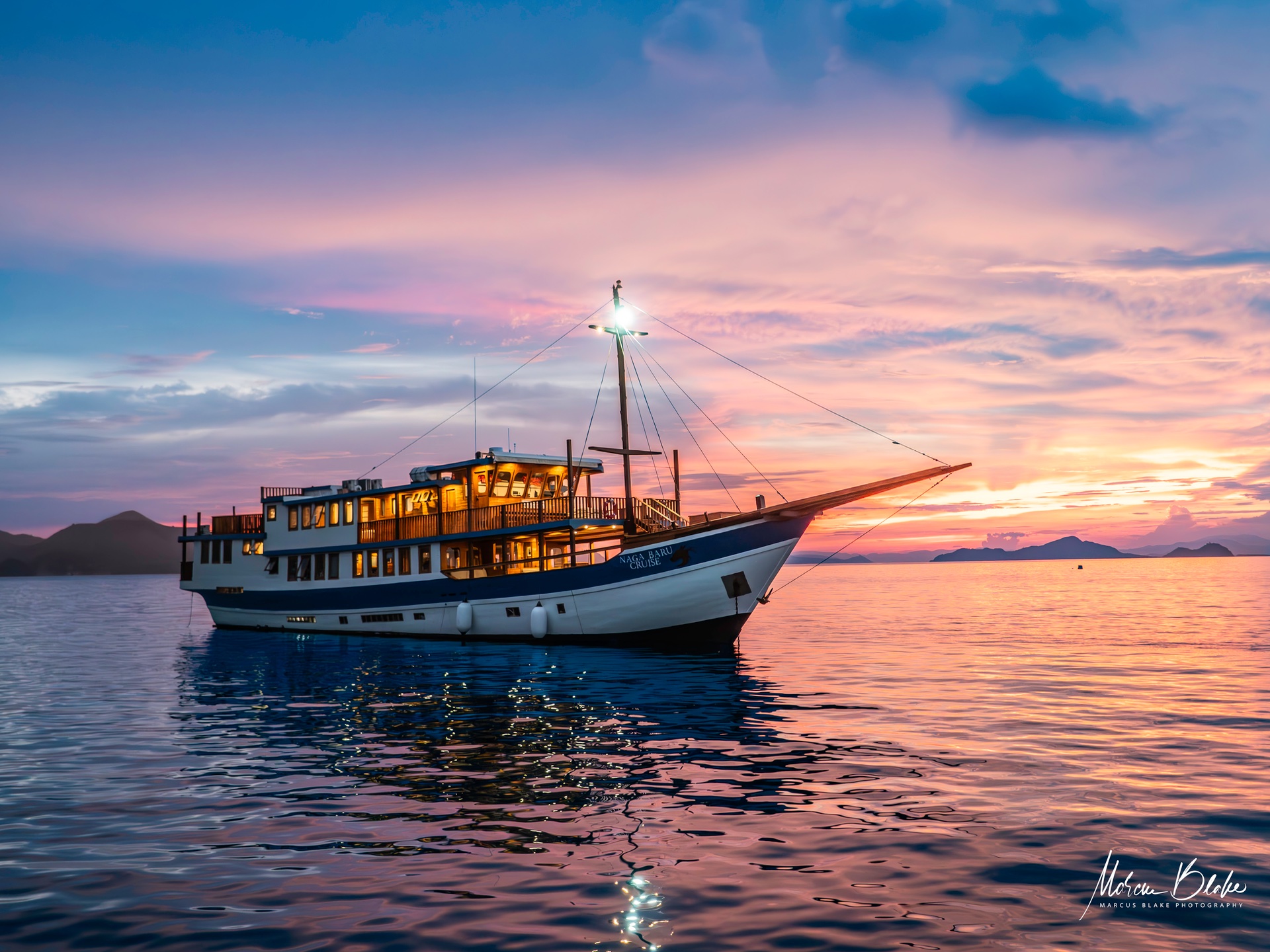
Naga Biru
Indonesia
12 guests40 m
$273/day
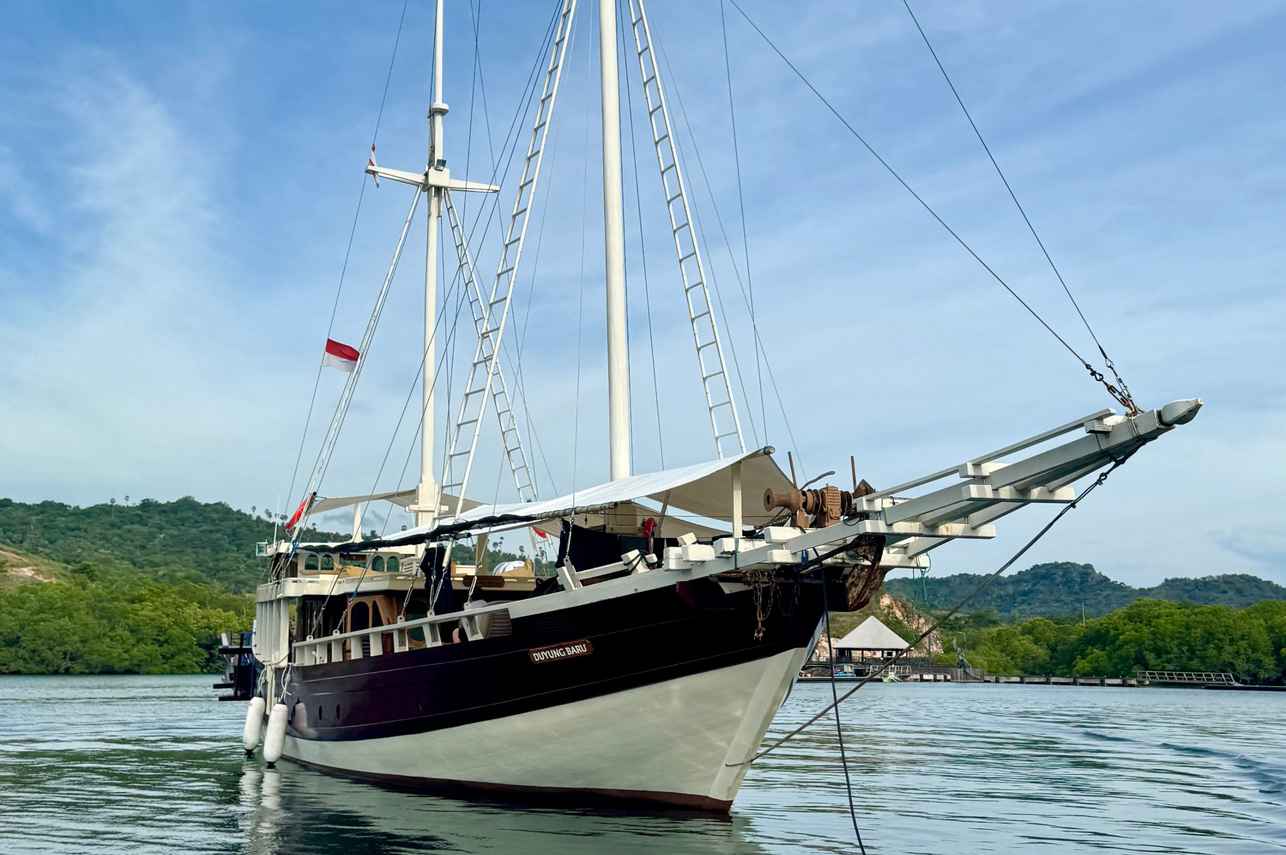
Ecopro Duyung Baru
Indonesia
6 guests27 m
$361/day
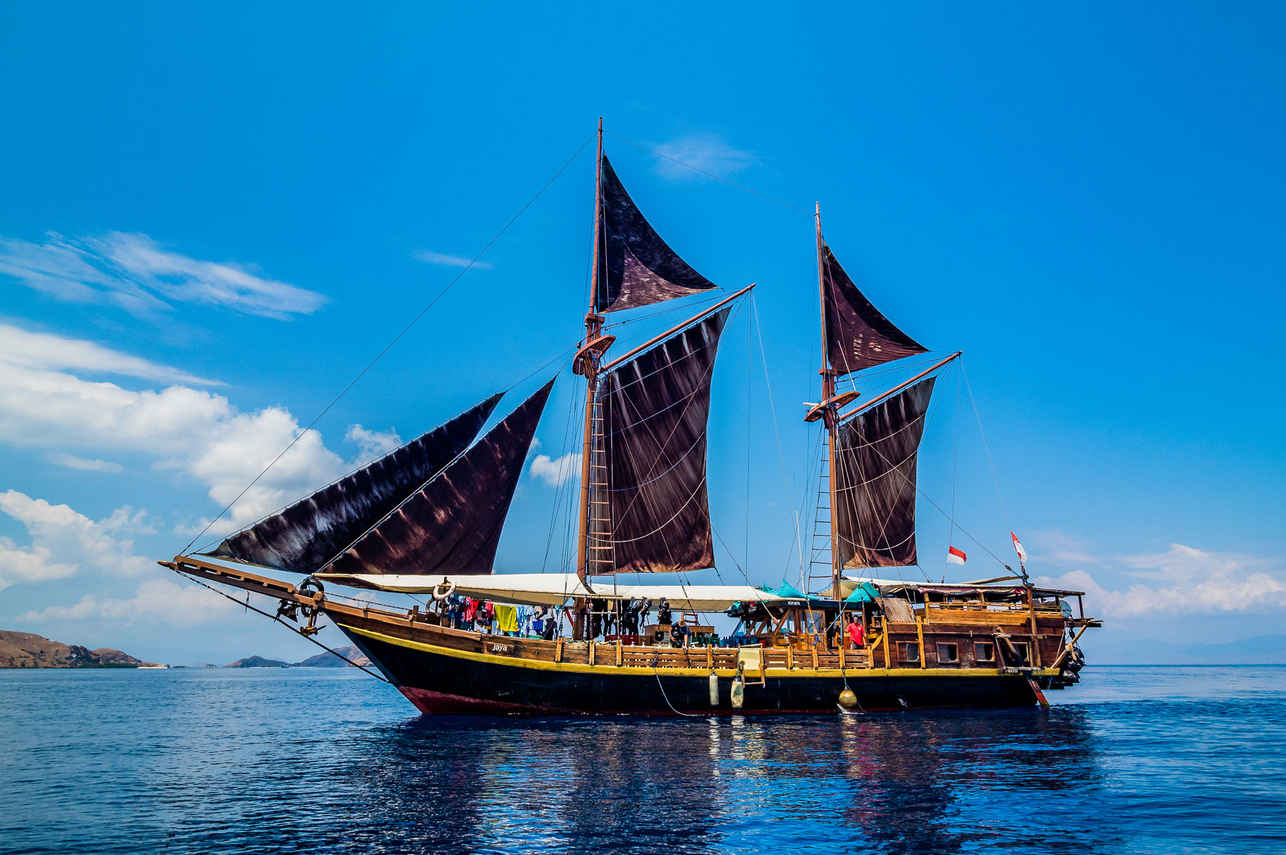
Jaya
Indonesia
14 guests23 m
$280/day
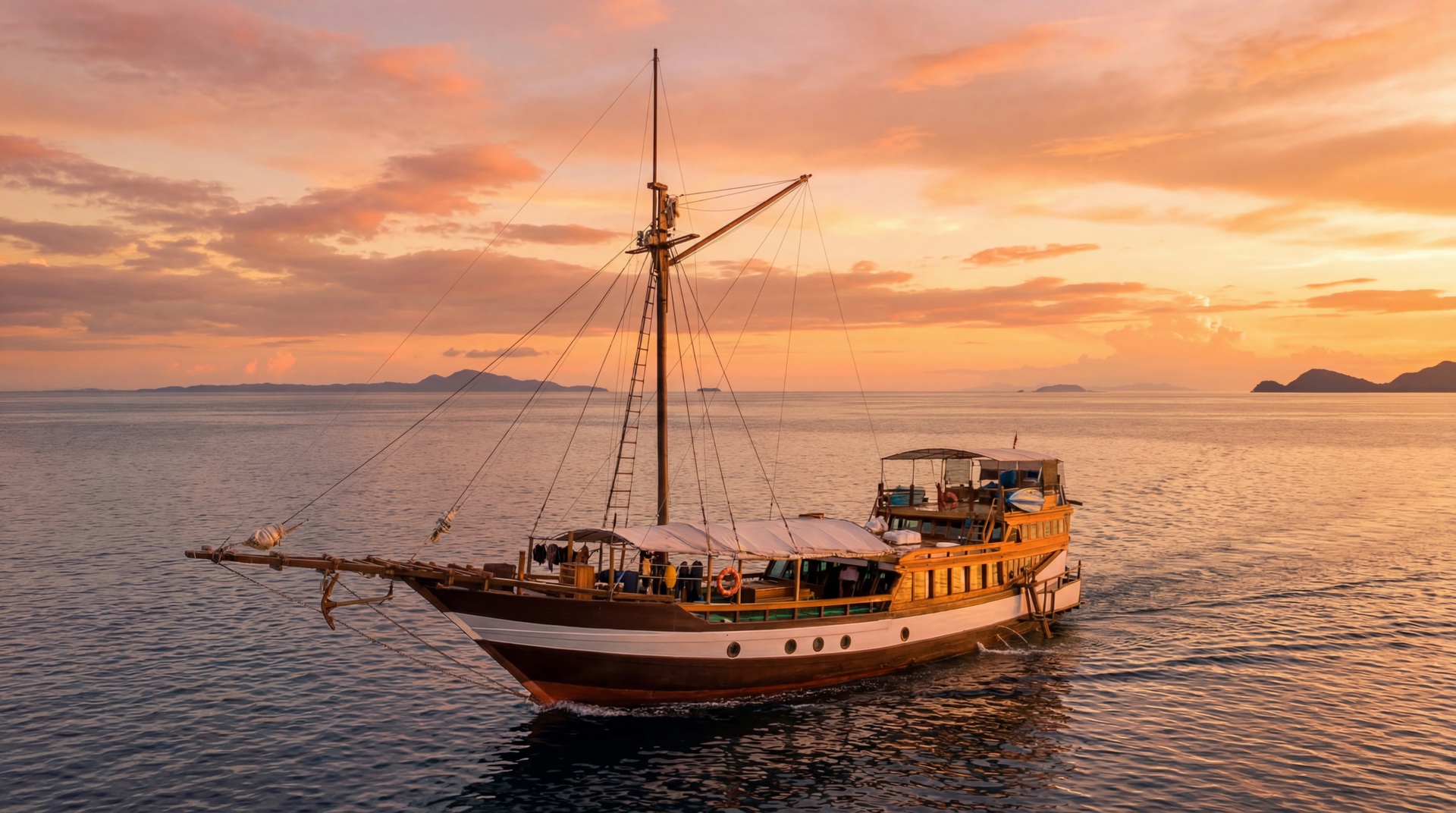
Wellenreng
Indonesia
9 guests25 m
$427/day
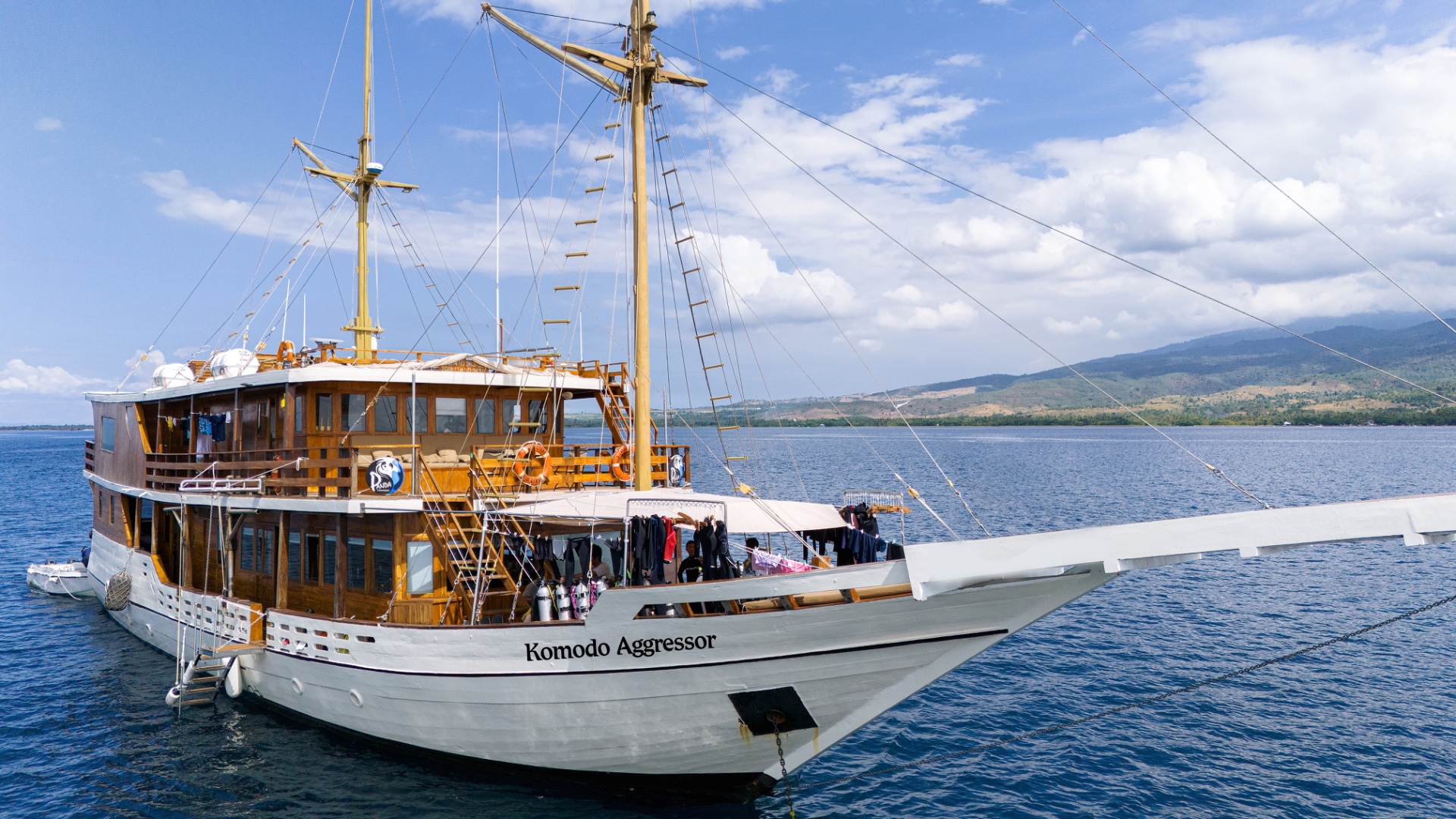
Komodo Aggressor
Komodo, Indonesia
16 guests29 m
$312/day
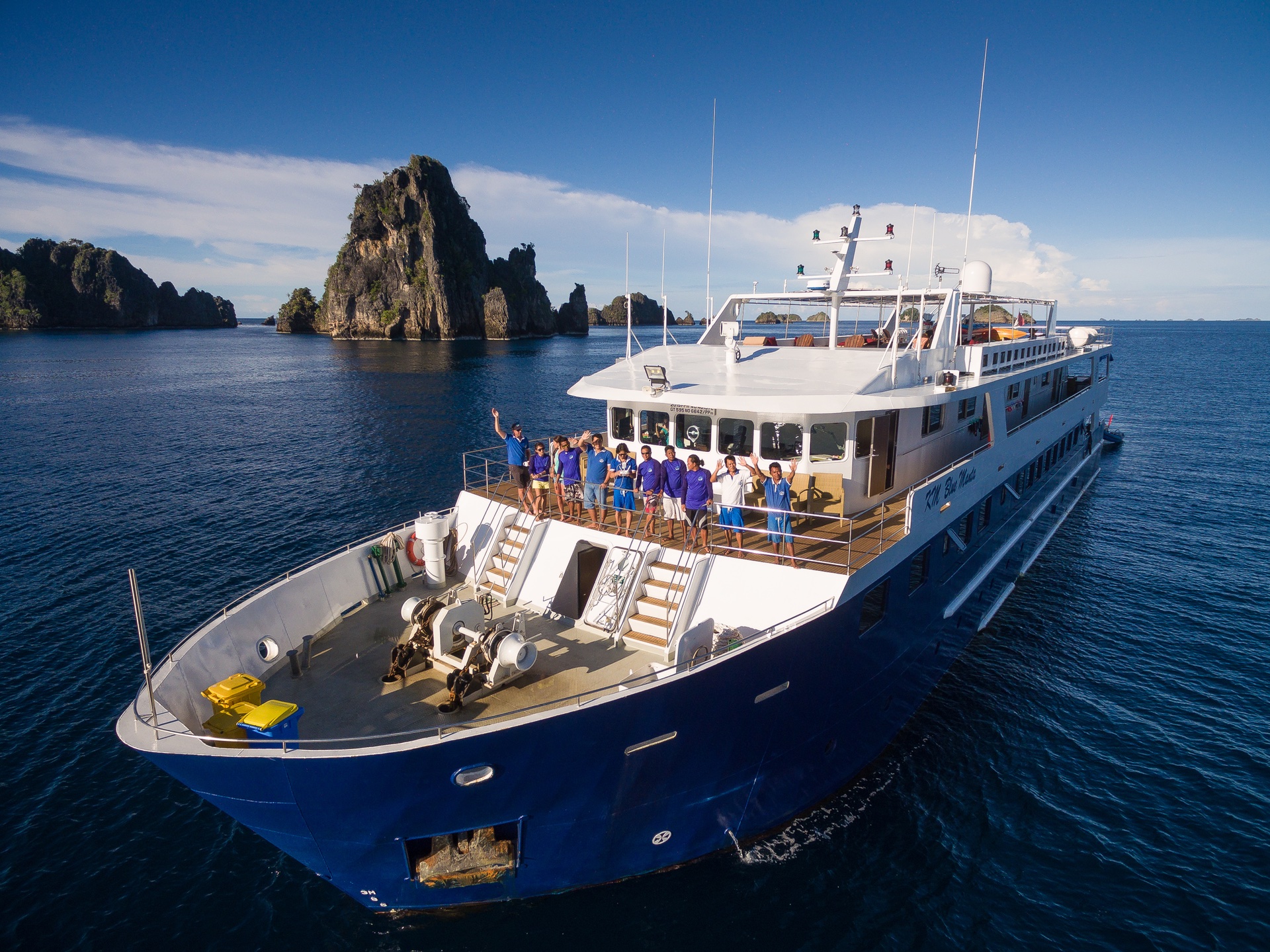
Blue Manta
Indonesia
20 guests45 m
$482/day
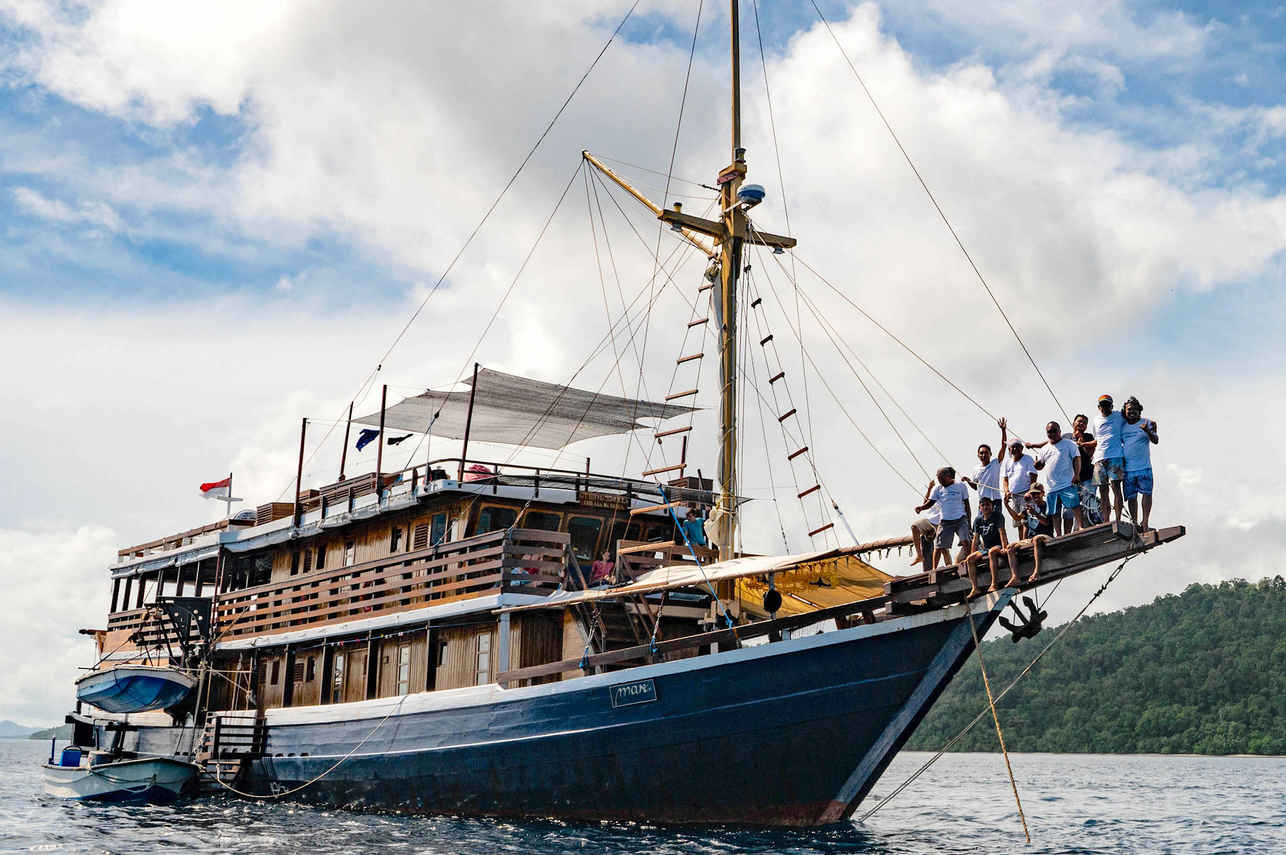
Mari
Indonesia
14 guests32.2 m
$328/day
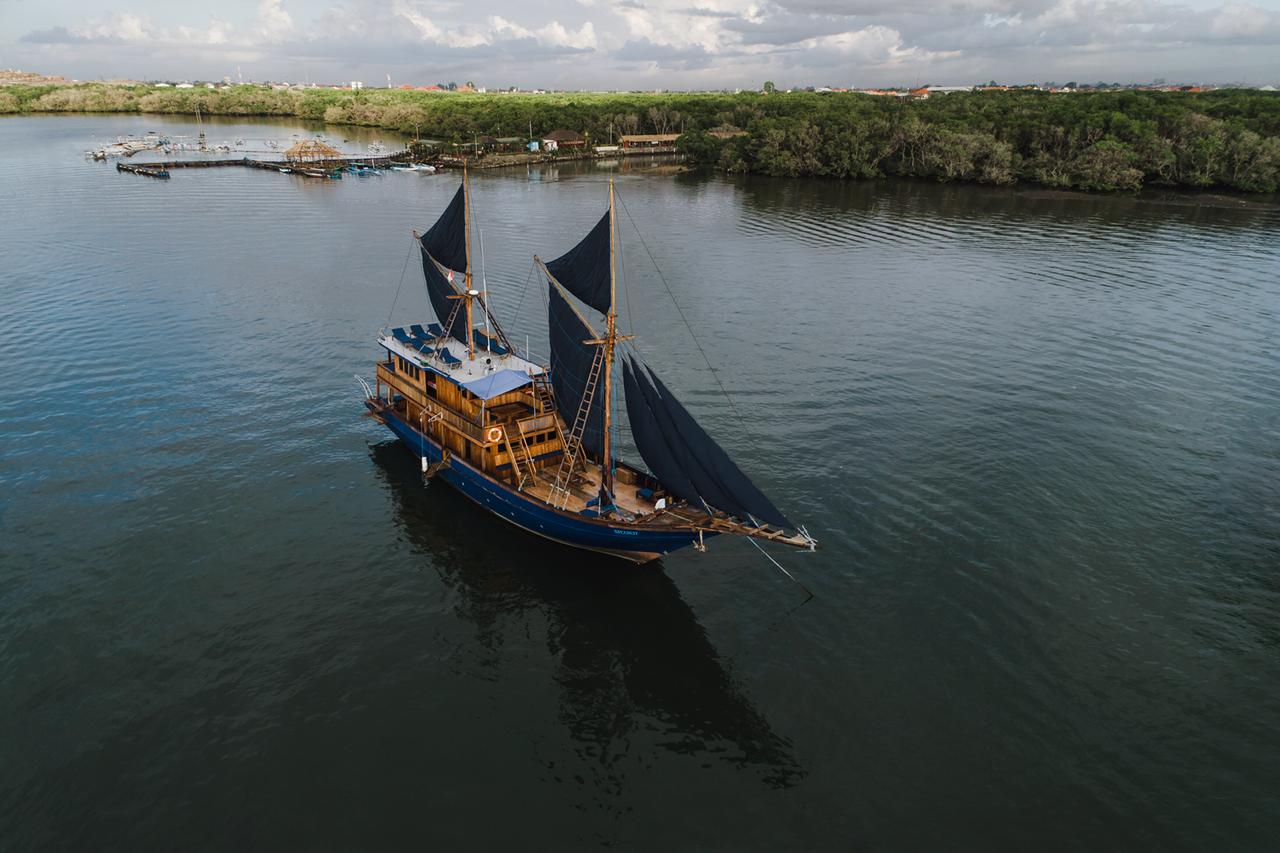
Situju7
Komodo, Indonesia
10 guests32.7 m
$362/day
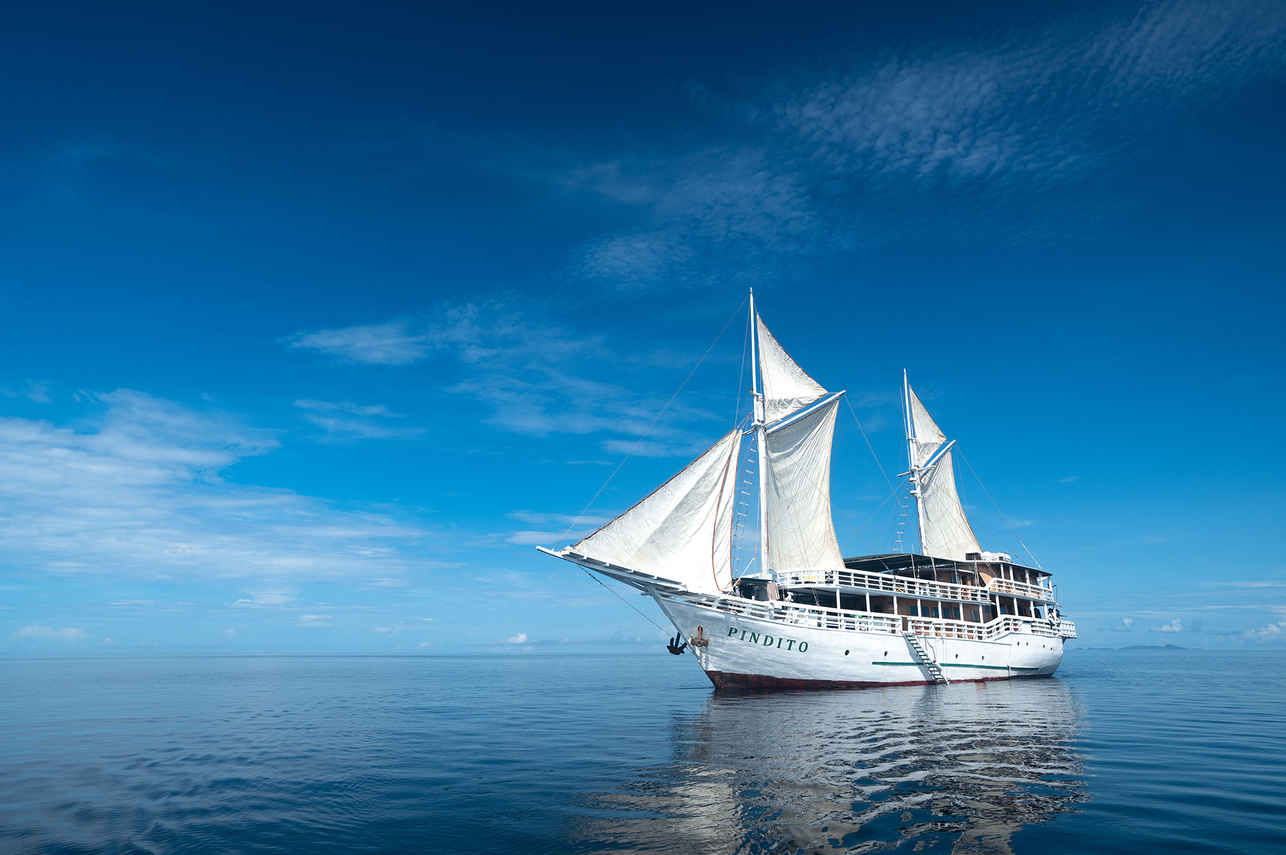
Pindito
Indonesia
16 guests37.79 m
$533/day
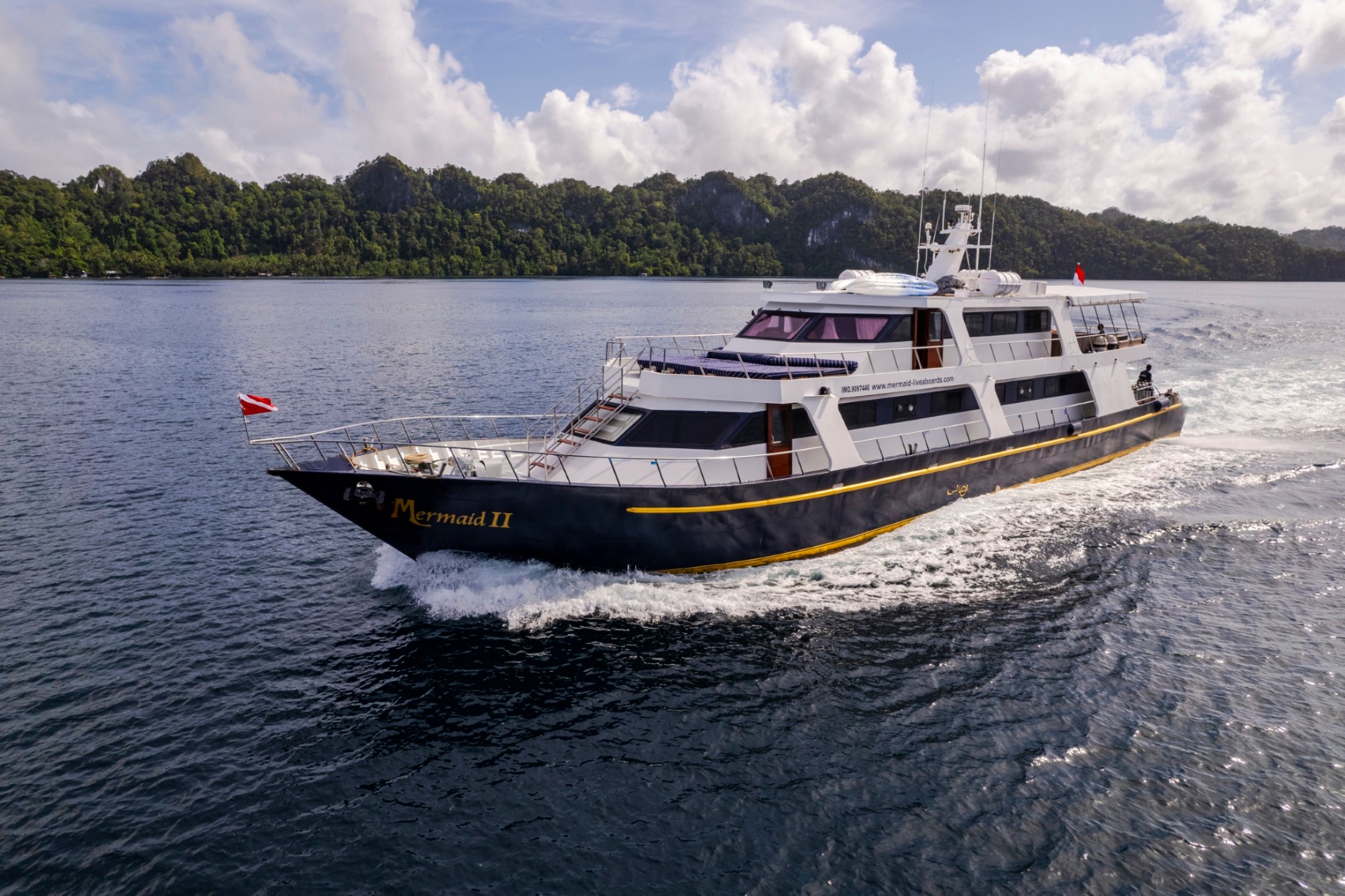
Mermaid II
Komodo, Indonesia
18 guests
$391/day
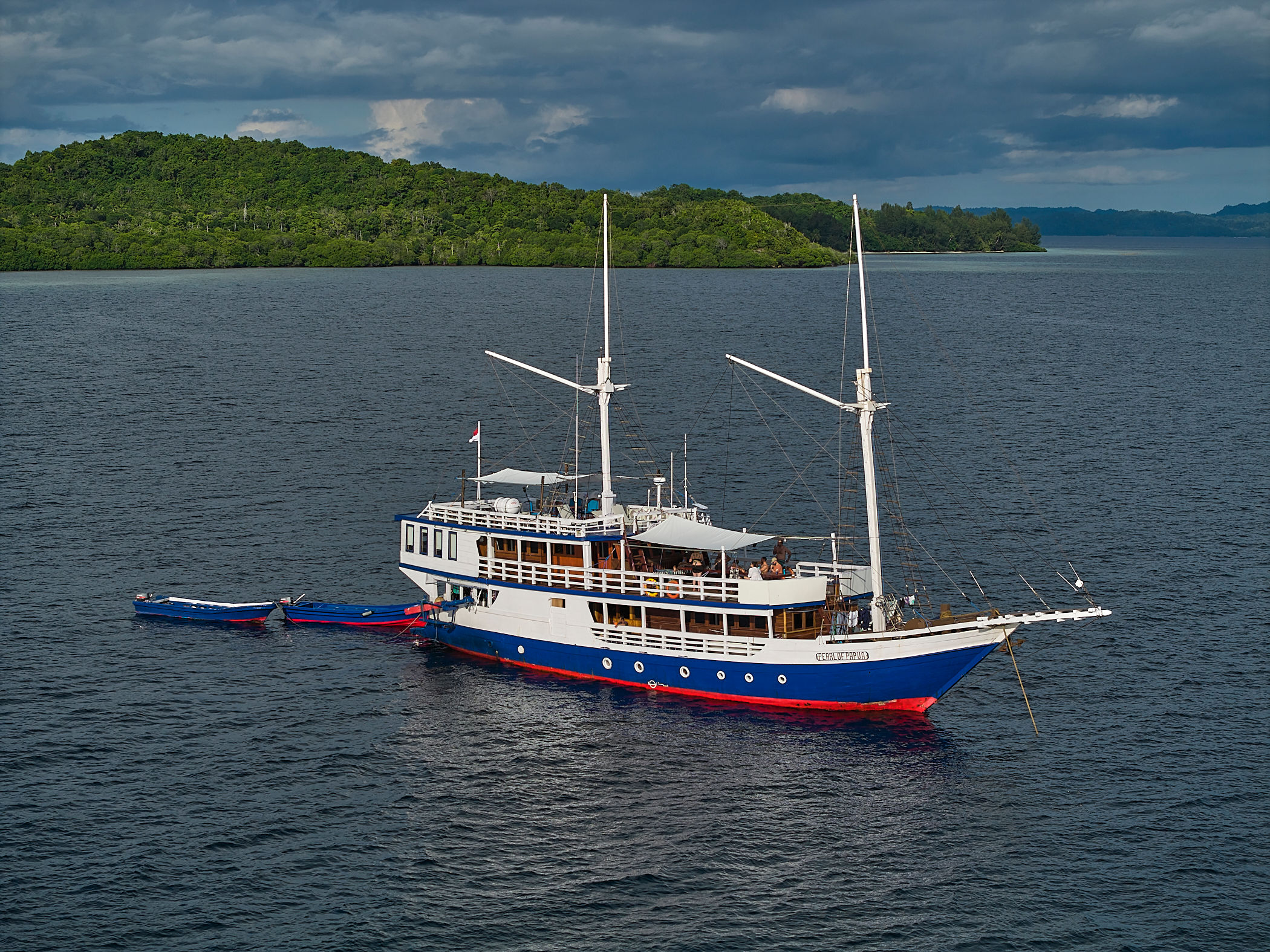
Pearl of Papua
Raja Ampat, Indonesia
14 guests30 m
$303/day
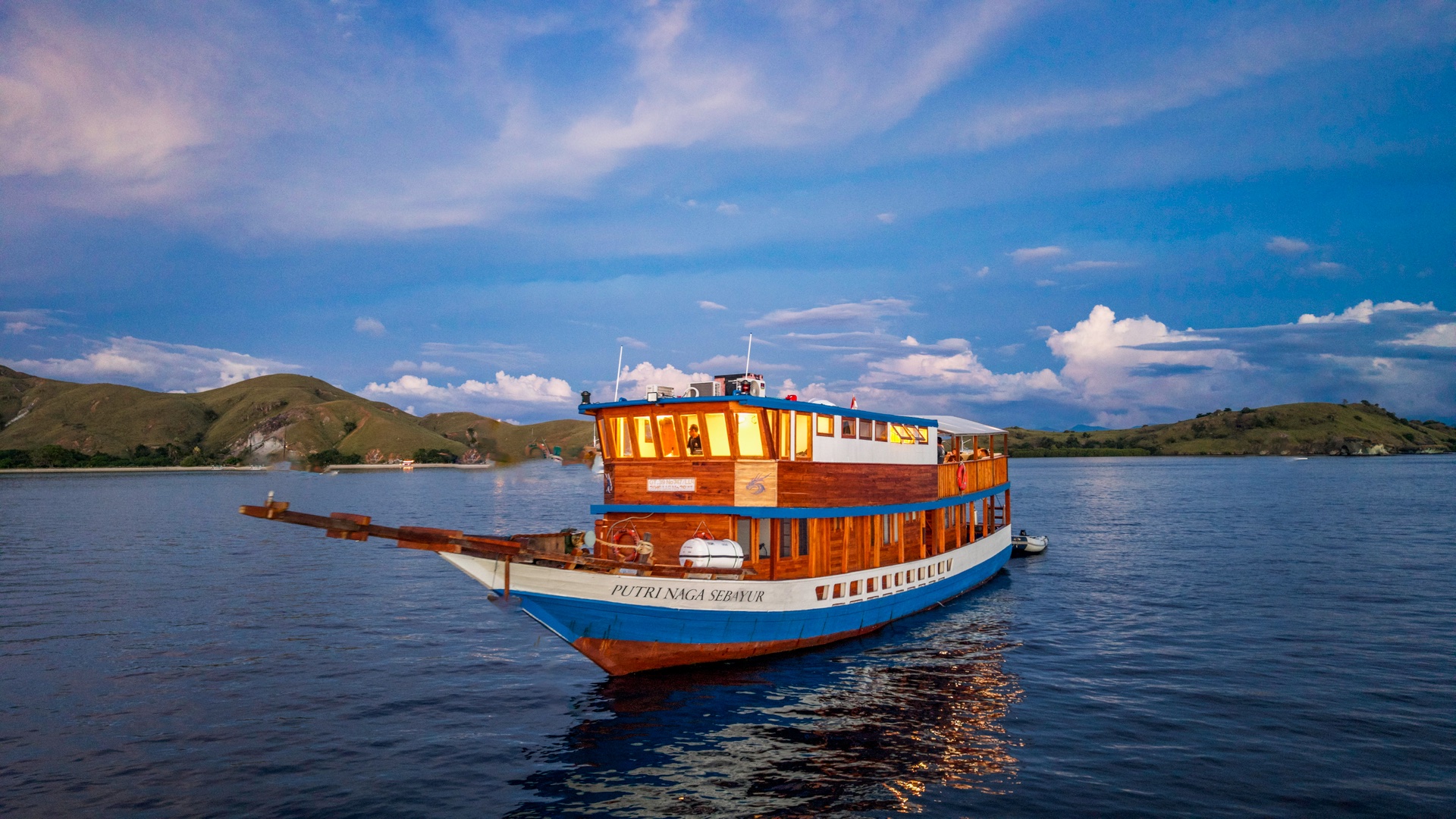
Putri Naga
Komodo, Indonesia
6 guests25 m
Dive sites similar to Police Pier Lembeh
Same character, same waters — six more sites divers love for the exact same reasons.Compare seasons, access and liveaboard routes — then pick the site that fits your trip best.
Located in Tulamben Bay on Bali’s northeastern coast, Drop Off, also known as the Tulamben Wall, is a rewarding dive site recognized for its dramatic underwater landscape.
- Suitable for
- Intermediate
- Current
- Mild
- Access
- Shore / dayboat
- Depth
- 5–60 m
- Theme
- Muck diving / Reef
Ghost Bay is a renowned dive site located in Amed, on Bali's eastern coast, celebrated for its unique sandy topography and the incredible diversity of macro life it supports.
- Suitable for
- Beginner
- Current
- No current
- Access
- Shore / dayboat
- Depth
- 3–20 m
- Theme
- Muck diving
TK3 is a premier dive site located in the renowned Lembeh Strait, an area celebrated worldwide as the capital of muck diving.
- Suitable for
- Intermediate
- Current
- Strong
- Access
- Liveaboard or dayboat
- Depth
- 5–25 m
- Theme
- Muck diving
© Esri — Maxar, Earthstar, GIS
Nudi Falls
Indonesia
Nudi Falls is a renowned macro dive site located on the mainland side of the Lembeh Strait, a narrow channel between mainland Sulawesi and Lembeh Island in Indonesia.
- Suitable for
- Intermediate
- Current
- Moderate
- Access
- Dayboat
- Depth
- 1–25 m
- Theme
- Muck diving / Wall
© Esri — Maxar, Earthstar, GIS
Lembeh Strait
Indonesia
The Lembeh Strait, situated in North Sulawesi, Indonesia, is celebrated as the world's foremost destination for muck diving and macro photography.
- Suitable for
- Beginner
- Current
- Strong
- Access
- Shore / dayboat
- Depth
- 5–25 m
- Theme
- Drift / Muck diving
© Esri — Maxar, Earthstar, GIS
Nudi Retreat
Indonesia
Nudi Retreat is a celebrated dive site situated in Indonesia's highly-dived Lembeh Strait, offering an exceptional macro diving experience.
- Suitable for
- Beginner
- Current
- Ripping
- Access
- Liveaboard or dayboat
- Depth
- 5–18 m
- Theme
- Muck diving / Wall