About Le Goubet (Ghoubbet al-Kharab)
Le Goubet, known as Ghoubbet al-Kharab or the "Devil's Goblet," marks a dramatic geological junction where the African and Arabian continental plates meet in Djibouti. This bay, connecting to the Gulf of Tadjourah and the open ocean, is cradled by towering mountains and offers an impressive visual and underwater landscape. The site is characterized by significant depth variations, from shallow, vibrant coral reefs to abyssal waters reaching nearly 200 meters, along with underwater volcanic islands. Divers here embark on adventures through unique topography, including "The Crack" or "La Faille," a literal fissure between three tectonic plates that divers can navigate. The diverse marine ecosystem is supported by nutrient-rich waters attracting a variety of pelagic species. Healthy reefs, such as those at Ras Eiro on the southern shore of the Gulf of Tadjourah, boast over 200 species of coral, creating a stunning habitat for marine life. Ghoubbet al-Kharab is particularly renowned for its seasonal gatherings of juvenile whale sharks and manta rays, which congregate to feed on abundant plankton blooms between October and February. The area also hosts other large pelagic fish, including various shark species and schools of barracuda. Strong currents can be a feature across the site, making for exhilarating drift dives, especially through areas like the Ghoubet Pass.
Highlights
Whale sharksDolphinsVolcanic landscapeDeep water
Best Season
The prime time for diving in Ghoubbet al-Kharab extends from October to February, with November to January being particularly optimal for encountering whale sharks. During this period, water temperatures typically range from 25°C to 29°C, and humidity is lower, offering comfortable diving conditions.
Dive site facts: Le Goubet (Ghoubbet al-Kharab)
- Depth
- Up to 200 m (600 ft)
- Current
- Strong, unpredictable
- Visibility
- Variable
- Water temperature
- Comfortable year-round
- Entry
- Liveaboard or dayboat
- Level
- Advanced recommended
- Dive type
- Reef, wall, drift, pelagic encounters, geological features
- Region / port
- Gulf of Tadjoura, Djibouti
- Coordinates
- 11.535, 42.555
Conditions & Currents
Ghoubbet al-Kharab experiences strong and often unpredictable currents due to its connection to the open ocean and tidal influences. These currents, while challenging, are responsible for the rich biodiversity by bringing in abundant nutrients, attracting large pelagic species. Divers should be prepared for potentially fast-paced drifts, especially when traversing between different reef sections and at deeper depths. Visibility can vary with the seasons and the strength of the currents. Expect a dynamic environment where careful attention to dive briefings and current assessments is crucial for planning entry and exit points.
Marine life & sighting chances

Whale shark
November-February · common
Manta Ray
November-January · occasionalSharks (various species)
occasional
Dolphins
occasional
Pilot Whale
occasional
Corals (200 species)
commonDive profile & how the dive runs
A typical dive in Ghoubbet al-Kharab often focuses on the geological marvel of 'La Faille' or 'The Crack,' a visible tectonic fissure. Divers will descend between these massive structures, experiencing the unique sensation of swimming between continental plates. Depending on current conditions, the dive may involve a drift along the dramatic deep walls and volcanic underwater islands that characterize the bay. The route will emphasize observing large pelagic fish that let themselves be swept by the current. Turnaround points are dictated by air consumption and no-decompression limits, with safety stops typically conducted in shallower sections of the reef, providing an opportunity to observe diverse coral life before surfacing.
Underwater photography
Ghoubbet al-Kharab is excellent for wide-angle photography, especially when capturing the juvenile whale sharks and other large pelagics. A wide-angle lens is also ideal for showcasing the impressive scale of 'The Crack' and the dramatic underwater topography. When currents are present, utilize them to your advantage for stable drifts, allowing for smooth video and sharp stills of the expansive marine life. External strobes are recommended to bring out the true colors of the corals and fish in deeper sections. Given the presence of large animals, be ready to capture dynamic compositions quickly. Patience and good buoyancy control are crucial, particularly when photographing near the geological features to avoid disturbing the environment.
Combine with nearby dive sites
- Gulf of Tadjoura – Whale Shark Area
Known for seasonal whale shark encounters, often combined with Ghoubbet al-Kharab.
- Moucha Island Reef
Features vibrant coral reefs within a protected marine area, accessible from Djibouti City.
- Maskali Garden
Part of the Moucha and Maskali islands MPA, offering diverse reef diving.
- Les Sept Frères (Seven Brothers Islands)
A diverse archipelago known for strong currents and large pelagic sightings.
- The Aquarium
Provides exceptional diving with dense reef fish populations and pristine coral ecosystems.
- Connector Reef
Reputed for its vibrant marine life, soft corals, and seasonal whale shark aggregations.
Getting there & logistics
International travelers typically arrive at Djibouti-Ambouli International Airport (JIB), which is located about 6 km from Djibouti City. Liveaboards depart from the Djibouti Marina, combining Ghoubbet al-Kharab into broader itineraries that often include other sites in the Gulf of Tadjoura or the Seven Brothers Islands. Liveaboard trips typically range from 7 to 10 nights. A thin wetsuit or skin guard is generally sufficient for exposure protection due to comfortable year-round water temperatures. Rental equipment is available on liveaboards, but bringing your own is recommended for comfort and to save costs. Dive insurance is mandatory for all liveaboard guests.
Safety & environment
The nearest recompression chamber is located in Djibouti City. Due to the remote nature of some dive sites and potential for strong currents, comprehensive dive insurance that covers emergency medical evacuation is mandatory for all divers. Always consult with your medical professional regarding necessary vaccinations, such as Yellow Fever and Typhoid, and be aware of malaria risks. On-site hazards include strong, unpredictable currents, which necessitate excellent buoyancy control and careful attention to dive briefings. Divers should maintain a safe distance from marine life, especially large pelagics, and avoid touching any corals or geological formations.
Who it suits — and who it doesn't
Suited for
- Experienced divers seeking strong currents and pelagic encounters
- Underwater photographers interested in wide-angle subjects
- Divers keen on unique geological formations
- Liveaboard adventurers exploring diverse itineraries
- Snorkelers hoping to encounter whale sharks
Less suited for
- Beginner divers without current experience
- Divers uncomfortable with deep dives
- Individuals seeking calm, current-free environments
- Those who prefer purely macro diving
- Divers without comprehensive dive insurance
FAQ
Le Goubet (Ghoubbet al-Kharab) FAQ
What is the best time of year to see whale sharks in Ghoubbet al-Kharab?
Juvenile whale sharks are most commonly sighted in Ghoubbet al-Kharab between November and February. This period coincides with plankton blooms, which attract these gentle giants to the bay for feeding. It is also a more comfortable time for visitors due to slightly lower humidity and air temperatures.
What is 'The Crack' in Ghoubbet al-Kharab?
'The Crack,' also known as 'La Faille,' is a remarkable geological feature in Ghoubbet al-Kharab where divers can swim between two tectonic plates: the African and Arabian continental plates. This submerged fissure offers a unique and exhilarating dive experience, highlighting the volcanic origins and geological activity of the region.
Are the currents strong in Ghoubbet al-Kharab?
Yes, Ghoubbet al-Kharab is known for strong and sometimes unpredictable currents. These currents are a key factor in the bay's rich marine biodiversity, bringing in essential nutrients. Divers should be prepared for potential drift dives and require good buoyancy control and current experience.
What kind of marine life can I expect to see beyond whale sharks?
Beyond the famous juvenile whale sharks, divers in Ghoubbet al-Kharab can encounter a variety of pelagic species, including different types of sharks, manta rays, and dolphins. The reefs are also home to a plethora of marine life, with over 200 species of corals supporting a diverse ecosystem.
What dive experience level is required for Ghoubbet al-Kharab?
Ghoubbet al-Kharab is generally recommended for advanced divers due to the strong and sometimes unpredictable currents and the potential for deep dives. Divers should have experience with drift diving and excellent buoyancy control to safely navigate the sites and enjoy the unique geological features and marine life.
Can snorkelers also experience Ghoubbet al-Kharab?
Yes, Ghoubbet al-Kharab is a prime location for snorkelers, especially for encountering whale sharks. These animals often feed at the surface, making them accessible to snorkelers. Strict guidelines for passive interaction and maintaining distance from the protected marine life are always followed.
Why dive Le Goubet (Ghoubbet al-Kharab) from a liveaboard?
Le Goubet (Ghoubbet al-Kharab) is one of Djibouti's signature dive sites. A liveaboard sleeps you on the water and puts you in the water for three to four guided dives per day, including dawn and night dives that day-boat operators rarely offer. You skip the daily commute back to port and reach quieter, less-crowded sites in the same region on a single trip.
Below are the liveaboards that include Le Goubet (Ghoubbet al-Kharab) on their Djibouti itineraries.
Liveaboards diving Le Goubet (Ghoubbet al-Kharab)
These liveaboards may visit Le Goubet (Ghoubbet al-Kharab) on selected itineraries — the exact dive sites depend on departure, weather and conditions.
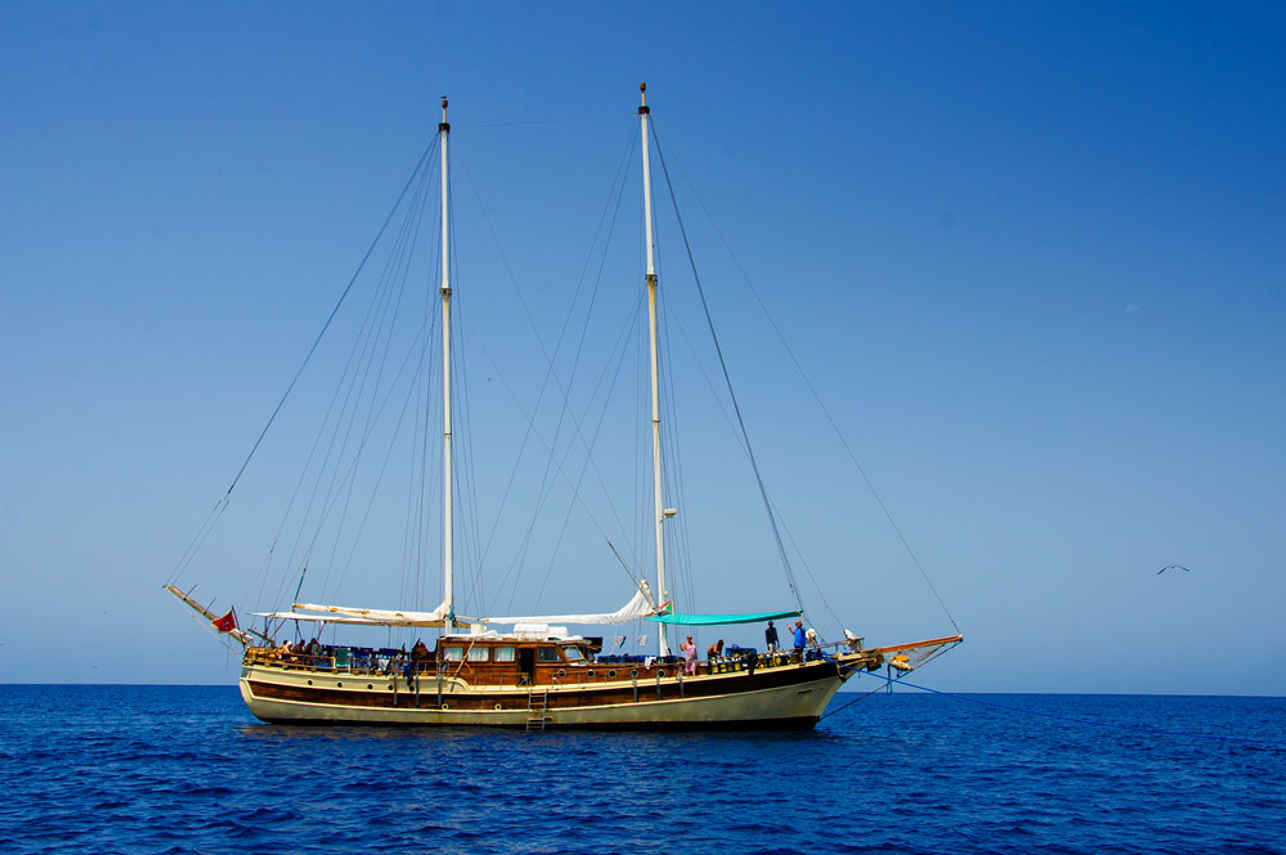
Elegante
Djibouti
14 guests25 m
$207/day
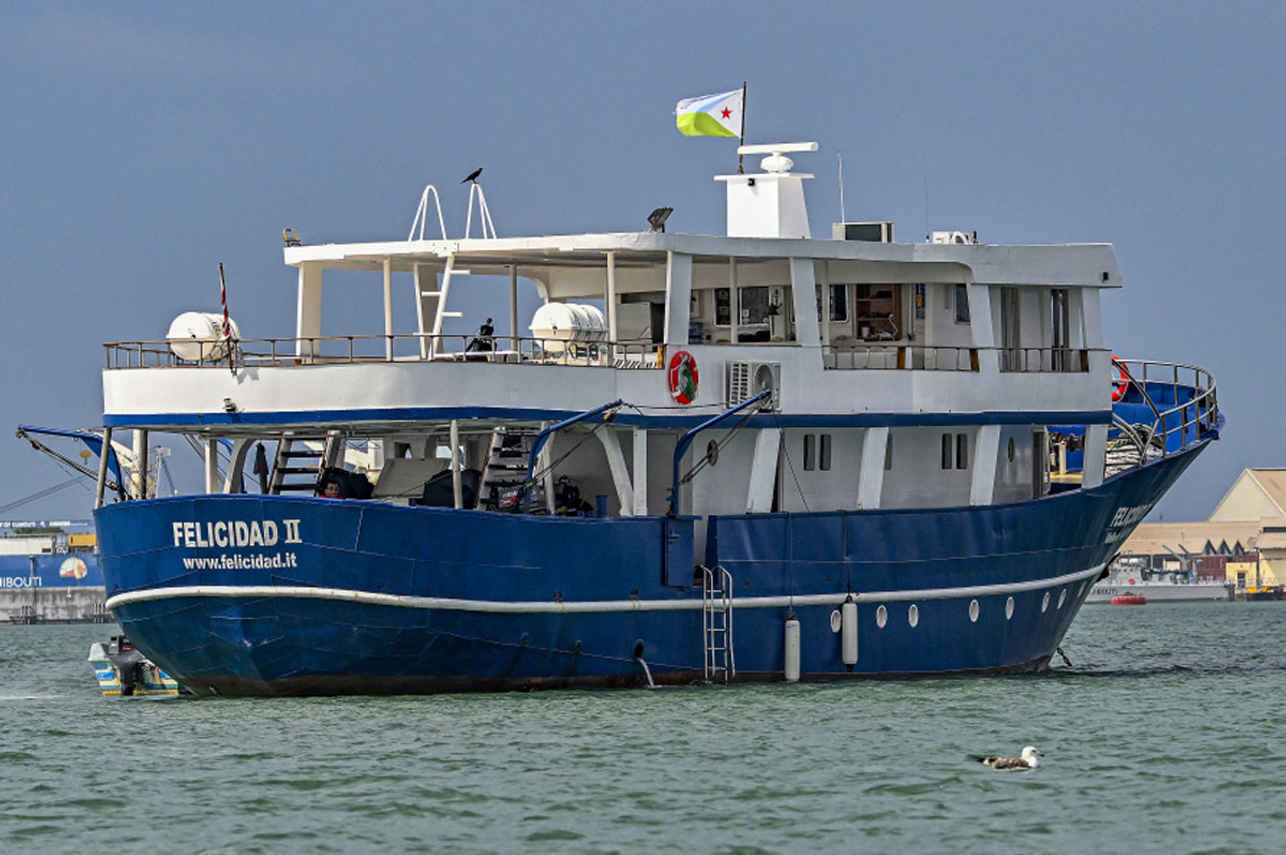
Felicidad II
Djibouti
18 guests30 m
$186/day
Dive sites similar to Le Goubet (Ghoubbet al-Kharab)
Same character, same waters — six more sites divers love for the exact same reasons.Compare seasons, access and liveaboard routes — then pick the site that fits your trip best.
© Esri — Maxar, Earthstar, GIS
Carless Reef
Egypt
Carless Reef is a renowned advanced dive site near Hurghada, notable for its two prominent coral pinnacles that rise from a sandy bottom at 30 meters.
- Suitable for
- Advanced
- Current
- Strong
- Access
- Dayboat
- Depth
- 15–40 m
- Theme
- Reef / Drift
© Esri — Maxar, Earthstar, GIS
Cape Rouge
Djibouti
Cape Rouge is a notable dive site in Djibouti, known for its pristine underwater environment where the Red Sea meets the Indian Ocean.
- Suitable for
- Advanced
- Current
- Mild
- Access
- Liveaboard or dayboat
- Depth
- 15–40 m
- Theme
- Reef
© Esri — Maxar, Earthstar, GIS
Farasan Islands
Saudi Arabia
The Farasan Islands, situated in the southern Red Sea off the coast of Jazan, represent Saudi Arabia's premier destination for biodiverse diving.
- Suitable for
- Advanced
- Current
- Strong
- Access
- Liveaboard only
- Depth
- 10–40 m
- Theme
- Wall / Reef
© Esri — Maxar, Earthstar, GIS
Gota Soraya
Egypt
Gota Soraya stands out as one of the Red Sea's premier wall dives, located in the southern region near the Sudanese border.
- Suitable for
- Advanced
- Current
- Moderate
- Access
- Liveaboard only
- Depth
- ≤ 20 m
- Theme
- Wall
© Esri — Maxar, Earthstar, GIS
Umm Kharalim
Egypt
Umm Kharalim, also known as St. John's Caves, is a distinctive dive site nestled within the remote St. John's reef system in the southern Red Sea, close to Egypt's border with Sudan.
- Suitable for
- Advanced
- Current
- Strong
- Access
- Liveaboard only
- Depth
- 3–15 m
- Theme
- Cave & cavern
© Esri — Maxar, Earthstar, GIS
Marsa Abu Dabab
Egypt
Marsa Abu Dabab is a distinctive, horseshoe-shaped bay located on Egypt's southern Red Sea coast, approximately 35 kilometers north of Marsa Alam town.
- Suitable for
- Beginner
- Current
- Moderate
- Access
- Shore / dayboat
- Depth
- 2–20 m
- Theme
- Reef