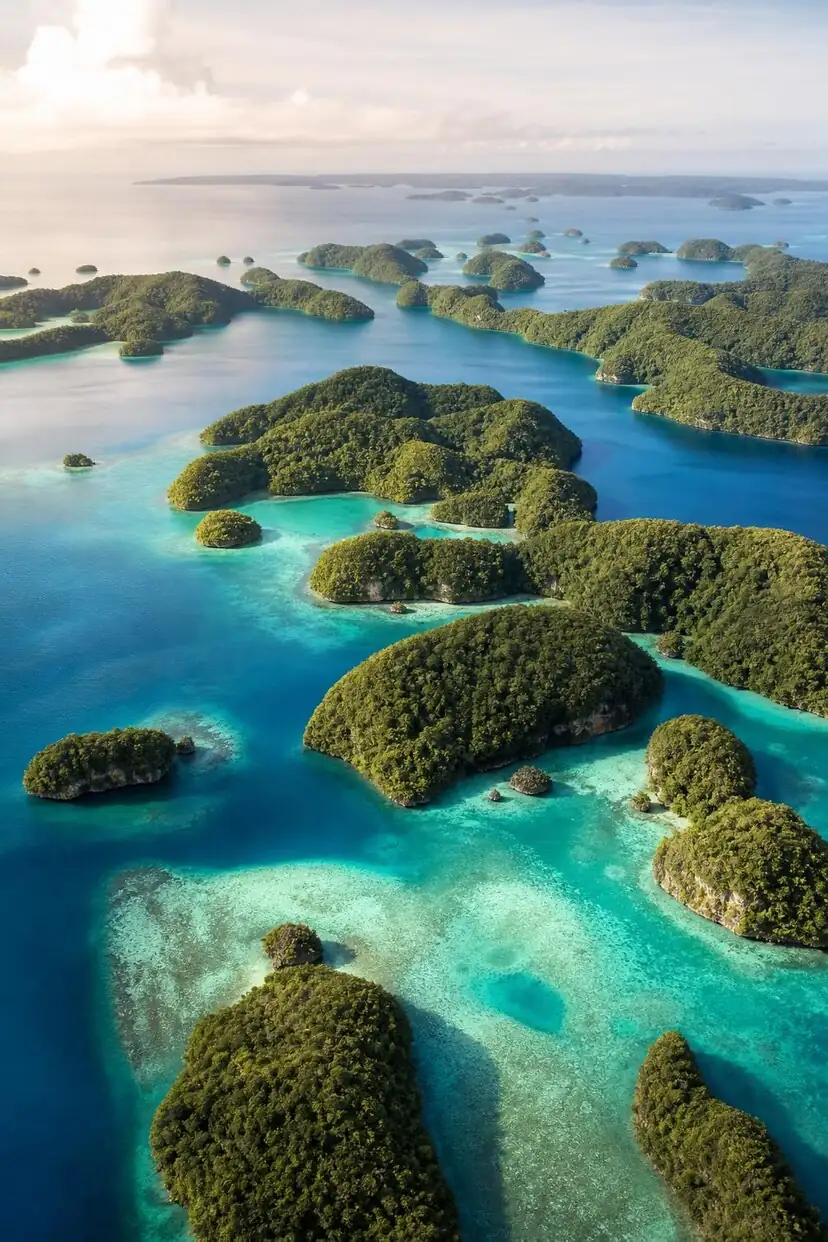
About Connector Reef
Connector Reef sits within the rich waters of Djibouti, where the Red Sea converges with the Gulf of Aden, creating a dynamic environment for marine biodiversity. This site is characteristic of the region's unique blend of volcanic formations, healthy coral gardens, and dramatic drop-offs that define the Gulf of Tadjoura. Its location contributes to consistent nutrient flow, fostering a thriving ecosystem that supports both vibrant reef fish populations and larger pelagic species. Depths at Connector Reef typically range from around 15 to 40 meters, offering varied dive profiles suitable for different experience levels. The topography features extensive coral growth along its slopes and walls, providing habitat for a wide array of organisms. Divers can expect to navigate through intricate reef structures, observing numerous species that flourish in these nutrient-rich currents. The marine life here is abundant year-round, with specific seasonal highlights such as the aggregations of whale sharks and manta rays from October to February. Beyond these gentle giants, the reef teems with schooling jacks, barracuda, and snappers, alongside frequent sightings of various shark species, dolphins, and turtles. The undisturbed nature of these reefs, compared to more tourist-heavy destinations, ensures a pristine and engaging underwater experience. Diving Connector Reef often involves liveaboard itineraries that combine it with other significant sites in the Gulf of Tadjoura. The currents can vary, influencing the visibility and the type of dive, from gentle explorations to more exhilarating drift dives. The generally warm and clear waters, coupled with uncrowded conditions, make for a serene yet exciting dive adventure.
Highlights
Season calendar
Dive site facts: Connector Reef
- Depth
- 15–40 m
- Typical dive
- 18–30 m, 45–60 min
- Current
- Mild to moderate
- Visibility
- 10–35 m+
- Water temperature
- 24–33°C
- Entry
- Liveaboard tender / drift entry
- Level
- Advanced recommended, current experience helpful
- Dive type
- Reef, wall, drift
- Night dive
- Possible on liveaboard itineraries
- Region / port
- Gulf of Tadjoura, Djibouti
- Coordinates
- 11.592, 43.2
Conditions & Currents
Currents at Connector Reef can range from mild to moderate, particularly influenced by the tidal shifts between the Red Sea and the Gulf of Aden. These nutrient-rich flows contribute to the site's vibrant marine life but necessitate good buoyancy control and current diving experience. Entry and exit strategies often involve tender boats, with divers dropping in upstream to drift along the reef when currents are stronger. Visibility is generally excellent, often exceeding 20 meters, though plankton blooms, especially during whale shark season, can sometimes reduce it locally without compromising the overall experience. Thermoclines are generally not a significant factor, with water temperatures remaining consistently warm. Divers should plan their gas consumption carefully, especially during drift dives, and always stay close to their guide.
Marine life & sighting chances

Whale Shark
October to February · common
Manta Ray
October to February · common
Grey Reef Shark
occasional
Nurse Shark
occasional
Dolphin
common
Pilot Whale
occasional
Green Sea Turtle
occasional
Schools of Jack
common
Schools of Barracuda
common
Snapper
common
Grouper
common
Stingray
occasionalDive profile & how the dive runs
A typical dive at Connector Reef begins with a tender drop, often as a negative entry, positioning you upstream from the main reef structure to facilitate a drift. You will descend along the reef wall, observing the diverse coral growth and abundant reef fish. The dive typically progresses to depths between 18 and 30 meters, exploring overhangs and small crevices where marine life congregates. Depending on current conditions, the dive will follow the contours of the reef, allowing for sightings of pelagic species in the blue. The turn point is often dictated by air consumption or bottom time, with a gradual ascent along the reef slope. Your safety stop will be conducted in the shallower sections, typically between 5 and 7 meters, where you can observe more small reef fish before surfacing and being picked up by the tender.
Underwater photography
Connector Reef offers excellent opportunities for both wide-angle and macro photography, so consider bringing a versatile setup or planning multiple dives. Wide-angle lenses are ideal for capturing the expansive coral formations, the dramatic drop-offs, and any passing pelagics like whale sharks or manta rays. If currents are present, utilize them to your advantage for stable drifts, allowing for smooth video and sharp stills. For macro subjects, the healthy corals host a variety of smaller creatures; a macro lens will reveal nudibranchs, crabs, and tiny reef fish. Ensure your strobes are positioned to avoid backscatter in the often particulate-rich waters, and practice good buoyancy control to protect the pristine reef and achieve clear shots.
Combine with nearby dive sites
- Les Sept Frères (Seven Brothers Islands)
Known for outstanding deep dives, thriving coral gardens, and strong currents attracting large pelagics.
- Gulf of Tadjoura – Whale Shark Area
A primary location for seasonal whale shark encounters, particularly juveniles, due to plankton blooms.
- Moucha Island Reef
Part of a marine protected area, offering healthy reefs and diverse marine life.
- Le Goubet (Ghoubbet al-Kharab)
Renowned as a nursery for juvenile whale sharks and home to the 'Djibouti Crack' tectonic fissure.
- Maskali Garden
Offers vibrant coral gardens and is part of a marine protected area.
Getting there & logistics
Access to Djibouti for diving typically involves flying into Djibouti–Ambouli International Airport (JIB). From there, most dive trips are conducted via liveaboard, which depart from the port of Djibouti City. Liveaboard itineraries usually span 7 to 10 days, offering comprehensive exploration of the Gulf of Tadjoura and the Seven Brothers Islands, often including sites like Connector Reef. There are typically no separate park fees for individual dive sites, as these are usually incorporated into the liveaboard package. It's advisable to check visa requirements for Djibouti in advance, as an e-Visa may be required prior to arrival.
Safety & environment
Diving in Djibouti, while generally safe, requires adherence to standard dive safety protocols. The nearest recompression chamber is located in Djibouti City, emphasizing the importance of comprehensive dive insurance that covers emergency medical evacuation. Given the remote nature of some dive sites and the fact that most diving is liveaboard-based, evacuation logistics can be complex and time-consuming. Always dive within your training limits and be mindful of currents, which can vary in strength at sites like Connector Reef. Always follow your dive guide's instructions, maintain good buoyancy control to avoid damaging corals, and respect marine life by not touching or harassing animals.
Who it suits — and who it doesn't
Suited for
- Experienced divers comfortable with currents
- Underwater photographers seeking diverse subjects
- Liveaboard enthusiasts
- Divers interested in pelagic encounters
- Those seeking uncrowded, pristine dive sites
Less suited for
- Beginner divers without current experience
- Divers expecting shore-based operations
- Individuals sensitive to boat travel
- Those seeking extensive resort amenities
- Divers unwilling to travel to remote locations
FAQ
Connector Reef FAQ
What kind of marine life can I expect at Connector Reef?
Are the currents strong at Connector Reef?
What is the best time of year to dive Connector Reef?
Is Connector Reef suitable for beginner divers?
How do I get to Connector Reef?
Why dive Connector Reef from a liveaboard?
Connector Reef is one of Djibouti's signature dive sites. A liveaboard sleeps you on the water and puts you in the water for three to four guided dives per day, including dawn and night dives that day-boat operators rarely offer. You skip the daily commute back to port and reach quieter, less-crowded sites in the same region on a single trip.
Below are the liveaboards that include Connector Reef on their Djibouti itineraries.
Liveaboards diving Connector Reef
These liveaboards may visit Connector Reef on selected itineraries — the exact dive sites depend on departure, weather and conditions.

Elegante
Djibouti

Felicidad II
Djibouti
Dive sites similar to Connector Reef
Ghoubbet al Kharab
Djibouti
Ghoubbet al Kharab, also known as the Devil’s Goblet, is a deep bay connected to the Gulf of Tadjourah and the open ocean in Djibouti.
- Suitable for
- Advanced
- Current
- Strong
- Access
- Liveaboard only
- Depth
- 5–200 m
- Theme
- Drift / Reef
Moucha wrecks
Djibouti
The Moucha wrecks, including the notable Orchard Reefer and Le Fon, offer a distinctive dive experience within Djibouti's Gulf of Tadjoura, contrasting with the region's prevalent coral reefs.
- Suitable for
- Advanced
- Current
- Moderate
- Access
- Liveaboard or dayboat
- Depth
- 5–50 m
- Theme
- Wreck / Reef
Sable Blanc Reef
Djibouti
Sable Blanc Reef is a vibrant coral ecosystem located in Djibouti, nestled where the Red Sea meets the Gulf of Aden.
- Suitable for
- Intermediate
- Current
- Strong
- Access
- Shore / dayboat
- Depth
- 5–30 m
- Theme
- Drift / Reef
Cape Rouge
Djibouti
Cape Rouge is a notable dive site in Djibouti, known for its pristine underwater environment where the Red Sea meets the Indian Ocean.
- Suitable for
- Advanced
- Current
- Mild
- Access
- Liveaboard or dayboat
- Depth
- 15–40 m
- Theme
- Reef
La Vierge Rouge
Djibouti
La Vierge Rouge is situated in Djibouti, a unique diving destination where the Red Sea converges with the Indian Ocean.
- Suitable for
- Intermediate
- Current
- Moderate
- Access
- Liveaboard only
- Depth
- 15–40 m
- Theme
- Reef
Le Sec Aux Boutres
Djibouti
Le Sec Aux Boutres is a distinguished dive site located near Arta, Djibouti, celebrated for its rich marine biodiversity and stunning underwater scenery.
- Suitable for
- Intermediate
- Current
- Mild
- Access
- Dayboat
- Depth
- 10–30 m
- Theme
- Reef