About Molly Beday Reef
Molly Beday Reef, situated off Geneve Bay on the eastern side of St. Maarten, is a significant dive site within the island's Marine Park. It features a healthy reef ecosystem characterized by substantial hard and soft coral coverage, providing a rich habitat for various marine organisms. The reef's underwater landscape includes diverse coral species such as Symmetrical Brain Coral, Great Mound Coral, and Elliptical Star Coral, alongside anemones and hydroids. This site is part of the broader conservation efforts in St. Maarten, where mooring buoys are utilized to protect the coral reefs from anchoring damage. Regular monitoring ensures the health of these underwater treasures, contributing to a thriving environment for both resident species and visiting divers. The visibility at Molly Beday Reef typically ranges around 30 feet, offering clear views of its vibrant topography and inhabitants. The reef's relatively shallow depth and good conditions make it accessible to a wide range of divers. While specific depth profiles are not detailed, the general conditions in St. Maarten suggest a comfortable diving experience for certified individuals. The focus here is on appreciating the natural beauty and biodiversity of a well-preserved Caribbean reef.
Highlights
Vibrant coral reef ecosystemSymmetrical Brain Coral formationsGreat Mound Coral presenceElliptical Star CoralAnemones and hydroidsPart of Marine Protected AreaGood hard coral coverage
Season calendar
Best months to dive here
Jan
Feb
Mar
Apr
May
Jun
Jul
Aug
Sep
Oct
Nov
Dec
Excellent
Dive site facts: Molly Beday Reef
- Depth
- 5–18 m
- Current
- Mild
- Visibility
- 30 feet (9 m)
- Water temperature
- 25–30°C (77–88°F)
- Entry
- Boat
- Level
- Open Water Diver
- Dive type
- Reef, Coral, Marine life
- Region / port
- St. Maarten, Geneve Bay
- Coordinates
- 18.048, -63.07
Conditions & Currents
St. Maarten's dive sites, including Molly Beday Reef, generally experience mild currents, which makes them accessible for divers of varying experience levels. Trade winds shift seasonally, blowing from the northeast in winter and southeast in summer. These winds are stronger in winter, potentially creating more surface chop, but summer typically brings calmer seas. From December through March, northerly swells from North Atlantic storms can temporarily reduce visibility and affect access. Between June and November, tropical storms are possible, though disruptions are usually short-lived. Divers should always be mindful of prevailing winds, tides, and forecasts to ensure a safe and enjoyable experience, as conditions can change, impacting visibility and ease of entry/exit.
Marine life & sighting chances

Symmetrical Brain Coral
commonGreat Mound Coral
commonElliptical Star Coral
common
Anemones
common
Hydroids
common
Green Turtle
occasional
Hawksbill Turtle
occasional
Caribbean Reef Shark
occasional
Stingray
occasional
Barracuda
occasional
Moray Eel
common
Caribbean Spiny Lobster
occasional
Caribbean Reef Octopus
occasional
Grouper
occasionalDive profile & how the dive runs
Your dive at Molly Beday Reef typically begins with a boat entry, as the site is located off Geneve Bay. Upon descending, you will find yourself surrounded by a healthy coral reef, with notable hard coral formations like Symmetrical Brain Coral, Great Mound Coral, and Elliptical Star Coral. The dive will generally follow the natural contours of the reef, allowing you to explore the rich diversity of marine life, including anemones and hydroids nestled within the corals. Given the typical visibility of around 30 feet, you can comfortably navigate the reef at a relaxed pace, observing various fish species, and possibly encountering turtles or rays. The relatively mild currents of St. Maarten allow for an enjoyable drift, though the exact profile depends on the day's conditions. Your guide will lead you through the most interesting sections, before ascending gradually for a safety stop and then a boat exit.
Underwater photography
Molly Beday Reef offers excellent opportunities for wide-angle and macro photography, thanks to its vibrant coral coverage and diverse marine life. For capturing the expansive reef structures and coral formations like the Symmetrical Brain Coral and Great Mound Coral, a wide-angle lens is ideal. Consider using dual strobes to properly illuminate the subjects and bring out their natural colors, especially with the 30-foot visibility. For macro enthusiasts, the presence of anemones, hydroids, and smaller reef inhabitants like crabs and shrimp provides numerous subjects. A macro lens will allow you to capture intricate details. Ensure good buoyancy control to avoid damaging the delicate corals and to get clear shots. Always respect marine life by maintaining a safe distance and not disturbing their natural behavior.
Combine with nearby dive sites
- Hen and Chickens
Hen and Chickens, an intriguing dive site near St.
- Fish Bowl
A circular reef known for marine diversity
- Big Mama's Reef
A sandy expanse surrounded by coral, popular for shark encounters
- HMS Proselyte
Historic British frigate wreck and artificial reef
- Maze
Offers maze-like rock formations and tunnels
- Charlie's Shoal
A coral reef ridge with abundant marine diversity
Getting there & logistics
To reach Molly Beday Reef, you will fly into Princess Juliana International Airport (SXM) in St. Maarten. Most dive operations depart from various ports on the Dutch side of the island. Dive trips to Molly Beday Reef are typically organized as part of daily boat dives or can be included in liveaboard itineraries exploring St. Maarten and nearby islands. A typical dive trip might involve multiple dives over several days, often combining reef dives with wreck explorations. No specific permits or park fees are mentioned for this particular reef, but diving in the St. Maarten Marine Park generally supports conservation efforts. Ensure you have your certification card and any personal gear; rental equipment is readily available from local dive shops.
Safety & environment
Diving at Molly Beday Reef, like all sites in St. Maarten, requires adherence to standard dive safety protocols. Always dive within your certification limits and ensure your equipment is in good working order. The nearest recompression chamber is not explicitly stated in the provided sources, but it is prudent to confirm its location and accessibility with your dive operator. In the event of a dive emergency, evacuation typically involves transport to the nearest medical facility, which could be challenging depending on your exact location offshore. Dive insurance, such as that provided by DAN, is highly recommended to cover potential medical and evacuation costs. Site-specific hazards are minimal, given the generally mild currents, but divers should still be aware of their surroundings, maintain good buoyancy control to protect the reef, and follow the dive guide's instructions. Always listen carefully to the dive briefing, especially regarding entry, exit, and emergency procedures.
Who it suits — and who it doesn't
Suited for
- Open Water certified divers
- Divers interested in coral reef ecosystems
- Underwater photographers focusing on wide-angle and macro
- Those seeking healthy, vibrant reefs
- Divers comfortable with boat entries
Less suited for
- Divers seeking extreme depths
- Those looking exclusively for large pelagic encounters
- Divers who prefer strong currents or drift dives exclusively
- Individuals uncomfortable with 30-foot visibility
FAQ
Molly Beday Reef FAQ
What kind of corals can be found at Molly Beday Reef?
Molly Beday Reef is home to a diverse array of hard corals, including Symmetrical Brain Coral, Great Mound Coral, and Elliptical Star Coral. Additionally, you can observe soft corals, anemones, and hydroids, all contributing to the reef's rich and vibrant ecosystem. These coral species provide essential habitats for various marine life within the St. Maarten Marine Park.
What is the typical visibility at Molly Beday Reef?
The typical horizontal underwater visibility at Molly Beday Reef is around 30 feet (9 meters). While this provides clear views of the reef's structure and marine life, it is important to note that visibility can fluctuate based on weather conditions, currents, and seasonal factors. The best visibility generally occurs from April to July during the calmest seas.
Is Molly Beday Reef suitable for beginner divers?
Yes, Molly Beday Reef is generally suitable for Open Water certified divers. Its relatively mild currents and accessible depths make it a comfortable site for those with basic certification. However, all divers should be comfortable with boat entries and exits, and always adhere to their dive guide's instructions and safety protocols.
Is Molly Beday Reef part of a protected area?
Yes, Molly Beday Reef is located within the St. Maarten Marine Park, which encompasses all adjoining coastal waters around the Dutch side of the island. This designation means the reef benefits from conservation efforts, including the use of mooring buoys to prevent anchor damage and ongoing monitoring of reef health. These measures help preserve its vibrant coral ecosystems.
What marine life might I see at Molly Beday Reef?
Beyond the abundant corals like Brain and Star corals, Molly Beday Reef hosts a variety of marine life including anemones and hydroids. Divers may also encounter various reef fish, and occasionally see larger creatures such as green turtles, hawksbill turtles, stingrays, barracudas, and moray eels. The site's healthy ecosystem supports a good diversity of species.
Why dive Molly Beday Reef from a liveaboard?
Molly Beday Reef is one of St. Maarten's signature dive sites. A liveaboard sleeps you on the water and puts you in the water for three to four guided dives per day, including dawn and night dives that day-boat operators rarely offer. You skip the daily commute back to port and reach quieter, less-crowded sites in the same region on a single trip.
Below are the liveaboards that include Molly Beday Reef on their St. Maarten itineraries.
Liveaboards diving Molly Beday Reef
These liveaboards may visit Molly Beday Reef on selected itineraries — the exact dive sites depend on departure, weather and conditions.
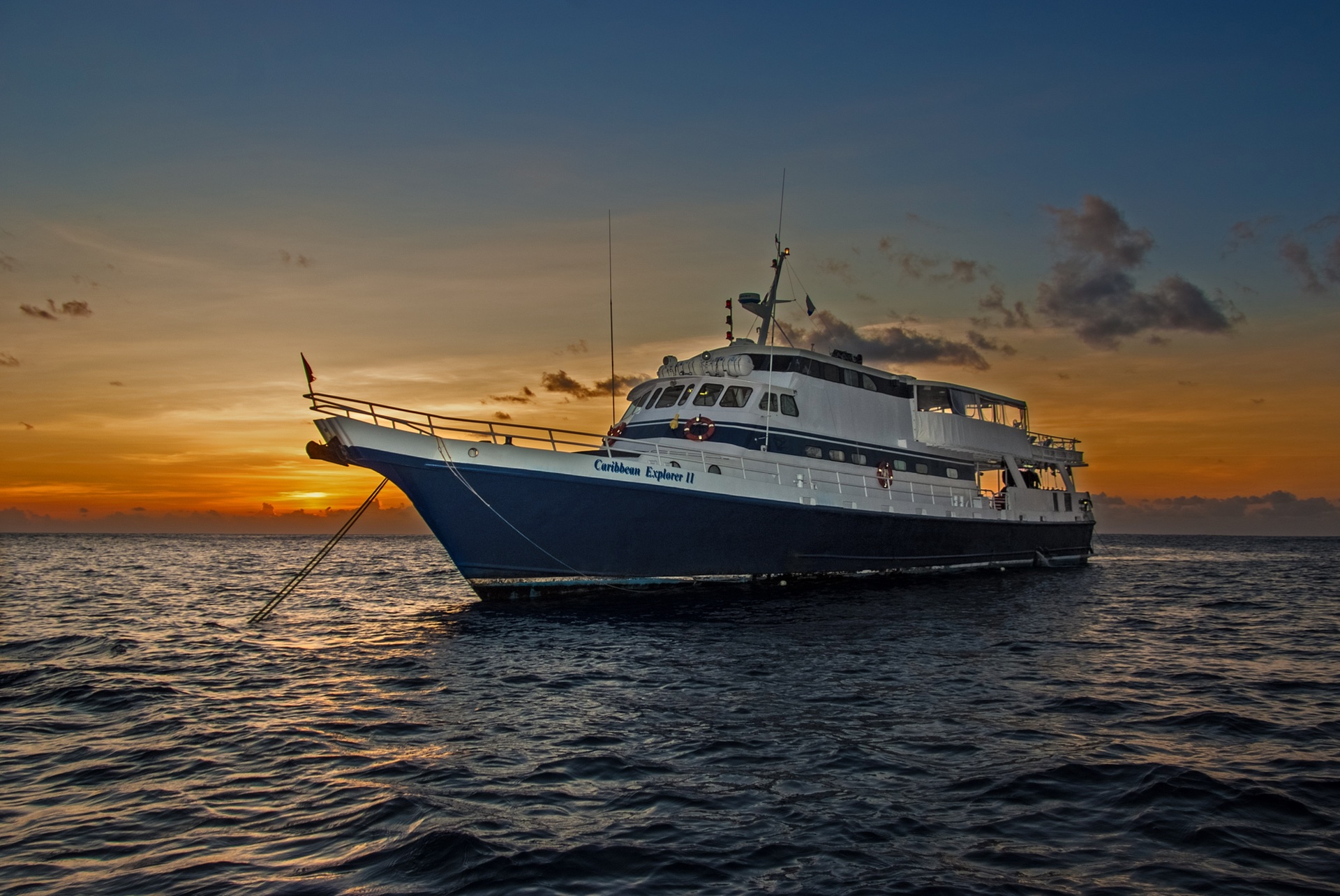
Caribbean Explorer II
St. Maarten
18 guests
$224/day
Dive sites similar to Molly Beday Reef
Same character, same waters — six more sites divers love for the exact same reasons.Compare seasons, access and liveaboard routes — then pick the site that fits your trip best.
© Esri — Maxar, Earthstar, GIS
Proselyte Reef
St. Maarten
Proselyte Reef, located off the south coast of Sint Maarten near Philipsburg, is the island's most renowned dive site.
- Suitable for
- Beginner
- Current
- Mild
- Access
- Liveaboard or dayboat
- Depth
- ≤ 15 m
- Theme
- Reef
© Esri — Maxar, Earthstar, GIS
Little Bay
St. Maarten
Little Bay, situated in St. Maarten, offers an easily accessible dive and snorkel site, distinguishing itself with a unique underwater sculpture park located directly off the beach.
- Suitable for
- Beginner
- Current
- No current
- Access
- Shore / dayboat
- Depth
- 6–6 m
- Theme
- Reef
La Renee is a deep, open-water wreck situated off the coast of Saint Martin, accessible only by boat.
- Suitable for
- Advanced
- Current
- Moderate
- Access
- Liveaboard or dayboat
- Depth
- 40–40 m
- Theme
- Reef
Big Momma is a natural coral reef system located within the protected Man of War Shoal Marine Park in St. Maarten, known for its extensive coral formations surrounding a sandy seabed.
- Suitable for
- Beginner
- Current
- Mild
- Access
- Liveaboard or dayboat
- Depth
- 12–50 m
- Theme
- Reef
© Esri — Maxar, Earthstar, GIS
Carib Ghost
St. Maarten
The Carib Ghost, also known as Carib Cargo or RORO, is a prominent wreck dive site in St. Maarten, situated off Philipsburg.
- Suitable for
- Beginner
- Current
- Mild
- Access
- Liveaboard or dayboat
- Depth
- 26–26 m
- Theme
- Reef
© Esri — Maxar, Earthstar, GIS
Basse Espagnole
St. Maarten
Located in the Réserve Naturelle de St. Martin on the French side of the island, Basse Espagnole is celebrated for its thriving coral life and preserved marine environment.
- Suitable for
- Beginner
- Current
- Mild
- Access
- Liveaboard or dayboat
- Depth
- ≤ 18 m
- Theme
- Reef