About Les Sables
Les Sables Rouges is a distinctive dive site nestled within the Gulf of Tadjoura, renowned for its captivating underwater topography that marries expansive sandy plains with flourishing coral patches. This diversity creates a rich environment supporting a wide array of marine life, from intricate reef fish to larger, transient pelagics. The site's depth ranges from a shallow 5 meters down to 30 meters, making it accessible for various certification levels and allowing for exploration of both its vibrant coral gardens and intriguing sandy areas. The conditions are typically mild, with gentle currents and an absence of surge, contributing to a relaxed diving experience. Visibility here can be excellent, often ranging from 10 to 30 meters. Divers frequently encounter numerous reef fish species, adding splashes of color to the underwater scenery. The sandy expanses are particularly interesting for macro enthusiasts, revealing various invertebrates, while the occasional turtle may grace divers with its presence. The warm water temperatures, fluctuating between 20°C in winter and 30°C in summer, ensure comfortable diving year-round. Access to Les Sables is typically by boat, and no special permits are required for diving. Its unique blend of soft and hard bottom types provides ample photographic opportunities, from wide-angle shots of coral structures to detailed macro captures of smaller inhabitants, making it a well-rounded destination for underwater exploration.
Highlights
Diverse sandy and coral topographyAbundant reef fish speciesGentle currents and clear visibilityOccasional turtle sightingsMix of shallow and deep areasExcellent for wide-angle and macro photography
Season calendar
Best months to dive here
Jan
Feb
Mar
Apr
May
Jun
Jul
Aug
Sep
Oct
Nov
Dec
Excellent
Good
Dive site facts: Les Sables
- Depth
- 5–30 m
- Typical dive
- 10–20 m, 45 min
- Current
- Mild
- Visibility
- 10–30 m
- Water temperature
- 20–30 °C
- Entry
- Boat
- Level
- Intermediate
- Dive type
- Coral reef, sandy bottom, marine life
- Night dive
- Possible
- Region / port
- Gulf of Tadjoura, Djibouti
- Coordinates
- 11.62, 43.16
Conditions & Currents
Currents at Les Sables are generally mild, making it an accessible site for various diver experience levels. This gentle flow contributes to a relaxed dive profile, allowing ample time for observation of the diverse marine life and intricate coral formations. The absence of significant surge further enhances the tranquil underwater environment. Visibility is typically good, ranging from 10 to 30 meters, though it can vary with nutrient upwellings that sometimes occur, which in turn can attract more pelagic species. Divers can expect comfortable water temperatures, ranging from 20°C to 30°C depending on the season, ensuring enjoyable dives without the need for heavy thermal protection. Entry is always via boat, ensuring convenient access to the site's best features.
Marine life & sighting chances

Reef fish
Year-round · common
Pelagic fish
Year-round · occasionalInvertebrates
Year-round · common
Sea turtles
Year-round · occasional
Whale sharks
Oct-Feb (peak), Sep (occasional) · rare
Grey reef sharks
Sep-Feb · occasional
Whitetip reef sharks
Sep-Feb · occasional
Manta rays
Oct-Feb (peak), Sep (occasional) · rare
Barracuda
Sep-Feb · occasional
Snapper
Sep-Feb · occasional
Jacks
Sep-Feb · occasionalDive profile & how the dive runs
Dives at Les Sables typically begin with a boat drop, allowing for immediate access to the site's diverse topography. You'll descend to explore the coral formations in the shallower areas, around 10-15 meters, where reef fish are abundant. The dive then progresses gradually along the sandy patches, where you can look for invertebrates and the occasional turtle, reaching depths of up to 25-30 meters. The return journey involves a slow ascent back towards the shallower coral gardens, allowing for a thorough exploration of the vibrant ecosystems. Your safety stop will be conducted in the clear, shallow waters, offering additional opportunities for observing marine life before surfacing near the boat.
Underwater photography
Les Sables offers a fantastic canvas for both wide-angle and macro underwater photography due to its varied landscape. For capturing the expansive coral formations and overall reef scene, a wide-angle lens is ideal. Consider using natural light in shallower areas and a strobe for illuminating details and colors at greater depths. When focusing on the smaller, often camouflaged invertebrates in the sandy patches, a macro lens will be indispensable. Maintaining excellent buoyancy is crucial here, especially over the delicate corals, to avoid disturbing marine life and stirring up sediment. Patience is key for capturing shy subjects like turtles or the occasional pelagic passing through. Always approach marine life calmly and avoid excessive flash that might startle them.
Combine with nearby dive sites
- Les Sept Frères (Seven Brothers Islands)
A chain of volcanic islands known for healthy coral reefs, strong currents, and pelagic encounters including manta rays and whale sharks.
- Gulf of Tadjoura – Whale Shark Area
Region within the Gulf known for seasonal whale shark sightings, especially for juveniles.
- Moucha Island Reef
Offers vibrant coral gardens and diverse reef fish, suitable for both beginners and experienced divers.
- Le Goubet (Ghoubbet al-Kharab)
A deep bay recognized as a nursery for juvenile whale sharks, also featuring unique topography like the Djibouti Crack.
Getting there & logistics
Access to Djibouti for diving typically involves flying into Djibouti-Ambouli International Airport (JIB). From there, liveaboards are the primary way to explore the diverse dive sites, including Les Sables, often departing from Djibouti City. Dive trips usually range from 7 to 10 days, combining visits to various locations within the Gulf of Tadjoura and the Seven Brothers Islands. No special dive permits are required for Les Sables itself, and liveaboard packages generally cover all diving fees. It is recommended to consolidate multiple dive sites into one itinerary to experience the full spectrum of Djibouti's underwater offerings.
Safety & environment
While diving in Djibouti, safety is paramount. The nearest recompression chamber is located in Djibouti City, emphasizing the need for comprehensive dive insurance that covers emergency medical treatment and evacuation. Divers should always verify local conditions with their dive operator and dive within their training limits. Les Sables generally presents mild conditions, but careful attention to bottom time and air consumption is always advised. Respecting the marine environment by not touching corals or marine life is crucial for preservation. Always follow the instructions of your certified dive guide, especially when encountering larger marine animals.
Who it suits — and who it doesn't
Suited for
- Intermediate divers seeking diverse habitats
- Underwater photographers (macro and wide-angle)
- Divers interested in reef fish and invertebrates
- Those looking for calm, relaxed diving conditions
- Divers comfortable with boat entries
Less suited for
- Absolute beginners without prior boat diving experience
- Divers seeking strong currents and drift diving exclusively
- Those expecting guaranteed large pelagic encounters every dive
- Divers who prefer shore entries
FAQ
Les Sables FAQ
What kind of marine life can I expect at Les Sables?
Les Sables is home to a rich variety of reef fish, which are commonly sighted across its vibrant coral formations. Divers can also discover interesting invertebrates within the sandy areas. While occasional sightings of sea turtles and larger pelagics occur, they are less frequent than the diverse reef life.
What are the typical diving conditions at Les Sables?
The site generally offers very favorable diving conditions. Currents are typically mild, and there is an absence of surge, making for a calm underwater experience. Visibility often ranges from 10 to 30 meters, providing clear views of the diverse marine landscape.
Is Les Sables suitable for beginner divers?
Les Sables is best suited for intermediate divers due to its depth range of 5-30 meters and boat entry. While the currents are mild, some prior experience with boat diving and managing varied depths is recommended to fully enjoy the site.
Can I do night dives at Les Sables?
Yes, night dives are generally possible at Les Sables. The diverse marine life, particularly invertebrates in the sandy patches and the activity of nocturnal reef creatures, can offer a unique and captivating experience under the cover of darkness.
What is the best time of year to dive Les Sables?
The prime diving season for Les Sables is from April to November, when water temperatures are consistently warm and visibility is at its best. However, enjoyable diving conditions and comfortable water temperatures can be found year-round, with winter months also offering pleasant dives.
Are there any specific photo tips for diving Les Sables?
For underwater photography at Les Sables, it's advisable to bring both wide-angle and macro lenses. Wide-angle is excellent for capturing the extensive coral formations, while a macro lens will be perfect for the intricate details of small marine life found in the sandy areas and among the corals.
Why dive Les Sables from a liveaboard?
Les Sables is one of Djibouti's signature dive sites. A liveaboard sleeps you on the water and puts you in the water for three to four guided dives per day, including dawn and night dives that day-boat operators rarely offer. You skip the daily commute back to port and reach quieter, less-crowded sites in the same region on a single trip.
Below are the liveaboards that include Les Sables on their Djibouti itineraries.
Liveaboards diving Les Sables
These liveaboards may visit Les Sables on selected itineraries — the exact dive sites depend on departure, weather and conditions.
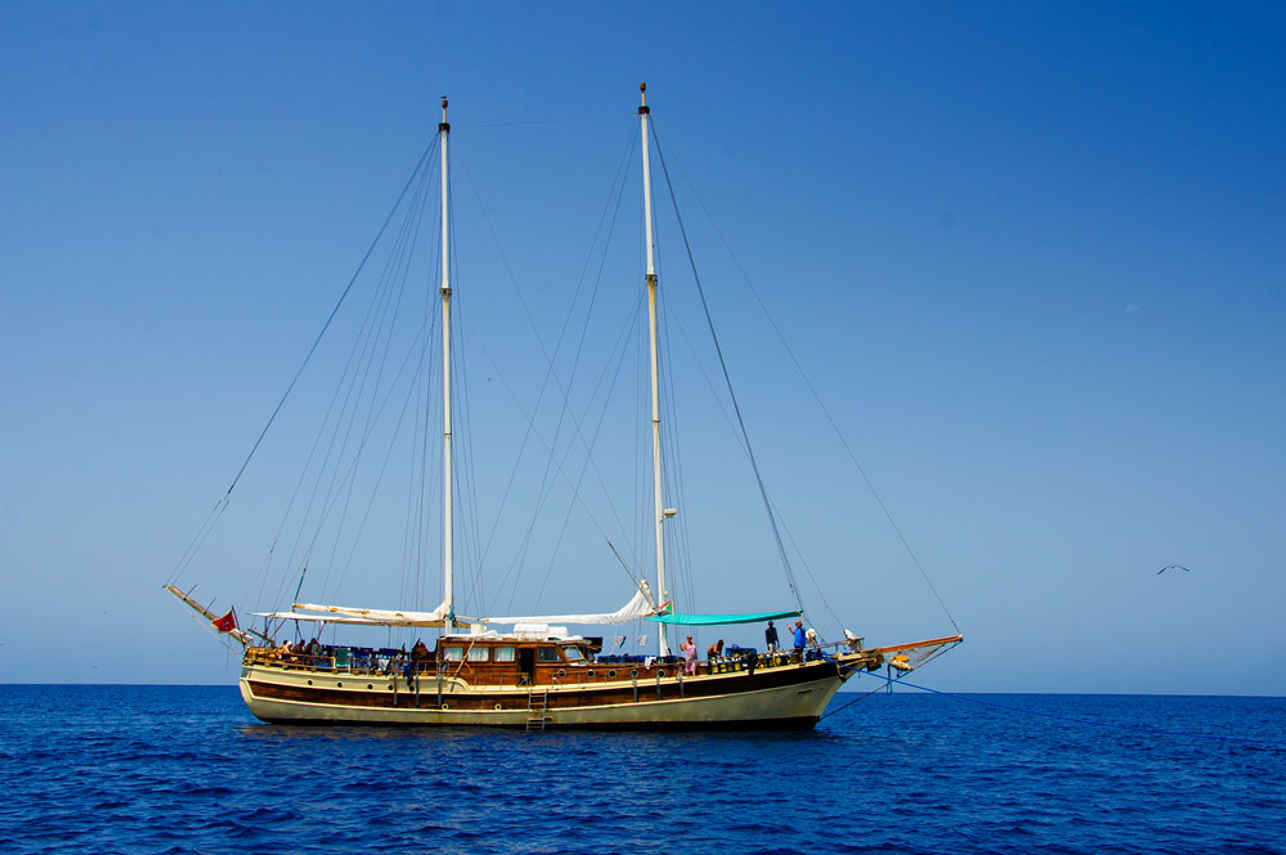
Elegante
Djibouti
14 guests25 m
$209/day
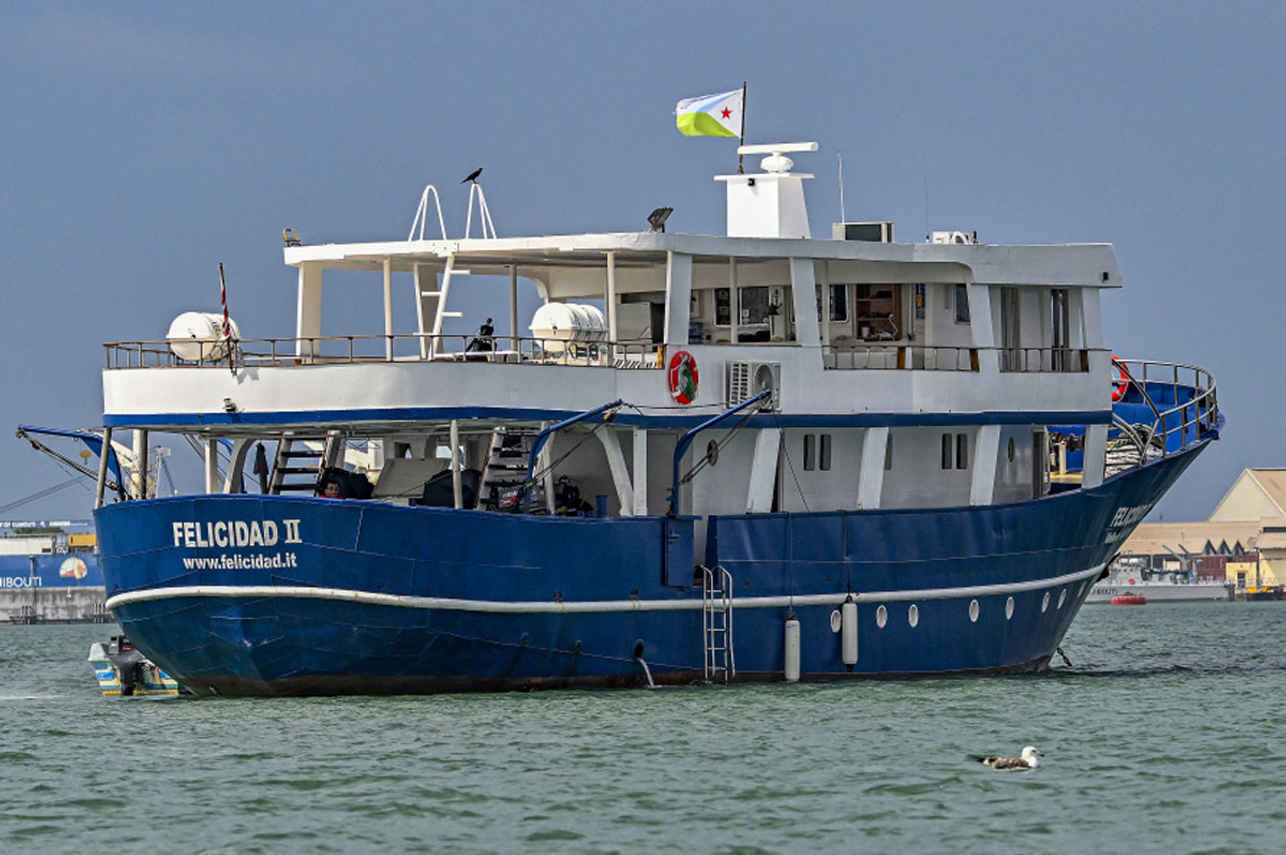
Felicidad II
Djibouti
18 guests30 m
$188/day
Dive sites similar to Les Sables
Same character, same waters — six more sites divers love for the exact same reasons.Compare seasons, access and liveaboard routes — then pick the site that fits your trip best.
© Esri — Maxar, Earthstar, GIS
Ghoubbet al Kharab
Djibouti
Ghoubbet al Kharab, also known as the Devil’s Goblet, is a deep bay connected to the Gulf of Tadjourah and the open ocean in Djibouti.
- Suitable for
- Advanced
- Current
- Strong
- Access
- Liveaboard only
- Depth
- 5–200 m
- Theme
- Drift / Reef
© Esri — Maxar, Earthstar, GIS
Moucha wrecks
Djibouti
The Moucha wrecks, including the notable Orchard Reefer and Le Fon, offer a distinctive dive experience within Djibouti's Gulf of Tadjoura, contrasting with the region's prevalent coral reefs.
- Suitable for
- Advanced
- Current
- Moderate
- Access
- Liveaboard or dayboat
- Depth
- 5–50 m
- Theme
- Wreck / Reef
© Esri — Maxar, Earthstar, GIS
Sable Blanc Reef
Djibouti
Sable Blanc Reef is a vibrant coral ecosystem located in Djibouti, nestled where the Red Sea meets the Gulf of Aden.
- Suitable for
- Intermediate
- Current
- Strong
- Access
- Shore / dayboat
- Depth
- 5–30 m
- Theme
- Drift / Reef
© Esri — Maxar, Earthstar, GIS
Cape Rouge
Djibouti
Cape Rouge is a notable dive site in Djibouti, known for its pristine underwater environment where the Red Sea meets the Indian Ocean.
- Suitable for
- Advanced
- Current
- Mild
- Access
- Liveaboard or dayboat
- Depth
- 15–40 m
- Theme
- Reef
© Esri — Maxar, Earthstar, GIS
La Vierge Rouge
Djibouti
La Vierge Rouge is situated in Djibouti, a unique diving destination where the Red Sea converges with the Indian Ocean.
- Suitable for
- Intermediate
- Current
- Moderate
- Access
- Liveaboard only
- Depth
- 15–40 m
- Theme
- Reef
© Esri — Maxar, Earthstar, GIS
Le Sec Aux Boutres
Djibouti
Le Sec Aux Boutres is a distinguished dive site located near Arta, Djibouti, celebrated for its rich marine biodiversity and stunning underwater scenery.
- Suitable for
- Intermediate
- Current
- Mild
- Access
- Dayboat
- Depth
- 10–30 m
- Theme
- Reef