About Dampier Strait
The Dampier Strait, nestled between Waigeo and Batanta islands in West Papua, is Raja Ampat's central diving hub and a focal point for extraordinary marine biodiversity. Its unique topography, characterized by a narrow channel and a series of seamounts, funnels powerful tidal currents, delivering an abundance of nutrients to the coral reefs. This constant flow supports an unparalleled density of marine life, making it one of the most productive dive regions globally. Dive sites within the Strait often begin on shallow plateaus, typically 6-8 meters deep, before descending to sandy seabeds at 24 meters and beyond. These currents have fostered a vibrant ecosystem, teeming with diverse hard and soft corals, sea whips, and anemones that create a sensory overload of color and activity. It's renowned for its soft coral fantasylands, often described as a peacock fanning its tail, displaying a profusion of hues. The marine environment here is a spectacle of schooling fish, pelagic encounters, and macro wonders. Divers frequently encounter large schools of barracudas, jacks, and sweetlips, alongside wobbegong sharks and ribbon-tail rays. The area is also famous for its macro life, including various species of nudibranchs, pygmy seahorses, and crinoid shrimp, offering rich opportunities for both wide-angle and macro photography. The action underwater is continuous and dynamic. Due to the presence of strong currents, diving in Dampier Strait demands a good level of experience. Many sites are best dived with a guide who understands the local water conditions, especially when currents reach their peak. The rewards, however, are immense, offering an immersive experience into one of the world's richest marine ecosystems.
Highlights
Phenomenal fish biodiversityStrong currents, abundant nutrientsSpectacular soft coral gardensPelagic action: sharks, mantas, schooling fishMacro life: pygmy seahorses, nudibranchsRecord-holding dive sites
Season calendar
Best months to dive here
Jan
Feb
Mar
Apr
May
Jun
Jul
Aug
Sep
Oct
Nov
Dec
Excellent
Good
Dive site facts: Dampier Strait
- Depth
- 5–30 m
- Typical dive
- 12–25 m, 50–60 min
- Current
- Moderate to very strong
- Visibility
- 10–30 m
- Water temperature
- 27–30°C
- Entry
- Liveaboard tender / negative entry often required
- Level
- Intermediate-Advanced
- Dive type
- Reef, pinnacles, drift, pelagic, macro
- Night dive
- Possible in sheltered areas
- Region / port
- Raja Ampat, West Papua, Indonesia
- Coordinates
- -0.5083, 130.5942
Conditions & Currents
The Dampier Strait is characterized by very strong and often unpredictable currents, which are a direct result of water being muscled through the narrow channel into the deep basins of the Banda Sea. These currents can range from gentle drifts to 'warp speed,' necessitating a good understanding of tidal phases and local conditions. Many sites, such as Cape Kri, require advanced techniques like reef hooking during peak current to observe the prolific marine life. Divers should be prepared for negative entries and be proficient in controlling buoyancy in dynamic water movement. Visibility can vary, typically ranging from 10 to 25 meters, and while plankton blooms sometimes reduce clarity, they also attract larger pelagics. It is crucial to dive with experienced guides who are intimately familiar with the local currents and can plan dives around slack tide or choose appropriate sites.
Marine life & sighting chances

Manta Ray
December–April · common
Wobbegong shark
common
Blacktip reef shark
common
Grey reef shark
common
Schools of fusiliers
common
Schools of jacks
common
Schools of barracuda
common
Sweetlips
common
Bumphead parrotfish
occasional
Pygmy seahorse
common
Nudibranchs
common
Crinoid shrimp
occasional
Reef octopus
occasional
Epaulette walking shark
occasionalDive profile & how the dive runs
Dives in Dampier Strait often commence with a tender drop close to the reef or pinnacle, frequently requiring a negative entry due to strong currents. You typically descend quickly to a shallower plateau, around 6-8 meters, for orientation. The dive often progresses along a wall or slope, moving deeper to 18-30 meters, observing the profusion of soft corals and schooling fish. At sites with extreme current, a reef hook may be deployed at a designated corner to allow for stationary observation of pelagic activity. The turning point is usually dictated by air consumption or current strength, after which you will drift along the reef, sometimes entering a more sheltered bay. Safety stops are often conducted in shallower, calmer areas or as a controlled drift in milder current, always maintaining awareness of boat traffic for pick-up.
Underwater photography
The Dampier Strait offers incredible opportunities for both wide-angle and macro photography, though managing equipment in strong currents is key. For wide-angle, a fisheye or wide zoom lens is ideal to capture the vast schools of fish, vibrant soft coral gardens, and passing pelagics like mantas and sharks. Consider using strobes to bring out the true colors of the corals and fish. When currents are strong, quick framing and firing are essential. For macro, a 60mm or 100mm lens (or equivalent) will be perfect for seeking out pygmy seahorses, nudibranchs, and other small critters hidden within the corals; focus on sheltered areas or slack tide dives for stability. Buoyancy control is paramount to avoid damaging delicate corals and to hold your position for macro shots. Always be mindful of your fin kicks and maintain a respectful distance from marine life.
Combine with nearby dive sites
- Cape Kri
Holds the record for the most fish species sighted on a single dive.
- Blue Magic
A submerged pinnacle known for strong currents and pelagic encounters, including manta rays and sharks.
- Manta Sandy
A dedicated manta ray cleaning station, offering reliable manta sightings.
- Melissa's Garden
Renowned for its extensive and healthy hard coral gardens.
- Arborek Jetty
Excellent for macro life and sheltered dives.
- Yenbuba Jetty
Known for diverse marine life under the jetty and easy reef access.
Getting there & logistics
Accessing Raja Ampat typically involves flying to Sorong (SOQ) in West Papua, Indonesia, usually with connecting flights from major Indonesian hubs like Jakarta, Makassar, or Manado. From Sorong, divers either board their liveaboard directly or take a public ferry to Waisai, the capital of Waigeo Island, which serves as a common hub for land-based operations in the Dampier Strait. Liveaboard trips in the Dampier Strait often range from 7 to 10 days, with longer itineraries extending to Misool or Wayag. All divers must purchase a Raja Ampat Marine Park Entry Permit, valid for one year. It's recommended to allocate an extra night in Sorong before and after your liveaboard for smoother transitions and to mitigate potential travel delays.
Safety & environment
Diving in the Dampier Strait, with its notoriously strong currents, demands a high level of dive experience and adherence to safety protocols. Divers must be proficient in drift diving, negative entries, and maintaining excellent buoyancy control. Always dive with a reputable operator and experienced local guides who are knowledgeable about tidal patterns and specific site conditions. The nearest recompression chamber is located in Waisai, Waigeo, but evacuation from remote dive sites can be lengthy and challenging, emphasizing the critical need for comprehensive dive insurance covering medical emergencies and evacuation. Divers should carry appropriate signaling devices, such as SMBs, and ensure their equipment is in excellent working order.
Who it suits — and who it doesn't
Suited for
- Experienced divers comfortable with strong currents
- Underwater photographers seeking diverse subjects
- Pelagic enthusiasts and shark lovers
- Divers interested in exceptional coral biodiversity
- Those looking for a fast-paced, action-packed dive experience
Less suited for
- Beginner divers or those with limited current experience
- Divers prone to seasickness (especially during wet season)
- Individuals seeking consistently calm and easy dives
- Those with limited physical fitness for dynamic entries and exits
FAQ
Dampier Strait FAQ
What makes the Dampier Strait special for diving?
The Dampier Strait is a marine biodiversity hotspot due to its unique geographical location and strong tidal currents. These currents bring nutrient-rich waters, supporting an extraordinary density of marine life, from vast schools of fish to abundant corals and pelagic species like manta rays and sharks. It consistently offers some of the most dynamic and vibrant diving experiences in Raja Ampat.
Are the currents always strong in Dampier Strait?
Currents in the Dampier Strait can vary significantly from mild to extremely strong, often described as 'warp speed.' The intensity depends on the specific dive site, tidal phase, and moon cycle. Experienced guides strategically plan dives around optimal conditions, sometimes utilizing reef hooks or timing dives for slack tide to ensure diver safety and enjoyment.
What kind of marine life can I expect to see?
Divers can anticipate an incredible array of marine life, including large schools of barracudas, jacks, and fusiliers. Pelagic encounters often include reef sharks, wobbegong sharks, and both reef and oceanic manta rays, especially during peak season. Macro enthusiasts will find pygmy seahorses, nudibranchs, and various colorful invertebrates among the rich soft coral gardens.
When is the best time to see manta rays in Dampier Strait?
Manta ray sightings in the Dampier Strait are most reliable between December and April. During these months, conditions are generally optimal, and large numbers of both reef and oceanic mantas gather at cleaning stations like Manta Sandy. It's a prime time for both wide-angle photography and unforgettable pelagic encounters.
Is the Dampier Strait suitable for all diver levels?
The Dampier Strait is generally recommended for intermediate to advanced divers. The presence of strong and often unpredictable currents requires good buoyancy control, experience with drift diving, and comfort in dynamic underwater environments. Beginner divers may find the conditions challenging, although some sheltered sites can be suitable during calmer periods.
How do I get to the Dampier Strait?
Most divers access the Dampier Strait via Sorong (SOQ) airport, the gateway to Raja Ampat. From Sorong, you typically board a liveaboard directly or take a public ferry to Waisai, the main town on Waigeo Island. Liveaboards offer the most comprehensive way to explore the various sites within the Strait and beyond, while some resorts are located closer to specific dive areas.
Why dive Dampier Strait from a liveaboard?
Dampier Strait is one of Raja Ampat, Indonesia's signature dive sites. A liveaboard sleeps you on the water and puts you in the water for three to four guided dives per day, including dawn and night dives that day-boat operators rarely offer. You skip the daily commute back to port and reach quieter, less-crowded sites in the same region on a single trip.
Below are the liveaboards that include Dampier Strait on their Raja Ampat, Indonesia itineraries.
Liveaboards diving Dampier Strait
These liveaboards may visit Dampier Strait on selected itineraries — the exact dive sites depend on departure, weather and conditions.
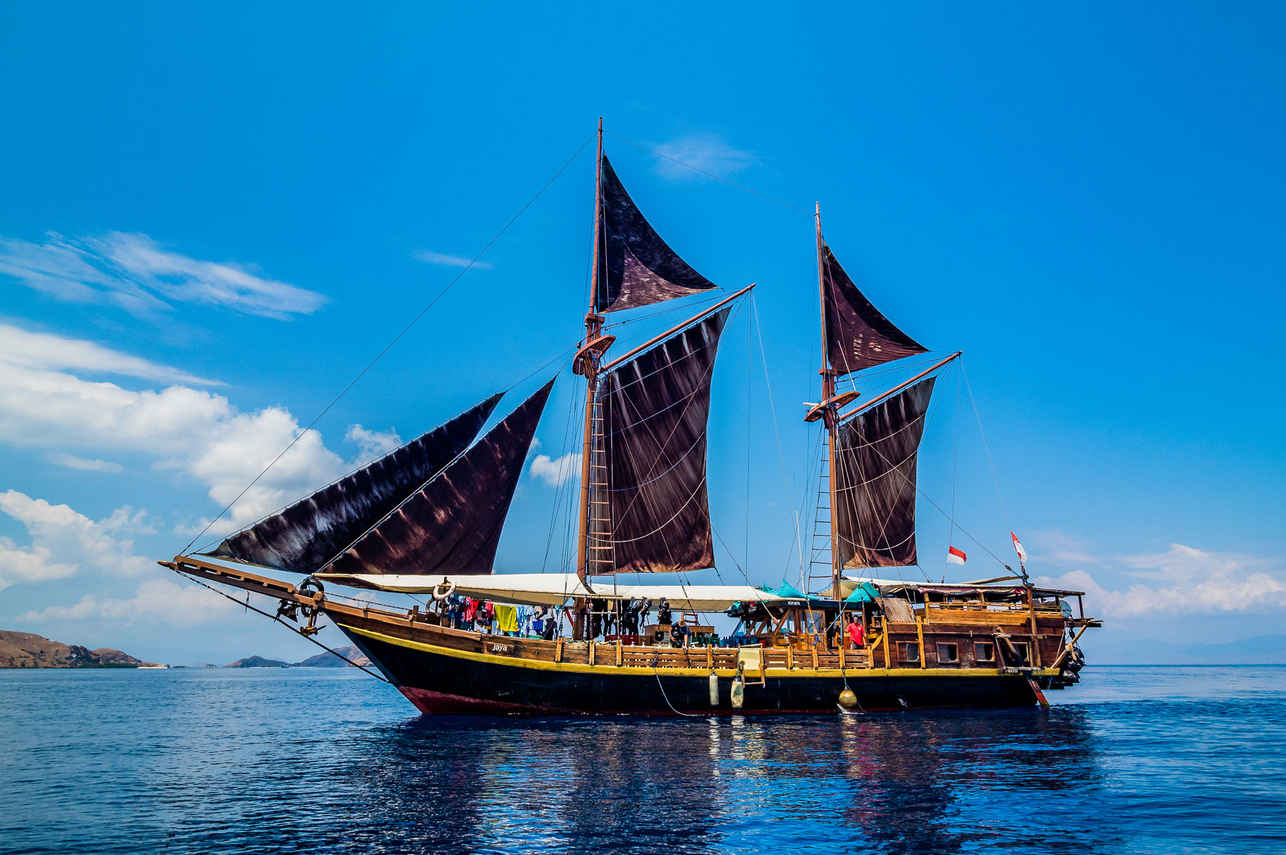
Jaya
Indonesia
14 guests23 m
$280/day
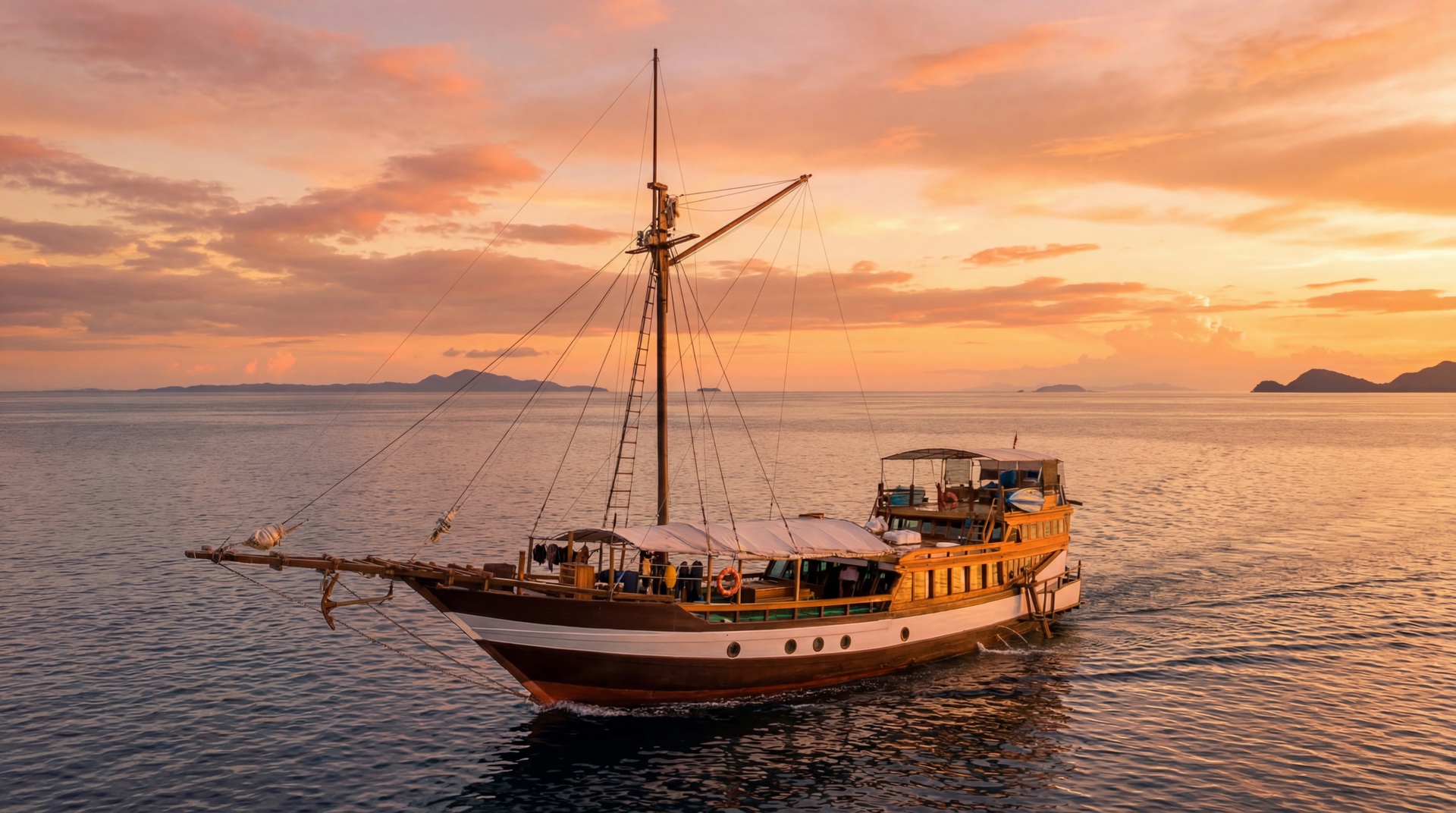
Wellenreng
Indonesia
9 guests25 m
$427/day
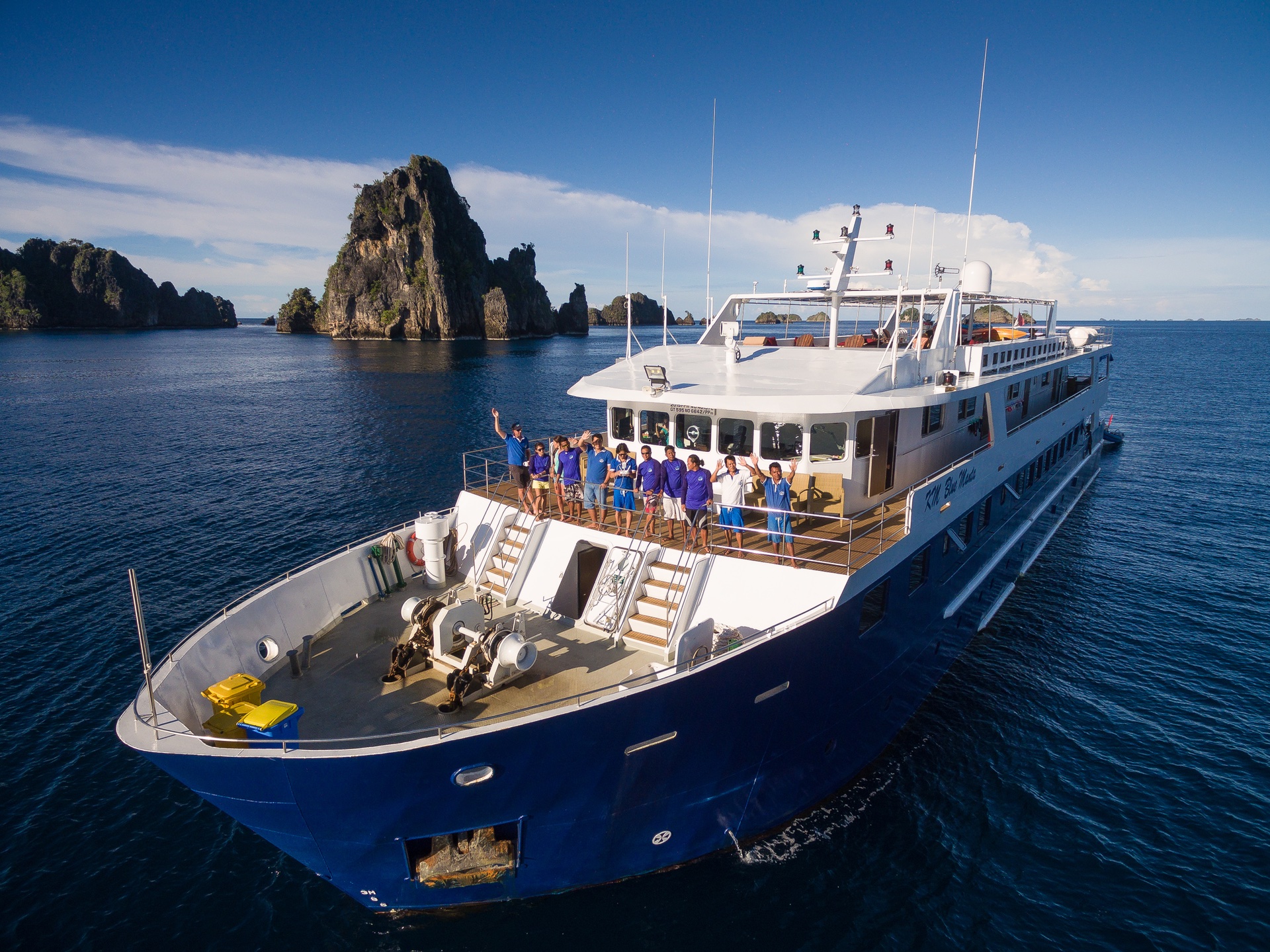
Blue Manta
Indonesia
20 guests45 m
$482/day
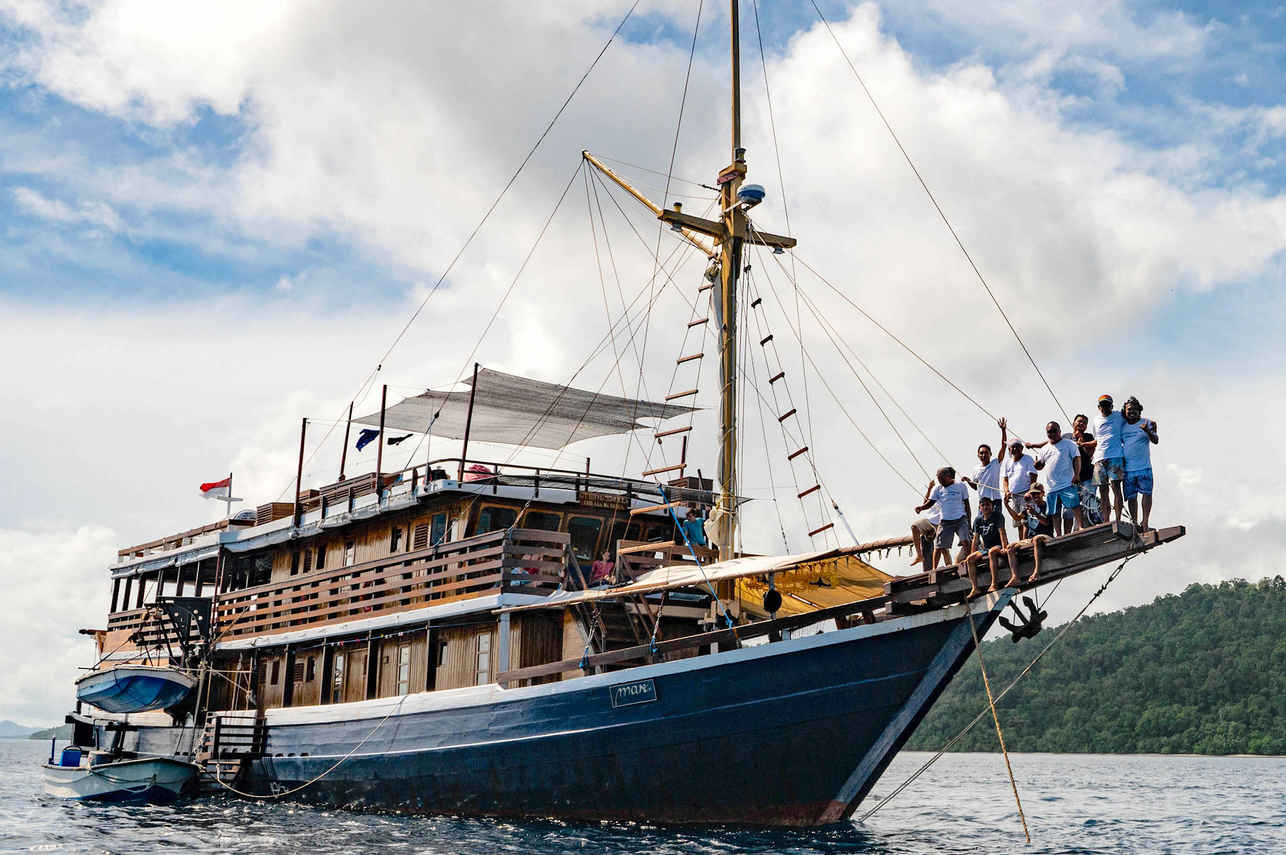
Mari
Indonesia
14 guests32.2 m
$328/day
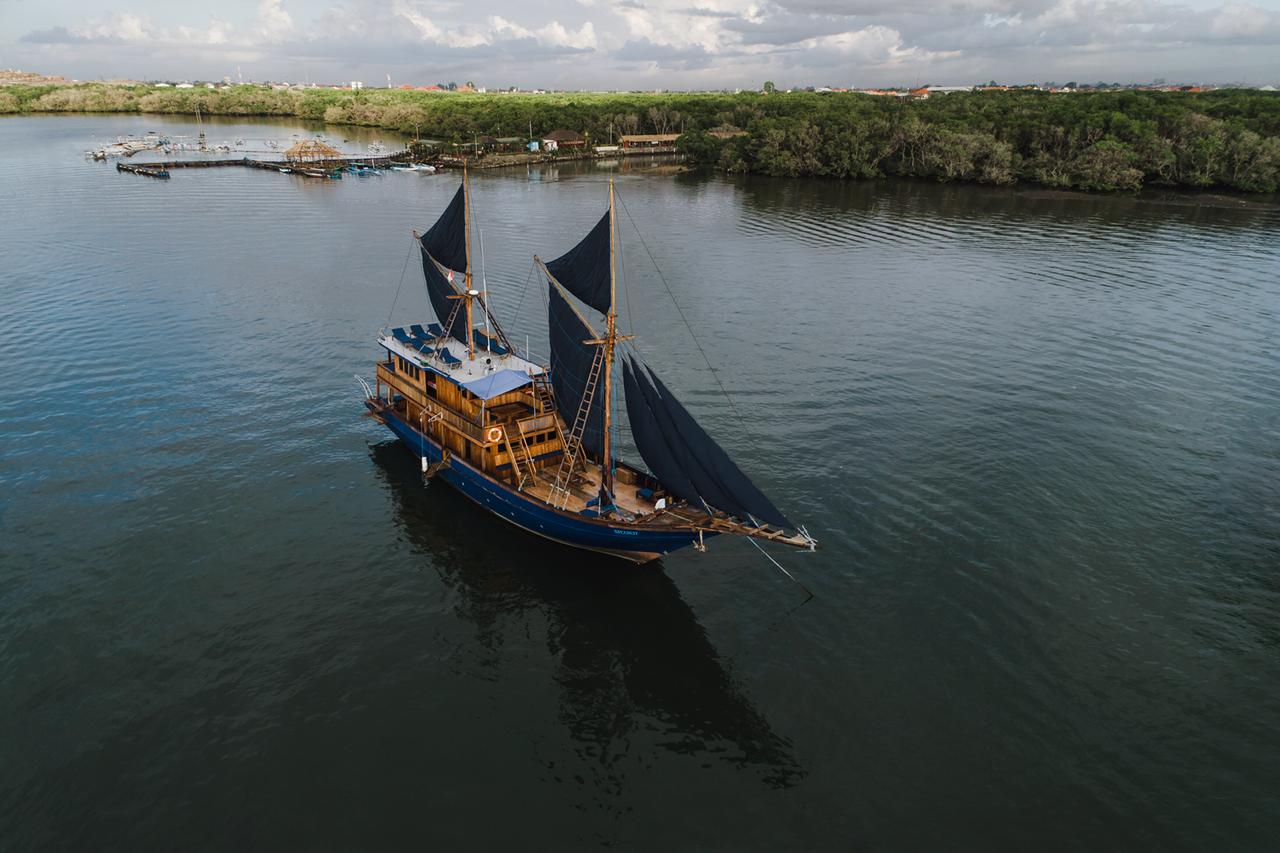
Situju7
Komodo, Indonesia
10 guests32.7 m
$362/day
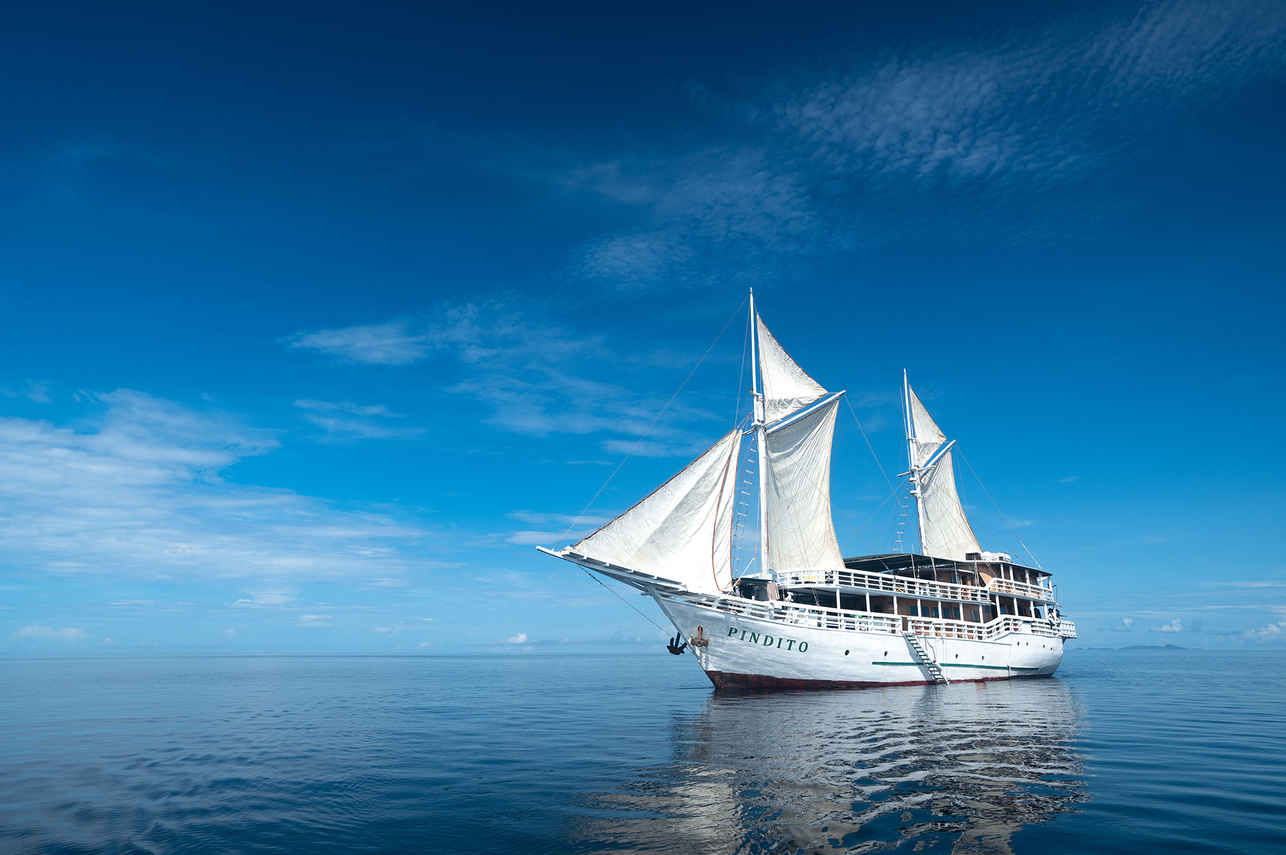
Pindito
Indonesia
16 guests37.79 m
$533/day
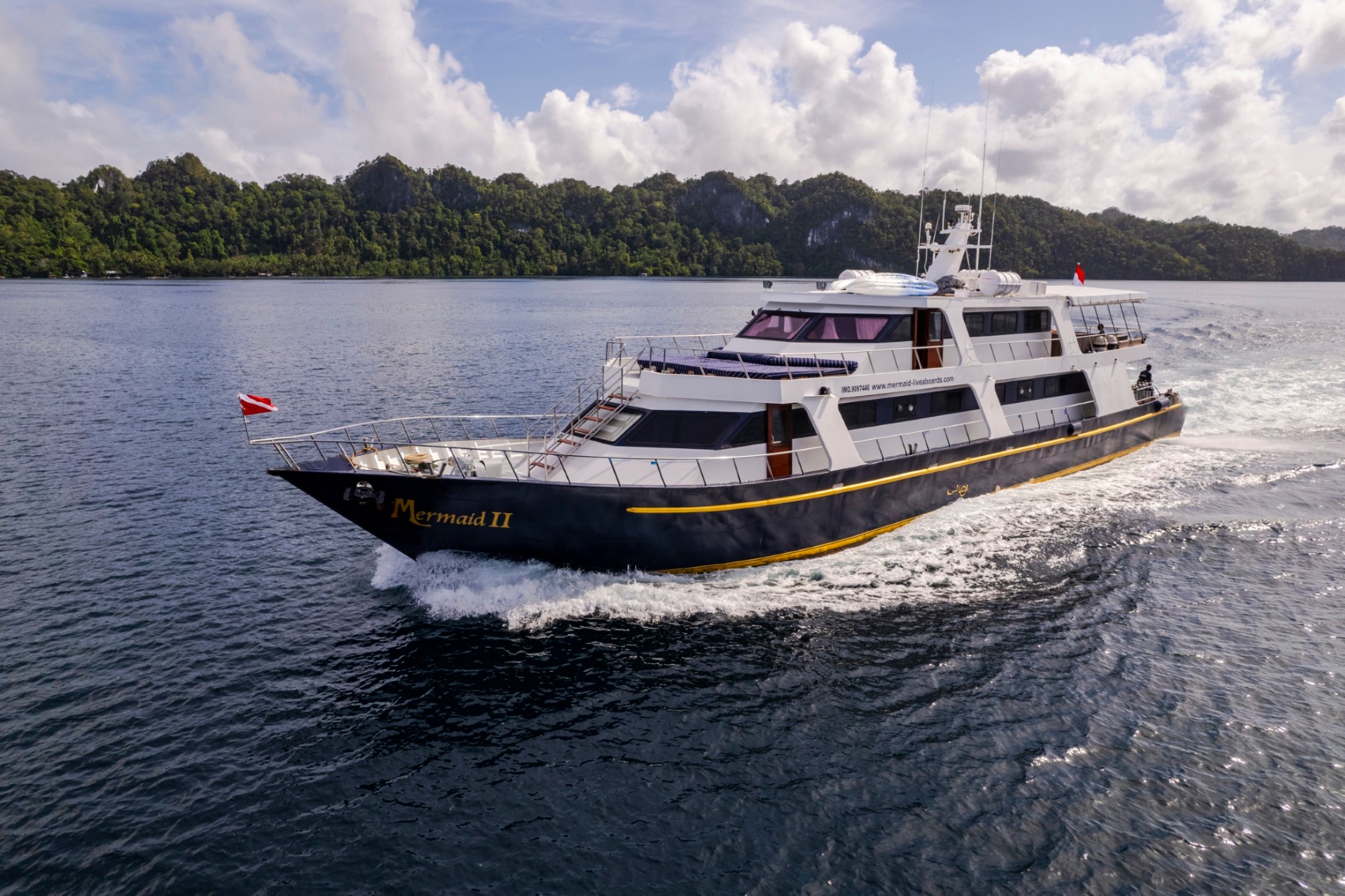
Mermaid II
Komodo, Indonesia
18 guests
$391/day
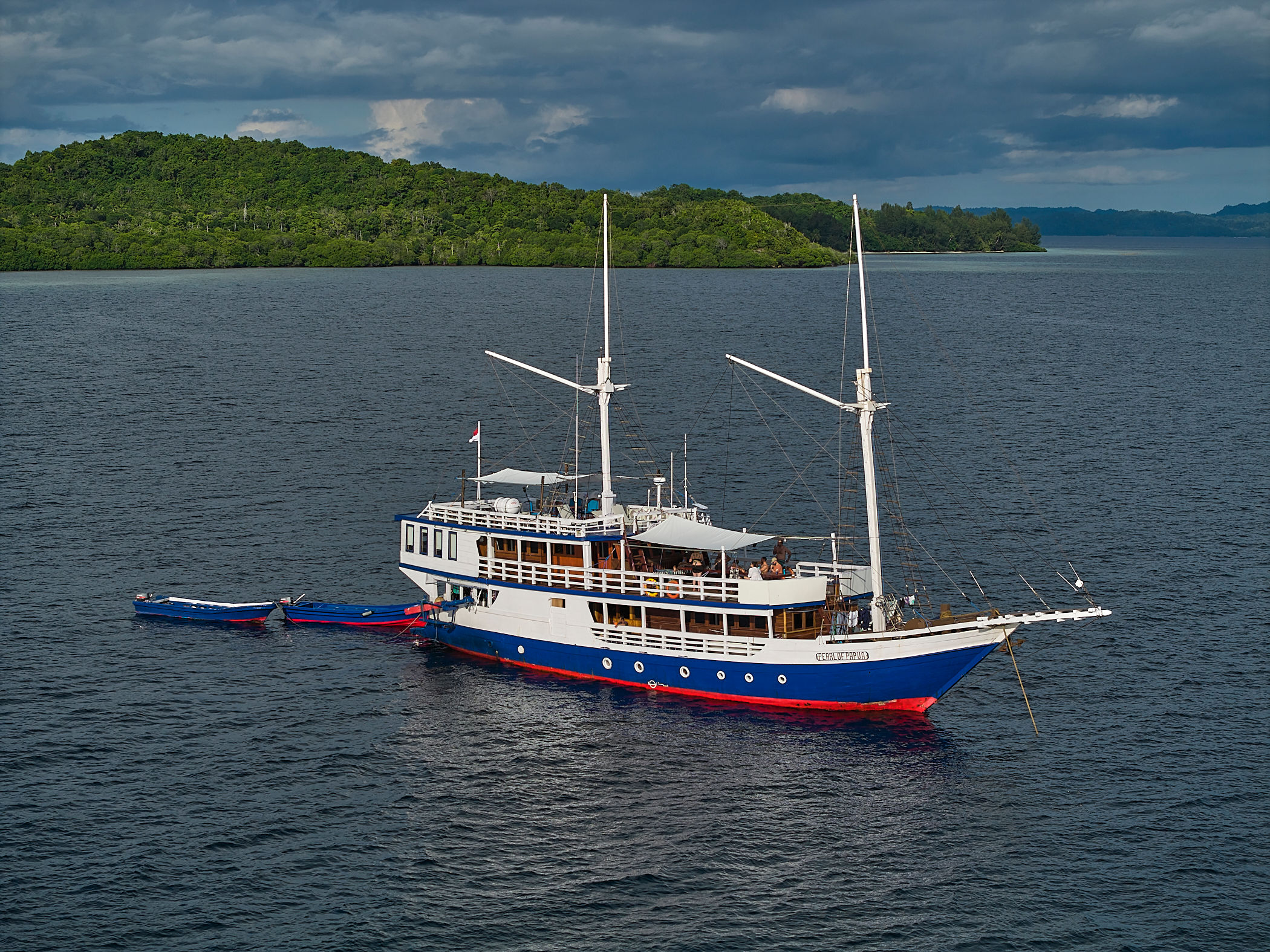
Pearl of Papua
Raja Ampat, Indonesia
14 guests30 m
$303/day
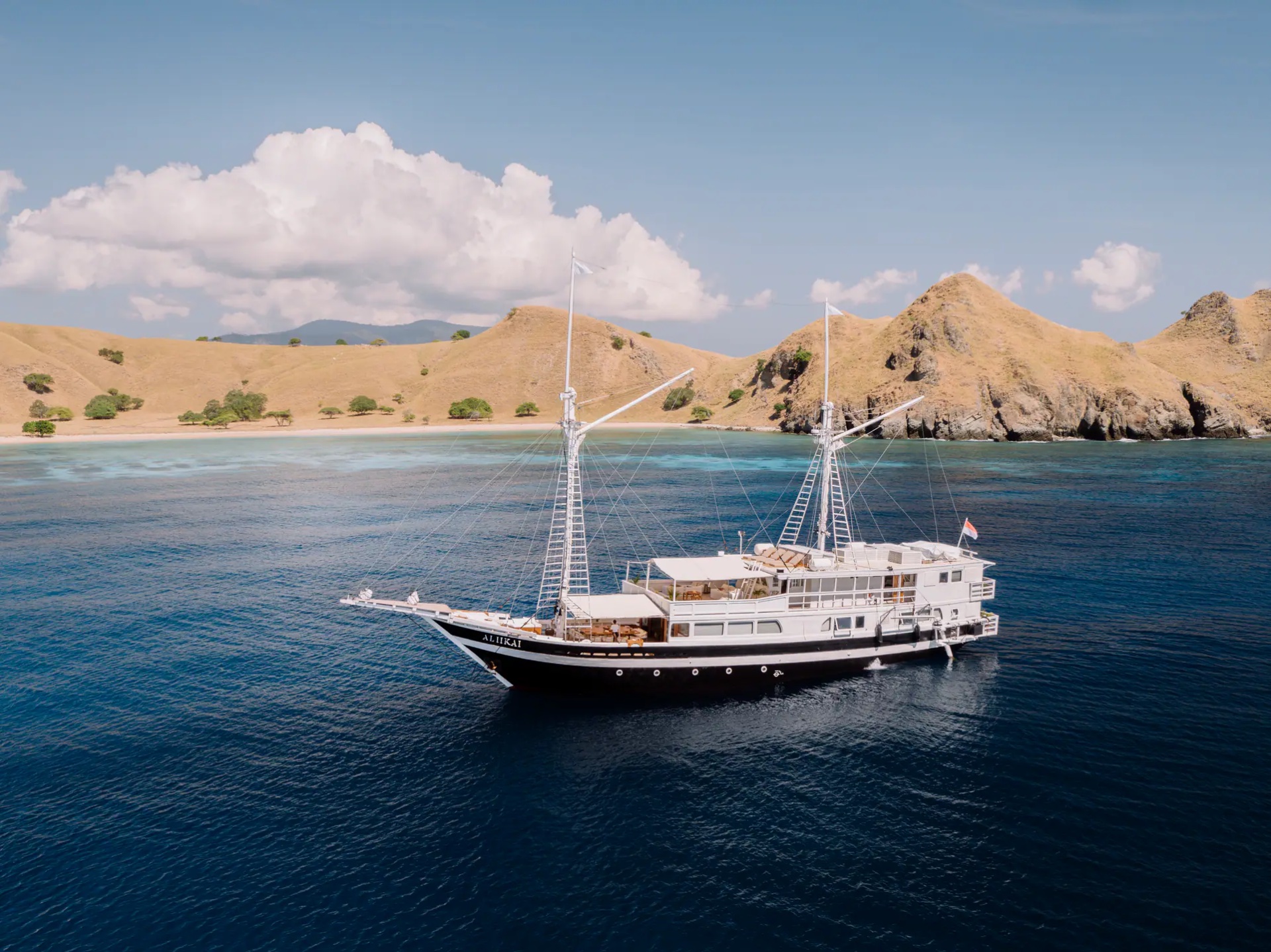
Aliikai Voyage
Indonesia
15 guests40 m
$658/day
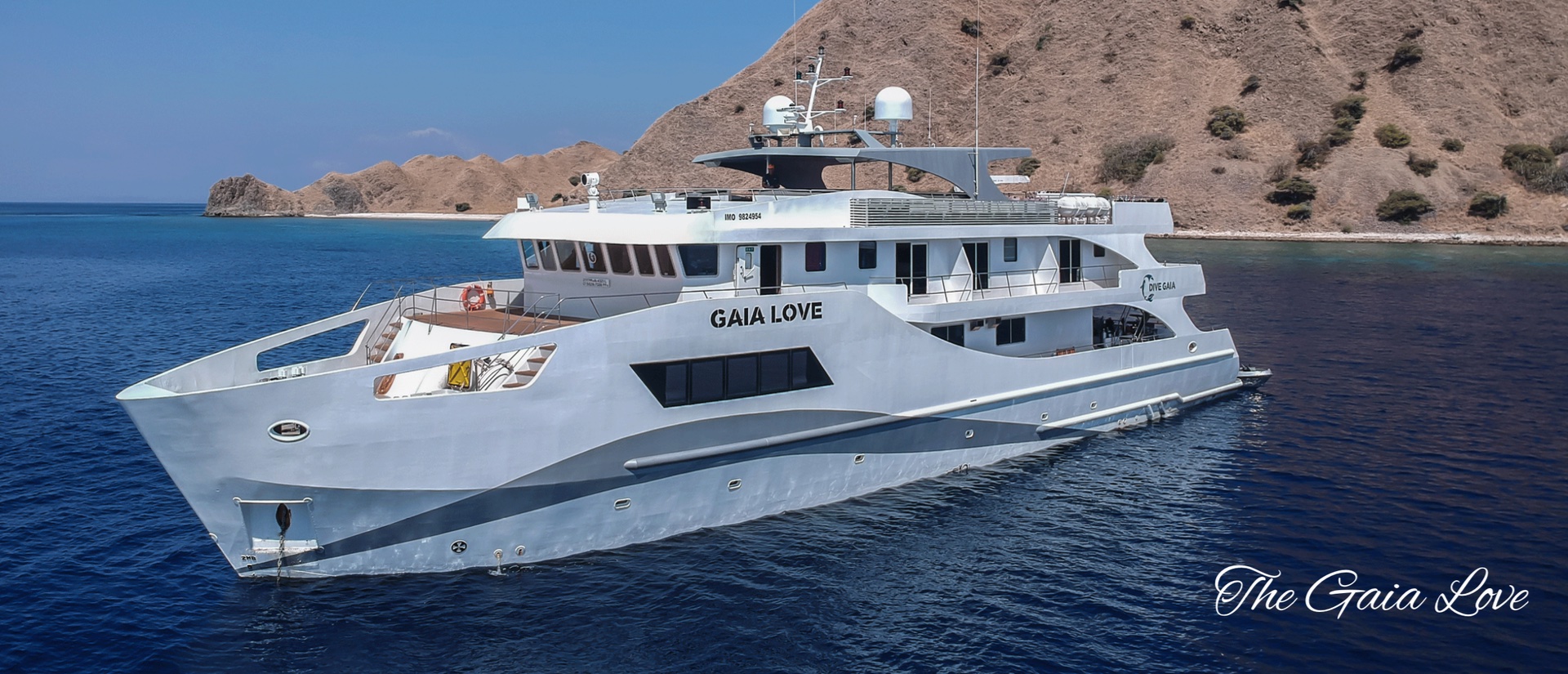
Gaia Love
Alor
20 guests
$554/day
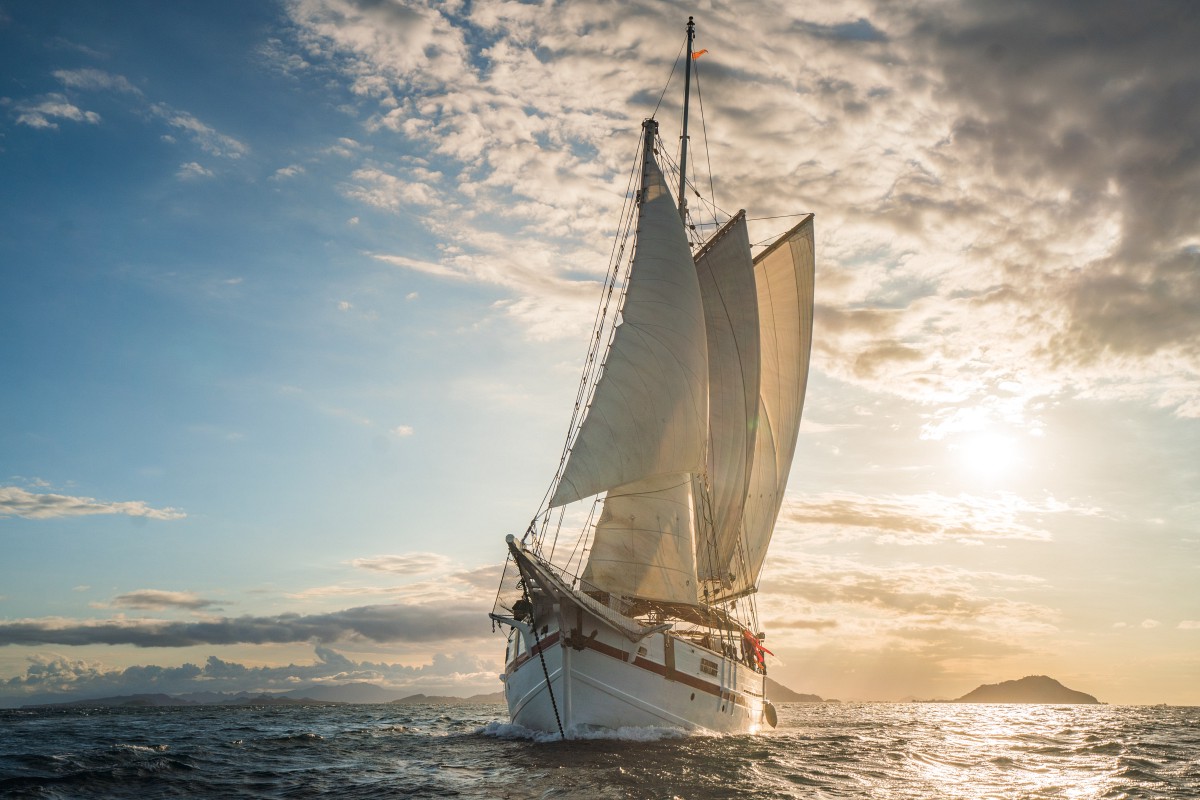
Emperor Raja Laut
Raja Ampat, Indonesia
12 guests31 m
$413/day
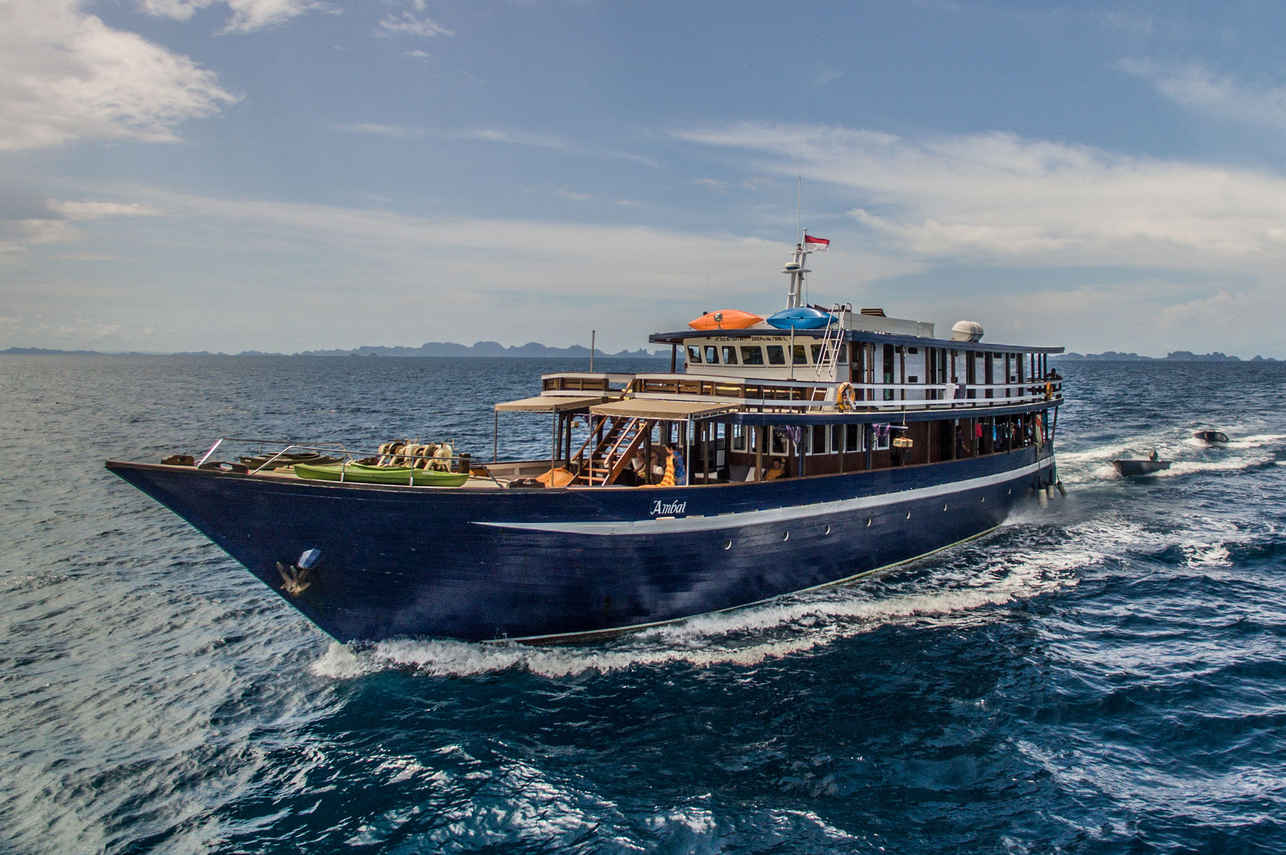
Ambai
Indonesia
16 guests32 m
$453/day
Dive sites similar to Dampier Strait
Same character, same waters — six more sites divers love for the exact same reasons.Compare seasons, access and liveaboard routes — then pick the site that fits your trip best.
© Esri — Maxar, Earthstar, GIS
Misool Batu Kecil
Raja Ampat, Indonesia
Misool Batu Kecil, often referred to as Tank Rock, is a prime dive site nestled within the Misool area of Raja Ampat, part of the extensive marine protected areas.
- Suitable for
- Intermediate
- Current
- Strong
- Access
- Liveaboard only
- Depth
- 5–25 m
- Theme
- Drift / Reef
© Esri — Maxar, Earthstar, GIS
Friwin Wall
Raja Ampat, Indonesia
Friwin Wall, nestled in the heart of Raja Ampat's Dampier Strait, is a premier dive site renowned for its vibrant reef wall and rich biodiversity.
- Suitable for
- Intermediate
- Current
- Strong
- Access
- Liveaboard only
- Depth
- 1–25 m
- Theme
- Cave & cavern / Drift
© Esri — Maxar, Earthstar, GIS
Citrus Ridge
Raja Ampat, Indonesia
Citrus Ridge is a renowned dive site in Raja Ampat, located in a natural channel separating Gam Island from Yanggelo.
- Suitable for
- Intermediate
- Current
- Strong
- Access
- Liveaboard only
- Depth
- 10–27 m
- Theme
- Drift / Reef
© Esri — Maxar, Earthstar, GIS
Boo Windows
Raja Ampat, Indonesia
Boo Windows, located at the eastern edge of Raja Ampat's Misool region, is an iconic dive site renowned for its unique underwater topography, particularly its famous "windows" or archways.
- Suitable for
- Intermediate
- Current
- Strong
- Access
- Liveaboard only
- Depth
- 5–30 m
- Theme
- Drift / Reef
Wayag, located in Raja Ampat, offers an unparalleled diving experience that places it firmly among the world's top dive destinations.
- Suitable for
- Intermediate
- Current
- Strong
- Access
- Liveaboard only
- Depth
- 5–40 m
- Theme
- Drift / Reef
© Esri — Maxar, Earthstar, GIS
Blue Magic
Raja Ampat, Indonesia
Blue Magic, nestled in the Dampier Strait of Raja Ampat, stands as a premier dive site globally, celebrated for its high-energy pelagic encounters and rich marine biodiversity.
- Suitable for
- Advanced
- Current
- Strong
- Access
- Liveaboard only
- Depth
- 8–30 m
- Theme
- Drift / Pinnacle