About Yenbuba Jetty
Yenbuba Jetty, located in the Dampier Strait on the east side of Mansuar Island, is a celebrated dive site in Raja Ampat renowned for its vibrant marine life and exceptional visibility. This site features a sloping reef that can be explored in either direction, allowing divers to keep the reef to their left when heading east to west, or to their right when moving west to east. A major highlight is the area directly beneath the jetty, particularly at a shallow depth of around 4 meters. This specific zone acts as a vital habitat and shelter, teeming with schools of batfish and sweetlips, making it a hotspot for both casual observers and underwater photographers. The topography transitions from a starting depth of about 4 meters down to a maximum of 30 meters, inviting exploration of a diverse array of corals including funnel, boulder, and maze formations. Beyond the prolific coral gardens, divers frequently encounter schools of sergeant major fish, sea turtles, elusive blue spotted stingrays, and various reef sharks, including the unique Wobbegong. The presence of colorful nudibranchs adds small bursts of vibrancy, while the striped angelfish contributes to the breathtaking underwater scenery. The clear waters and rich biodiversity make Yenbuba Jetty an outstanding location for underwater photography, appealing to both seasoned divers and snorkelers alike. While the jetty offers sheltered areas for marine life, divers must remain vigilant regarding boat traffic, especially when exploring directly underneath. The site is accessible for snorkelers of all levels due to its easy entry and captivating shallow scenery. After diving, boats can conveniently dock alongside the jetty, providing easy access to the nearby village where visitors can engage with local culture and residents.
Highlights
BatfishTurtlesNight divingHouse reef
Season calendar
Best months to dive here
Jan
Feb
Mar
Apr
May
Jun
Jul
Aug
Sep
Oct
Nov
Dec
Excellent
Good
Dive site facts: Yenbuba Jetty
- Depth
- 4–30 m
- Typical dive
- 10–25 m, 50–60 min
- Current
- Mild to moderate
- Visibility
- 15–30 m
- Water temperature
- 28–30°C
- Entry
- Tender / boat
- Level
- Beginner to Advanced
- Dive type
- Reef, Macro, Photography, Night
- Night dive
- Possible
- Region / port
- Dampier Strait, Raja Ampat
- Coordinates
- -0.5693, 130.5471
Conditions & Currents
Currents at Yenbuba Jetty are generally mild to moderate, allowing for a relaxed dive experience compared to many other Raja Ampat sites. The sloping reef can be explored in either direction, depending on the prevailing current, keeping the reef either on your left or right. Underneath the jetty, at around 4 meters depth, the waters are typically very calm, providing a sheltered habitat for numerous fish species. However, divers should always be aware of boat traffic in the immediate jetty area and maintain vigilance. Visibility usually ranges from 15 to 30 meters, though plankton blooms, while attracting larger marine life like mantas, can temporarily reduce clarity. Water temperatures consistently stay warm, around 29–30°C, making thermoclines rare. Entry is typically from a tender, with the boat often docking directly alongside the jetty for easy exit.
Marine life & sighting chances

Wobbegong shark
Year-round · occasional
Reef shark
Year-round · occasional
Sea turtle
Year-round · common
Blue spotted stingray
Year-round · occasional
Batfish
Year-round · common
Sweetlips
Year-round · common
Sergeant major fish
Year-round · common
Angelfish
Year-round · common
Nudibranch
Year-round · common
Frogfish
Year-round · occasional
Seahorse
Year-round · occasional
Ghost pipefish
Year-round · rare
Mantis shrimp
Year-round · occasional
Blue-ringed octopus
Year-round · rareDive profile & how the dive runs
Dives at Yenbuba Jetty typically begin with a tender drop close to the jetty structure. Divers descend to explore the pilings, which are covered in vibrant soft corals, sponges, and tunicates, harboring numerous macro subjects. The shallow area underneath the jetty, at approximately 4 meters, is a highlight, teeming with schools of batfish and sweetlips, perfect for extended bottom time and photography. From there, you can follow the gently sloping reef, keeping it either to your left or right depending on the prevailing current, descending to depths of 25-30 meters. This exploration reveals a diverse array of hard and soft corals, providing shelter for reef sharks, sea turtles, and various schooling fish. The dive typically concludes by slowly ascending along the reef slope, conducting a safety stop in the shallower, current-protected areas, before surfacing near the tender or where the main boat conveniently docks alongside the jetty.
Underwater photography
Yenbuba Jetty is a dream location for underwater photographers, particularly those interested in macro and wide-angle shots of schooling fish. For wide-angle, a fisheye or wide rectilinear lens is ideal to capture the dense schools of batfish and sweetlips under the jetty, as well as the vibrant coral-covered pilings. The ample natural light in the shallow sections means strobes may not always be necessary for ambient light shots, but they are beneficial for bringing out the true colors of corals and fish. Macro photographers will thrive with a 60mm or 100mm lens, focusing on the abundant nudibranchs, frogfish, seahorses, and ghost pipefish found among the jetty growth and rubble substrate. Patience and good buoyancy are key to capturing these elusive subjects without disturbing the delicate environment. Night dives offer unique opportunities to photograph hunting critters and bioluminescence, requiring careful strobe placement to illuminate subjects effectively.
Combine with nearby dive sites
- Cape Kri
Famous for its incredible fish diversity and strong currents
- Mioskon
Known for Wobbegong sharks and stunning coral gardens
- Arborek Jetty
Another vibrant jetty dive with rich macro life and schooling fish
- Sardine Reef
Experience strong currents and massive schools of pelagic fish
- Manta Sandy
A renowned cleaning station for manta rays
Getting there & logistics
Access to Raja Ampat, including Yenbuba Jetty, typically involves flying into Sorong (SOQ) from major Indonesian hubs like Jakarta, Makassar, or Manado. There are no direct international flights to Sorong, so international travelers will connect via one of these cities. From Sorong, you can either board a liveaboard directly or take a public ferry to Waisai, the capital of Waigeo Island. Liveaboards are the preferred way to explore Raja Ampat's remote sites, offering comprehensive itineraries that often include Yenbuba Jetty. Resort stays, particularly around Mansuar Island or in the Dampier Strait, also provide access to the site via daily dive excursions. A Marine Park Entry Permit (approx. USD $100) is required for all divers, valid for one calendar year. Most trips last 7 to 10 days, allowing for a thorough exploration of the region's diverse dive sites.
Safety & environment
Diving at Yenbuba Jetty is generally considered safe due to its milder currents, but adherence to standard safety protocols is essential. Always dive with a reputable operator and ensure your dive guide is familiar with local conditions. While the currents are often gentle, divers should maintain good buoyancy control, especially when navigating around the delicate coral formations and under the jetty. Be aware of occasional boat traffic near the jetty structure and avoid surfacing directly under it. The nearest recompression chamber is located in Waisai, Waigeo Island, making evacuation potentially lengthy, especially from more remote sites. Therefore, comprehensive dive insurance covering emergency medical treatment and evacuation is highly recommended. Always perform a thorough buddy check, monitor your air consumption, and ascend slowly, allowing for a safety stop, to mitigate the risks of decompression sickness.
Who it suits — and who it doesn't
Suited for
- Beginner divers seeking milder currents
- Underwater photographers (macro and wide-angle)
- Snorkelers of all levels
- Divers interested in diverse macro life
- Those seeking cultural interaction with local villages
Less suited for
- Divers expecting extreme pelagic action
- Those uninterested in macro photography
- Divers who prefer strong drift dives exclusively
- Individuals sensitive to local village sounds
FAQ
Yenbuba Jetty FAQ
What kind of marine life can I expect at Yenbuba Jetty?
Yenbuba Jetty is teeming with marine life, offering a blend of both macro and schooling fish. You can expect to see large schools of batfish, sweetlips, and sergeant major fish under the jetty. The reef hosts various nudibranchs, frogfish, seahorses, and ghost pipefish, while larger creatures like sea turtles, reef sharks, wobbegongs, and blue-spotted stingrays are also frequent visitors.
Is Yenbuba Jetty suitable for beginner divers?
Yes, Yenbuba Jetty is generally considered suitable for beginner divers due to its milder currents compared to many other Raja Ampat sites. The shallow areas around and under the jetty provide a safe and vibrant environment for less experienced divers. However, all divers should still possess good buoyancy control and dive with an experienced guide.
Can I do night dives at Yenbuba Jetty?
Yes, night diving is possible and highly recommended at Yenbuba Jetty. At night, the jetty pilings come alive with hunting critters, and you might encounter different species than during the day. The site's calm conditions and abundance of unique nocturnal marine life make it an excellent spot for a night dive experience.
What are the water conditions like at Yenbuba Jetty?
Water conditions at Yenbuba Jetty are typically favorable, with temperatures consistently between 28-30°C. Visibility usually ranges from 15 to 30 meters, offering clear views of the vibrant reef and marine inhabitants. Currents are generally mild to moderate, allowing for comfortable and relaxed diving, though conditions can vary slightly with tides.
Is Yenbuba Jetty good for snorkelers?
Absolutely. Yenbuba Jetty is an excellent spot for snorkelers of all levels. The rich marine life, including large schools of fish and vibrant corals, thrives in the shallow areas under and around the jetty. Snorkelers get easy access to captivating underwater scenery and abundant marine species without needing to dive deep.
How do I get to Yenbuba Jetty?
Yenbuba Jetty is located in Raja Ampat, Indonesia. Most divers reach it via a liveaboard itinerary that includes the Dampier Strait, or through resort day trips from accommodations on Mansuar Island or nearby areas. Your journey will typically start by flying into Sorong, then transferring to your liveaboard or taking a ferry to Waisai before a boat transfer to your resort or the dive site itself.
Why dive Yenbuba Jetty from a liveaboard?
Yenbuba Jetty is one of Raja Ampat, Indonesia's signature dive sites. A liveaboard sleeps you on the water and puts you in the water for three to four guided dives per day, including dawn and night dives that day-boat operators rarely offer. You skip the daily commute back to port and reach quieter, less-crowded sites in the same region on a single trip.
Below are the liveaboards that include Yenbuba Jetty on their Raja Ampat, Indonesia itineraries.
Liveaboards diving Yenbuba Jetty
These liveaboards may visit Yenbuba Jetty on selected itineraries — the exact dive sites depend on departure, weather and conditions.
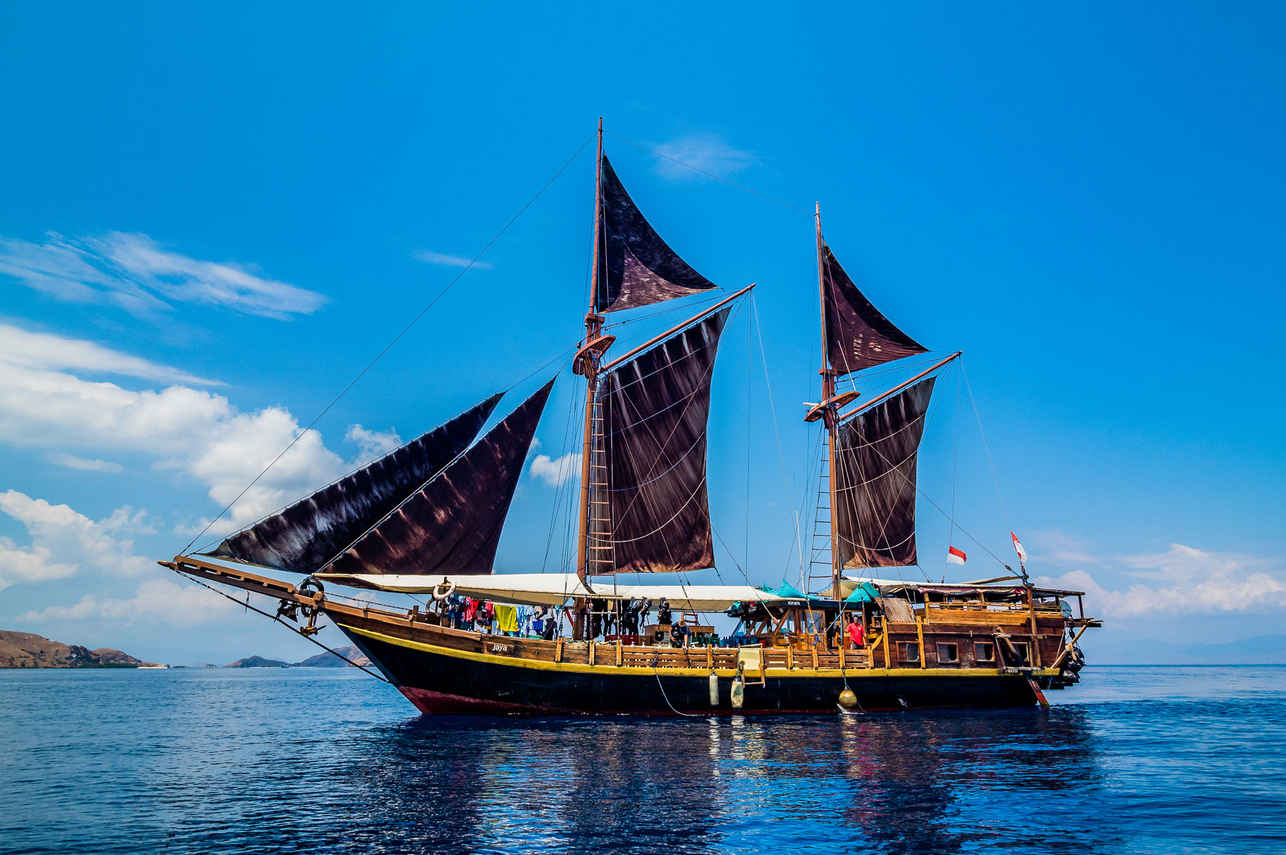
Jaya
Indonesia
14 guests23 m
$280/day
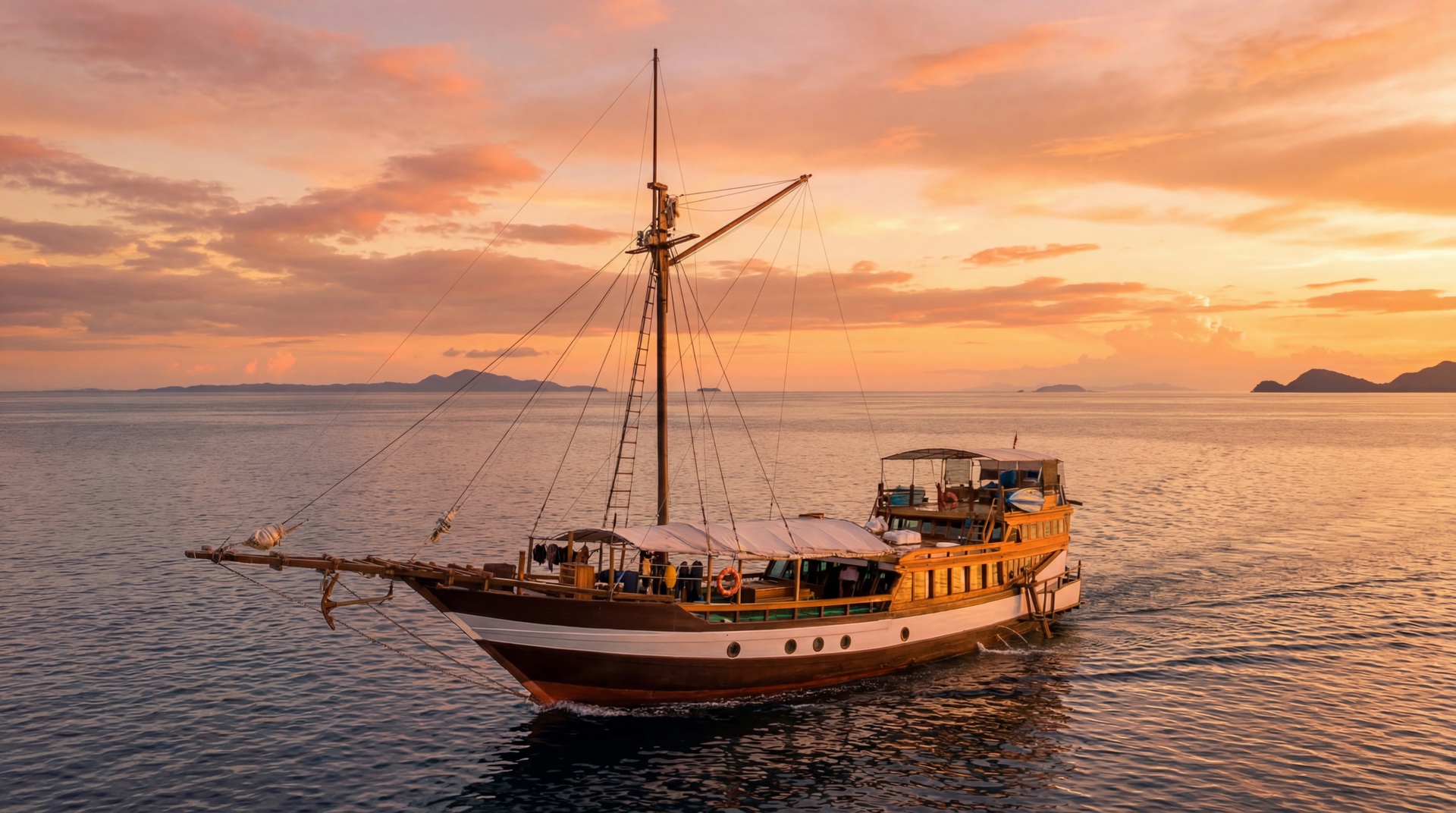
Wellenreng
Indonesia
9 guests25 m
$423/day
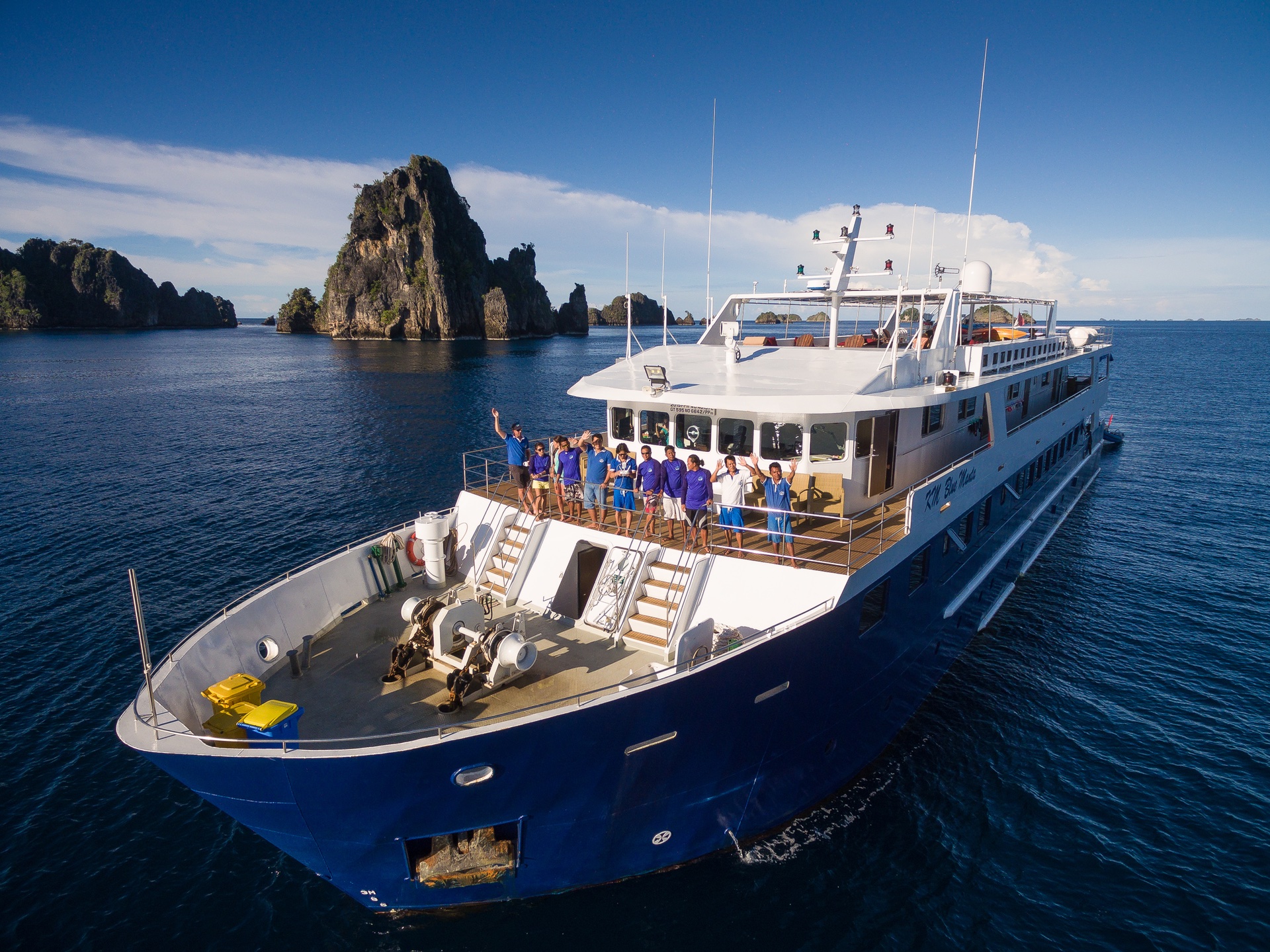
Blue Manta
Indonesia
20 guests45 m
$482/day
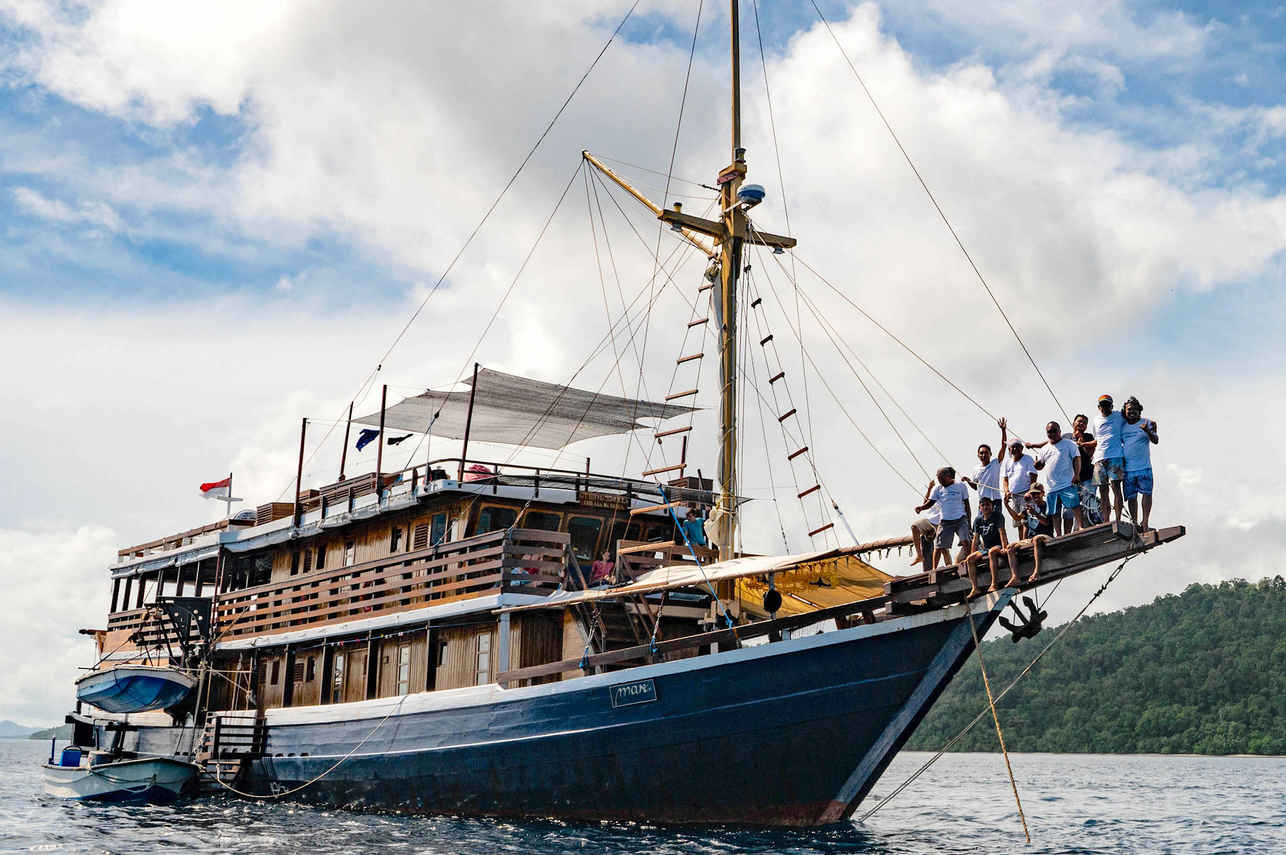
Mari
Indonesia
14 guests32.2 m
$320/day
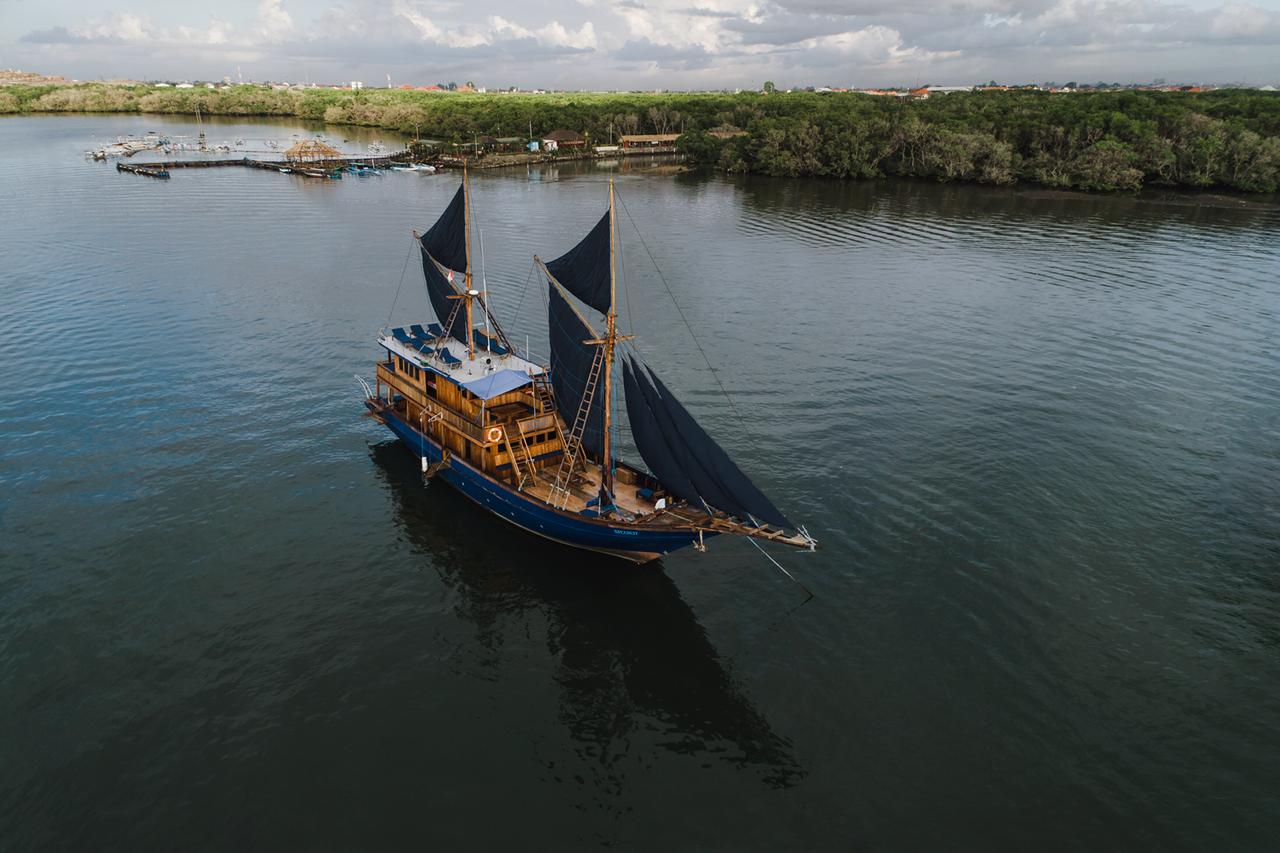
Situju7
Komodo, Indonesia
10 guests32.7 m
$362/day
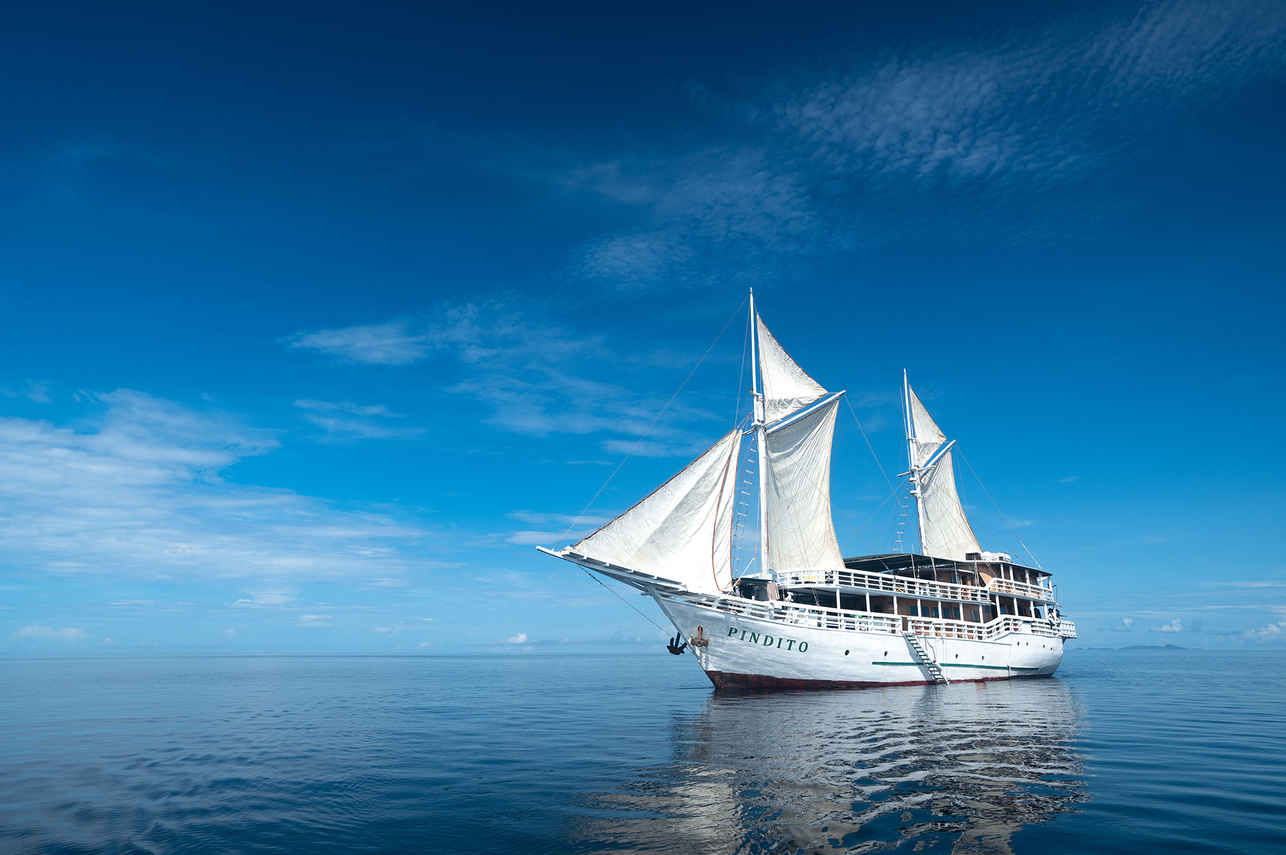
Pindito
Indonesia
16 guests37.79 m
$533/day
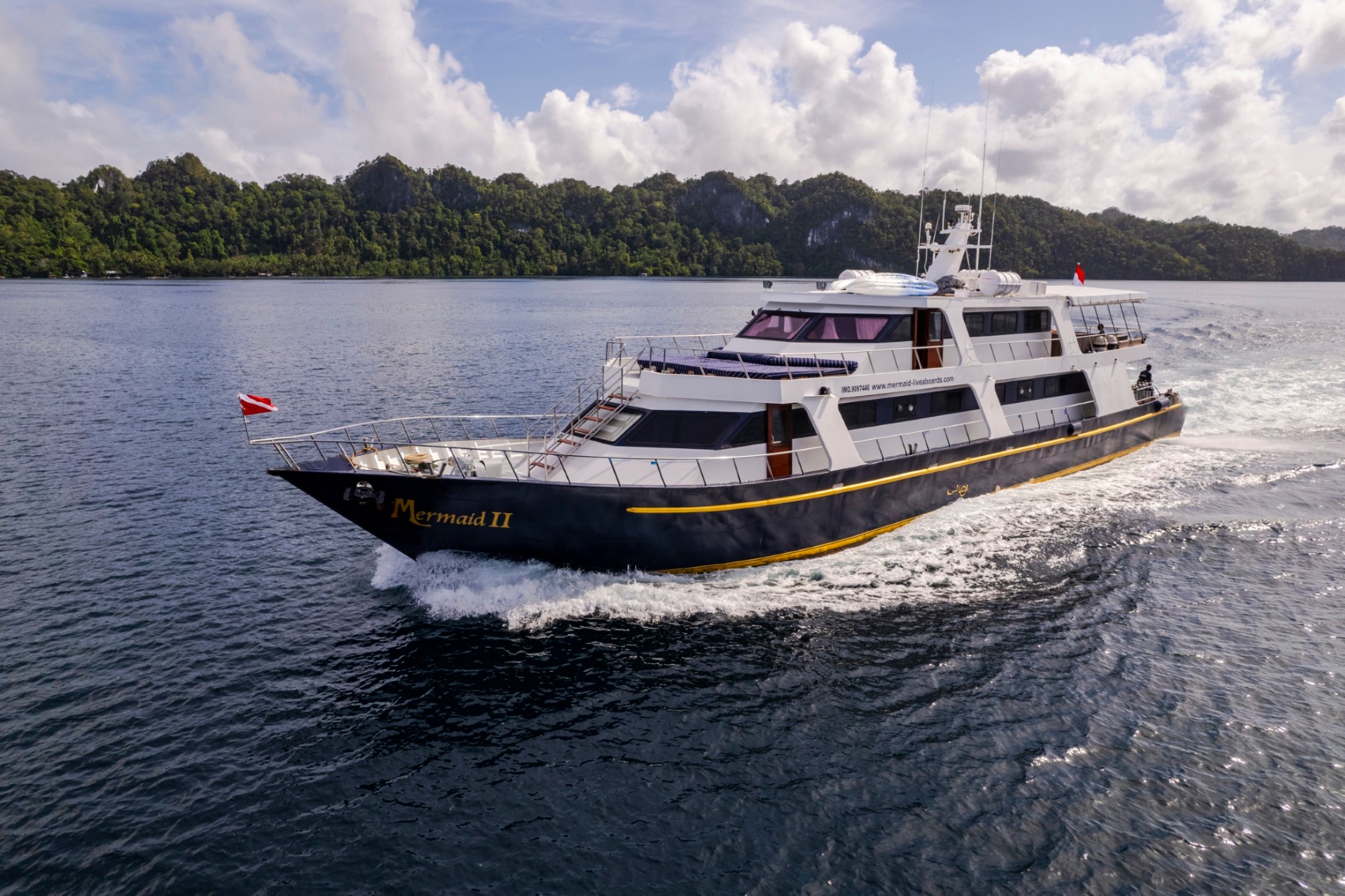
Mermaid II
Komodo, Indonesia
18 guests
$388/day
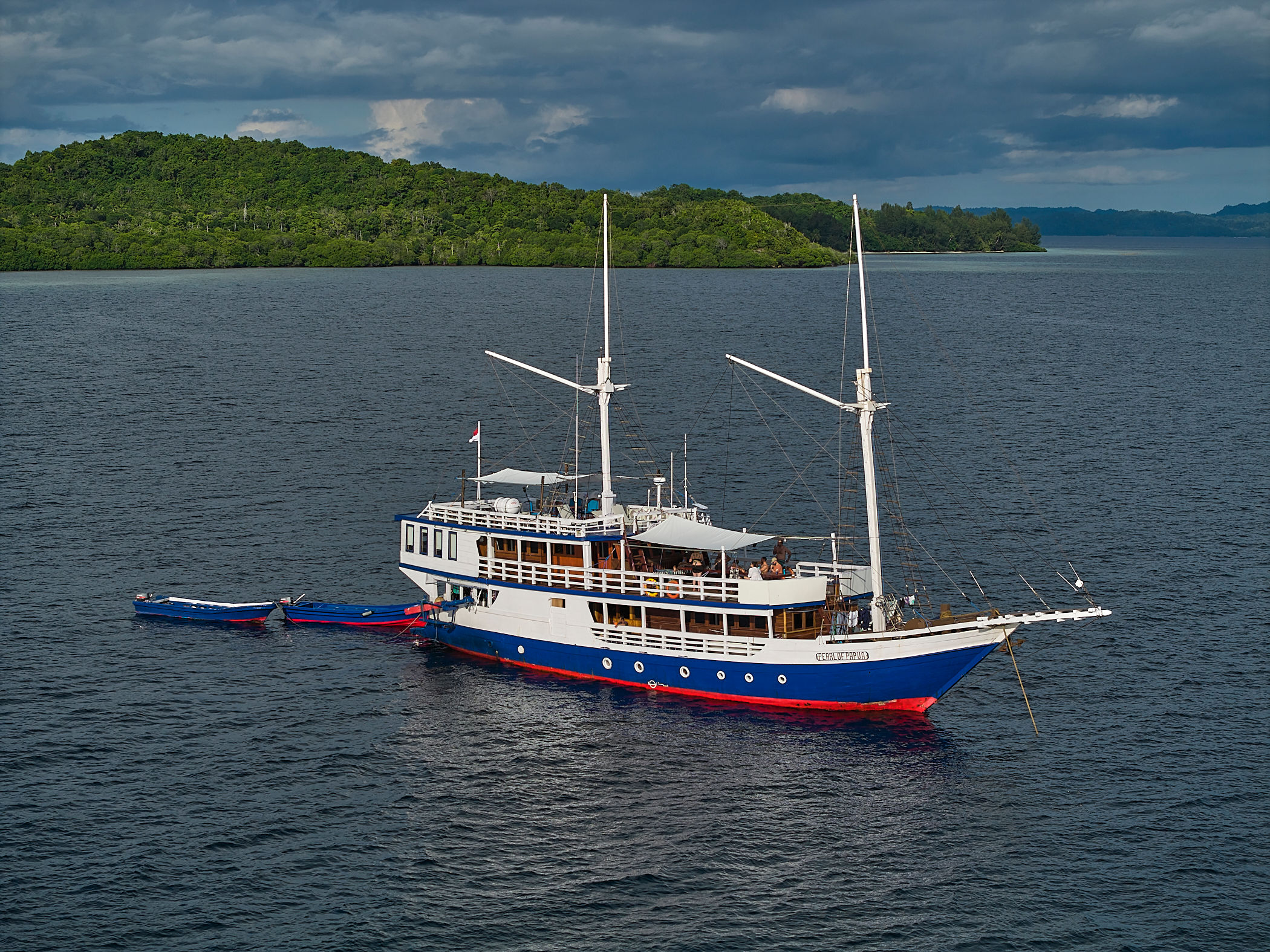
Pearl of Papua
Raja Ampat, Indonesia
14 guests30 m
$303/day
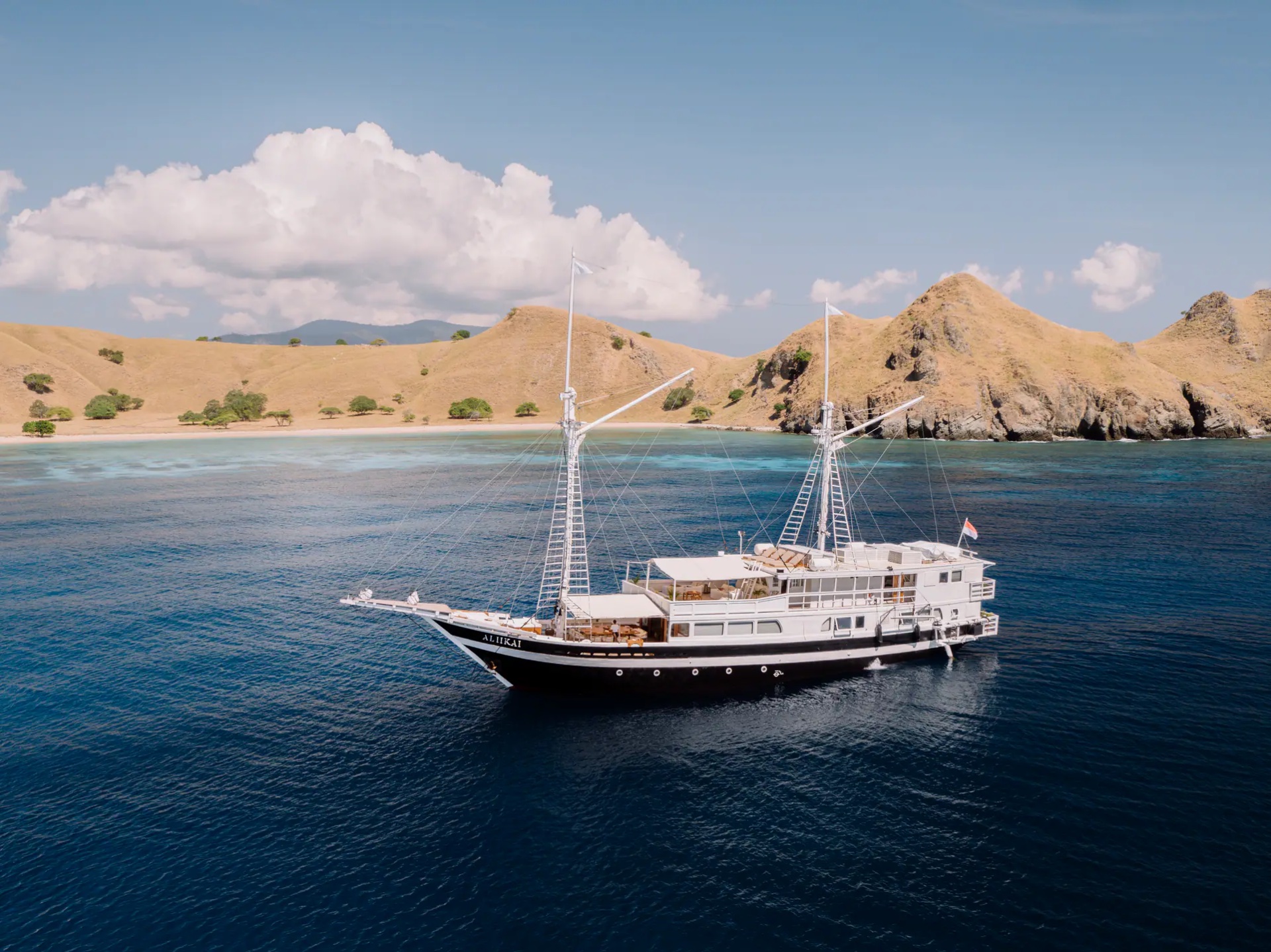
Aliikai Voyage
Indonesia
15 guests40 m
$658/day
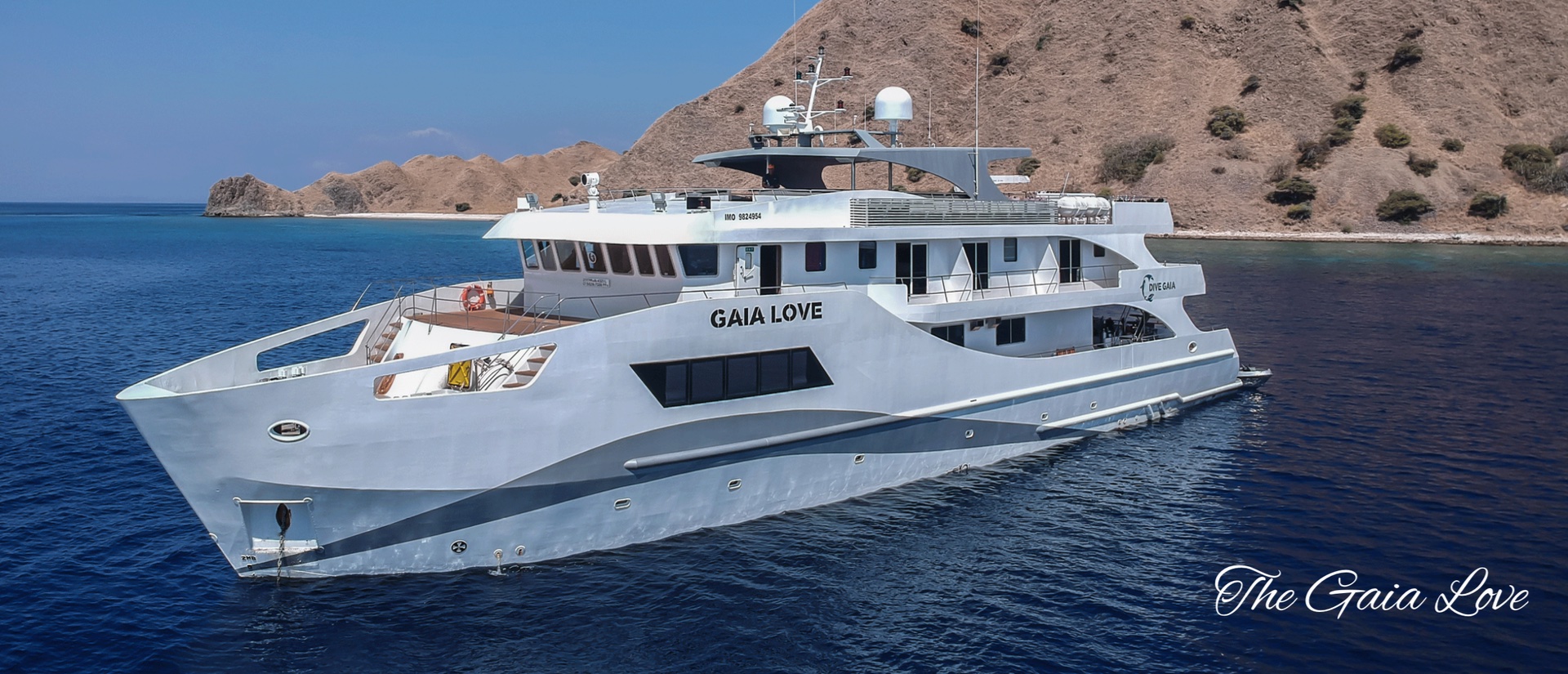
Gaia Love
Alor
20 guests
$554/day
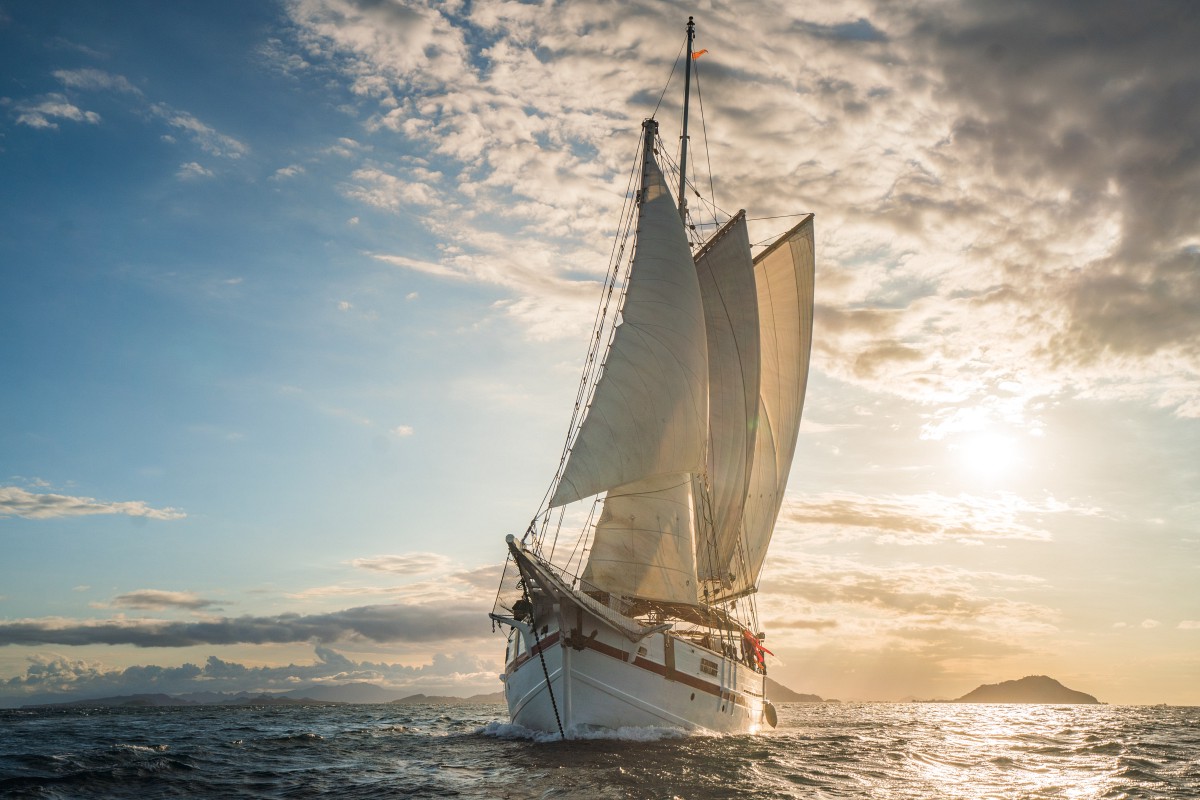
Emperor Raja Laut
Raja Ampat, Indonesia
12 guests31 m
$423/day
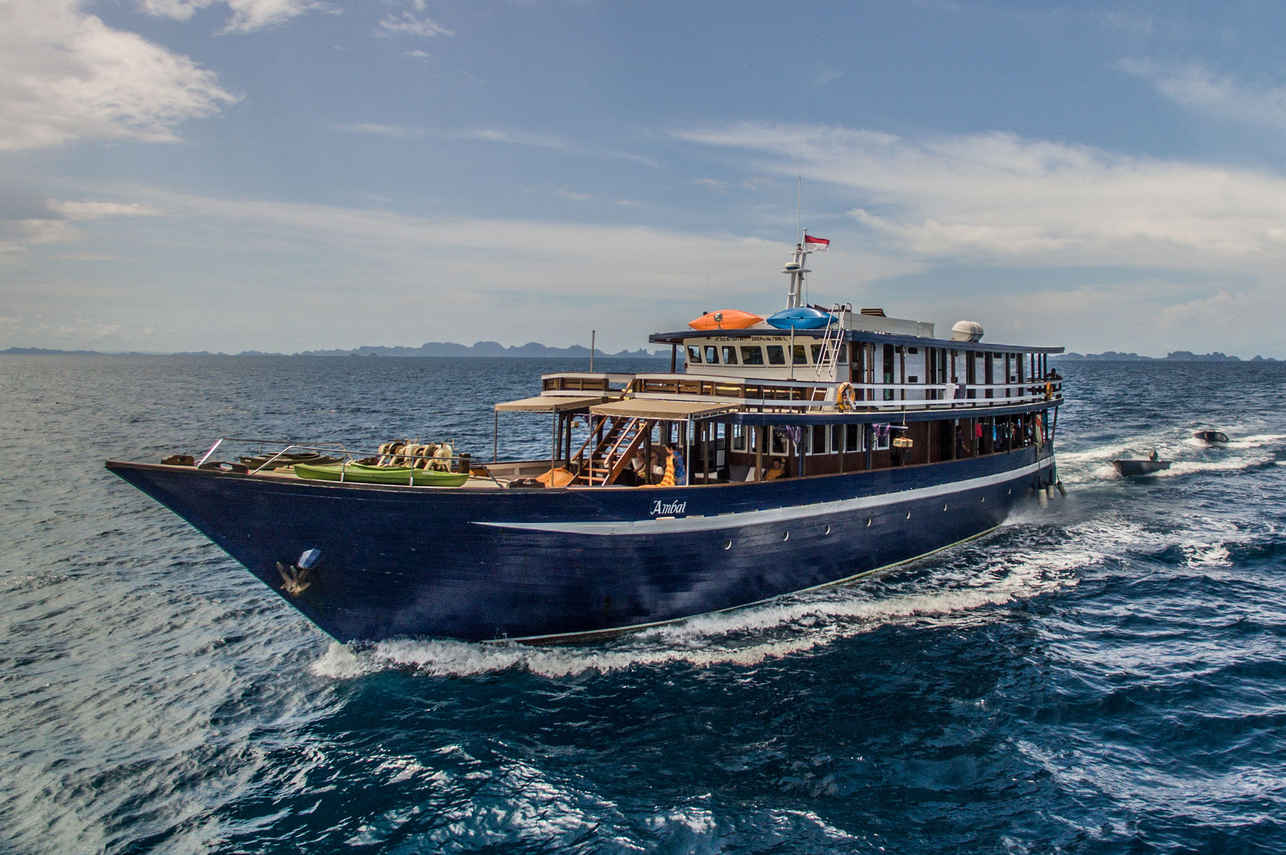
Ambai
Indonesia
16 guests32 m
$449/day
Dive sites similar to Yenbuba Jetty
Same character, same waters — six more sites divers love for the exact same reasons.Compare seasons, access and liveaboard routes — then pick the site that fits your trip best.
© Esri — Maxar, Earthstar, GIS
Big La Laguna
Philippines
Big La Laguna is a beach community situated on the western edge of the Sabang Peninsula, a popular dive region on Mindoro Island, Philippines.
- Suitable for
- Intermediate
- Current
- Moderate
- Access
- Dayboat
- Depth
- 5–35 m
- Theme
- Reef / Wall
© Esri — Maxar, Earthstar, GIS
Rusa Pinnacle
Alor
Rusa Pinnacle is a challenging yet highly rewarding dive site situated in the Alor archipelago, part of Indonesia's East Nusa Tenggara.
- Suitable for
- Advanced
- Current
- Strong
- Access
- Liveaboard only
- Depth
- 6–30 m
- Theme
- Reef
Lipah Bay is situated on Bali's northeast coast within the Amed area, nestled against the dramatic backdrop of Gunung Agung.
- Suitable for
- Beginner
- Current
- Mild
- Access
- Liveaboard or dayboat
- Depth
- 5–30 m
- Theme
- Reef / Drift
© Esri — Maxar, Earthstar, GIS
Tangked Cave
Bali
Tangked Cave, sometimes referred to as Tangked Taked Shark Cave, is an advanced dive site situated in the open ocean off Bali's southeastern coast.
- Suitable for
- Advanced
- Current
- Moderate
- Access
- Liveaboard or dayboat
- Depth
- 15–40 m
- Theme
- Cave & cavern / Reef
© Esri — Maxar, Earthstar, GIS
Schools Out
Alor
Schools Out in Alor offers divers an exceptional encounter with healthy coral reefs and a rich variety of marine species.
- Suitable for
- Intermediate
- Current
- Mild
- Access
- Liveaboard only
- Depth
- 20–30 m
- Theme
- Reef
© Esri — Maxar, Earthstar, GIS
Batununggul
Bali
Batununggul, also known as Suana or Batumulapan by some operators, is a dynamic wall and sloping reef dive site situated on the eastern side of Nusa Penida, Bali.
- Suitable for
- Advanced
- Current
- Strong
- Access
- Liveaboard or dayboat
- Depth
- 10–40 m
- Theme
- Wall