About Mioskon
Mioskon is a celebrated dive site located within the highly biodiverse Dampier Strait of Raja Ampat, Indonesia. Known for its generally mild currents and excellent visibility, this site provides a welcoming environment for divers to explore a rich tapestry of marine life and vibrant coral formations. It serves as a prime example of the region's unparalleled underwater ecosystems, where healthy reefs thrive with an abundance of fish and unique macro subjects. The topography of Mioskon features a healthy coral reef, which gently slopes, offering diverse depth bands for exploration. The site is characterized by flourishing hard and soft corals, providing shelter and feeding grounds for numerous species. Divers can expect to find a spectacular display of reef fish against a backdrop of colorful invertebrate life. Marine life at Mioskon includes significant populations of fusiliers and midnight snappers schooling in the blue, alongside frequent sightings of stingrays and various reef sharks. The site is also notable for its smaller inhabitants, such as elusive pygmy seahorses and an array of colorful nudibranchs. While mantas are less frequent here compared to dedicated cleaning stations, the overall biodiversity ensures a dynamic and engaging dive experience year-round. Practically, Mioskon is accessible to a wide range of divers due to its often-manageable conditions. Liveaboards frequently visit, and the site's clarity and rich marine composition make it ideal for both leisurely explorations and dedicated underwater photography. The site's reputation as a "must-visit" in Raja Ampat is well-earned, delivering a memorable encounter with one of the world's most pristine marine environments.
Highlights
Excellent visibilityHealthy coral reefsPygmy seahorse sightingsSchooling fusiliers and snappersFrequent stingraysMild currents
Season calendar
Best months to dive here
Jan
Feb
Mar
Apr
May
Jun
Jul
Aug
Sep
Oct
Nov
Dec
Excellent
Good
Off-Season
Oct – Apr (Oct–Apr)
Calmest seas and best diving conditions. Manta ray season peaks Nov–Apr. Best visibility. Most liveaboards and resorts operate during this window.
May & Sep (May, Sep)
Transitional months with variable conditions. Still good diving on many sites. Fewer boats. Some operators offer shoulder-season discounts.
Jun – Aug (Jun–Aug)
Stronger winds and rougher seas, especially in exposed areas. Some dive sites inaccessible. Fewer operators running. Best for adventurous divers seeking solitude.
Dive site facts: Mioskon
- Depth
- 5–30 m
- Typical dive
- 12–25 m, 50–60 min
- Current
- Mild
- Visibility
- 10–30 m
- Water temperature
- 27–30°C
- Entry
- Tender / backroll
- Level
- Open Water Diver, good buoyancy recommended
- Dive type
- Reef, drift, biodiversity
- Night dive
- Possible
- Region / port
- Dampier Strait, Raja Ampat
- Coordinates
- -0.535, 130.595
Conditions & Currents
Currents at Mioskon are typically mild, making it an accessible site for many divers, though conditions can vary. Water movement is usually gentle, allowing for comfortable drifts and extended observation of marine life. Visibility is often excellent, ranging from 10 to 20 meters, and frequently exceeding 20 meters during the dry season, offering clear views of the vibrant reef. There are no notable thermoclines, with water temperatures consistently warm between 27–30°C. Entry is generally a relaxed backroll from a tender, with exits made safely after a standard safety stop. Divers should maintain good buoyancy to avoid contact with the healthy corals, even in mild currents. Overall, the conditions at Mioskon are conducive to enjoyable and extended dive times, suitable for exploring the reef's intricate details.
Marine life & sighting chances

Pygmy seahorse
occasional
Fusilier
common
Midnight snapper
common
Stingray
occasional
Wobbegong shark
occasional
White-tip reef shark
occasional
Batfish
common
Nudibranch
common
Scorpionfish
occasionalDive profile & how the dive runs
A typical dive at Mioskon often begins with a backroll entry from a tender directly over the reef, which starts at a shallow depth of around 5 meters. Divers then descend to explore the sloping reef, usually maintaining a depth between 12 to 25 meters, where the most vibrant coral gardens and schooling fish are found. The route generally follows the contour of the reef, allowing for a relaxed drift with the mild currents. Photographers often spend time meticulously searching for pygmy seahorses and other macro subjects tucked within the corals. The dive usually progresses for 50-60 minutes, culminating in a safety stop in the shallower, brightly lit sections of the reef, rich with small fish and soft corals before ascending for pickup by the tender.
Underwater photography
Mioskon offers excellent opportunities for both wide-angle and macro photography, benefiting from the often-clear visibility and diverse marine life. For wide-angle shots, utilize the healthy coral gardens and large schools of fusiliers, especially in the shallower areas where natural light is abundant. A fisheye or wide-angle rectilinear lens will capture the expansive reefscapes effectively. For macro subjects, such as pygmy seahorses and nudibranchs, a 60mm or 100mm lens is ideal. Bring a snoot to highlight smaller critters against the colorful coral background. Given the mild currents, you'll have ample time to compose shots, but practice good buoyancy to avoid disturbing the delicate reef. Ensure your strobes are positioned to minimize backscatter, especially when shooting in the blue water with schooling fish.
Combine with nearby dive sites
- Sardine Reef
Known for abundant fish action and strong currents
- Blue Magic
Famous for manta rays and pelagic sightings
- Cape Kri
Record-breaking biodiversity and fast-paced action
- Yenbuba Jetty
Excellent for macro and sheltered conditions
- Friwin Wall
Offers a diverse wall dive with varied marine life
- Sawandarek
Features a jetty and a healthy reef, often with large schools of fish
Getting there & logistics
Access to Raja Ampat, including Mioskon, primarily involves flying into Sorong (SOQ) after international flights typically land in Jakarta, Makassar, or Manado. From Sorong, travelers either board a liveaboard directly or take a public ferry to Waisai, the capital of Waigeo, and then transfer to a local resort or guesthouse. Liveaboards are the most common way to experience Mioskon and other remote sites, offering itineraries ranging from 7 to 12 nights. A Raja Ampat Marine Park Entry Permit, costing approximately USD $100 and valid for one year, is mandatory for all divers. Most dive tours combine Mioskon with other sites in the Dampier Strait, known for its high marine biodiversity and pelagic encounters.
Safety & environment
Diving at Mioskon, like all sites in Raja Ampat, requires adherence to standard safety practices. The nearest recompression chamber is located in Waisai, Waigeo, but evacuation from remote sites to this facility can be time-consuming and challenging. Therefore, comprehensive dive insurance covering medical emergencies and evacuation is crucial. Divers should maintain good buoyancy control to protect the fragile coral reefs and avoid touching marine life. Always dive with a reputable operator, follow your dive guide's instructions, and conduct buddy checks. Although currents at Mioskon are generally mild, conditions can occasionally change, so divers should be prepared for varying water movement. Surface marker buoys (SMBs) are recommended for all dives.
Who it suits, and who it doesn't
Suited for
- Open Water certified divers
- Underwater photographers (macro & wide-angle)
- Divers seeking high biodiversity
- Relaxed reef exploration
- Nature enthusiasts
Less suited for
- Divers expecting extreme pelagic action
- Divers unwilling to travel remotely
- Those without good buoyancy control
FAQ
Mioskon FAQ
What kind of marine life can I expect at Mioskon?
Mioskon is renowned for its high biodiversity. You can anticipate seeing schooling fusiliers, midnight snappers, and various reef sharks. It's also an excellent spot for spotting stingrays, wobbegong sharks, and a variety of colorful nudibranchs and pygmy seahorses, making every dive a discovery.
Is Mioskon suitable for beginner divers?
Yes, Mioskon is generally suitable for Open Water certified divers. The currents are typically mild, and visibility is often excellent, providing a relaxed and enjoyable diving experience. Good buoyancy control is always recommended to protect the delicate coral reefs.
What are the typical diving conditions at Mioskon?
Mioskon usually offers comfortable diving conditions with mild currents and warm water temperatures ranging from 27-30°C. Visibility is often very good, frequently exceeding 20 meters, allowing for clear views of the vibrant reef and its inhabitants. These conditions make it ideal for leisurely exploration.
How do I get to Mioskon in Raja Ampat?
To reach Mioskon, you typically fly to Sorong (SOQ) in West Papua. From Sorong, most divers join a liveaboard that includes Mioskon in its itinerary, or take a ferry to Waisai and then arrange transfers to local dive resorts. Liveaboards offer the most convenient access to remote dive sites like Mioskon.
Are there opportunities for underwater photography at Mioskon?
Absolutely. Mioskon is a fantastic site for both wide-angle and macro photography. The healthy coral reefs, schooling fish, and diverse macro life, including pygmy seahorses, provide abundant subjects. Excellent visibility and mild currents create ideal conditions for capturing stunning underwater images.
Why dive Mioskon from a liveaboard?
Mioskon is one of Raja Ampat, Indonesia's signature dive sites. A liveaboard sleeps you on the water and puts you in the water for three to four guided dives per day, including dawn and night dives that day-boat operators rarely offer. You skip the daily commute back to port and reach quieter, less-crowded sites in the same region on a single trip.
Below are the liveaboards that include Mioskon on their Raja Ampat, Indonesia itineraries.
Liveaboards diving Mioskon
These liveaboards may visit Mioskon on selected itineraries, the exact dive sites depend on departure, weather and conditions.
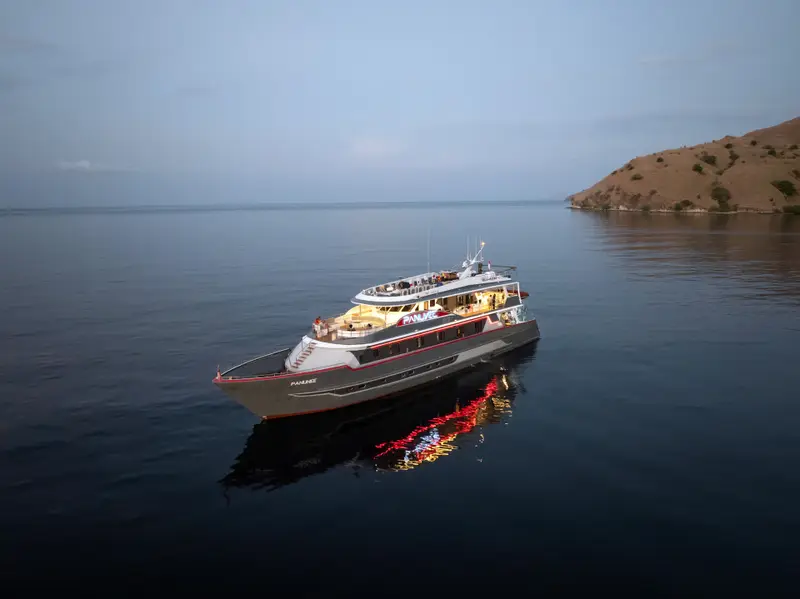
Panunee
Indonesia
18 guests38 m
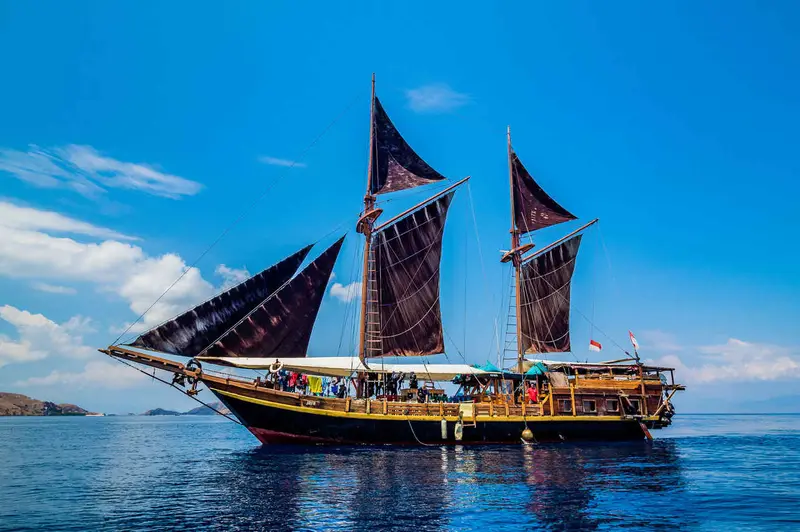
Jaya
Indonesia
14 guests23 m
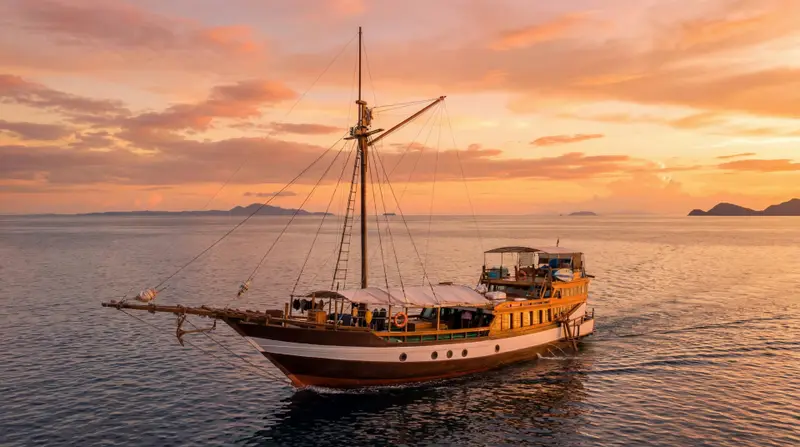
Wellenreng
Indonesia
9 guests25 m
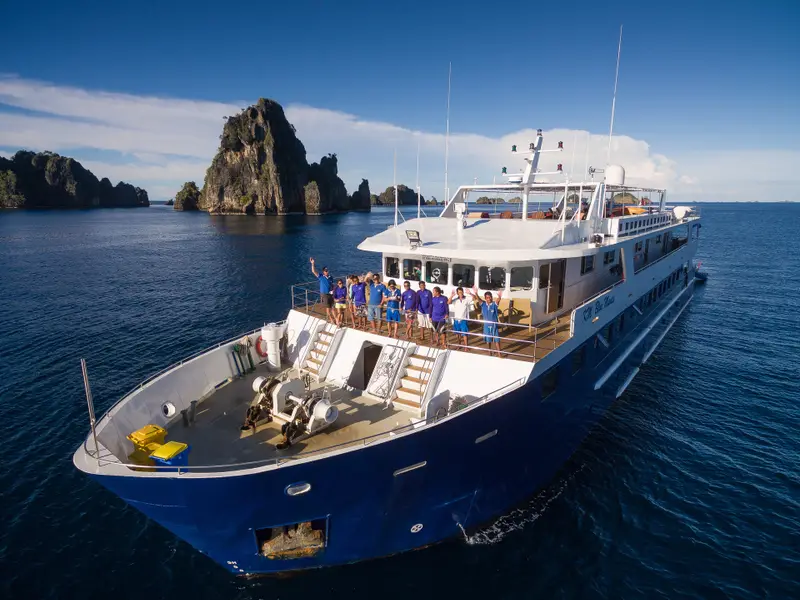
Blue Manta
Indonesia
20 guests45 m
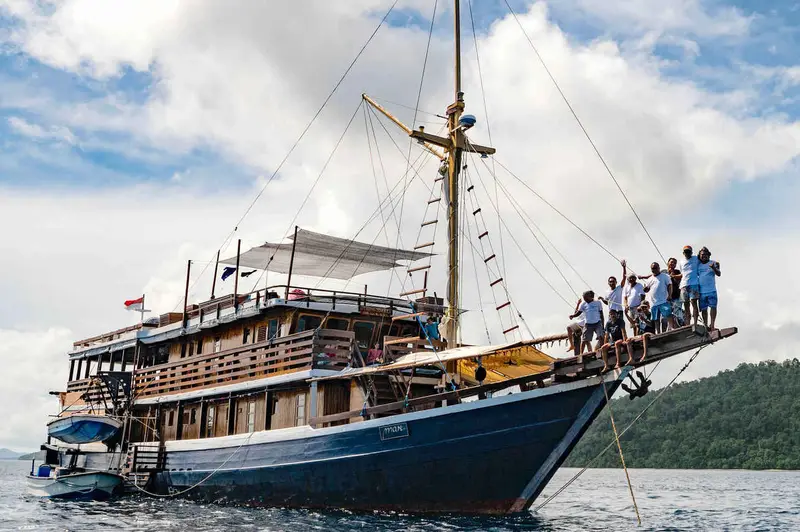
Mari
Indonesia
14 guests32 m
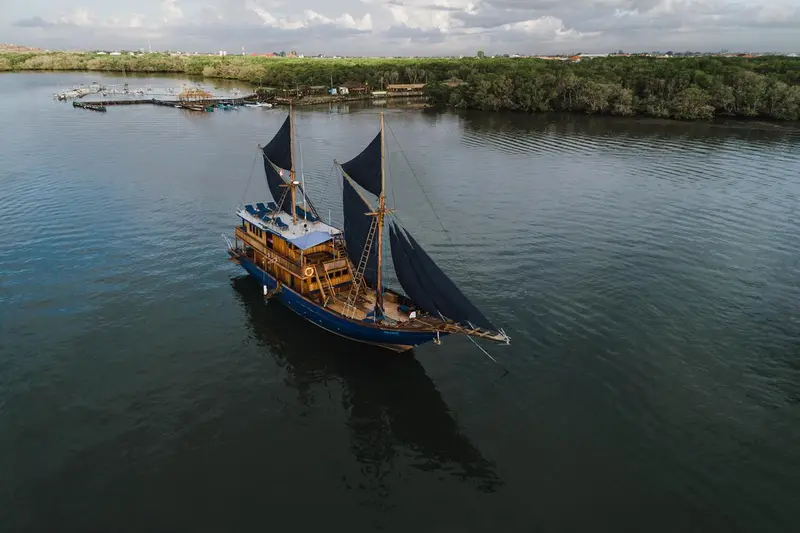
Situju7
Komodo, Indonesia
10 guests33 m
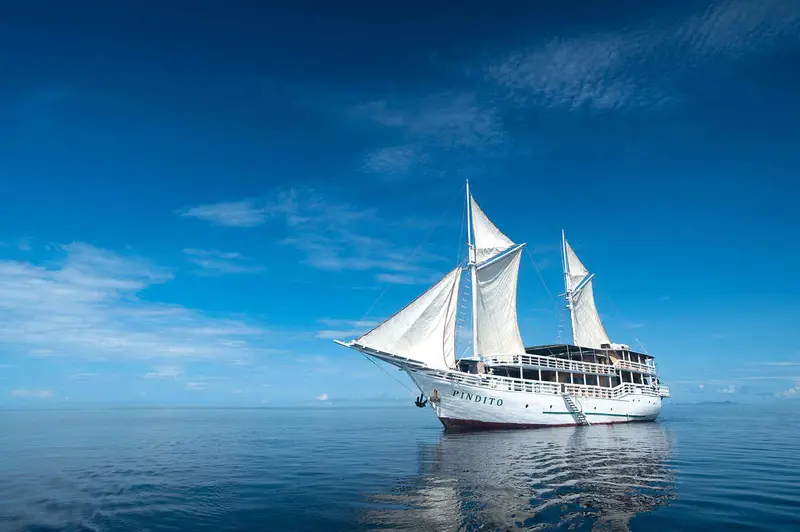
Pindito
Indonesia
16 guests38 m
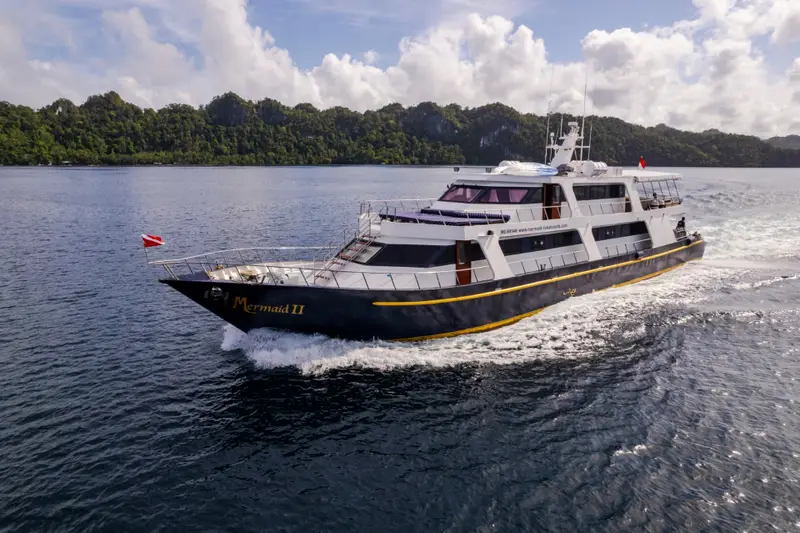
Mermaid II
Komodo, Indonesia
18 guests
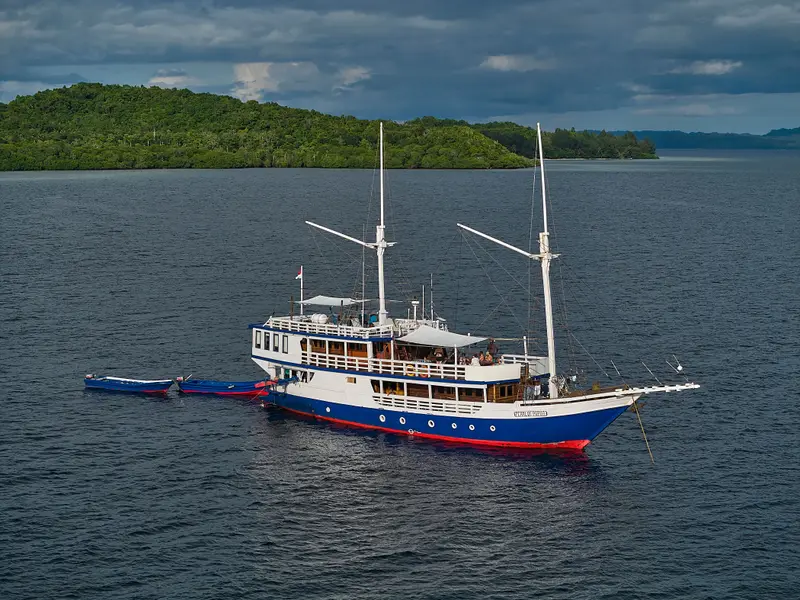
Pearl of Papua
Raja Ampat, Indonesia
14 guests30 m
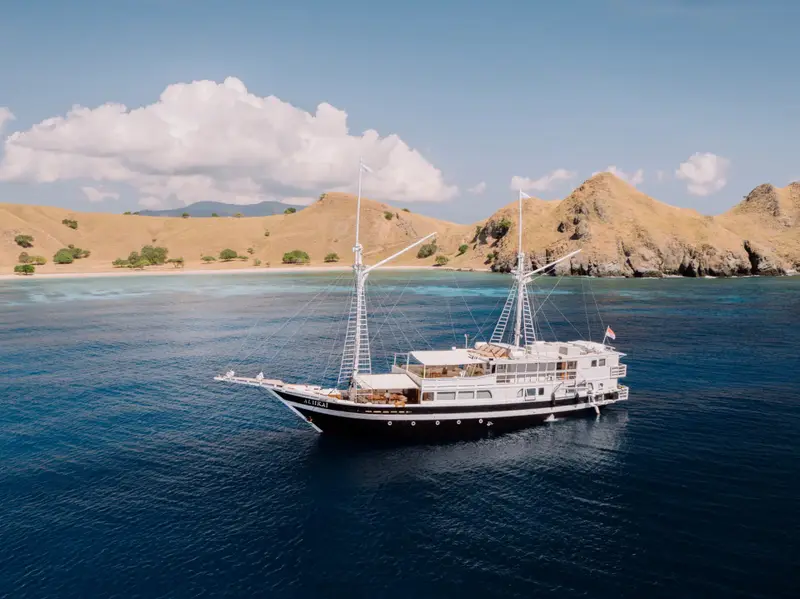
Aliikai Voyage
Indonesia
15 guests40 m
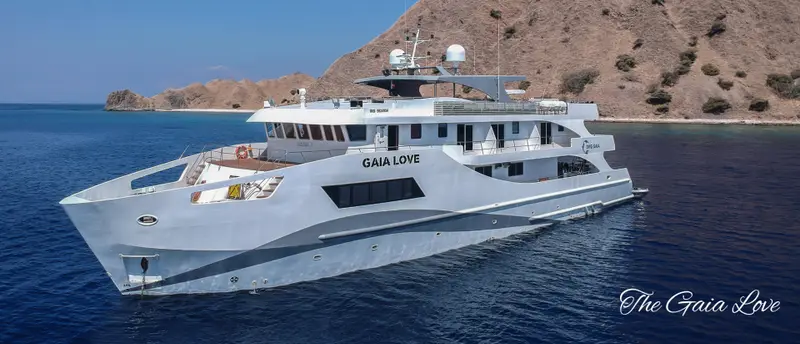
Gaia Love
Alor
20 guests
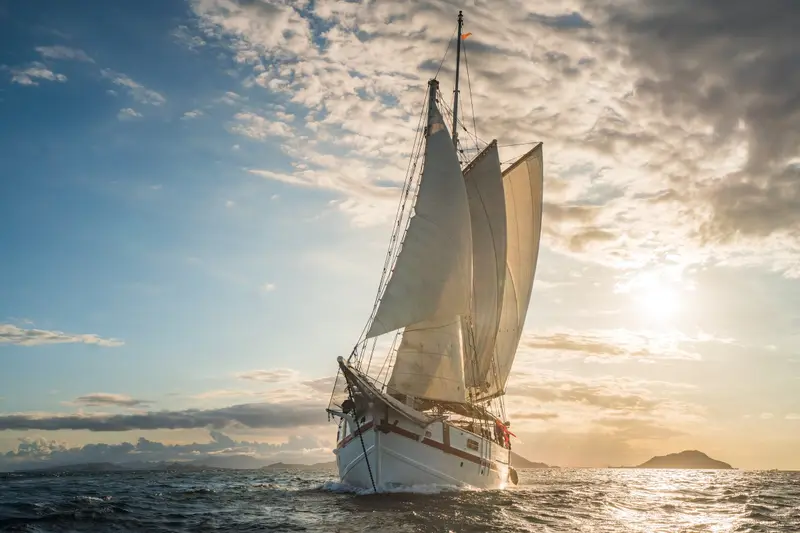
Emperor Raja Laut
Raja Ampat, Indonesia
12 guests31 m
Dive sites similar to Mioskon
Same character, same waters, six more sites divers love for the exact same reasons.Compare seasons, access and liveaboard routes, then pick the site that fits your trip best.
Abila is a notable dive site located within the Alor Islands Marine Park, an area celebrated for its rich marine biodiversity due to its position in the Coral Triangle.
- Suitable for
- Beginner
- Current
- Mild
- Access
- Liveaboard only
- Depth
- —
- Theme
- Reef
© EsriMaxar, Earthstar, GIS
Adonara Channel
Alor
Adonara Channel stands as one of Alor's most iconic dive sites, celebrated for its dynamic currents and exceptionally rich biodiversity.
- Suitable for
- Advanced
- Current
- Strong
- Access
- Liveaboard or dayboat
- Depth
- 10–40 m
- Theme
- Drift / Wall
© EsriMaxar, Earthstar, GIS
Adonara Wall
Indonesia
Adonara is an Indonesian island dive site, renowned for its vibrant underwater topography characterized by submerged seamounts.
- Suitable for
- Intermediate
- Current
- Strong
- Access
- Liveaboard or dayboat
- Depth
- 5–35 m
- Theme
- Seamount / Wall
© EsriMaxar, Earthstar, GIS
Agnay Fish Sanctuary
Philippines
Agnay Fish Sanctuary is nestled in a sheltered bay near the village of Agnay in Romblon, a province celebrated for its rich marine biodiversity.
- Suitable for
- Beginner
- Current
- Mild
- Access
- Dayboat
- Depth
- 9–18 m
- Theme
- Reef
© EsriMaxar, Earthstar, GIS
Ai Island Reef
Banda Sea
Ai Island Reef, nestled within the Banda Sea, offers a remarkable diving experience characterized by its rich marine biodiversity and varied underwater topography.
- Suitable for
- Beginner
- Current
- Strong
- Access
- Liveaboard only
- Depth
- 3–30 m
- Theme
- Reef / Seamount
© EsriMaxar, Earthstar, GIS
Akitsushima
Philippines
The Akitsushima is a distinguished World War II Japanese seaplane tender, sunk in September 1944 during an American air raid in Coron Bay, Palawan.
- Suitable for
- Advanced
- Current
- Strong
- Access
- Dayboat
- Depth
- 22–38 m
- Theme
- Wreck