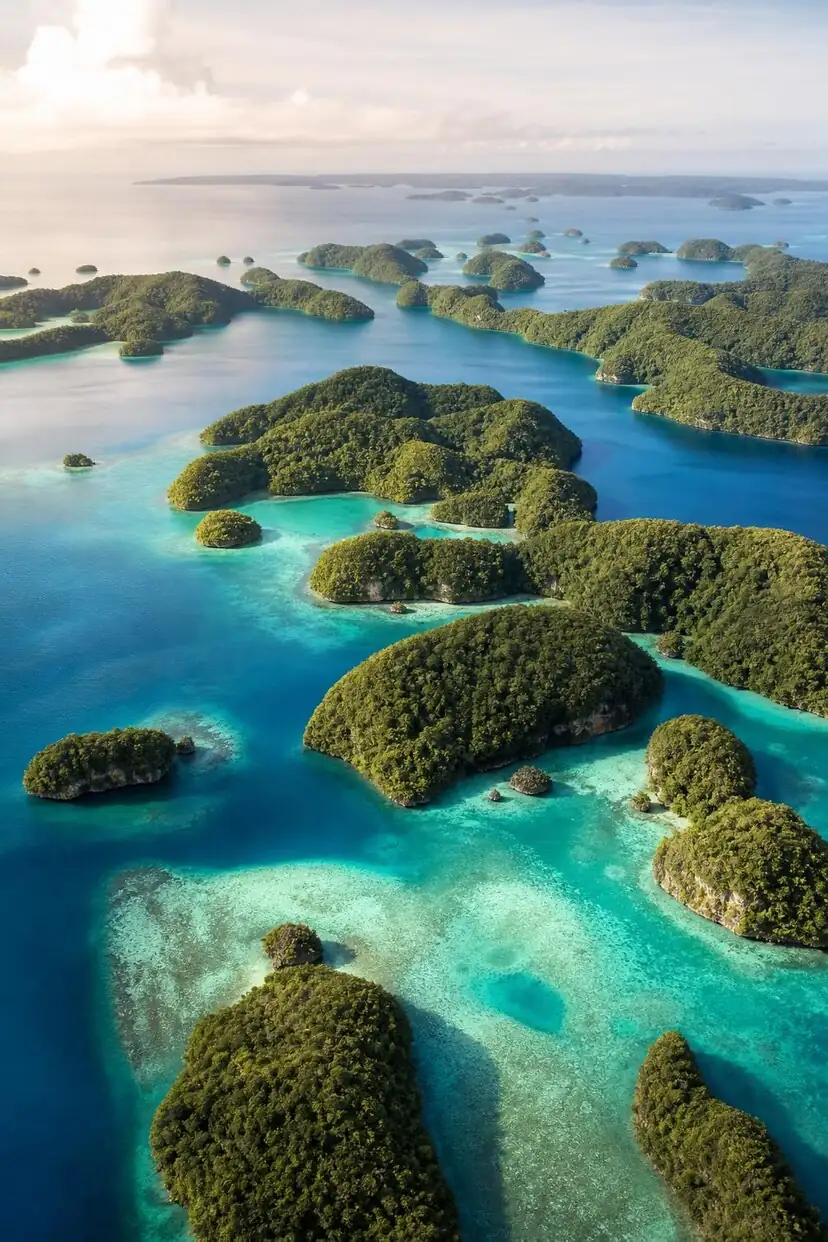
Raja Ampat, Indonesia

Dive Site: Friwin Wall

125 mIntermediate Wall
© Esri — Source: Esri, Maxar, Earthstar, GIS Community · Labels © Esri — HERE, Garmin, FAO, NOAA, USGS

Which liveaboards dive Friwin Wall?

About Friwin Wall

Friwin Wall, nestled in the heart of Raja Ampat's Dampier Strait, is a premier dive site renowned for its vibrant reef wall and rich biodiversity. The site is situated between Pulau Friwin and Pulau Friwinbonda, where a narrow channel runs between the two islands. The topography begins with limestone cliffs at the northern tip of Pulau Friwinbonda, plunging underwater to a maximum depth of 25 meters to form the wall. This versatile site offers varied landscapes, from shallow sandy bottoms perfect for snorkelers to deeper sections that cater to experienced divers. Two small caves are found at the start of the wall, and further along, divers can explore overhangs before the wall transitions into a sloping reef at its western end. Friwin Wall teems with an extraordinary array of marine life. Macro enthusiasts will delight in the high concentrations of nudibranchs, often found among the extensive hard and soft corals, whip corals, gorgonian fan corals, and sponges that cover the wall. Pygmy seahorses, cuttlefish, and cleaner shrimp are also common sights. Larger species like mantis shrimp, blacktip reef sharks, moray eels, and octopus patrol the area, especially when currents are stronger. Schools of yellowtail fusiliers create mesmerizing patterns, while longfin bannerfish and false clown anemonefish dart among the corals, showcasing the vibrant reef activity. Diving here typically begins with a positive backroll entry near the northern tip of Friwinbonda, descending to about 20 meters. While generally suitable for all skill levels, from beginners to experts, maintaining good buoyancy is key, especially as gentle currents can carry divers along the wall. The site can offer a relaxed experience or an energetic drift depending on current conditions. Visibility can sometimes be moderate, and the shadow of the cliffs may reduce ambient light, making it an excellent location for macro photography with proper lighting. Snorkelers can also enjoy the shallow areas, making Friwin Wall a truly inclusive underwater experience.

Highlights

Vertical wallSoft coralsSea fansWide-angle

Season calendar

Best months to dive here
Jan
Feb
Mar
Apr
May
Jun
Jul
Aug
Sep
Oct
Nov
Dec
Excellent
Good

Dive site facts: Friwin Wall

Depth
5–25 m
Typical dive
15–20 m, 50–60 min
Current
Mild to medium
Visibility
18–25 m
Water temperature
27–30°C
Entry
Boat / positive backroll
Level
Intermediate
Dive type
Wall, drift, macro, wide-angle
Region / port
Raja Ampat
Coordinates
-0.5142, 130.5318

Conditions & Currents

Currents at Friwen Wall range from mild to medium, influencing the dive profile significantly. When the current is mild, divers can explore the wall and its features in a relaxed manner, focusing on macro life. With stronger currents, the dive can transform into a thrilling drift, carrying divers along the reef line, which may attract larger schooling fish. Entry is typically a positive backroll at the northern tip of Friwinbonda island, allowing divers to descend quickly and begin their exploration along the wall. Good buoyancy control is essential to navigate the varied currents and avoid contact with the delicate coral structures. Visibility averages around 20 meters, though it can fluctuate with plankton blooms and tidal changes. Water temperature remains consistently warm, typically between 27-30°C.

Marine life & sighting chances

Nudibranch at the dive site Friwin Wall

Nudibranch

Year-round · common
Pygmy Seahorse at the dive site Friwin Wall

Pygmy Seahorse

Year-round · occasional
Moray Eel at the dive site Friwin Wall

Moray Eel

Year-round · common
Octopus at the dive site Friwin Wall

Octopus

Year-round · occasional
Wobbegong Shark at the dive site Friwin Wall

Wobbegong Shark

Year-round · occasional
Blacktip Reef Shark at the dive site Friwin Wall

Blacktip Reef Shark

Year-round · occasional
Whitetip Reef Shark at the dive site Friwin Wall

Whitetip Reef Shark

Year-round · occasional
Green Turtle at the dive site Friwin Wall

Green Turtle

Year-round · occasional
Cuttlefish at the dive site Friwin Wall

Cuttlefish

Year-round · occasional
Crab at the dive site Friwin Wall

Crab

Year-round · common

Dive profile & how the dive runs

The dive at Friwen Wall typically begins with a positive backroll entry at the northern tip of Pulau Friwinbonda, in the channel between the two islands. Divers immediately descend to a starting depth of around 20 meters, where the limestone cliffs form the impressive wall. Early in the dive, two small caves in the wall provide an interesting feature to explore. The dive then proceeds in a southwesterly direction along the wall, offering views of numerous overhangs and diverse coral growth. As you approach the western end of the site, the vertical wall gradually transitions into a gently sloping reef, adorned with hard corals. Here, many macro subjects are found, especially around the bommies in slightly deeper sections. The dive concludes with a relaxed safety stop in the shallows at the end of the slope.

Underwater photography

Friwen Wall is a versatile site for underwater photographers, accommodating both wide-angle and macro setups. For wide-angle shots, the vertical wall, adorned with massive soft corals, gorgonians, and sponges, creates stunning backdrops, particularly in sections with natural light penetration. The small caves and overhangs also offer interesting structural compositions. When focusing on macro, the extensive hard and soft corals, coupled with the rich nudibranch population and pygmy seahorses, demand a dedicated macro lens and good lighting. Due to the potential for variable visibility and shaded areas under the cliffs, a strong strobe or video light is highly recommended to bring out the vibrant colors of the corals and cryptic critters. Patience and careful buoyancy control are crucial to capture the abundant small life without disturbing the delicate environment.

Combine with nearby dive sites

Getting there & logistics

Reaching Raja Ampat, including Friwen Wall, typically involves flying into Sorong (SOQ) from major Indonesian hubs like Jakarta, Makassar, or Manado. From Sorong, divers usually take a public ferry to Waisai on Waigeo Island, which takes about two hours. Alternatively, liveaboards often depart directly from Sorong. Liveaboard trips in Raja Ampat, particularly those covering the northern itineraries, will include Friwen Wall. Trip durations vary, but extended itineraries, such as 9 days and 8 nights, are common to explore various sites in the region. Marine park fees are required for diving in Raja Ampat, which are often included in liveaboard packages or paid locally.

Safety & environment

Diving at Friwen Wall, while generally safe for intermediate divers, requires attention to currents, which can vary from mild to moderate and turn into a drift. Divers should maintain good buoyancy, especially when exploring the wall's features and caves, to avoid contact with corals and to manage overhead environments safely. The small caves at the beginning of the dive are overhead environments, and entry should only be attempted by appropriately trained and equipped divers, adhering to strict overhead-environment protocols. Recompression chambers are not readily available in Raja Ampat; the nearest facilities are typically in larger cities like Sorong, potentially requiring several hours for transport. Comprehensive dive insurance covering emergency medical evacuation and recompression treatment is strongly recommended for all divers.

Who it suits — and who it doesn't

Suited for

  • Intermediate divers
  • Macro photographers
  • Wide-angle photographers
  • Snorkelers (in calm shallow sections)
  • Divers seeking diverse coral ecosystems

Less suited for

  • Beginner divers without current experience
  • Divers unfamiliar with overhead environments (for cave entry)
  • Divers with poor buoyancy control

FAQ

Friwin Wall FAQ

What kind of marine life can I expect at Friwen Wall?
Friwen Wall is particularly rich in macro marine life, making it a haven for nudibranch enthusiasts, pygmy seahorses, and various crabs. You can also spot moray eels, octopuses, and occasionally reef sharks like blacktips and whitetips. Green turtles and cuttlefish are also sighted here.
Is Friwen Wall suitable for beginners?
Friwen Wall is generally recommended for intermediate divers due to the potential for moderate currents. While the shallow areas can be calm, the wall sections can experience drifts. Divers should have good buoyancy control and some experience with varying current conditions.
Are there any special features to look out for at Friwen Wall?
Yes, Friwen Wall features two small caves located early in the dive, adding an intriguing element for exploration. The wall itself is adorned with dense soft corals, gorgonians, and barrel sponges, transitioning to a sloping reef with vibrant hard corals towards the end of the dive.
What is the visibility and water temperature like at Friwen Wall?
Visibility at Friwen Wall typically ranges from 18 to 25 meters, although it can occasionally be less due to plankton blooms. The water temperature is consistently warm throughout the year, usually between 27°C and 30°C, making for comfortable diving conditions.
How do I get to Friwen Wall?
Friwen Wall is accessed by boat, typically as part of a liveaboard itinerary or a day trip from resorts in Raja Ampat. Most international travelers fly into Sorong, then take a ferry to Waisai, from where dive operators arrange transportation to the site.
Is Friwen Wall good for underwater photography?
Friwen Wall is excellent for both macro and wide-angle photography. Its extensive soft and hard coral coverage, numerous nudibranchs, and other small critters provide abundant macro subjects. For wide-angle, the dramatic vertical wall with its caves and diverse coral formations offers compelling compositions.

Why dive Friwin Wall from a liveaboard?

Friwin Wall is one of Raja Ampat, Indonesia's signature dive sites. A liveaboard sleeps you on the water and puts you in the water for three to four guided dives per day, including dawn and night dives that day-boat operators rarely offer. You skip the daily commute back to port and reach quieter, less-crowded sites in the same region on a single trip.

Below are the liveaboards that include Friwin Wall on their Raja Ampat, Indonesia itineraries.

Liveaboards diving Friwin Wall

These liveaboards may visit Friwin Wall on selected itineraries — the exact dive sites depend on departure, weather and conditions.

Jaya liveaboard at Friwin Wall

Jaya

Indonesia

14 guests23 m
$280/day
Wellenreng liveaboard at Friwin Wall

Wellenreng

Indonesia

9 guests25 m
$427/day
Blue Manta liveaboard at Friwin Wall

Blue Manta

Indonesia

20 guests45 m
$482/day
Mari liveaboard at Friwin Wall

Mari

Indonesia

14 guests32.2 m
$328/day
Situju7 liveaboard at Friwin Wall

Situju7

Komodo, Indonesia

10 guests32.7 m
$362/day
Pindito liveaboard at Friwin Wall

Pindito

Indonesia

16 guests37.79 m
$533/day
Mermaid II liveaboard at Friwin Wall

Mermaid II

Komodo, Indonesia

18 guests
$355/day
Pearl of Papua liveaboard at Friwin Wall

Pearl of Papua

Raja Ampat, Indonesia

14 guests30 m
$303/day
Aliikai Voyage liveaboard at Friwin Wall

Aliikai Voyage

Indonesia

15 guests40 m
$658/day
Gaia Love liveaboard at Friwin Wall

Gaia Love

Alor

20 guests
$554/day
Emperor Raja Laut liveaboard at Friwin Wall

Emperor Raja Laut

Raja Ampat, Indonesia

12 guests31 m
$413/day
Ambai liveaboard at Friwin Wall

Ambai

Indonesia

16 guests32 m
$453/day

Dive sites similar to Friwin Wall

Same character, same waters — six more sites divers love for the exact same reasons.Compare seasons, access and liveaboard routes — then pick the site that fits your trip best.
© Esri — Maxar, Earthstar, GIS

Misool Batu Kecil

Raja Ampat, Indonesia

Misool Batu Kecil, often referred to as Tank Rock, is a prime dive site nestled within the Misool area of Raja Ampat, part of the extensive marine protected areas.

Suitable for
Intermediate
Current
Strong
Access
Liveaboard only
Depth
5–25 m
Theme
Drift / Reef
© Esri — Maxar, Earthstar, GIS

Penemu Wall

Raja Ampat, Indonesia

Penemu Wall is a captivating dive site nestled within Raja Ampat, a region renowned as the epicenter of global marine biodiversity.

Suitable for
Intermediate
Current
Strong
Access
Liveaboard only
Depth
5–35 m
Theme
Wall
© Esri — Maxar, Earthstar, GIS

Citrus Ridge

Raja Ampat, Indonesia

Citrus Ridge is a renowned dive site in Raja Ampat, located in a natural channel separating Gam Island from Yanggelo.

Suitable for
Intermediate
Current
Strong
Access
Liveaboard only
Depth
10–27 m
Theme
Drift / Reef
© Esri — Maxar, Earthstar, GIS

Boo Windows

Raja Ampat, Indonesia

Boo Windows, located at the eastern edge of Raja Ampat's Misool region, is an iconic dive site renowned for its unique underwater topography, particularly its famous "windows" or archways.

Suitable for
Intermediate
Current
Strong
Access
Liveaboard only
Depth
5–30 m
Theme
Drift / Reef
© Esri — Maxar, Earthstar, GIS

Nudi Rock

Raja Ampat, Indonesia

Nudi Rock, situated in the Misool area of Raja Ampat, gains its distinctive name from a prominent rock formation above the waterline that bears a striking resemblance to a nudibranch.

Suitable for
Intermediate
Current
Strong
Access
Liveaboard only
Depth
5–28 m
Theme
Reef / Wall
© Esri — Maxar, Earthstar, GIS

Chicken Reef

Raja Ampat, Indonesia

Chicken Reef, located in the Dampier Straits of Raja Ampat, Indonesia, stands as a captivating dive site renowned for its vibrant marine biodiversity and stunning underwater landscapes.

Suitable for
Beginner
Current
Strong
Access
Liveaboard only
Depth
5–20 m
Theme
Reef / Wall

12 liveaboards run the Friwin Wall route.

Three to four guided dives a day on Friwin Wall and the other signature sites in Raja Ampat, Indonesia, sleeping right above the reef.