About Citrus Ridge
Citrus Ridge is a renowned dive site in Raja Ampat, located in a natural channel separating Gam Island from Yanggelo. This site features a vibrant coral slope that descends gradually, transforming into denser, more colorful growth. Its name comes from a large pinnacle around 14 meters deep toward the center of the channel, which is blanketed in stunning soft corals in shades of orange, yellow, and red, resembling a field of citrus fruit. The rich nutrients from nearby mangrove forests contribute to an explosion of marine life, making it a visually spectacular dive. The topography transitions from sporadic rock formations and bommies on the gentle slope to a magnificent main pinnacle teeming with life, ultimately leading to the opposite slope. Divers encounter abundant crustaceans on sandy bottoms, ghost shrimps and clownfish in anemones, and a kaleidoscope of reef fish. Large schools of pelagic species, including barracudas, jackfish, and snappers, are frequently observed converging around the central pinnacle, attracted by the nutrient-rich currents. Green turtles are often seen resting on corals, while critters like nudibranchs, octopuses, and even wobbegong sharks inhabit the reef's crevices. Citrus Ridge can experience moderate to strong currents, often making it an exhilarating drift dive. Entry points are secluded and safe, with dives adaptable depending on current direction, though swimming against the flow is not advised. Though currents can be intense, the site is generally accessible to intermediate and advanced divers comfortable with moving water and maintaining good buoyancy. Visibility typically ranges from 15 to 30 meters, with optimal conditions during the dry season (October to April). Dives often end in shallow mangrove corners or fringing reefs, providing a tranquil ascent after the vibrant activity.
Highlights
Vibrant orange and yellow soft coralsLarge central coral pinnacleAbundant schooling reef fishFrequent pelagic encountersUnique channel topographyVariety of macro lifeExhilarating drift dive potential
Season calendar
Best months to dive here
Jan
Feb
Mar
Apr
May
Jun
Jul
Aug
Sep
Oct
Nov
Dec
Excellent
Good
Off-Season
Oct – Apr (Oct–Apr)
Calmest seas and best diving conditions. Manta ray season peaks Nov–Apr. Best visibility. Most liveaboards and resorts operate during this window.
May & Sep (May, Sep)
Transitional months with variable conditions. Still good diving on many sites. Fewer boats. Some operators offer shoulder-season discounts.
Jun – Aug (Jun–Aug)
Stronger winds and rougher seas, especially in exposed areas. Some dive sites inaccessible. Fewer operators running. Best for adventurous divers seeking solitude.
Dive site facts: Citrus Ridge
- Depth
- 10–27 m
- Typical dive
- 12–25 m, 50–60 min
- Current
- Medium to strong
- Visibility
- 15–30 m
- Water temperature
- 28–30°C
- Entry
- Tender / drift entry
- Level
- Intermediate to Advanced
- Dive type
- Drift, coral slope, reef
- Night dive
- Not specified
- Region / port
- Raja Ampat, off Gam Island
- Coordinates
- -0.5812, 130.6108
Conditions & Currents
Currents at Citrus Ridge can range from moderate to strong, often flowing consistently along the reef, making it an ideal site for drift diving. Divers should be prepared for moving water and maintain good current control, especially around the large sand slope halfway through the dive where currents can intensify, requiring stronger finning. The current direction dictates the dive plan, with entry typically upstream to allow for a natural drift along the ridge. While exhilarating, these currents demand intermediate to advanced diving skills and solid buoyancy control to fully appreciate the site's vibrant reef life. Visibility usually remains good, but plankton blooms, sometimes associated with currents, can occasionally reduce clarity.
Marine life & sighting chances

Bumphead parrotfish
common
Barracuda
common
Fusilier
common
Surgeonfish
common
Nudibranch
common
Pufferfish
occasional
Spadefish
occasional
Eel
occasional
Wobbegong shark
occasional
Octopus
occasional
Scorpionfish
occasional
Green turtle
common
Triggerfish
common
Clownfish
commonDive profile & how the dive runs
Your dive at Citrus Ridge begins with a tender drop-off at the end of the ridge, specifically where the current originates, facilitating a comfortable drift. You'll descend to approximately 25 meters, exploring the vibrant slope of the ridge. The path meanders along a terrain of coral gardens and reef outcrops, showcasing the site's namesake orange and yellow soft corals. Halfway through the dive, you'll encounter a large sand slope where currents can pick up, requiring a more active finning effort to cross. Once past this section, the current typically lessens, allowing for continued exploration of the rich reef. The dive concludes with a gradual ascent along the reef to a safety stop at 5 meters, often offering views of mangroves and possibly archerfish activity at the surface.
Underwater photography
Citrus Ridge offers exceptional opportunities for both wide-angle and macro photography, thanks to its vibrant coral coverage and diverse marine life. For wide-angle shots, utilize the consistent visibility and colorful soft corals, particularly around the large pinnacle at 14 meters, to capture sweeping reefscapes and schooling fish. A wide-angle lens with external strobes will enhance color and detail. For macro subjects, explore the numerous nudibranchs, eels, and camouflaged scorpionfish along the slope; a macro lens with a snoot can isolate these smaller wonders. Given the potential for moderate to strong currents, precise buoyancy control is crucial to avoid damaging delicate corals and to hold position for steady shots.
Combine with nearby dive sites
Getting there & logistics
Accessing Citrus Ridge typically involves flying into Sorong (SOQ), which serves as the primary gateway to Raja Ampat. From Sorong, divers usually transfer to a liveaboard or take a ferry to Waisai, then travel to local resorts. Liveaboards offer the most comprehensive way to explore Raja Ampat's remote sites, with itineraries often ranging from 7 to 12 days, covering various regions including the North, Central, and South. Citrus Ridge is frequently included in itineraries exploring the Gam Island area. All divers are required to purchase a Raja Ampat Marine Park Entry Permit, valid for one calendar year. Given the remote nature of the region, booking liveaboards well in advance, especially for the high season, is highly recommended.
Safety & environment
Diving at Citrus Ridge requires careful attention to safety protocols due to potentially strong currents; divers should always follow their guide's instructions regarding entry and drift techniques. Good buoyancy control and current experience are essential. Recompression chambers are available in Sorong, but evacuation from remote dive sites can be time-consuming, making comprehensive dive insurance, including coverage for emergency medical evacuation and recompression treatment, absolutely mandatory. Divers should always carry an SMB for surfacing in strong currents and ensure they are adequately hydrated to prevent decompression sickness.
Who it suits, and who it doesn't
Suited for
- Intermediate to advanced divers
- Drift diving enthusiasts
- Underwater photographers
- Divers seeking rich pelagic and macro life
- Those comfortable with strong currents
Less suited for
- Beginner divers without current experience
- Divers prone to seasickness in choppier conditions
- Snorkelers (due to depth and current)
- Individuals with poor buoyancy control
- Divers unwilling to travel by liveaboard
FAQ
Citrus Ridge FAQ
Why is it called Citrus Ridge?
Citrus Ridge gets its name from the abundant and vibrant soft corals found along its slope, which display striking orange and yellow hues. These colorful corals resemble a field of citrus fruits, creating a visually stunning underwater landscape that inspired the site's unique name.
What kind of currents can I expect at Citrus Ridge?
Citrus Ridge is known for its moderate to strong currents, which often run along the reef, creating an exhilarating drift dive experience. While these currents can be challenging, they are also responsible for bringing in nutrient-rich waters that support the site's incredible marine biodiversity.
Is Citrus Ridge suitable for beginner divers?
Citrus Ridge is generally recommended for intermediate to advanced divers. The presence of moderate to strong currents and the typical depths involved require divers to have good current control and buoyancy skills. Less experienced divers might find the conditions challenging.
What marine life is commonly seen at Citrus Ridge?
Divers at Citrus Ridge can expect to encounter a wide array of marine life. This includes large schools of bumphead parrotfish, barracudas, and fusiliers, as well as numerous nudibranchs, pufferfish, and green turtles. Eels, octopuses, and the occasional wobbegong shark are also frequent sightings.
How is the dive typically conducted at Citrus Ridge?
A dive at Citrus Ridge usually involves a drift dive, where divers enter at one end of the ridge with the current and are carried along its length. The dive often progresses down to about 25 meters, exploring the coral slopes and a prominent pinnacle, before ascending gradually for a safety stop.
What is the visibility like at Citrus Ridge?
Visibility at Citrus Ridge is typically excellent, ranging between 15 to 30 meters (50 to 100 feet). The clearest conditions are usually experienced during the dry season, from October to April, making it an ideal site for underwater photography and enjoying the vibrant reef.
Why dive Citrus Ridge from a liveaboard?
Citrus Ridge is one of Raja Ampat, Indonesia's signature dive sites. A liveaboard sleeps you on the water and puts you in the water for three to four guided dives per day, including dawn and night dives that day-boat operators rarely offer. You skip the daily commute back to port and reach quieter, less-crowded sites in the same region on a single trip.
Below are the liveaboards that include Citrus Ridge on their Raja Ampat, Indonesia itineraries.
Liveaboards diving Citrus Ridge
These liveaboards may visit Citrus Ridge on selected itineraries, the exact dive sites depend on departure, weather and conditions.
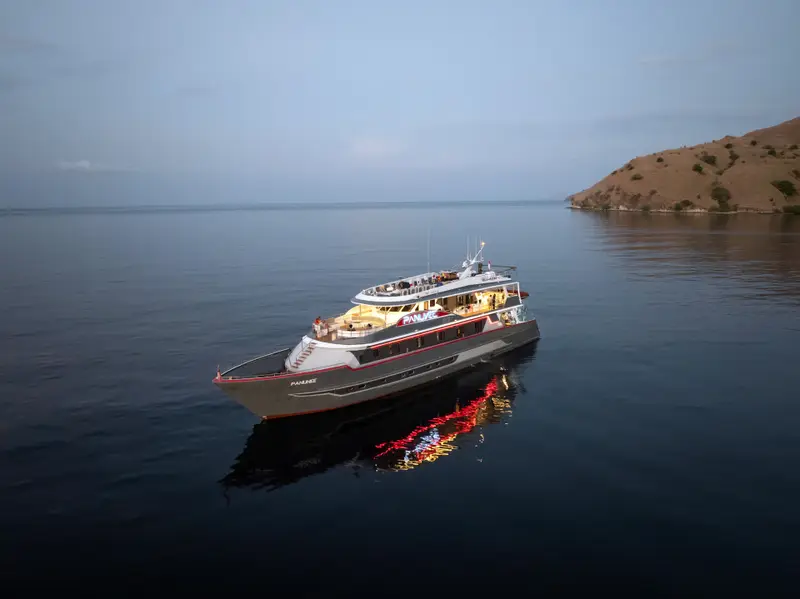
Panunee
Indonesia
18 guests38 m
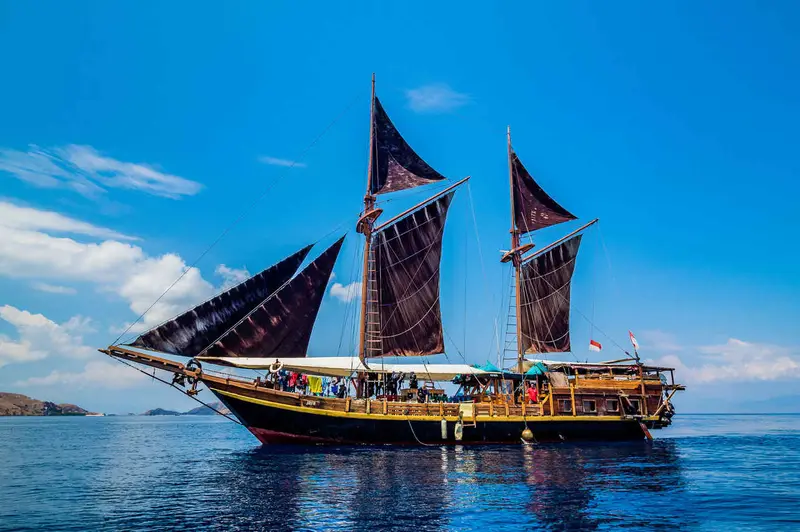
Jaya
Indonesia
14 guests23 m
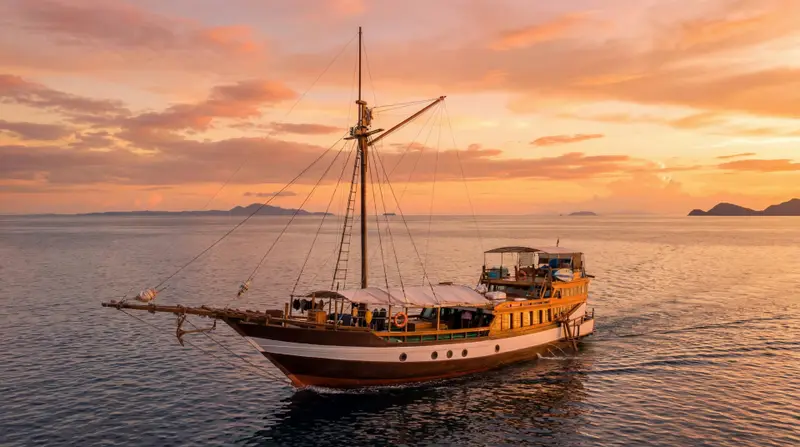
Wellenreng
Indonesia
9 guests25 m
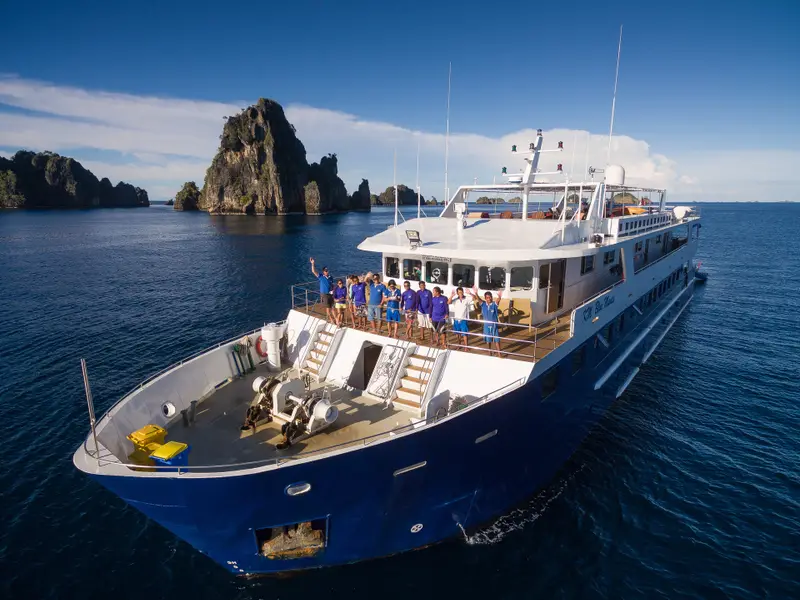
Blue Manta
Indonesia
20 guests45 m
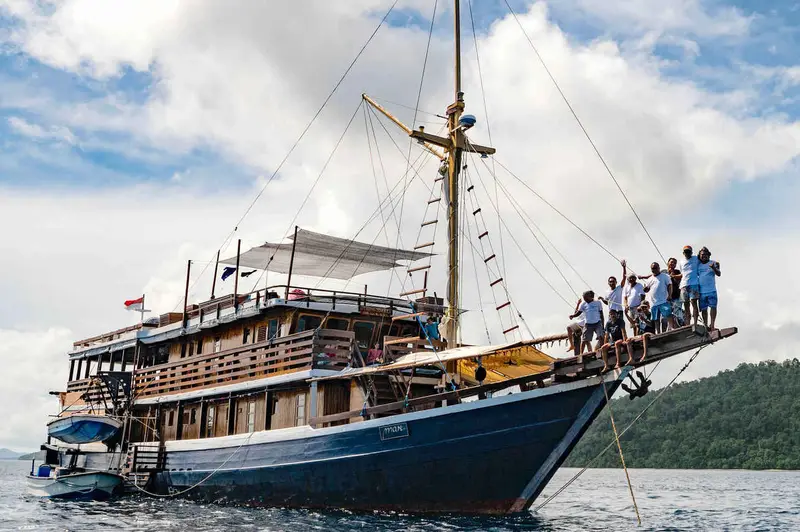
Mari
Indonesia
14 guests32 m
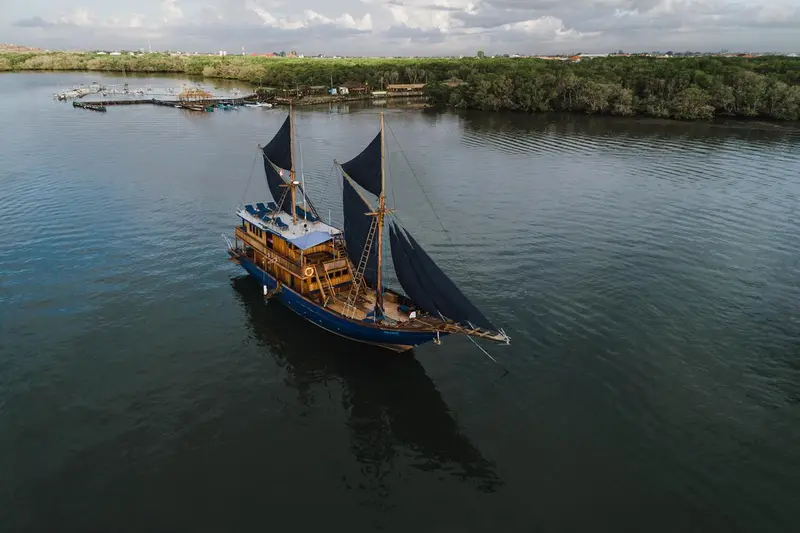
Situju7
Komodo, Indonesia
10 guests33 m
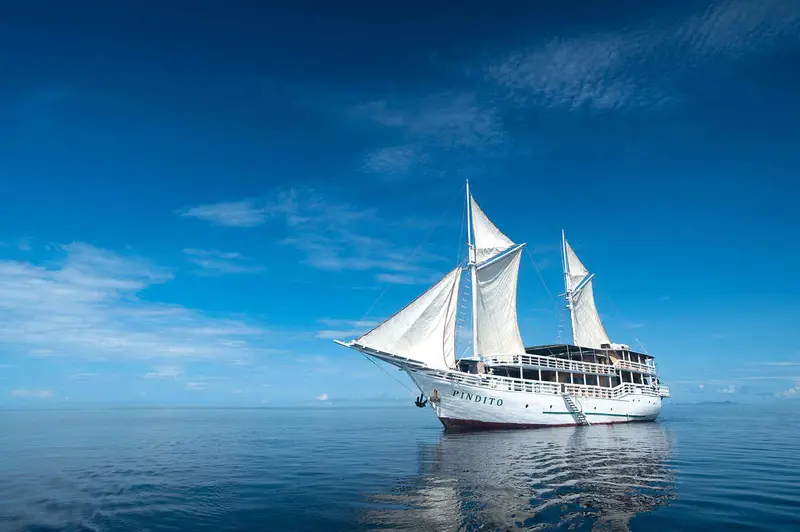
Pindito
Indonesia
16 guests38 m
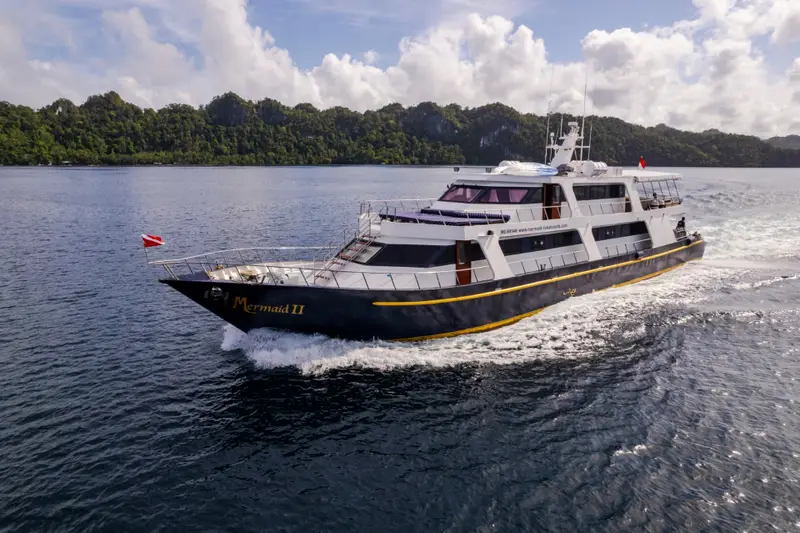
Mermaid II
Komodo, Indonesia
18 guests
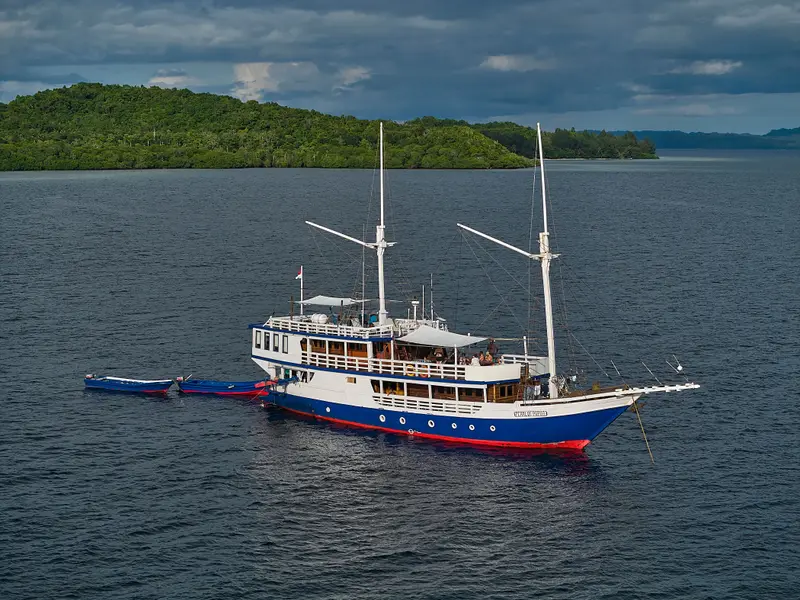
Pearl of Papua
Raja Ampat, Indonesia
14 guests30 m
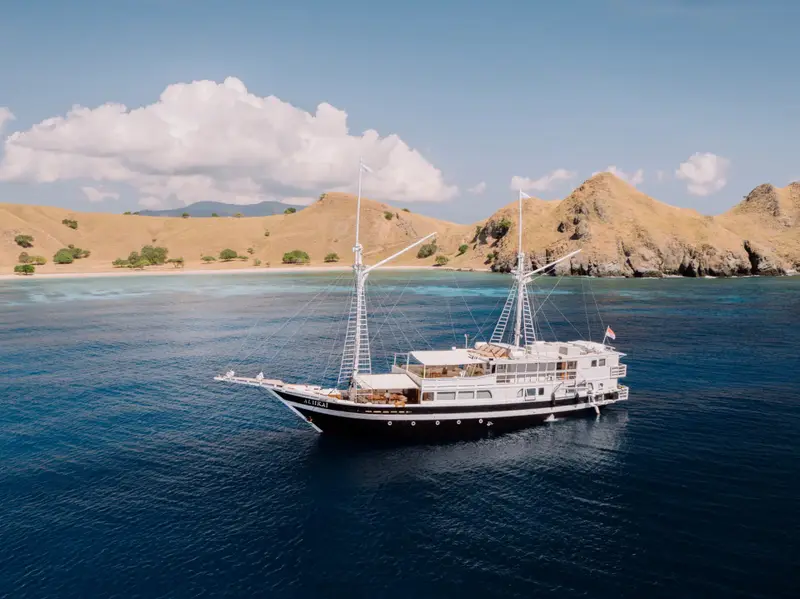
Aliikai Voyage
Indonesia
15 guests40 m
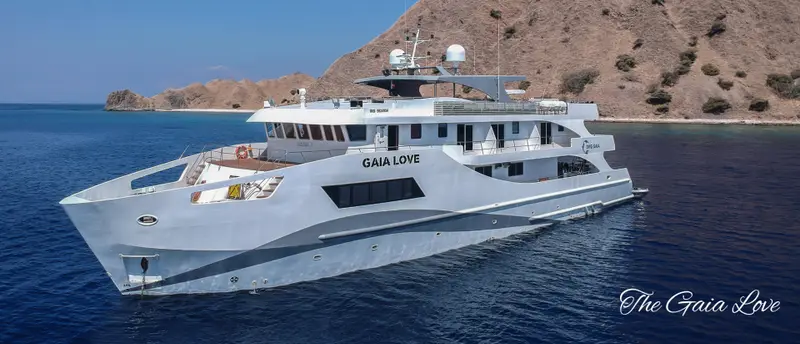
Gaia Love
Alor
20 guests
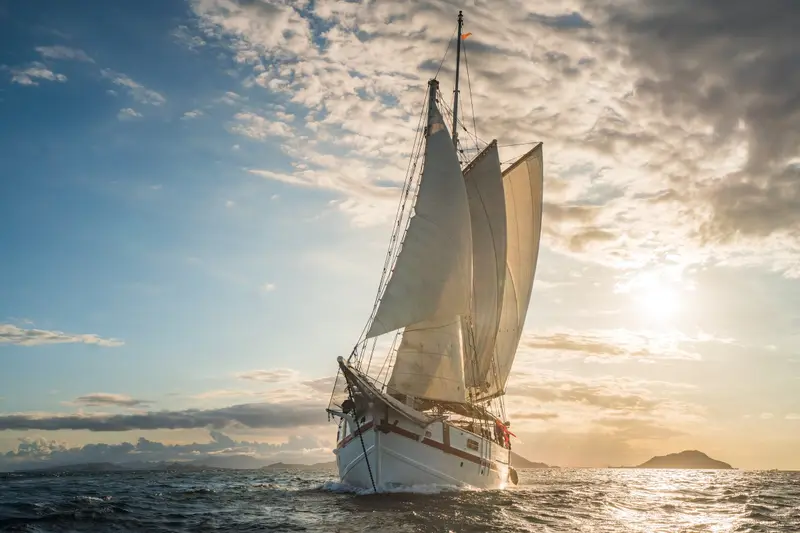
Emperor Raja Laut
Raja Ampat, Indonesia
12 guests31 m
Dive sites similar to Citrus Ridge
Same character, same waters, six more sites divers love for the exact same reasons.Compare seasons, access and liveaboard routes, then pick the site that fits your trip best.
Abila is a notable dive site located within the Alor Islands Marine Park, an area celebrated for its rich marine biodiversity due to its position in the Coral Triangle.
- Suitable for
- Beginner
- Current
- Mild
- Access
- Liveaboard only
- Depth
- —
- Theme
- Reef
© EsriMaxar, Earthstar, GIS
Adonara Channel
Alor
Adonara Channel stands as one of Alor's most iconic dive sites, celebrated for its dynamic currents and exceptionally rich biodiversity.
- Suitable for
- Advanced
- Current
- Strong
- Access
- Liveaboard or dayboat
- Depth
- 10–40 m
- Theme
- Drift / Wall
© EsriMaxar, Earthstar, GIS
Adonara Wall
Indonesia
Adonara is an Indonesian island dive site, renowned for its vibrant underwater topography characterized by submerged seamounts.
- Suitable for
- Intermediate
- Current
- Strong
- Access
- Liveaboard or dayboat
- Depth
- 5–35 m
- Theme
- Seamount / Wall
© EsriMaxar, Earthstar, GIS
Agnay Fish Sanctuary
Philippines
Agnay Fish Sanctuary is nestled in a sheltered bay near the village of Agnay in Romblon, a province celebrated for its rich marine biodiversity.
- Suitable for
- Beginner
- Current
- Mild
- Access
- Dayboat
- Depth
- 9–18 m
- Theme
- Reef
© EsriMaxar, Earthstar, GIS
Ai Island Reef
Banda Sea
Ai Island Reef, nestled within the Banda Sea, offers a remarkable diving experience characterized by its rich marine biodiversity and varied underwater topography.
- Suitable for
- Beginner
- Current
- Strong
- Access
- Liveaboard only
- Depth
- 3–30 m
- Theme
- Reef / Seamount
© EsriMaxar, Earthstar, GIS
Akitsushima
Philippines
The Akitsushima is a distinguished World War II Japanese seaplane tender, sunk in September 1944 during an American air raid in Coron Bay, Palawan.
- Suitable for
- Advanced
- Current
- Strong
- Access
- Dayboat
- Depth
- 22–38 m
- Theme
- Wreck