About Sawandarek
Sawandarek, often referred to as Sawandarek Pier, is a captivating dive site located in Central Raja Ampat, distinguished by its unique setting beneath a village jetty. Unlike many of Raja Ampat's renowned drift dives, Sawandarek is celebrated for its generally calm conditions, making it a more relaxed and accessible experience while still teeming with vibrant marine life. This site is a visual feast, offering an extraordinary contrast between a bustling fish population, stunning corals, and impressive macro subjects. The topography features a shallow reef around the pier legs descending to a broader sandy bottom where magnificent cabbage corals thrive. The pier itself, adorned with marine growth, acts as an artificial reef, creating abundant hiding spots and feeding grounds. Depths range from a comfortable 5 meters at the pier's base, extending down to about 30 meters on the outer reef. Marine life at Sawandarek is consistently rich, with schooling fish, various reef residents, and impressive pelagics making regular appearances. Giant green turtles are a particular highlight, often seen gliding gracefully or resting. Macro enthusiasts will discover a wealth of nudibranchs, juvenile fish, and other small critters. The site also boasts large clams and the occasional presence of stingrays and sharks near the jetty. Diving Sawandarek typically involves exploring the pier's structure and the adjacent reef, often featuring gentle currents that allow for leisurely exploration. The consistent visibility and calm waters provide excellent opportunities for both wide-angle and macro photography, capturing the diverse ecosystems supported by both the natural reef and the man-made structure.
Highlights
Giant green turtlesAbundant schooling fishVibrant pier ecosystemImpressive cabbage coralsDiverse macro lifeCalm, relaxed diving
Season calendar
Best months to dive here
Jan
Feb
Mar
Apr
May
Jun
Jul
Aug
Sep
Oct
Nov
Dec
Excellent
Good
Dive site facts: Sawandarek
- Depth
- 5–30 m
- Current
- Mild
- Visibility
- 15–30 m
- Water temperature
- 28–30°C
- Entry
- Boat / easy entry
- Level
- All levels
- Dive type
- Reef, pier, macro
- Night dive
- Possible
- Region / port
- Central Raja Ampat
- Coordinates
- -0.5527, 130.5842
Conditions & Currents
Sawandarek is notable for its generally mild currents, making it a more tranquil dive compared to many other Raja Ampat sites. While some sites in the region can experience strong flows, Sawandarek typically offers gentle conditions, allowing for leisurely exploration of the pier structure and surrounding reef. Visibility usually remains good, but like all sites in Raja Ampat, it can occasionally be affected by plankton blooms, which, while potentially reducing clarity, often attract larger marine life. These calmer conditions make Sawandarek accessible for divers who prefer a less physically demanding experience and provide ample opportunities for photography and detailed observation without the need for negative entries or reef hooks.
Marine life & sighting chances

Green turtle
common
Sweetlips
common
Garden eels
common
Barracudas
common
Jackfishes
common
Nudibranchs
common
Stingrays
occasional
Batfishes
common
Reef sharks
occasional
Cabbage corals
commonDive profile & how the dive runs
Your dive at Sawandarek typically begins with an easy entry from the boat near the jetty. You'll descend into the calm waters, immediately encountering the vibrant life beneath the pier, with abundant schools of fish and resident batfish. The initial phase of the dive focuses on exploring the pier's structure, observing the diverse macro life and juvenile fish hiding among the pylons. From there, you'll generally move towards the sandy bottom, home to impressive cabbage corals and garden eels, keeping an eye out for large sweetlips congregating. Giant green turtles are frequently sighted throughout the dive, often cruising along the reef or resting. The dive gradually ascends, allowing for exploration of the shallower reef garden on the way back to the jetty, where you'll spend your safety stop observing the final flurry of activity.
Underwater photography
Sawandarek offers exceptional opportunities for both wide-angle and macro photography, given its diverse marine life and generally calm conditions. For wide-angle shots, focus on capturing the bustling schools of fish around the pier, the majestic cabbage corals, and the impressive giant green turtles in their natural habitat. The vibrant soft corals covering the pier structure also make for colorful compositions. Macro photographers will delight in the abundance of nudibranchs, juvenile fish, and other small critters hidden within the pier's nooks and crannies and among the reef. A macro lens or close-up filters are highly recommended for capturing these intricate details. Buoyancy control is paramount to avoid disturbing the delicate organisms and to maintain good positioning for your shots.
Combine with nearby dive sites
- Arborek Jetty
Arborek Jetty, situated off the north coast of Arborek Island in Raja Ampat's Dampier Strait, offers a unique and accessible dive…
- Manta Sandy
Manta Sandy, situated in the Dampier Strait southeast of Arborek Island, is a celebrated dive site in Raja Ampat, globally recognised for…
- Blue Magic
Blue Magic, nestled in the Dampier Strait of Raja Ampat, stands as a premier dive site globally, celebrated for its high-energy pelagic…
- Melissa's Garden
Melissa's Garden stands out as one of Raja Ampat's most spectacular dive sites, particularly renowned for its vibrant and extensive coral…
- Cape Kri
Cape Kri, situated off the northern tip of Kri Island in Raja Ampat's Dampier Strait, is a legendary dive site renowned for its exceptional…
Getting there & logistics
Reaching Raja Ampat, including Sawandarek, typically involves flying into Sorong (SOQ) from major Indonesian hubs like Jakarta, Makassar, or Manado. From Sorong, divers usually board a liveaboard directly or take a public ferry to Waisai, the capital of Waigeo, before transferring to a resort or local boat. Liveaboards are the most effective way to experience the remote dive sites across Raja Ampat, including Sawandarek, often combining sites in Dampier Strait with those further south or north. Trips generally range from 7 to 10 days. All divers must purchase a Raja Ampat Marine Park Entry Permit, valid for one year, to support conservation efforts in the region. This permit is usually around USD $100 and can be purchased upon arrival.
Safety & environment
While diving in Raja Ampat offers unparalleled experiences, it is crucial to prioritize safety. The nearest recompression chamber is located in Waisai, Waigeo, emphasizing the importance of diligent dive planning and conservative profiles. Evacuation from remote dive sites like Sawandarek can be lengthy and complex, often involving boat transfers to Waisai or Sorong before air transport to a larger medical facility, especially in the event of a serious incident. Comprehensive dive insurance, covering emergency medical treatment and evacuation, is not just recommended but essential. Divers should maintain excellent buoyancy control to avoid damaging the pristine corals and adhere to all dive guide instructions. Due to the area's nutrient-rich waters and occasional currents, maintaining situational awareness is key, even at calmer sites.
Who it suits — and who it doesn't
Suited for
- Newer divers seeking a relaxed reef experience
- Macro photographers
- Wide-angle photographers
- Divers interested in diverse reef ecosystems
- Divers looking for consistent turtle sightings
Less suited for
- Divers exclusively seeking strong current drift dives
- Divers who prefer pelagic-only encounters
- Those who dislike busy pier environments
FAQ
Sawandarek FAQ
What marine life can I expect to see at Sawandarek?
Sawandarek is renowned for its vibrant marine diversity. You can consistently expect to encounter giant green turtles, large schools of sweetlips and jackfish, barracudas, and an abundance of garden eels. The site is also a paradise for macro enthusiasts, with numerous nudibranchs and juvenile fish, plus occasional sightings of stingrays and reef sharks near the jetty.
How challenging are the currents at Sawandarek?
Sawandarek is known for its generally mild currents, making it one of the more relaxed dive sites in Raja Ampat. This calmer environment is ideal for leisurely exploration, detailed photography, and for divers who prefer less physically demanding conditions. While other sites in the region can have strong currents, Sawandarek typically offers a more tranquil experience.
Is Sawandarek suitable for beginners?
Yes, Sawandarek is highly suitable for divers of all experience levels, including beginners. The calm conditions, shallow areas around the pier, and gradual depth progression provide a comfortable and safe environment for newer divers to enjoy the rich marine life without the added challenge of strong currents often found at other Raja Ampat sites.
What photography opportunities does Sawandarek offer?
Sawandarek is excellent for both wide-angle and macro photography. Wide-angle shots can capture the bustling fish schools around the pier, the impressive cabbage corals, and the majestic green turtles. For macro, the pier structure and reef are home to countless nudibranchs, juvenile fish, and other small critters, making it a highly rewarding site for close-up work.
What makes Sawandarek unique compared to other Raja Ampat dive sites?
Sawandarek's unique charm lies in its combination of a vibrant natural reef and the bustling ecosystem created by the village jetty. Unlike many of Raja Ampat's intense drift dives, Sawandarek offers calmer currents, making it accessible and relaxing. Its consistent sightings of giant green turtles and diverse macro life, alongside large schools of fish, set it apart as a tranquil yet incredibly rich dive experience.
Why dive Sawandarek from a liveaboard?
Sawandarek is one of Raja Ampat, Indonesia's signature dive sites. A liveaboard sleeps you on the water and puts you in the water for three to four guided dives per day, including dawn and night dives that day-boat operators rarely offer. You skip the daily commute back to port and reach quieter, less-crowded sites in the same region on a single trip.
Below are the liveaboards that include Sawandarek on their Raja Ampat, Indonesia itineraries.
Liveaboards diving Sawandarek
These liveaboards may visit Sawandarek on selected itineraries — the exact dive sites depend on departure, weather and conditions.
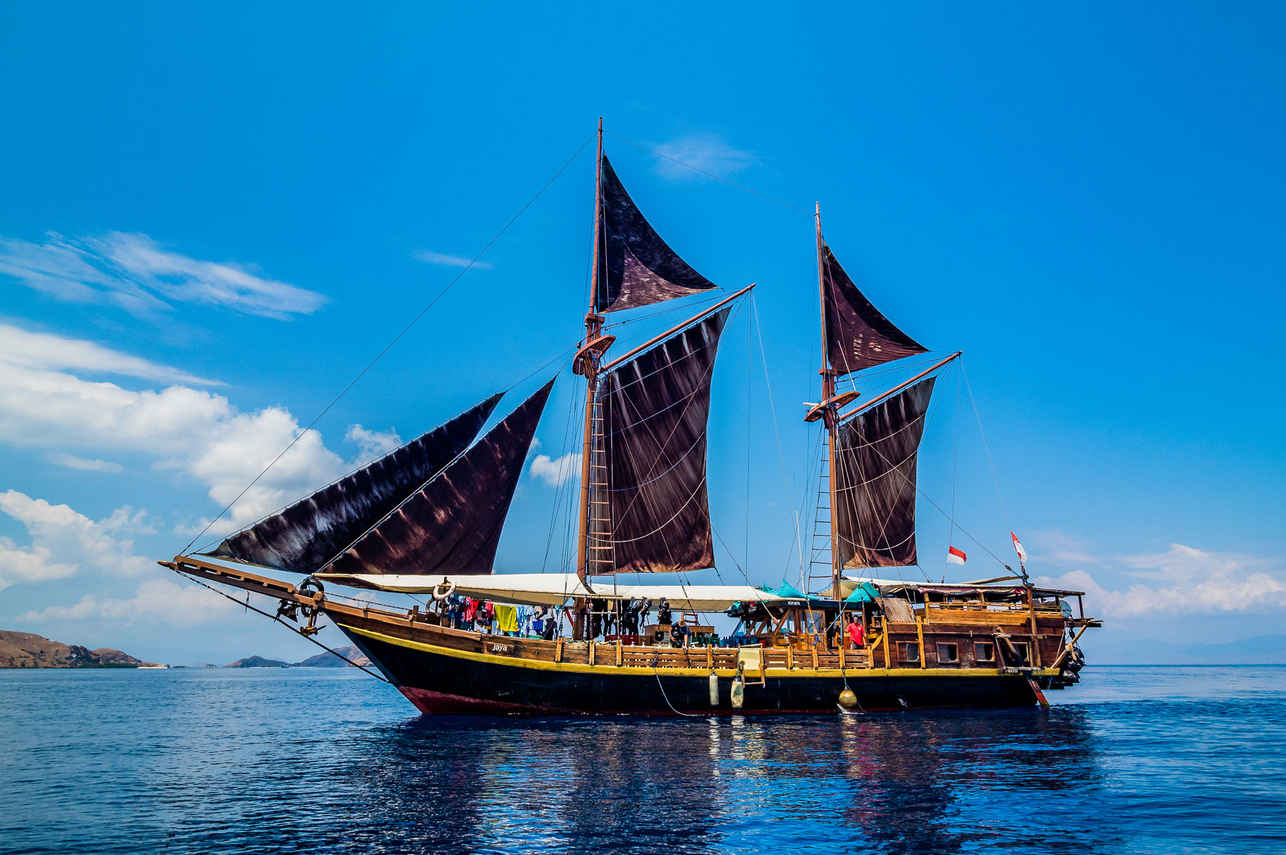
Jaya
Indonesia
14 guests23 m
$280/day
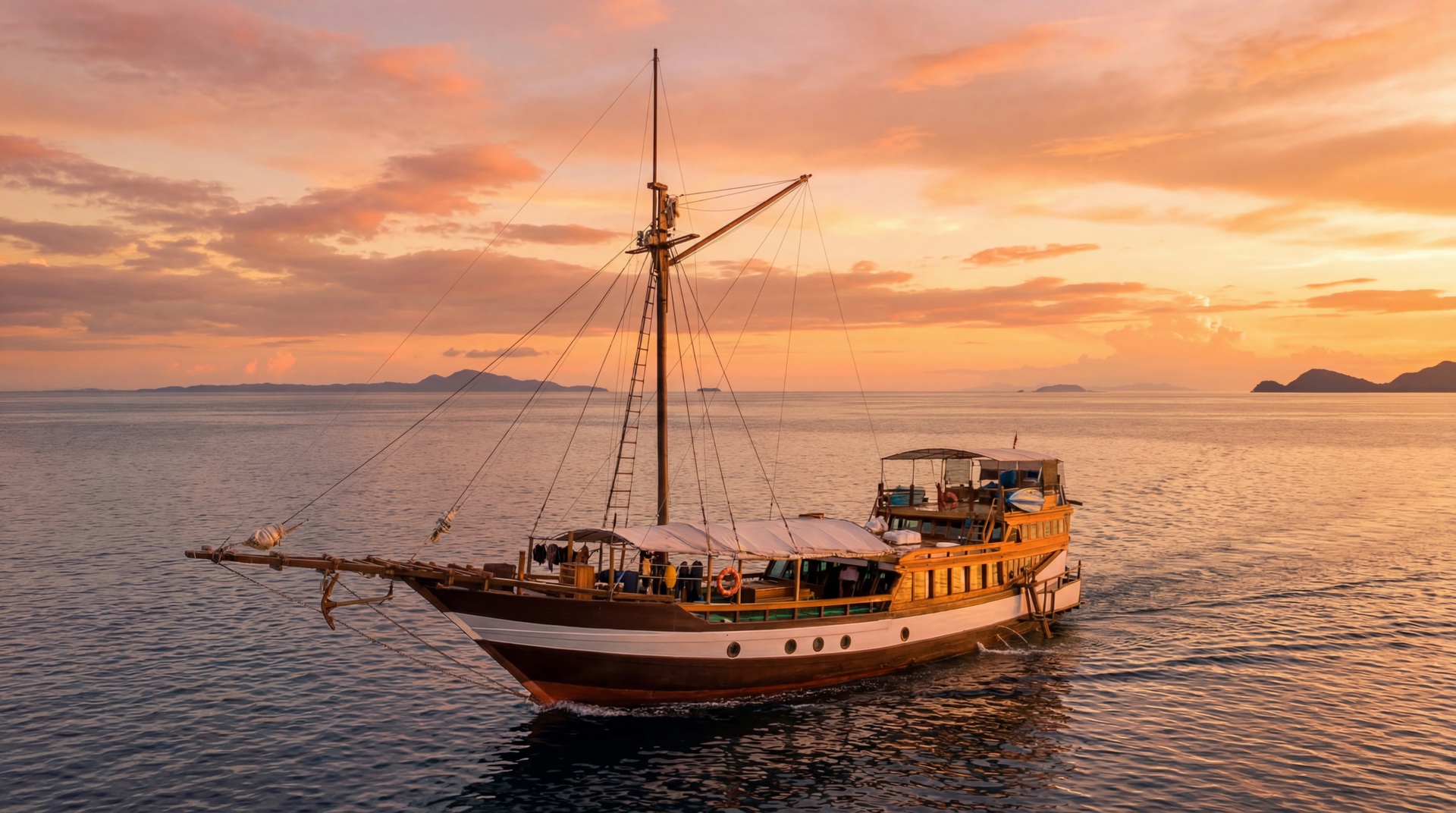
Wellenreng
Indonesia
9 guests25 m
$425/day
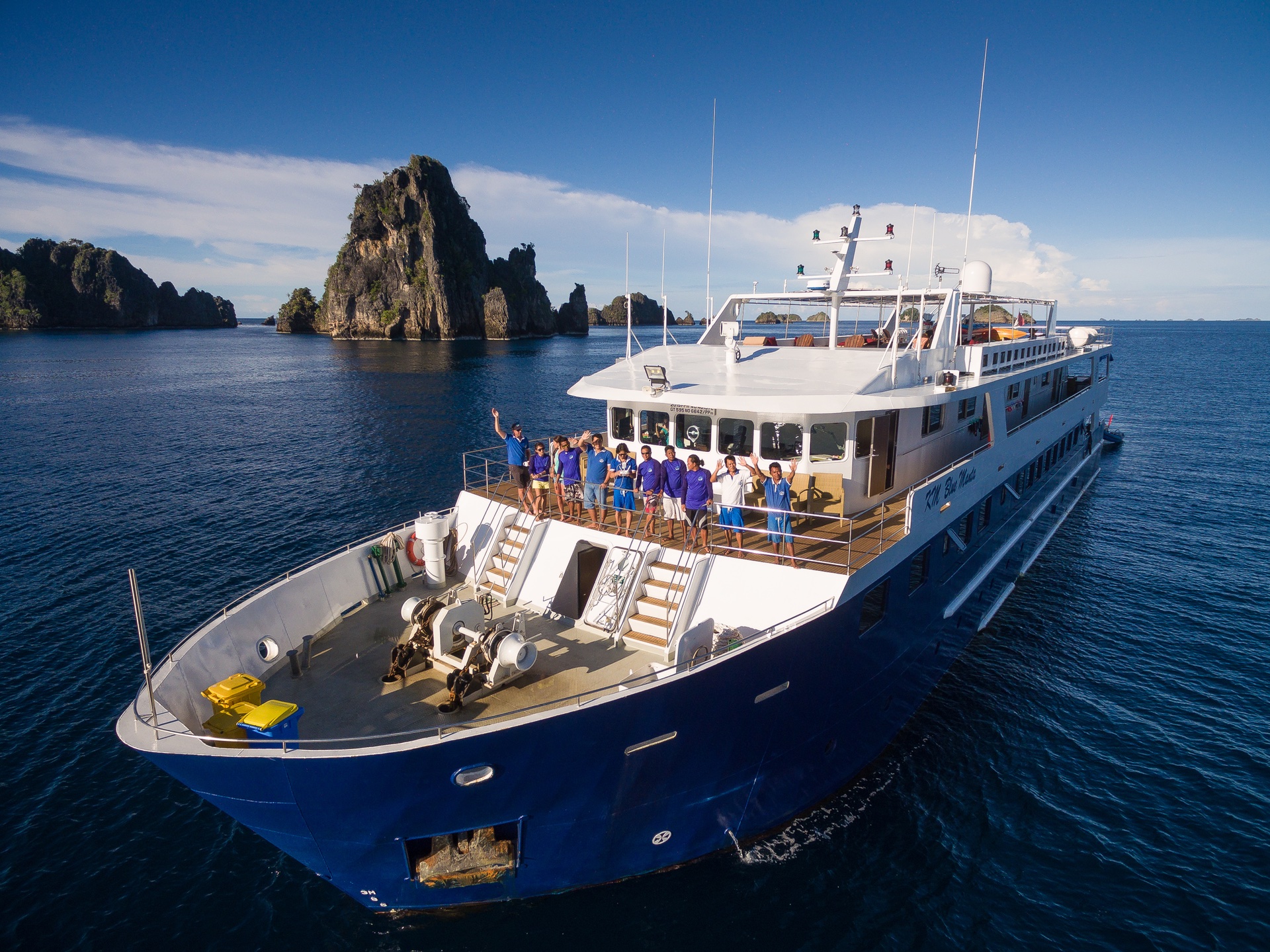
Blue Manta
Indonesia
20 guests45 m
$482/day
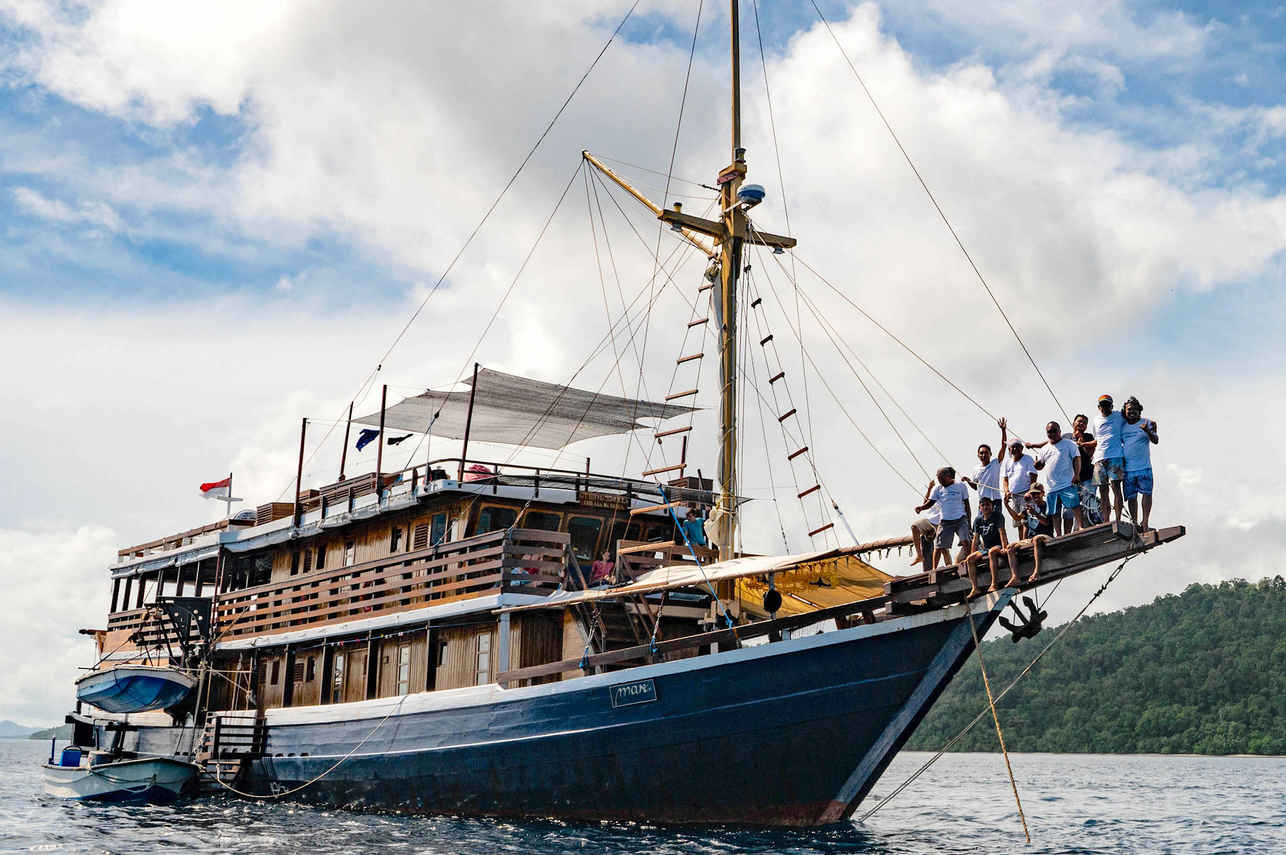
Mari
Indonesia
14 guests32.2 m
$326/day
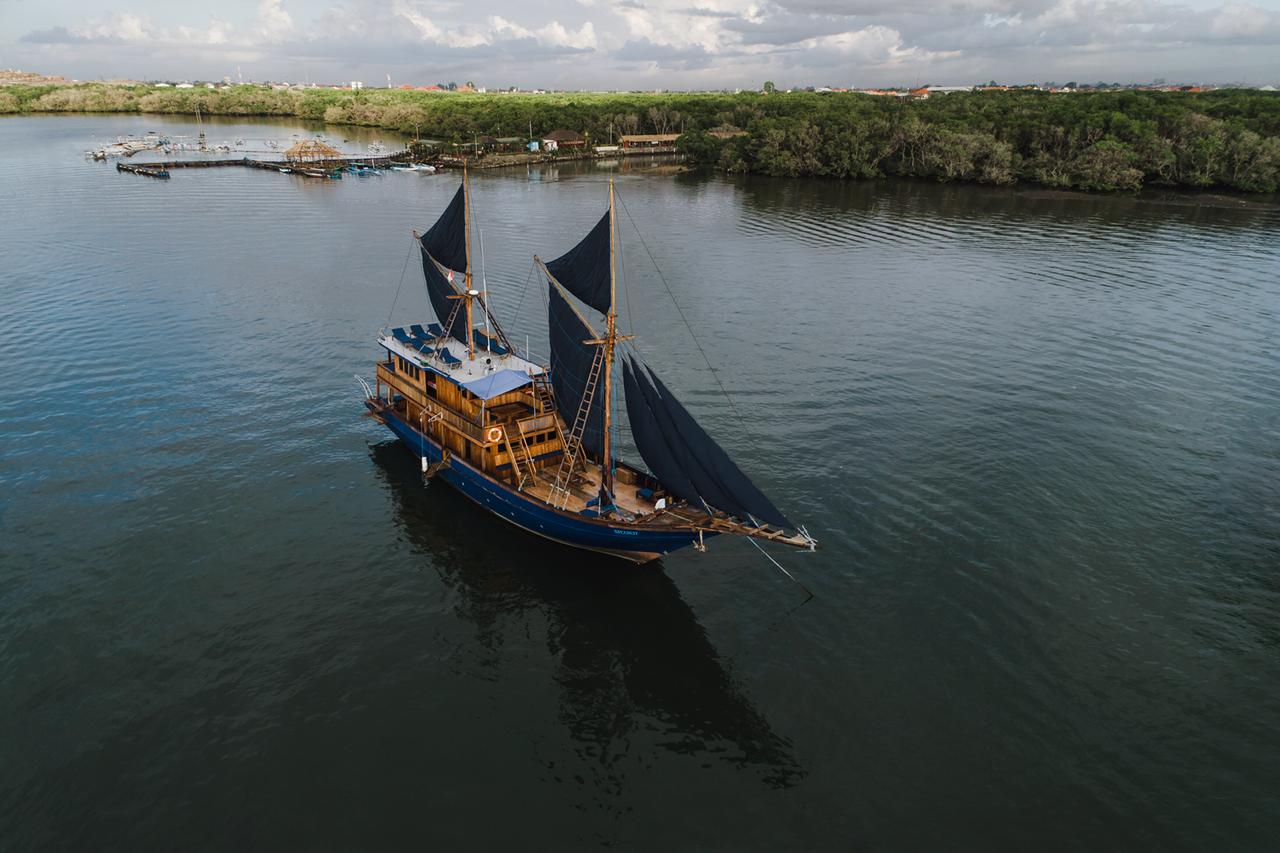
Situju7
Komodo, Indonesia
10 guests32.7 m
$362/day
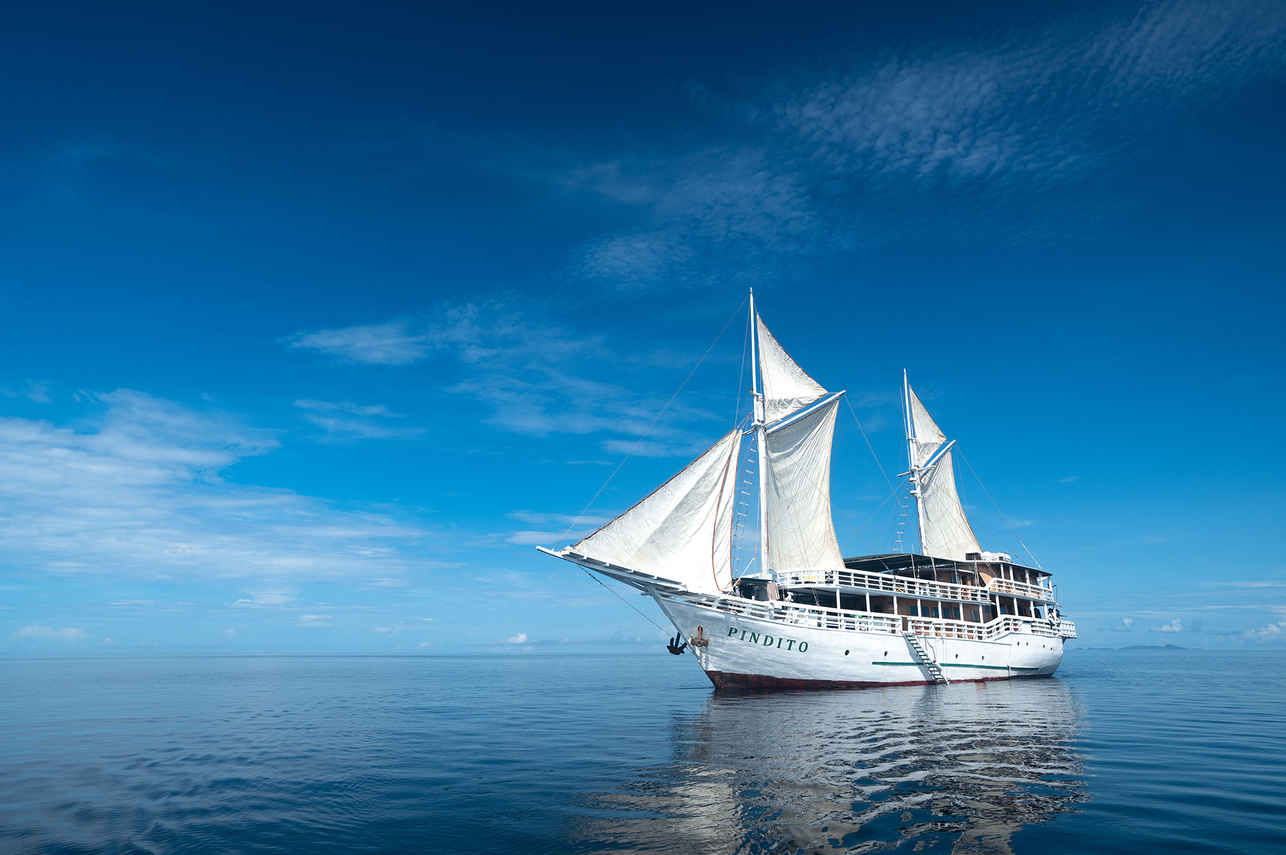
Pindito
Indonesia
16 guests37.79 m
$533/day
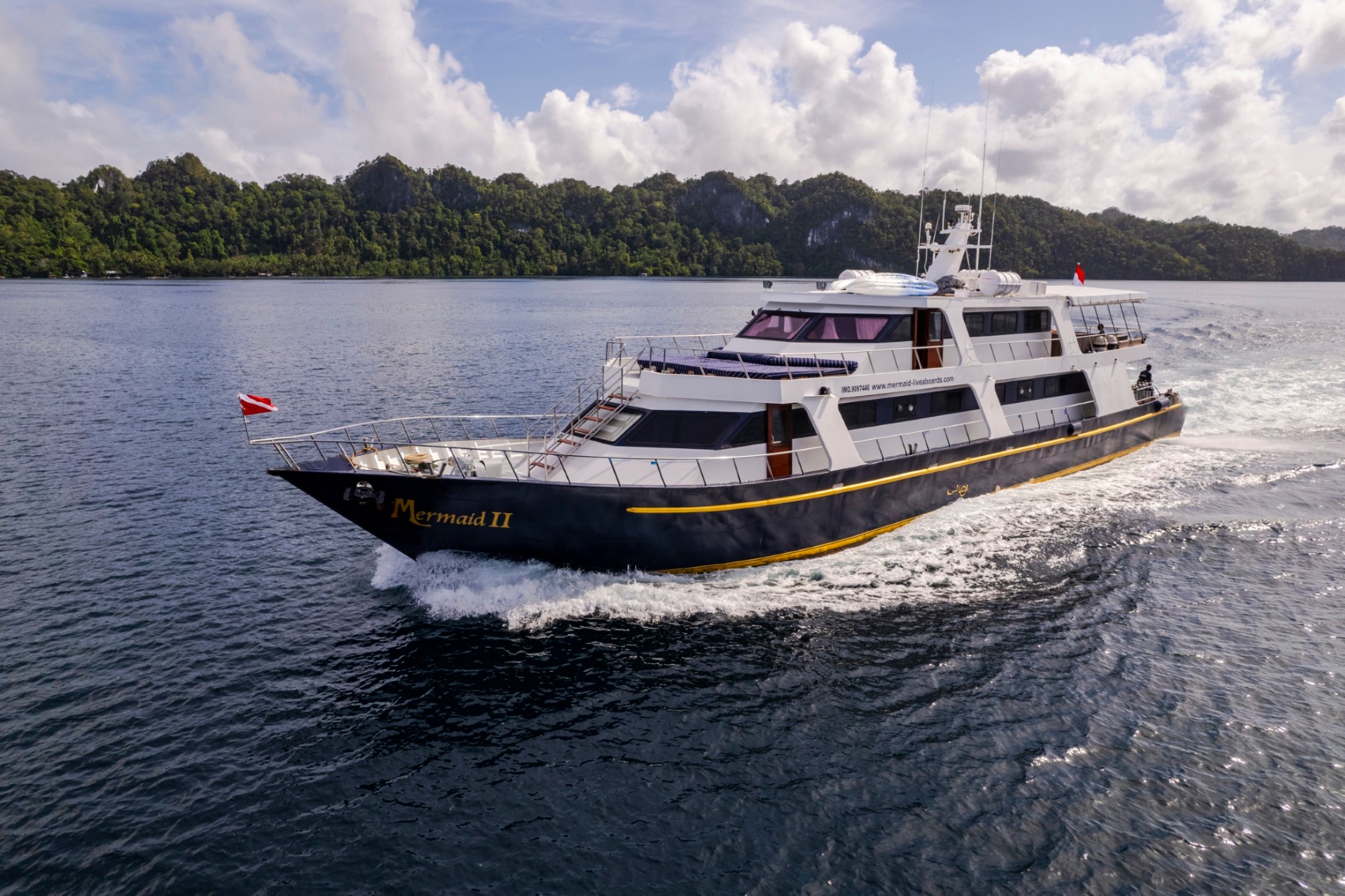
Mermaid II
Komodo, Indonesia
18 guests
$390/day
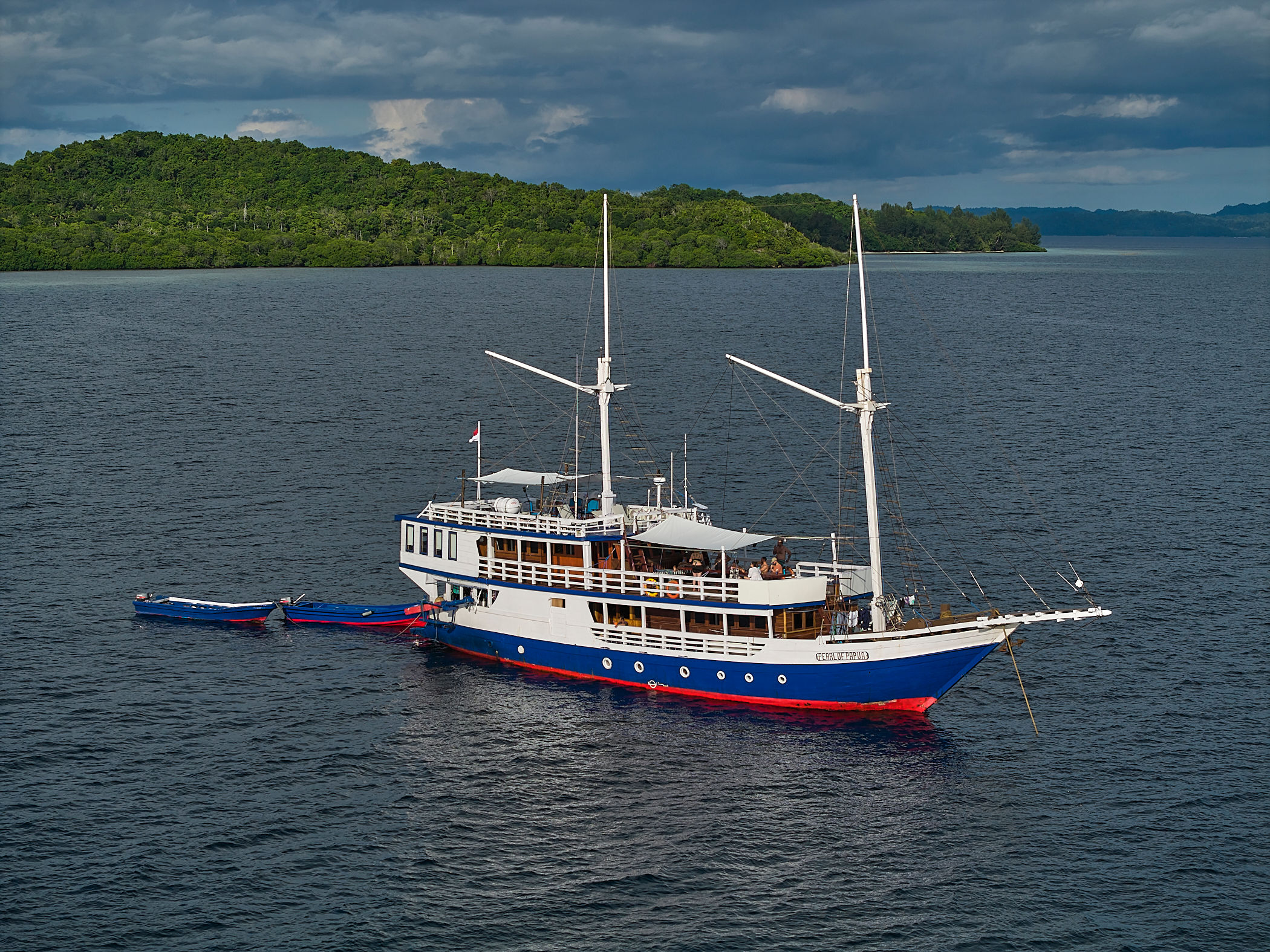
Pearl of Papua
Raja Ampat, Indonesia
14 guests30 m
$303/day
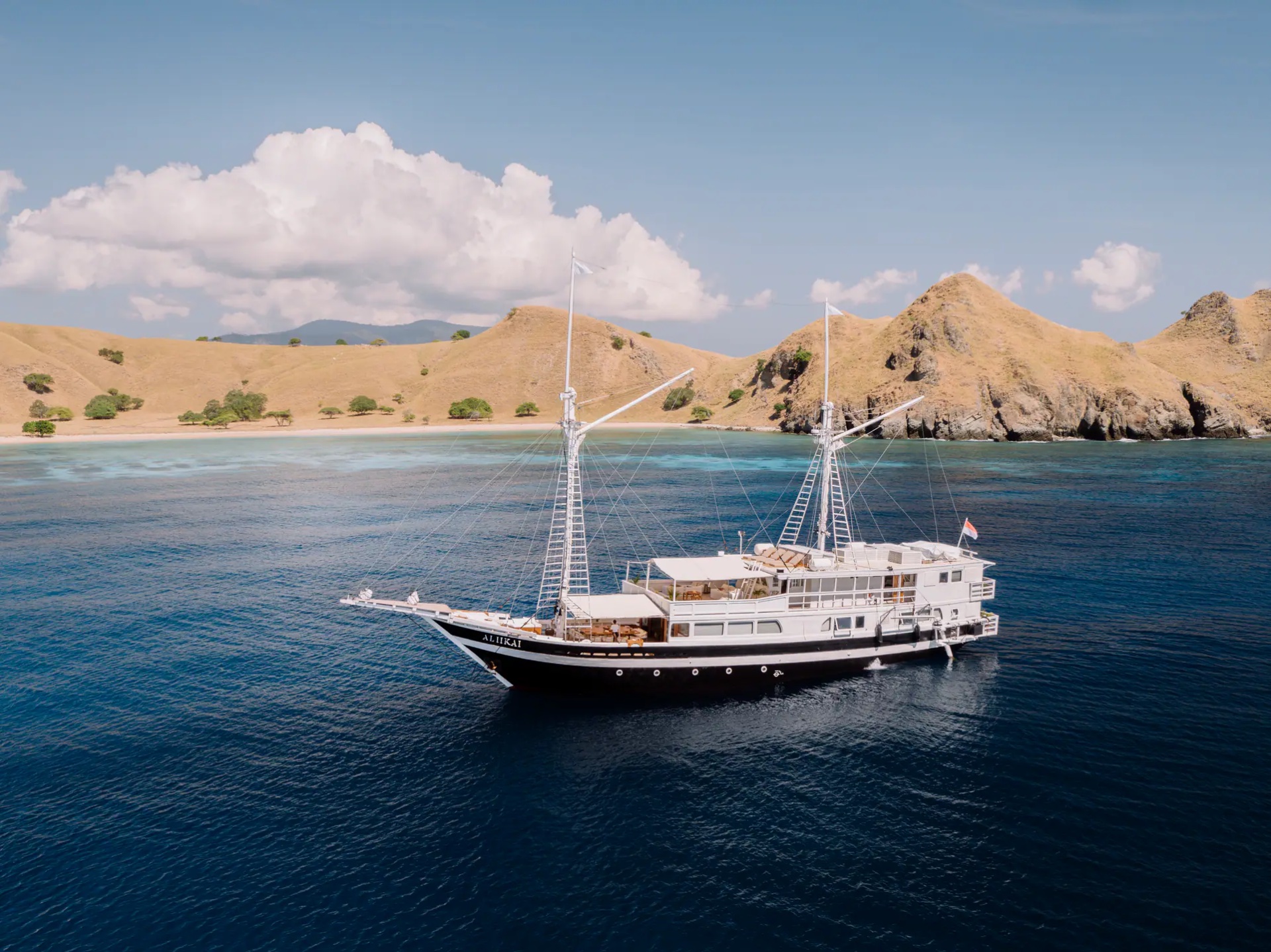
Aliikai Voyage
Indonesia
15 guests40 m
$658/day
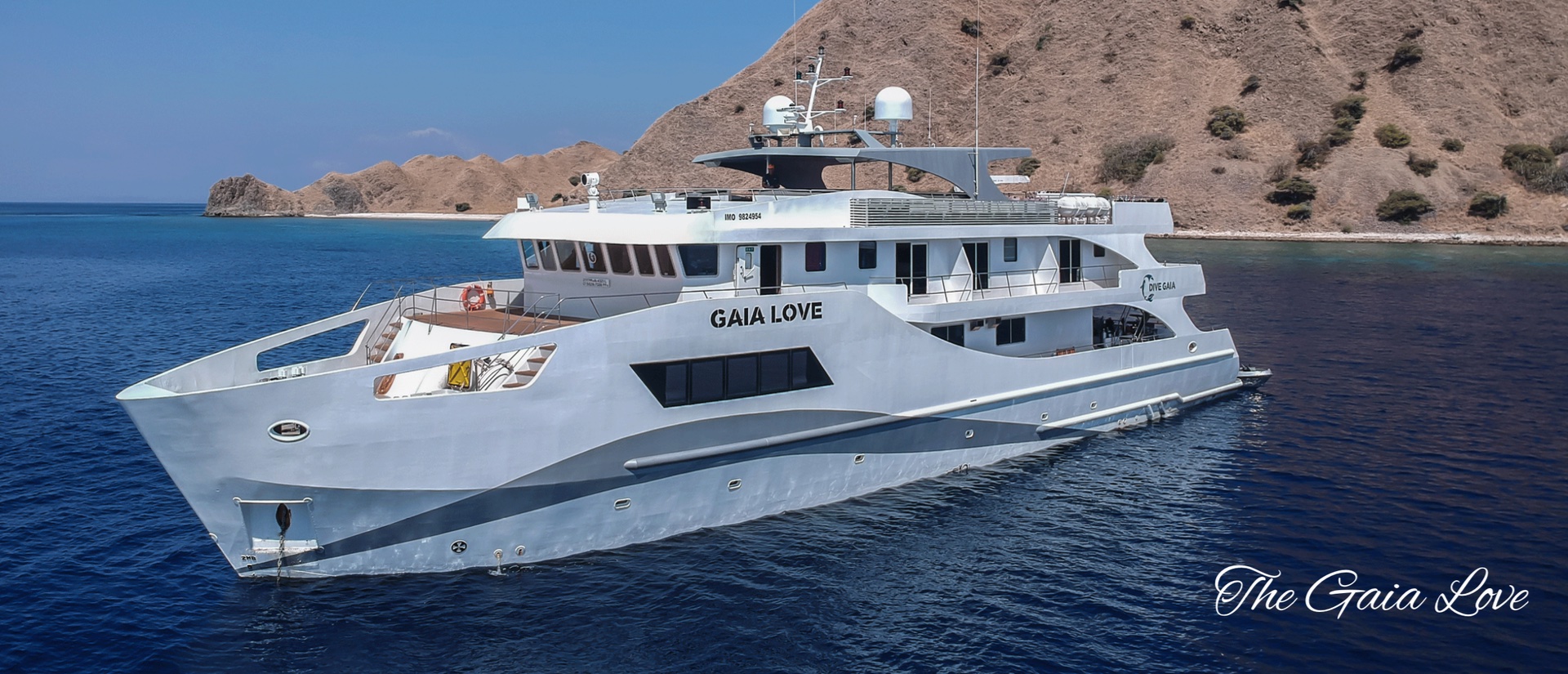
Gaia Love
Alor
20 guests
$554/day
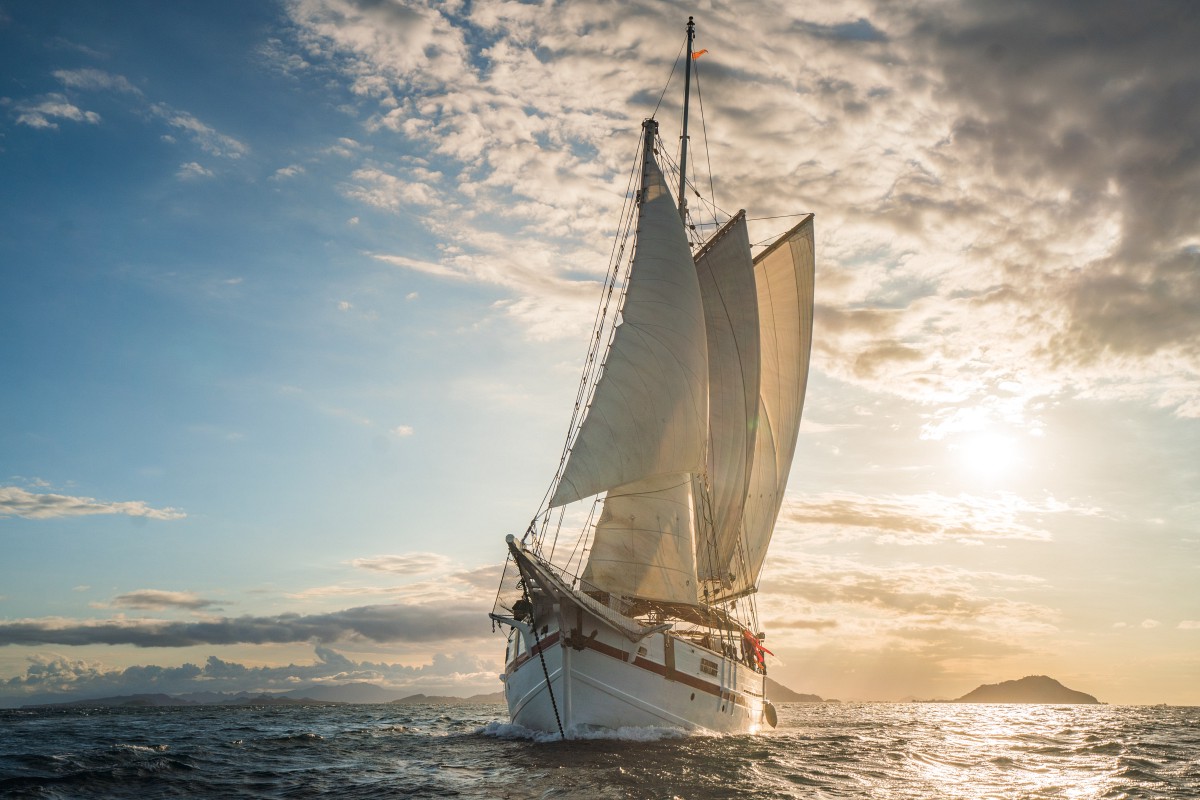
Emperor Raja Laut
Raja Ampat, Indonesia
12 guests31 m
$413/day
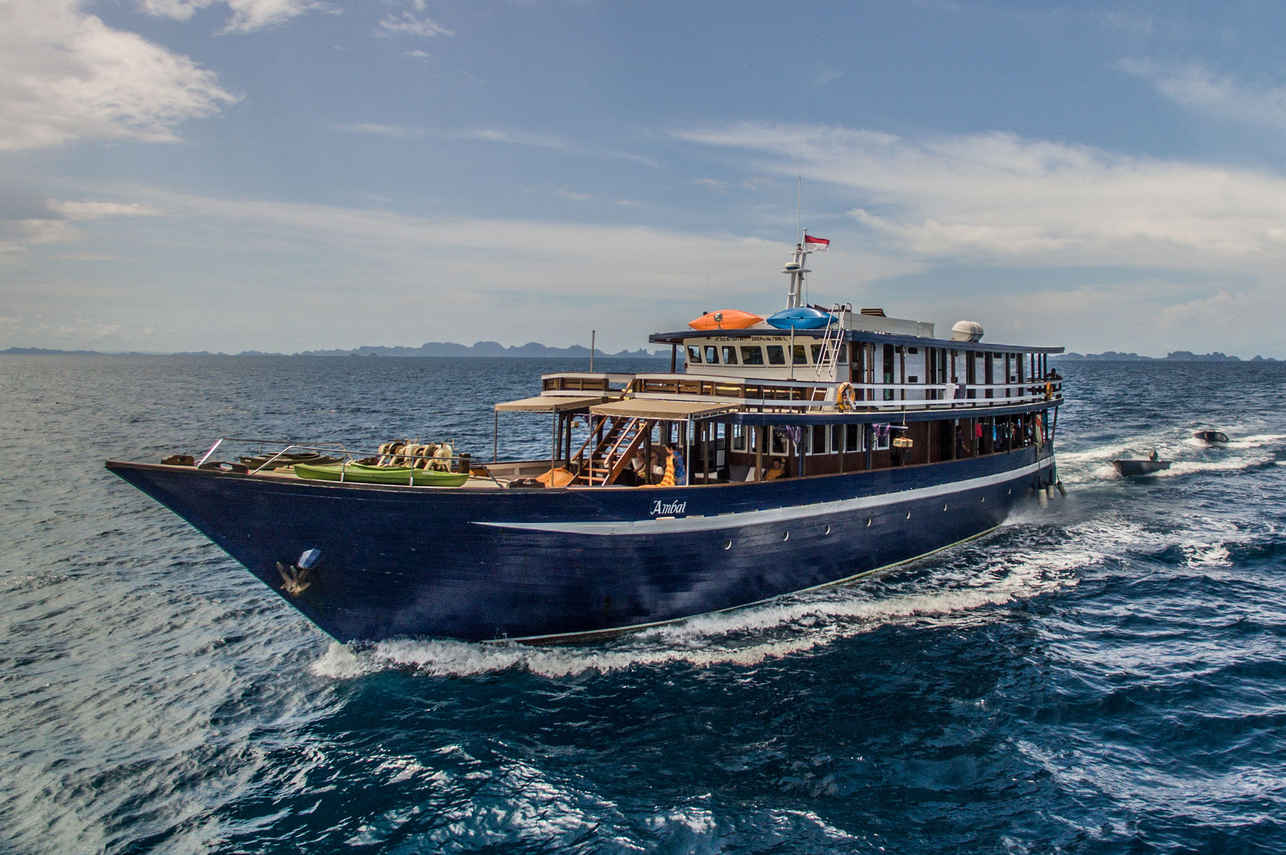
Ambai
Indonesia
16 guests32 m
$451/day
Dive sites similar to Sawandarek
Same character, same waters — six more sites divers love for the exact same reasons.Compare seasons, access and liveaboard routes — then pick the site that fits your trip best.
© Esri — Maxar, Earthstar, GIS
Arborek Jetty
Raja Ampat, Indonesia
Arborek Jetty, situated off the north coast of Arborek Island in Raja Ampat's Dampier Strait, offers a unique and accessible dive experience.
- Suitable for
- Beginner
- Current
- Strong
- Access
- Liveaboard only
- Depth
- 1–12 m
- Theme
- Reef
© Esri — Maxar, Earthstar, GIS
Blue Magic
Raja Ampat, Indonesia
Blue Magic, nestled in the Dampier Strait of Raja Ampat, stands as a premier dive site globally, celebrated for its high-energy pelagic encounters and rich marine biodiversity.
- Suitable for
- Advanced
- Current
- Strong
- Access
- Liveaboard only
- Depth
- 8–30 m
- Theme
- Drift / Pinnacle
© Esri — Maxar, Earthstar, GIS
Boo Windows
Raja Ampat, Indonesia
Boo Windows, located at the eastern edge of Raja Ampat's Misool region, is an iconic dive site renowned for its unique underwater topography, particularly its famous "windows" or archways.
- Suitable for
- Intermediate
- Current
- Strong
- Access
- Liveaboard only
- Depth
- 5–30 m
- Theme
- Drift / Reef
Cape Kri, situated off the northern tip of Kri Island in Raja Ampat's Dampier Strait, is a legendary dive site renowned for its exceptional marine biodiversity.
- Suitable for
- Advanced
- Current
- Ripping
- Access
- Liveaboard only
- Depth
- 5–40 m
- Theme
- Drift / Reef
© Esri — Maxar, Earthstar, GIS
Chicken Reef
Raja Ampat, Indonesia
Chicken Reef, located in the Dampier Straits of Raja Ampat, Indonesia, stands as a captivating dive site renowned for its vibrant marine biodiversity and stunning underwater landscapes.
- Suitable for
- Beginner
- Current
- Strong
- Access
- Liveaboard only
- Depth
- 5–20 m
- Theme
- Reef / Wall
© Esri — Maxar, Earthstar, GIS
Citrus Ridge
Raja Ampat, Indonesia
Citrus Ridge is a renowned dive site in Raja Ampat, located in a natural channel separating Gam Island from Yanggelo.
- Suitable for
- Intermediate
- Current
- Strong
- Access
- Liveaboard only
- Depth
- 10–27 m
- Theme
- Drift / Reef