Solomon Islands Liveaboard Diving

Liveaboards in Solomon Islands

from $268 / day

3 of 3 · Solomon Islands liveaboard routes, seasons & prices

Solomons Master

Roomy 37-meter boat tailored for professional underwater adventures and premium hospitality in the Solomon Islands.

  • Interior Dining Hall
  • Covered Exterior Lounge
  • Television for Entertainment

4.1(27 reviews)

16 guestsfrom $401/day
Emperor Bilikiki

A historic steel-hulled icon for premier expeditions in the Solomon Islands.

  • Multimedia Hub
  • Daily Cabin Cleaning
  • Private Hot Showers

4.8(134 reviews)

20 guestsfrom $569/day
Pacific Master

Professional-grade voyages through the reefs and wrecks of Micronesia for up to 20 explorers.

  • Dedicated Camera Bench
  • Air-Conditioned Interior Salon
  • WiFi Connectivity

3.5(27 reviews)

20 guestsfrom $268/day

Diving in the Coral Triangle: wrecks, walls and manta rays

The Solomon Islands, an archipelago of nearly 1,000 islands east of Papua New Guinea, sit firmly within the Coral Triangle — the world's epicenter of marine biodiversity. With a population of just over 700,000 spread across 28,400 square kilometers of land and infinitely more reef, this is one of the least-dived major destinations on Earth, where many sites still see fewer than 200 divers per year.

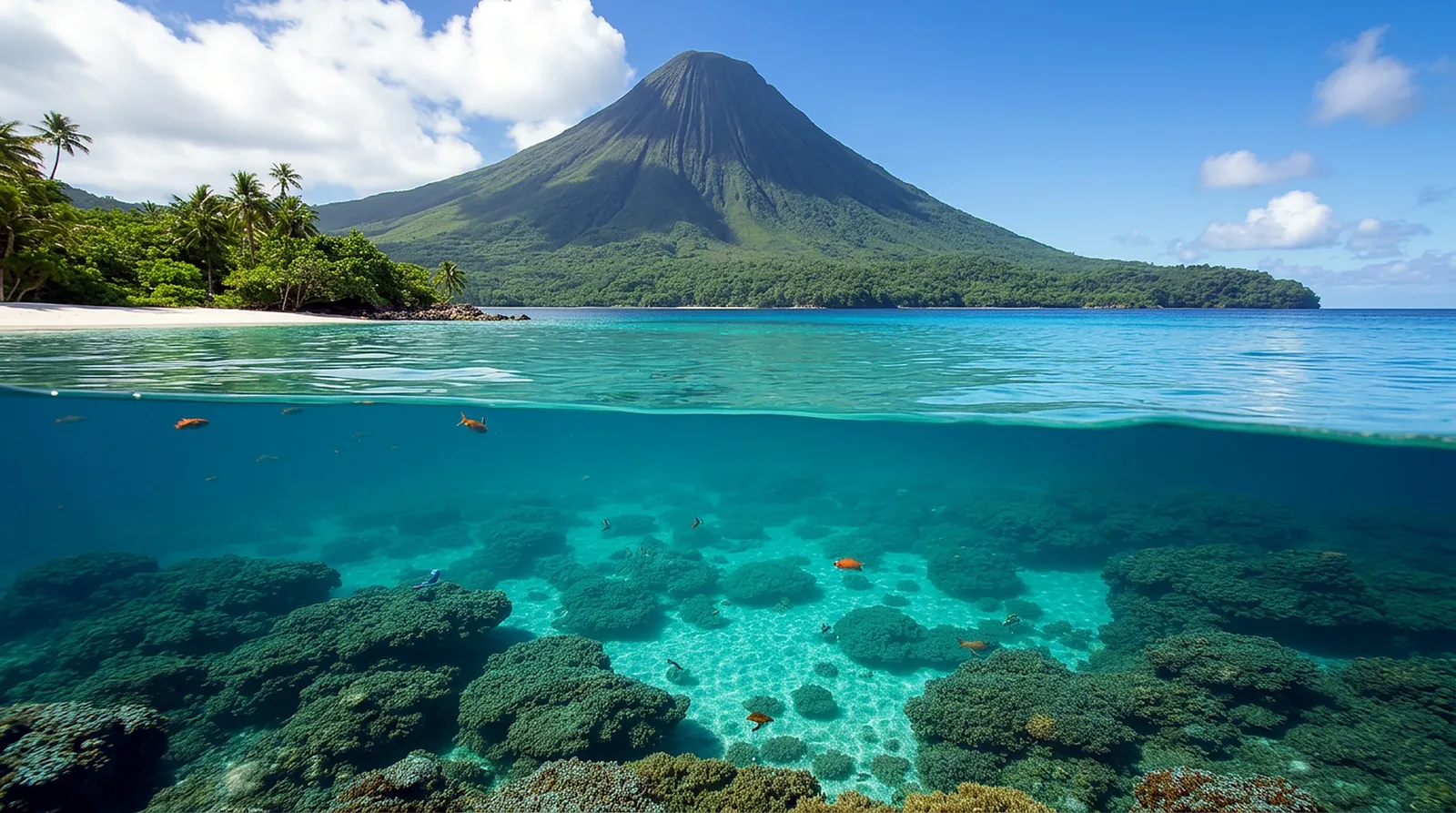
Mary Island (Mborokua) rises from deep water roughly halfway between New Georgia and Russell Islands and is a legendary current-swept seamount. Schooling barracuda, trevally, and grey reef sharks circle the slopes, while hammerheads patrol the deeper drops. The island itself is uninhabited, surrounded by some of the healthiest hard coral cover in the Pacific.

The Russell Islands offer a remarkable mix of WWII history and pristine reef. Wreck dives on Japanese and American vessels lie alongside coral gardens that have grown over the structures for 80 years. Leru Cut and Mirror Pond are unique freshwater-cavern dives where surface lily pads filter sunlight into cathedral-like beams of light.

Marovo Lagoon, the largest saltwater lagoon in the world, contains hundreds of small islands and reef systems. The protected waters host endemic species, healthy populations of reef sharks and turtles, and traditional Solomon Islander villages where wood carving and shell-money making continue largely unchanged. Many liveaboards include cultural visits as part of their itineraries.

Florida Islands and the famous Iron Bottom Sound off Guadalcanal contain the highest concentration of WWII shipwrecks anywhere in the Pacific — over 200 ships and aircraft were lost during the Guadalcanal campaign of 1942–43. Recreational divers can explore the USS Aaron Ward, the I-1 Japanese submarine, and Bonegi I and II — large freighters now teeming with marine life.

Munda and Gizo in the Western Province are the country's most accessible dive bases, offering reef walls, channel dives with strong pelagic action, and additional WWII wrecks including a complete Hellcat fighter at 30 meters. With water temperatures of 27–30°C year-round, visibility regularly above 30 meters, and almost no tourist crowds, the Solomon Islands remain a destination for divers seeking what the Pacific looked like before mass tourism.

Why dive a liveaboard in Solomon Islands

From legendary wrecks and thriving reefs to close-up encounters with iconic marine life, this destination offers the experiences divers dream about. Warm, clear waters and well-organized liveaboard routes make it easy to explore the best sites. These are the highlights that keep divers coming back year after year.

Iron Bottom Sound

One of the world's greatest concentrations of WWII wrecks

Pristine reefs

Untouched coral gardens in the heart of the Coral Triangle

Marovo Lagoon

The world's largest saltwater lagoon with incredible biodiversity

Authentic culture

Genuine Melanesian hospitality far from mass tourism

Who a liveaboard in the Coral Triangle suits — and who it doesn't

The Solomons pair Coral Triangle reef with the densest concentration of accessible WWII wrecks and aircraft in the Pacific.

Beginners

Open Water, from about 20 dives

Sheltered lagoon and bay sites around Munda and Uepi have shallow reef and easy conditions with excellent visibility.

Matching areas:MundaUepiMarovo Lagoon

Advanced divers

Advanced, passage current and drop-offs

Uepi Passage and Mary Island run current with schooling barracuda and jacks; Iron Bottom Sound sites sit in open water.

Matching areas:Uepi PassageMary IslandRussell Islands

Deep and technical

Deep, Nitrox, wreck and aircraft penetration

Iron Bottom Sound off Guadalcanal holds warships and aircraft across the full depth range; the Hirokawa Maru and Bonegi wrecks start shallow, while many hulls lie beyond recreational limits for technical teams only.

Matching areas:Iron Bottom SoundBonegi I and IIGuadalcanal

Photo and video

Wide-angle plus muck macro

Encrusted fighter aircraft, hard-coral gardens at Uepi and rich critter life in the bays — with almost no other divers in frame.

Matching areas:BonegiUepiMunda

Best time to dive in Solomon Islands

Diving in the Solomon Islands is excellent year-round, with water temperatures consistently between 27-30°C. The dry season from April to November is generally the best time, offering calm seas and maximum visibility for exploring both wrecks and reefs. The wet season, from December to March, brings warmer water and nutrient-rich seas that can attract more pelagic species, with fewer boats around.

👆 Click any month for detailed conditions
Excellent
Good
Off-Season

Apr – Nov (Dry Season)

Best visibility up to 30m, calm seas. Peak wreck diving conditions. Manta rays frequent cleaning stations.

Dec – Mar (Wet Season)

Warmer water, reduced visibility, occasional heavy rain. Still diveable with fewer crowds and interesting macro life.

Underwater visibility

37m
(121ft)
24m
(77ft)
10m
(33ft)
Jan
Feb
Mar
Apr
May
Jun
Jul
Aug
Sep
Oct
Nov
Dec

Air & water temperature

33°C 29°C 25°C
29°
31°
29°
31°
29°
31°
29°
30°
28°
29°
27°
28°
27°
27°
27°
27°
28°
28°
28°
29°
29°
30°
29°
31°
Jan
Feb
Mar
Apr
May
Jun
Jul
Aug
Sep
Oct
Nov
Dec
Water
Air (Day)

Recommended wetsuit

3mm
3mm
3mm
3mm
3mm
3mm
3mm
3mm
3mm
3mm
3mm
3mm
Jan
Feb
Mar
Apr
May
Jun
Jul
Aug
Sep
Oct
Nov
Dec
3mm (warm)
Wetsuit Guide

What you'll see diving in the Coral Triangle

As part of the Coral Triangle, the Solomon Islands host incredible biodiversity, from abundant nudibranchs and pygmy seahorses to large pelagics. Divers frequently encounter schooling barracuda, trevally, grey reef sharks, and both green and hawksbill turtles. The remote pinnacle of Mary Island is known for hammerheads, while the Russell Islands are a hotspot for manta rays between November and April.

When to See What

Use this calendar as a guide: the highlighted months show when your chances are usually best. Wildlife follows its own rhythm, so sightings are never guaranteed — but we hope this makes planning a little easier. The Solomon Islands' larger marine life follows a seasonal rhythm, with manta rays visiting cleaning stations in the Russell Islands primarily from November to April. Occasional dugong sightings are most likely during the dry season from April to November.

Species
Jan
Feb
Mar
Apr
May
Jun
Jul
Aug
Sep
Oct
Nov
Dec
Reef Manta Ray
Reef Manta Ray
Pygmy Seahorse
Pygmy Seahorse
Nudibranch
Nudibranch
Dugong
Dugong
Sea Slug
Sea Slug
Cleaner Shrimp
Cleaner Shrimp
Razorfish
Razorfish
Sea Whip
Sea Whip
Feather Star
Feather Star
Map Puffer
Map Puffer
Needlefish
Needlefish
Neon Damsel
Neon Damsel
Ornate Ghost Pipefish
Pilotfish
Pilotfish
Pipehorse
Pipehorse
Peak Season
Present
Rare/Absent

Bonegi and Toa Maru: the best dive sites in Solomon Islands

Liveaboards are essential for reaching the premier dive sites scattered across this vast archipelago. Itineraries combine the historic WWII wrecks of Iron Bottom Sound, like the coral-encrusted Bonegi I and II, with the unique cavern dives of the Russell Islands such as Leru Cut. Trips also venture to remote seamounts like Mary Island, a legendary pinnacle swept by currents and patrolled by sharks.

1

Munda Bar

Beginner
560m / 16197ftBest: April–November-8.7983°, 158.3354°

Munda Bar is a prominent dive site located in the Munda region of the Solomon Islands' Western Province. It distinguishes itself with a gently sloping reef, blanketed by a dense cover of hard corals that create a vibrant underwater landscape. The site is characterized by an abundance of reef fish species, providing a lively and dynamic diving experience for various skill levels. The topography transitions from a gradual slope to deeper sections, offering diverse environments for marine life. While the site is generally accessible, it provides numerous nooks and crannies within the coral formations, inviting exploration for smaller, hidden creatures. The clear waters and rich coral ecosystems make it a representative example of the healthy reef systems found in this part of the Pacific. Divers can expect frequent encounters with schools of fusiliers, snappers, and mackerel, along with occasional sightings of larger pelagics. The reef also hosts various residents such as painted crayfish, blue-spotted lagoon rays, and hawksbill turtles, adding to the site's biodiversity. The diving experience here is typically relaxed, focusing on observation of the thriving reef community rather than strong currents. Local dive operators often include Munda Bar in itineraries due to its accessibility and the consistent quality of its marine life. It serves as an excellent introduction to Munda's underwater offerings, complementing the more current-prone or wreck-focused sites in the area. The site's beauty is particularly enhanced by penetrating sunlight, creating excellent photographic opportunities in its shallower sections.

Sloping hard coral reefAbundant reef fish populationHawksbill turtle sightingsBlue-spotted lagoon rayExcellent visibilityNumerous coral nooks
2

White Beach

Intermediate
529m / 1695ft-8.7813°, 158.2544°

White Beach is located off Hanasivi Island, Russell Islands, Solomon Islands, and was an American military base during WWII where troops pushed equipment into the sea upon departure. The site features wreckage, including open barges, a small ship, and scattered debris like trucks, jeeps, bulldozers, and landing barges, alongside a scenic reef with diverse corals. It is known for interesting macro life in the shallows and is considered a good night dive site due to its navigability.

3
1237m / 39121ftBest: January–February-8.7273°, 158.2384°

White Beach in the Solomon Islands offers a unique dive experience, serving as both a historical monument and a thriving artificial reef. After World War II, a vast collection of military vehicles, ammunition, and equipment was pushed into the sea, creating an extensive underwater dump site. Today, these submerged relics, including trucks, cranes, jeeps, tractors, and even 1940s Coca-Cola bottles, are largely intact and widely scattered across the seabed. This site combines historical exploration with vibrant marine biodiversity. The metal structures have become completely colonized by corals and other marine life, transforming into intricate habitats for a diverse array of species. Divers can observe how history and nature have intertwined, with soft corals growing on the war artifacts and countless macro creatures finding refuge among the wreckage. The dive typically involves exploring various sections of the dump, revealing different types of equipment and the marine life they host. The relatively shallow depth makes it accessible for a range of divers, allowing for extended bottom times to fully appreciate both the historical context and the ecological transformation of the site. It stands as a powerful reminder of the past, now repurposed by nature into a vibrant underwater ecosystem.

WWII military dump siteUnderwater time capsuleTrucks, jeeps, cranes1940s Coca-Cola bottlesArtificial reef habitatAbundant macro lifeHistorical artifacts
4

Kuabs

Intermediate
Best: The Solomon Islands offer excellent di…-8.7673°, 158.3864°

Kuabs, situated off Munda in the Solomon Islands' Western Province, presents a captivating sloping reef wall dive. This site is renowned for its exceptional hard coral color and expansive reef structure, offering a visually stunning experience. The topography transitions from a shallow reef top, ideal for a measured pace, down a distinct sloping wall. Along the reef edge and in the blue, divers frequently encounter pelagic and open-water species. The deeper sections of the wall reveal varied coral textures and potential encounters with larger marine life. While the specific seasonality for Kuabs is not detailed, the Solomon Islands generally offer year-round diving with consistent warm waters. The site boasts a variety of marine inhabitants, from reef sharks and eagle rays to green turtles and even the elusive dugong, alongside numerous colorful reef fish. Access to Kuabs is exclusively by boat from Munda. The dive experience is characterized by a controlled, unhurried progression along the wall, emphasizing buoyancy and situational awareness. It's considered an intermediate dive, suitable for divers comfortable with wall profiles and potential open-water encounters.

Vibrant hard coral colorSloping reef wallSharks, rays, turtlesElusive dugong sightingsAbundant reef fishBroad reef profile

Bucket-list dives worth booking early

A trip to the Solomon Islands is defined by a unique trio of underwater experiences. Divers can explore the historically significant WWII warships and aircraft resting in Guadalcanal's Iron Bottom Sound. They can also immerse themselves in the pristine coral gardens of Marovo Lagoon, the world's largest saltwater lagoon. For a pelagic thrill, encountering manta rays in the channels of the Russell Islands is an unforgettable highlight.

Underwater view of the dive site WWII Wreck Trail in the Solomon Islands
1
Year-round

Guadalcanal

Explore Iron Bottom Sound, resting place of dozens of WWII warships and aircraft from the Battle of Guadalcanal – some of the most historically significant wreck dives in the world.

Read more
Underwater view of the dive site Manta Ray Encounters in the Solomon Islands
2
November – April

Russell Islands

Dive with giant oceanic manta rays in the nutrient-rich channels between the Solomon Islands, where these gentle giants frequent cleaning stations.

Read more
Underwater view of the dive site Pristine Reef Systems in the Solomon Islands
3
Year-round

Marovo Lagoon

Discover some of the South Pacific's most untouched coral reefs, with extraordinary biodiversity rivaling Raja Ampat – all without the crowds.

Read more

Above water: climate, shore trips and extra costs

Above the water, the Solomon Islands offer a rich blend of culture and history, and many liveaboards include topside excursions. You can visit traditional villages in Marovo Lagoon to see local woodcarving or make a stop at historic Kennedy Island near Gizo. On Guadalcanal, many visitors take WWII battlefield tours or hike through the jungle to the stunning Mataniko Falls.

WWII Battlefield Tour

WWII Battlefield Tour

Visit the historic sites of the Guadalcanal Campaign, one of WWII's most pivotal battles. Explore memorials, bunkers, and the Vilu War Museum with its collection of aircraft and artillery.

Skull Island Sacred Site

Skull Island Sacred Site

Visit the eerie Skull Island in the Marovo Lagoon, an ancient headhunting shrine. This culturally significant site holds ancestral skulls arranged among giant clamshells in a jungle clearing.

Marovo Lagoon Kayaking

Marovo Lagoon Kayaking

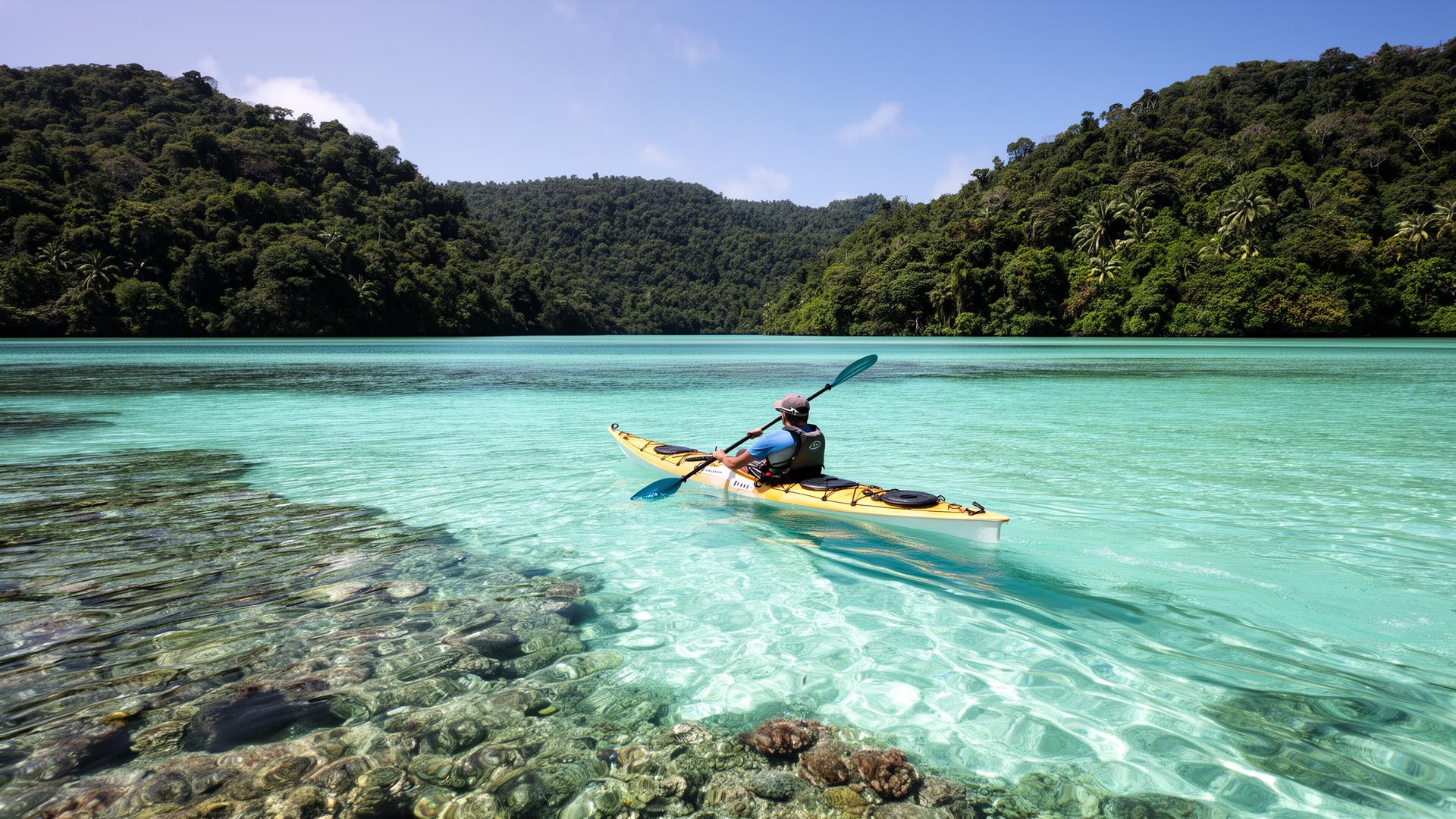
Paddle through the world's largest saltwater lagoon, a UNESCO tentative site. The double barrier reef system, volcanic islands, and traditional fishing villages create a truly untouched paradise.

Traditional Woodcarving Village

Traditional Woodcarving Village

Watch master carvers create intricate nguzunguzu (figurehead) carvings and shell-inlaid bowls in Western Province villages. Solomon Islands woodcarving is among the finest in the Pacific.

What a liveaboard in Solomon Islands costs

The calendar below shows how liveaboard prices shift month by month, so you can see exactly when your money goes furthest. We want every diver to get the best possible value, which is why we highlight the seasons that balance great conditions with the fairest rates.

The Solomon Islands are a remote, expedition-class destination, with liveaboard costs reflecting the logistics of operating in this frontier region, typically ranging from $350 to $550 per day. As one of the Pacific's more exclusive diving areas, prices are higher than in more accessible regions but offer unparalleled access to uncrowded sites. Trip costs vary based on the vessel's comfort level, with longer expeditions commanding a premium.

$268–$569

per day liveaboard

$80–$180

per 2-tank dive trip

$50–$200

hotel per night

Prices reflect typical costs for mid-range to premium options. Budget alternatives may be available.

Getting to Honiara: flights and transfers

Accessing the Solomon Islands involves flying into Honiara International Airport (HIR) on Guadalcanal, with connections available from cities like Brisbane, Nadi, and Port Moresby. From Honiara, some liveaboards depart directly, while others require a domestic Solomon Airlines flight to Gizo (GZO) or Munda (MUA). Most nationalities can obtain a visa on arrival for up to 90 days.

Insider tips

🍽️

Travel during shoulder season (Apr-May, Oct-Nov) – Great diving conditions at lower prices

🚢

Book liveaboard packages early – Limited vessels operate here, early booking gets best rates

✈️

Fly via Brisbane or Port Moresby – Compare routes for cheapest international connections

🏨

Stay at locally-owned lodges – Authentic experience and significantly cheaper than resorts

🤿

Bring all your own dive gear – Equipment rental is limited and expensive on remote islands

🚢

Combine destinations on one trip – Multi-stop liveaboard itineraries offer better value per dive

Getting there

Honiara International Airport

HoniaraHIR

Main gateway with flights from Brisbane, Port Moresby, Nadi, and Port Vila

Entry requirements

Most nationalities receive a visa on arrival for up to 90 days. Valid passport with 6 months validity required.

This information is provided without guarantee. Please visit the official website for the latest entry requirements.

Official Immigration Information →

Frequently asked questions about Solomon Islands liveaboards

How much does a Solomon Islands liveaboard cost in 2026?
Liveaboard prices for the Solomon Islands in 2026 will vary based on the vessel's luxury level and the length of the trip. You can expect a range of options to fit different budgets, all offering incredible value for exploring such a remote and biodiverse destination. For specific pricing, it's best to check available trips for your chosen dates.
When is the best time for a Solomon Islands liveaboard?
Diving in the Solomon Islands is fantastic year-round, but the best time depends on what you want to see. The dry season (April-November) typically offers calmer seas and visibility up to 30 meters. For warmer water and potentially the best macro life action, consider the wet season from December to March.
Do I need advanced certification for Solomon Islands liveaboards?
While not always mandatory, an Advanced Open Water certification is highly recommended to fully enjoy the diverse diving here. Many itineraries include deep WWII wrecks and sites with currents where advanced skills and experience will significantly enhance your dives. Always check the specific requirements for your chosen itinerary.
Which port do Solomon Islands liveaboards depart from?
The vast majority of liveaboard diving trips in the Solomon Islands depart from the capital city, Honiara. You will typically fly into Honiara International Airport (HIR) on the island of Guadalcanal and then transfer to your vessel at a local port.
What marine life can I see on a Solomon Islands liveaboard?
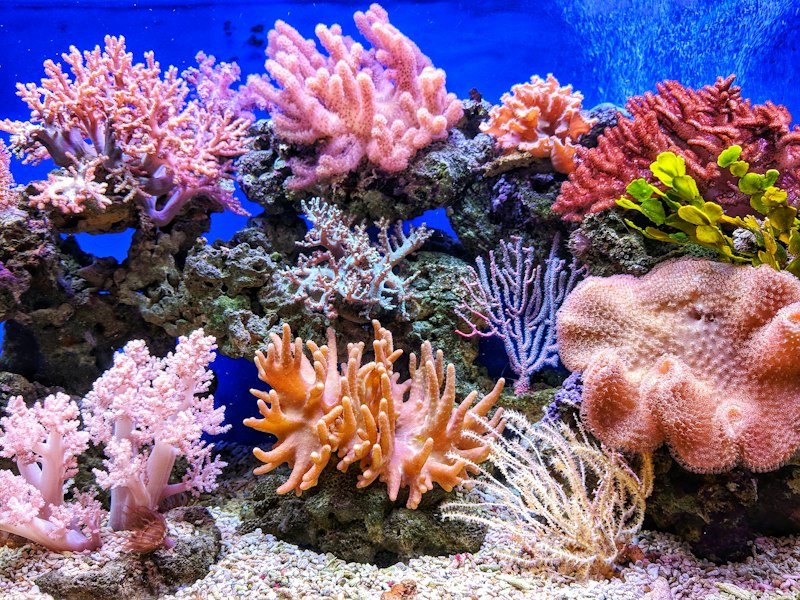
You'll be amazed by the biodiversity, with over 1,000 reef fish species and 480 types of coral. Liveaboards often visit the Florida and Russell Islands, letting you explore pristine reefs, historic WWII wrecks, and world-class muck diving sites. Expect everything from vibrant soft corals and schooling fish to unique macro critters.
What should I pack for a Solomon Islands liveaboard trip?
Pack a 3mm wetsuit for comfort, as water temperatures can vary, and a reef hook is useful for current dives. A good dive torch is essential for exploring wrecks and for night dives. Also, remember to bring a Type I (Australian-style) power adapter and some local currency (SBD) for village visits.
What are the health and safety considerations for diving in the Solomon Islands?
As you'll be in a very remote location, ensure you have comprehensive dive insurance and bring any personal medications you need. Be prepared for limited mobile phone and internet access once you leave Honiara. While the cyclone risk is low, always listen to your captain and crew's safety briefings.

Solomon Islands compared with other liveaboard destinations

Honest, in-depth comparisons to help you decide between destinations, certifications, equipment and dive styles.

Vanuatu vs. Solomon Islands: Which Liveaboard Adventure Calls You?

Choosing between Vanuatu and the Solomon Islands for a liveaboard dive trip presents a delightful dilemma for even the most seasoned underwater explorer. Both archipelagos, nestled in the South Pacific, boast incredible biodiversity, rich cultural heritage, and a compelling history. However, their unique characteristics cater to different diving preferences and experience levels. Understanding these distinctions is key to selecting your ideal liveaboard. Vanuatu is perhaps best known for its world-class wreck diving, particularly the iconic SS President Coolidge, offering an unparalleled journey through history beneath the waves. Beyond wrecks, its volcanic landscapes create dramatic underwater topography, complemented by vibrant coral reefs and unique marine encounters. The Solomon Islands, on the other hand, offer a more remote and pristine experience, celebrated for its untouched reefs, incredible biodiversity, and a vast array of WWII wrecks scattered across its numerous islands. This comparison will delve into the specifics of each destination, from the prime diving seasons and target marine life to logistical considerations and typical liveaboard experiences. By examining these factors side-by-side, you'll be better equipped to decide which Pacific paradise aligns with your liveaboard aspirations.

Read comparison

Liveaboard vs Land-Based Diving: Which Trip Is Right for You?

Choosing between a liveaboard and a land-based dive trip is the most fundamental decision divers face when planning a serious diving holiday. The right answer depends on your priorities: maximum dive count and access to remote sites favor liveaboards; beach time, family flexibility and lower cost favor land-based resorts. Both formats have evolved significantly in the last decade, and the line between them has blurred — luxury dive resorts now offer multi-day expedition trips, while many liveaboards include topside excursions and even spa days. This guide compares the two formats across every meaningful dimension: cost per day, dives per day, marine life access, comfort, social dynamics, family-friendliness, and travel logistics. We'll also cover the hybrid models (resort + day-charter, or 'safari boat' itineraries) that try to capture the best of both worlds. If you're certified, in love with diving and want to maximize bottom time, a liveaboard is almost always the better choice — you can clock 25+ dives in a week and reach sites no day boat can. If you're traveling with non-divers, prefer land-based comfort, or want flexibility to take days off, a resort wins. We'll get into all the nuances below.

Read comparison

Fiji vs. Solomon Islands: Which Liveaboard Adventure Awaits You?

When planning your next liveaboard dive trip in the South Pacific, Fiji and the Solomon Islands often emerge as top contenders. Both destinations promise spectacular underwater encounters, vibrant coral reefs, and unique cultural experiences, yet they offer distinct flavors of adventure. Fiji, often dubbed the 'Soft Coral Capital of the World,' is renowned for its kaleidoscopic reefs, teeming with colorful fish and larger pelagics. It's a well-established dive tourism hub, offering a range of liveaboard options catering to various budgets and experience levels. Its ease of access and diverse dive sites make it a perennial favorite. The Solomon Islands, in contrast, offer a more rugged and off-the-beaten-path experience. Famed for its pristine coral reefs, abundant WWII wrecks, and rich biodiversity, it appeals to divers seeking adventure, history, and a touch of the unexplored. While less developed for tourism, its raw beauty and historical significance provide an unparalleled dive journey.

Read comparison
Plan your trip

Ready to dive?

Explore our expedition vessels and find your perfect trip to Solomon Islands